Critiquing Harari: The Logic of Homo Deus and Future AI
Explore a critique of Yuval Noah Harari’s Homo Deus. Analyze how frontier AI models and the 2026 AI Index align with his logic on biology and algorithms.

Best quote from Critiquing Harari: The Logic of Homo Deus and Future AI
The danger isn't that we are obsolete algorithms, but that powerful systems behave as if we are. The question is whether a society can keep treating humans as sacred when its most powerful systems get better results by treating them as predictable units.

This audio lesson was created by a BeFreed community member
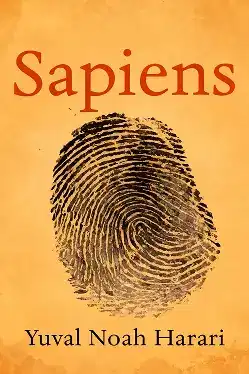
A thorough deep dive into the strongest critiques of Yuval Noah Harari's work, specifically focusing on the bridges in his arguments regarding biology, algorithms, capitalism, and data. Include a detailed exploration of how Harari might counter these specific criticisms. Use the attached source 'You are not crazy. Many critiques of Harari are weak because...' as the primary lens for identifying 'strong' vs 'weak' critiques.


Frequently Asked Questions
The critique focuses on the logic Harari uses to connect scientific observations to civilizational conclusions. Rather than simply looking at specific predictions, the discussion examines the 'bridges' in his arguments regarding massive forces like biology, algorithms, and dataism. It explores whether Harari provided a map for our current reality, especially as frontier AI models begin to meet or exceed human baselines in complex multimodal reasoning and PhD-level science.
The 2026 AI Index provides staggering data that suggests Harari’s observations from over a decade ago are becoming increasingly relevant. With frontier AI models now exceeding human baselines on PhD-level science questions and complex multimodal reasoning, the data supports Harari’s exploration of the direction of technology. This technological shift highlights the intersection of biology and algorithms that Harari identified as a defining force for the future of humanity.
No, Harari does not claim his predictions are set in stone or will happen on a specific timeline. Instead of saying a specific event will occur on a certain day, he encourages readers to look at the direction of massive forces such as capitalism, data, and biology. Many intellectual critiques of his work are considered weak because they focus on the literal accuracy of his predictions rather than the underlying logic of the territory he describes.
From Columbia University alumni built in San Francisco
"Instead of endless scrolling, I just hit play on BeFreed. It saves me so much time."


"I never knew where to start with nonfiction—BeFreed’s book lists turned into podcasts gave me a clear path."


"Perfect balance between learning and entertainment. Finished ‘Thinking, Fast and Slow’ on my commute this week."
"Crazy how much I learned while walking the dog. BeFreed = small habits → big gains."
"Reading used to feel like a chore. Now it’s just part of my lifestyle."

"Feels effortless compared to reading. I’ve finished 6 books this month already."
"BeFreed turned my guilty doomscrolling into something that feels productive and inspiring."

"BeFreed turned my commute into learning time. 20-min podcasts are perfect for finishing books I never had time for."
"BeFreed replaced my podcast queue. Imagine Spotify for books — that’s it. 🙌"

"It is great for me to learn something from the book without reading it."
"The themed book list podcasts help me connect ideas across authors—like a guided audio journey."
"Makes me feel smarter every time before going to work"
From Columbia University alumni built in San Francisco
"Instead of endless scrolling, I just hit play on BeFreed. It saves me so much time."
"I never knew where to start with nonfiction—BeFreed’s book lists turned into podcasts gave me a clear path."
"Perfect balance between learning and entertainment. Finished ‘Thinking, Fast and Slow’ on my commute this week."
"Crazy how much I learned while walking the dog. BeFreed = small habits → big gains."
"Reading used to feel like a chore. Now it’s just part of my lifestyle."
"Feels effortless compared to reading. I’ve finished 6 books this month already."
"BeFreed turned my guilty doomscrolling into something that feels productive and inspiring."
"BeFreed turned my commute into learning time. 20-min podcasts are perfect for finishing books I never had time for."
"BeFreed replaced my podcast queue. Imagine Spotify for books — that’s it. 🙌"
"It is great for me to learn something from the book without reading it."
"The themed book list podcasts help me connect ideas across authors—like a guided audio journey."
"Makes me feel smarter every time before going to work"
"Instead of endless scrolling, I just hit play on BeFreed. It saves me so much time."
"I never knew where to start with nonfiction—BeFreed’s book lists turned into podcasts gave me a clear path."
"Perfect balance between learning and entertainment. Finished ‘Thinking, Fast and Slow’ on my commute this week."
"Crazy how much I learned while walking the dog. BeFreed = small habits → big gains."
"Reading used to feel like a chore. Now it’s just part of my lifestyle."
"Feels effortless compared to reading. I’ve finished 6 books this month already."
"BeFreed turned my guilty doomscrolling into something that feels productive and inspiring."
"BeFreed turned my commute into learning time. 20-min podcasts are perfect for finishing books I never had time for."
"BeFreed replaced my podcast queue. Imagine Spotify for books — that’s it. 🙌"
"It is great for me to learn something from the book without reading it."
"The themed book list podcasts help me connect ideas across authors—like a guided audio journey."
"Makes me feel smarter every time before going to work"
"Instead of endless scrolling, I just hit play on BeFreed. It saves me so much time."
"I never knew where to start with nonfiction—BeFreed’s book lists turned into podcasts gave me a clear path."
"Perfect balance between learning and entertainment. Finished ‘Thinking, Fast and Slow’ on my commute this week."
"Crazy how much I learned while walking the dog. BeFreed = small habits → big gains."
"Reading used to feel like a chore. Now it’s just part of my lifestyle."
"Feels effortless compared to reading. I’ve finished 6 books this month already."
"BeFreed turned my guilty doomscrolling into something that feels productive and inspiring."
"BeFreed turned my commute into learning time. 20-min podcasts are perfect for finishing books I never had time for."
"BeFreed replaced my podcast queue. Imagine Spotify for books — that’s it. 🙌"
"It is great for me to learn something from the book without reading it."
"The themed book list podcasts help me connect ideas across authors—like a guided audio journey."
"Makes me feel smarter every time before going to work"



![[38c5d26a-bec9-4264-81e9-f341066fa195:c0000] Yuval Noah Harari. Organisms Are Algorithms. Body Is Calculator. Answer = Sensation~Feeling~Vedanā. p1-1](/_next/image?url=https%3A%2F%2Fd1y2du6z1jfm9e.cloudfront.net%2Fassets%2Fpodcast%2Fyellow.png&w=1024&q=50)