Criminal psychology is different than TV shows
TV profilers make it look like magic, but real criminal psychology is a data-driven science. Learn how experts decode behavior to solve real cases.

Best quote from Criminal psychology is different than TV shows
Behavior is a language; every choice someone makes—from how they organize their desk to how they react to stress—is a reflection of their internal map and a psychological fingerprint of their personality.
Generated by Elzie
Criminal psychology

Frequently Asked Questions
Professional profilers rely on behavioral consistency, behavioral distinctiveness, and homology. Behavioral consistency suggests that an offender’s actions during a crime reflect their everyday personality and traits. Behavioral distinctiveness, often called a "signature," refers to the unique personal choices an offender makes that set them apart from others committing similar crimes. Finally, homology is the theory that offenders who commit crimes in a similar fashion likely share similar background characteristics, such as age, social standing, or employment history.
This framework, developed by the FBI, categorizes offenders based on the state of the crime scene. An organized offender is typically methodical and controlled, bringing their own weapons and specifically targeting victims, which suggests they are socially competent or even charming in their daily lives. In contrast, a disorganized offender acts impulsively, often using whatever object is nearby as a weapon and leaving the scene in chaos, which may indicate social isolation or severe mental health struggles. However, many modern experts argue this is a false dichotomy, as many criminals exhibit "mixed" traits from both categories.
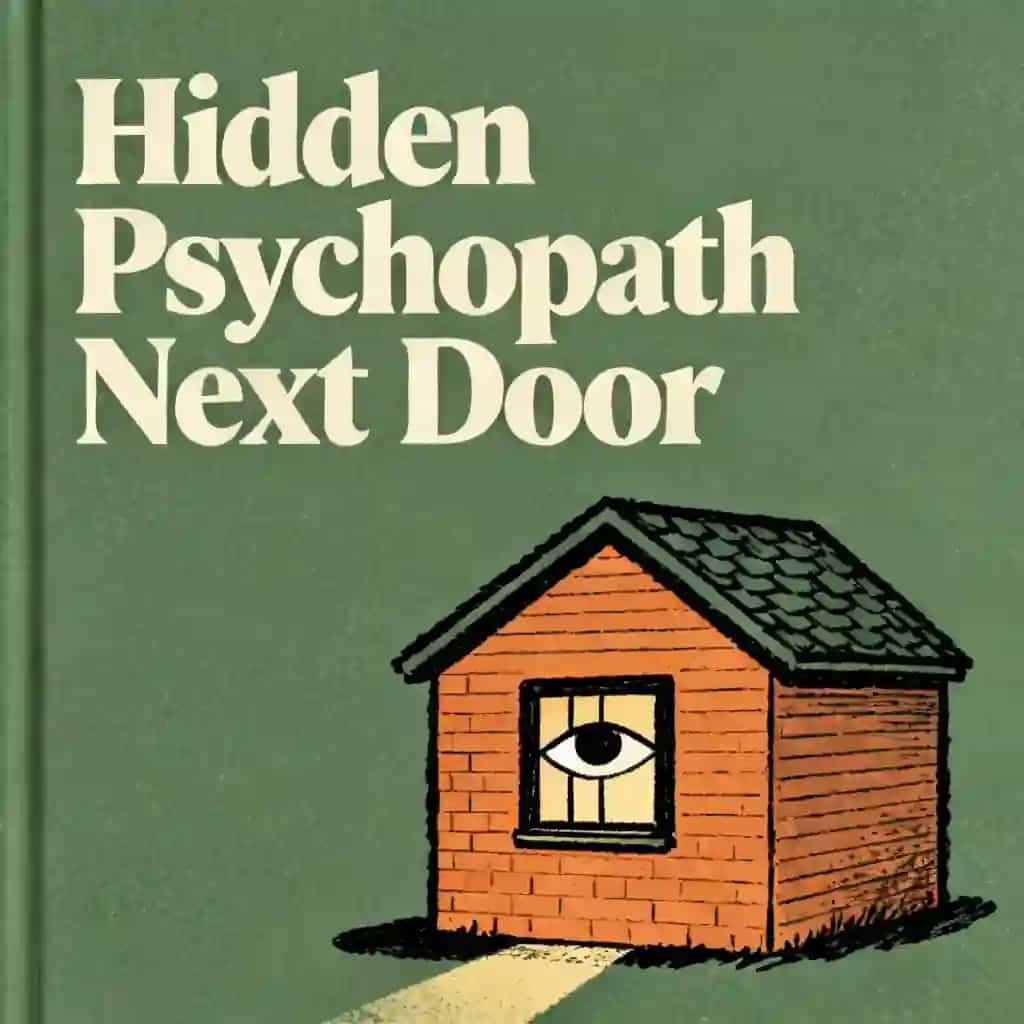
Geographic profiling uses mathematical models to map crime sites and identify an offender's "comfort zone," which is the familiar area where they feel safe operating. Investigators look for two main patterns: "marauders," who commit crimes in a circle radiating outward from their home base, and "commuters," who travel to a specific, separate area to offend. By analyzing these "dots on a map," authorities can calculate a "hot zone" to prioritize where a suspect might live or work, as seen in high-profile cases like that of the Unabomber.
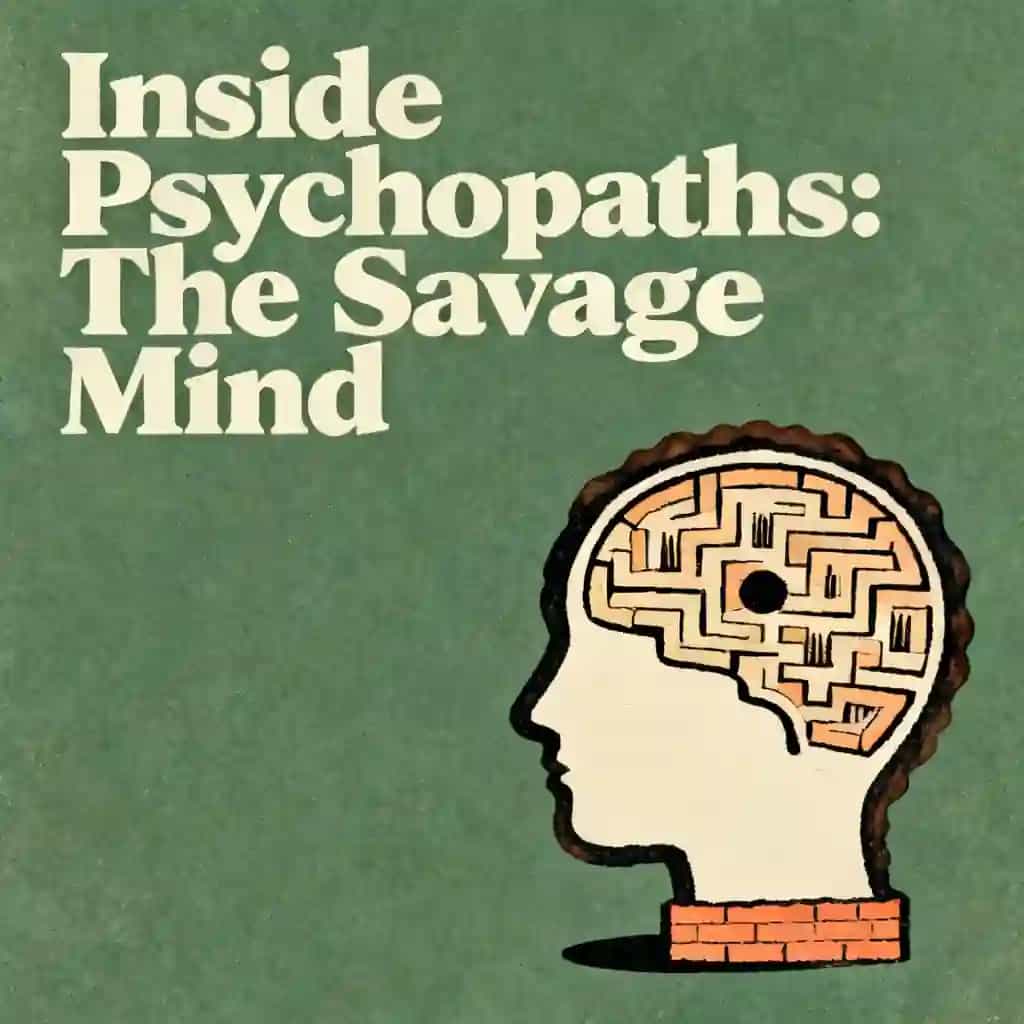
Rather than using a single diagnosis, modern forensic psychology looks at three distinct developmental paths. The first is driven by a "hostile attribution bias," where an individual who grew up with betrayal views the world as a constant threat and uses aggression as a survival mechanism. The second path involves "hypomentalizing," where a person lacks the social skills to understand or empathize with others' feelings, leading to impulsive harm. The third path involves high "callous-unemotional" traits, where the individual can read others' emotions perfectly but lacks the will to care, using aggression as a proactive tool to get what they want.
From Columbia University alumni built in San Francisco
"Instead of endless scrolling, I just hit play on BeFreed. It saves me so much time."


"I never knew where to start with nonfiction—BeFreed’s book lists turned into podcasts gave me a clear path."


"Perfect balance between learning and entertainment. Finished ‘Thinking, Fast and Slow’ on my commute this week."
"Crazy how much I learned while walking the dog. BeFreed = small habits → big gains."
"Reading used to feel like a chore. Now it’s just part of my lifestyle."

"Feels effortless compared to reading. I’ve finished 6 books this month already."
"BeFreed turned my guilty doomscrolling into something that feels productive and inspiring."

"BeFreed turned my commute into learning time. 20-min podcasts are perfect for finishing books I never had time for."
"BeFreed replaced my podcast queue. Imagine Spotify for books — that’s it. 🙌"

"It is great for me to learn something from the book without reading it."
"The themed book list podcasts help me connect ideas across authors—like a guided audio journey."
"Makes me feel smarter every time before going to work"
From Columbia University alumni built in San Francisco
"Instead of endless scrolling, I just hit play on BeFreed. It saves me so much time."
"I never knew where to start with nonfiction—BeFreed’s book lists turned into podcasts gave me a clear path."
"Perfect balance between learning and entertainment. Finished ‘Thinking, Fast and Slow’ on my commute this week."
"Crazy how much I learned while walking the dog. BeFreed = small habits → big gains."
"Reading used to feel like a chore. Now it’s just part of my lifestyle."
"Feels effortless compared to reading. I’ve finished 6 books this month already."
"BeFreed turned my guilty doomscrolling into something that feels productive and inspiring."
"BeFreed turned my commute into learning time. 20-min podcasts are perfect for finishing books I never had time for."
"BeFreed replaced my podcast queue. Imagine Spotify for books — that’s it. 🙌"
"It is great for me to learn something from the book without reading it."
"The themed book list podcasts help me connect ideas across authors—like a guided audio journey."
"Makes me feel smarter every time before going to work"
"Instead of endless scrolling, I just hit play on BeFreed. It saves me so much time."
"I never knew where to start with nonfiction—BeFreed’s book lists turned into podcasts gave me a clear path."
"Perfect balance between learning and entertainment. Finished ‘Thinking, Fast and Slow’ on my commute this week."
"Crazy how much I learned while walking the dog. BeFreed = small habits → big gains."
"Reading used to feel like a chore. Now it’s just part of my lifestyle."
"Feels effortless compared to reading. I’ve finished 6 books this month already."
"BeFreed turned my guilty doomscrolling into something that feels productive and inspiring."
"BeFreed turned my commute into learning time. 20-min podcasts are perfect for finishing books I never had time for."
"BeFreed replaced my podcast queue. Imagine Spotify for books — that’s it. 🙌"
"It is great for me to learn something from the book without reading it."
"The themed book list podcasts help me connect ideas across authors—like a guided audio journey."
"Makes me feel smarter every time before going to work"
"Instead of endless scrolling, I just hit play on BeFreed. It saves me so much time."
"I never knew where to start with nonfiction—BeFreed’s book lists turned into podcasts gave me a clear path."
"Perfect balance between learning and entertainment. Finished ‘Thinking, Fast and Slow’ on my commute this week."
"Crazy how much I learned while walking the dog. BeFreed = small habits → big gains."
"Reading used to feel like a chore. Now it’s just part of my lifestyle."
"Feels effortless compared to reading. I’ve finished 6 books this month already."
"BeFreed turned my guilty doomscrolling into something that feels productive and inspiring."
"BeFreed turned my commute into learning time. 20-min podcasts are perfect for finishing books I never had time for."
"BeFreed replaced my podcast queue. Imagine Spotify for books — that’s it. 🙌"
"It is great for me to learn something from the book without reading it."
"The themed book list podcasts help me connect ideas across authors—like a guided audio journey."
"Makes me feel smarter every time before going to work"