How To Create A Start With Why Workbook: episode overview
This BeFreed audio episode explores how to translate the concepts of purpose and the Golden Circle into a personal, self-guided workbook. It focuses on taking theoretical ideas and turning them into actionable daily prompts for self-reflection, helping you map out your core beliefs without needing to be a professional consultant.
Create Your Podcast in a Click
Generated by LoLo
Input question
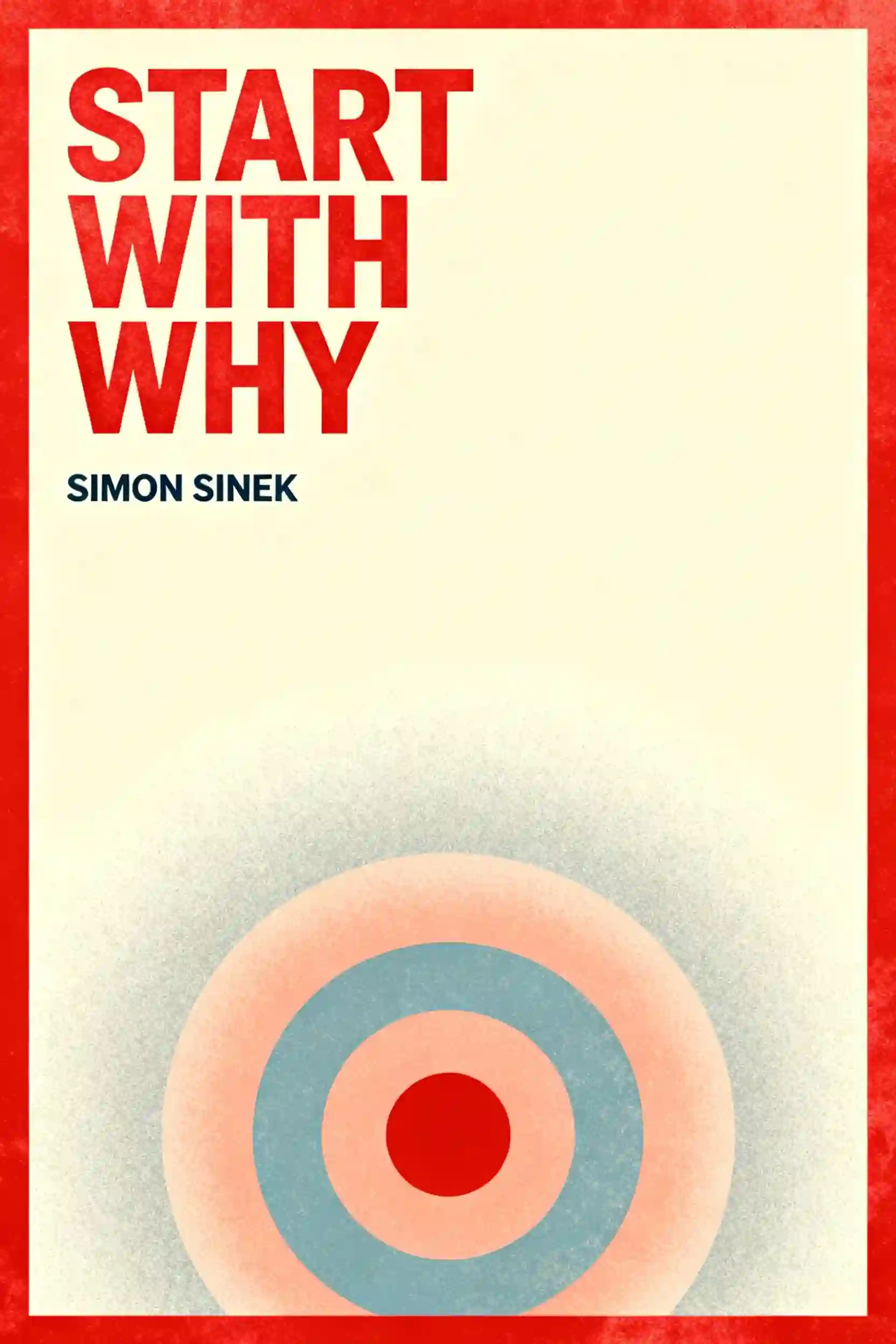
Start with why book, can you create a workbook from this book
Host voices

What you'll learn about creating a Start with Why workbook
- 1
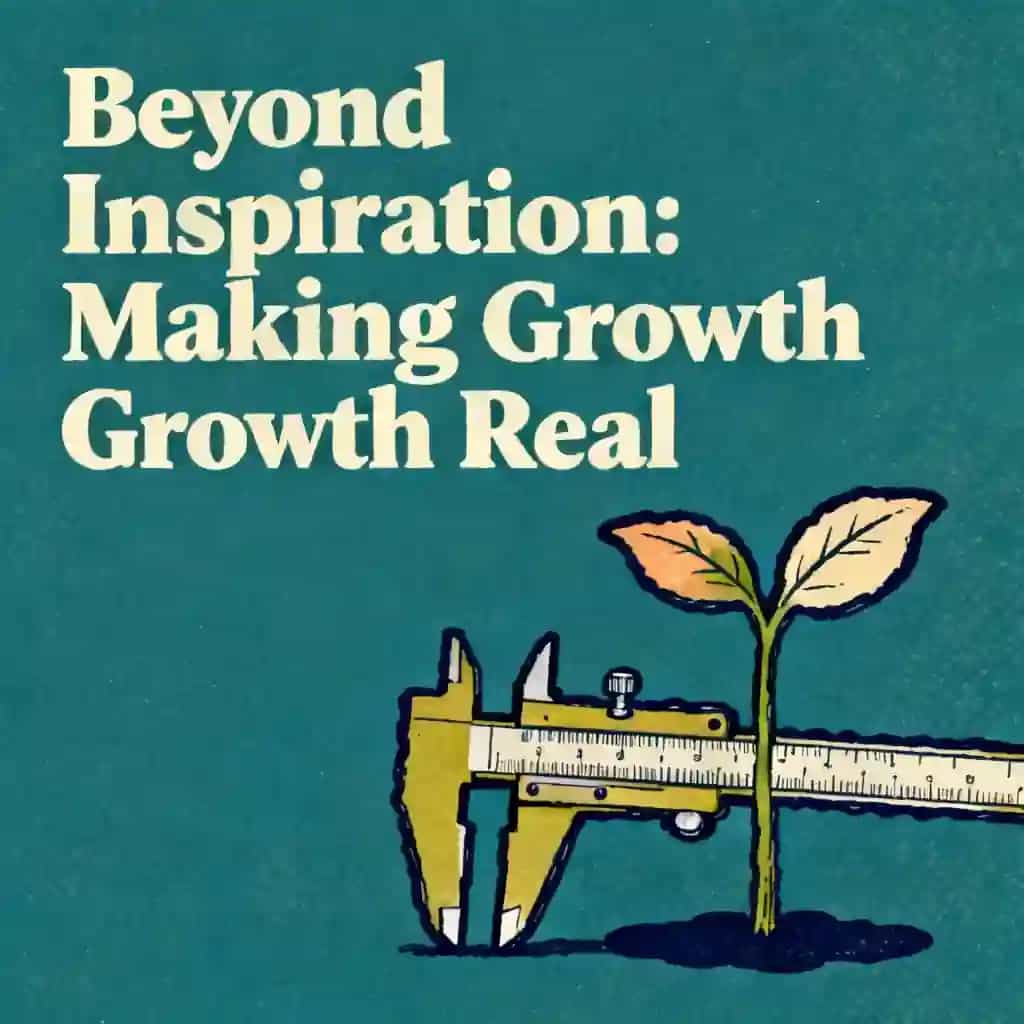
Bridging Inspiration to Implementation
 00:0000:00
Lena: Hey there, welcome to "Beyond the Book"! I'm Lena, and today I'm joined by my friend and co-host Miles. We've got something really practical for you today, don't we? Miles: Absolutely, Lena. You know how sometimes you read an amazing book that completely shifts your perspective, but then you struggle to actually implement those ideas in your daily life? Lena: Oh my goodness, yes! That happens to me all the time. I'll highlight passages, feel inspired, and then... nothing really changes. I think that's exactly what happens with Simon Sinek's "Start with Why" for a lot of people. Miles: Right! It's such a powerful concept—this idea that people don't buy what you do, they buy why you do it. But moving from understanding that concept to actually discovering and implementing your own "why" can be challenging. Lena: I've noticed there's a whole cottage industry of workbooks that have popped up around Sinek's work. Some are official, some are... well, let's say "inspired by" his concepts. What's interesting is how many people are searching for that bridge between concept and application. Miles: Exactly. And that's what we're exploring today—how to create your own workbook experience that transforms Sinek's powerful "Start with Why" philosophy into practical, daily actions that align with your purpose. Let's break down how anyone can build their own personalized "Why Workbook" that actually leads to meaningful change.
- 2
The Architecture of Purpose Discovery
Miles: So let's start with the foundation here. The Golden Circle isn't just a pretty diagram—it's actually a reflection of how our brains are wired to make decisions. When you're building your own workbook around this concept, you need to understand that we're working with biology, not just business theory. Lena: That's fascinating. Can you break that down a bit more? I mean, I get the three circles—Why, How, What—but what do you mean about biology? Miles: Well, think about it this way. The outer ring, the "What," corresponds to our neocortex—the rational, analytical part of our brain that processes language and logic. But the inner circles, the "How" and especially the "Why," they connect to our limbic brain, which handles emotions, trust, and all decision-making. Lena: Oh, so when someone says "it just feels right" about a decision, they're literally describing their limbic brain at work? Miles: Exactly! And here's the kicker—the limbic brain doesn't have the capacity for language. So when you're creating exercises for your workbook, you can't just ask people "What's your why?" and expect them to write a clear answer. You need to design activities that help them feel their way to the answer first. Lena: That makes so much sense. I've seen those workbooks that just have blank lines asking "State your purpose" and I always think, "If I knew that, I wouldn't need the workbook!" Miles: Right! The most effective approach is to start with story-gathering exercises. Think about moments when you felt most alive, most engaged, most fulfilled. Those stories contain the emotional data your limbic brain recognizes as "true." Lena: So instead of trying to think your way to your why, you're essentially feeling your way there through memories and experiences? Miles: Absolutely. And this is where the workbook structure becomes crucial. You want to create what I call a "discovery spiral"—exercises that gradually move from concrete experiences to abstract insights. Start with specific stories, identify patterns across those stories, then slowly work toward articulating the underlying belief or cause. Lena: I love that term, "discovery spiral." It suggests that you're not just going in a straight line from confusion to clarity, but actually circling around your purpose, getting closer each time. Miles: Exactly. And the beauty of this approach is that it works whether you're an individual trying to find your personal why, or a team working to discover your collective purpose. The process is fundamentally the same—you're mining emotional experiences for the deeper truths they reveal. Lena: So when someone's building their own workbook, they should think of themselves as an archaeologist, not an architect. You're not constructing your purpose from scratch; you're uncovering something that's already there. Miles: That's a brilliant analogy, Lena. Your why isn't something you invent—it's something you discover. And like any archaeological dig, you need the right tools and techniques to uncover it without damaging what you find.
- 3
Stories as the Currency of Purpose
Lena: You mentioned story-gathering exercises, and I think this is where a lot of people get stuck. They know stories are important, but they don't know which stories matter or how to extract meaning from them. How do you guide someone through that process? Miles: Great question. The key is understanding that not all stories are created equal when it comes to purpose discovery. You're looking for what I call "peak experiences"—moments when someone felt deeply engaged, when time seemed to disappear, when they felt like they were operating at their highest level. Lena: So these aren't necessarily the biggest achievements or the most impressive moments on paper? Miles: Not at all. In fact, some of the most revealing stories are quite ordinary on the surface. I remember working with someone whose most significant story was about staying late to help a coworker understand a complex process. Nothing dramatic, but something about that moment of connection and teaching lit them up in a way that revealed their core purpose. Lena: That's interesting. So the workbook exercises need to help people identify these moments, even when they might seem insignificant? Miles: Exactly. And here's where the structure becomes important. You want to cast a wide net initially. Ask people to write down ten to fifteen moments when they felt most alive, most engaged, most like themselves. Don't filter or judge—just capture the experiences. Lena: And then what? How do you move from this collection of stories to finding patterns? Miles: This is where it gets really interesting. You start looking for what I call "emotional threads"—the feelings that show up consistently across different stories. Maybe it's the satisfaction of solving complex problems, or the joy of helping others succeed, or the excitement of creating something new. Lena: So you're not necessarily looking for similar activities, but similar emotional experiences within different contexts? Miles: Exactly! Someone might feel that same sense of purpose whether they're mentoring a colleague, teaching their child to ride a bike, or volunteering at a community center. The activities are completely different, but the emotional core is the same. Lena: That's why those generic "find your passion" exercises often fall short. They focus on the what—the activities—instead of the why—the underlying motivation. Miles: You've hit the nail on the head. And this is where your workbook needs to include what I call "pattern recognition exercises." Simple tools that help people see the connections between their stories that might not be immediately obvious. Lena: Can you give me an example of what that might look like? Miles: Sure. One exercise I love is the "energy audit." After someone has written their peak experience stories, they go through each one and identify what specifically gave them energy in that moment. Was it the challenge? The collaboration? The impact on others? The creative expression? You start to see themes emerge. Lena: And presumably, you also want to look at the flip side—the moments when they felt drained or disconnected? Miles: Absolutely. Those "valley experiences" are just as revealing. They show you what happens when someone is operating outside their why. The contrast helps clarify what really matters to them. Lena: So you're essentially creating a map of someone's emotional landscape, with peaks and valleys that reveal the terrain of their purpose. Miles: Beautiful way to put it. And once you have that map, you can start to see the path forward—how to spend more time in those peak zones and less time in the valleys.
- Chapter 4
The Practical Mechanics of Why Discovery
**Lena:** Okay, so we've talked about the theory and the story-gathering. But let's get practical. If someone's sitting down to create their own workbook experience, what does the actual process look like? What exercises do they need? **Miles:** Great question. I think of it as a three-phase process. Phase one is what we just talked about—story collection and pattern recognition. But phase two is where things get really interesting: articulation and refinement. **Lena:** Articulation meaning actually putting your why into words? **Miles:** Exactly. And this is trickier than it sounds because, remember, we're trying to translate something that lives in the limbic brain—which doesn't have language—into words that the neocortex can understand and communicate. **Lena:** So how do you bridge that gap? **Miles:** One of the most effective exercises I've seen is what I call "the contribution statement." Instead of asking "What's your purpose?" you ask "What contribution do you make to the lives of others?" It's more concrete, more tangible, but it gets at the same essential truth. **Lena:** That's clever. You're making it about impact rather than abstract purpose, which feels more accessible. **Miles:** Right. And you can iterate on it. Start with "I contribute to others by..." and see what comes up. Then refine it. Maybe it becomes "I help people see possibilities they didn't know existed" or "I create environments where people feel safe to be themselves." **Lena:** And presumably you want to test these statements somehow? Make sure they actually resonate? **Miles:** Absolutely. This is where phase three comes in—validation and integration. You want to take your emerging why statement and test it against your peak experiences. Does it explain why those moments felt so fulfilling? Does it help you understand why certain activities drain you? **Lena:** So it's like a hypothesis that you're testing against your own data? **Miles:** Exactly! And here's something really important: your first attempt at articulating your why is probably not going to be perfect. The workbook needs to build in iteration and refinement. Your understanding of your purpose deepens over time. **Lena:** That makes sense. I imagine it's like learning to play an instrument—you start with the basic melody, but over time you develop more nuance and sophistication. **Miles:** Great analogy. And just like learning an instrument, you need regular practice. The workbook should include exercises for living your why on a daily basis, not just discovering it once and calling it done. **Lena:** What would that look like practically? **Miles:** Well, one powerful exercise is the daily alignment check. At the end of each day, you ask yourself: "When did I feel most aligned with my purpose today? When did I feel least aligned? What can I learn from both experiences?" **Lena:** So you're constantly calibrating and adjusting based on real-world feedback. **Miles:** Exactly. And over time, you start to make better decisions about how to spend your time and energy. You develop what I call "purpose intuition"—the ability to quickly assess whether an opportunity or activity aligns with your why. **Lena:** That sounds incredibly valuable. Instead of just having a mission statement that sits on a shelf, you're developing a practical navigation system for your life and work. **Miles:** That's exactly right. Your why becomes a decision-making filter, a source of energy, and a guide for growth all at the same time.
Chapter 5Beyond Individual Discovery to Team Alignment
**Lena:** This is all fascinating for individual purpose discovery, but I know a lot of our listeners are thinking about teams and organizations. How does this translate when you're working with groups? **Miles:** Oh, this is where it gets really exciting, Lena. Team why discovery is both more complex and more powerful than individual work. You're not just uncovering one person's purpose—you're finding the intersection where multiple purposes align. **Lena:** That sounds challenging. How do you even begin to find that intersection? **Miles:** The process starts similarly—with story collection—but now you're gathering stories about the team's peak moments. Times when the group felt most energized, most effective, most proud of their work together. **Lena:** So instead of personal peak experiences, you're looking for collective peak experiences? **Miles:** Exactly. And what's fascinating is that these team peak moments often reveal something deeper than what any individual member might have identified on their own. There's a synergy that emerges when people are working together in alignment with a shared purpose. **Lena:** Can you give me an example of what that might look like? **Miles:** Sure. I worked with a marketing team that initially thought their purpose was about driving sales. But when they collected their peak experience stories, they kept coming back to moments when they'd helped customers discover solutions they didn't even know they needed. Their real why wasn't about selling—it was about revelation and discovery. **Lena:** So the sales results were just the natural outcome of fulfilling their deeper purpose? **Miles:** Exactly. And once they understood that, everything changed. Their messaging became more educational and less pushy. Their campaigns focused on insights and possibilities rather than features and benefits. And ironically, their sales performance improved dramatically. **Lena:** That's a perfect example of how starting with why actually makes the what more effective. **Miles:** Right. But here's the key insight for building team-focused workbook exercises: you need to create space for both individual and collective discovery. People need to understand their own why before they can meaningfully contribute to a team why. **Lena:** So you're essentially running parallel processes—individual purpose work and team purpose work? **Miles:** In the best scenarios, yes. And the magic happens when you find the overlap. When team members can see how their individual purpose connects to and amplifies the team's collective purpose, you get incredible engagement and alignment. **Lena:** What does that look like in practice? How do you design exercises that reveal those connections? **Miles:** One of my favorite exercises is what I call "purpose mapping." After everyone has done their individual why work, you create a visual map showing how each person's purpose contributes to the team's larger mission. You start to see how different strengths and motivations complement each other. **Lena:** So instead of everyone trying to be good at everything, people can focus on their unique contribution to the collective purpose? **Miles:** Exactly. And this is where team performance really takes off. When people understand not just what they're supposed to do, but why their specific role matters to the larger purpose, they bring a different level of energy and creativity to their work. **Lena:** It sounds like you're creating what Simon Sinek talks about as a "Circle of Safety"—an environment where people feel secure enough to focus on the mission rather than protecting themselves. **Miles:** That's a brilliant connection, Lena. When everyone understands and is aligned with the why, trust increases naturally. People aren't second-guessing motives or competing for resources—they're collaborating toward a shared vision.
Chapter 6The Integration Challenge: From Insight to Action
**Lena:** Okay, so we've talked about discovery, articulation, and team alignment. But I think the biggest challenge for most people is actually living their why consistently. It's one thing to have these insights, but it's another thing entirely to integrate them into daily decisions and behaviors. How does a workbook address that gap? **Miles:** You've identified the crucial challenge, Lena. This is where most purpose work falls short—it creates awareness but doesn't build capability. The workbook needs to include what I call "implementation architecture." **Lena:** Implementation architecture—I like that. What does that look like? **Miles:** Think of it as a system for translating your why into specific behaviors and decisions. It starts with what I call "purpose touchpoints"—regular moments throughout your day when you consciously connect with your why. **Lena:** So instead of thinking about purpose as this big, abstract thing, you're breaking it down into micro-moments of alignment? **Miles:** Exactly. Maybe it's a morning reflection where you set an intention for how you'll express your purpose that day. Maybe it's a midday check-in where you assess how well you're staying aligned. Maybe it's an evening review where you celebrate moments of purpose and learn from moments of disconnection. **Lena:** That sounds like you're building purpose awareness into the rhythm of daily life rather than treating it as a separate activity. **Miles:** Right. And the workbook needs to provide tools for each of these touchpoints. Not just generic prompts, but specific exercises tailored to different situations and challenges. **Lena:** What kind of situations are you thinking about? **Miles:** Well, decision-making is huge. When you're faced with a choice—whether it's a career move, a project assignment, or even how to spend your weekend—having a clear framework for evaluating options against your purpose is incredibly valuable. **Lena:** So you'd include decision-making templates or frameworks? **Miles:** Absolutely. Simple tools like a "purpose alignment scale" where you rate potential choices on how well they connect to your why. Or a "energy prediction exercise" where you imagine how you'll feel six months from now if you make different choices. **Lena:** That's smart. You're essentially creating a personal decision-support system based on purpose rather than just pros and cons. **Miles:** Exactly. And it works for big decisions and small ones. Should I take this meeting? Should I volunteer for this project? Should I have this difficult conversation? Your why becomes a compass for all of it. **Lena:** What about when people hit obstacles or setbacks? I imagine staying connected to your purpose is easier when things are going well. **Miles:** Great point. The workbook definitely needs to address what I call "purpose resilience"—how to stay connected to your why when you're facing challenges or disappointments. **Lena:** How do you build that kind of resilience? **Miles:** One key is reframing setbacks as purpose data. Instead of seeing a failure as evidence that you're on the wrong path, you can examine what the experience teaches you about your values and motivations. **Lena:** So you're essentially treating every experience—positive or negative—as information that helps you understand and refine your purpose? **Miles:** Exactly. And this connects to something really important: your why isn't static. It evolves as you grow and change. The workbook needs to include exercises for revisiting and refining your purpose over time. **Lena:** That makes sense. I can see how someone's purpose at twenty-five might be different from their purpose at forty-five, even if there are some core threads that remain consistent. **Miles:** Right. And this is why the best workbook experiences are designed for long-term use, not just one-time completion. They become a tool for ongoing self-discovery and alignment.
Chapter 7The Ripple Effect: Purpose as Leadership
**Lena:** I'm thinking about our listeners who are in leadership positions—managers, executives, entrepreneurs. How does personal purpose work translate into leading others effectively? **Miles:** This is where the real magic happens, Lena. When leaders are clear about their own why and can articulate it authentically, they become incredibly compelling. People want to follow someone who knows where they're going and why it matters. **Lena:** But there's a difference between knowing your purpose and being able to communicate it in a way that inspires others, right? **Miles:** Absolutely. This is where the workbook needs to include what I call "purpose communication exercises." How do you tell the story of your why in a way that helps others connect with their own sense of purpose? **Lena:** So it's not about convincing people to adopt your purpose, but about helping them discover how their purpose aligns with the larger mission? **Miles:** Exactly. The best leaders don't impose their why on others—they create environments where people can discover and express their own why in service of something larger. **Lena:** That sounds like a completely different approach to leadership than the traditional command-and-control model. **Miles:** It is. It's what Simon Sinek calls "leading with why" rather than leading with what or how. You're inspiring action by connecting with people's intrinsic motivations rather than trying to manage their behavior through external incentives. **Lena:** What would that look like in practice? How do you actually lead this way? **Miles:** Well, it starts with how you communicate about work and decisions. Instead of just telling people what to do, you help them understand why it matters. You connect daily tasks to larger purposes. You celebrate not just results, but the values and motivations that drove those results. **Lena:** So you're essentially helping people see the meaning in their work, not just the mechanics? **Miles:** Right. And this has profound effects on engagement and performance. When people understand how their work contributes to something they care about, they bring discretionary effort—they go above and beyond because they want to, not because they have to. **Lena:** I can see how this would be especially important in today's work environment, where people are increasingly looking for meaning and purpose in their careers. **Miles:** Absolutely. The old model of "just do your job and collect your paycheck" doesn't work for most people anymore. They want to feel like their work matters, like they're contributing to something meaningful. **Lena:** And leaders who can provide that sense of meaning and connection are going to have a huge advantage in attracting and retaining talent. **Miles:** Exactly. But here's the key: it has to be authentic. People can sense when purpose is just marketing speak versus when it's a genuine expression of what the leader and organization actually believe. **Lena:** So the workbook needs to help leaders not just identify their purpose, but also develop the authenticity and communication skills to share it effectively? **Miles:** Yes, and it needs to help them create systems and cultures that support purpose-driven work. How do you hire for purpose alignment? How do you structure meetings and projects to reinforce shared values? How do you recognize and reward behavior that exemplifies your why? **Lena:** So we're talking about building purpose into the DNA of how an organization operates, not just having it as a nice statement on the wall. **Miles:** Exactly. Purpose becomes the foundation for everything—strategy, culture, operations, even financial decisions.
Chapter 8Building Your Personal Why Workbook
**Lena:** Alright, Miles, I think our listeners are probably ready for some concrete guidance. If someone wanted to create their own comprehensive "Start with Why" workbook experience, where would they begin? What would be the essential components? **Miles:** Great question. Let me walk through what I consider the core elements of an effective personal why workbook. First, you need a solid foundation section—exercises that help people understand the neuroscience behind decision-making and the Golden Circle framework itself. **Lena:** So you're not just jumping into the exercises—you're helping people understand why this approach works? **Miles:** Exactly. When people understand the science behind why starting with why is effective, they're more likely to engage deeply with the process. Include some simple explanations about the limbic brain, some examples of companies that exemplify purpose-driven leadership, maybe even some reflection questions about their own experiences with inspiring leaders. **Lena:** That makes sense. You're building buy-in for the process before asking people to do the hard work of self-discovery. **Miles:** Right. Then you move into what I call the "Story Mining" section. This is where you provide structured exercises for collecting and analyzing peak experiences. I'd include at least five different approaches to story gathering because people respond differently to different prompts. **Lena:** What kind of variety are you thinking about? **Miles:** Well, some people respond well to chronological approaches—"Think about your most fulfilling moment from each decade of your life." Others prefer thematic prompts—"Describe a time when you felt most creative" or "Tell me about a moment when you felt you made a real difference." **Lena:** So you're casting a wide net to make sure you capture the full range of someone's meaningful experiences. **Miles:** Exactly. And then you need pattern recognition exercises to help people see the common threads. This might include simple frameworks like categorizing stories by the type of impact they had, or the kind of energy they generated, or the values they expressed. **Lena:** What comes after pattern recognition? **Miles:** This is where you move into articulation exercises. I'd include multiple approaches here too—some people do better with fill-in-the-blank templates, others prefer more open-ended reflection, still others benefit from visual exercises like creating a purpose collage or diagram. **Lena:** And presumably you want to build in some way to test and refine these initial attempts at articulating purpose? **Miles:** Absolutely. Include validation exercises where people test their emerging why statement against their peak experiences, their values, their energy patterns. Does this statement explain why certain activities feel fulfilling and others feel draining? **Lena:** What about the implementation piece we talked about earlier? **Miles:** That's crucial. I'd include a whole section on what I call "Purpose in Practice"—daily, weekly, and monthly exercises for staying connected to your why. Things like morning intention-setting, decision-making frameworks, regular alignment check-ins. **Lena:** And for people in leadership positions? **Miles:** Definitely include a section on communicating and living your purpose as a leader. Exercises for telling your why story, creating purpose-driven team cultures, hiring and developing people who align with your values. **Lena:** This sounds like it could be quite comprehensive. How do you keep it from becoming overwhelming? **Miles:** Great point. I think the key is designing it as a modular system rather than a linear workbook. People can start with the foundational exercises and then choose the additional components that are most relevant to their situation and goals. **Lena:** So someone might focus heavily on the personal discovery sections, while someone else might spend more time on the leadership applications? **Miles:** Exactly. And you want to design it for multiple passes. Someone might go through the basic discovery process, live with their initial insights for a few months, then come back to deepen and refine their understanding. **Lena:** That makes it feel less like a one-time project and more like an ongoing tool for growth and alignment. **Miles:** Right. And I'd also include what I call "purpose partnership" exercises—ways to work through this process with a friend, colleague, or coach. Having someone else ask you questions and reflect back what they're hearing can be incredibly valuable.
Chapter 9The Long Game: Sustaining Purpose Over Time
**Lena:** As we start to wrap up our conversation, I want to talk about sustainability. We've covered how to discover your why and how to start living it, but how do you maintain that connection over the long term? Life gets busy, priorities shift, circumstances change. How does someone stay anchored to their purpose? **Miles:** This is such an important question, Lena, and honestly, it's where a lot of purpose work falls short. People have this powerful discovery experience, feel energized and clear for a while, and then gradually drift back into old patterns. **Lena:** Right, it's like the difference between getting inspired at a conference and actually changing your behavior long-term. **Miles:** Exactly. So the workbook needs to include what I call "purpose maintenance systems"—regular practices that keep your why alive and relevant as you grow and change. **Lena:** What would those systems look like? **Miles:** Well, one key practice is regular purpose review sessions. Maybe quarterly, you set aside time to reflect on how well you're living your why, what's working, what's not, and how your understanding might be evolving. **Lena:** So you're treating your purpose like a living document rather than a fixed statement? **Miles:** Exactly. Your core why might remain relatively stable, but how you express it and live it will definitely evolve as you gain experience and face new challenges. **Lena:** That makes sense. I can see how someone's purpose might remain consistent at its heart, but the specific ways they fulfill it could change dramatically over the course of their career or life. **Miles:** Right. And this connects to something really important: purpose isn't just about career or work. It's about how you show up in all areas of your life—as a parent, a friend, a community member, a citizen. **Lena:** So the workbook should help people think about purpose holistically, not just professionally? **Miles:** Absolutely. Some of the most fulfilling expressions of purpose happen outside of work. The volunteer activities you choose, the way you raise your children, how you treat service workers—all of these can be expressions of your deeper why. **Lena:** And presumably, when there's alignment between your purpose and all these different areas of your life, you experience more energy and less internal conflict? **Miles:** Exactly. You stop feeling like you're living multiple, disconnected lives and start experiencing more integration and authenticity. **Lena:** What about when people go through major life transitions? Career changes, family changes, health challenges—how does purpose work help during those times? **Miles:** This is where having a clear why becomes incredibly valuable. When external circumstances change dramatically, your purpose can serve as an anchor—something stable that helps you navigate uncertainty and make decisions that feel authentic to who you are. **Lena:** So instead of feeling completely lost during transitions, you have this internal compass that helps guide your choices? **Miles:** Right. And often, major transitions are actually opportunities to express your purpose in new ways. The person who's passionate about helping others learn might transition from being a teacher to a corporate trainer to a parent—different contexts, same underlying purpose. **Lena:** That's a beautiful way to think about life changes—not as departures from your path, but as new expressions of the same fundamental purpose. **Miles:** And this is why the long-term sustainability piece is so important. Your workbook needs to help people see purpose as a lifelong journey of discovery and expression, not a problem to be solved once and then forgotten. **Lena:** So the goal isn't to figure out your purpose and then live it perfectly, but to stay curious and intentional about how you're expressing your why as you grow and change? **Miles:** Exactly. It's about developing what I call "purpose fluency"—the ability to recognize and respond to opportunities to live your why, even in unexpected circumstances. **Lena:** That sounds like a much more sustainable and realistic approach than trying to engineer a perfect purpose-driven life from the beginning. **Miles:** Right. It's about progress, not perfection. And it's about staying awake to the possibilities for meaning and impact that exist in ordinary moments, not just waiting for grand opportunities to change the world. **Lena:** I love that. So as we bring this conversation to a close, what would you say to someone who's feeling inspired by these ideas but maybe a little overwhelmed by where to start? **Miles:** I'd say start small and start now. Pick one simple exercise—maybe just writing down three peak experiences from your life—and see what you notice. You don't have to create the perfect workbook or discover your ultimate purpose right away. Just begin the conversation with yourself about what matters most to you and why. **Lena:** And remember that this is a conversation worth having, not just for your own fulfillment, but for the impact you can have on others when you're living from a place of authentic purpose. **Miles:** Absolutely, Lena. When you know your why and you're living it consistently, you give others permission to do the same. You become part of creating a world where more people are doing work and living lives that feel meaningful and aligned. **Lena:** What a beautiful note to end on. To everyone listening, thank you for joining us for this exploration of how to transform Simon Sinek's powerful "Start with Why" concept into practical, personal action. We'd love to hear about your own purpose discovery journey, so feel free to reach out and share your insights and experiences with us. **Miles:** Thanks for listening, everyone. Remember, your why is waiting to be discovered, and the world needs what you have to offer when you're operating from that place of authentic purpose. **Lena:** Until next time, keep exploring, keep growing, and keep asking the important questions about what matters most to you and why.
What people search for about creating a Start with Why workbook
People looking to operationalize their purpose frequently search for ways to apply these concepts practically.
- Find your why personal worksheet templates
- Golden circle framework exercises
- Actionable steps to apply the Start with Why method
A practical guide to building your Start with Why workbook
To create a functional workbook for personal use, you need to operationalize the Golden Circle framework. This involves breaking down the philosophy into actionable daily prompts and exercises that guide your self-reflection.
Defining Your Why
Start your workbook with prompts that ask you to reflect on your past choices, flow states, and core beliefs to uncover your underlying purpose.
Mapping Your How
Create a section dedicated to the values and actions that support your purpose. Use exercises that identify recurring themes in your daily habits and decision-making processes.
Tracking Your What
Include daily tracking sheets that list your tangible activities and outcomes, ensuring they consistently align with your overarching Why.
Continue learning in BeFreed
Listen to the guided lesson, save it to your learning library, and continue in the BeFreed app.
Best quote from Create Your Own 'Why' Workbook
Your why isn't something you invent—it's something you discover. You're not constructing your purpose from scratch; you're uncovering something that's already there.
Knowledge sources





FAQ
The start with why method is an approach that encourages individuals to first define their core purpose and beliefs before determining the processes and tangible outcomes of their actions.
The golden circle framework consists of three layers: Why (your purpose), How (your processes and values), and What (the tangible results). It is used to align daily actions with underlying beliefs.
A personal purpose worksheet helps you gather meaningful life stories, identify recurring themes in your behavior, and craft a statement that aligns your daily activities with your core purpose.
From Columbia University alumni built in San Francisco
"Instead of endless scrolling, I just hit play on BeFreed. It saves me so much time."


"I never knew where to start with nonfiction—BeFreed’s book lists turned into podcasts gave me a clear path."


"Perfect balance between learning and entertainment. Finished ‘Thinking, Fast and Slow’ on my commute this week."
"Crazy how much I learned while walking the dog. BeFreed = small habits → big gains."
"Reading used to feel like a chore. Now it’s just part of my lifestyle."

"Feels effortless compared to reading. I’ve finished 6 books this month already."
"BeFreed turned my guilty doomscrolling into something that feels productive and inspiring."

"BeFreed turned my commute into learning time. 20-min podcasts are perfect for finishing books I never had time for."
"BeFreed replaced my podcast queue. Imagine Spotify for books — that’s it. 🙌"

"It is great for me to learn something from the book without reading it."
"The themed book list podcasts help me connect ideas across authors—like a guided audio journey."
"Makes me feel smarter every time before going to work"
From Columbia University alumni built in San Francisco
"Instead of endless scrolling, I just hit play on BeFreed. It saves me so much time."
"I never knew where to start with nonfiction—BeFreed’s book lists turned into podcasts gave me a clear path."
"Perfect balance between learning and entertainment. Finished ‘Thinking, Fast and Slow’ on my commute this week."
"Crazy how much I learned while walking the dog. BeFreed = small habits → big gains."
"Reading used to feel like a chore. Now it’s just part of my lifestyle."
"Feels effortless compared to reading. I’ve finished 6 books this month already."
"BeFreed turned my guilty doomscrolling into something that feels productive and inspiring."
"BeFreed turned my commute into learning time. 20-min podcasts are perfect for finishing books I never had time for."
"BeFreed replaced my podcast queue. Imagine Spotify for books — that’s it. 🙌"
"It is great for me to learn something from the book without reading it."
"The themed book list podcasts help me connect ideas across authors—like a guided audio journey."
"Makes me feel smarter every time before going to work"
"Instead of endless scrolling, I just hit play on BeFreed. It saves me so much time."
"I never knew where to start with nonfiction—BeFreed’s book lists turned into podcasts gave me a clear path."
"Perfect balance between learning and entertainment. Finished ‘Thinking, Fast and Slow’ on my commute this week."
"Crazy how much I learned while walking the dog. BeFreed = small habits → big gains."
"Reading used to feel like a chore. Now it’s just part of my lifestyle."
"Feels effortless compared to reading. I’ve finished 6 books this month already."
"BeFreed turned my guilty doomscrolling into something that feels productive and inspiring."
"BeFreed turned my commute into learning time. 20-min podcasts are perfect for finishing books I never had time for."
"BeFreed replaced my podcast queue. Imagine Spotify for books — that’s it. 🙌"
"It is great for me to learn something from the book without reading it."
"The themed book list podcasts help me connect ideas across authors—like a guided audio journey."
"Makes me feel smarter every time before going to work"
"Instead of endless scrolling, I just hit play on BeFreed. It saves me so much time."
"I never knew where to start with nonfiction—BeFreed’s book lists turned into podcasts gave me a clear path."
"Perfect balance between learning and entertainment. Finished ‘Thinking, Fast and Slow’ on my commute this week."
"Crazy how much I learned while walking the dog. BeFreed = small habits → big gains."
"Reading used to feel like a chore. Now it’s just part of my lifestyle."
"Feels effortless compared to reading. I’ve finished 6 books this month already."
"BeFreed turned my guilty doomscrolling into something that feels productive and inspiring."
"BeFreed turned my commute into learning time. 20-min podcasts are perfect for finishing books I never had time for."
"BeFreed replaced my podcast queue. Imagine Spotify for books — that’s it. 🙌"
"It is great for me to learn something from the book without reading it."
"The themed book list podcasts help me connect ideas across authors—like a guided audio journey."
"Makes me feel smarter every time before going to work"


![[start-with-why-by-simon-sinek:c0000] Start With Why p1-1](/_next/image?url=https%3A%2F%2Fd1y2du6z1jfm9e.cloudfront.net%2Fassets%2Fpodcast%2Fpurple.png&w=1024&q=50)
![[start-with-why-by-simon-sinek:c0001] Start With Why p1-1](/_next/image?url=https%3A%2F%2Fd1y2du6z1jfm9e.cloudfront.net%2Fassets%2Fpodcast%2Fgreen.png&w=1024&q=50)
![[start-with-why-by-simon-sinek:c0002] Start With Why p1-1](/_next/image?url=https%3A%2F%2Fd1y2du6z1jfm9e.cloudfront.net%2Fassets%2Fpodcast%2Fyellow.png&w=1024&q=50)
![[start-with-why-by-simon-sinek:c0003] Start With Why p1-1](/_next/image?url=https%3A%2F%2Fd1y2du6z1jfm9e.cloudfront.net%2Fassets%2Fpodcast%2Fblue.png&w=1024&q=50)