Counseling Techniques: The Art of Clinical Connection & Alliance
Explore the art of clinical connection and the therapeutic alliance. Learn to navigate physiological dysregulation and transdiagnostic presentations in therapy.

Best quote from Counseling Techniques: The Art of Clinical Connection & Alliance
Resistance isn't an obstacle to be overcome but a communication to be understood. When you normalize it as a protective strategy rather than a failure, you create the safety necessary for deep, cognitive change.
Generated by Neil
Key counseling techniques for a practitioner currently working with clients, focusing on practical application and professional skill-building.






Frequently Asked Questions
Research consistently shows that the quality of the therapeutic alliance is one of the strongest predictors of whether a client actually improves. It serves as the essential connective tissue between the practitioner and the client, facilitating growth even when traditional talk therapy struggles. By focusing on this clinical connection, therapists can better navigate the friction that occurs when a client's desire for growth meets their biological need for safety.
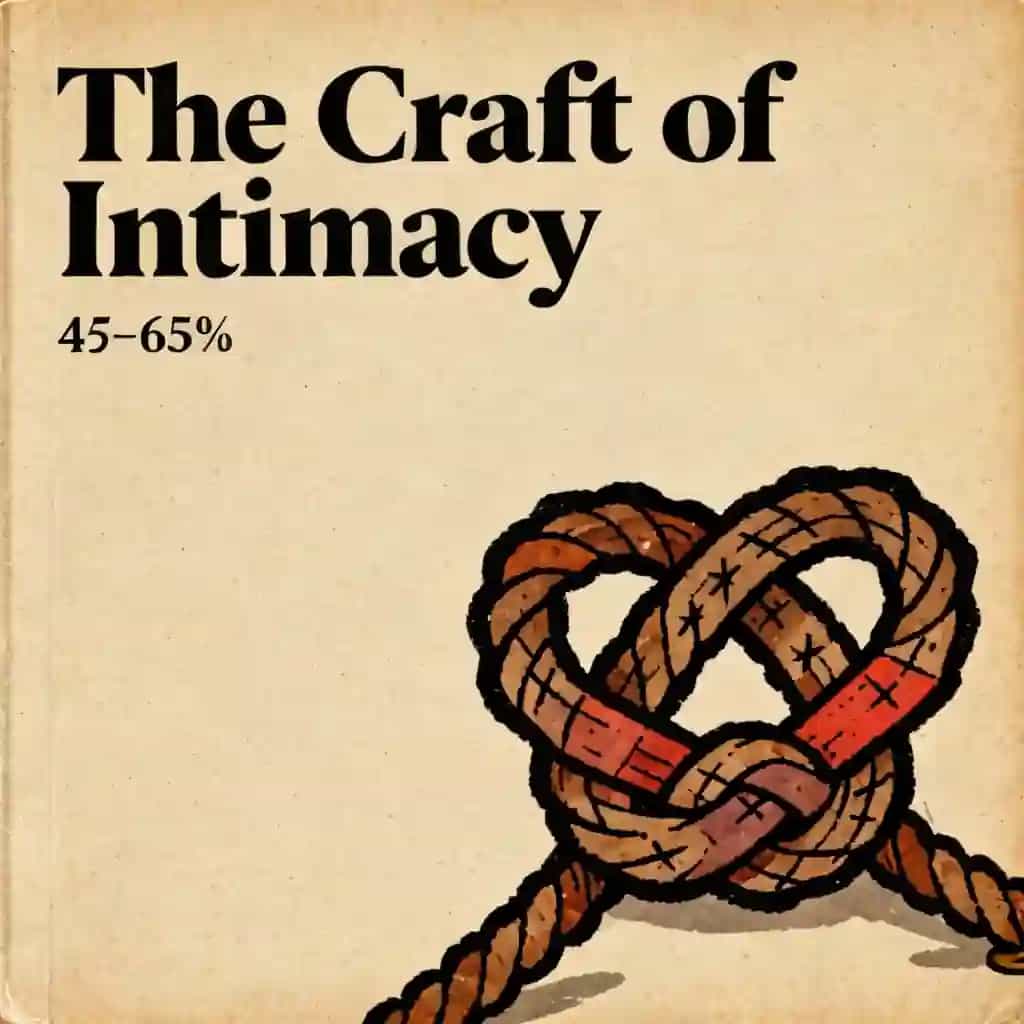
Contemporary practice often involves transdiagnostic presentations where chronic stress, shame, and physiological dysregulation form a complex knot. These cases suggest that practitioners are rarely dealing with a single, isolated problem. Understanding these invisible layers is crucial because traditional talk therapy alone may struggle to untie these issues, especially when a client's nervous system is reacting to the stress of the therapeutic work.
Clients may possess brilliant cognitive insight yet continue to self-sabotage because of the biological imperative for safety. When clinical intuition hits the real material of a session, a client's nervous system may scream for the exit, creating friction in the therapeutic relationship. This indicates that the work involves more than just intellectual understanding; it requires managing the physiological dysregulation that occurs during the deep layers of the therapeutic process.
Clinical intuition allows a therapist to recognize the exact moment they have reached the real material in a session, such as when a client avoids a specific topic or displays physiological distress. Recognizing these moments helps the therapist understand why they might feel they are working harder than the client. By leaning into this intuition, practitioners can better manage the complex layers of the therapeutic relationship and address the underlying friction hindering progress.
From Columbia University alumni built in San Francisco
BeFreed Brings Together A Global Community Of Curious Minds


"Instead of endless scrolling, I just hit play on BeFreed. It saves me so much time."


"I never knew where to start with nonfiction—BeFreed’s book lists turned into podcasts gave me a clear path."


"Perfect balance between learning and entertainment. Finished ‘Thinking, Fast and Slow’ on my commute this week."
"Crazy how much I learned while walking the dog. BeFreed = small habits → big gains."
"Reading used to feel like a chore. Now it’s just part of my lifestyle."

"Feels effortless compared to reading. I’ve finished 6 books this month already."
"BeFreed turned my guilty doomscrolling into something that feels productive and inspiring."

"BeFreed turned my commute into learning time. 20-min podcasts are perfect for finishing books I never had time for."
"BeFreed replaced my podcast queue. Imagine Spotify for books — that’s it. 🙌"

"It is great for me to learn something from the book without reading it."
"The themed book list podcasts help me connect ideas across authors—like a guided audio journey."
"Makes me feel smarter every time before going to work"
From Columbia University alumni built in San Francisco
BeFreed Brings Together A Global Community Of Curious Minds
"Instead of endless scrolling, I just hit play on BeFreed. It saves me so much time."
"I never knew where to start with nonfiction—BeFreed’s book lists turned into podcasts gave me a clear path."
"Perfect balance between learning and entertainment. Finished ‘Thinking, Fast and Slow’ on my commute this week."
"Crazy how much I learned while walking the dog. BeFreed = small habits → big gains."
"Reading used to feel like a chore. Now it’s just part of my lifestyle."
"Feels effortless compared to reading. I’ve finished 6 books this month already."
"BeFreed turned my guilty doomscrolling into something that feels productive and inspiring."
"BeFreed turned my commute into learning time. 20-min podcasts are perfect for finishing books I never had time for."
"BeFreed replaced my podcast queue. Imagine Spotify for books — that’s it. 🙌"
"It is great for me to learn something from the book without reading it."
"The themed book list podcasts help me connect ideas across authors—like a guided audio journey."
"Makes me feel smarter every time before going to work"
"Instead of endless scrolling, I just hit play on BeFreed. It saves me so much time."
"I never knew where to start with nonfiction—BeFreed’s book lists turned into podcasts gave me a clear path."
"Perfect balance between learning and entertainment. Finished ‘Thinking, Fast and Slow’ on my commute this week."
"Crazy how much I learned while walking the dog. BeFreed = small habits → big gains."
"Reading used to feel like a chore. Now it’s just part of my lifestyle."
"Feels effortless compared to reading. I’ve finished 6 books this month already."
"BeFreed turned my guilty doomscrolling into something that feels productive and inspiring."
"BeFreed turned my commute into learning time. 20-min podcasts are perfect for finishing books I never had time for."
"BeFreed replaced my podcast queue. Imagine Spotify for books — that’s it. 🙌"
"It is great for me to learn something from the book without reading it."
"The themed book list podcasts help me connect ideas across authors—like a guided audio journey."
"Makes me feel smarter every time before going to work"
"Instead of endless scrolling, I just hit play on BeFreed. It saves me so much time."
"I never knew where to start with nonfiction—BeFreed’s book lists turned into podcasts gave me a clear path."
"Perfect balance between learning and entertainment. Finished ‘Thinking, Fast and Slow’ on my commute this week."
"Crazy how much I learned while walking the dog. BeFreed = small habits → big gains."
"Reading used to feel like a chore. Now it’s just part of my lifestyle."
"Feels effortless compared to reading. I’ve finished 6 books this month already."
"BeFreed turned my guilty doomscrolling into something that feels productive and inspiring."
"BeFreed turned my commute into learning time. 20-min podcasts are perfect for finishing books I never had time for."
"BeFreed replaced my podcast queue. Imagine Spotify for books — that’s it. 🙌"
"It is great for me to learn something from the book without reading it."
"The themed book list podcasts help me connect ideas across authors—like a guided audio journey."
"Makes me feel smarter every time before going to work"