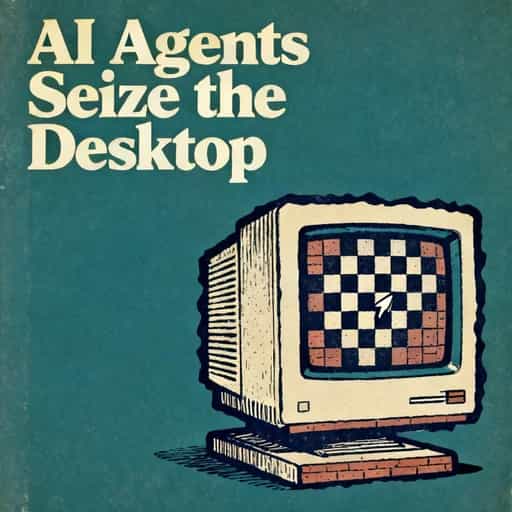
Claude Cowork: Features, Version History, and Best Applications
Explore Claude Cowork’s features, version history, and roadmap. Learn about its best applications, limitations, and how it compares to other AI productivity tools.

Best quote from Claude Cowork: Features, Version History, and Best Applications
We’re moving past the era of 'AI as a chatbot' and into the era of 'AI as an agent.' It’s a complete shift from AI as a search engine to AI as an operating system where the focus moves from conversation to delegation.

This audio lesson was created by a BeFreed community member
Claude Cowork as related to other tools. Best applications. History of versions, anticipated plans. Why its different. Limitations. Alternatives.



Frequently Asked Questions
Claude Cowork is designed to excel in collaborative environments where AI productivity tools can streamline workflows. Its best applications include project management, content generation, and real-time data analysis within team settings. By integrating deeply into existing processes, it helps users automate repetitive tasks while maintaining high-quality output, making it a versatile choice for businesses looking to leverage the latest Claude Cowork versions for maximum efficiency.
Claude Cowork stands out due to its specific focus on collaborative synergy and its unique version history that prioritizes user-driven updates. Unlike some general AI productivity tools, it is built to handle complex multi-user interactions and specific business logic. While there are several Claude Cowork alternatives on the market, its distinct roadmap and integration capabilities often make it a preferred choice for teams requiring specialized AI support.
While powerful, Claude Cowork limitations include specific constraints on offline functionality and certain third-party integration depths. Users should be aware that while it excels at task management and text-based collaboration, it may require supplementary tools for heavy graphical processing or niche technical simulations. Understanding these boundaries is essential when comparing Claude Cowork to other platforms to ensure it meets your specific project requirements and operational needs.
The history of Claude Cowork versions shows a steady evolution from a basic task assistant to a comprehensive collaborative platform. Each update has introduced more refined AI capabilities and better resource management. The Claude Cowork roadmap indicates anticipated plans for deeper API access and enhanced personalization features. Staying updated on these versions ensures that users can take full advantage of new functionalities as they are released to the public.
Discover more

Claude Code: From Terminal to Automation
As AI moves from chat interfaces to the terminal, developers need to master agentic workflows to stay productive. This plan is ideal for software engineers looking to automate repetitive coding tasks while maintaining full control over their local environment and code quality.

Master Conversational Prompting with Claude
As AI becomes a staple in the modern workplace, mastering Claude's unique conversational capabilities is essential for maximum productivity. This plan is ideal for professionals and data analysts who want to move beyond basic chat and leverage advanced features like XML structuring and Artifacts for complex project management.

Claude Code: Zero to Agentic Builder
This plan is essential for developers looking to move beyond simple chat interfaces into autonomous AI engineering. It benefits software engineers and tech leads who want to leverage agentic workflows to automate repetitive coding tasks and system integrations.
How to learn Claude code
As AI language models become increasingly powerful tools in technology and business, understanding how to effectively work with systems like Claude is becoming a valuable professional skill. This learning plan helps developers, content creators, and business professionals harness the full potential of AI language models to enhance productivity and create innovative solutions.

Claude Cowork per la Strategia Aziendale
Questo percorso è essenziale per leader e manager che desiderano integrare l'intelligenza artificiale generativa nella visione strategica d'impresa. Offre competenze pratiche per trasformare Claude in un partner operativo capace di gestire contesti aziendali complessi e decisioni ad alto impatto.

Learn AI agents for personal productivity
As digital workloads increase, manual task management is becoming a bottleneck for high-performers. This plan is designed for professionals and creators who want to leverage autonomous AI agents to reclaim their time and automate complex workflows.

Master AI, Claude & Agents for Tech Career
As artificial intelligence redefines the industry, technical professionals must evolve from passive users to expert builders of autonomous systems. This plan is designed for developers and tech leads looking to master LLMs and agentic workflows to secure a competitive edge in the modern job market.

From Chatting to Automated Workflows
As AI evolves from simple chat interfaces to proactive assistants, professionals must learn to integrate these tools into existing data environments and strategic processes. This plan is ideal for business analysts, managers, and operations leads looking to automate repetitive tasks and scale their strategic output using autonomous agents.
From Columbia University alumni built in San Francisco
"Instead of endless scrolling, I just hit play on BeFreed. It saves me so much time."


"I never knew where to start with nonfiction—BeFreed’s book lists turned into podcasts gave me a clear path."


"Perfect balance between learning and entertainment. Finished ‘Thinking, Fast and Slow’ on my commute this week."
"Crazy how much I learned while walking the dog. BeFreed = small habits → big gains."
"Reading used to feel like a chore. Now it’s just part of my lifestyle."

"Feels effortless compared to reading. I’ve finished 6 books this month already."
"BeFreed turned my guilty doomscrolling into something that feels productive and inspiring."

"BeFreed turned my commute into learning time. 20-min podcasts are perfect for finishing books I never had time for."
"BeFreed replaced my podcast queue. Imagine Spotify for books — that’s it. 🙌"

"It is great for me to learn something from the book without reading it."
"The themed book list podcasts help me connect ideas across authors—like a guided audio journey."
"Makes me feel smarter every time before going to work"
From Columbia University alumni built in San Francisco
"Instead of endless scrolling, I just hit play on BeFreed. It saves me so much time."
"I never knew where to start with nonfiction—BeFreed’s book lists turned into podcasts gave me a clear path."
"Perfect balance between learning and entertainment. Finished ‘Thinking, Fast and Slow’ on my commute this week."
"Crazy how much I learned while walking the dog. BeFreed = small habits → big gains."
"Reading used to feel like a chore. Now it’s just part of my lifestyle."
"Feels effortless compared to reading. I’ve finished 6 books this month already."
"BeFreed turned my guilty doomscrolling into something that feels productive and inspiring."
"BeFreed turned my commute into learning time. 20-min podcasts are perfect for finishing books I never had time for."
"BeFreed replaced my podcast queue. Imagine Spotify for books — that’s it. 🙌"
"It is great for me to learn something from the book without reading it."
"The themed book list podcasts help me connect ideas across authors—like a guided audio journey."
"Makes me feel smarter every time before going to work"
"Instead of endless scrolling, I just hit play on BeFreed. It saves me so much time."
"I never knew where to start with nonfiction—BeFreed’s book lists turned into podcasts gave me a clear path."
"Perfect balance between learning and entertainment. Finished ‘Thinking, Fast and Slow’ on my commute this week."
"Crazy how much I learned while walking the dog. BeFreed = small habits → big gains."
"Reading used to feel like a chore. Now it’s just part of my lifestyle."
"Feels effortless compared to reading. I’ve finished 6 books this month already."
"BeFreed turned my guilty doomscrolling into something that feels productive and inspiring."
"BeFreed turned my commute into learning time. 20-min podcasts are perfect for finishing books I never had time for."
"BeFreed replaced my podcast queue. Imagine Spotify for books — that’s it. 🙌"
"It is great for me to learn something from the book without reading it."
"The themed book list podcasts help me connect ideas across authors—like a guided audio journey."
"Makes me feel smarter every time before going to work"
"Instead of endless scrolling, I just hit play on BeFreed. It saves me so much time."
"I never knew where to start with nonfiction—BeFreed’s book lists turned into podcasts gave me a clear path."
"Perfect balance between learning and entertainment. Finished ‘Thinking, Fast and Slow’ on my commute this week."
"Crazy how much I learned while walking the dog. BeFreed = small habits → big gains."
"Reading used to feel like a chore. Now it’s just part of my lifestyle."
"Feels effortless compared to reading. I’ve finished 6 books this month already."
"BeFreed turned my guilty doomscrolling into something that feels productive and inspiring."
"BeFreed turned my commute into learning time. 20-min podcasts are perfect for finishing books I never had time for."
"BeFreed replaced my podcast queue. Imagine Spotify for books — that’s it. 🙌"
"It is great for me to learn something from the book without reading it."
"The themed book list podcasts help me connect ideas across authors—like a guided audio journey."
"Makes me feel smarter every time before going to work"