BeFreed
    Categories>Fiction>Circe: Reclaiming the Witch and Feminine Agency in Greek Mythology

    Circe: Reclaiming the Witch and Feminine Agency in Greek Mythology

    15 min
    |
    |
    Aug 24, 2026
    • Fiction
    • Self-Growth
    • History & Society

    Explore the transformation of Circe from a dangerous Greek mythology trope to a symbol of feminine agency through Madeline Miller’s literary excavation.

    Circe: Reclaiming the Witch and Feminine Agency in Greek Mythology
    0:00 / 0:00
    Choose how it's told

    One episode. Many ways to hear it.

    Same ideas from Circe: Reclaiming the Witch and Feminine Agency in Greek Mythology. Pick the voice, depth, and pace that fits you. Switch anytime.

    Transcript & chapters

    Chapter 1

    The silent goddess finds her voice

    For thousands of years, the name Circe has been a shorthand for the ultimate feminine threat. If you look at the traditional maps of Greek mythology, she is usually tucked away in a dark corner of the Odyssey—a dangerous, shimmering obstacle that the hero Odysseus has to survive. In the eighth century BCE, Homer painted her as a "wild lady" with an alluring, singing voice and a wand that could turn men into beasts. She was the original femme fatale, a cautionary tale about what happens when a woman is left alone with too much power. But if you stop and look closer at that image, you’ll notice something missing: Circe’s own perspective. For centuries, her story was told by men, for men, and she was reduced to a mirror—either a monster reflecting male fear or a helpful handmaiden reflecting male desire.

    Today, however, that mirror is being shattered. There is a profound shift happening in how we read these ancient stories, and it matters to you because it changes how we understand agency and self-definition in our own lives. When modern writers like Madeline Miller revisit these myths, they aren’t just giving an old character a makeover; they are performing a kind of literary excavation. They are asking: What was she thinking while she waited on that island? Why did she turn those men into pigs? And what does it look like when a woman stops being a supporting character in someone else’s epic and starts being the hero of her own? By reclaiming Circe, modern feminism has turned her from a villain into a symbol of incredible, self-taught power.

    This episode is an invitation to look at the "witch" through a different lens. We’re going to explore how Circe went from being a "faded and broken" child of the sun god to a woman who mastered the literal chemistry of the earth to protect herself. We’ll see how her exile was a punishment, but it became a sanctuary where she could finally hear her own voice without the roar of the patriarchy drowning it out. It’s a story about the "alchemy" of turning isolation into independence. So, let’s dive into the palace of Helios and see where this transformation really began.
    Chapter 2

    The foundation of otherness in the halls of the sun

    In the deep, polished obsidian halls of the sun god Helios, a young goddess named Circe learned what it felt like to be a ghost in her own home. Imagine a world where your value is measured solely by your radiance, your beauty, and your potential to be traded as a bride. This is the world of the Titans, a rigid patriarchal structure where Circe was an anomaly. She didn't have her father’s blinding light or her mother’s sharp, predatory grace. Instead, she had yellow eyes like a hawk and a voice that sounded—to the ears of the gods—strange and thin, almost human. In these halls, Circe wasn’t just a daughter; she was the "other."

    This concept of "otherness" is central to understanding how women have been portrayed throughout history. As feminist thinkers like Simone de Beauvoir have pointed out, in a patriarchal society, man is the default—the "Subject"—and woman is defined only in relation to him—the "Other". In the ancient myths, Circe exists only because she crosses paths with Odysseus. But in the modern retelling, we see that her alienation started much earlier. She was the "worst of my children" in the eyes of Helios because she couldn't be easily used or understood. This neglect created a void, and in that void, Circe began to look toward the world of mortals. She felt a kinship with their fragility, a pull toward a kind of existence that didn't rely on being a "trophy" or a "vessel" for godly pride.

    You can see the seeds of her rebellion in her first encounter with magic. It was an innate gift she was born with; she later learned to develop it. When she falls in love with a mortal fisherman named Glaucos, she doesn't just wait for a miracle—she goes looking for pharmaka, the transformative power of herbs. This is a crucial pivot. In the eyes of the gods, power is something you are, something inherited and static. But for Circe, power is something you make. It is "will and work". By seeking out this hidden knowledge, she commits the ultimate sin in a patriarchal system: she becomes unpredictable. She gains a power that her father and Zeus cannot account for, and that fear is exactly why she is eventually cast out. Her exile to the island of Aiaia is the gods' attempt to put the "Other" back in a box, but as we’ll see, it becomes the place where she finally builds a world of her own.

    Keep learning with this episode

    Take the ideas from this episode into a guided learning experience in BeFreed.

    Chapter 3

    The alchemy of exile and the birth of the witch

    The island of Aiaia was meant to be a prison, a silent patch of land in the middle of the sea where the gods could forget Circe existed. When she first arrived, she was terrified by the shadows of the thick woods and the weight of her own solitude. But a funny thing happens when the "gaze" of the patriarchy is removed—the person being watched finally starts to see themselves. For Circe, being away from the constant judgment of her father Helios meant that for the first time in her immortal life, her hours were her own. She began to treat the island not as a cage, but as a laboratory.

    This is the "alchemy" of her story. In the traditional myths, Circe is born a witch, but in the feminist reimagining, she becomes one through grueling, repetitive effort. She spends her days digging up roots, drying leaves, and learning the specific "song" of every plant on the island. This is a radical departure from the way male power is usually depicted in mythology—as a lightning bolt or a sudden decree. Circe’s power is slow. It’s grounded in the earth. It’s the power of the "midwife" and the "healer," roles that have historically been both essential to society and deeply feared by those in control. By mastering pharmakeia, she is reclaiming a form of agency that doesn't depend on anyone’s permission.

    You’ll notice that her physical appearance begins to change as her power grows. She stops trying to look like the "nymph" the gods expected her to be—the "bride" waiting for a husband. She knots her skirts around her knees so she can work in the dirt; she stops caring if her voice is "frail" because she is singing for herself now. This is the essence of what feminist theorists call "defining oneself." She is no longer an idol or a servant; she is a woman who has found a way to bridge the gap between the divine and the mundane. Her solitude becomes a sanctuary of self-discovery where the "otherness" that was used to shame her in her father’s halls becomes the source of her unique strength. But this sanctuary is eventually invaded, and it’s in that moment of crisis that the "witch" truly learns why she needs her power.

    Chapter 4

    Violence and the transformation of the predator

    The image of Circe turning men into pigs is one of the most famous scenes in all of mythology, but for centuries, we were never told why she did it. In the Odyssey, it’s presented as a whim—the act of a malicious woman who enjoys degrading men for sport. But when we look at the story through a feminist lens, the act of transformation takes on a much darker and more necessary meaning. It isn't a game; it is a response to the reality of being a woman alone in a world of predators.

    In Madeline Miller’s retelling, the first group of sailors to land on Aiaia are not met with a wand, but with a feast. Circe wants to be a host; she wants to be helpful. But the moment these men realize there is no husband or father to protect her—the moment they realize she is "alone and a woman"—their "hospitality" turns into violence. They rape her because they believe they can, because in their eyes, an unowned woman is just property waiting to be claimed. This is a visceral example of what Kate Millett calls "sexual politics," where power is imposed through sexual violence to maintain dominance. After the assault, Circe realizes that her kindness is a liability. She decides that if the world is going to see her as a monster for protecting herself, then she will be the most formidable monster they’ve ever encountered.

    Turning men into swine is a literal manifestation of taking off their masks. She isn't changing their nature; she is simply making their outsides match their insides. It’s an act of "will" that rejects the role of the victim. This is where the "witch" archetype becomes a radical symbol of empowerment. A witch is simply a woman who has more power than society wants her to have. By claiming this identity, Circe creates a boundary that no one can cross without her permission. She uses her magic to guard her island, turning the "fear of the feminine" into a shield. This shift is vital because it explains the tension that arises when Odysseus finally arrives on her shores. He isn't just a hero looking for his men; he is a representative of the very patriarchal world that Circe has spent centuries learning to resist.

    Keep learning with this episode

    Take the ideas from this episode into a guided learning experience in BeFreed.

    Chapter 5

    The power struggle between the hero and the enchantress

    When Odysseus finally stands before Circe, the air is thick with the history of every man who has ever tried to "tame" her. In the traditional telling of the Odyssey, this is the moment where the hero wins. With the help of the god Hermes, Odysseus uses a magical herb called moly to resist her spells, draws his sword, and forces her to "cower" and beg for mercy. It is a scene of total male domination. He "subdues" the witch, and only then—once she is properly humbled—does he agree to climb into her bed. The message is clear: a woman with power must be broken before she can be loved.

    But if you look at this encounter through the "magic" of a feminist retelling, the power dynamics shift completely. In Miller’s version, the confrontation isn't a one-sided defeat; it’s a negotiation between equals. Odysseus doesn't have to threaten Circe with a sword to get what he wants, and Circe doesn't have to "crawl and weep" to survive. Instead, they find a rare kind of mutual recognition. Both of them are outcasts in their own way—Odysseus is a man haunted by war, and Circe is a goddess haunted by her own family. Their relationship becomes a "constellation" of shared understanding rather than a struggle for control.

    This is where the "feminine myth" starts to crumble. In the old stories, Circe is either a predator or a prize, but here, she is a partner. She doesn't "detain" Odysseus on her island out of desperation, as he later claims in his own self-serving versions of the tale. She offers him a place to rest, a sanctuary where he can stop being a "hero" for a moment and just be a man. They spend a year together, not because she has bewitched him, but because they have found a way to exist outside the rigid "sex roles" that the world expects of them. This is a radical reinterpretation of their time together. It suggests that when a woman is truly autonomous, her relationships are built on "will" rather than "submission." Circe isn't a "lever" for Odysseus to use; she is a person who chooses to help him, and that choice is the ultimate expression of her agency.

    Chapter 6

    Motherhood and the fierce protection of the future

    After Odysseus departs, Circe is left with a new kind of transformation to navigate: motherhood. In the traditional myths, her son Telegonus is often just a footnote, but in a feminist context, his birth becomes a pivotal moment in her development. Motherhood for Circe isn't about domesticity or becoming a "vessel" for a man’s legacy—it’s about a fierce, lonely commitment to another life in a world that remains hostile to her existence. She raises him on Aiaia, away from the influence of the gods, creating a "third space" where he can grow up without the toxic expectations of the patriarchal world.

    But raising a son also brings her back into conflict with the gods, specifically the goddess Athena. In the retelling, Athena is portrayed as a "blade honed to a hair’s fineness," a woman who has achieved power by completely aligning herself with the patriarchal order. She represents the "woman who is like a man," and she sees Circe’s son as a threat to the established heroic lineage of Odysseus. This creates a fascinating tension between two different types of female power: the power that works within the system (Athena) and the power that works outside of it (Circe). To protect her son, Circe performs her most difficult feat of magic yet—she creates a "layer of living death," a shroud of smoke that hides the entire island from the eyes of the Olympians.

    This act of protection is a rejection of the "patriarchal gaze." For centuries, Circe was watched, judged, and exiled by gods like Helios and Zeus. By shrouding Aiaia, she is saying: "You no longer have the right to see me." This is a profound moment of liberation. She is no longer defining herself in opposition to them; she is simply removing herself from their map entirely. Her motherhood is an extension of her "witchcraft"—it is an act of will, work, and fierce independence. It shows you that agency isn't just about what you can do for yourself; it’s about the world you are willing to build for the people you love. As her son grows and eventually leaves to find his own path, Circe is left with the final question of her journey: who does she want to be when she is no longer a daughter, a lover, or a mother?

    Keep learning with this episode

    Take the ideas from this episode into a guided learning experience in BeFreed.

    Chapter 7

    Reclaiming the voice and the power to choose

    If you’ve ever felt like you were living a version of yourself that someone else wrote, then Circe’s final act is the most important part of her story. Throughout the ancient myths, Circe remains a goddess—stuck in an eternal, unchanging state on her island. But the modern feminist retelling offers a different, more human ending. Circe realizes that her immortality is just another kind of cage. It binds her to the world of the gods, a world she has spent her entire life rejecting. She decides that to truly be free, she must give up her divinity and embrace the one thing the gods fear most: change.

    The final transformation happens when she uses her pharmakeia on herself. She drinks a potion made from the same flowers she once used to "reveal the true self" of others. This is the ultimate "alchemy." She isn't turning herself into a monster; she is turning herself into a human. She wants a "mortal’s voice." She wants to age, to have lines on her face, and to live a life where her choices actually matter because her time is limited. This is a powerful metaphor for the feminist journey—moving from a "static" role defined by society into a "fluid," changing existence defined by your own desires.

    This act of choosing mortality is a total rejection of "otherness." She is no longer the "strange" daughter of the sun; she is a woman who owns her own skin. She leaves the island and enters a world where she can be a partner, a friend, and a citizen on her own terms. By reclaiming her story, she has "remedied" the poison of the old myths. She has shown you that being a "witch" was just a stage on the way to becoming a person. Her journey from the obsidian halls of Helios to a quiet life of her own making is a blueprint for anyone who has ever been marginalized. It tells you that the "exile" isn't the end of the story—it’s the place where you learn to speak your own name.

    Chapter 8

    The sanctuary within and the legacy of the witch

    The story of Circe reminds us that the labels people put on you—monster, victim, "other"—are often just reflections of their own fears. By looking at how her myth has been reclaimed, you can see a broader truth about the power of narrative. When we rewrite these old stories, we aren't just changing the past; we are giving ourselves permission to change our own futures. Circe went from a silent nymph in the margins of a man’s epic to a woman who mastered the literal elements of her world to find her own voice. She transformed her "exile" into a sanctuary of self-discovery, proving that even when the world tries to isolate you, you have the power to cultivate something beautiful in the silence.

    The most practical takeaway from Circe’s journey is the value of "will and work". She wasn't born with the answers; she had to dig them out of the earth. In your own life, the skills and agency you build for yourself—the things you learn when no one is watching—are often the very things that will eventually set you free. Whether you’re navigating a career, a relationship, or your own sense of identity, remember that you are the primary narrator of your own life. You don’t have to be the version of yourself that is "convenient" for others to understand. Like Circe, you can knot your skirts, work in the dirt, and find a voice that is entirely your own.

    Thank you for spending this time exploring the halls and shores of Aiaia with me. It’s been a journey through some of our oldest fears and our newest hopes. As you go back into your own world, perhaps take a moment to reflect on your own "island"—those parts of your life where you have the space to grow without judgment. Think about what kind of "alchemy" you’re performing in your own time, and remember that, like the newly-born Circe, you always have the power to choose who you become next.

    ★★★★★

    You made it to the end of Circe: Reclaiming the Witch and Feminine Agency in Greek Mythology

    “23 days in and I have used it every single day. It is part of my daily habit now.”

    jayallen

    Best quote from Circe: Reclaiming the Witch and Feminine Agency in Greek Mythology

    “

    A witch is simply a woman who has more power than society wants her to have; by reclaiming this identity, she turns the fear of the feminine into a shield.

    ”
    S

    Generated by Shahad

    Input question

    Modern feminist reinterpretations of Circe in Greek mythology, focusing on how her story has been reclaimed as a symbol of female power and agency.

    Host voices
    Lenaplay
    Knowledge sources
    Bewitched: Form and Female Agency in Madeline Miller’s “Circe”
    link
    https://epublications.vu.lt/object/elaba:143534273/143534273.pdf
    “I was alone and a woman, that was all that mattered”: A feminist analysis of Circe’s representations in Homer’s The
    link
    https://oulurepo.oulu.fi/bitstream/handle/10024/58059/nbnfioulu-202508225580.pdf?sequence=1
    [PDF] A Feminist Analysis of Fantasy in Madeline Miller's Circe
    link
    https://e-spacio.uned.es/bitstreams/a490edbe-0101-4f13-a4ab-c04b55fb746a/download
    [PDF] Madeline Miller's ​Circe​ as a Feminist Revisionist Myth
    link
    https://scripties.uba.uva.nl/download?fid=c2846327
    The Macksey Journal
    link
    https://mackseyjournal.scholasticahq.com/article/27857-i-will-not-be-silenced-voice-and-autonomy-in-madeline-miller-s-circe/attachment/73349.pdf
    Rewritings of Circe:
    link
    https://www.diva-portal.org/smash/get/diva2:1562223/FULLTEXT02

    Frequently Asked Questions

    In traditional Greek mythology, specifically within Homer's Odyssey from the eighth century BCE, Circe is often depicted as a dangerous 'wild lady' and the original femme fatale. She served as a cautionary tale of feminine power, tucked away in the shadows of Odysseus's journey. For centuries, her character was reduced to a mirror reflecting male fears or desires, acting as either a monstrous obstacle or a helpful handmaiden rather than a fully realized individual.

    Literary excavation, as seen in the work of modern writers like Madeline Miller, involves looking beneath the surface of ancient myths to find missing perspectives. Instead of simply giving Circe a makeover, this process asks critical questions about her motivations, such as why she turned men into pigs and what she thought while alone on her island. This shift allows her to stop being a supporting character in a male epic and finally become the hero of her own story.

    The shift in how we read Circe’s story is significant because it changes our understanding of agency and self-definition. By shattering the traditional mirror that defined her only through the eyes of men, we explore what happens when a woman claims her own power. Reclaiming Circe allows us to move past old stereotypes of feminine threats and instead focus on the importance of a woman defining her own life and perspective outside of traditional mythological maps.

    From Columbia University alumni | built in San Francisco

    BeFreed Brings Together A Global Community Of Curious Minds

    4.7

    avg rating

    7.84k+ App Rating

    BeFreed Community

    Seriously I haven’t even explored this app fully yet but from using it the last few days I am so impressed... BeFreed is on a different level from any other learning app I have used. This makes it ultra engaging and can actually improve your concentration which is great for all the doom scrollers!

    @ladyInfinity

    I bought BeFreed exactly 23 days ago, and I have used it every single day since. It has completely embedded itself into my daily workflow and learning habit.

    @jayallen

    The truth is, the app has exceeded all my expectations. I can ask it to generate audio on any topic, whatever it may be, and the result is impressive. My professional field is a specialization in psychotherapy and it is multidisciplinary; however, the answers are very accurate.

    @Raguipa

    What I appreciate most is how much it's reduced my scrolling – I'm spending less time searching and more time absorbing information. The combination of full audiobooks, podcasts, the learning plans are brilliant.

    @colonyofcreatorsNGO

    I have been a PhotoReading Accelerated Learning Instructor for the past 24 years... books and reading and learning are my thing, and BeFreed has done a great job in providing an innovative approach to disseminating and delivering information in an easy to consume way.

    @BeFreed user

    It is not just a book summary app, I have used the 'fun reading' option and it's a much better summary and way to grasp ideas the traditional way, that alone is worth this deal.

    @austinakon

    I love this app. Used it for several days and I cannot stop listening. Such a great way to start.

    @jcrules328

    I really like the program; I have already tested it for around one month, and I feel that it's an amazing gem. It works so well because I can use BeFreed to create my own topics, and the voice is so good with unlimited choice of narrations.

    @DanielCZ

    Seriously I haven’t even explored this app fully yet but from using it the last few days I am so impressed... BeFreed is on a different level from any other learning app I have used. This makes it ultra engaging and can actually improve your concentration which is great for all the doom scrollers!

    @ladyInfinity

    I bought BeFreed exactly 23 days ago, and I have used it every single day since. It has completely embedded itself into my daily workflow and learning habit.

    @jayallen

    The truth is, the app has exceeded all my expectations. I can ask it to generate audio on any topic, whatever it may be, and the result is impressive. My professional field is a specialization in psychotherapy and it is multidisciplinary; however, the answers are very accurate.

    @Raguipa

    What I appreciate most is how much it's reduced my scrolling – I'm spending less time searching and more time absorbing information. The combination of full audiobooks, podcasts, the learning plans are brilliant.

    @colonyofcreatorsNGO

    I have been a PhotoReading Accelerated Learning Instructor for the past 24 years... books and reading and learning are my thing, and BeFreed has done a great job in providing an innovative approach to disseminating and delivering information in an easy to consume way.

    @BeFreed user

    It is not just a book summary app, I have used the 'fun reading' option and it's a much better summary and way to grasp ideas the traditional way, that alone is worth this deal.

    @austinakon

    I love this app. Used it for several days and I cannot stop listening. Such a great way to start.

    @jcrules328

    I really like the program; I have already tested it for around one month, and I feel that it's an amazing gem. It works so well because I can use BeFreed to create my own topics, and the voice is so good with unlimited choice of narrations.

    @DanielCZ

    I love the fact that I can get useful, condensed, information and ideas in a 8 - 15 minute podcast style audio. I'm not a general fan of podcasts because of all the fluff, but this cuts through all that.

    @BeFreed user

    I am finishing up my doctorate, and have to read a lot of unfamiliar material... With BeFreed, you simply enter a prompt, and the app finds source material for you and generates an audio podcast. I find the process in BeFreed to be more streamlined than NotebookLM.

    @Brad

    I often search YouTube for something to listen to whilst making breakfast, when I'm out walking, commuting, etc, and BeFreed has provided an even more targeted approach, without the adverts and the fluff!

    @BeFreed user

    The absolute best part about this platform is its versatility. There is literally no subject that is off-topic. It handles whatever you throw at it... It is rare to find an learning tool with zero limitations that actually delivers on its promises.

    @jayallen

    BeFreed is fantastic. The user-friendly design means I spend less time navigating and more time learning. The mix of audiobooks, podcasts, and learning plans is a genius combo that has completely changed my daily routine.

    @BeFreed user

    At the start I needed a while to understand how to create podcasts in italian language and boom! It is so great! I can ask to explain every argument and it does so well and so smartly!

    @matteo77

    BeFreed has become my daily app for audio books tools... What I like the most is the way you put your text and come with an audio that you can listen on the go.

    @kotanzu1

    I love the fact that I can get useful, condensed, information and ideas in a 8 - 15 minute podcast style audio. I'm not a general fan of podcasts because of all the fluff, but this cuts through all that.

    @BeFreed user

    I am finishing up my doctorate, and have to read a lot of unfamiliar material... With BeFreed, you simply enter a prompt, and the app finds source material for you and generates an audio podcast. I find the process in BeFreed to be more streamlined than NotebookLM.

    @Brad

    I often search YouTube for something to listen to whilst making breakfast, when I'm out walking, commuting, etc, and BeFreed has provided an even more targeted approach, without the adverts and the fluff!

    @BeFreed user

    The absolute best part about this platform is its versatility. There is literally no subject that is off-topic. It handles whatever you throw at it... It is rare to find an learning tool with zero limitations that actually delivers on its promises.

    @jayallen

    BeFreed is fantastic. The user-friendly design means I spend less time navigating and more time learning. The mix of audiobooks, podcasts, and learning plans is a genius combo that has completely changed my daily routine.

    @BeFreed user

    At the start I needed a while to understand how to create podcasts in italian language and boom! It is so great! I can ask to explain every argument and it does so well and so smartly!

    @matteo77

    BeFreed has become my daily app for audio books tools... What I like the most is the way you put your text and come with an audio that you can listen on the go.

    @kotanzu1

    See more on how BeFreed is discussed
    129.7K19.5K
    55.2K19.2K
    154.2K10827355
    48.1K2.5K
    81.2K6.6K
    82.3K1.8K
    Start your learning journey, now
    BeFreed app
    BeFreed

    Learn Anything, Personalized

    DiscordLinkedIn
    Featured book summaries
    Crucial ConversationsThe Perfect MarriageInto the WildNever Split the DifferenceAttachedGood to GreatSay Nothing
    Trending categories
    Self HelpCommunication SkillRelationshipMindfulnessPhilosophyInspirationProductivity
    Celebrities' reading list
    Elon MuskCharlie KirkBill GatesSteve JobsAndrew HubermanJoe RoganJordan Peterson
    Award winning collection
    Pulitzer PrizeNational Book AwardGoodreads Choice AwardsNobel Prize in LiteratureNew York TimesCaldecott MedalNebula Award
    Featured Topics
    ManagementAmerican HistoryWarTradingStoicismAnxietySex
    Best books by Year
    2025 Best Non Fiction Books2024 Best Non Fiction Books2023 Best Non Fiction Books
    Featured authors
    Chimamanda Ngozi AdichieGeorge OrwellO. J. SimpsonBarbara O'NeillWinston ChurchillCharlie Kirk
    BeFreed vs other apps
    BeFreed vs. Other Book Summary AppsBeFreed vs. ElevenReaderBeFreed vs. ReadwiseBeFreed vs. Anki
    Learning tools
    Knowledge VisualizerAI Podcast Generator
    Information
    About Usarrow
    Pricingarrow
    FAQarrow
    Blogarrow
    Careerarrow
    Partnershipsarrow
    Ambassador Programarrow
    Directoryarrow
    BeFreed
    Try now
    © 2026 BeFreed
    Term of UsePrivacy Policy
    BeFreed

    Learn Anything, Personalized

    DiscordLinkedIn
    Featured book summaries
    Crucial ConversationsThe Perfect MarriageInto the WildNever Split the DifferenceAttachedGood to GreatSay Nothing
    Trending categories
    Self HelpCommunication SkillRelationshipMindfulnessPhilosophyInspirationProductivity
    Celebrities' reading list
    Elon MuskCharlie KirkBill GatesSteve JobsAndrew HubermanJoe RoganJordan Peterson
    Award winning collection
    Pulitzer PrizeNational Book AwardGoodreads Choice AwardsNobel Prize in LiteratureNew York TimesCaldecott MedalNebula Award
    Featured Topics
    ManagementAmerican HistoryWarTradingStoicismAnxietySex
    Best books by Year
    2025 Best Non Fiction Books2024 Best Non Fiction Books2023 Best Non Fiction Books
    Learning tools
    Knowledge VisualizerAI Podcast Generator
    Featured authors
    Chimamanda Ngozi AdichieGeorge OrwellO. J. SimpsonBarbara O'NeillWinston ChurchillCharlie Kirk
    BeFreed vs other apps
    BeFreed vs. Other Book Summary AppsBeFreed vs. ElevenReaderBeFreed vs. ReadwiseBeFreed vs. Anki
    Information
    About Usarrow
    Pricingarrow
    FAQarrow
    Blogarrow
    Careerarrow
    Partnershipsarrow
    Ambassador Programarrow
    Directoryarrow
    BeFreed
    Try now
    © 2026 BeFreed
    Term of UsePrivacy Policy

    More like this

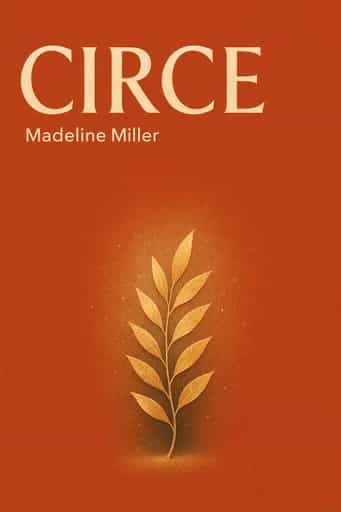
    Circe book cover
    Circe
    Madeline Miller
    A clear, story-driven exploration of Circe's transformation from an overlooked immortal into a woman who chooses responsibility, love, and a life shaped by her own decisions.
    37 min
    Reclaiming Sacred Femininity Beyond Pink Stereotypes book cover
    Fight Like a GirlWomen Who Run with the WolvesThis Is Woman's Work
    3 sources
    Reclaiming Sacred Femininity Beyond Pink Stereotypes
    Discover how true feminine power transcends cultural 'girly' expectations through insights from three transformative books that reveal authentic femininity as wild, wise, and wonderfully complex.
    12 min
    In Defense of Witches book cover
    In Defense of Witches
    Mona Chollet
    Exploring witch hunts as a symbol of eternal misogyny and its impact on modern women.
    32 min
    Hekate: Ancient Goddess, Modern Revival book cover
    Orishas, Goddesses, and Voodoo QueensGoddesses in EverywomanLegendbornThe Sirens
    17 sources
    Hekate: Ancient Goddess, Modern Revival
    Explore how the Greek goddess of crossroads and magic has gained more followers today than in ancient times, transcending popular mythology to become a powerful symbol of transformation.
    19 min
    Lilith: The Evolution of the Original Rebel book cover
    Lilith | Jewish Women's ArchiveThe History of Lilith, From Demon to Adam's First Wife to Feminist Icon | HowStuffWorksLilith - Biblical Archaeology SocietyThe Alphabet of Ben Sira
    7 sources
    Lilith: The Evolution of the Original Rebel
    From ancient night demon to modern feminist icon, Lilith's story is often hidden. Trace her 4,000-year history to reclaim your own power and autonomy.
    23 min
    The Myth of the Childless Woman book cover
    Motif Akademi Halkbilimi Dergisi » 
    Makale
    »
    BABA YAGA: RUS FOLKLORUNDA CADI VE ANNE ARKETİPİ BAĞLAMINDA YAŞLANAN KADIN BEDENİNİN ŞEYTANLAŞTIRILMASIThe Daughter of the Childless KingShtriga : The Vampiric Witch - MythlokDid Athena Have Children? - Mythical Encyclopedia
    8 sources
    The Myth of the Childless Woman
    Folklore often casts childless women as predators or hags. Explore how these ancient stories still shape our views on female autonomy and worth today.
    19 min
    Reclaiming Your Feminine Power book cover
    Bad Boys Finish FirstWhat Women Want In A ManNice Girls Just Don't Get ItThe Power of the Pussy
    15 sources
    Reclaiming Your Feminine Power
    Discover the true essence of femininity beyond appearances, and learn practical ways to reconnect with your natural feminine energy in our achievement-oriented world. It's about embracing flow, intuition, and vulnerability as strengths.
    41 min
    When Women Were Dragons: Breaking Silence, Claiming Power book cover
    When Women Were Dragons by Kelly BarnhillWhen Women Were Dragons by Kelly BarnhillWhen Women Were Dragons by Kelly Barnhillsource 4
    6 sources
    When Women Were Dragons: Breaking Silence, Claiming Power
    An exploration of Kelly Barnhill's powerful novel about women's transformation and the conspiracy of silence that tries to contain female power, connecting themes of resistance across literature.
    21 min