Discover the history and industrial power of chlorine dioxide (ClO2). Learn why this selective biocide is essential for water treatment and biofilm removal.
Best quote from Chlorine Dioxide: The Selective Biocide and Its Industrial Uses
“
Chlorine dioxide is a selective assassin; while other disinfectants try to burn up everything they touch, it ignores the background noise of the water and saves its energy for the pathogens that actually matter.
”
M
Generated by Michael Haebler
Input question
Chlorine dioxide (ClO2) focusing on water treatment, sanitation, and disinfection chemistry.
Chlorine dioxide, often referred to by its chemical formula ClO2, is a yellowish-green gas known as a powerful and selective biocide. It was first discovered in the early 1800s by Sir Humphrey Davy, who produced the molecule by reacting potassium chlorate with sulfuric acid. Since its discovery over two centuries ago, it has evolved from a laboratory curiosity into a critical tool for public health and industrial sanitation.
Despite the similarity in their names, chlorine dioxide behaves very differently from standard chlorine bleach. One of its most significant advantages is its stability across different pH levels. While standard chlorine loses nearly 80% of its effectiveness when water moves from a neutral pH 7 to a slightly alkaline pH 8, chlorine dioxide remains almost perfectly stable. This unique personality makes it a more reliable choice for complex industrial environments.
Chlorine dioxide is widely utilized in sectors where water safety and system efficiency are paramount. It is commonly used in municipal drinking water supplies, industrial cooling towers, and power plants to maintain system health. Additionally, it is highly effective in livestock farming and other settings where preventing systems from being choked by biofilm is essential for operational success.
Chlorine dioxide is often described as a selective biocide or a "selective assassin" because of its targeted effectiveness. Unlike harsher chemicals, it provides a surgical level of cleanliness, making it ideal for removing biofilm without the drawbacks of traditional treatments. Its ability to remain effective in alkaline conditions allows it to work efficiently in specific industrial applications where other biocides might fail.
From Columbia University alumni | built in San Francisco
BeFreed Brings Together A Global Community Of Curious Minds
4.7
avg rating
7.84k+ App Rating
BeFreed Community
Seriously I haven’t even explored this app fully yet but from using it the last few days I am so impressed... BeFreed is on a different level from any other learning app I have used. This makes it ultra engaging and can actually improve your concentration which is great for all the doom scrollers!
@ladyInfinity
I bought BeFreed exactly 23 days ago, and I have used it every single day since. It has completely embedded itself into my daily workflow and learning habit.
@jayallen
The truth is, the app has exceeded all my expectations. I can ask it to generate audio on any topic, whatever it may be, and the result is impressive. My professional field is a specialization in psychotherapy and it is multidisciplinary; however, the answers are very accurate.
@Raguipa
What I appreciate most is how much it's reduced my scrolling – I'm spending less time searching and more time absorbing information. The combination of full audiobooks, podcasts, the learning plans are brilliant.
@colonyofcreatorsNGO
I have been a PhotoReading Accelerated Learning Instructor for the past 24 years... books and reading and learning are my thing, and BeFreed has done a great job in providing an innovative approach to disseminating and delivering information in an easy to consume way.
@BeFreed user
It is not just a book summary app, I have used the 'fun reading' option and it's a much better summary and way to grasp ideas the traditional way, that alone is worth this deal.
@austinakon
I love this app. Used it for several days and I cannot stop listening. Such a great way to start.
@jcrules328
I really like the program; I have already tested it for around one month, and I feel that it's an amazing gem. It works so well because I can use BeFreed to create my own topics, and the voice is so good with unlimited choice of narrations.
@DanielCZ
Seriously I haven’t even explored this app fully yet but from using it the last few days I am so impressed... BeFreed is on a different level from any other learning app I have used. This makes it ultra engaging and can actually improve your concentration which is great for all the doom scrollers!
@ladyInfinity
I bought BeFreed exactly 23 days ago, and I have used it every single day since. It has completely embedded itself into my daily workflow and learning habit.
@jayallen
The truth is, the app has exceeded all my expectations. I can ask it to generate audio on any topic, whatever it may be, and the result is impressive. My professional field is a specialization in psychotherapy and it is multidisciplinary; however, the answers are very accurate.
@Raguipa
What I appreciate most is how much it's reduced my scrolling – I'm spending less time searching and more time absorbing information. The combination of full audiobooks, podcasts, the learning plans are brilliant.
@colonyofcreatorsNGO
I have been a PhotoReading Accelerated Learning Instructor for the past 24 years... books and reading and learning are my thing, and BeFreed has done a great job in providing an innovative approach to disseminating and delivering information in an easy to consume way.
@BeFreed user
It is not just a book summary app, I have used the 'fun reading' option and it's a much better summary and way to grasp ideas the traditional way, that alone is worth this deal.
@austinakon
I love this app. Used it for several days and I cannot stop listening. Such a great way to start.
@jcrules328
I really like the program; I have already tested it for around one month, and I feel that it's an amazing gem. It works so well because I can use BeFreed to create my own topics, and the voice is so good with unlimited choice of narrations.
@DanielCZ
I love the fact that I can get useful, condensed, information and ideas in a 8 - 15 minute podcast style audio. I'm not a general fan of podcasts because of all the fluff, but this cuts through all that.
@BeFreed user
I am finishing up my doctorate, and have to read a lot of unfamiliar material... With BeFreed, you simply enter a prompt, and the app finds source material for you and generates an audio podcast. I find the process in BeFreed to be more streamlined than NotebookLM.
@Brad
I often search YouTube for something to listen to whilst making breakfast, when I'm out walking, commuting, etc, and BeFreed has provided an even more targeted approach, without the adverts and the fluff!
@BeFreed user
The absolute best part about this platform is its versatility. There is literally no subject that is off-topic. It handles whatever you throw at it... It is rare to find an learning tool with zero limitations that actually delivers on its promises.
@jayallen
BeFreed is fantastic. The user-friendly design means I spend less time navigating and more time learning. The mix of audiobooks, podcasts, and learning plans is a genius combo that has completely changed my daily routine.
@BeFreed user
At the start I needed a while to understand how to create podcasts in italian language and boom! It is so great! I can ask to explain every argument and it does so well and so smartly!
@matteo77
BeFreed has become my daily app for audio books tools... What I like the most is the way you put your text and come with an audio that you can listen on the go.
@kotanzu1
I love the fact that I can get useful, condensed, information and ideas in a 8 - 15 minute podcast style audio. I'm not a general fan of podcasts because of all the fluff, but this cuts through all that.
@BeFreed user
I am finishing up my doctorate, and have to read a lot of unfamiliar material... With BeFreed, you simply enter a prompt, and the app finds source material for you and generates an audio podcast. I find the process in BeFreed to be more streamlined than NotebookLM.
@Brad
I often search YouTube for something to listen to whilst making breakfast, when I'm out walking, commuting, etc, and BeFreed has provided an even more targeted approach, without the adverts and the fluff!
@BeFreed user
The absolute best part about this platform is its versatility. There is literally no subject that is off-topic. It handles whatever you throw at it... It is rare to find an learning tool with zero limitations that actually delivers on its promises.
@jayallen
BeFreed is fantastic. The user-friendly design means I spend less time navigating and more time learning. The mix of audiobooks, podcasts, and learning plans is a genius combo that has completely changed my daily routine.
@BeFreed user
At the start I needed a while to understand how to create podcasts in italian language and boom! It is so great! I can ask to explain every argument and it does so well and so smartly!
@matteo77
BeFreed has become my daily app for audio books tools... What I like the most is the way you put your text and come with an audio that you can listen on the go.
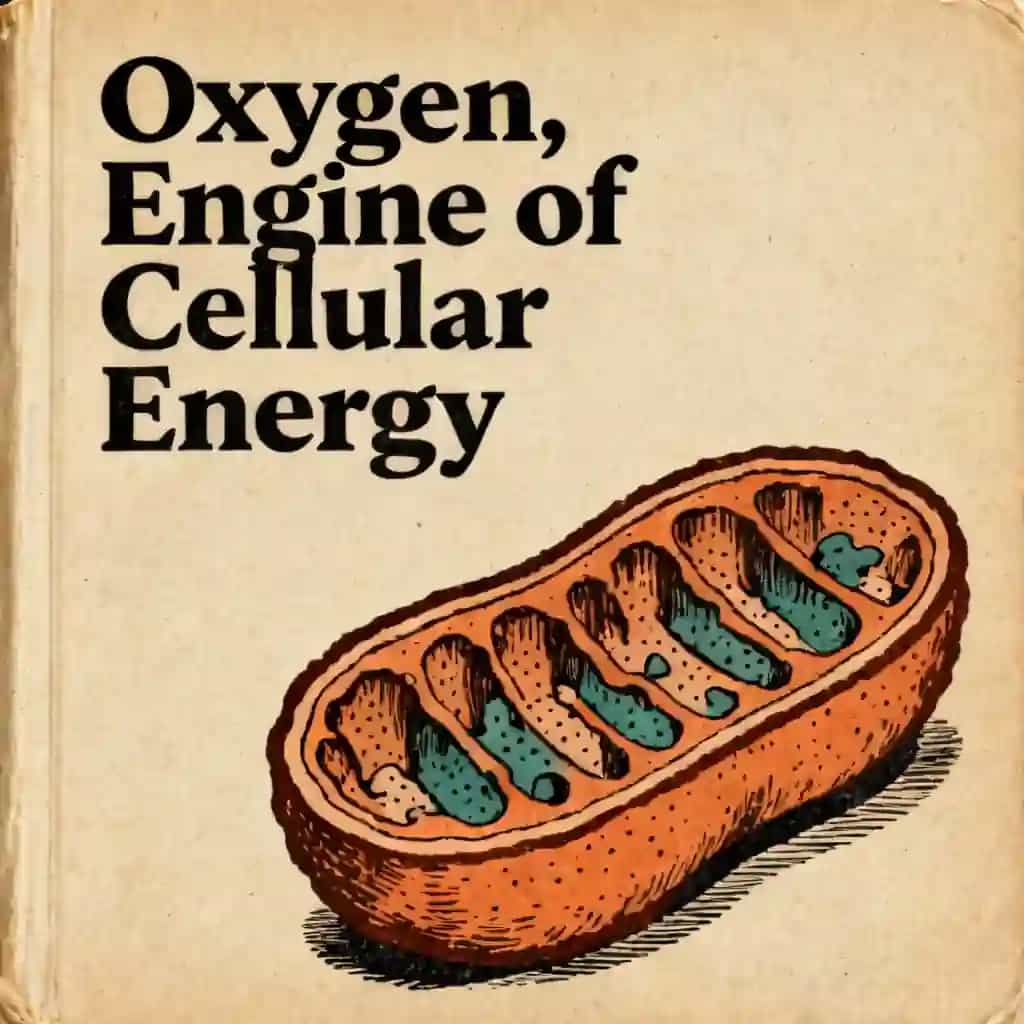
Discover how oxygen transforms cellular energy production through the electron transport chain, where cytochrome c oxidase and NADH work together to generate 30+ ATP molecules—far more than possible without oxygen.
Explore tetramethylenedisulfotetramine, a tasteless poison 100x more toxic than cyanide with no antidote. Despite global bans, this potential chemical weapon remains a deadly threat on black markets worldwide.
Discover how Velcorin's specialized dosing technology eliminates harmful microorganisms without affecting taste, and why beverage manufacturers rely on this revolutionary cold sterilization method to keep drinks fresh.
Lena and Eli explore how troubleshooting analytical instruments mirrors managing any complex system - from tracking subtle warning signs to building systematic diagnostic approaches that prevent small problems from cascading into major failures.
Lena and Eli explore how systematic problem-solving from electronics repair and surgical checklists transforms ion chromatography troubleshooting, revealing universal principles for tackling complex analytical instrument failures.
Discover how to get your oven spotless using just baking soda and vinegar with an overnight method that eliminates the need for toxic cleaners or intimidating self-clean cycles.