Charles Bukowski y la belleza del realismo sucio
Frente al vacío de la vida moderna, Miles y Lena exploran cómo Bukowski halló luz en la miseria para enseñarnos a sobrevivir con una sonrisa.

Best quote from Charles Bukowski y la belleza del realismo sucio
Tu vida es tu vida, no dejes que sea golpeada contra la húmeda sumisión. Mantente alerta porque hay salidas; hay una luz en algún lugar.

This audio lesson was created by a BeFreed community member
Charles bukowski philosophy en poetry

Frequently Asked Questions
Contrary to appearing lazy or pessimistic, "Don’t Try" serves as a manifesto for authenticity. According to the script, Bukowski believed that if a creative act—like writing—doesn't burst out of a person naturally like a rocket, it shouldn't be forced. He argued against the "cheap American optimism" of trying to fit into a system or forcing success, suggesting instead that one should only act when the impulse is visceral and undeniable.
Dirty realism, or dirty realism, is a literary movement that portrays the unvarnished, often gritty reality of everyday life without "anesthesia" or poetic filters. Bukowski is considered a master of this style because he focused on the "Face B" of the American Dream, featuring marginalized characters like gamblers and post office workers. His prose is characterized by being agile and brief, avoiding flowery metaphors, and stripping away decorum to show human nature in its rawest form, including its vices and physical filth.
Bukowski used the term "moist submission" to describe the passive resignation of people who accept soul-crushing jobs and domestic lives out of fear. He viewed this as a form of spiritual death where the system domesticates the individual. His philosophy encourages resistance against this state, suggesting that even in a terrible world, one must remain alert to find "small lights" of personal freedom and maintain one's soul intact despite societal failure.
For Bukowski, alcohol was a multi-faceted tool: an emotional escape, a social lubricant for the marginalized, and a "motor" for his dark humor. He saw the bar as a stage for the "human comedy" where social masks fell away, revealing the naked truth of people. While he acknowledged it as a destructive slavery and a source of toxic behavior, he also viewed it as a way to alter perception and gain the courage to look directly into the "abyss" before writing about it.
Bukowski’s "combat manual" for writers emphasizes that writing should be a biological necessity rather than a career choice. He advised against writing for money, fame, or status, stating that if it doesn't come "roaring out of you," you shouldn't do it. He championed a "simple phrase" without confusion and believed that a writer must be willing to endure isolation and failure—going "all the way"—to achieve true artistic liberation.
Discover more
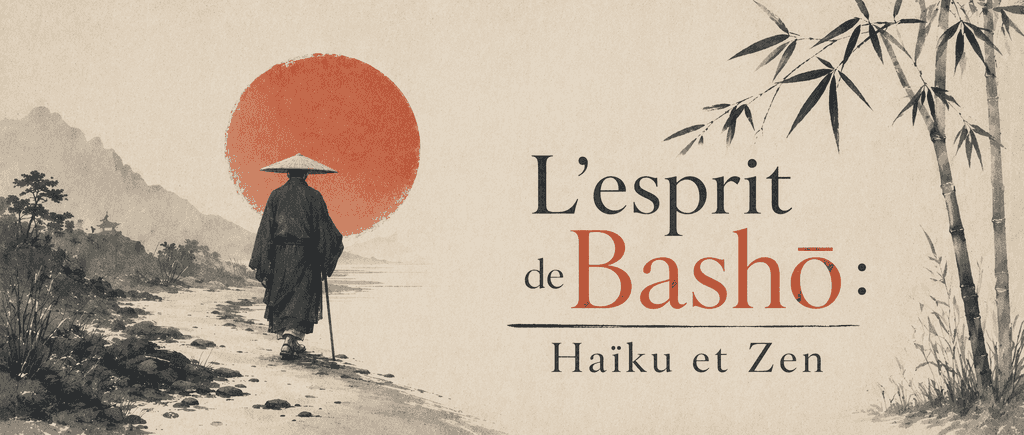
L'esprit de Bashō : Haïku et Zen
Ce parcours s'adresse aux esprits créatifs et aux chercheurs de sérénité souhaitant allier poésie et pleine conscience. Il offre une méthode concrète pour intégrer la sagesse du zen japonais dans un quotidien souvent trop rapide.
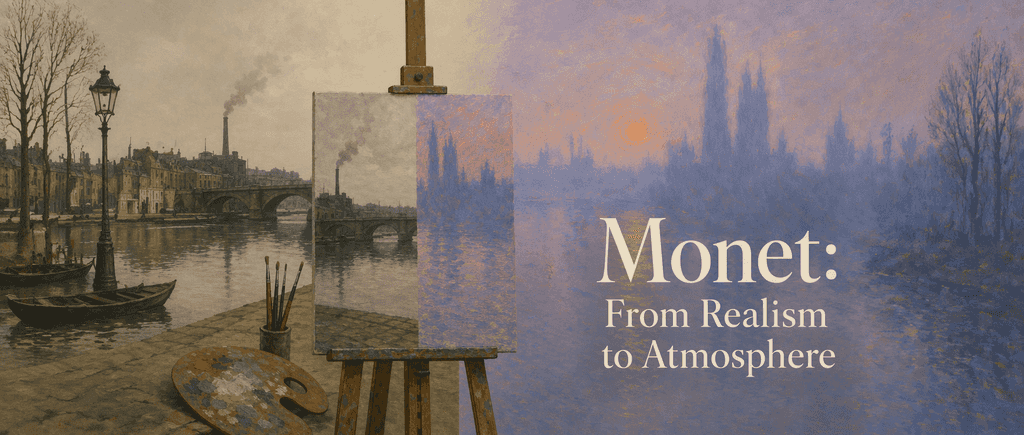
Monet: From Realism to Atmosphere
This plan is essential for art enthusiasts and students looking to understand the bridge between traditional realism and modern abstraction. It offers a structured deep dive into how light and atmosphere redefined the boundaries of 19th-century art.

Explore Buddhism for Modern Life
In our fast-paced, distracted world, Buddhist wisdom offers practical tools for finding balance, meaning, and genuine happiness. This learning plan bridges ancient teachings with modern life challenges, ideal for anyone seeking more mindfulness, emotional resilience, and authentic connection in their daily experience.

Marguerite Yourcenar : l'histoire comme miroir de l'âme
Ce parcours s'adresse aux passionnés de littérature et d'histoire souhaitant approfondir la pensée d'une icône de l'Académie française. Il offre une immersion profonde dans une œuvre qui lie l'humanisme universel à l'introspection intime.

Psicología de la Calma y el Autoengaño
Este plan es ideal para profesionales y personas que buscan mejorar su inteligencia emocional y comunicación interpersonal. Comprender cómo el cerebro nos engaña es fundamental para liderar con calma y resolver conflictos de manera efectiva.

Vivir en el flujo del Tao
Este plan es ideal para personas saturadas que buscan recuperar el equilibrio y la efectividad mediante la sabiduría oriental. Aprenderás a gestionar tu energía y entorno para lograr más con menos esfuerzo consciente.

The Dark Academia Handbook
This guide is essential for those who find beauty in classic literature and the pursuit of knowledge. It is designed for students and lifelong learners looking to bridge the gap between historical aesthetics and modern lifestyle habits.

Proust : décoder Sodome et Gomorrhe
Ce parcours est essentiel pour quiconque souhaite percer les mystères de l'un des volumes les plus denses de la Recherche. Il s'adresse aux passionnés de littérature et aux étudiants désireux de comprendre comment Proust transmute sa biographie en une exploration universelle de la jalousie.
From Columbia University alumni built in San Francisco
"Instead of endless scrolling, I just hit play on BeFreed. It saves me so much time."


"I never knew where to start with nonfiction—BeFreed’s book lists turned into podcasts gave me a clear path."


"Perfect balance between learning and entertainment. Finished ‘Thinking, Fast and Slow’ on my commute this week."
"Crazy how much I learned while walking the dog. BeFreed = small habits → big gains."
"Reading used to feel like a chore. Now it’s just part of my lifestyle."

"Feels effortless compared to reading. I’ve finished 6 books this month already."
"BeFreed turned my guilty doomscrolling into something that feels productive and inspiring."

"BeFreed turned my commute into learning time. 20-min podcasts are perfect for finishing books I never had time for."
"BeFreed replaced my podcast queue. Imagine Spotify for books — that’s it. 🙌"

"It is great for me to learn something from the book without reading it."
"The themed book list podcasts help me connect ideas across authors—like a guided audio journey."
"Makes me feel smarter every time before going to work"
From Columbia University alumni built in San Francisco
"Instead of endless scrolling, I just hit play on BeFreed. It saves me so much time."
"I never knew where to start with nonfiction—BeFreed’s book lists turned into podcasts gave me a clear path."
"Perfect balance between learning and entertainment. Finished ‘Thinking, Fast and Slow’ on my commute this week."
"Crazy how much I learned while walking the dog. BeFreed = small habits → big gains."
"Reading used to feel like a chore. Now it’s just part of my lifestyle."
"Feels effortless compared to reading. I’ve finished 6 books this month already."
"BeFreed turned my guilty doomscrolling into something that feels productive and inspiring."
"BeFreed turned my commute into learning time. 20-min podcasts are perfect for finishing books I never had time for."
"BeFreed replaced my podcast queue. Imagine Spotify for books — that’s it. 🙌"
"It is great for me to learn something from the book without reading it."
"The themed book list podcasts help me connect ideas across authors—like a guided audio journey."
"Makes me feel smarter every time before going to work"
"Instead of endless scrolling, I just hit play on BeFreed. It saves me so much time."
"I never knew where to start with nonfiction—BeFreed’s book lists turned into podcasts gave me a clear path."
"Perfect balance between learning and entertainment. Finished ‘Thinking, Fast and Slow’ on my commute this week."
"Crazy how much I learned while walking the dog. BeFreed = small habits → big gains."
"Reading used to feel like a chore. Now it’s just part of my lifestyle."
"Feels effortless compared to reading. I’ve finished 6 books this month already."
"BeFreed turned my guilty doomscrolling into something that feels productive and inspiring."
"BeFreed turned my commute into learning time. 20-min podcasts are perfect for finishing books I never had time for."
"BeFreed replaced my podcast queue. Imagine Spotify for books — that’s it. 🙌"
"It is great for me to learn something from the book without reading it."
"The themed book list podcasts help me connect ideas across authors—like a guided audio journey."
"Makes me feel smarter every time before going to work"
"Instead of endless scrolling, I just hit play on BeFreed. It saves me so much time."
"I never knew where to start with nonfiction—BeFreed’s book lists turned into podcasts gave me a clear path."
"Perfect balance between learning and entertainment. Finished ‘Thinking, Fast and Slow’ on my commute this week."
"Crazy how much I learned while walking the dog. BeFreed = small habits → big gains."
"Reading used to feel like a chore. Now it’s just part of my lifestyle."
"Feels effortless compared to reading. I’ve finished 6 books this month already."
"BeFreed turned my guilty doomscrolling into something that feels productive and inspiring."
"BeFreed turned my commute into learning time. 20-min podcasts are perfect for finishing books I never had time for."
"BeFreed replaced my podcast queue. Imagine Spotify for books — that’s it. 🙌"
"It is great for me to learn something from the book without reading it."
"The themed book list podcasts help me connect ideas across authors—like a guided audio journey."
"Makes me feel smarter every time before going to work"