Chain Slings Guide: Industrial Lifting Equipment and Grade 80/100
Explore our guide to industrial chain slings for overhead lifting. Learn about Grade 80 and Grade 100 chain options, essential components, and lifting equipment.

Best quote from Chain Slings Guide: Industrial Lifting Equipment and Grade 80/100
You could snap a chain lifting a five-ton load just by having the angle too wide, even if the chain is technically rated for five tons. At 120 degrees, the tension on each leg actually equals the total weight of the load.
Generated by Freedee_DC0837A9
https://www.goi-international.com/chain-slings.html. ignore geographical areas mentioned on url



Frequently Asked Questions
Industrial chain slings are primarily categorized by their material grade, with Grade 80 and Grade 100 being the industry standards for overhead lifting. Grade 80 chain is a high-strength alloy steel suitable for most heavy-duty applications, while Grade 100 offers approximately 25% higher load limits for more demanding environments. These slings can be configured in single or multi-leg versions depending on the specific lifting requirements and the weight of the load being handled.
The main difference between Grade 80 and Grade 100 chain slings lies in their strength-to-weight ratio and lifting capacity. Grade 80 is the traditional choice for rugged industrial lifting, providing excellent durability and safety. Grade 100 is a premium alloy that provides a higher working load limit for the same chain diameter, allowing for lighter equipment that can handle heavier tasks. Both grades are specifically designed and approved for overhead lifting applications.
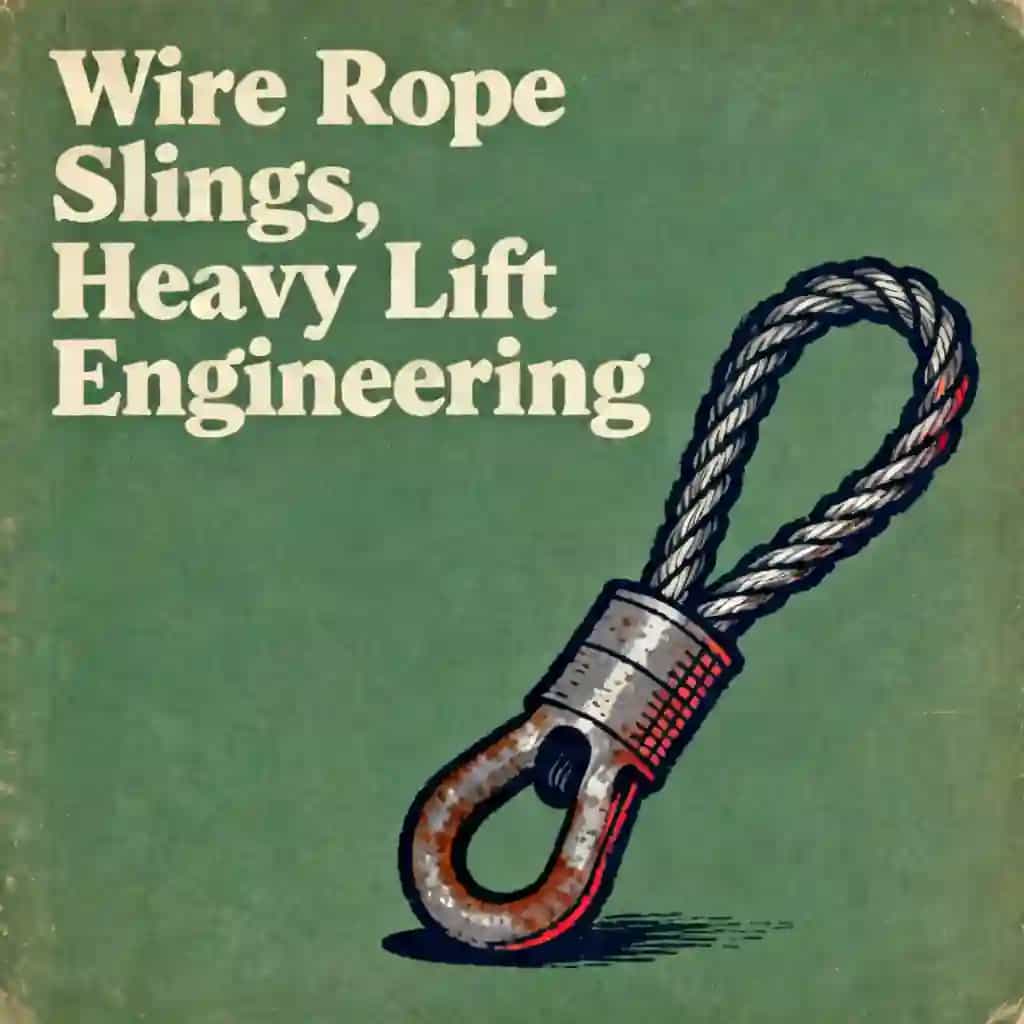
A complete chain sling assembly consists of several critical components that ensure safety and functionality during overhead lifting. This includes the master link at the top, the chain legs themselves, and the lower terminal fittings such as hooks or shackles. Each component must be rated for the same grade as the chain to maintain the integrity of the entire lifting system. Proper selection of these sling components is vital for secure attachment to the load.
Chain slings are preferred in industrial settings because of their exceptional durability, heat resistance, and flexibility. Unlike synthetic or wire rope slings, industrial chain slings can withstand harsh environments and are less susceptible to damage from sharp edges or high temperatures. Their modular design also allows for easy inspection and the replacement of individual components, making them a cost-effective and reliable solution for long-term overhead lifting operations.
From Columbia University alumni built in San Francisco
"Instead of endless scrolling, I just hit play on BeFreed. It saves me so much time."


"I never knew where to start with nonfiction—BeFreed’s book lists turned into podcasts gave me a clear path."


"Perfect balance between learning and entertainment. Finished ‘Thinking, Fast and Slow’ on my commute this week."
"Crazy how much I learned while walking the dog. BeFreed = small habits → big gains."
"Reading used to feel like a chore. Now it’s just part of my lifestyle."

"Feels effortless compared to reading. I’ve finished 6 books this month already."
"BeFreed turned my guilty doomscrolling into something that feels productive and inspiring."

"BeFreed turned my commute into learning time. 20-min podcasts are perfect for finishing books I never had time for."
"BeFreed replaced my podcast queue. Imagine Spotify for books — that’s it. 🙌"

"It is great for me to learn something from the book without reading it."
"The themed book list podcasts help me connect ideas across authors—like a guided audio journey."
"Makes me feel smarter every time before going to work"
From Columbia University alumni built in San Francisco
"Instead of endless scrolling, I just hit play on BeFreed. It saves me so much time."
"I never knew where to start with nonfiction—BeFreed’s book lists turned into podcasts gave me a clear path."
"Perfect balance between learning and entertainment. Finished ‘Thinking, Fast and Slow’ on my commute this week."
"Crazy how much I learned while walking the dog. BeFreed = small habits → big gains."
"Reading used to feel like a chore. Now it’s just part of my lifestyle."
"Feels effortless compared to reading. I’ve finished 6 books this month already."
"BeFreed turned my guilty doomscrolling into something that feels productive and inspiring."
"BeFreed turned my commute into learning time. 20-min podcasts are perfect for finishing books I never had time for."
"BeFreed replaced my podcast queue. Imagine Spotify for books — that’s it. 🙌"
"It is great for me to learn something from the book without reading it."
"The themed book list podcasts help me connect ideas across authors—like a guided audio journey."
"Makes me feel smarter every time before going to work"
"Instead of endless scrolling, I just hit play on BeFreed. It saves me so much time."
"I never knew where to start with nonfiction—BeFreed’s book lists turned into podcasts gave me a clear path."
"Perfect balance between learning and entertainment. Finished ‘Thinking, Fast and Slow’ on my commute this week."
"Crazy how much I learned while walking the dog. BeFreed = small habits → big gains."
"Reading used to feel like a chore. Now it’s just part of my lifestyle."
"Feels effortless compared to reading. I’ve finished 6 books this month already."
"BeFreed turned my guilty doomscrolling into something that feels productive and inspiring."
"BeFreed turned my commute into learning time. 20-min podcasts are perfect for finishing books I never had time for."
"BeFreed replaced my podcast queue. Imagine Spotify for books — that’s it. 🙌"
"It is great for me to learn something from the book without reading it."
"The themed book list podcasts help me connect ideas across authors—like a guided audio journey."
"Makes me feel smarter every time before going to work"
"Instead of endless scrolling, I just hit play on BeFreed. It saves me so much time."
"I never knew where to start with nonfiction—BeFreed’s book lists turned into podcasts gave me a clear path."
"Perfect balance between learning and entertainment. Finished ‘Thinking, Fast and Slow’ on my commute this week."
"Crazy how much I learned while walking the dog. BeFreed = small habits → big gains."
"Reading used to feel like a chore. Now it’s just part of my lifestyle."
"Feels effortless compared to reading. I’ve finished 6 books this month already."
"BeFreed turned my guilty doomscrolling into something that feels productive and inspiring."
"BeFreed turned my commute into learning time. 20-min podcasts are perfect for finishing books I never had time for."
"BeFreed replaced my podcast queue. Imagine Spotify for books — that’s it. 🙌"
"It is great for me to learn something from the book without reading it."
"The themed book list podcasts help me connect ideas across authors—like a guided audio journey."
"Makes me feel smarter every time before going to work"