Explore the biology of trust and how your nervous system acts as a proof-of-work protocol. Learn to move beyond blind faith toward calibrated confidence.

Trust isn't actually a moral choice you make with your logical brain—it’s a biological state your nervous system enters when it stops scanning for threats. The goal isn't blind faith—it's calibrated confidence.
How to open yourself to other people, specifically focusing on building the confidence and judgment to trust new people.


The biology of trust suggests that trusting others is not merely a moral choice made by the logical brain, but a specific biological state. When your nervous system stops scanning for threats, it allows you to enter a state of trust. This biological process acts as the invisible infrastructure for all human interactions, from simple daily errands like getting coffee to complex emotional experiences like falling in love.
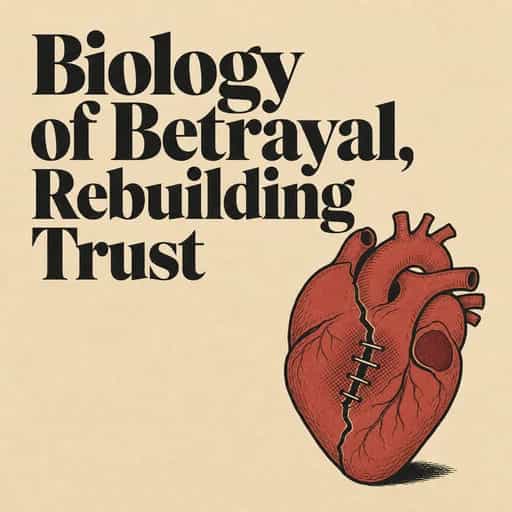
Research indicates a slow-motion collapse of the social fabric, with the share of people who trust one another dropping from roughly 50 percent in the 1970s to just 30 percent today. This decline manifests as an internal tightening or friction when meeting new people. Understanding these social trust trends helps explain why many individuals feel a constant need to question if others are safe, honest, or reliable.
If you feel your trust meter is broken, it is often a sign that your nervous system is performing its protective job too well. Rather than a failing personality trait, this internal wall is a biological response to perceived threats. By understanding the biology of trust, you can move away from a state of constant scanning and begin to develop the specific judgment required for calibrated confidence.
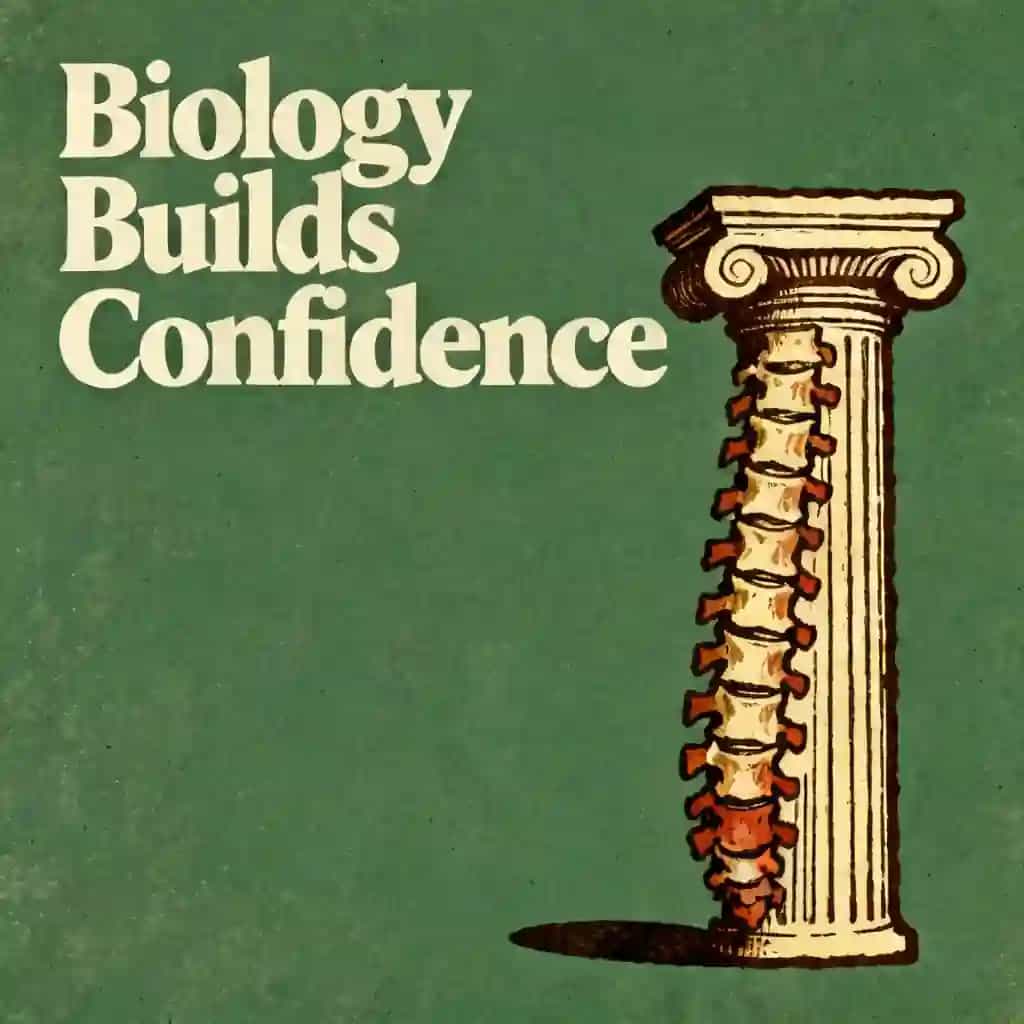
The body often runs a biological proof-of-work protocol to evaluate others before the conscious mind makes a decision. Calibrated confidence is the goal of refining this internal process so you can lower your defenses without being reckless. Instead of relying on blind faith, you learn to build a specific kind of judgment that aligns your nervous system's response with the reality of your social environment.
From Columbia University alumni built in San Francisco
"Instead of endless scrolling, I just hit play on BeFreed. It saves me so much time."
"I never knew where to start with nonfiction—BeFreed’s book lists turned into podcasts gave me a clear path."
"Perfect balance between learning and entertainment. Finished ‘Thinking, Fast and Slow’ on my commute this week."
"Crazy how much I learned while walking the dog. BeFreed = small habits → big gains."
"Reading used to feel like a chore. Now it’s just part of my lifestyle."
"Feels effortless compared to reading. I’ve finished 6 books this month already."
"BeFreed turned my guilty doomscrolling into something that feels productive and inspiring."
"BeFreed turned my commute into learning time. 20-min podcasts are perfect for finishing books I never had time for."
"BeFreed replaced my podcast queue. Imagine Spotify for books — that’s it. 🙌"
"It is great for me to learn something from the book without reading it."
"The themed book list podcasts help me connect ideas across authors—like a guided audio journey."
"Makes me feel smarter every time before going to work"
From Columbia University alumni built in San Francisco