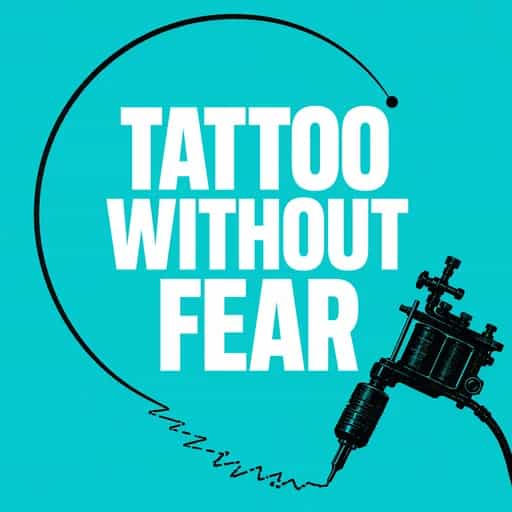
Building a tattoo machine requires more than just bolting parts together. Learn the precision assembly, electrical logic, and finishing steps needed.
Best quote from Building tattoo machines is harder than you think
“
Precision isn't just a luxury; it’s what keeps the machine running smoothly. Whether you’re filing a custom frame or using 5-axis CNC machining, the goal is the same: a tool that is perfectly square, perfectly aligned, and perfectly reliable.
”
B
Generated by blood
Input question
Building tattoo machines
Host voices
Blythe
Miles
Knowledge sources
Frequently Asked Questions
Electrical logic refers to the intentional creation of a circuit where the metal frame acts as the negative connection while the binding posts serve as the positive connections. Because the frame is conductive, builders must use insulators on the binding posts to prevent them from touching the frame directly. Without proper insulation, the machine will suffer a short circuit, resulting in a total failure to operate.
Coil machines have natural mechanical feedback because their springs flex when the needle hits the skin, allowing the machine to respond to the resistance of the tissue. In contrast, standard rotary machines traditionally lack this "give" because the motor drives the needle at a consistent rate regardless of skin resistance. Modern innovations, such as the K-PULSE™ drive, attempt to bridge this gap by using specialized mechanisms that replicate the tactile feedback and spring-like response of a coil machine.
Approaching the build through sub-assemblies—such as pre-assembling the binding posts or the spring stack (top spring, back spring, and armature bar)—ensures higher precision and fewer mistakes. This methodical "prep work" allows a builder to focus on the specific alignment and electrical integrity of small components before the final "marriage" to the frame. It prevents the frustration of fumbling with tiny washers and screws during the complex final assembly phase.
The "Potato-Chip Effect" refers to the tendency of high-strength materials like 7075-T6 aluminum to warp or curl due to internal stress after being milled. To combat this, professional manufacturers use multi-stage stress relief. "Tolerance stack-up" occurs when a part is moved or flipped during machining, introducing tiny dimensional errors at each step. Using 5-axis CNC machining allows builders to carve a frame in a single setup, eliminating these cumulative errors and ensuring perfect alignment.
Reliability is maintained through specific drills: the Electrical Logic drill uses a multimeter to check for shorts, while the Alignment Drill ensures the armature bar and coils are perfectly straight using a physical straight edge. Additionally, builders should never skip "linishing"—smoothing every edge with sandpaper or Scotchbrite—to prevent bacteria traps and snagged barrier bags. Finally, using a jig for drilling and tapping ensures that every frame is identical and compatible with industry-standard parts like 8-32 screws.
From Columbia University alumni | built in San Francisco
BeFreed Brings Together A Global Community Of Curious Minds
4.7
avg rating
7.84k+ App Rating
BeFreed Community
Seriously I haven’t even explored this app fully yet but from using it the last few days I am so impressed... BeFreed is on a different level from any other learning app I have used. This makes it ultra engaging and can actually improve your concentration which is great for all the doom scrollers!
@ladyInfinity
I bought BeFreed exactly 23 days ago, and I have used it every single day since. It has completely embedded itself into my daily workflow and learning habit.
@jayallen
The truth is, the app has exceeded all my expectations. I can ask it to generate audio on any topic, whatever it may be, and the result is impressive. My professional field is a specialization in psychotherapy and it is multidisciplinary; however, the answers are very accurate.
@Raguipa
What I appreciate most is how much it's reduced my scrolling – I'm spending less time searching and more time absorbing information. The combination of full audiobooks, podcasts, the learning plans are brilliant.
@colonyofcreatorsNGO
I have been a PhotoReading Accelerated Learning Instructor for the past 24 years... books and reading and learning are my thing, and BeFreed has done a great job in providing an innovative approach to disseminating and delivering information in an easy to consume way.
@BeFreed user
It is not just a book summary app, I have used the 'fun reading' option and it's a much better summary and way to grasp ideas the traditional way, that alone is worth this deal.
@austinakon
I love this app. Used it for several days and I cannot stop listening. Such a great way to start.
@jcrules328
I really like the program; I have already tested it for around one month, and I feel that it's an amazing gem. It works so well because I can use BeFreed to create my own topics, and the voice is so good with unlimited choice of narrations.
@DanielCZ
Seriously I haven’t even explored this app fully yet but from using it the last few days I am so impressed... BeFreed is on a different level from any other learning app I have used. This makes it ultra engaging and can actually improve your concentration which is great for all the doom scrollers!
@ladyInfinity
I bought BeFreed exactly 23 days ago, and I have used it every single day since. It has completely embedded itself into my daily workflow and learning habit.
@jayallen
The truth is, the app has exceeded all my expectations. I can ask it to generate audio on any topic, whatever it may be, and the result is impressive. My professional field is a specialization in psychotherapy and it is multidisciplinary; however, the answers are very accurate.
@Raguipa
What I appreciate most is how much it's reduced my scrolling – I'm spending less time searching and more time absorbing information. The combination of full audiobooks, podcasts, the learning plans are brilliant.
@colonyofcreatorsNGO
I have been a PhotoReading Accelerated Learning Instructor for the past 24 years... books and reading and learning are my thing, and BeFreed has done a great job in providing an innovative approach to disseminating and delivering information in an easy to consume way.
@BeFreed user
It is not just a book summary app, I have used the 'fun reading' option and it's a much better summary and way to grasp ideas the traditional way, that alone is worth this deal.
@austinakon
I love this app. Used it for several days and I cannot stop listening. Such a great way to start.
@jcrules328
I really like the program; I have already tested it for around one month, and I feel that it's an amazing gem. It works so well because I can use BeFreed to create my own topics, and the voice is so good with unlimited choice of narrations.
@DanielCZ
I love the fact that I can get useful, condensed, information and ideas in a 8 - 15 minute podcast style audio. I'm not a general fan of podcasts because of all the fluff, but this cuts through all that.
@BeFreed user
I am finishing up my doctorate, and have to read a lot of unfamiliar material... With BeFreed, you simply enter a prompt, and the app finds source material for you and generates an audio podcast. I find the process in BeFreed to be more streamlined than NotebookLM.
@Brad
I often search YouTube for something to listen to whilst making breakfast, when I'm out walking, commuting, etc, and BeFreed has provided an even more targeted approach, without the adverts and the fluff!
@BeFreed user
The absolute best part about this platform is its versatility. There is literally no subject that is off-topic. It handles whatever you throw at it... It is rare to find an learning tool with zero limitations that actually delivers on its promises.
@jayallen
BeFreed is fantastic. The user-friendly design means I spend less time navigating and more time learning. The mix of audiobooks, podcasts, and learning plans is a genius combo that has completely changed my daily routine.
@BeFreed user
At the start I needed a while to understand how to create podcasts in italian language and boom! It is so great! I can ask to explain every argument and it does so well and so smartly!
@matteo77
BeFreed has become my daily app for audio books tools... What I like the most is the way you put your text and come with an audio that you can listen on the go.
@kotanzu1
I love the fact that I can get useful, condensed, information and ideas in a 8 - 15 minute podcast style audio. I'm not a general fan of podcasts because of all the fluff, but this cuts through all that.
@BeFreed user
I am finishing up my doctorate, and have to read a lot of unfamiliar material... With BeFreed, you simply enter a prompt, and the app finds source material for you and generates an audio podcast. I find the process in BeFreed to be more streamlined than NotebookLM.
@Brad
I often search YouTube for something to listen to whilst making breakfast, when I'm out walking, commuting, etc, and BeFreed has provided an even more targeted approach, without the adverts and the fluff!
@BeFreed user
The absolute best part about this platform is its versatility. There is literally no subject that is off-topic. It handles whatever you throw at it... It is rare to find an learning tool with zero limitations that actually delivers on its promises.
@jayallen
BeFreed is fantastic. The user-friendly design means I spend less time navigating and more time learning. The mix of audiobooks, podcasts, and learning plans is a genius combo that has completely changed my daily routine.
@BeFreed user
At the start I needed a while to understand how to create podcasts in italian language and boom! It is so great! I can ask to explain every argument and it does so well and so smartly!
@matteo77
BeFreed has become my daily app for audio books tools... What I like the most is the way you put your text and come with an audio that you can listen on the go.
Stop worrying about the squat rack. Learn how to use an upper-lower machine split to push your muscles to failure safely and build real-world strength.