Build Situational Awareness Like an Operator
Learn the exact Special Forces techniques that transform ordinary civilians into human early warning systems through baseline-anomaly detection and compressed signal processing.

Best quote from Build Situational Awareness Like an Operator
Real situational awareness is not about paranoia or hypervigilance; it's about calibrating your senses like precision instruments and learning to think in probabilities rather than certainties.

This audio lesson was created by a BeFreed community member
build situational awareness like an operator

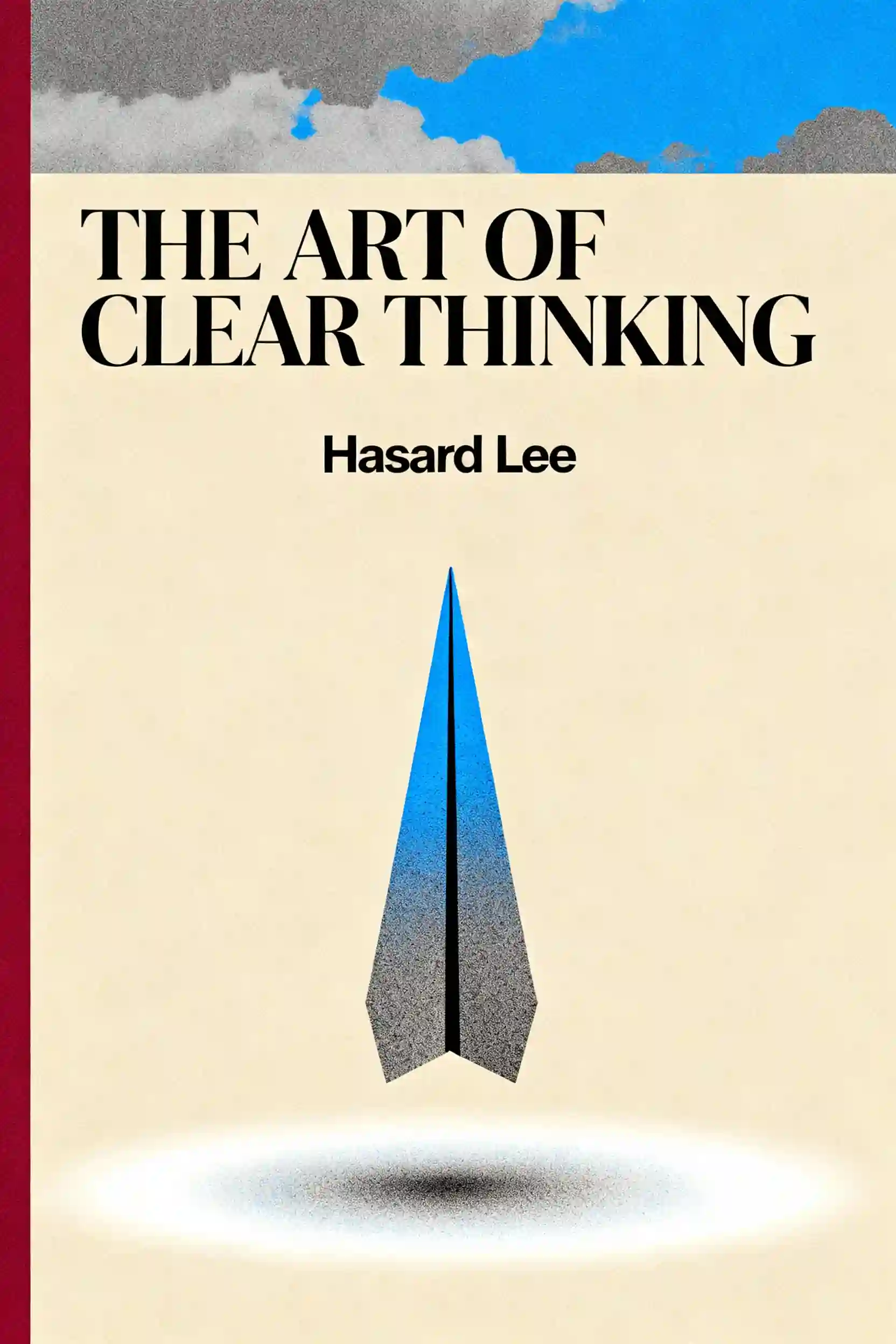
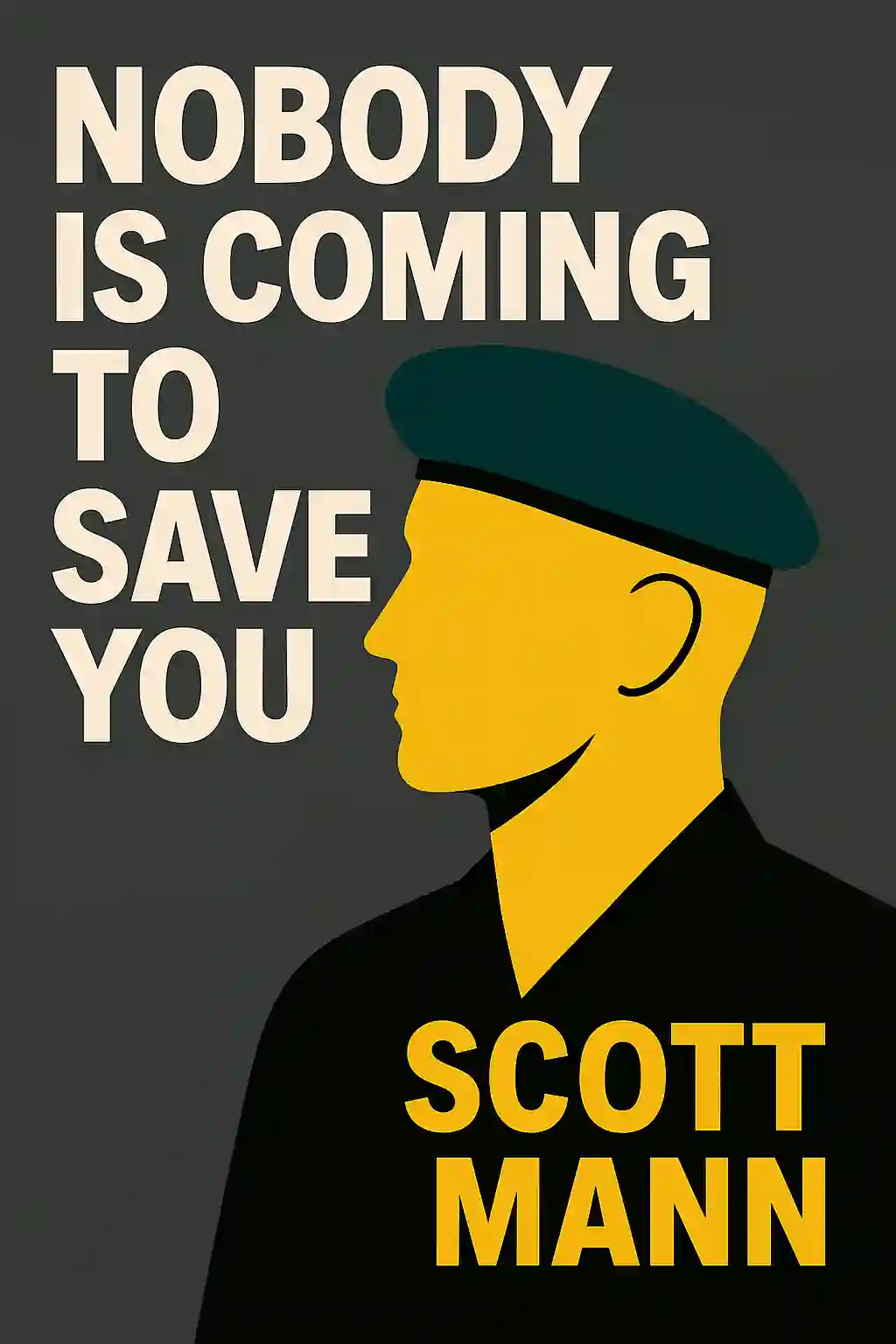
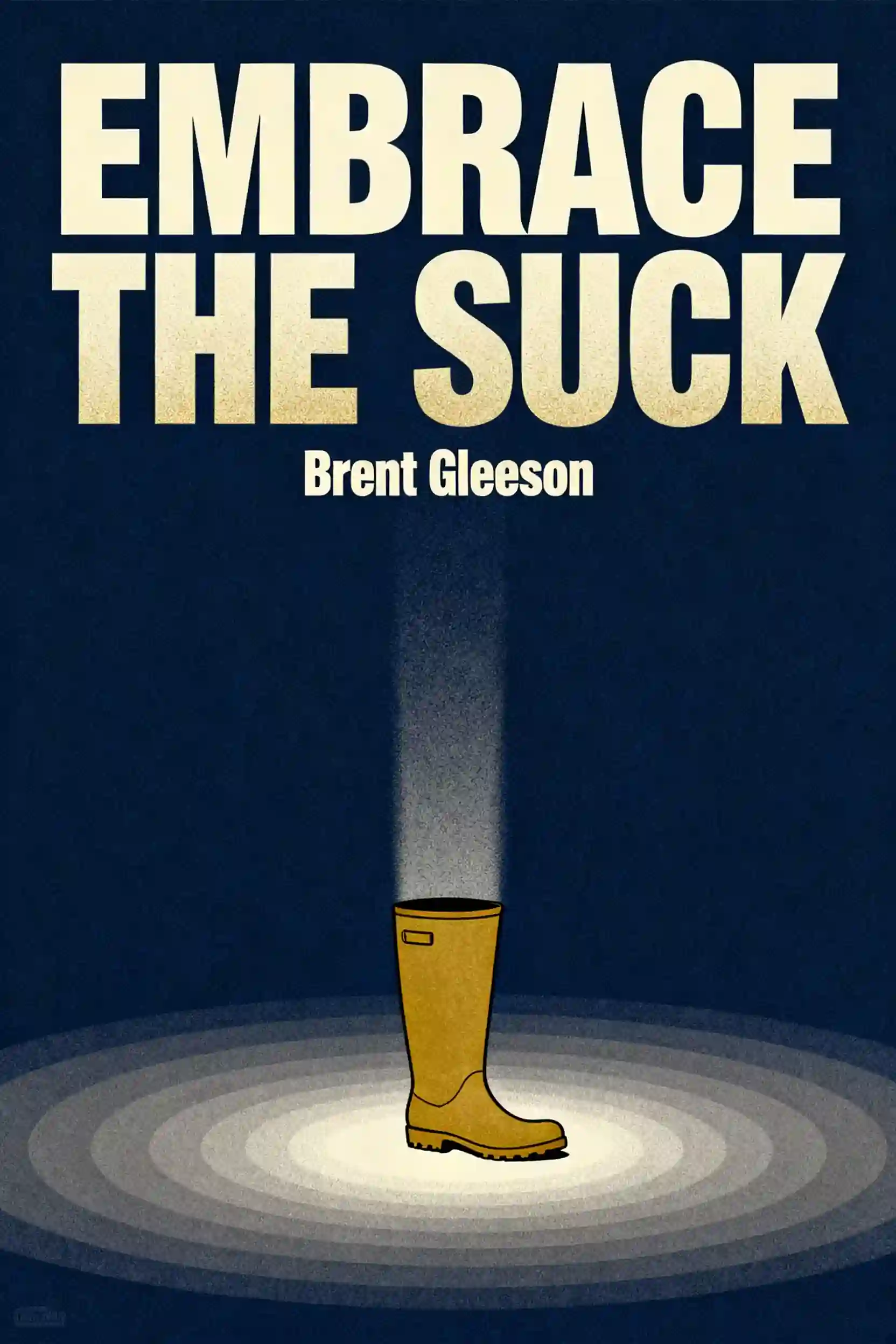
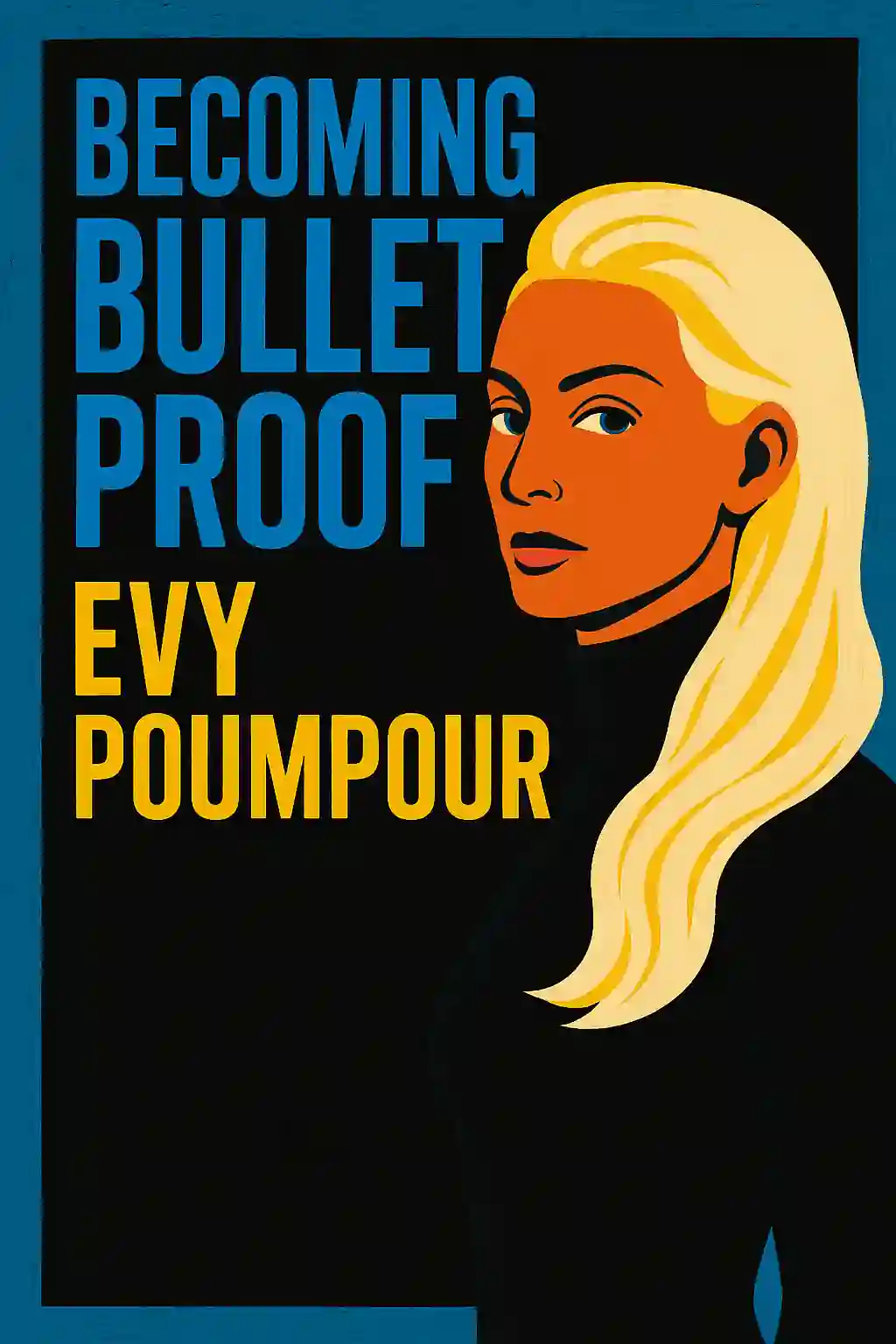
Discover more

Decoding the Invisible Threads of Public Behavior
This plan is essential for professionals in psychology, security, and leadership who need to read environments accurately. It provides a structured framework for decoding non-verbal cues and spatial dynamics to master the art of social observation.

Tactical Athlete Selection Blueprint
This blueprint is essential for candidates preparing for elite military or law enforcement selection who need to balance high-intensity output with longevity. It provides a scientific framework for building a robust physical base while mastering the recovery and loading strategies necessary to avoid burnout.

Especialista em análise de terrorismo
In an era of evolving global threats, understanding the intersection of intelligence and security is critical for safeguarding nations. This program is designed for security professionals, political analysts, and military personnel seeking to master counterterrorism strategies and geopolitical risk assessment.

Mastery Investigative & Analysis Program
In an era of information overload, the ability to synthesize data and human behavior is a critical competitive advantage. This program is designed for professionals in intelligence, security, or high-level research who need to master rigorous analytical and forensic techniques.

The Operator's Guide to Human Behavior
In high-stakes environments, the ability to read people is a critical survival skill. This guide is designed for leaders, negotiators, and professionals who need to master non-verbal cues and psychological dynamics to protect their interests and influence others.

Study OSINT, Brian, and modern physics
This learning plan bridges the gap between digital intelligence and the fundamental laws of the physical world. It is ideal for curious minds interested in both the technical intricacies of cybersecurity and the profound mysteries of theoretical physics.

The Mechanics of Human Observation
In an era of curated personas, the ability to see through social performance is a critical professional skill. This plan is designed for leaders, negotiators, and analysts who need to accurately assess intent and bypass cognitive blind spots.

Merge CIA Operator & Nassim Taleb Thinking
This plan bridges the gap between elite field intelligence and modern philosophical risk management. It is designed for leaders and strategists who must navigate unpredictable, high-stakes environments where traditional analysis is insufficient.
From Columbia University alumni built in San Francisco
"Instead of endless scrolling, I just hit play on BeFreed. It saves me so much time."


"I never knew where to start with nonfiction—BeFreed’s book lists turned into podcasts gave me a clear path."


"Perfect balance between learning and entertainment. Finished ‘Thinking, Fast and Slow’ on my commute this week."
"Crazy how much I learned while walking the dog. BeFreed = small habits → big gains."
"Reading used to feel like a chore. Now it’s just part of my lifestyle."

"Feels effortless compared to reading. I’ve finished 6 books this month already."
"BeFreed turned my guilty doomscrolling into something that feels productive and inspiring."

"BeFreed turned my commute into learning time. 20-min podcasts are perfect for finishing books I never had time for."
"BeFreed replaced my podcast queue. Imagine Spotify for books — that’s it. 🙌"

"It is great for me to learn something from the book without reading it."
"The themed book list podcasts help me connect ideas across authors—like a guided audio journey."
"Makes me feel smarter every time before going to work"
From Columbia University alumni built in San Francisco
"Instead of endless scrolling, I just hit play on BeFreed. It saves me so much time."
"I never knew where to start with nonfiction—BeFreed’s book lists turned into podcasts gave me a clear path."
"Perfect balance between learning and entertainment. Finished ‘Thinking, Fast and Slow’ on my commute this week."
"Crazy how much I learned while walking the dog. BeFreed = small habits → big gains."
"Reading used to feel like a chore. Now it’s just part of my lifestyle."
"Feels effortless compared to reading. I’ve finished 6 books this month already."
"BeFreed turned my guilty doomscrolling into something that feels productive and inspiring."
"BeFreed turned my commute into learning time. 20-min podcasts are perfect for finishing books I never had time for."
"BeFreed replaced my podcast queue. Imagine Spotify for books — that’s it. 🙌"
"It is great for me to learn something from the book without reading it."
"The themed book list podcasts help me connect ideas across authors—like a guided audio journey."
"Makes me feel smarter every time before going to work"
"Instead of endless scrolling, I just hit play on BeFreed. It saves me so much time."
"I never knew where to start with nonfiction—BeFreed’s book lists turned into podcasts gave me a clear path."
"Perfect balance between learning and entertainment. Finished ‘Thinking, Fast and Slow’ on my commute this week."
"Crazy how much I learned while walking the dog. BeFreed = small habits → big gains."
"Reading used to feel like a chore. Now it’s just part of my lifestyle."
"Feels effortless compared to reading. I’ve finished 6 books this month already."
"BeFreed turned my guilty doomscrolling into something that feels productive and inspiring."
"BeFreed turned my commute into learning time. 20-min podcasts are perfect for finishing books I never had time for."
"BeFreed replaced my podcast queue. Imagine Spotify for books — that’s it. 🙌"
"It is great for me to learn something from the book without reading it."
"The themed book list podcasts help me connect ideas across authors—like a guided audio journey."
"Makes me feel smarter every time before going to work"
"Instead of endless scrolling, I just hit play on BeFreed. It saves me so much time."
"I never knew where to start with nonfiction—BeFreed’s book lists turned into podcasts gave me a clear path."
"Perfect balance between learning and entertainment. Finished ‘Thinking, Fast and Slow’ on my commute this week."
"Crazy how much I learned while walking the dog. BeFreed = small habits → big gains."
"Reading used to feel like a chore. Now it’s just part of my lifestyle."
"Feels effortless compared to reading. I’ve finished 6 books this month already."
"BeFreed turned my guilty doomscrolling into something that feels productive and inspiring."
"BeFreed turned my commute into learning time. 20-min podcasts are perfect for finishing books I never had time for."
"BeFreed replaced my podcast queue. Imagine Spotify for books — that’s it. 🙌"
"It is great for me to learn something from the book without reading it."
"The themed book list podcasts help me connect ideas across authors—like a guided audio journey."
"Makes me feel smarter every time before going to work"