Learn how to break 1000 ELO by focusing on consistent chess habits, basic tactics, and endgame fundamentals rather than complex Sicilian Defense opening theory.
Best quote from Breaking 1000: The Path to Consistent Chess & Better ELO Habits
“
Most sub-1000 players believe they are losing because they don't know 'chess,' but they are actually losing because they are playing too fast and missing one-move tactics like forks or pins.
”
Á
Generated by Ásgeir
Input question
Create a audio lesson on improving my chess as a 890 rapid and 560 blitz player applying learning and thoughts from Hellsten, “Mastering Chess Strategy”, Aagaard, “Positional Play and Chessable: “Building Habits”
Many players at the 890 rapid or 560 blitz level believe they are stuck because they haven't memorized deep opening theory like the Sicilian Defense. However, data suggests the real obstacles are often hanging pieces, missing simple one-move tactics, and failing to convert winning endgames. Breaking 1000 is less about advanced chess knowledge and more about developing the habit of seeing the board clearly before making a move.
The Aman Hambleton Building Habits series is a revolutionary approach for players looking to improve their chess ELO. Instead of focusing on deep theoretical dives, it emphasizes the development of consistent habits that prevent common mistakes. This method is particularly effective for those in the triple digits because it addresses the specific, fixable patterns that cause most losses, such as basic tactical blunders and poor board vision.
No, studying complex chess openings is rarely the solution for players trying to reach a 1000 rating. While it is tempting to look at Grandmaster-level opening moves, most games at this level are decided by fundamental errors rather than opening preparation. Focusing on basic chess tactics and solid endgame play is a much more effective path to consistency than trying to master deep theoretical lines in openings like the Sicilian Defense.
According to guides from April 2026, players with an 890 rapid rating typically struggle with three specific patterns: hanging pieces, missing one-move tactics, and messing up winning endgames. These 'rocks in the trail' are the primary reasons players fail to climb the ELO mountain. Improving your board vision and developing better chess habits can help you overcome these hurdles and achieve a more consistent performance on the board.
From Columbia University alumni | built in San Francisco
BeFreed Brings Together A Global Community Of Curious Minds
4.7
avg rating
7.84k+ App Rating
BeFreed Community
Seriously I haven’t even explored this app fully yet but from using it the last few days I am so impressed... BeFreed is on a different level from any other learning app I have used. This makes it ultra engaging and can actually improve your concentration which is great for all the doom scrollers!
@ladyInfinity
I bought BeFreed exactly 23 days ago, and I have used it every single day since. It has completely embedded itself into my daily workflow and learning habit.
@jayallen
The truth is, the app has exceeded all my expectations. I can ask it to generate audio on any topic, whatever it may be, and the result is impressive. My professional field is a specialization in psychotherapy and it is multidisciplinary; however, the answers are very accurate.
@Raguipa
What I appreciate most is how much it's reduced my scrolling – I'm spending less time searching and more time absorbing information. The combination of full audiobooks, podcasts, the learning plans are brilliant.
@colonyofcreatorsNGO
I have been a PhotoReading Accelerated Learning Instructor for the past 24 years... books and reading and learning are my thing, and BeFreed has done a great job in providing an innovative approach to disseminating and delivering information in an easy to consume way.
@BeFreed user
It is not just a book summary app, I have used the 'fun reading' option and it's a much better summary and way to grasp ideas the traditional way, that alone is worth this deal.
@austinakon
I love this app. Used it for several days and I cannot stop listening. Such a great way to start.
@jcrules328
I really like the program; I have already tested it for around one month, and I feel that it's an amazing gem. It works so well because I can use BeFreed to create my own topics, and the voice is so good with unlimited choice of narrations.
@DanielCZ
Seriously I haven’t even explored this app fully yet but from using it the last few days I am so impressed... BeFreed is on a different level from any other learning app I have used. This makes it ultra engaging and can actually improve your concentration which is great for all the doom scrollers!
@ladyInfinity
I bought BeFreed exactly 23 days ago, and I have used it every single day since. It has completely embedded itself into my daily workflow and learning habit.
@jayallen
The truth is, the app has exceeded all my expectations. I can ask it to generate audio on any topic, whatever it may be, and the result is impressive. My professional field is a specialization in psychotherapy and it is multidisciplinary; however, the answers are very accurate.
@Raguipa
What I appreciate most is how much it's reduced my scrolling – I'm spending less time searching and more time absorbing information. The combination of full audiobooks, podcasts, the learning plans are brilliant.
@colonyofcreatorsNGO
I have been a PhotoReading Accelerated Learning Instructor for the past 24 years... books and reading and learning are my thing, and BeFreed has done a great job in providing an innovative approach to disseminating and delivering information in an easy to consume way.
@BeFreed user
It is not just a book summary app, I have used the 'fun reading' option and it's a much better summary and way to grasp ideas the traditional way, that alone is worth this deal.
@austinakon
I love this app. Used it for several days and I cannot stop listening. Such a great way to start.
@jcrules328
I really like the program; I have already tested it for around one month, and I feel that it's an amazing gem. It works so well because I can use BeFreed to create my own topics, and the voice is so good with unlimited choice of narrations.
@DanielCZ
I love the fact that I can get useful, condensed, information and ideas in a 8 - 15 minute podcast style audio. I'm not a general fan of podcasts because of all the fluff, but this cuts through all that.
@BeFreed user
I am finishing up my doctorate, and have to read a lot of unfamiliar material... With BeFreed, you simply enter a prompt, and the app finds source material for you and generates an audio podcast. I find the process in BeFreed to be more streamlined than NotebookLM.
@Brad
I often search YouTube for something to listen to whilst making breakfast, when I'm out walking, commuting, etc, and BeFreed has provided an even more targeted approach, without the adverts and the fluff!
@BeFreed user
The absolute best part about this platform is its versatility. There is literally no subject that is off-topic. It handles whatever you throw at it... It is rare to find an learning tool with zero limitations that actually delivers on its promises.
@jayallen
BeFreed is fantastic. The user-friendly design means I spend less time navigating and more time learning. The mix of audiobooks, podcasts, and learning plans is a genius combo that has completely changed my daily routine.
@BeFreed user
At the start I needed a while to understand how to create podcasts in italian language and boom! It is so great! I can ask to explain every argument and it does so well and so smartly!
@matteo77
BeFreed has become my daily app for audio books tools... What I like the most is the way you put your text and come with an audio that you can listen on the go.
@kotanzu1
I love the fact that I can get useful, condensed, information and ideas in a 8 - 15 minute podcast style audio. I'm not a general fan of podcasts because of all the fluff, but this cuts through all that.
@BeFreed user
I am finishing up my doctorate, and have to read a lot of unfamiliar material... With BeFreed, you simply enter a prompt, and the app finds source material for you and generates an audio podcast. I find the process in BeFreed to be more streamlined than NotebookLM.
@Brad
I often search YouTube for something to listen to whilst making breakfast, when I'm out walking, commuting, etc, and BeFreed has provided an even more targeted approach, without the adverts and the fluff!
@BeFreed user
The absolute best part about this platform is its versatility. There is literally no subject that is off-topic. It handles whatever you throw at it... It is rare to find an learning tool with zero limitations that actually delivers on its promises.
@jayallen
BeFreed is fantastic. The user-friendly design means I spend less time navigating and more time learning. The mix of audiobooks, podcasts, and learning plans is a genius combo that has completely changed my daily routine.
@BeFreed user
At the start I needed a while to understand how to create podcasts in italian language and boom! It is so great! I can ask to explain every argument and it does so well and so smartly!
@matteo77
BeFreed has become my daily app for audio books tools... What I like the most is the way you put your text and come with an audio that you can listen on the go.
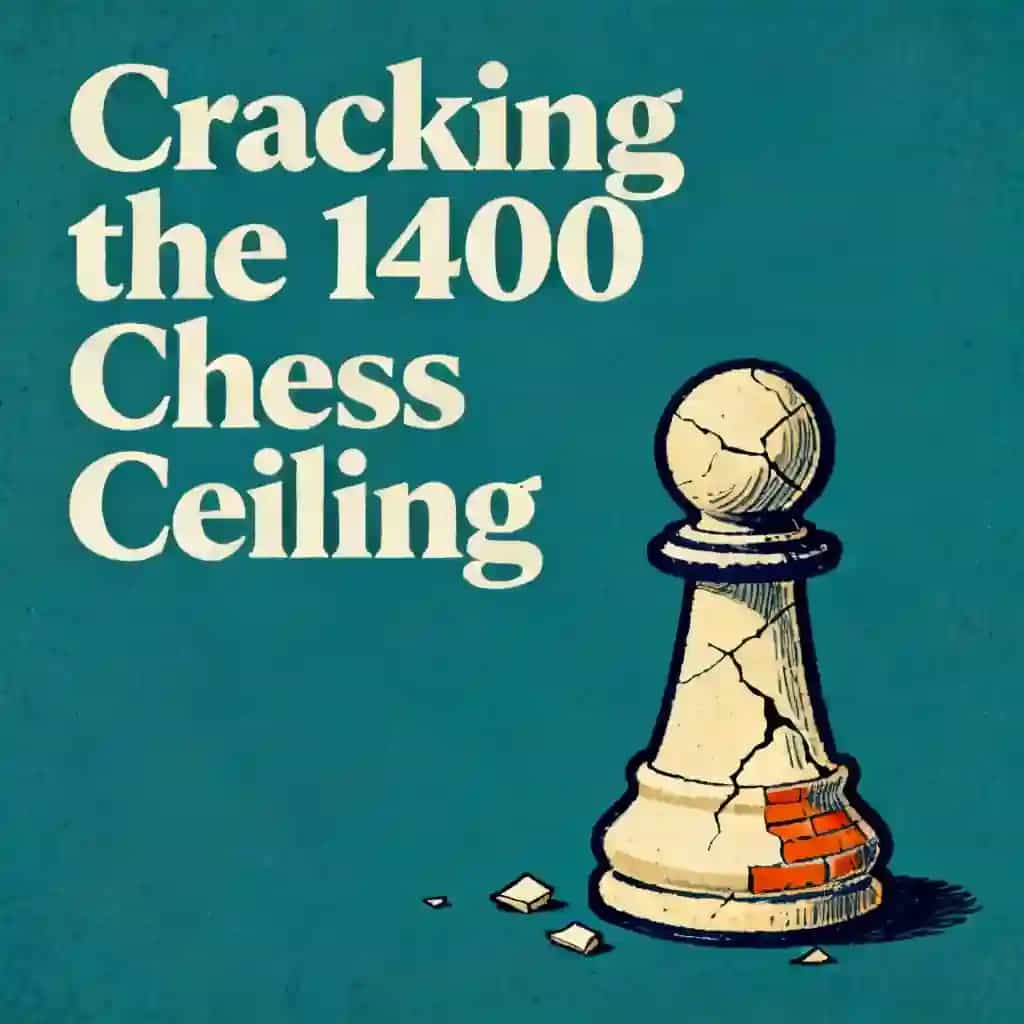
Discover tactical consistency, endgame mastery, and developing 'a feeling for the pieces' instead of just memorizing openings—the key mindset shifts and training methods to finally push past the frustrating 1300-1400 rating plateau.
Discover why players get stuck at 1100 rating and learn the tactical training secrets to break through. Stop wasting time on opening theory and focus on what actually wins games at this level.
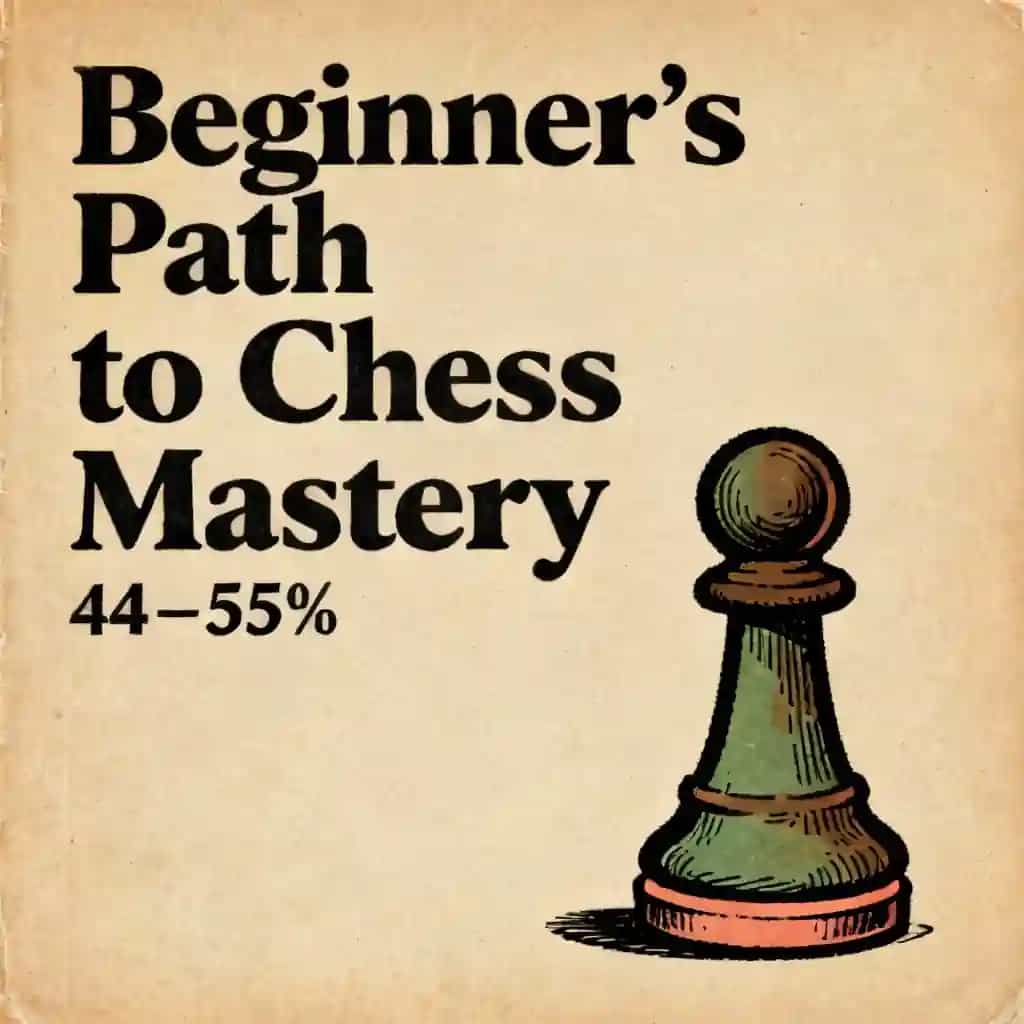
Lena and Eli break down chess fundamentals with easy-to-understand explanations, covering piece movements, basic tactics, and checkmate patterns to transform absolute beginners into confident players.
Discover how to systematically improve your chess skills across all levels, from fundamental principles to advanced strategies, in today's digitally-connected chess landscape.
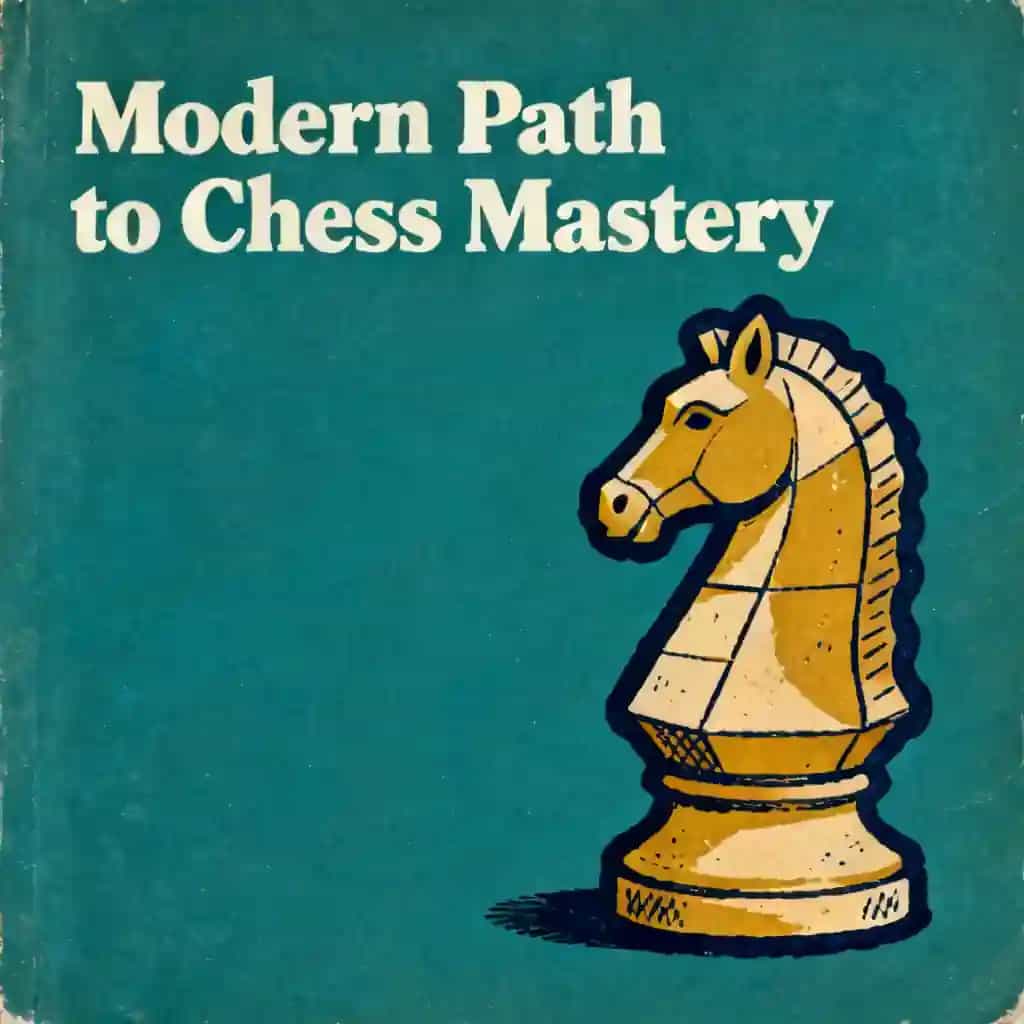
Stop guessing and start winning by moving beyond reactive play. Learn the logical blueprint used by pros to master every phase of the game, from opening control to endgame precision.
Discover why most chess players focus on the wrong weaknesses and learn the proven methods from grandmasters and champions to systematically improve your game through tactical training, strategic thinking, and honest self-assessment.