Bitcoin: The Invisible Bank | Understanding Satoshi Nakamoto's Vision
Explore Bitcoin: The Invisible Bank. Learn how Satoshi Nakamoto’s vision for a decentralized digital currency allows peer-to-peer payments without traditional banks.

Best quote from Bitcoin: The Invisible Bank | Understanding Satoshi Nakamoto's Vision
Bitcoin is the first widely adopted cryptocurrency that flipped the script, allowing people to send digital money directly to each other over the internet without needing a middleman like a bank to say 'okay.'
Generated by Jana
Explain the bitcoin

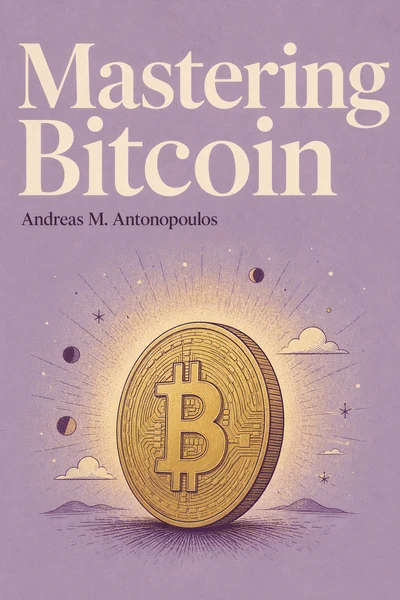
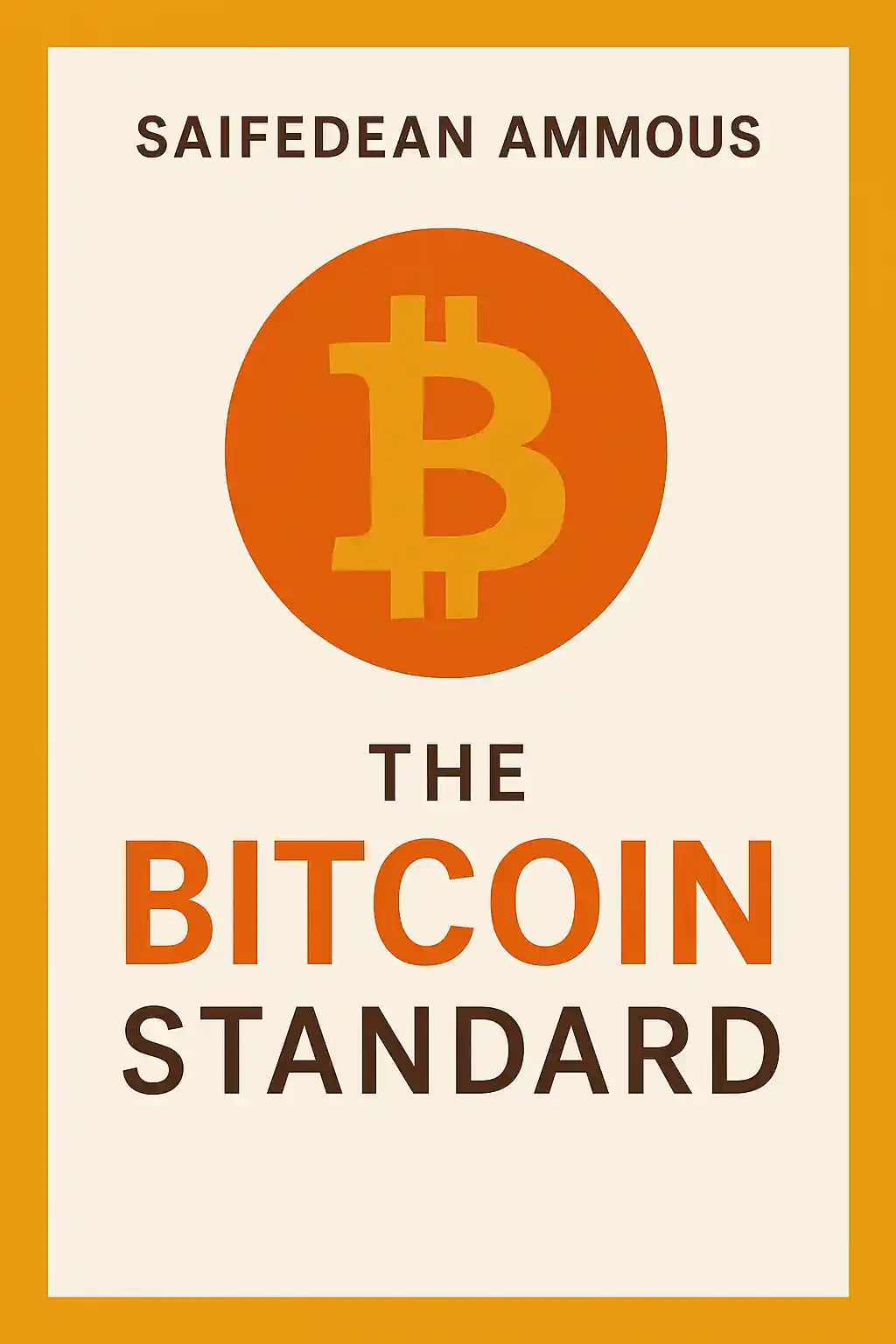





Frequently Asked Questions
Bitcoin is a digital currency released in 2009 by a mysterious figure named Satoshi Nakamoto. It functions like an invisible bank because it allows people to send money directly to one another over the internet without relying on traditional financial institutions, central vaults, or government stamps. This decentralized system uses a public yet private approach, often compared to a transparent glass vault where transactions are visible to everyone but ownership remains private.
Satoshi Nakamoto is the mysterious creator who released Bitcoin into the wild in 2009. Nakamoto’s vision was to create the first widely adopted cryptocurrency that flipped the script on traditional finance. By introducing this digital currency, Nakamoto enabled a system where value is not dictated by a government or central authority, but rather by a peer-to-peer network that operates independently of the big stone buildings and official banks found downtown.
Unlike traditional money like the U.S. dollar, which requires a government and laws to maintain value, Bitcoin relies on blockchain technology to facilitate direct transfers. When using banking apps or services like Venmo and PayPal, a middleman must approve the transaction. Bitcoin removes this requirement, allowing users to move digital gold directly between parties. It provides a decentralized alternative to the physical cards and official tellers associated with the traditional banking industry.
Bitcoin represents a unique paradox in the world of digital currency because it is both completely public and deeply private. It is often described as a giant transparent glass vault in a town square; while every single transaction is visible for all to see, the specific identity of the individuals moving the funds remains hidden. This peer-to-peer payment system ensures transparency in the ledger while maintaining the privacy of the users involved in the exchange.
From Columbia University alumni built in San Francisco
"Instead of endless scrolling, I just hit play on BeFreed. It saves me so much time."


"I never knew where to start with nonfiction—BeFreed’s book lists turned into podcasts gave me a clear path."


"Perfect balance between learning and entertainment. Finished ‘Thinking, Fast and Slow’ on my commute this week."
"Crazy how much I learned while walking the dog. BeFreed = small habits → big gains."
"Reading used to feel like a chore. Now it’s just part of my lifestyle."

"Feels effortless compared to reading. I’ve finished 6 books this month already."
"BeFreed turned my guilty doomscrolling into something that feels productive and inspiring."

"BeFreed turned my commute into learning time. 20-min podcasts are perfect for finishing books I never had time for."
"BeFreed replaced my podcast queue. Imagine Spotify for books — that’s it. 🙌"

"It is great for me to learn something from the book without reading it."
"The themed book list podcasts help me connect ideas across authors—like a guided audio journey."
"Makes me feel smarter every time before going to work"
From Columbia University alumni built in San Francisco
"Instead of endless scrolling, I just hit play on BeFreed. It saves me so much time."
"I never knew where to start with nonfiction—BeFreed’s book lists turned into podcasts gave me a clear path."
"Perfect balance between learning and entertainment. Finished ‘Thinking, Fast and Slow’ on my commute this week."
"Crazy how much I learned while walking the dog. BeFreed = small habits → big gains."
"Reading used to feel like a chore. Now it’s just part of my lifestyle."
"Feels effortless compared to reading. I’ve finished 6 books this month already."
"BeFreed turned my guilty doomscrolling into something that feels productive and inspiring."
"BeFreed turned my commute into learning time. 20-min podcasts are perfect for finishing books I never had time for."
"BeFreed replaced my podcast queue. Imagine Spotify for books — that’s it. 🙌"
"It is great for me to learn something from the book without reading it."
"The themed book list podcasts help me connect ideas across authors—like a guided audio journey."
"Makes me feel smarter every time before going to work"
"Instead of endless scrolling, I just hit play on BeFreed. It saves me so much time."
"I never knew where to start with nonfiction—BeFreed’s book lists turned into podcasts gave me a clear path."
"Perfect balance between learning and entertainment. Finished ‘Thinking, Fast and Slow’ on my commute this week."
"Crazy how much I learned while walking the dog. BeFreed = small habits → big gains."
"Reading used to feel like a chore. Now it’s just part of my lifestyle."
"Feels effortless compared to reading. I’ve finished 6 books this month already."
"BeFreed turned my guilty doomscrolling into something that feels productive and inspiring."
"BeFreed turned my commute into learning time. 20-min podcasts are perfect for finishing books I never had time for."
"BeFreed replaced my podcast queue. Imagine Spotify for books — that’s it. 🙌"
"It is great for me to learn something from the book without reading it."
"The themed book list podcasts help me connect ideas across authors—like a guided audio journey."
"Makes me feel smarter every time before going to work"
"Instead of endless scrolling, I just hit play on BeFreed. It saves me so much time."
"I never knew where to start with nonfiction—BeFreed’s book lists turned into podcasts gave me a clear path."
"Perfect balance between learning and entertainment. Finished ‘Thinking, Fast and Slow’ on my commute this week."
"Crazy how much I learned while walking the dog. BeFreed = small habits → big gains."
"Reading used to feel like a chore. Now it’s just part of my lifestyle."
"Feels effortless compared to reading. I’ve finished 6 books this month already."
"BeFreed turned my guilty doomscrolling into something that feels productive and inspiring."
"BeFreed turned my commute into learning time. 20-min podcasts are perfect for finishing books I never had time for."
"BeFreed replaced my podcast queue. Imagine Spotify for books — that’s it. 🙌"
"It is great for me to learn something from the book without reading it."
"The themed book list podcasts help me connect ideas across authors—like a guided audio journey."
"Makes me feel smarter every time before going to work"