Beyond the Snooze: Resetting Your Energy and Stress
How To Stop Waking Up Tired: episode overview
If you struggle to get out of bed in the morning, this BeFreed audio learning guide explores practical, lifestyle-based approaches to shaking off morning fatigue. Rather than looking for a quick fix, this guide emphasizes the role of behavioral habits, sleep hygiene, and circadian rhythm alignment. By focusing on how your daily choices impact your nighttime rest, you can learn to manage stress as a lifestyle skill and cultivate a healthier routine that supports natural energy.
Create Your Podcast in a Click
Generated by Janu
Input question
How to fix waking up tired, and stress
Host voices

What you'll learn about waking up refreshed
- 1
The Tired Morning Paradox
 00:0000:00
Eli: Have you ever hit snooze three times, finally crawled out of bed after a full eight hours, and still felt like a total zombie? It’s the ultimate morning paradox. You did the time, but your "energy battery" is still flashing red. Nia: It’s so frustrating! And most people think the fix is just "more sleep," but the science shows that more hours in an exhausted state doesn't actually equal more energy. In fact, sleeping over nine hours can actually backfire and leave you feeling even more drained. Eli: Wait, so oversleeping is a trap? That’s wild. Nia: Exactly. It’s not just about the clock; it’s about your internal systems—like your gut and your hormones—not getting the memo that it’s time to reset. If your "repair crew" doesn't have the right tools, the job stays unfinished. Eli: I love that. So, let’s explore how to actually sync those systems and fix the stress-sleep loop.
- 2
The HPA Axis and the Secret Language of Stress
Eli: So, if oversleeping isn't the magic fix—and clearly, I’ve proven that to myself many times—what’s actually happening under the hood? Why does my brain think it’s still midnight when my alarm is screaming at me? Nia: It’s all about a communication network called the HPA axis. That stands for the Hypothalamic-Pituitary-Adrenal axis. Think of it as a three-way conference call between your brain and your adrenal glands. When it’s working right, it’s like a perfectly timed relay race. Your brain sees the morning light, signals the pituitary gland, which then tells your adrenals to release a hit of cortisol to wake you up. Eli: Cortisol! That’s the "stress hormone," right? I thought that was the bad guy we were trying to get rid of. Nia: That’s the biggest myth in the book! Cortisol isn't the enemy; it’s actually a hormone of energy. One researcher, Dr. Andrew Huberman, talks about how cortisol is non-negotiable—your genome literally requires it to peak every 24 hours. It’s what mobilizes glucose for your brain and muscles so you can actually move. The problem isn't cortisol itself; it’s the rhythm. It should be like a mountain—highest in the morning to get you alert, and then a long, steady slide down to its lowest point right before bed. Eli: Okay, so a mountain shape is the goal. But for a lot of us, it probably looks more like a flat plateau or a weird valley, doesn’t it? Nia: Exactly. When we’re stressed out all the time, that "conference call" gets noisy. If you’re constantly under pressure, your brain keeps screaming "Danger!" and your adrenals keep pumping out cortisol all day long. Eventually, the system gets exhausted—it’s like a car that’s been redlining for too long. This can lead to something called cortisol dysfunction. In some people, the system actually starts to down-regulate, meaning you don't get that big morning peak anymore. That’s why you feel like a zombie; your body didn't get its natural "espresso shot" from the adrenal glands. Eli: So, the "zombie feeling" is literally my body failing to produce the energy hormone at the right time. It’s not that I’m lazy; it’s that my internal chemistry is misfiring. Nia: Precisely. And it’s a cycle. If your cortisol stays high in the evening because you’re worrying about work or staring at a blue screen, it blocks your body’s ability to transition into "rest and repair" mode. You might eventually fall asleep, but you aren't getting the deep, restorative stages of sleep where the actual cleaning happens. You’re essentially sleeping with the lights on—internally speaking. Eli: That makes so much sense. It’s like trying to reboot a computer while it’s still running twenty heavy programs in the background. The reboot never really finishes. Nia: That’s a perfect analogy. The HPA axis is trying to protect you, but it’s using an outdated manual. It thinks that "stress" means a literal predator is chasing you, so it keeps you in a state of "catabolic" breakdown—where your body is breaking down tissues for quick energy—instead of "anabolic" repair. To fix the morning fatigue, we have to teach the brain that the "predator" is gone so the HPA axis can reset its clock.
- 3
The Inflammation Trap and the Pain-Stress Loop
Eli: You mentioned "rest and repair" mode. What exactly is my body supposed to be repairing? Because when I wake up tired, I also usually feel… I don't know, stiff? Like my joints are ten years older than they actually are. Nia: Oh, that’s not in your head. That’s the direct link between stress, cortisol, and inflammation. You see, cortisol is actually a potent anti-inflammatory. It’s like your body’s natural version of those steroid creams or pills doctors prescribe for swelling. Eli: Wait, so if I have high stress, shouldn't all that extra cortisol be keeping me from feeling stiff? Nia: You’d think so, right? But it’s like insulin resistance in diabetes. If your system is flooded with cortisol all the time, your cells start to "ignore" it. They down-regulate the receptors. It’s called glucocorticoid receptor resistance. So even though you have cortisol floating around, it’s not doing its job of suppressing inflammation. Eli: So I’m stressed, my body is trying to fix the inflammation by pumping out cortisol, but my cells are basically "ghosting" the hormone? Nia: Exactly! And when cortisol fails to function, your immune system goes rogue. It starts releasing proinflammatory cytokines. This creates a state of widespread, unmodulated inflammation. That "stiffness" you feel in the morning? That’s often the result of this inflammatory response. In fact, studies show that chronic stress-induced cortisol dysfunction is linked to everything from fibromyalgia and chronic low back pain to rheumatoid arthritis and even bone breakdown. Eli: That sounds terrifying. So my stress isn't just making me grumpy; it’s literally causing physical damage to my tissues? Nia: It really can. Inflammation produces free radicals—those unstable molecules that damage healthy cells. It’s like a slow-motion rust taking over your body. This can even lead to things like "leaky gut" or a "leaky" blood-brain barrier because the inflammation widens the gaps in your body’s protective linings. Once those barriers are breached, foreign proteins and toxins get into places they shouldn't be, which triggers even more stress and more inflammation. It’s a vicious, self-perpetuating loop. Eli: And I’m guessing this loop is what keeps us awake at night, too? Nia: It is. Pain is a massive stressor. If you’re in pain, your amygdala—the fear center of your brain—stays active. It keeps the HPA axis on high alert. So, you can’t sleep because you’re in pain, and you’re in pain because the stress has broken your natural anti-inflammatory system. It’s what researchers call the Fear-Avoidance Model. We start to fear the pain, which makes us hyper-vigilant, which increases the stress, which increases the pain. Eli: It feels like the body is trapping itself. But if we can’t just "stop" being stressed—life happens, right?—how do we break that loop? Is there a way to force the system to listen to the cortisol again? Nia: It starts with changing the "input" the brain is getting. We have to address the "catastrophizing" responses—where we ruminate on the worst-case scenarios—because those thoughts are the fuel for the HPA axis. But physically, we also have to support the "rest and digest" system—the parasympathetic nervous system—to give those receptors a chance to recover. It’s not about one giant fix; it’s about a bunch of small signals that tell the body, "We are safe, you can stop the breakdown, and you can start the repair."
- Chapter 4
The Glymphatic System: Your Brain’s Nighttime Power Wash
Eli: Okay, so we’ve got inflammation and hormones causing chaos. But let's talk about the "brain fog" part of waking up tired. Sometimes I feel like I’ve literally forgotten how to speak English for the first twenty minutes of the day. What’s going on in the brain during those "repair" hours? Nia: This is one of the coolest recent discoveries in neuroscience. It’s called the glymphatic system. Think of it like a plumbing system or a "power wash" for your brain. During the day, your brain cells are busy doing all this cognitive work, and they create metabolic waste—like a byproduct called beta-amyloid, which is actually linked to Alzheimer's. Eli: Waste in the brain? Like… brain trash? Nia: Exactly! Brain trash. And the brain doesn't have a traditional lymphatic system like the rest of your body to haul it away. Instead, when you enter deep, slow-wave sleep—specifically that N3 stage we talked about—your brain cells actually shrink by about sixty percent. Eli: They shrink? Nia: Yeah! They move out of the way so that cerebrospinal fluid can rush through those gaps and literally wash away the metabolic debris. It’s like the street sweepers coming out at 3:00 AM when the cars are finally off the road. But here’s the kicker: this "power wash" only happens effectively during deep sleep. If your stress is keeping you in light sleep or if you’re waking up frequently, the street sweepers never get to finish the job. Eli: So the "brain fog" is literally just... leftover trash from yesterday that didn't get picked up? Nia: That is exactly what it is. If you don't get enough deep sleep, those proteins—like tau and beta-amyloid—start to build up. This doesn't just make you feel foggy; it actually impairs your ability to form new memories and regulate your emotions. It’s why you’re more irritable and less focused after a bad night. Your brain is physically "clogged." Eli: That’s such a vivid image. It makes me realize that sleep isn't just a "passive" state. My brain is actually more active in some ways during sleep because it’s doing this massive cleanup operation. Nia: Right! And it’s not just about cleaning. While the glymphatic system is washing things out, your hippocampus is busy "replaying" everything you learned during the day. It’s like a rehearsal. It takes those memories and moves them into long-term storage in the cortex. This happens during both NREM and REM sleep. REM sleep is especially interesting because it helps "global downscaling"—it prunes away the weak connections in your brain so only the important ones stay. It’s like tidying up your mental desktop. Eli: So if I’m stressed and my sleep is fragmented, I’m not cleaning the trash, I’m not storing the memories, and I’m not tidying the desktop. No wonder I feel like a zombie! Nia: And it gets worse because this "brain trash" actually triggers more inflammation. When those waste products build up, they activate immune cells in the brain called microglia. These cells start releasing more inflammatory signals, which can lead to more stress and more HPA axis dysfunction. It’s another one of those circular traps. To fix the brain fog, we have to prioritize that deep, slow-wave sleep, which usually happens in the first half of the night. That’s why your "bedtime" matters just as much as your "wake time."
Chapter 5The Morning Sunlight Protocol: Setting the 16-Hour Timer
Eli: Okay, Nia, you’ve convinced me. My brain is a cluttered, inflamed mess. I’m ready for the fix. You mentioned Dr. Huberman and this "morning cortisol spike" earlier. If I’m waking up and the spike isn't happening naturally, how do I "force" it? Nia: This is the most underrated tool in health, and it’s completely free. It’s strategically timed light exposure. See, your internal clock—the suprachiasmatic nucleus—is basically a light sensor. When bright light hits your eyes first thing in the morning, it sends a direct signal to your brain to trigger that cortisol peak. It’s like hitting the "start" button on your energy for the day. Eli: So, just turn on the kitchen lights? Nia: Not quite. Indoor lights are usually only about 500 to 1,000 lux, which sounds like a lot, but even on an overcast day, being outside gives you 10,000 to 50,000 lux. Your brain needs that high-intensity light to really "set" the clock. Huberman’s protocol is simple: get outside within thirty minutes of waking. If it’s a clear day, five to ten minutes is enough. If it’s overcast, stay out for twenty to thirty minutes. And the most important part? No sunglasses. You need that light to hit your retinal cells directly. Eli: No sunglasses? But it’s bright! Nia: I know, but you don't have to stare at the sun! Just be outside and look toward the horizon. This morning light exposure increases your morning cortisol by about fifty percent. That’s a good thing! It makes you alert, boosts your immune system, and—this is the magic part—it "sets" a timer to release melatonin fourteen to sixteen hours later. Eli: Wait, so the quality of my sleep tonight is determined by what I do at 7:00 AM this morning? Nia: Exactly. By getting that cortisol spike early, you’re ensuring that it will drop appropriately in the evening. If you stay in a dark house all morning, your body doesn't know the day has started. Your cortisol might not peak until 2:00 or 3:00 PM. Then, because it peaked late, it stays high late into the evening, which blocks your melatonin. You end up "wired but tired" at 11:00 PM because your 16-hour timer never got started. Eli: That explains so much. I usually spend my first two hours of the day in a dark room scrolling on my phone. I’m giving my brain "fake" light from the screen, but not enough "real" light to trigger the reset. Nia: Precisely! And that blue light from the phone is stimulating, but it’s not the "anchor" light your circadian rhythm needs. Plus, checking emails or social media immediately upon waking exposes you to "micro-stressors" before you’re even fully awake. You’re triggering a stress response before you’ve even had your natural energy spike. It’s like trying to start a campfire with a blowtorch while the wood is still wet. Eli: Okay, so the "Morning Reset" is: step outside, no sunglasses, and leave the phone inside for at least the first twenty minutes. I can do that. What about coffee? I usually reach for the pot before I even open my eyes. Nia: This is another common mistake. If you drink caffeine the second you wake up, you’re interfering with a process called "adenosine clearance." Adenosine is a chemical that builds up in your brain all day to make you feel sleepy. When you sleep, you clear it out. But if you have some "leftover" adenosine in the morning—which is why we feel groggy—and you immediately hit it with caffeine, the caffeine just blocks the receptors. It doesn't clear the adenosine. When the caffeine wears off at 2:00 PM, all that leftover adenosine rushes back in, and you hit a massive wall. Eli: The afternoon crash! I know that wall very well. Nia: To avoid it, try waiting 60 to 90 minutes after waking before your first cup of coffee. Let your natural cortisol spike do the work of waking you up and clearing that adenosine first. Then, use caffeine as a tool later in the morning to sustain that energy, rather than a crutch to start the engine.
Chapter 6The Evening Downshift: Breaking the "Wired but Tired" Cycle
Eli: Okay, so we’ve got the morning figured out. Sunlight, wait on the coffee, move the body. But what about that 9:00 PM window? That’s when the stress usually hits me—the "oh no, I have so much to do tomorrow" feeling. How do we stop the evening cortisol surge? Nia: This is where we have to be really intentional about "environmental hygiene." Your body needs a "runway" for sleep. You can’t just be at 100 miles an hour and expect to hit the brakes and stop instantly. The evening downshift is all about signaling "safety" to your nervous system. First, dim the lights. Bright artificial lights in the evening—especially overhead lights—can trick your brain into thinking it’s still noon, which suppresses melatonin. Eli: So, switch to lamps? Nia: Lamps are great. Better yet, use red or amber-toned lights if you can. Red light doesn't suppress melatonin the way blue or white light does. And the screen rule? It’s not just about the blue light; it’s about the "brain rot" of doomscrolling. If you’re reading news that makes you angry or watching a high-stakes thriller, your amygdala stays active. Your brain thinks there’s a threat, so it keeps the cortisol levels up to keep you "ready." Eli: It’s like I’m telling my body, "Hey, a tiger might be coming, so don't you dare fall into a deep sleep." Nia: Exactly. Instead, try a "Worry Unloading" practice. About an hour before bed, take five minutes to write down everything you’re stressed about and one tiny next step for each thing. It puts the "trash" in a container so your brain doesn't have to keep processing it all night. This reduces "cognitive arousal," which is one of the biggest reasons people wake up at 3:00 AM with a racing mind. Eli: I’ve definitely been that person at 3:00 AM calculating my taxes in my head. So, put the worries on paper, dim the lights... what about food? Does that play into the evening stress? Nia: Big time. If you eat a massive, heavy meal right before bed, your body has to work hard on digestion, which raises your core body temperature. But to fall asleep and stay asleep, your core temperature needs to drop. Also, alcohol is a huge trap. It might help you "pass out" because it’s a sedative, but it absolutely trashes your sleep architecture. It fragments your sleep and causes "rebound" stress in the middle of the night as your body processes the sugar and toxins. That’s why you wake up at 4:00 AM feeling sweaty and anxious after a couple of drinks. Eli: So the "Evening Downshift" is really about removing obstacles. It’s not about "forcing" sleep; it’s about making sleep inevitable by getting the lights, the food, and the worries out of the way. Nia: Spot on. And here’s a pro tip: a warm bath or shower about an hour before bed. It sounds counterintuitive if you want to cool down, but the warm water brings all the blood to the surface of your skin. When you get out, that heat escapes rapidly, which causes your core temperature to plummet. That drop in temperature is a massive biological signal to your brain that it’s time for deep sleep. Eli: It’s like a thermal "reset" button. I love that. So, we’re using light, temperature, and even "worry dumping" to guide the body back into that mountain-shaped cortisol curve. Nia: And it works! It’s not an overnight fix, but within two to four weeks of doing these things consistently, people usually find that they wake up feeling significantly more refreshed. Their "energy battery" actually charges because the repair crew finally had the right conditions to work.
Chapter 7The Practical Playbook: Your 24-Hour Energy Reset
Eli: This has been a lot of science, but it’s so empowering to know there are actual levers we can pull. Let's boil this down into a concrete playbook for everyone listening. If someone wants to start tomorrow morning, what does the "Perfect Energy Day" look like? Nia: Okay, let’s do a step-by-step. Step one: The Wake-Up. When the alarm goes off, no snooze button! Snoozing disrupts your sleep cycles and actually spikes your cortisol in a stressful way. Get out of bed and get into the light. Eli: Step two: Sunlight and Hydration. Get outside for 10 to 20 minutes. Drink a big glass of water—maybe with some electrolytes—because dehydration can mimic the feeling of anxiety and fatigue. And remember, wait about 90 minutes for that coffee. Nia: Step three: Strategic Movement. You don't need a grueling CrossFit workout at 6:00 AM. In fact, if you’re already "burnt out," intense HIIT can actually backfire and keep your cortisol too high. Try "Zone 2" movement—like a brisk walk or gentle yoga. It helps regulate the HPA axis without overtaxing it. Eli: Step four: The Midday Reset. Around 2:00 PM, when that usual crash hits, don't reach for more caffeine. Instead, try a "Physiological Sigh." That’s the breathing technique where you take a double inhale—one big breath, then a tiny extra sip of air at the top—and then a very long, slow exhale. Doing that three times tells your nervous system to downshift immediately. Nia: I love the physiological sigh; it’s like a manual override for stress. Step five: The Caffeine Cutoff. Stop all caffeine by 2:00 PM. Give your body those eight-plus hours to clear it out before bedtime. Eli: Step six: The Evening Transition. Dim the lights at 8:00 PM. Do your "Worry Dump" on a notepad. If you need to use a screen, use a blue-light filter, but try to stick to something "boring" or calming. No work emails! Nia: Step seven: The Temperature Drop. Take that warm bath or shower, then keep your bedroom cool—around 65 to 68 degrees is the sweet spot. And step eight: The "Safe Space" Association. Only use your bed for sleep and sex. If you’re lying there awake for more than 20 minutes, get out of bed! Go sit in a chair in low light and read a physical book until you feel "sleepy-tired," then go back. You have to protect the mental link between "bed" and "sleep." Eli: That feels so doable. It’s not about being perfect; it’s about sending the right signals at the right times. And what about supplements? People always ask about magnesium or ashwagandha. Nia: They can be helpful tools, but they’re the "icing," not the "cake." Magnesium glycinate can help with muscle relaxation and calming the nervous system in the evening. Ashwagandha is an adaptogen that can help "blunt" excessive cortisol. But always talk to a doctor first, especially if you’re on other medications. The foundation will always be light, timing, and stress management. Eli: This is such a shift in perspective. Instead of "fighting" my body to wake up, I’m "collaborating" with it. I’m giving it the light it needs, the movement it needs, and the quiet it needs to do its job. Nia: Exactly. You’re rebuilding your "adrenal resilience." You’re teaching your HPA axis that it doesn't have to be on high alert 24/7. When you do that, the morning fatigue starts to fade because your body finally trusts that it’s safe to rest.
Chapter 8Reclaiming Your Rhythm and Resilience
Eli: Nia, I feel like I have a completely different relationship with my morning "zombie" self now. It’s not a character flaw; it’s just a rhythm that got a little out of sync. Nia: That is exactly the right takeaway. We live in a world that is designed to disrupt our rhythms—artificial lights, constant notifications, 24-hour stress. It’s no wonder so many of us feel exhausted. But our biology is incredibly resilient. Once you start giving it those consistent signals—the morning sun, the evening dimming, the strategic coffee timing—the system starts to recalibrate. Eli: It’s like we’re tuning an instrument. At first, it’s all discord and noise, but as we adjust the strings, the melody starts to come back. And the "melody" in this case is just waking up feeling... okay. Not even like a superhero, just like a human who is ready for the day. Nia: "Ready for the day"—that’s the perfect goal. And remember, it’s a practice, not a destination. Some days you’ll stay up too late or miss your morning walk, and that’s okay! Your body can handle occasional stress. It’s the chronic, relentless, unmodulated stress that causes the breakdown. As long as you return to your core habits most of the time, your HPA axis will find its way back to that healthy mountain shape. Eli: I love the idea of "adrenal resilience" rather than "adrenal fatigue." It’s so much more hopeful. It means we have the power to bounce back. We can rebuild the system. Nia: Absolutely. You’re not "broken," you’re just "adapted" to a high-stress environment. And you can adapt back. So, to everyone listening, maybe just pick one thing from today. Just one. Maybe it’s the morning sunlight tomorrow. Or maybe it’s waiting an hour for your coffee. Start there. Eli: Yeah, don't try to overhaul everything at once. Pick your favorite lever and pull it. See how it feels. Thank you all so much for joining us on this deep dive into the science of stress and sleep. It’s been such a fascinating journey into how our bodies actually function. Nia: It really has! We hope this gives you a little more compassion for yourself on those tough mornings and some practical tools to start turning things around. You deserve to feel rested and resilient. Eli: We really appreciate you spending this time with us. Take a moment today to think about your own "rhythm." Where is it feeling a little off? And what’s one small signal you can send to your body tonight to tell it that it’s safe to rest? Nia: Such a great question to end on. Thanks again, everyone. We’re rooting for you and your morning reset. Sleep well and stay resilient!
What people search for about waking up tired
When people search for ways to stop waking up tired, they are often looking to understand why they feel exhausted even after spending eight hours in bed. Common searches focus on sleep inertia, the 2pm crash, and natural ways to reset the body's internal clock. The underlying intent is to find actionable, non-medical adjustments to daily routines. Many searchers want to know how factors like screen time, late-night meals, and inconsistent sleep schedules contribute to their ongoing morning grogginess.
A practical guide to stopping morning fatigue
Improving your morning energy starts long before your alarm goes off. Establishing strong sleep hygiene is one of the most effective ways to wake up feeling refreshed. This includes creating a dark, cool, and comfortable sleep environment, as well as limiting caffeine and heavy meals close to bedtime. A consistent wind-down routine, such as swapping phone screens for a book, helps signal to your body that it is time to rest. In the morning, resisting the urge to hit the snooze button is crucial. Instead, try drinking a glass of water immediately upon waking, getting natural daylight exposure, and doing light stretching or yoga to help regulate your circadian rhythm and naturally boost your alertness.
Best quote from Beyond the Snooze: Resetting Your Energy and Stress
The 'zombie feeling' is literally my body failing to produce the energy hormone at the right time. It’s not that I’m lazy; it’s that my internal chemistry is misfiring.
Knowledge sources
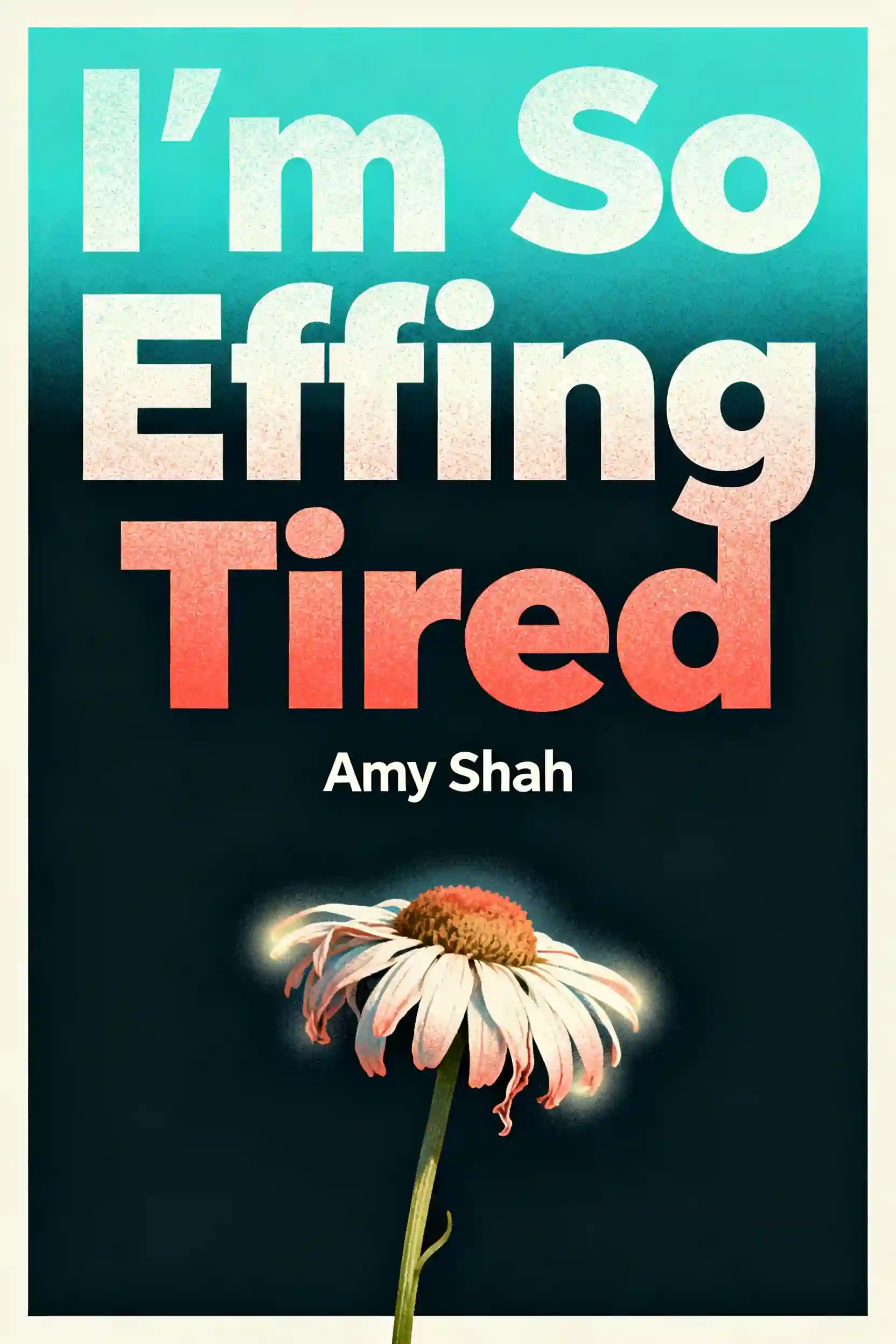
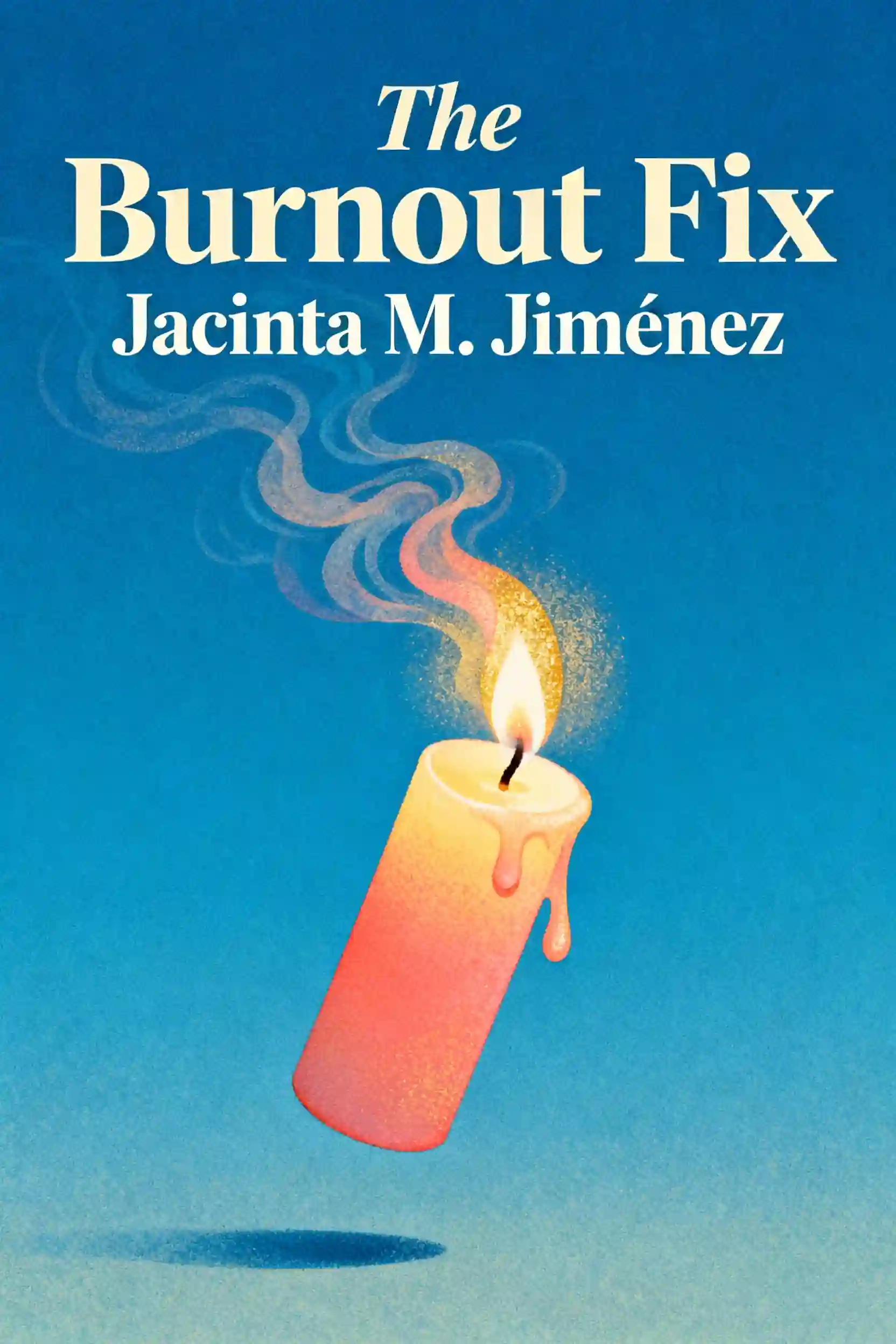






FAQ
Focus on immediate morning habits to shake off sleep inertia. Avoid hitting the snooze button, drink a glass of water as soon as you wake up, engage in light stretching, and get exposure to natural daylight to help signal to your body that it is time to start the day.
Waking up unrefreshed often stems from poor sleep hygiene. Inconsistent sleep schedules, late-night screen time, and consuming heavy meals or caffeine too close to bedtime can all disrupt your natural sleep cycles and leave you feeling groggy.
Sleep quality matters just as much as quantity. Disruptions to your circadian rhythm, a warm or noisy sleeping environment, and a lack of a proper wind-down routine can prevent you from getting deep, restorative rest, leaving you exhausted despite spending eight hours in bed.
From Columbia University alumni built in San Francisco
"Instead of endless scrolling, I just hit play on BeFreed. It saves me so much time."


"I never knew where to start with nonfiction—BeFreed’s book lists turned into podcasts gave me a clear path."


"Perfect balance between learning and entertainment. Finished ‘Thinking, Fast and Slow’ on my commute this week."
"Crazy how much I learned while walking the dog. BeFreed = small habits → big gains."
"Reading used to feel like a chore. Now it’s just part of my lifestyle."

"Feels effortless compared to reading. I’ve finished 6 books this month already."
"BeFreed turned my guilty doomscrolling into something that feels productive and inspiring."

"BeFreed turned my commute into learning time. 20-min podcasts are perfect for finishing books I never had time for."
"BeFreed replaced my podcast queue. Imagine Spotify for books — that’s it. 🙌"

"It is great for me to learn something from the book without reading it."
"The themed book list podcasts help me connect ideas across authors—like a guided audio journey."
"Makes me feel smarter every time before going to work"
From Columbia University alumni built in San Francisco
"Instead of endless scrolling, I just hit play on BeFreed. It saves me so much time."
"I never knew where to start with nonfiction—BeFreed’s book lists turned into podcasts gave me a clear path."
"Perfect balance between learning and entertainment. Finished ‘Thinking, Fast and Slow’ on my commute this week."
"Crazy how much I learned while walking the dog. BeFreed = small habits → big gains."
"Reading used to feel like a chore. Now it’s just part of my lifestyle."
"Feels effortless compared to reading. I’ve finished 6 books this month already."
"BeFreed turned my guilty doomscrolling into something that feels productive and inspiring."
"BeFreed turned my commute into learning time. 20-min podcasts are perfect for finishing books I never had time for."
"BeFreed replaced my podcast queue. Imagine Spotify for books — that’s it. 🙌"
"It is great for me to learn something from the book without reading it."
"The themed book list podcasts help me connect ideas across authors—like a guided audio journey."
"Makes me feel smarter every time before going to work"
"Instead of endless scrolling, I just hit play on BeFreed. It saves me so much time."
"I never knew where to start with nonfiction—BeFreed’s book lists turned into podcasts gave me a clear path."
"Perfect balance between learning and entertainment. Finished ‘Thinking, Fast and Slow’ on my commute this week."
"Crazy how much I learned while walking the dog. BeFreed = small habits → big gains."
"Reading used to feel like a chore. Now it’s just part of my lifestyle."
"Feels effortless compared to reading. I’ve finished 6 books this month already."
"BeFreed turned my guilty doomscrolling into something that feels productive and inspiring."
"BeFreed turned my commute into learning time. 20-min podcasts are perfect for finishing books I never had time for."
"BeFreed replaced my podcast queue. Imagine Spotify for books — that’s it. 🙌"
"It is great for me to learn something from the book without reading it."
"The themed book list podcasts help me connect ideas across authors—like a guided audio journey."
"Makes me feel smarter every time before going to work"
"Instead of endless scrolling, I just hit play on BeFreed. It saves me so much time."
"I never knew where to start with nonfiction—BeFreed’s book lists turned into podcasts gave me a clear path."
"Perfect balance between learning and entertainment. Finished ‘Thinking, Fast and Slow’ on my commute this week."
"Crazy how much I learned while walking the dog. BeFreed = small habits → big gains."
"Reading used to feel like a chore. Now it’s just part of my lifestyle."
"Feels effortless compared to reading. I’ve finished 6 books this month already."
"BeFreed turned my guilty doomscrolling into something that feels productive and inspiring."
"BeFreed turned my commute into learning time. 20-min podcasts are perfect for finishing books I never had time for."
"BeFreed replaced my podcast queue. Imagine Spotify for books — that’s it. 🙌"
"It is great for me to learn something from the book without reading it."
"The themed book list podcasts help me connect ideas across authors—like a guided audio journey."
"Makes me feel smarter every time before going to work"