Beyond the Routine: Reigniting Your 30-Year Romance
Move past the 'silent drift' of long-term marriage with evidence-based strategies to replace boredom with curiosity and rediscover the spark with your partner.

Best quote from Beyond the Routine: Reigniting Your 30-Year Romance
The empty nest doesn't necessarily create new problems out of thin air; it just exposes the ones that were hiding under the busyness of parenting. It is like the tide going out—you finally see what is on the ocean floor.
Generated by RW
How to reignite love in a 30 year marriage.



Frequently Asked Questions
Roommate syndrome is a common phenomenon where a couple shares a mortgage, a calendar, and a household, but has stopped sharing a meaningful emotional life. This often happens because the marriage transitioned into a "business partnership" focused on co-parenting and logistics for decades. When children leave the house, the "tide goes out," exposing the fact that the couple has lost the muscle memory of being a romantic duo, often leaving them feeling like strangers who only know each other's bad habits.
A Love Map is the part of your brain where you store all the relevant information about your partner’s inner world, including their current dreams, fears, and interests. Because people change significantly over thirty years, many couples mistakenly rely on "legacy maps" from the early days of their relationship. Building a new Love Map involves trading certainty for curiosity by asking open-ended questions, which creates a foundation of being "known" that acts as a buffer during times of stress.
Engineering novelty involves intentionally participating in new or unfamiliar activities together to trigger the release of dopamine in the brain. This chemical rush, similar to what is felt during the early stages of falling in love, helps the brain associate excitement with the partner. By stepping out of established roles and becoming "learners" together—whether through a new hobby or a different travel destination—couples can break out of stagnant routines and build "recreational intimacy."
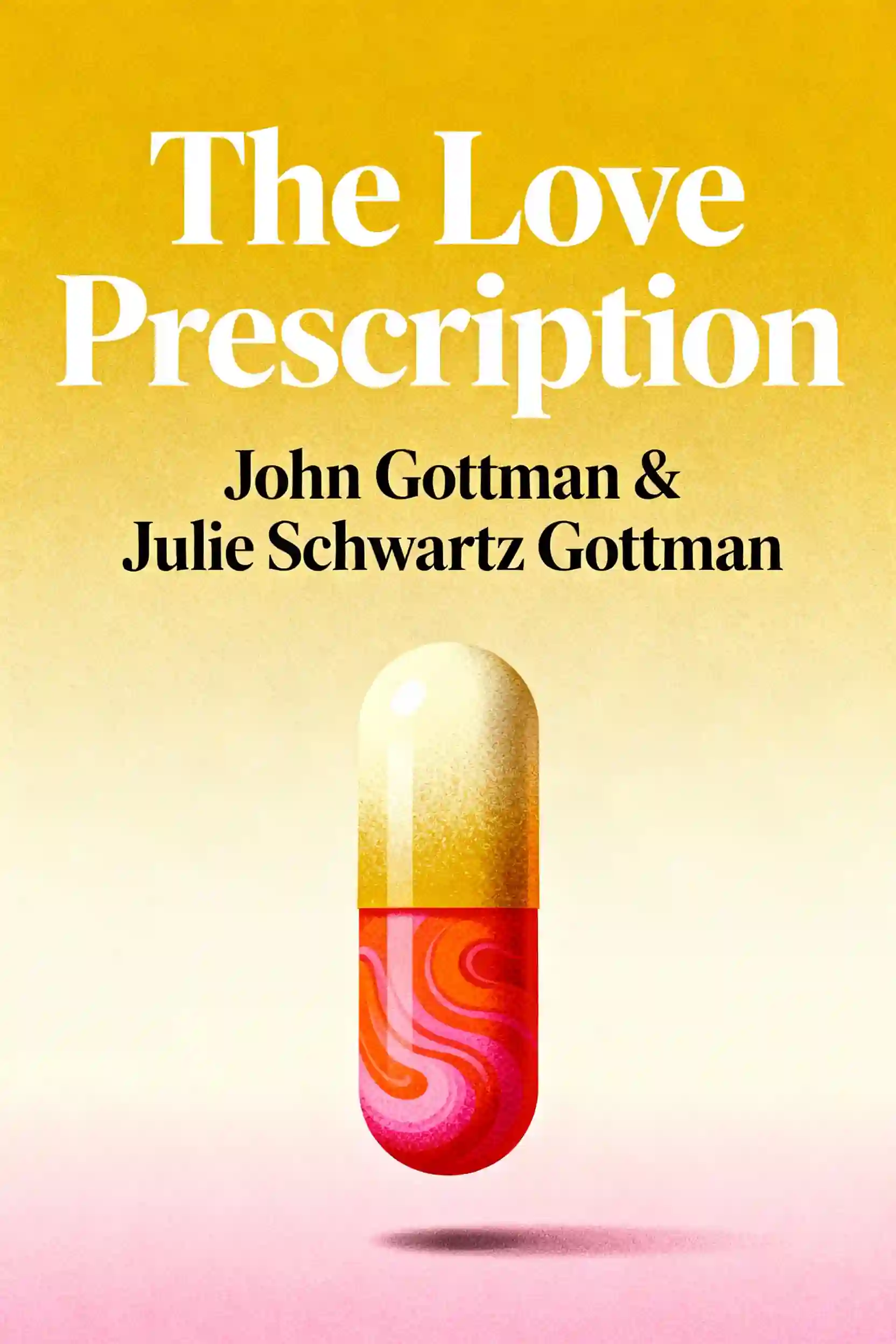
The six-second kiss is a specific "ritual of connection" developed by Dr. John Gottman. It is designed to be long enough to create a physical connection and trigger the release of oxytocin, but short enough to fit into a busy schedule. This small, intentional act serves as a "deposit" into the relationship's emotional bank account, signaling to your partner that they are more important than your daily to-do list.
When a partner feels "flooded," their heart rate rises and their "reptilian brain" takes over, making productive communication impossible. The script recommends practicing "self-soothing" by taking a break from the conversation. Crucially, the person who needs the break must state why they are stepping away and provide a specific time to return (e.g., in thirty minutes). During this time, they should engage in calming activities like deep breathing or walking rather than stewing on the conflict, allowing them to return as a partner instead of a combatant.
From Columbia University alumni built in San Francisco
"Instead of endless scrolling, I just hit play on BeFreed. It saves me so much time."


"I never knew where to start with nonfiction—BeFreed’s book lists turned into podcasts gave me a clear path."


"Perfect balance between learning and entertainment. Finished ‘Thinking, Fast and Slow’ on my commute this week."
"Crazy how much I learned while walking the dog. BeFreed = small habits → big gains."
"Reading used to feel like a chore. Now it’s just part of my lifestyle."

"Feels effortless compared to reading. I’ve finished 6 books this month already."
"BeFreed turned my guilty doomscrolling into something that feels productive and inspiring."

"BeFreed turned my commute into learning time. 20-min podcasts are perfect for finishing books I never had time for."
"BeFreed replaced my podcast queue. Imagine Spotify for books — that’s it. 🙌"

"It is great for me to learn something from the book without reading it."
"The themed book list podcasts help me connect ideas across authors—like a guided audio journey."
"Makes me feel smarter every time before going to work"
From Columbia University alumni built in San Francisco
"Instead of endless scrolling, I just hit play on BeFreed. It saves me so much time."
"I never knew where to start with nonfiction—BeFreed’s book lists turned into podcasts gave me a clear path."
"Perfect balance between learning and entertainment. Finished ‘Thinking, Fast and Slow’ on my commute this week."
"Crazy how much I learned while walking the dog. BeFreed = small habits → big gains."
"Reading used to feel like a chore. Now it’s just part of my lifestyle."
"Feels effortless compared to reading. I’ve finished 6 books this month already."
"BeFreed turned my guilty doomscrolling into something that feels productive and inspiring."
"BeFreed turned my commute into learning time. 20-min podcasts are perfect for finishing books I never had time for."
"BeFreed replaced my podcast queue. Imagine Spotify for books — that’s it. 🙌"
"It is great for me to learn something from the book without reading it."
"The themed book list podcasts help me connect ideas across authors—like a guided audio journey."
"Makes me feel smarter every time before going to work"
"Instead of endless scrolling, I just hit play on BeFreed. It saves me so much time."
"I never knew where to start with nonfiction—BeFreed’s book lists turned into podcasts gave me a clear path."
"Perfect balance between learning and entertainment. Finished ‘Thinking, Fast and Slow’ on my commute this week."
"Crazy how much I learned while walking the dog. BeFreed = small habits → big gains."
"Reading used to feel like a chore. Now it’s just part of my lifestyle."
"Feels effortless compared to reading. I’ve finished 6 books this month already."
"BeFreed turned my guilty doomscrolling into something that feels productive and inspiring."
"BeFreed turned my commute into learning time. 20-min podcasts are perfect for finishing books I never had time for."
"BeFreed replaced my podcast queue. Imagine Spotify for books — that’s it. 🙌"
"It is great for me to learn something from the book without reading it."
"The themed book list podcasts help me connect ideas across authors—like a guided audio journey."
"Makes me feel smarter every time before going to work"
"Instead of endless scrolling, I just hit play on BeFreed. It saves me so much time."
"I never knew where to start with nonfiction—BeFreed’s book lists turned into podcasts gave me a clear path."
"Perfect balance between learning and entertainment. Finished ‘Thinking, Fast and Slow’ on my commute this week."
"Crazy how much I learned while walking the dog. BeFreed = small habits → big gains."
"Reading used to feel like a chore. Now it’s just part of my lifestyle."
"Feels effortless compared to reading. I’ve finished 6 books this month already."
"BeFreed turned my guilty doomscrolling into something that feels productive and inspiring."
"BeFreed turned my commute into learning time. 20-min podcasts are perfect for finishing books I never had time for."
"BeFreed replaced my podcast queue. Imagine Spotify for books — that’s it. 🙌"
"It is great for me to learn something from the book without reading it."
"The themed book list podcasts help me connect ideas across authors—like a guided audio journey."
"Makes me feel smarter every time before going to work"