Beyond the Pedestal: Overcoming Post-Breakup Nostalgia
Discover the neuroscience behind 'rosy retrospection' and learn practical strategies to stop romanticizing your ex and reclaim your independence six weeks after a split.

Best quote from Beyond the Pedestal: Overcoming Post-Breakup Nostalgia
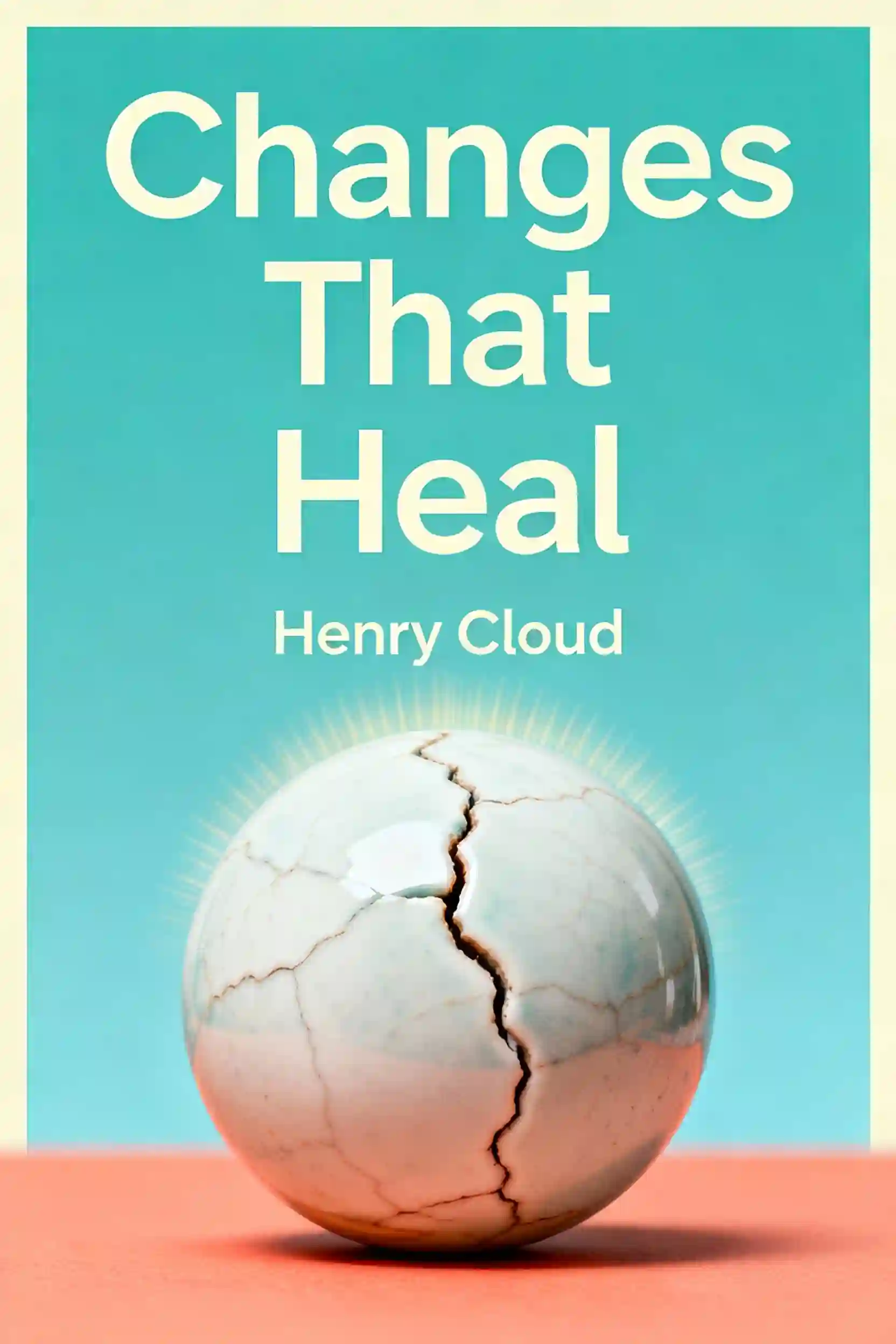
Your brain actually doesn’t distinguish much between a broken heart and a broken arm; it’s the body’s evolutionary alarm system. When you indulge in rose-colored memories, you are essentially re-opening the wound and resetting the healing clock.
Generated by Conor
How to stop romanticising ex, 6 weeks post break up. Feeling a bit lonely and missing that connection.

Frequently Asked Questions
Rosy retrospection is a psychological phenomenon where the brain acts like a "world-class editor," highlighting happy memories while filtering out negative ones, such as arguments or feelings of being unheard. This occurs because the brain is attempting to stimulate the production of "love chemicals" like dopamine, oxytocin, and serotonin that were cut off after the breakup. By replaying a "greatest hits" reel of the relationship, the hippocampus tries to satisfy the body’s physical craving for those lost reward chemicals.
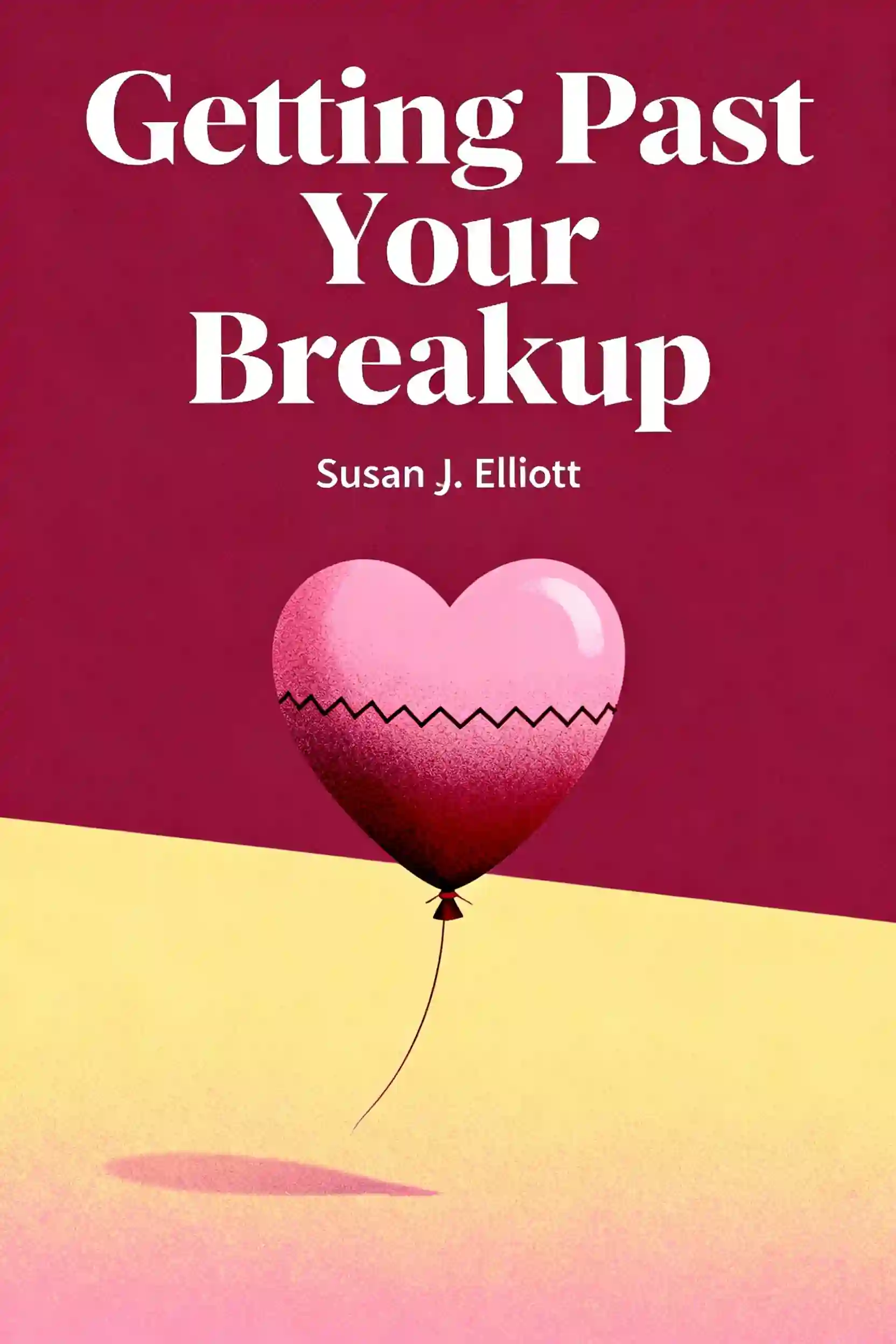
Research using fMRI scans shows that romantic rejection activates the anterior cingulate cortex, the same region of the brain that processes physical injury. From an evolutionary perspective, being separated from a partner or "tribe" was a threat to survival, so the brain developed an intense pain response to alert the individual to fix the bond. This is why a broken heart can result in a literal ache in the chest or a knot in the stomach; the brain does not distinguish significantly between emotional loss and a physical injury like a broken arm.
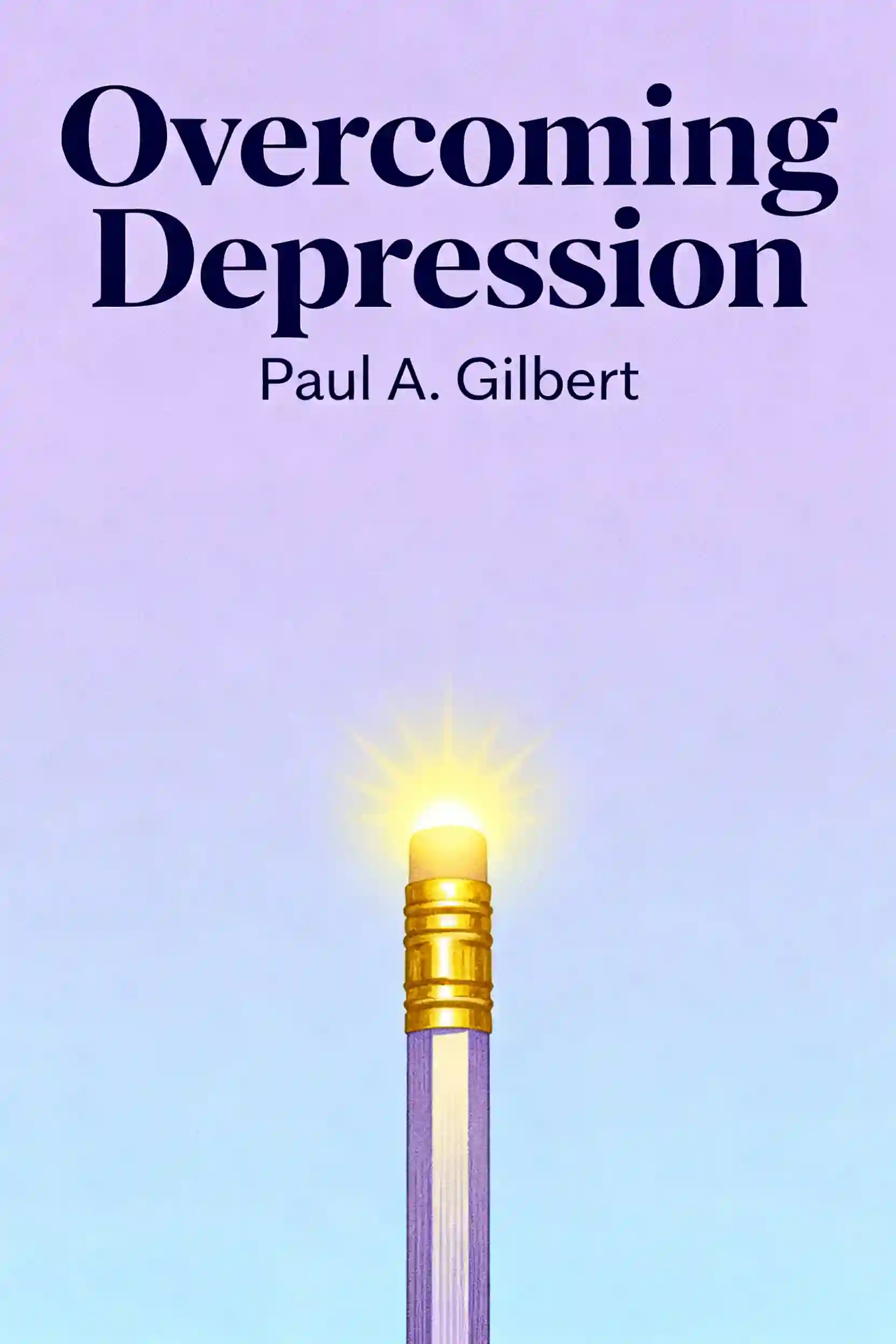
One effective tool is the "Balanced Perspective Exercise," which involves creating two columns to counter idealized thoughts with "balancing truths." For example, if you remember that an ex was adventurous, you must also acknowledge if they made plans without consulting you. Using the word "AND" instead of "but" helps the brain accept the complexity that someone could have good traits while still being wrong for you. Additionally, asking "Reality-Check Questions," such as whether you would want a best friend to be in that exact relationship, can help break the fantasy.
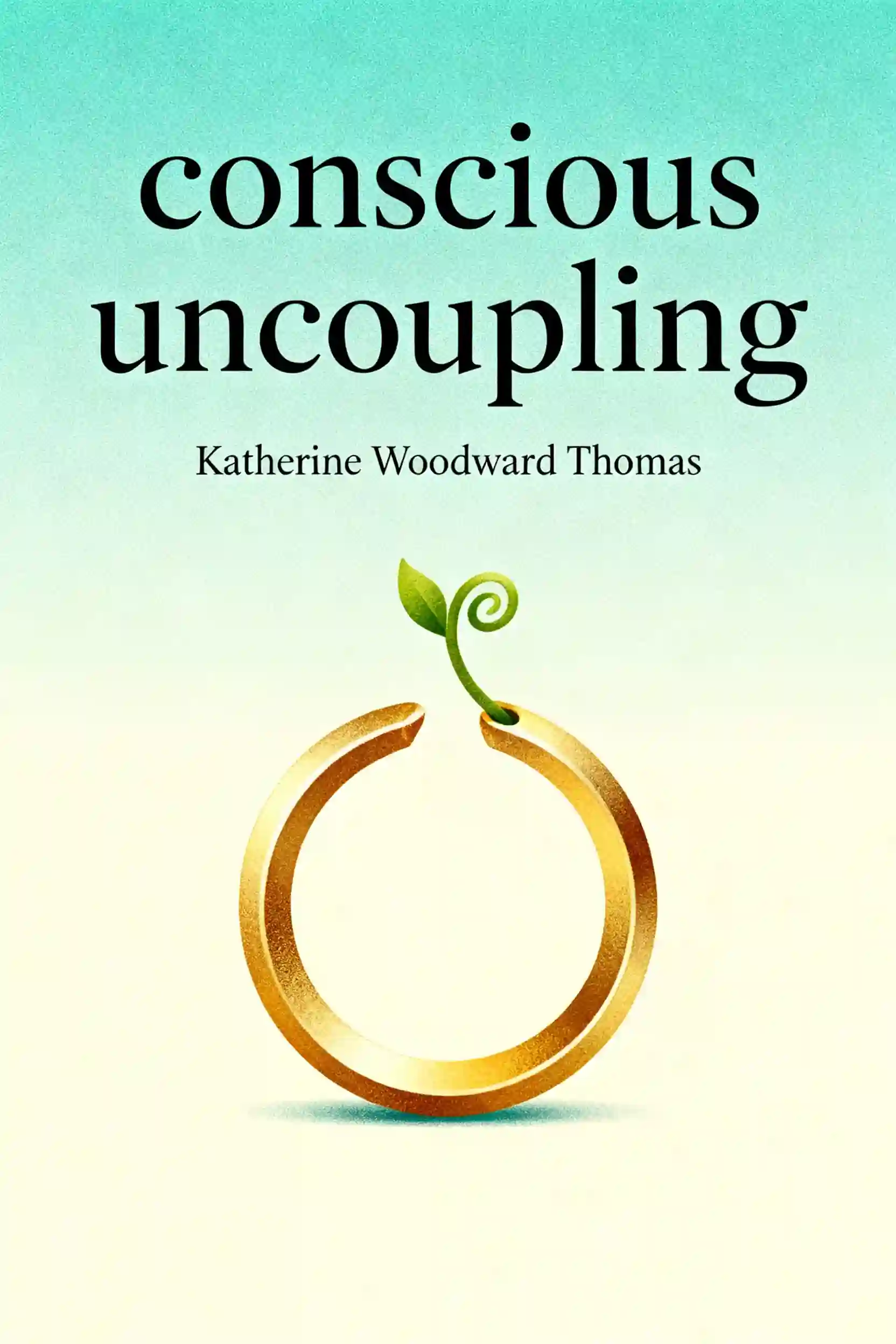
Self-concept clarity disruption occurs when a person feels they have lost part of their own identity because their life and routines were so deeply merged with their partner's. To heal, individuals must engage in "Identity Expansion" by leaning into hobbies, roles, and friendships that exist independently of the ex-partner. This process reminds the brain that the individual existed before the relationship and can thrive after it, shifting the focus from mourning a lost shared identity to designing a new, independent life.
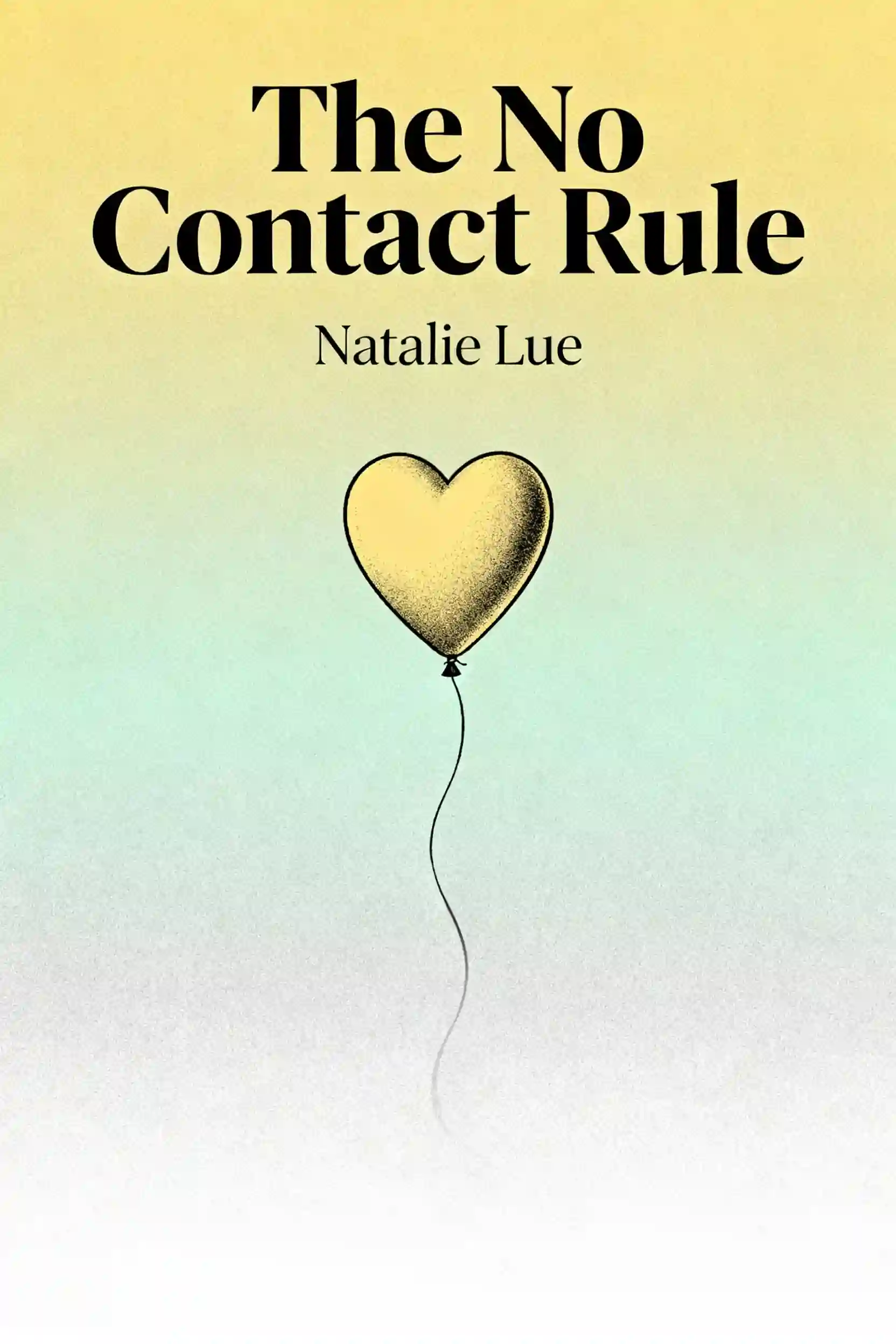
The No Contact Rule is a "neurological reset" designed to reduce environmental cues that trigger the brain's reward system. Every time a person "pain shops" by checking an ex's social media, they experience a spike in stress hormones followed by a crash, which prevents the brain from recalibrating. By muting, archiving, or blocking an ex, you starve the rumination loop and allow old neural pathways to weaken, making it easier for the brain to build new pathways that do not involve the former partner.
From Columbia University alumni built in San Francisco
"Instead of endless scrolling, I just hit play on BeFreed. It saves me so much time."


"I never knew where to start with nonfiction—BeFreed’s book lists turned into podcasts gave me a clear path."


"Perfect balance between learning and entertainment. Finished ‘Thinking, Fast and Slow’ on my commute this week."
"Crazy how much I learned while walking the dog. BeFreed = small habits → big gains."
"Reading used to feel like a chore. Now it’s just part of my lifestyle."

"Feels effortless compared to reading. I’ve finished 6 books this month already."
"BeFreed turned my guilty doomscrolling into something that feels productive and inspiring."

"BeFreed turned my commute into learning time. 20-min podcasts are perfect for finishing books I never had time for."
"BeFreed replaced my podcast queue. Imagine Spotify for books — that’s it. 🙌"

"It is great for me to learn something from the book without reading it."
"The themed book list podcasts help me connect ideas across authors—like a guided audio journey."
"Makes me feel smarter every time before going to work"
From Columbia University alumni built in San Francisco
"Instead of endless scrolling, I just hit play on BeFreed. It saves me so much time."
"I never knew where to start with nonfiction—BeFreed’s book lists turned into podcasts gave me a clear path."
"Perfect balance between learning and entertainment. Finished ‘Thinking, Fast and Slow’ on my commute this week."
"Crazy how much I learned while walking the dog. BeFreed = small habits → big gains."
"Reading used to feel like a chore. Now it’s just part of my lifestyle."
"Feels effortless compared to reading. I’ve finished 6 books this month already."
"BeFreed turned my guilty doomscrolling into something that feels productive and inspiring."
"BeFreed turned my commute into learning time. 20-min podcasts are perfect for finishing books I never had time for."
"BeFreed replaced my podcast queue. Imagine Spotify for books — that’s it. 🙌"
"It is great for me to learn something from the book without reading it."
"The themed book list podcasts help me connect ideas across authors—like a guided audio journey."
"Makes me feel smarter every time before going to work"
"Instead of endless scrolling, I just hit play on BeFreed. It saves me so much time."
"I never knew where to start with nonfiction—BeFreed’s book lists turned into podcasts gave me a clear path."
"Perfect balance between learning and entertainment. Finished ‘Thinking, Fast and Slow’ on my commute this week."
"Crazy how much I learned while walking the dog. BeFreed = small habits → big gains."
"Reading used to feel like a chore. Now it’s just part of my lifestyle."
"Feels effortless compared to reading. I’ve finished 6 books this month already."
"BeFreed turned my guilty doomscrolling into something that feels productive and inspiring."
"BeFreed turned my commute into learning time. 20-min podcasts are perfect for finishing books I never had time for."
"BeFreed replaced my podcast queue. Imagine Spotify for books — that’s it. 🙌"
"It is great for me to learn something from the book without reading it."
"The themed book list podcasts help me connect ideas across authors—like a guided audio journey."
"Makes me feel smarter every time before going to work"
"Instead of endless scrolling, I just hit play on BeFreed. It saves me so much time."
"I never knew where to start with nonfiction—BeFreed’s book lists turned into podcasts gave me a clear path."
"Perfect balance between learning and entertainment. Finished ‘Thinking, Fast and Slow’ on my commute this week."
"Crazy how much I learned while walking the dog. BeFreed = small habits → big gains."
"Reading used to feel like a chore. Now it’s just part of my lifestyle."
"Feels effortless compared to reading. I’ve finished 6 books this month already."
"BeFreed turned my guilty doomscrolling into something that feels productive and inspiring."
"BeFreed turned my commute into learning time. 20-min podcasts are perfect for finishing books I never had time for."
"BeFreed replaced my podcast queue. Imagine Spotify for books — that’s it. 🙌"
"It is great for me to learn something from the book without reading it."
"The themed book list podcasts help me connect ideas across authors—like a guided audio journey."
"Makes me feel smarter every time before going to work"