Beyond Basic AI: Mastering Creative Collaboration

How To Use AI For Creative Projects: episode overview
This BeFreed audio episode explores how creators can use artificial intelligence as a collaborative partner rather than a replacement. We break down the process of integrating AI into your creative workflow to outline ideas, build digital assets, and support your creative vision using evergreen principles.
Create Your Podcast in a Click
Generated by Melanie Blankenberg
Input question
How can I learn to use AI beyond just research and asking questions
Host voices

What you'll learn about AI and creativity
- 1
Opening & Welcome
 00:0000:00
Lena: Hey everyone, welcome back to another personalized deep dive from BeFreed-I'm Lena, and I'm absolutely thrilled we get to explore something that's reshaping how we work and create every single day. Eli: And I'm Eli! Lena, I can barely contain my excitement about today's topic because we're diving into something that goes way beyond just asking ChatGPT for quick answers. We're talking about truly mastering AI as a creative and business partner-and honestly, the possibilities are mind-blowing. Lena: Exactly! So many people are stuck thinking AI is just for research or basic questions, but what we've discovered in all these incredible books is that we're literally sitting on the biggest wealth-creation opportunity of our lifetime. The question isn't whether to use AI-it's how to unlock its full potential.
- 2
Topic Introduction & Source Material Setup
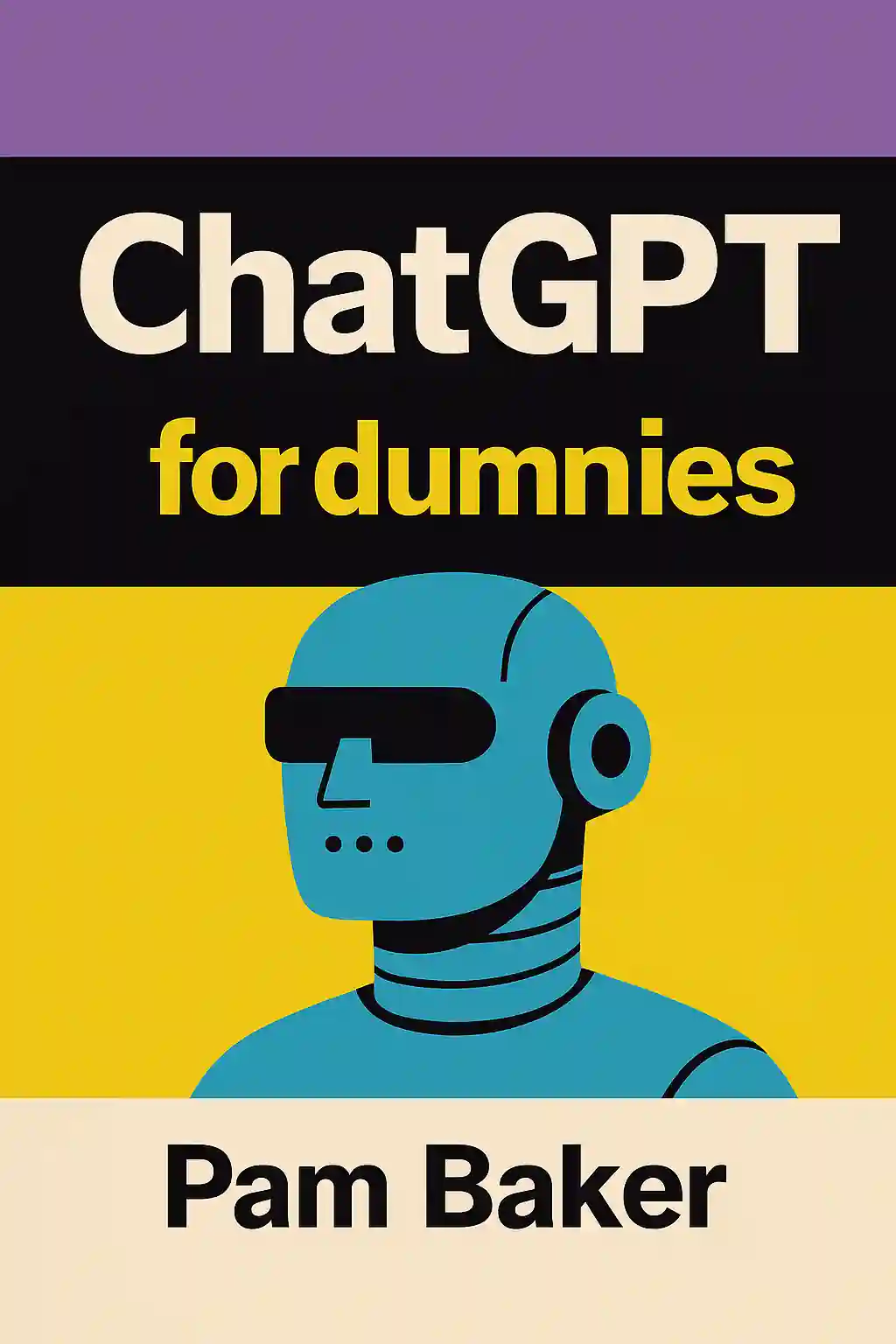
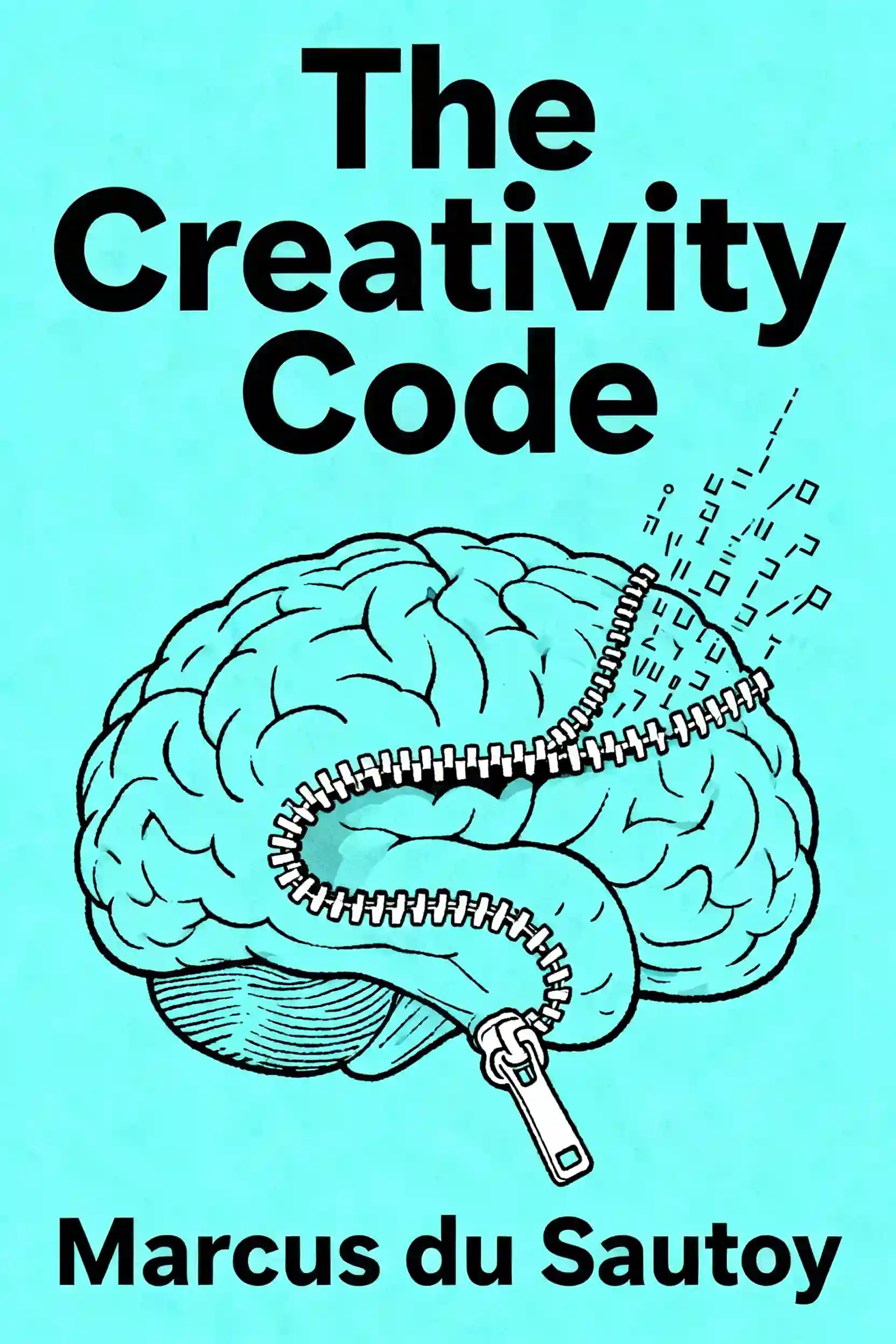
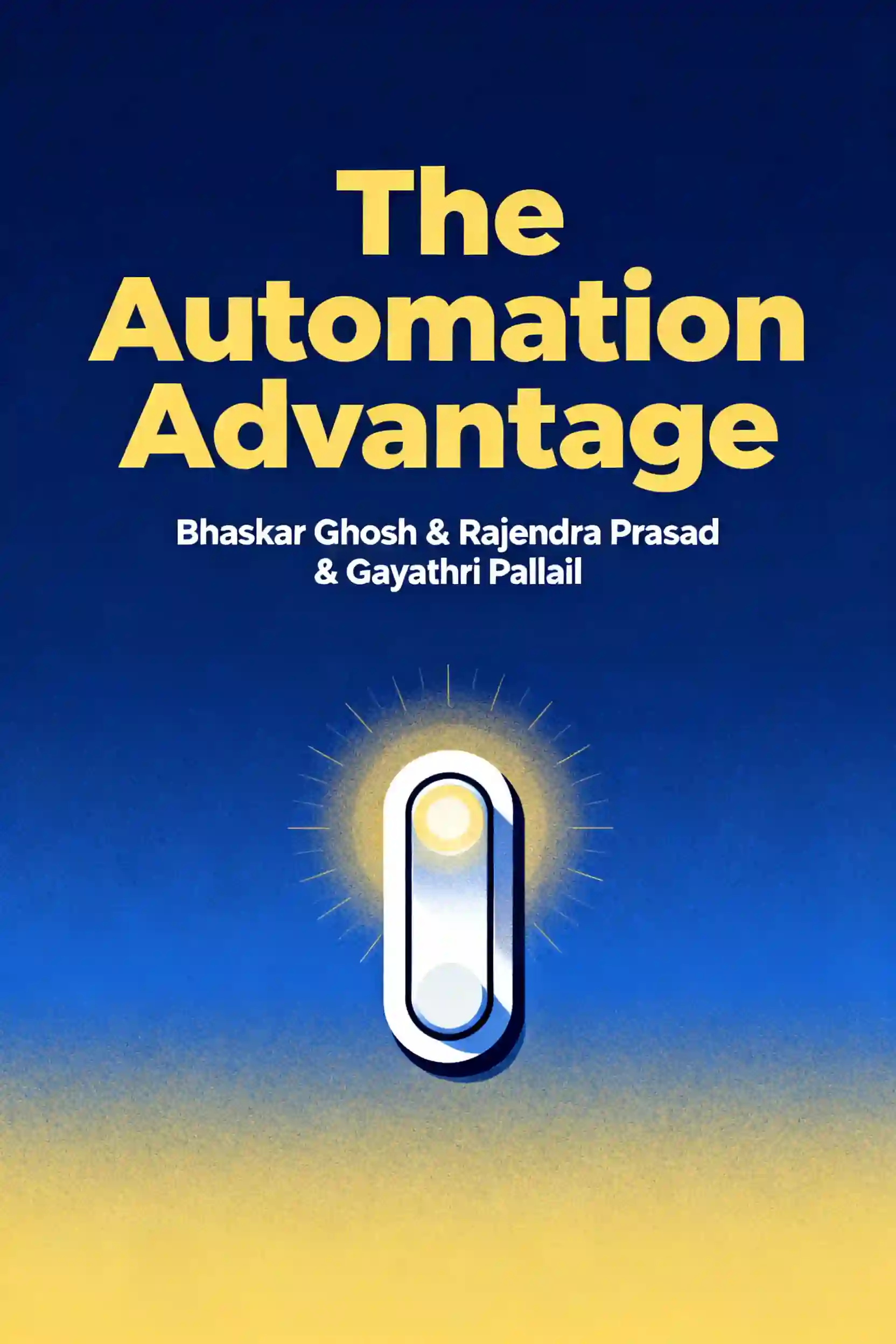
Eli: You know what's fascinating? I was just reading about this in "The ChatGPT Millionaire"-we're witnessing something unprecedented. ChatGPT reached 100 million users in just two months, making it the fastest-growing consumer application in history. But here's the kicker-most people are barely scratching the surface. Lena: That's exactly what caught my attention in "ChatGPT For Dummies." The authors point out that the quality of ChatGPT's responses directly mirrors the specificity of your prompts. It's like having a conversation with a brilliant expert, but if you ask vague questions, you get generic answers. Eli: Right! And "The Creativity Code" really opened my eyes to something profound-we're not just using tools anymore, we're collaborating with systems that can actually be creative. Remember AlphaGo's move 37 against Lee Sedol? That wasn't just computation-it was genuinely innovative, breaking centuries of orthodox play. Lena: That gives me chills every time! But what really excites me is how "The Automation Advantage" shows this isn't about replacing humans-it's about amplification. Like those Italian journalists who embraced an AI assistant that checks their work. Instead of feeling threatened, they welcomed a tool that enhanced their creativity.
- 3
Beyond Basic Prompting: The Art of AI Collaboration
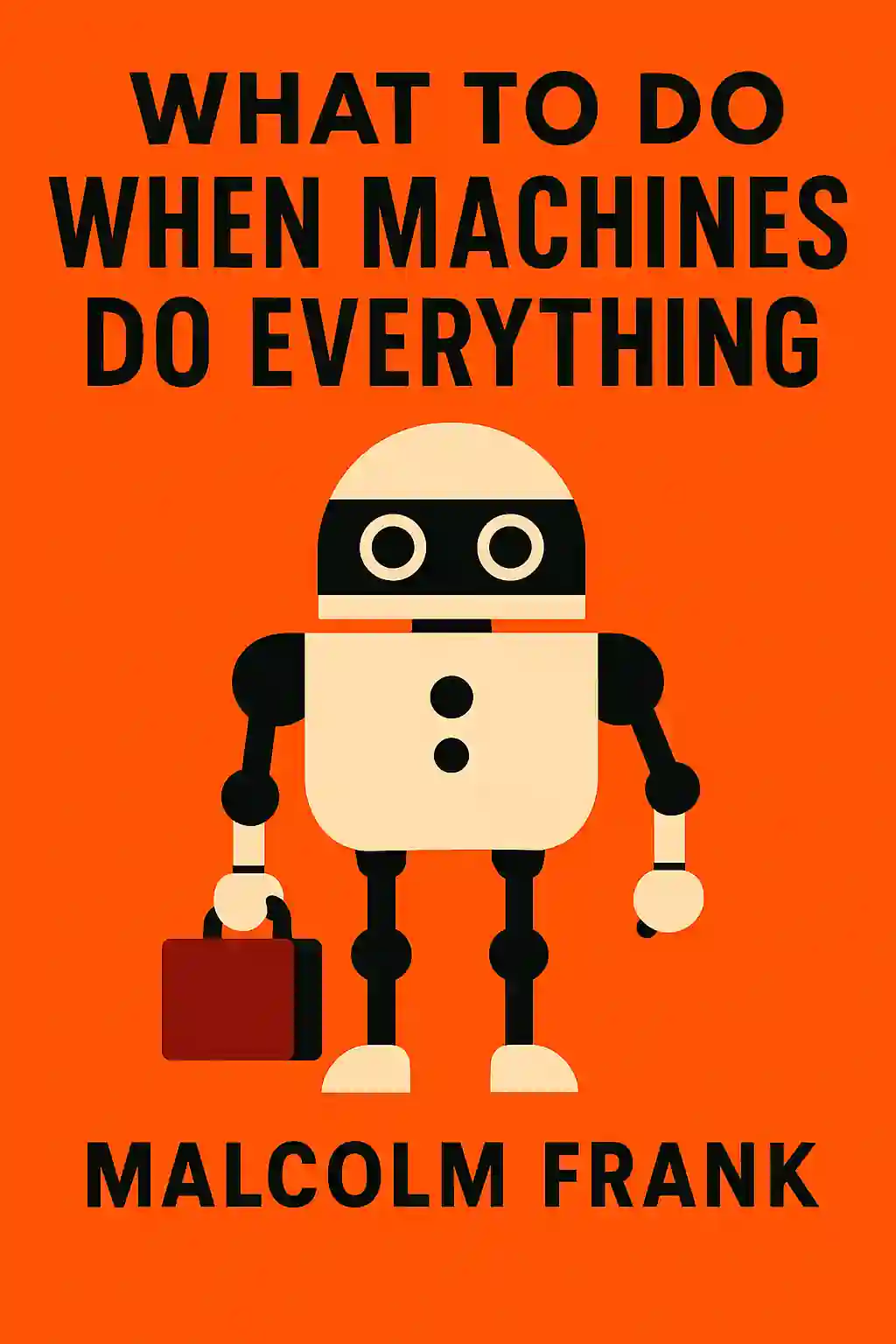
Eli: So let's get practical here. "The ChatGPT Millionaire" talks about this concept of "persona prompts"-instead of asking generic questions, you assign ChatGPT specific roles. Instead of "write about marketing," you say "As an experienced CMO of SaaS startups, provide customer acquisition recommendations." Lena: That's brilliant! It's like the difference between asking a random person on the street versus consulting with a specialist. But I'm curious-how do you move from that basic technique to actually building something substantial? Eli: Great question! This is where "Artificial Intelligence for Beginners" really shines. The book explains that we're dealing with generative AI-systems that don't just classify or predict, they create entirely new content. The key is understanding that you're not just asking questions, you're engaging in a creative partnership. Lena: And "What To Do When Machines Do Everything" adds this crucial insight-we're moving from "systems of record" that just store information to "systems of intelligence" that learn and improve. Netflix is a perfect example-75 million subscribers interacting through elegant apps while machine learning processes billions of events daily.
- Chapter 4
Transforming Content Creation Into Revenue Streams
**Eli:** Here's where it gets really exciting for our listeners! "The ChatGPT Millionaire" shows how content creation has gone from hours to minutes. Blog posts that once took 3-4 hours now take under 45 minutes. But more importantly, this time savings lets you focus on strategy and unique insights-the things that actually drive revenue. **Lena:** Exactly! And it's not just about speed. The book talks about how ChatGPT eliminates the blank page problem entirely. You can explore multiple angles for your topic in seconds, create structured outlines, then expand each section by combining AI-generated content with your personal experiences. **Eli:** What I love about this approach is how "The Creativity Code" explains it-we're not losing our human touch, we're amplifying it. The AI handles the heavy lifting of structure and initial drafts, freeing us to focus on what makes us uniquely human: our experiences, insights, and emotional intelligence. **Lena:** That's such an important distinction! "ChatGPT For Dummies" emphasizes that successful AI use requires sophisticated analytical skills. You're crafting precise questions, evaluating responses, refining queries-you're developing deeper engagement with your subject matter than passive learning ever could.
Chapter 5Building Digital Assets and Passive Income
**Eli:** Now here's where things get really interesting for anyone wanting to build wealth. "The ChatGPT Millionaire" shows how AI streamlines digital asset creation-e-books can be completed in weeks instead of months, online courses become viable for individuals, and even basic software development becomes accessible. **Lena:** I'm fascinated by this! Can you break down how someone would actually approach building, say, an online course using AI? **Eli:** Absolutely! You start by outlining your expertise-what you uniquely know and have experienced. Then you use ChatGPT to expand sections, generate lesson plans, create marketing content, even develop quizzes and assignments. The AI handles the structural work while you focus on adding your personal insights and real-world examples. **Lena:** And "What To Do When Machines Do Everything" talks about this concept of "abundance"-creating new markets through radical affordability. When processes become digitized and AI-assisted, products shift from human-based to machine-based delivery, enabling dramatic cost reductions. **Eli:** Exactly! Think about it-traditional course creation might require hiring writers, editors, designers, marketers. With AI, you can handle much of that workflow yourself while maintaining professional quality. It's like having a team of specialists working around the clock.
Chapter 6The Strategic Advantage: Prompt Engineering Mastery
**Lena:** Let's talk about something that I think separates the casual users from the real power users-prompt engineering. "ChatGPT For Dummies" really emphasizes this as a crucial skill, but what does mastery actually look like? **Eli:** Great question! It's about understanding that ChatGPT operates through natural language dialogue, not search engine keywords. "Artificial Intelligence for Beginners" explains that effective prompting involves assigning specific roles, defining context clearly, and incorporating examples to guide output structure. **Lena:** I love how "The Creativity Code" frames this-it's like having a conversation with a brilliant collaborator. You're not just extracting information, you're engaging in a creative process where each exchange builds on the previous one. **Eli:** Exactly! And here's something fascinating from "The Automation Advantage"-successful organizations invest 70% of their effort in process design and change management, with only 30% in technical implementation. The same principle applies to AI mastery-it's not about the technology, it's about how you integrate it into your workflow. **Lena:** That makes so much sense! So for our listeners who want to move beyond basic usage, they need to think systematically about how AI fits into their broader goals, not just treat it as a fancy search engine.
Chapter 7Real-World Applications Across Industries
**Eli:** Let's get specific about industries, because "ChatGPT For Dummies" shows how AI integration is happening everywhere. In e-commerce, instead of basic product descriptions, you're creating emotionally resonant stories. A handmade ceramic mug becomes "Cradle your morning ritual in artisan-crafted stoneware, where subtle irregularities tell the story of human hands shaping clay into functional art." **Lena:** That's beautiful! And "What To Do When Machines Do Everything" shows this pattern across sectors-radiologists haven't disappeared, they've become diagnostic specialists interpreting AI findings. The technology handles routine analysis, freeing humans for complex cases requiring judgment. **Eli:** Right! "The Automation Advantage" gives this perfect example with BNY Mellon-they deployed hundreds of bots to accelerate payment processing while keeping employees to handle exceptions requiring human judgment. It's not replacement, it's enhancement. **Lena:** I'm thinking about our listeners in different fields-how would someone in marketing approach this differently than someone in consulting or education? **Eli:** Brilliant question! "The ChatGPT Millionaire" breaks this down beautifully. In marketing, you're using AI for content creation, lead generation, sentiment analysis, and campaign assessment. In consulting, you might use it to rapidly draft proposals, analyze client data, or generate strategic frameworks. The key is identifying the repetitive, time-intensive tasks in your specific field.
Chapter 8Closing Reflection and Future Mastery
**Lena:** So as we wrap things up, I keep coming back to this insight from "The Creativity Code"-we're witnessing the birth of the AI Age in real-time. The question isn't whether AI will transform how we work, but whether we'll be active participants or passive observers. **Eli:** That's exactly right! And "What To Do When Machines Do Everything" puts it perfectly-the future belongs to builders, not predictors. While others debate AI's implications, proactive entrepreneurs are already building the future, creating more value efficiently and developing automated revenue-generating assets. **Lena:** What I find most exciting is how "The Automation Advantage" shows this isn't about becoming more robotic-it's about becoming more human. As AI handles routine tasks, human qualities like creativity, empathy, and strategic thinking become more valuable, not less. **Eli:** For everyone listening, remember what Mark Cuban said-"people who use AI tools will replace people who don't." This isn't about fearing the technology or blindly embracing it. It's about recognizing AI as the ultimate productivity multiplier and learning to collaborate with it effectively. **Lena:** And on that note, I'd encourage everyone to start small but think big. Pick one area of your work or business where you spend significant time on routine tasks, and experiment with AI assistance. The learning curve is gentler than you think, but the competitive advantage builds quickly. **Eli:** Absolutely! The revolution isn't coming-it's already here, waiting in your next decision. So stay curious, keep experimenting, and remember that the best way to predict the future is to build it yourself. Thanks for joining us on this deep dive into AI mastery!
What people search for about using AI in creative projects
When creators search for ways to integrate AI into their work, they are usually looking for practical, ethical ways to enhance their creative process. From exploring advanced prompt engineering techniques to building digital assets like journals and guides, the goal is finding a balance between human ingenuity and AI efficiency.
A practical guide to using AI for creative projects
Using AI effectively requires treating it as a collaborative tool rather than a final creator. Instead of having AI do the work for you, use it for structure, scaffolding, and exploring possibilities.
Structuring and Outlining
AI is highly effective for building storyboards, outlining chapters, and creating beat sheets. You can use platforms like ChatGPT to set up a digital writer's room to explore the possibility space of a core premise before you begin the actual creative execution.
Advanced Prompt Engineering
Moving beyond basic research requests, advanced prompting techniques such as Chain-of-Thought or Tree-of-Thought allow you to achieve complex creative tasks. These methods guide the AI's reasoning step-by-step, improving the reliability and performance of the output for your specific project.
Building Digital Assets
AI can assist in the creation of simple digital products, such as coloring books, journals, or short guides. By using AI to outline content and streamline workflows, creators can efficiently build assets while maintaining the human oversight required to shape the final voice and product.
Continue learning about AI in creative workflows
- AI creativity vs human creativity
- Advanced prompt engineering strategies
- Ethical use of AI art and generated content
- Artificial intelligence in digital asset management
Best quote from Beyond Basic AI: Mastering Creative Collaboration
The question isn't whether to use AI—it's how to unlock its full potential. We're not just using tools anymore; we're collaborating with systems that can actually be creative, moving from 'systems of record' to 'systems of intelligence' that learn and improve.
Knowledge sources
FAQ
You can use AI as a collaborative partner for structure and scaffolding, such as outlining chapters, building storyboards, and summarizing ideas. It is best used to explore possibilities rather than replacing human creativity entirely.
Advanced prompting techniques, such as Chain-of-Thought and Tree-of-Thought, are strategies used to achieve complex tasks and improve the reliability of an AI's output by guiding its reasoning process step-by-step.
AI can be used to outline content, generate ideas, and streamline workflows for digital assets like short guides, journals, or coloring books. However, human oversight is essential to shape the final product and maintain a unique voice.
From Columbia University alumni built in San Francisco
"Instead of endless scrolling, I just hit play on BeFreed. It saves me so much time."


"I never knew where to start with nonfiction—BeFreed’s book lists turned into podcasts gave me a clear path."


"Perfect balance between learning and entertainment. Finished ‘Thinking, Fast and Slow’ on my commute this week."
"Crazy how much I learned while walking the dog. BeFreed = small habits → big gains."
"Reading used to feel like a chore. Now it’s just part of my lifestyle."

"Feels effortless compared to reading. I’ve finished 6 books this month already."
"BeFreed turned my guilty doomscrolling into something that feels productive and inspiring."

"BeFreed turned my commute into learning time. 20-min podcasts are perfect for finishing books I never had time for."
"BeFreed replaced my podcast queue. Imagine Spotify for books — that’s it. 🙌"

"It is great for me to learn something from the book without reading it."
"The themed book list podcasts help me connect ideas across authors—like a guided audio journey."
"Makes me feel smarter every time before going to work"
From Columbia University alumni built in San Francisco
"Instead of endless scrolling, I just hit play on BeFreed. It saves me so much time."
"I never knew where to start with nonfiction—BeFreed’s book lists turned into podcasts gave me a clear path."
"Perfect balance between learning and entertainment. Finished ‘Thinking, Fast and Slow’ on my commute this week."
"Crazy how much I learned while walking the dog. BeFreed = small habits → big gains."
"Reading used to feel like a chore. Now it’s just part of my lifestyle."
"Feels effortless compared to reading. I’ve finished 6 books this month already."
"BeFreed turned my guilty doomscrolling into something that feels productive and inspiring."
"BeFreed turned my commute into learning time. 20-min podcasts are perfect for finishing books I never had time for."
"BeFreed replaced my podcast queue. Imagine Spotify for books — that’s it. 🙌"
"It is great for me to learn something from the book without reading it."
"The themed book list podcasts help me connect ideas across authors—like a guided audio journey."
"Makes me feel smarter every time before going to work"
"Instead of endless scrolling, I just hit play on BeFreed. It saves me so much time."
"I never knew where to start with nonfiction—BeFreed’s book lists turned into podcasts gave me a clear path."
"Perfect balance between learning and entertainment. Finished ‘Thinking, Fast and Slow’ on my commute this week."
"Crazy how much I learned while walking the dog. BeFreed = small habits → big gains."
"Reading used to feel like a chore. Now it’s just part of my lifestyle."
"Feels effortless compared to reading. I’ve finished 6 books this month already."
"BeFreed turned my guilty doomscrolling into something that feels productive and inspiring."
"BeFreed turned my commute into learning time. 20-min podcasts are perfect for finishing books I never had time for."
"BeFreed replaced my podcast queue. Imagine Spotify for books — that’s it. 🙌"
"It is great for me to learn something from the book without reading it."
"The themed book list podcasts help me connect ideas across authors—like a guided audio journey."
"Makes me feel smarter every time before going to work"
"Instead of endless scrolling, I just hit play on BeFreed. It saves me so much time."
"I never knew where to start with nonfiction—BeFreed’s book lists turned into podcasts gave me a clear path."
"Perfect balance between learning and entertainment. Finished ‘Thinking, Fast and Slow’ on my commute this week."
"Crazy how much I learned while walking the dog. BeFreed = small habits → big gains."
"Reading used to feel like a chore. Now it’s just part of my lifestyle."
"Feels effortless compared to reading. I’ve finished 6 books this month already."
"BeFreed turned my guilty doomscrolling into something that feels productive and inspiring."
"BeFreed turned my commute into learning time. 20-min podcasts are perfect for finishing books I never had time for."
"BeFreed replaced my podcast queue. Imagine Spotify for books — that’s it. 🙌"
"It is great for me to learn something from the book without reading it."
"The themed book list podcasts help me connect ideas across authors—like a guided audio journey."
"Makes me feel smarter every time before going to work"