BeFreed.ai Review: Strengths, Weaknesses, and AI Models Used

AI Text to Audio Generators: episode overview
This BeFreed audio episode explores the evolving landscape of AI text to audio generators. We evaluate popular AI learning tools and dive into the underlying text-to-speech (TTS) models and neural network architectures that power them, providing an objective look at their strengths and weaknesses.
Create Your Podcast in a Click
Generated by Josh
Input question
Review BeFreed.ai. What are its strengths and weaknesses verses its competition. What ai models does it use?
Host voices

What you'll learn about AI text to audio generators
- 1
Turning Books Into Your Personal Podcast
 00:0000:00
Imagine turning that overwhelming "to-read" pile of research papers and 400-page books into a custom podcast for your morning commute. That is the core promise of BeFreed.ai, a platform that launched just five months ago and is already serving half a million learners. Unlike competitors like Headway or Blinkist, which offer fixed, human-curated summaries, BeFreed uses ElevenLabs AI voices to synthesize multiple sources into personalized audio lessons. We’re diving into how its multi-layer fact-checking stacks up against the competition’s human touch, and why its "Freedia" AI companion might just change how you retain information.
- 2
The Architecture of Infinite Synthesis
When we look under the hood of how this platform actually functions, we find a system that is fundamentally different from the digital libraries we have grown accustomed to over the last decade. Traditional summary apps operate like a boutique bookstore—they have a specific inventory of a few thousand titles, each carefully condensed by a human editor. But this new wave of technology, spearheaded by the team out of San Francisco, operates more like a high-velocity refinery. It doesn't just store information; it processes it in real time. The technical blueprint is fascinating because it moves away from the static "read-only" model of learning. Instead, it utilizes an AI content model that doesn't just search for a book—it analyzes, evaluates, and then synthesizes. This means if you are researching a complex topic like the intersection of behavioral economics and digital marketing, the system doesn't just hand you a summary of one book. It can actually reach into its internal knowledge base of over one hundred thousand titles and public sources to weave together a cohesive narrative. It might pull a core principle from a foundational text like Thinking, Fast and Slow and then immediately contrast it with a recent research paper from a university database or a specific insight from a Harvard Business Review article. This multi-source synthesis is a massive leap forward in educational technology because it mirrors how the human brain actually masters a subject—by connecting disparate dots. In the old model, you were responsible for doing that heavy lifting yourself. You would read one summary, then another, and try to remember how they related to each other while you were at the gym or driving to work. Here, the AI acts as a personal knowledge agent, performing that integration before the audio even reaches your ears. The founders—who brought their experience from scaling massive recommendation engines at Google and Pinterest—have essentially built a system that predicts what you need to know next based on the goals you set during onboarding. It’s an anticipatory style of learning. If the system knows you’re a sales professional aiming to improve your negotiation tactics, it won't just give you a generic summary of a business book. It will tailor the "podcast" episode to highlight the specific psychological triggers relevant to your field, perhaps even narrating it in a tone that matches your current energy levels. This level of customization is powered by a cloud infrastructure that handles the heavy computational load of transforming long-form PDFs and dense academic articles into conversational audio on demand. It is a transition from "content consumption" to "contextual intelligence," where the tool adapts to the learner rather than the other way around.
- 3
Customizing the Auditory Learning Highway
The real magic happens when we consider the "dual-channel processing" that researchers have been talking about for years—the idea that our brains can take in information through multiple highways at once. Most of us have felt the fatigue of staring at a screen for eight hours, only to realize we haven't actually absorbed a single word of that research paper we were supposed to read. This is where the audio-first philosophy becomes a game-changer. The platform’s podcast generation technology allows for a level of personalization that feels almost eerily human. You aren't just stuck with a robotic text-to-speech voice that drones on in a monotone. Instead, you can actually select the narrator’s voice, the tone of the delivery—ranging from a casual chat between friends to a formal academic lecture—and even the pace of the information delivery. This isn't just a "nice-to-have" feature; it’s grounded in cognitive science. Studies have shown that when we listen to information presented in a conversational, high-energy format, our retention can be significantly higher than when we try to force ourselves through a dry, technical text. Some data suggests that audio learning can achieve twenty-three to seventy-three percent better retention than traditional speed-reading techniques because it frees up our visual resources. Think about what that looks like in practice. You can take a forty-minute deep dive into a new industry trend while you're walking the dog, or a ten-minute quick overview while you're waiting for your coffee. The AI dynamically adjusts the "density" of the content based on the duration you choose. If you tell the app you only have fifteen minutes, the algorithms prioritize the most high-impact takeaways and skip the tertiary anecdotes. If you have forty-five minutes, it expands the narrative, adding more context, more examples, and more supporting evidence. This flexibility is what separates it from competitors like Headway, which generally offer fixed-length summaries. For the busy professional, this is the difference between "fitting learning in" and "learning by design." We are seeing a shift where the "cracks of our day"—those moments spent in transit or doing household chores—are being reclaimed as high-value educational windows. The ability to switch between a monologue presentation and a two-person "interview" format further enhances this. By simulating a dialogue, the AI helps the listener stay engaged, using the natural cadence of human conversation to flag important points. It’s a sophisticated use of what researchers call "dopamine-friendly" learning—shorter, engaging segments that prevent the burnout often associated with dense academic study.
- Chapter 4
The Cognitive Science of Spaced Repetition
One of the most frequent criticisms of the "micro-learning" movement is that it’s "in one ear and out the other." We’ve all had that experience of finishing a great book summary and feeling incredibly smart for about twenty minutes, only to realize by the next morning that we can’t recall a single specific detail. To combat this, the platform integrates a very specific piece of educational psychology: spaced repetition. This isn't just a fancy way of saying "reviewing your notes." It’s a rigorous system based on the Ebbinghaus forgetting curve, which suggests that our memory of new information decays at a predictable rate unless we are forced to recall it at specific intervals. The app generates interactive flashcards automatically from the content you just listened to. But here’s the clever part—it doesn't just show them to you randomly. It uses an algorithm to track when you are most likely to forget a fact and serves that flashcard up right at the moment of peak decay. This strengthens the neural pathways in the brain, moving the information from short-term "working" memory into long-term storage. A study out of Harvard actually showed that students using AI-optimized spaced repetition retained ninety-two percent of their material after six months, compared to a dismal twenty-three percent for those using traditional, "massed" study methods. When you combine this with "active recall"—the process of being asked a question and having to retrieve the answer from your own brain—the results are transformative. The platform’s "Freedia" companion can even initiate a chat with you, asking you to explain a concept back to it in your own words. This is a classic pedagogical technique known as the Feynman Technique: if you can't explain it simply, you don't understand it well enough. By forcing the user to engage in this back-and-forth, the tool ensures that you aren't just a passive consumer of information. You are an active participant in your own growth. For students at places like Columbia University or busy executives trying to master a new leadership framework, this means the three to five hours saved each week aren't just "free time"—they are hours where actual, measurable learning is happening. It’s a move away from the "binge-reading" culture of the early 2020s toward a more sustainable, science-backed approach to lifelong education.
Chapter 5Comparing the Human Touch with AI Agility
Now, we have to talk about the elephant in the room: the "Human vs. AI" debate. If you look at an established player like Headway, their entire brand is built on human curation. They take pride in the fact that their summaries are written by experts who can capture the emotional nuance, the subtle subtext, and the "heart" of a nonfiction book. And there is undeniable value in that. AI, as advanced as it has become by 2026, can still struggle with the deeper, more abstract themes of a complex work. It might nail the facts and the "how-to" steps, but it might miss the underlying philosophy or the author’s specific "voice." This is the primary trade-off. If you want a polished, habit-focused guide that feels like a finished product, the human-led approach of Headway is still a very strong contender. It feels structured and reliable, like a textbook that has been distilled by a master teacher. On the other hand, the AI-driven approach of BeFreed is built for speed and sheer volume. While Headway has a library of a few thousand titles, BeFreed can effectively "read" anything on the internet. You can feed it a PDF of a niche research paper on quantum computing that was published yesterday, and it will give you a summary and a podcast episode in minutes. This agility is something human-curated apps simply cannot match. If your goal is to stay on the absolute bleeding edge of your industry, you can't wait for a human editor to spend two weeks summarizing the latest white paper. You need the AI to do it now. This makes the two apps suited for very different "use cases." Headway is for the person who wants a consistent, high-quality daily habit based on the world's most famous books. BeFreed is for the "power learner"—the person who needs to digest a massive variety of content, from YouTube videos to academic journals, and needs it personalized to their specific career goals. It’s the difference between a curated museum tour and a high-powered search engine that can also talk to you. Interestingly, some users are reporting that the AI-generated summaries are actually better at factual density, even if they lack the "poetic" touch of a human writer. It comes down to what you value more: the reliability of a human guide or the limitless flexibility of an AI engine.
Chapter 6Navigating the Challenges of AI Nuance
As with any technology that relies on large language models, there are inherent limitations that we have to acknowledge. We’ve all heard about "AI hallucinations"—those moments where a model confidently states something that is factually incorrect. While the platforms in 2026 have implemented much more robust fact-checking layers than the early versions of GPT-4, they aren't infallible. Because the AI is summarizing and condensing, there is always a risk that it might oversimplify a complex argument or strip away necessary context. For example, if you are studying a sensitive historical topic or a highly technical medical paper, the "nuance" is often where the most important information lives. An AI might give you the "what" but fumble the "why" or the "how it relates to this other specific thing." This is why many professional users treat these tools as a "discovery engine" rather than a final authority. They use the summary to get the "lay of the land," and then, if a specific point resonates, they go and find the original source material to dig deeper. There’s also the question of user experience. While the iOS versions of these apps are generally very polished, some users in the tech scene have reported that the Android versions can be a bit glitchy, particularly when it comes to the seamless transition between audio and text. And then there is the pricing. At nearly ninety dollars a year for the "best value" plan, it is a significant investment. For some, the cost is easily justified by the time saved—if you can "read" six books a month while commuting, that’s a massive return on investment. But for the casual learner who only opens the app once a week, the subscription might feel steep. The platform tries to mitigate this by offering a "lifetime" membership—pay once and own it forever—which is an interesting move that suggests they are confident in their long-term staying power. They are betting that once you integrate this kind of "on-demand learning" into your life, you won't want to go back to the old way of doing things. It’s a gamble on the "frictionless" future, where the barrier between "I want to know that" and "I understand that" is reduced to a few taps on a screen.
Chapter 7From Workflow Automation to Intelligent Agents
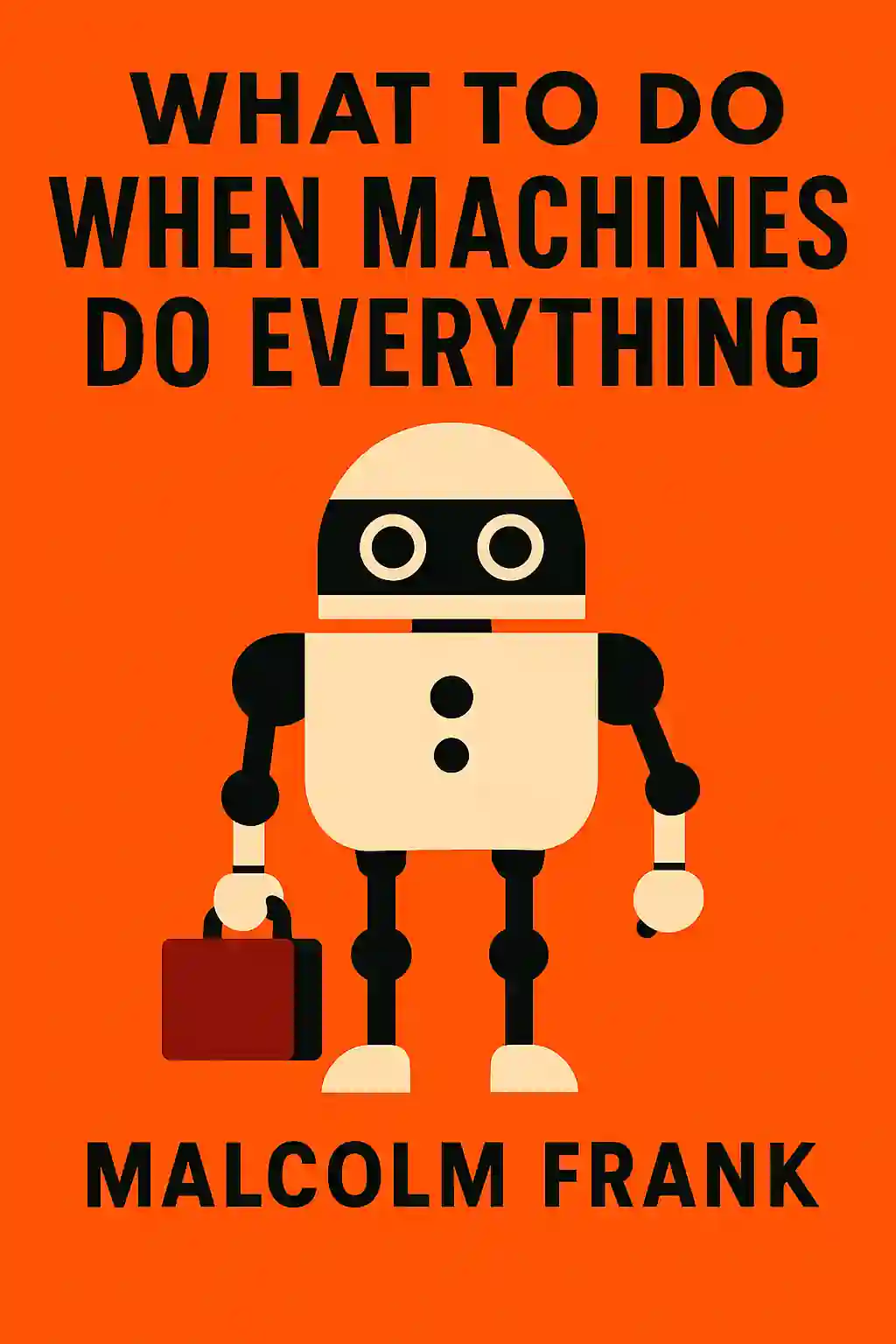
To understand where this is all going, we have to look at the broader landscape of AI automation in 2026. We are moving past the era of "simple" automation—where tool A talks to tool B—and into the era of "intelligent agents." In the world of business, we see tools like Zapier and n8n leading the charge, connecting thousands of different apps to create complex workflows. But the newest players, like Activepieces or Relevance AI, are doing something even more provocative. They are building "teams" of AI agents that can actually think, make decisions, and handle edge cases. This is exactly what is happening in the learning space. The AI isn't just a "feature" of the app; it is the core "agent" that manages your educational journey. We are seeing the rise of the "Model Context Protocol" (MCP), which allows different AI models to talk to each other. Imagine a world where your learning app talks to your calendar and your task manager. The AI agent might see that you have a big meeting on "sustainable architecture" next Tuesday, so it automatically finds three relevant articles and a book summary, synthesizes them into a twenty-minute podcast, and schedules it for your Monday morning drive. This is the "agentic" future—where the software doesn't just wait for your command but proactively works to help you achieve your goals. For a student, this might mean the AI notices you’re struggling with a specific concept in physics and automatically generates a new "learning path" with simpler explanations and more practice flashcards. This kind of "self-healing" workflow is already a reality in the world of software automation, and it’s rapidly bleeding into personal productivity. The platform we're discussing is a prime example of this shift. It tracks your progress, your struggles, and even your "energy levels" to suggest the optimal next step. This transforms the app from a passive library into an active "learning companion." It’s no longer just about "what to do when machines do everything," as some authors have posited. It’s about how we use these machines to amplify our own human potential. By offloading the "grunt work" of searching, organizing, and summarizing to an AI agent, we free up our cognitive energy for the things that humans still do best: critical thinking, creative problem-solving, and building deep, meaningful connections between ideas.
Chapter 8A Practical Playbook for the Modern Learner
So, how do you actually make this work for you without getting overwhelmed by the sheer volume of information? The most successful users of these AI learning tools follow a very specific "playbook." First, they don't try to "read" everything. Instead, they use the tool as a filter. They feed it ten different articles or books on a subject they’re interested in and use the ten-minute summaries to decide which one or two are actually worth their full attention. This is a massive time-saver. Second, they lean heavily into the audio features. The goal is to turn "dead time"—commuting, laundry, exercise—into "growth time." By setting a daily goal of just one twenty-minute episode, you can easily "consume" the equivalent of seventy-two books a year. That’s more than most people read in a decade. The third step is the most critical: you have to close the loop with retention. Don't just listen and move on. Spend two minutes after the audio ends going through the AI-generated flashcards, or better yet, use the interactive chat to explain the key takeaways back to the AI. This "active recall" is the secret sauce that turns "exposure" into "knowledge." And finally, look for the "interconnections." One of the greatest strengths of a multi-source synthesis tool is its ability to show you how a concept in psychology relates to a concept in business or history. When you start seeing those patterns, your understanding of the world becomes much more sophisticated. For the professional, this means you aren't just "staying current"—you’re becoming a "polymath," someone who can draw from a wide range of disciplines to solve complex problems. This is the real "automation advantage." It’s not about replacing the human mind; it’s about providing it with a much more powerful "external brain" that can process information at a scale we could never achieve on our own. Whether you’re a student at a top-tier university or a freelancer trying to stay ahead of the curve, the strategy is the same: use the AI for the heavy lifting, but keep your human "critical thinking" cap on at all times.
Chapter 9The Future of Personalized Knowledge
As we look toward the end of the decade, the trajectory of these tools is clear: we are heading toward a completely "fluid" educational experience. The distinction between "school," "work," and "personal growth" is blurring. We are moving away from the "industrial model" of education—where you spend four years in a building learning a fixed set of facts—and toward a model of "just-in-time" learning. If you need to understand the nuances of a new trade agreement for a meeting this afternoon, you have an AI agent that can provide a deep, personalized briefing in thirty minutes. If you’re a parent wanting to help your child with a complex history project, you have a tool that can translate academic jargon into an engaging story that matches the child’s reading level. This is the "democratization of expertise." It levels the playing field, giving anyone with a smartphone access to the kind of high-level synthesis that used to be the exclusive domain of people with personal research assistants. The implications for "humanity at work" are profound. As machines take over more of the "doing"—the data entry, the basic coding, the routine analysis—the value of "knowing" and "connecting" goes up. We are becoming "knowledge orchestrators." Our job is no longer to be a walking encyclopedia, but to be the person who can ask the right questions and apply the insights generated by our AI companions. The platform we've explored today is just the beginning. We will likely see more integration with virtual and augmented reality, where you can "walk through" a summary of a historical event or "see" a 3D visualization of a complex biological process while the AI narrates the lesson in your ear. The "two information highways" of audio and visual will merge into a fully immersive "learning environment." It’s an exciting—and slightly daunting—prospect. But the core goal remains the same: to help us learn faster, remember more, and ultimately, be more effective in whatever path we choose. The "hype" around these tools is real because the problem they solve is real: we have too much information and not enough time. By using AI to bridge that gap, we aren't just "saving time"—we are expanding the boundaries of what we can achieve.
Chapter 10Reflections on a Smarter Daily Routine
As we wrap up our deep dive into the world of AI-powered learning, I want to leave you with a thought about your own daily routine. We often think of "learning" as something that requires a desk, a quiet room, and a focused block of time. But the tools available to us in 2026 suggest a different path. They suggest that learning can be "interstitial"—it can happen in the small spaces between the major events of our lives. It can be as natural as breathing, a continuous background process that keeps us sharp and engaged with the world. I encourage you to think about one topic you've been "meaning to get to" for months. Maybe it's a dense business book that’s been sitting on your nightstand, or a complex scientific concept you’ve always found intimidating. What would happen if you let an AI take the first pass at it? What if you listened to a fifteen-minute "briefing" on your way to the grocery store today? You might find that the "intimidation factor" disappears once the information is presented in a way that fits your life. You might find that you actually remember more than you expected because you weren't "forcing" it. And you might find that the "joy of discovery" returns when you aren't drowning in the "pile." Whether you choose a human-curated path like Headway or a high-tech AI engine like BeFreed, the most important thing is simply to start. The "machines" are here to do the heavy lifting, but the "growth" is still entirely up to you. Thank you for spending this time exploring the frontier of educational technology with me. It is a privilege to walk through these complex ideas together and see how they might shape our collective future. I hope you feel a little more empowered to tackle that "to-read" pile and a little more excited about the possibilities of your own "personal learning journey." Take a moment today to reflect on how you want to use these tools to build the "smartest" version of your own life. Your brain—and your future self—will thank you for it.
What people search for about AI text to audio generators
When exploring AI text to audio generators, learners often look for tools that can convert PDFs, books, and documents into ultra-realistic audio. Searches frequently focus on free text-to-speech online tools, AI voice generators for mobile devices, and the specific AI models used in these applications.
A practical guide to AI text to audio generators
AI text to audio generators rely on advanced neural network architectures, such as Transformers, RNNs, and CNNs, to convert written text into audible speech. Understanding these tools involves looking at both user-facing applications and the backend models that drive them. Keep in mind that specific proprietary model fine-tuning details might not be publicly disclosed by all competitors, making it important to evaluate tools based on their practical output.
Evaluating AI Voice Tools
Tools like Canva's AI voice generator, NaturalReaders, and various study apps offer instant text-to-voiceovers. An objective comparison shows that while some excel at quick, natural-sounding voiceovers without equipment, others are optimized as AI tutors that can ingest PDFs and YouTube videos to create interactive learning materials.
Underlying TTS Models
The realism in modern audio generators comes from sophisticated backend models. Developers use APIs powered by models like OpenAI's TTS, Google's DeepMind WaveNet and Neural2, and open-source options like Resemble AI's Chatterbox. These models dictate the latency, language support, and overall voice quality of the final audio.
Best quote from BeFreed.ai Review: Strengths, Weaknesses, and AI Models Used
We are moving from 'content consumption' to 'contextual intelligence,' where the tool adapts to the learner rather than the other way around, reclaiming the cracks of our day as high-value educational windows.
Knowledge sources
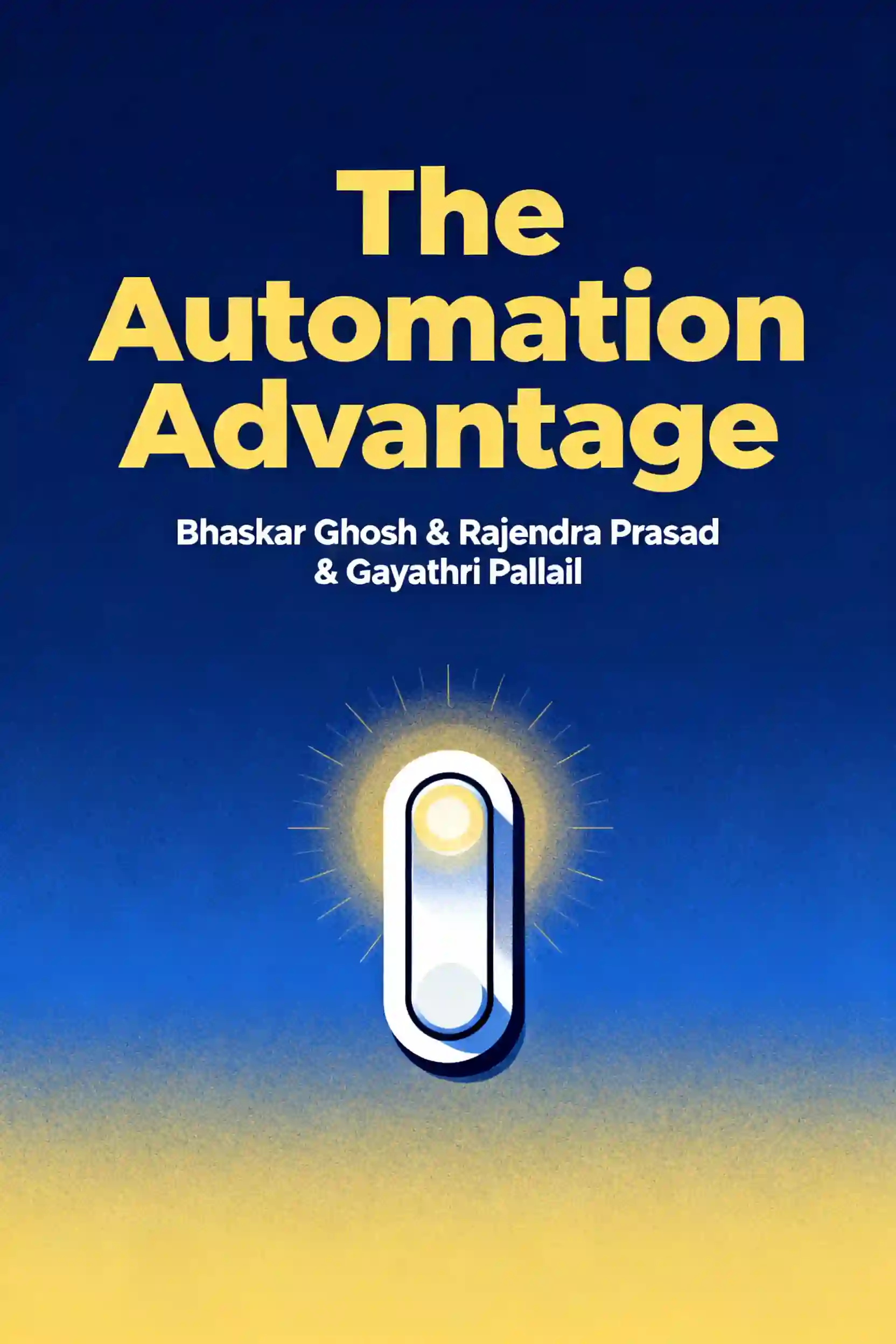
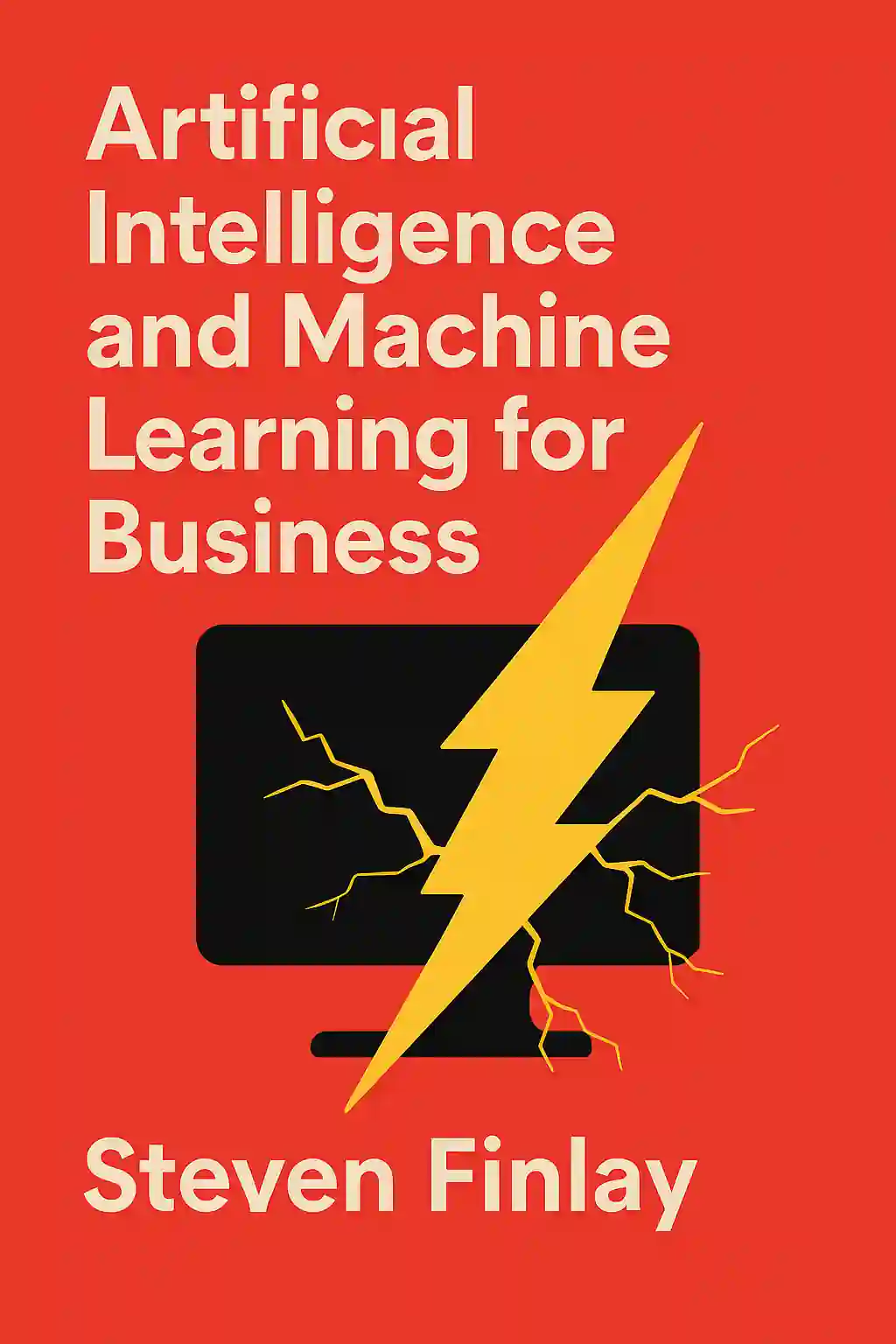
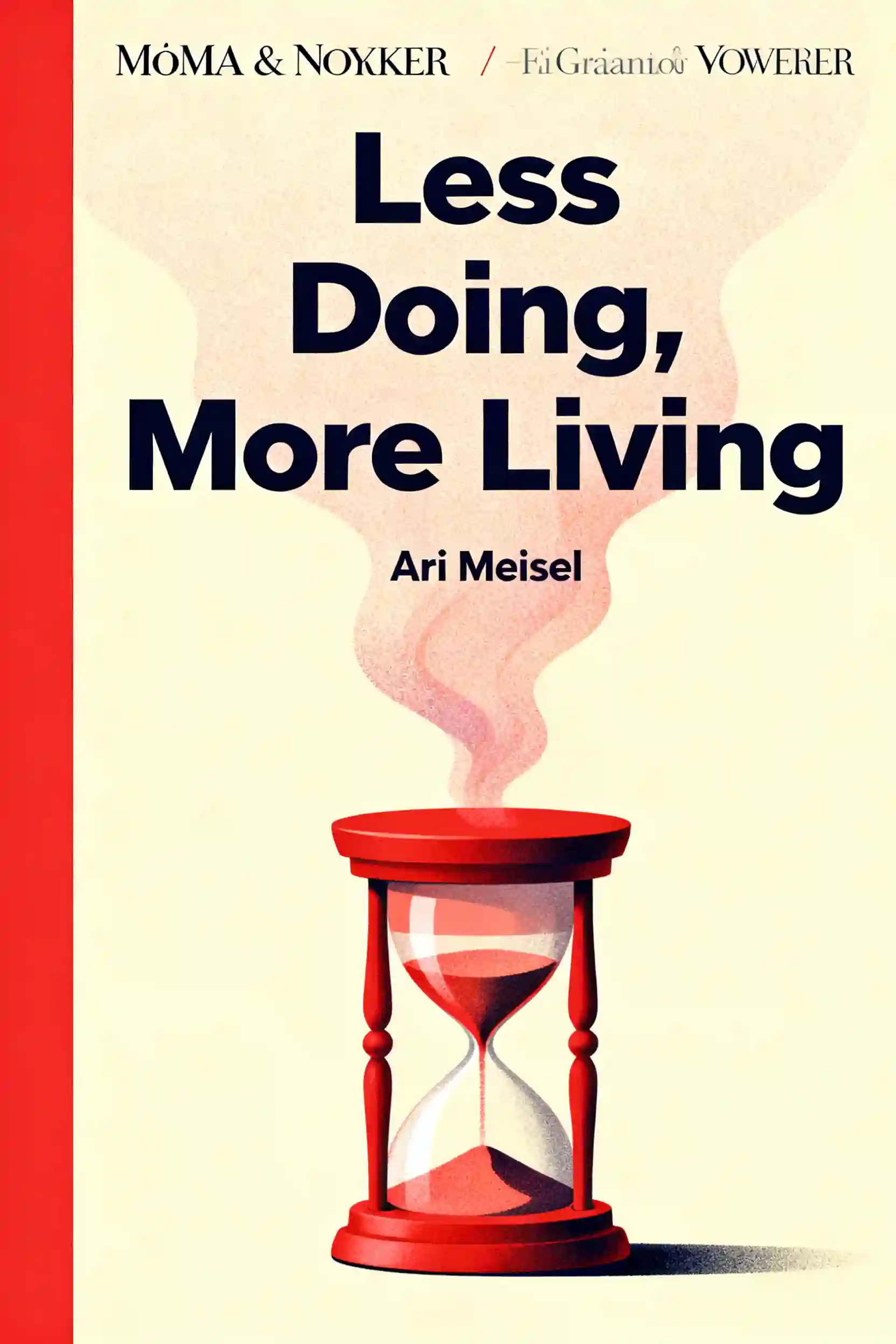



FAQ
The ideal voice AI for learning depends on your specific needs. Tools like YouLearn AI and Mindgrasp are tailored for students, offering features to summarize lectures and read PDFs aloud, while platforms like NaturalReaders provide ultra-realistic AI voices for standard document reading.
Several advanced AI models handle text-to-speech (TTS). Prominent examples include Google's DeepMind WaveNet and Neural2 models, OpenAI's TTS models, and open-source families like Resemble AI's Chatterbox. These models use neural networks to generate natural-sounding audio.
Yes, many platforms offer free tiers or completely free text-to-speech services online. For example, NaturalReaders provides free text-to-speech utilizing Gemini and ChatGPT AI voices, and various study tools offer basic audio generation at no cost.
From Columbia University alumni built in San Francisco
"Instead of endless scrolling, I just hit play on BeFreed. It saves me so much time."


"I never knew where to start with nonfiction—BeFreed’s book lists turned into podcasts gave me a clear path."


"Perfect balance between learning and entertainment. Finished ‘Thinking, Fast and Slow’ on my commute this week."
"Crazy how much I learned while walking the dog. BeFreed = small habits → big gains."
"Reading used to feel like a chore. Now it’s just part of my lifestyle."

"Feels effortless compared to reading. I’ve finished 6 books this month already."
"BeFreed turned my guilty doomscrolling into something that feels productive and inspiring."

"BeFreed turned my commute into learning time. 20-min podcasts are perfect for finishing books I never had time for."
"BeFreed replaced my podcast queue. Imagine Spotify for books — that’s it. 🙌"

"It is great for me to learn something from the book without reading it."
"The themed book list podcasts help me connect ideas across authors—like a guided audio journey."
"Makes me feel smarter every time before going to work"
From Columbia University alumni built in San Francisco
"Instead of endless scrolling, I just hit play on BeFreed. It saves me so much time."
"I never knew where to start with nonfiction—BeFreed’s book lists turned into podcasts gave me a clear path."
"Perfect balance between learning and entertainment. Finished ‘Thinking, Fast and Slow’ on my commute this week."
"Crazy how much I learned while walking the dog. BeFreed = small habits → big gains."
"Reading used to feel like a chore. Now it’s just part of my lifestyle."
"Feels effortless compared to reading. I’ve finished 6 books this month already."
"BeFreed turned my guilty doomscrolling into something that feels productive and inspiring."
"BeFreed turned my commute into learning time. 20-min podcasts are perfect for finishing books I never had time for."
"BeFreed replaced my podcast queue. Imagine Spotify for books — that’s it. 🙌"
"It is great for me to learn something from the book without reading it."
"The themed book list podcasts help me connect ideas across authors—like a guided audio journey."
"Makes me feel smarter every time before going to work"
"Instead of endless scrolling, I just hit play on BeFreed. It saves me so much time."
"I never knew where to start with nonfiction—BeFreed’s book lists turned into podcasts gave me a clear path."
"Perfect balance between learning and entertainment. Finished ‘Thinking, Fast and Slow’ on my commute this week."
"Crazy how much I learned while walking the dog. BeFreed = small habits → big gains."
"Reading used to feel like a chore. Now it’s just part of my lifestyle."
"Feels effortless compared to reading. I’ve finished 6 books this month already."
"BeFreed turned my guilty doomscrolling into something that feels productive and inspiring."
"BeFreed turned my commute into learning time. 20-min podcasts are perfect for finishing books I never had time for."
"BeFreed replaced my podcast queue. Imagine Spotify for books — that’s it. 🙌"
"It is great for me to learn something from the book without reading it."
"The themed book list podcasts help me connect ideas across authors—like a guided audio journey."
"Makes me feel smarter every time before going to work"
"Instead of endless scrolling, I just hit play on BeFreed. It saves me so much time."
"I never knew where to start with nonfiction—BeFreed’s book lists turned into podcasts gave me a clear path."
"Perfect balance between learning and entertainment. Finished ‘Thinking, Fast and Slow’ on my commute this week."
"Crazy how much I learned while walking the dog. BeFreed = small habits → big gains."
"Reading used to feel like a chore. Now it’s just part of my lifestyle."
"Feels effortless compared to reading. I’ve finished 6 books this month already."
"BeFreed turned my guilty doomscrolling into something that feels productive and inspiring."
"BeFreed turned my commute into learning time. 20-min podcasts are perfect for finishing books I never had time for."
"BeFreed replaced my podcast queue. Imagine Spotify for books — that’s it. 🙌"
"It is great for me to learn something from the book without reading it."
"The themed book list podcasts help me connect ideas across authors—like a guided audio journey."
"Makes me feel smarter every time before going to work"