Atomic Habits: The Power of 1% Gains
Stop relying on willpower and start building better systems. Learn how tiny daily adjustments and environment design can lead to massive personal transformation through the science of habit formation.

Best quote from Atomic Habits: The Power of 1% Gains
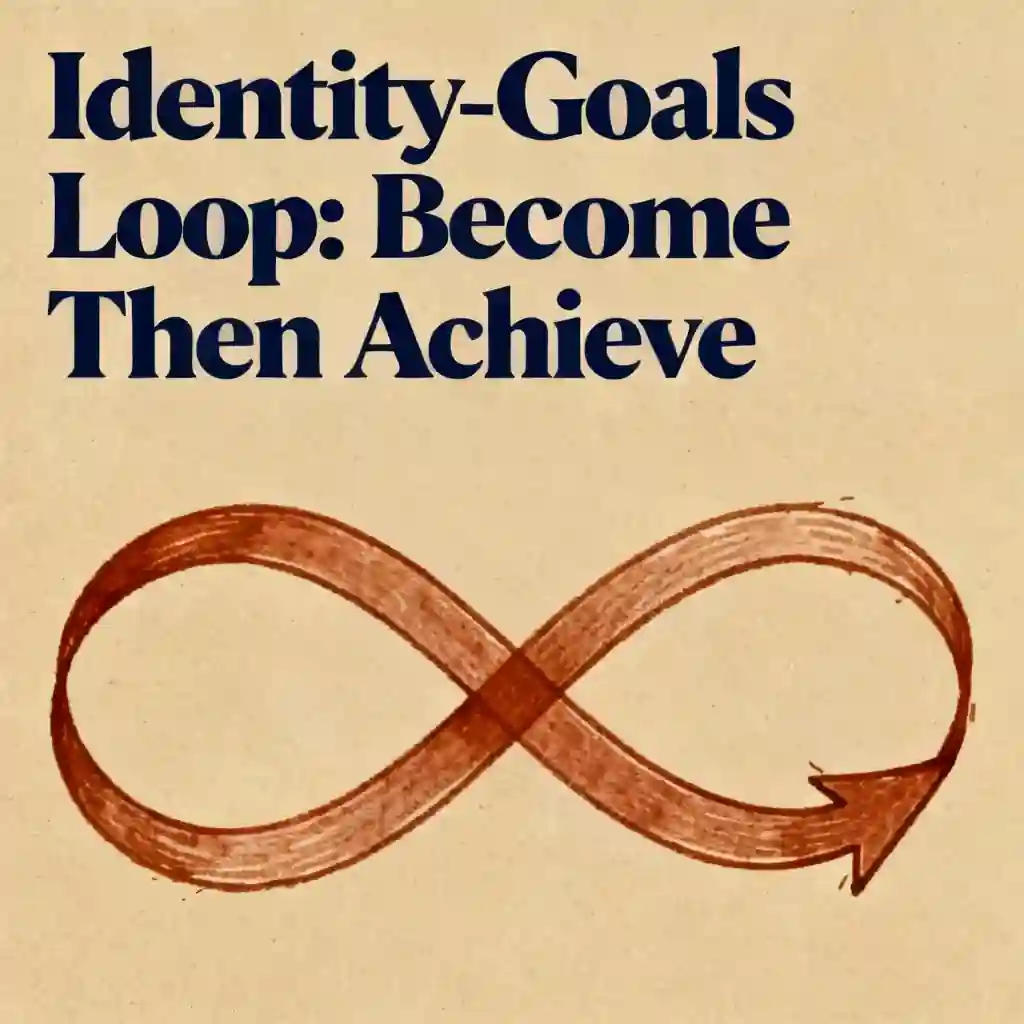
You don't rise to the level of your goals; you actually fall to the level of your systems. True, lasting change happens when you focus on the identity of who you want to become rather than the outcome you want to achieve.
Generated by MARIEUM
Atomic habit

Frequently Asked Questions
The 1% rule is based on the mathematical principle of compound interest applied to self-improvement. By getting just 1% better every day for a year, the small improvements compound over time, making you thirty-seven times better by the end of the year. While these tiny changes may seem insignificant in the moment—like a single rotation of a snowball—they eventually gain enough momentum to create an "avalanche" of progress.
Most people quit because of the "Plateau of Latent Potential," also known as the "Valley of Disappointment." This is the period where you are putting in the work and making 1% changes, but the results are not yet visible. Because humans often expect linear progress and immediate gratification, they become discouraged when they don't see an instant transformation, leading them to abandon their systems before the results have a chance to compound.
A goal is the specific result you want to achieve, such as winning a race or losing weight. A system, however, is the process or "the how" that leads to that result. The script notes that winners and losers often have the exact same goals, so the goal itself cannot be the deciding factor for success. By focusing on the system—like automating a savings plan or writing one page every morning—you can feel successful every time you stick to the process rather than waiting for a distant end result.
Habit stacking is a technique that uses existing neural pathways to trigger new behaviors. By using the formula "After I [current habit], I will [new habit]," you anchor a new, small action to something you already do automatically, such as pouring coffee or brushing your teeth. This removes the need for complex decision-making or high levels of willpower because the established habit serves as a natural cue for the new one.
The Two-Minute Rule states that when you start a new habit, it should take less than two minutes to do. The purpose is not the immediate achievement, but rather "mastering the art of showing up." By scaling a habit down to a version that is too small to fail—like putting on running shoes instead of running five miles—you overcome the initial resistance to starting. Once the "on-ramp" is established and the habit of showing up exists, it becomes much easier to improve and expand the behavior.
From Columbia University alumni built in San Francisco
"Instead of endless scrolling, I just hit play on BeFreed. It saves me so much time."


"I never knew where to start with nonfiction—BeFreed’s book lists turned into podcasts gave me a clear path."


"Perfect balance between learning and entertainment. Finished ‘Thinking, Fast and Slow’ on my commute this week."
"Crazy how much I learned while walking the dog. BeFreed = small habits → big gains."
"Reading used to feel like a chore. Now it’s just part of my lifestyle."

"Feels effortless compared to reading. I’ve finished 6 books this month already."
"BeFreed turned my guilty doomscrolling into something that feels productive and inspiring."

"BeFreed turned my commute into learning time. 20-min podcasts are perfect for finishing books I never had time for."
"BeFreed replaced my podcast queue. Imagine Spotify for books — that’s it. 🙌"

"It is great for me to learn something from the book without reading it."
"The themed book list podcasts help me connect ideas across authors—like a guided audio journey."
"Makes me feel smarter every time before going to work"
From Columbia University alumni built in San Francisco
"Instead of endless scrolling, I just hit play on BeFreed. It saves me so much time."
"I never knew where to start with nonfiction—BeFreed’s book lists turned into podcasts gave me a clear path."
"Perfect balance between learning and entertainment. Finished ‘Thinking, Fast and Slow’ on my commute this week."
"Crazy how much I learned while walking the dog. BeFreed = small habits → big gains."
"Reading used to feel like a chore. Now it’s just part of my lifestyle."
"Feels effortless compared to reading. I’ve finished 6 books this month already."
"BeFreed turned my guilty doomscrolling into something that feels productive and inspiring."
"BeFreed turned my commute into learning time. 20-min podcasts are perfect for finishing books I never had time for."
"BeFreed replaced my podcast queue. Imagine Spotify for books — that’s it. 🙌"
"It is great for me to learn something from the book without reading it."
"The themed book list podcasts help me connect ideas across authors—like a guided audio journey."
"Makes me feel smarter every time before going to work"
"Instead of endless scrolling, I just hit play on BeFreed. It saves me so much time."
"I never knew where to start with nonfiction—BeFreed’s book lists turned into podcasts gave me a clear path."
"Perfect balance between learning and entertainment. Finished ‘Thinking, Fast and Slow’ on my commute this week."
"Crazy how much I learned while walking the dog. BeFreed = small habits → big gains."
"Reading used to feel like a chore. Now it’s just part of my lifestyle."
"Feels effortless compared to reading. I’ve finished 6 books this month already."
"BeFreed turned my guilty doomscrolling into something that feels productive and inspiring."
"BeFreed turned my commute into learning time. 20-min podcasts are perfect for finishing books I never had time for."
"BeFreed replaced my podcast queue. Imagine Spotify for books — that’s it. 🙌"
"It is great for me to learn something from the book without reading it."
"The themed book list podcasts help me connect ideas across authors—like a guided audio journey."
"Makes me feel smarter every time before going to work"
"Instead of endless scrolling, I just hit play on BeFreed. It saves me so much time."
"I never knew where to start with nonfiction—BeFreed’s book lists turned into podcasts gave me a clear path."
"Perfect balance between learning and entertainment. Finished ‘Thinking, Fast and Slow’ on my commute this week."
"Crazy how much I learned while walking the dog. BeFreed = small habits → big gains."
"Reading used to feel like a chore. Now it’s just part of my lifestyle."
"Feels effortless compared to reading. I’ve finished 6 books this month already."
"BeFreed turned my guilty doomscrolling into something that feels productive and inspiring."
"BeFreed turned my commute into learning time. 20-min podcasts are perfect for finishing books I never had time for."
"BeFreed replaced my podcast queue. Imagine Spotify for books — that’s it. 🙌"
"It is great for me to learn something from the book without reading it."
"The themed book list podcasts help me connect ideas across authors—like a guided audio journey."
"Makes me feel smarter every time before going to work"