The Architects of Decay: How Weathering and Erosion Shape the Earth
Explore how weathering, erosion, and deposition act as the architects of decay, shaping the Earth's surface by transforming mountains into rolling hills and sand.
Best quote from The Architects of Decay: How Weathering and Erosion Shape the Earth
Weathering breaks it, erosion takes it, and deposition makes it. This cycle is the reason our planet doesn't look the same today as it did a million years ago, and it’s why it will look different a million years from now.
Generated by Aaron Holiday
6th grade lesson on Weathering and Surface Processes designed for classroom-style note-taking and vocabulary building. Focus on physical and chemical weathering, erosion, and deposition. The tone should feel like an immersive classroom lecture where a student can follow along, capture key terms, and practice structured note-taking.






Frequently Asked Questions
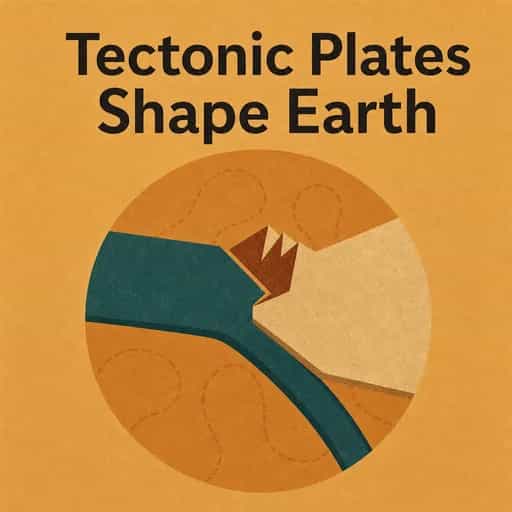
The Earth's surface is constantly being transformed by two opposing forces: constructive and destructive. Constructive forces, such as volcanoes and tectonic plates, build the land up by pushing mountains into the sky. Conversely, destructive forces—known as the architects of decay—work to tear the land down through the continuous cycle of weathering, erosion, and deposition. This ongoing process ensures the Earth is never truly finished.
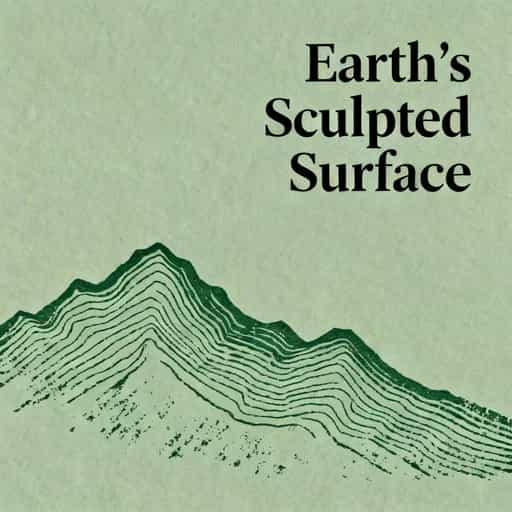
Weathering and erosion are responsible for the distinct appearances of different mountain ranges. For example, these destructive processes have worn down the jagged Appalachian Mountains over time, turning them into rolling green hills. In contrast, the Rockies still retain their sharp, youthful peaks because they have not been subjected to the same extent of decay. These processes can eventually turn solid rock into the sand found at the beach.
Weathering, erosion, and deposition are the three specific steps in the journey of geological decay. Weathering involves the breaking down of solid rock, while erosion is the process of moving those materials away. Deposition occurs when that material is finally placed in a new location. Together, these three scientific processes act as the architects of decay, constantly reshaping the ground beneath us and altering the planet's landscape.
From Columbia University alumni built in San Francisco
BeFreed Brings Together A Global Community Of Curious Minds


"Instead of endless scrolling, I just hit play on BeFreed. It saves me so much time."


"I never knew where to start with nonfiction—BeFreed’s book lists turned into podcasts gave me a clear path."


"Perfect balance between learning and entertainment. Finished ‘Thinking, Fast and Slow’ on my commute this week."
"Crazy how much I learned while walking the dog. BeFreed = small habits → big gains."
"Reading used to feel like a chore. Now it’s just part of my lifestyle."

"Feels effortless compared to reading. I’ve finished 6 books this month already."
"BeFreed turned my guilty doomscrolling into something that feels productive and inspiring."

"BeFreed turned my commute into learning time. 20-min podcasts are perfect for finishing books I never had time for."
"BeFreed replaced my podcast queue. Imagine Spotify for books — that’s it. 🙌"

"It is great for me to learn something from the book without reading it."
"The themed book list podcasts help me connect ideas across authors—like a guided audio journey."
"Makes me feel smarter every time before going to work"
From Columbia University alumni built in San Francisco
BeFreed Brings Together A Global Community Of Curious Minds
"Instead of endless scrolling, I just hit play on BeFreed. It saves me so much time."
"I never knew where to start with nonfiction—BeFreed’s book lists turned into podcasts gave me a clear path."
"Perfect balance between learning and entertainment. Finished ‘Thinking, Fast and Slow’ on my commute this week."
"Crazy how much I learned while walking the dog. BeFreed = small habits → big gains."
"Reading used to feel like a chore. Now it’s just part of my lifestyle."
"Feels effortless compared to reading. I’ve finished 6 books this month already."
"BeFreed turned my guilty doomscrolling into something that feels productive and inspiring."
"BeFreed turned my commute into learning time. 20-min podcasts are perfect for finishing books I never had time for."
"BeFreed replaced my podcast queue. Imagine Spotify for books — that’s it. 🙌"
"It is great for me to learn something from the book without reading it."
"The themed book list podcasts help me connect ideas across authors—like a guided audio journey."
"Makes me feel smarter every time before going to work"
"Instead of endless scrolling, I just hit play on BeFreed. It saves me so much time."
"I never knew where to start with nonfiction—BeFreed’s book lists turned into podcasts gave me a clear path."
"Perfect balance between learning and entertainment. Finished ‘Thinking, Fast and Slow’ on my commute this week."
"Crazy how much I learned while walking the dog. BeFreed = small habits → big gains."
"Reading used to feel like a chore. Now it’s just part of my lifestyle."
"Feels effortless compared to reading. I’ve finished 6 books this month already."
"BeFreed turned my guilty doomscrolling into something that feels productive and inspiring."
"BeFreed turned my commute into learning time. 20-min podcasts are perfect for finishing books I never had time for."
"BeFreed replaced my podcast queue. Imagine Spotify for books — that’s it. 🙌"
"It is great for me to learn something from the book without reading it."
"The themed book list podcasts help me connect ideas across authors—like a guided audio journey."
"Makes me feel smarter every time before going to work"
"Instead of endless scrolling, I just hit play on BeFreed. It saves me so much time."
"I never knew where to start with nonfiction—BeFreed’s book lists turned into podcasts gave me a clear path."
"Perfect balance between learning and entertainment. Finished ‘Thinking, Fast and Slow’ on my commute this week."
"Crazy how much I learned while walking the dog. BeFreed = small habits → big gains."
"Reading used to feel like a chore. Now it’s just part of my lifestyle."
"Feels effortless compared to reading. I’ve finished 6 books this month already."
"BeFreed turned my guilty doomscrolling into something that feels productive and inspiring."
"BeFreed turned my commute into learning time. 20-min podcasts are perfect for finishing books I never had time for."
"BeFreed replaced my podcast queue. Imagine Spotify for books — that’s it. 🙌"
"It is great for me to learn something from the book without reading it."
"The themed book list podcasts help me connect ideas across authors—like a guided audio journey."
"Makes me feel smarter every time before going to work"