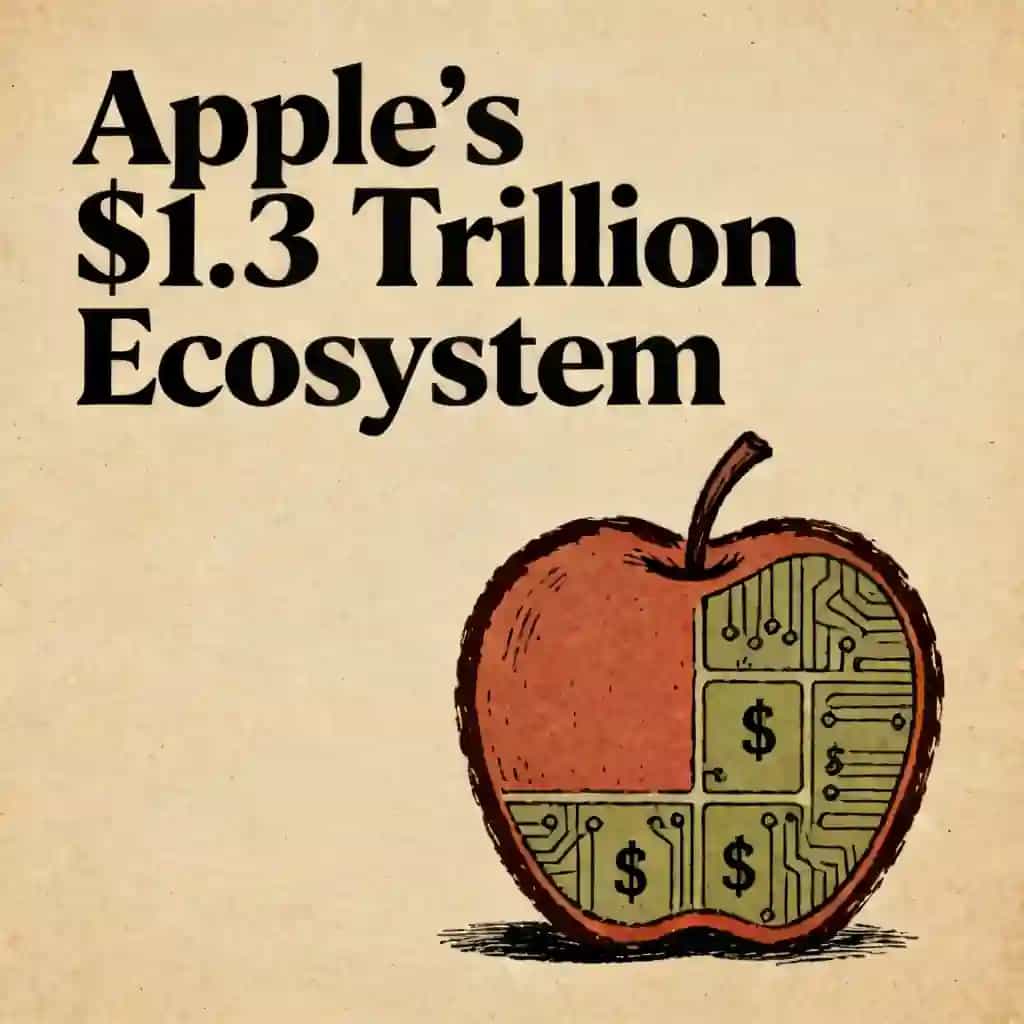
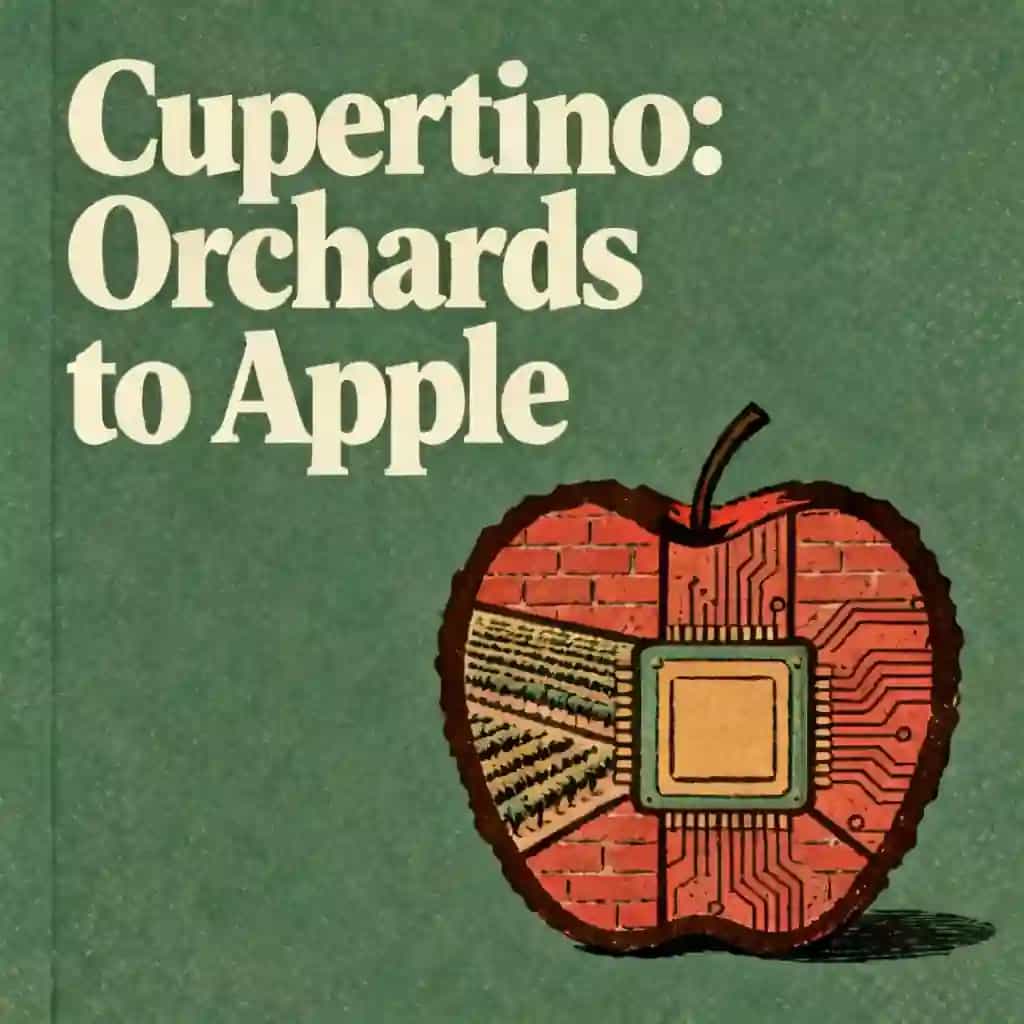
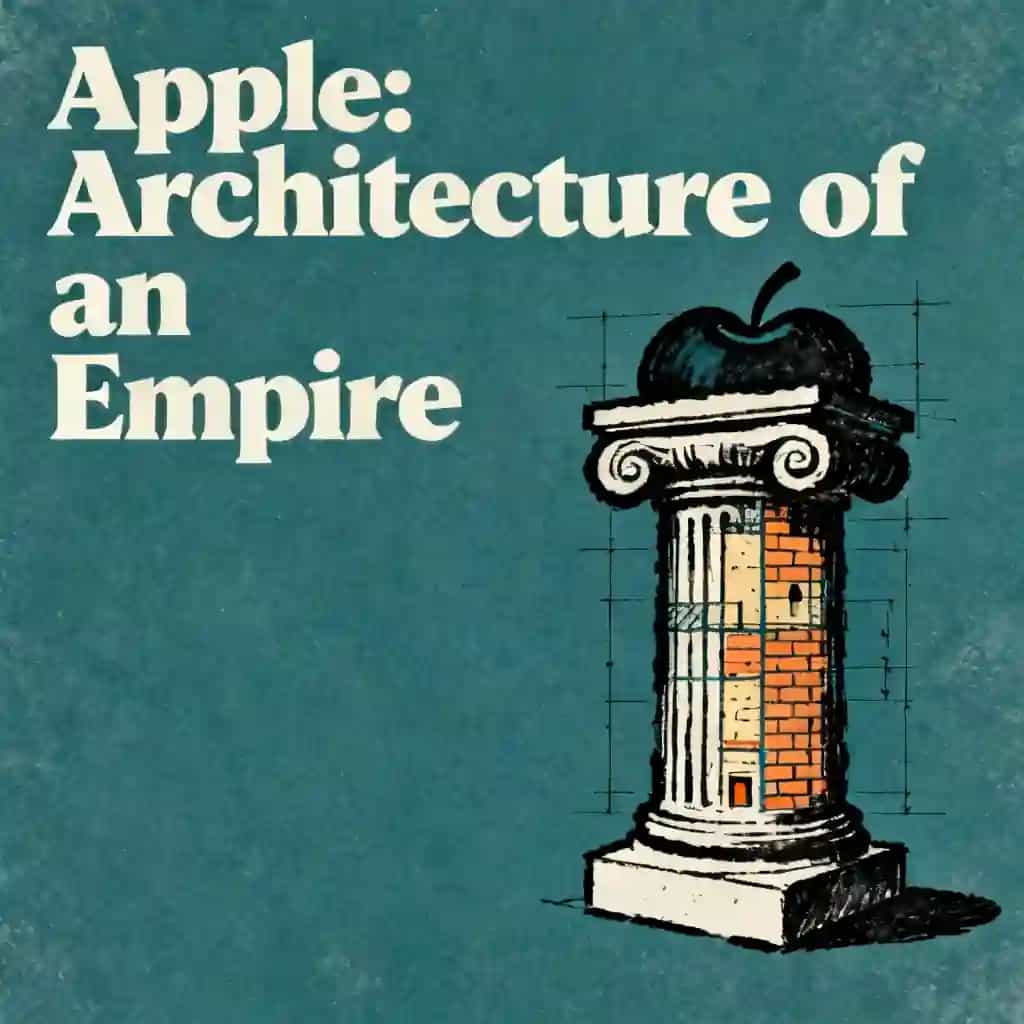
Apple: The Myth and the Garage | Origins of Jobs and Wozniak
Explore the true origins of Apple, from Steve Jobs' Los Altos garage to the creation of the Apple I motherboard. Discover the complex history of a tech empire.

Best quote from Apple: The Myth and the Garage | Origins of Jobs and Wozniak
Apple’s success wasn't just about specs; it was about making people feel something when they saw a product, treating technology as an artistic expression that empowers the individual.
Generated by Howard Zane
An in-depth exploration of Apple Inc.'s history and founder stories, moving beyond the basics to provide deep insights and detailed narratives.






Frequently Asked Questions
The story of Apple's birth in a Los Altos garage in 1976 is more complex than the popular myth suggests. While the space was filled with the smell of solder flux and sawdust, the company's beginnings involved intense friction and raw ambition. It wasn't just two hobbyists; it was a high-stakes gamble involving technical wizardry and a visionary plan to turn bare circuit boards into a global luxury technology brand.
While Steve Jobs and Steve Wozniak are the most famous names associated with Apple's history, there was actually a third founder involved at the very beginning. This individual walked away from a ten percent stake in the company that would be worth billions of dollars today. The early days required a mix of Wozniak’s engineering genius, Jobs’s vision, and essential 'adult supervision' to transform their hobbyist roots into a functional business empire.
To fund his dream of starting Apple, Steve Jobs famously sold his Volkswagen bus. This sacrifice provided the initial capital needed to begin building their machines in the cramped Los Altos garage. Alongside Steve Wozniak, who focused on the technical side of the naked motherboards, Jobs acted as the plotting visionary who saw a future where computers were everywhere, eventually leading to the creation of the world's first luxury technology brand.
Apple's earliest days were centered around hand-soldered logic boards and bare circuit boards known as the Apple I motherboard. In the spring of 1976, Steve Wozniak and Steve Jobs worked amidst a sea of loose papers and metallic solder flux to build these inventions. These early machines were originally intended for fellow geeks and hobbyists before the founders realized the potential for a broader consumer market.
From Columbia University alumni built in San Francisco
"Instead of endless scrolling, I just hit play on BeFreed. It saves me so much time."


"I never knew where to start with nonfiction—BeFreed’s book lists turned into podcasts gave me a clear path."


"Perfect balance between learning and entertainment. Finished ‘Thinking, Fast and Slow’ on my commute this week."
"Crazy how much I learned while walking the dog. BeFreed = small habits → big gains."
"Reading used to feel like a chore. Now it’s just part of my lifestyle."

"Feels effortless compared to reading. I’ve finished 6 books this month already."
"BeFreed turned my guilty doomscrolling into something that feels productive and inspiring."

"BeFreed turned my commute into learning time. 20-min podcasts are perfect for finishing books I never had time for."
"BeFreed replaced my podcast queue. Imagine Spotify for books — that’s it. 🙌"

"It is great for me to learn something from the book without reading it."
"The themed book list podcasts help me connect ideas across authors—like a guided audio journey."
"Makes me feel smarter every time before going to work"
 Ask ChatGPT
 Ask Claude
From Columbia University alumni built in San Francisco
"Instead of endless scrolling, I just hit play on BeFreed. It saves me so much time."
"I never knew where to start with nonfiction—BeFreed’s book lists turned into podcasts gave me a clear path."
"Perfect balance between learning and entertainment. Finished ‘Thinking, Fast and Slow’ on my commute this week."
"Crazy how much I learned while walking the dog. BeFreed = small habits → big gains."
"Reading used to feel like a chore. Now it’s just part of my lifestyle."
"Feels effortless compared to reading. I’ve finished 6 books this month already."
"BeFreed turned my guilty doomscrolling into something that feels productive and inspiring."
"BeFreed turned my commute into learning time. 20-min podcasts are perfect for finishing books I never had time for."
"BeFreed replaced my podcast queue. Imagine Spotify for books — that’s it. 🙌"
"It is great for me to learn something from the book without reading it."
"The themed book list podcasts help me connect ideas across authors—like a guided audio journey."
"Makes me feel smarter every time before going to work"
"Instead of endless scrolling, I just hit play on BeFreed. It saves me so much time."
"I never knew where to start with nonfiction—BeFreed’s book lists turned into podcasts gave me a clear path."
"Perfect balance between learning and entertainment. Finished ‘Thinking, Fast and Slow’ on my commute this week."
"Crazy how much I learned while walking the dog. BeFreed = small habits → big gains."
"Reading used to feel like a chore. Now it’s just part of my lifestyle."
"Feels effortless compared to reading. I’ve finished 6 books this month already."
"BeFreed turned my guilty doomscrolling into something that feels productive and inspiring."
"BeFreed turned my commute into learning time. 20-min podcasts are perfect for finishing books I never had time for."
"BeFreed replaced my podcast queue. Imagine Spotify for books — that’s it. 🙌"
"It is great for me to learn something from the book without reading it."
"The themed book list podcasts help me connect ideas across authors—like a guided audio journey."
"Makes me feel smarter every time before going to work"
"Instead of endless scrolling, I just hit play on BeFreed. It saves me so much time."
"I never knew where to start with nonfiction—BeFreed’s book lists turned into podcasts gave me a clear path."
"Perfect balance between learning and entertainment. Finished ‘Thinking, Fast and Slow’ on my commute this week."
"Crazy how much I learned while walking the dog. BeFreed = small habits → big gains."
"Reading used to feel like a chore. Now it’s just part of my lifestyle."
"Feels effortless compared to reading. I’ve finished 6 books this month already."
"BeFreed turned my guilty doomscrolling into something that feels productive and inspiring."
"BeFreed turned my commute into learning time. 20-min podcasts are perfect for finishing books I never had time for."
"BeFreed replaced my podcast queue. Imagine Spotify for books — that’s it. 🙌"
"It is great for me to learn something from the book without reading it."
"The themed book list podcasts help me connect ideas across authors—like a guided audio journey."
"Makes me feel smarter every time before going to work"



![[f545b55c-fdd7-4cf9-a93c-82d33207b73b:c0000] 1111 p1-1](/_next/image?url=https%3A%2F%2Fd1y2du6z1jfm9e.cloudfront.net%2Fassets%2Fpodcast%2Fgreen.png&w=1024&q=50)