Ancient Wisdom for Digital Overwhelm: Stoic Mindfulness Practice

Stoic Practice For Digital Mindfulness: episode overview
Welcome to this BeFreed audio learning guide on Stoic practice for digital mindfulness. In an era of constant connectivity and digital overwhelm, the ancient philosophy of Stoicism offers powerful tools for reclaiming our attention. This guide explores how to apply the teachings of Marcus Aurelius and Epictetus to modern technology habits, helping you build intentional routines, reduce screen time, and maintain focus on what truly matters.
Create Your Podcast in a Click
Generated by Andrew
Input question
Design a personal Stoic practice for digital mindfulness
Host voices

What you'll learn about Stoic Practice For Digital Mindfulness
- 1
Opening & Welcome
 00:0000:00
Host A: Hey everyone, welcome back to BeFreed! I'm absolutely thrilled to dive into something that's been on my mind constantly-how to actually stay present and mindful in our hyperconnected world. Host B: Right! And what's fascinating is we're going to explore this through the lens of ancient Stoicism. I mean, who would've thought that philosophers from 2,000 years ago would have the keys to managing our smartphone addiction and digital overwhelm? Host A: Exactly! So today we're designing a personal Stoic practice specifically for digital mindfulness. We're talking practical, actionable wisdom that you can start using immediately.
- 2
Topic Introduction & Source Material Setup
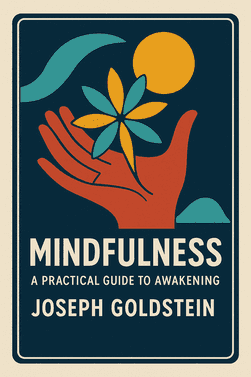
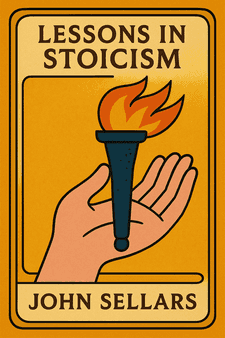
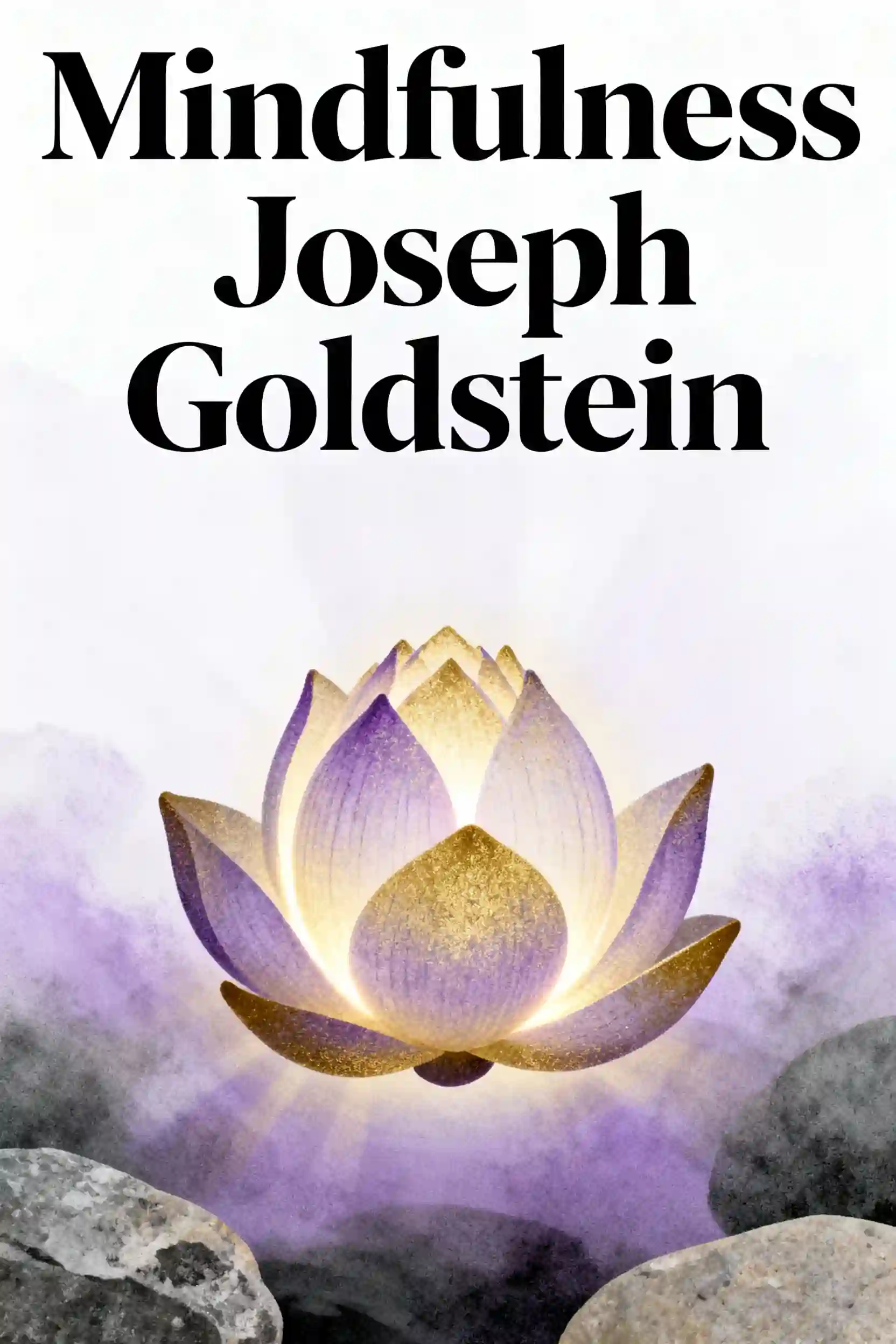
Host B: You know, I was just reading about this in "Philosophy for Life," and it struck me how Epictetus-this guy who was literally a slave-developed techniques that are perfect for our digital age. He talked about the fundamental distinction between what's in our control and what isn't. Host A: That's so relevant! And when you think about it, our phones and social media constantly pull us toward things we can't control-other people's opinions, breaking news, endless notifications. Meanwhile, the Stoics were laser-focused on what they could actually influence. Host B: Absolutely. Plus, "Mindfulness" shows us how the Buddha's teachings about present-moment awareness complement Stoic principles beautifully. Both traditions recognized that our minds naturally wander, but we can train them to return to what actually matters. Host A: It's like having a 2,500-year-old toolkit for modern problems! So let's build this practice step by step.
- 3
The Foundation: Digital Dichotomy of Control
Host B: Let's start with Epictetus's core insight-the dichotomy of control. In our digital world, what can we actually control versus what can't we? Host A: Well, we can't control whether someone likes our post, what news breaks today, or how many emails flood our inbox. But we absolutely can control how often we check our devices, what apps we have installed, and most importantly-our responses to digital stimuli. Host B: Exactly! And here's where it gets practical. In "Philosophy for Life," we see how modern soldiers used Stoic techniques in combat. They'd ask themselves: "Is this in my control?" before reacting. We can do the same with our phones. Host A: I love that! So before reaching for your device, you pause and ask: "What am I hoping to control here?" If it's something external-like getting validation or avoiding FOMO-you recognize that's not actually in your power. Host B: Right. And the Stoics practiced what they called "prosoche"-continuous attention to the present moment. Every time we mindlessly grab our phone, we're abandoning that attention. But we can train ourselves to notice these impulses without automatically acting on them. Host A: It's like building a muscle! The more you catch yourself in that moment before reaching for the phone, the stronger your awareness becomes.
- Chapter 4
Morning Philosophical Preparation
**Host B:** The Stoics were big on morning preparation. Marcus Aurelius would literally journal each morning, preparing his mind for the day's challenges. We can adapt this for digital mindfulness. **Host A:** Tell me more about that. How would a modern Stoic start their day? **Host B:** Well, instead of immediately checking your phone-which is what most of us do-you'd spend five minutes setting intentions. Ask yourself: "What kind of person do I want to be online today? How will I respond when I feel the urge to mindlessly scroll?" **Host A:** That's brilliant! And you know what I love about this? It's not about becoming a digital hermit. It's about approaching technology with intention rather than compulsion. **Host B:** Exactly! In "Mindfulness," Joseph Goldstein talks about "clear comprehension"-understanding the purpose behind our actions. So before opening any app, you'd pause and ask: "Why am I doing this? Is this aligned with my values?" **Host A:** It's like creating a buffer between impulse and action. The ancient philosophers called this the power of the "premeditatio malorum"-imagining challenges in advance so you're prepared. **Host B:** Yes! So you might visualize: "Today I'll feel the urge to check social media when I'm bored or anxious. When that happens, I'll take three deep breaths and ask if this serves my wellbeing."
Chapter 5The Art of Digital Fasting
**Host A:** Now, the Stoics were also famous for practicing voluntary discomfort-sleeping on hard beds, eating simple food. How does this translate to our digital world? **Host B:** This is where it gets really interesting! Musonius Rufus taught that we should regularly practice going without things we've become attached to. In our case, that means intentional digital fasting. **Host A:** So like, putting your phone in airplane mode for specific periods? **Host B:** Exactly! Start small-maybe one hour each evening. The Stoics believed discomfort was a teacher. When you feel that itch to check your device and can't, you're learning something profound about your own mind. **Host A:** And this connects beautifully with mindfulness practice. In "Mindfulness," we learn about observing our cravings without immediately satisfying them. It's the same skill! **Host B:** Right! You're not punishing yourself-you're developing what the Stoics called "self-mastery." You're proving to yourself that you're not controlled by external things, even your own devices. **Host A:** I can imagine how empowering that would feel. Like, "Oh, I thought I needed to check Instagram, but actually I'm perfectly fine without it."
Chapter 6Evening Reflection and Digital Review
**Host B:** The Stoics ended each day with reflection. Seneca would examine his thoughts and actions, asking what he'd learned and how he could improve. We need a digital version of this practice. **Host A:** So instead of falling asleep scrolling through your phone-which so many of us do-you'd actually review your digital behavior for the day? **Host B:** Exactly! Ask yourself: "When did I use technology mindfully today? When did I get pulled into mindless consumption? What triggered those moments?" No judgment, just observation. **Host A:** This reminds me of what Marcus Aurelius wrote in his "Meditations"-he was constantly examining his own thoughts and reactions. But he did it with curiosity, not self-criticism. **Host B:** That's the key! The Buddha taught that mindfulness means observing without immediately reacting. So if you realize you spent two hours mindlessly scrolling, instead of beating yourself up, you get curious: "What was I feeling? What was I trying to avoid?" **Host A:** And then you can prepare better for tomorrow. It's like being your own compassionate coach rather than your harshest critic.
Chapter 7Practical Applications & Listener Takeaways
**Host A:** So let's get super practical for everyone listening. What would this Stoic digital mindfulness practice actually look like day-to-day? **Host B:** Here's what I'd recommend: First, create phone-free zones-your bedroom, dining table, maybe the first hour after waking up. The Stoics believed in controlling your environment to support virtue. **Host A:** Love that! And you could use Epictetus's technique of reframing. Instead of "I can't check my phone," you'd think "I'm choosing not to check my phone because I'm developing self-mastery." **Host B:** Exactly! Also, practice the "View from Above" that Marcus Aurelius used. When you feel compelled to engage in some online drama, zoom out and ask: "Will this matter in a year? Am I responding from wisdom or emotion?" **Host A:** And here's something practical-before posting anything, pause and ask: "Am I sharing this to contribute something valuable, or am I seeking validation?" It's like a modern version of Socratic self-examination. **Host B:** Yes! And remember, the goal isn't perfection. The Stoics knew they were human. It's about progress, not perfection. Each time you catch yourself and choose mindfulness over mindless consumption, you're winning.
Chapter 8Wrap-up & Closing Reflection
**Host A:** So as we wrap things up, what strikes me most is how these ancient practices aren't about rejecting technology-they're about approaching it with wisdom and intention. **Host B:** Absolutely! The Stoics and Buddhist teachers understood something profound: our external circumstances don't determine our inner peace. Whether it's a Roman emperor dealing with political chaos or us dealing with information overload, the principles remain the same. **Host A:** Right! You can't control the algorithm, but you can control your response to it. You can't control what others post, but you can control how much attention you give it. **Host B:** And here's the beautiful thing-when you develop this kind of digital mindfulness, it spills over into every area of life. You become more present with loved ones, more focused at work, more at peace with yourself. **Host A:** For our listeners, I'd say start with just one element-maybe the morning intention-setting or creating one phone-free zone. These practices compound over time. **Host B:** And on that note, remember that every moment offers a fresh opportunity to choose awareness over autopilot. The Stoics would say that's the essence of human freedom-the power to choose your response. **Host A:** Beautiful! Thanks for joining us today, everyone. Keep practicing, stay curious, and we'll catch you next time on BeFreed!
What people search for about Stoic Practice For Digital Mindfulness
When exploring how to manage digital overwhelm, many people look for ways to combine ancient philosophy with modern productivity. Common searches focus on how to drastically decrease screen time, the principles of digital minimalism, and how to apply the teachings of Marcus Aurelius to daily technology use. This guide answers those queries by providing a philosophical framework for intentional device management.
A practical guide to Stoic Practice For Digital Mindfulness
Integrating Stoic philosophy into your digital life begins with the concept of 'prosoche'—the Stoic practice of mindfulness and continuous attention to one's inner ruling center. By distinguishing between mere impressions (like a notification) and our assent (choosing to click and scroll), we can break mindless dopamine loops. Practical steps include turning your phone screen to black and white to reduce its visual pull, tracking your screen time to understand the true cost of mindless scrolling, and evaluating every app through the lens of Stoic minimalism. As Marcus Aurelius suggested, a satisfying life requires doing only what is essential. By applying this to our devices, we can choose the digital tools that are genuinely useful and discard the rest.
Continue learning about Stoic Practice For Digital Mindfulness
- Digital minimalism principles
- Prosoche and continuous attention
- Stoic essentialism
- Modern attention management
Best quote from Ancient Wisdom for Digital Overwhelm: Stoic Mindfulness Practice
The goal isn't perfection; it's about approaching technology with intention rather than compulsion. You can't control the algorithm, but you can control your response to it.
Knowledge sources

FAQ
To drastically decrease screen time using Stoic principles, start by tracking your usage for a week to understand your habits. Then, implement intentional friction: turn your phone screen to black and white to reduce its visual appeal, set specific daily limits, and practice pausing for 60 seconds of reflection before opening distracting apps.
Digital minimalism is a philosophy of technology use that emphasizes intentionality. It involves focusing your online time on a small number of carefully selected activities that strongly support things you value, while happily missing out on everything else. It closely aligns with Stoic minimalism and the practice of discarding the non-essential.
The core themes in the writings of Marcus Aurelius revolve around the four Stoic virtues: practical wisdom, justice, courage, and temperance (or moderation). In the context of digital mindfulness, temperance is highly applicable, as it guides us to manage our technology consumption intentionally and avoid excess.
From Columbia University alumni built in San Francisco
"Instead of endless scrolling, I just hit play on BeFreed. It saves me so much time."


"I never knew where to start with nonfiction—BeFreed’s book lists turned into podcasts gave me a clear path."


"Perfect balance between learning and entertainment. Finished ‘Thinking, Fast and Slow’ on my commute this week."
"Crazy how much I learned while walking the dog. BeFreed = small habits → big gains."
"Reading used to feel like a chore. Now it’s just part of my lifestyle."

"Feels effortless compared to reading. I’ve finished 6 books this month already."
"BeFreed turned my guilty doomscrolling into something that feels productive and inspiring."

"BeFreed turned my commute into learning time. 20-min podcasts are perfect for finishing books I never had time for."
"BeFreed replaced my podcast queue. Imagine Spotify for books — that’s it. 🙌"

"It is great for me to learn something from the book without reading it."
"The themed book list podcasts help me connect ideas across authors—like a guided audio journey."
"Makes me feel smarter every time before going to work"
From Columbia University alumni built in San Francisco
"Instead of endless scrolling, I just hit play on BeFreed. It saves me so much time."
"I never knew where to start with nonfiction—BeFreed’s book lists turned into podcasts gave me a clear path."
"Perfect balance between learning and entertainment. Finished ‘Thinking, Fast and Slow’ on my commute this week."
"Crazy how much I learned while walking the dog. BeFreed = small habits → big gains."
"Reading used to feel like a chore. Now it’s just part of my lifestyle."
"Feels effortless compared to reading. I’ve finished 6 books this month already."
"BeFreed turned my guilty doomscrolling into something that feels productive and inspiring."
"BeFreed turned my commute into learning time. 20-min podcasts are perfect for finishing books I never had time for."
"BeFreed replaced my podcast queue. Imagine Spotify for books — that’s it. 🙌"
"It is great for me to learn something from the book without reading it."
"The themed book list podcasts help me connect ideas across authors—like a guided audio journey."
"Makes me feel smarter every time before going to work"
"Instead of endless scrolling, I just hit play on BeFreed. It saves me so much time."
"I never knew where to start with nonfiction—BeFreed’s book lists turned into podcasts gave me a clear path."
"Perfect balance between learning and entertainment. Finished ‘Thinking, Fast and Slow’ on my commute this week."
"Crazy how much I learned while walking the dog. BeFreed = small habits → big gains."
"Reading used to feel like a chore. Now it’s just part of my lifestyle."
"Feels effortless compared to reading. I’ve finished 6 books this month already."
"BeFreed turned my guilty doomscrolling into something that feels productive and inspiring."
"BeFreed turned my commute into learning time. 20-min podcasts are perfect for finishing books I never had time for."
"BeFreed replaced my podcast queue. Imagine Spotify for books — that’s it. 🙌"
"It is great for me to learn something from the book without reading it."
"The themed book list podcasts help me connect ideas across authors—like a guided audio journey."
"Makes me feel smarter every time before going to work"
"Instead of endless scrolling, I just hit play on BeFreed. It saves me so much time."
"I never knew where to start with nonfiction—BeFreed’s book lists turned into podcasts gave me a clear path."
"Perfect balance between learning and entertainment. Finished ‘Thinking, Fast and Slow’ on my commute this week."
"Crazy how much I learned while walking the dog. BeFreed = small habits → big gains."
"Reading used to feel like a chore. Now it’s just part of my lifestyle."
"Feels effortless compared to reading. I’ve finished 6 books this month already."
"BeFreed turned my guilty doomscrolling into something that feels productive and inspiring."
"BeFreed turned my commute into learning time. 20-min podcasts are perfect for finishing books I never had time for."
"BeFreed replaced my podcast queue. Imagine Spotify for books — that’s it. 🙌"
"It is great for me to learn something from the book without reading it."
"The themed book list podcasts help me connect ideas across authors—like a guided audio journey."
"Makes me feel smarter every time before going to work"