
Ancient War Wisdom for Modern Life Strategy
Discover how Sun Tzu's Art of War and other strategic masterpieces can transform your daily decisions, relationships, and challenges. Learn to win without fighting through timeless principles.


This audio lesson was created by a BeFreed community member
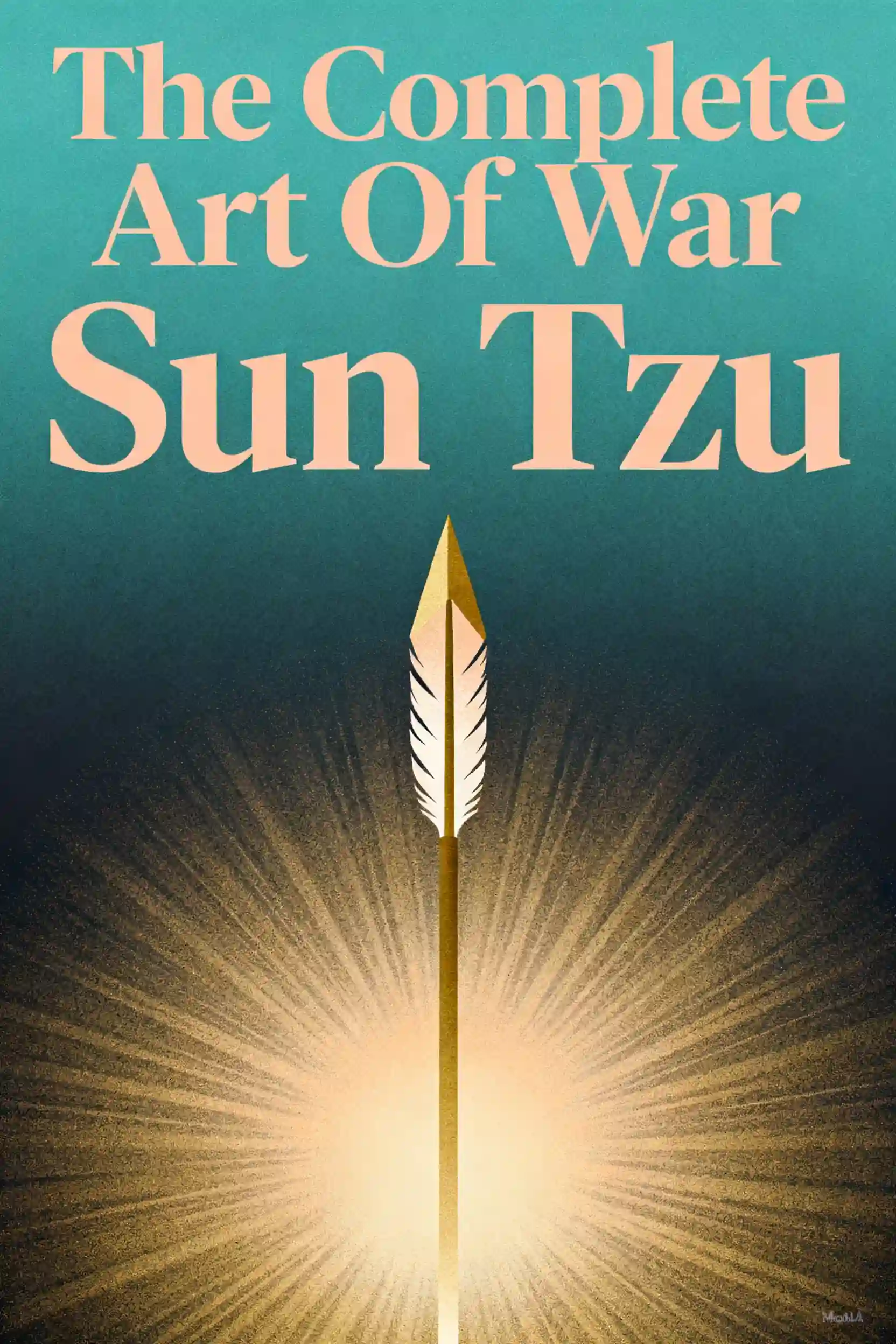
The Art of War for daily life strategy




Discover more

Apply Sun Tzu's Strategic Thinking
Apply Sun Tzu's Strategic Thinking
Sun Tzu's 'Art of War' contains timeless strategic principles that transcend military applications and offer powerful insights for modern challenges. This learning plan helps professionals, leaders, and individuals harness these ancient wisdom traditions to gain competitive advantages, make better decisions, and navigate complex situations with greater clarity and purpose.

Sun Tzu's Art of War: Philosophy & Modern Use
Sun Tzu's Art of War: Philosophy & Modern Use
Sun Tzu's Art of War transcends its military origins to offer profound insights into strategy, leadership, and conflict resolution applicable to modern challenges. This learning plan bridges ancient Eastern philosophy with practical applications for business leaders, strategists, and anyone seeking to navigate competition and conflict with greater wisdom.

Art of war sun tzu
Art of war sun tzu
This learning plan bridges the gap between ancient Eastern philosophy and modern executive leadership. It is designed for aspiring leaders, entrepreneurs, and strategists who want to master high-level decision-making and competitive psychology.

Learn Tsun Zu
Learn Tsun Zu
Sun Tzu's ancient wisdom remains the gold standard for strategic thinking in the modern age. This plan is essential for leaders and entrepreneurs looking to master competitive intelligence and psychological tactical advantages.
Master Machiavellianism & 48 Laws of Power
Master Machiavellianism & 48 Laws of Power
This plan distills centuries of political philosophy and psychological strategy into actionable professional skills. It is essential for leaders, negotiators, and ambitious professionals who need to navigate complex social hierarchies and protect themselves from manipulation.
Master Social Skills & Stoic Influence
Master Social Skills & Stoic Influence
This plan bridges the gap between ancient Stoic wisdom and modern interpersonal dynamics. It is designed for aspiring leaders and professionals who want to lead with calm authority and authentic connection.
History & Leadership Insights
History & Leadership Insights
This learning plan bridges historical wisdom with contemporary leadership challenges, offering a comprehensive framework for leaders who want to elevate their strategic impact. It's ideal for mid-to-senior level managers, executives, and emerging leaders who seek to deepen their leadership philosophy, sharpen their strategic decision-making, and drive meaningful organizational change by learning from both timeless principles and battle-tested examples.

Crisis Decisions in War & Peace 1914-2003
Crisis Decisions in War & Peace 1914-2003
This course bridges the gap between historical analysis and modern leadership psychology by examining the world's most critical turning points. It is essential for aspiring leaders, history enthusiasts, and strategic thinkers who want to master the art of decision-making under ultimate pressure.
From Columbia University alumni built in San Francisco
"Instead of endless scrolling, I just hit play on BeFreed. It saves me so much time."


"I never knew where to start with nonfiction—BeFreed’s book lists turned into podcasts gave me a clear path."


"Perfect balance between learning and entertainment. Finished ‘Thinking, Fast and Slow’ on my commute this week."
"Crazy how much I learned while walking the dog. BeFreed = small habits → big gains."
"Reading used to feel like a chore. Now it’s just part of my lifestyle."

"Feels effortless compared to reading. I’ve finished 6 books this month already."
"BeFreed turned my guilty doomscrolling into something that feels productive and inspiring."

"BeFreed turned my commute into learning time. 20-min podcasts are perfect for finishing books I never had time for."
"BeFreed replaced my podcast queue. Imagine Spotify for books — that’s it. 🙌"

"It is great for me to learn something from the book without reading it."
"The themed book list podcasts help me connect ideas across authors—like a guided audio journey."
"Makes me feel smarter every time before going to work"
From Columbia University alumni built in San Francisco
"Instead of endless scrolling, I just hit play on BeFreed. It saves me so much time."
"I never knew where to start with nonfiction—BeFreed’s book lists turned into podcasts gave me a clear path."
"Perfect balance between learning and entertainment. Finished ‘Thinking, Fast and Slow’ on my commute this week."
"Crazy how much I learned while walking the dog. BeFreed = small habits → big gains."
"Reading used to feel like a chore. Now it’s just part of my lifestyle."
"Feels effortless compared to reading. I’ve finished 6 books this month already."
"BeFreed turned my guilty doomscrolling into something that feels productive and inspiring."
"BeFreed turned my commute into learning time. 20-min podcasts are perfect for finishing books I never had time for."
"BeFreed replaced my podcast queue. Imagine Spotify for books — that’s it. 🙌"
"It is great for me to learn something from the book without reading it."
"The themed book list podcasts help me connect ideas across authors—like a guided audio journey."
"Makes me feel smarter every time before going to work"
"Instead of endless scrolling, I just hit play on BeFreed. It saves me so much time."
"I never knew where to start with nonfiction—BeFreed’s book lists turned into podcasts gave me a clear path."
"Perfect balance between learning and entertainment. Finished ‘Thinking, Fast and Slow’ on my commute this week."
"Crazy how much I learned while walking the dog. BeFreed = small habits → big gains."
"Reading used to feel like a chore. Now it’s just part of my lifestyle."
"Feels effortless compared to reading. I’ve finished 6 books this month already."
"BeFreed turned my guilty doomscrolling into something that feels productive and inspiring."
"BeFreed turned my commute into learning time. 20-min podcasts are perfect for finishing books I never had time for."
"BeFreed replaced my podcast queue. Imagine Spotify for books — that’s it. 🙌"
"It is great for me to learn something from the book without reading it."
"The themed book list podcasts help me connect ideas across authors—like a guided audio journey."
"Makes me feel smarter every time before going to work"
"Instead of endless scrolling, I just hit play on BeFreed. It saves me so much time."
"I never knew where to start with nonfiction—BeFreed’s book lists turned into podcasts gave me a clear path."
"Perfect balance between learning and entertainment. Finished ‘Thinking, Fast and Slow’ on my commute this week."
"Crazy how much I learned while walking the dog. BeFreed = small habits → big gains."
"Reading used to feel like a chore. Now it’s just part of my lifestyle."
"Feels effortless compared to reading. I’ve finished 6 books this month already."
"BeFreed turned my guilty doomscrolling into something that feels productive and inspiring."
"BeFreed turned my commute into learning time. 20-min podcasts are perfect for finishing books I never had time for."
"BeFreed replaced my podcast queue. Imagine Spotify for books — that’s it. 🙌"
"It is great for me to learn something from the book without reading it."
"The themed book list podcasts help me connect ideas across authors—like a guided audio journey."
"Makes me feel smarter every time before going to work"


