Alan Watts and the Illusion of the Separate Self
Feeling disconnected from the world? Explore Alan Watts’s Zen-inspired wisdom to stop chasing security and start living as part of the whole ocean.

Best quote from Alan Watts and the Illusion of the Separate Self
The point of a symphony isn't to get to the final note; the point of music is the music itself while it’s playing. In the same way, the point of dancing isn't to reach a certain spot on the floor; it’s to dance.

This audio lesson was created by a BeFreed community member
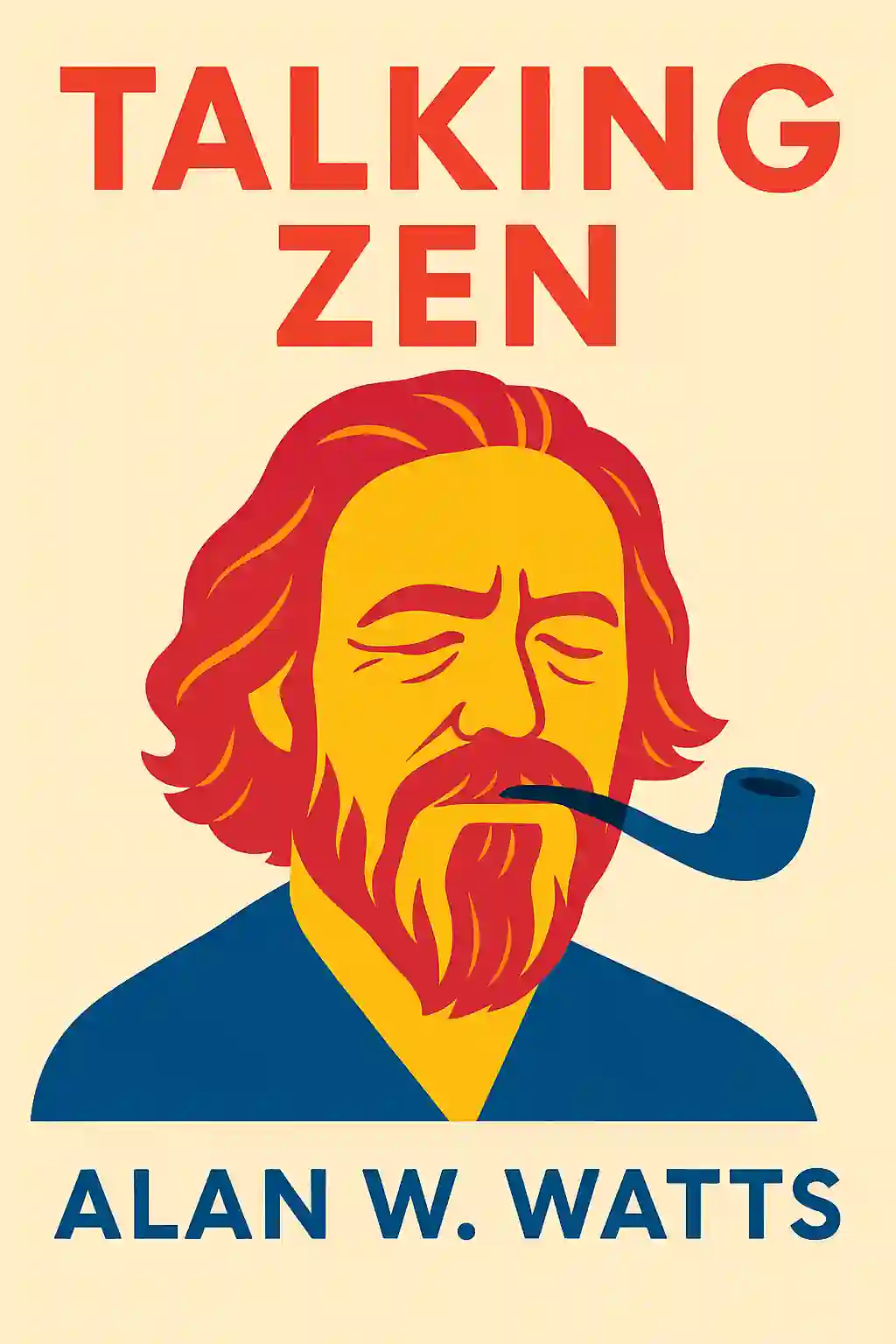
Alan Watts - British American author and lecturer

Frequently Asked Questions
Watts used this term to describe the common but false sensation that a person is a separate "driver" located inside their body, looking out at a world that is not them. He argued that this sense of isolation is a social hallucination rather than a biological fact. Instead of being a stranger "coming into" the world, Watts suggested we "come out" of the universe like an apple grows from a tree, meaning we are a continuous function of the total energy of the cosmos.
Wu Wei is often misunderstood as being passive or lazy, but Watts described it as "not forcing" or the "Watercourse Way." It is the art of acting with such high intelligence and sensitivity that you move with the flow of events rather than against them, much like a sailor works with the wind. In daily life, this means stopping the strained effort of the ego to "make" things happen and instead aligning oneself with the natural rhythm of the present moment.
In his work "The Wisdom of Insecurity," Watts explained that the desperate search for permanence in an impermanent world actually creates chronic anxiety. He compared life to water, noting that the harder you grab it, the faster it slips away. By accepting that there is no absolute security and that everything is in a state of constant change, a person can stop worrying about the future and finally begin to appreciate the reality of the present.
Drawing from Vedantic tradition, Watts suggested that the universe is like a divine being playing a game with itself. Imagine being God and able to dream any dream; eventually, you would dream a dream where you forgot you were God so that you could experience the surprise and drama of being a limited human being. According to Watts, we are the universe pretending to be separate individuals for the sake of "lila," or divine play, and waking up is simply realizing who we really were all along.
Watts criticized the Western habit of treating life as a journey toward a destination, such as a promotion or a future milestone. He argued that life is more like music or dancing, where the point is not to reach the end of the song or a specific spot on the floor, but to engage in the activity while it is happening. By treating life as a "playful" dance rather than a problem to be solved, we can find fulfillment in the "here and now" rather than constantly living for the future.
Discover more

The Mind and the World
This plan is essential for anyone seeking to understand the deep connection between individual consciousness and the external world. It is ideal for students of philosophy, psychology, or anyone curious about the nature of reality and the social construction of the self.

Compassionate Self-Talk: Zen & Psychology
This plan is essential for anyone struggling with a harsh inner critic or chronic self-doubt. It offers a unique bridge between clinical psychology and Zen philosophy, making it ideal for those seeking practical emotional regulation tools.

Philosophy for Inner Peace
This plan is essential for anyone feeling overwhelmed by modern stress or existential doubt. It benefits seekers looking to blend Eastern mindfulness with Western existentialism to build a resilient, peaceful mindset.

Deepen mental awareness via quotes & dictums
In an era of constant distraction, mastering inner observation is essential for mental clarity and emotional resilience. This plan is designed for seekers and professionals who want to bridge the gap between ancient philosophy and modern mindfulness to achieve lasting peace.

the history and philosophy of zen
This learning plan offers a comprehensive bridge between ancient spiritual lineage and modern psychological well-being. It is ideal for seekers, history buffs, and professionals looking to cultivate resilience and simplicity in an increasingly complex world.

Raise consciousness
In an era of constant distraction, mastering one's internal state is essential for true mental freedom. This plan is designed for seekers looking to move beyond surface-level mindfulness into deep spiritual transformation and ego transcendence.

The Architect of Your Own Reality
This plan is essential for individuals feeling trapped by societal expectations or seeking deeper purpose in an indifferent world. It provides the tools to transition from passive existence to active, conscious self-creation through existentialist principles.

Discover inner self
This plan is essential for individuals feeling disconnected from their purpose or overwhelmed by external expectations. It provides a structured journey for anyone seeking to align their daily actions with their deepest psychological strengths and authentic values.
From Columbia University alumni built in San Francisco
"Instead of endless scrolling, I just hit play on BeFreed. It saves me so much time."


"I never knew where to start with nonfiction—BeFreed’s book lists turned into podcasts gave me a clear path."


"Perfect balance between learning and entertainment. Finished ‘Thinking, Fast and Slow’ on my commute this week."
"Crazy how much I learned while walking the dog. BeFreed = small habits → big gains."
"Reading used to feel like a chore. Now it’s just part of my lifestyle."

"Feels effortless compared to reading. I’ve finished 6 books this month already."
"BeFreed turned my guilty doomscrolling into something that feels productive and inspiring."

"BeFreed turned my commute into learning time. 20-min podcasts are perfect for finishing books I never had time for."
"BeFreed replaced my podcast queue. Imagine Spotify for books — that’s it. 🙌"

"It is great for me to learn something from the book without reading it."
"The themed book list podcasts help me connect ideas across authors—like a guided audio journey."
"Makes me feel smarter every time before going to work"
From Columbia University alumni built in San Francisco
"Instead of endless scrolling, I just hit play on BeFreed. It saves me so much time."
"I never knew where to start with nonfiction—BeFreed’s book lists turned into podcasts gave me a clear path."
"Perfect balance between learning and entertainment. Finished ‘Thinking, Fast and Slow’ on my commute this week."
"Crazy how much I learned while walking the dog. BeFreed = small habits → big gains."
"Reading used to feel like a chore. Now it’s just part of my lifestyle."
"Feels effortless compared to reading. I’ve finished 6 books this month already."
"BeFreed turned my guilty doomscrolling into something that feels productive and inspiring."
"BeFreed turned my commute into learning time. 20-min podcasts are perfect for finishing books I never had time for."
"BeFreed replaced my podcast queue. Imagine Spotify for books — that’s it. 🙌"
"It is great for me to learn something from the book without reading it."
"The themed book list podcasts help me connect ideas across authors—like a guided audio journey."
"Makes me feel smarter every time before going to work"
"Instead of endless scrolling, I just hit play on BeFreed. It saves me so much time."
"I never knew where to start with nonfiction—BeFreed’s book lists turned into podcasts gave me a clear path."
"Perfect balance between learning and entertainment. Finished ‘Thinking, Fast and Slow’ on my commute this week."
"Crazy how much I learned while walking the dog. BeFreed = small habits → big gains."
"Reading used to feel like a chore. Now it’s just part of my lifestyle."
"Feels effortless compared to reading. I’ve finished 6 books this month already."
"BeFreed turned my guilty doomscrolling into something that feels productive and inspiring."
"BeFreed turned my commute into learning time. 20-min podcasts are perfect for finishing books I never had time for."
"BeFreed replaced my podcast queue. Imagine Spotify for books — that’s it. 🙌"
"It is great for me to learn something from the book without reading it."
"The themed book list podcasts help me connect ideas across authors—like a guided audio journey."
"Makes me feel smarter every time before going to work"
"Instead of endless scrolling, I just hit play on BeFreed. It saves me so much time."
"I never knew where to start with nonfiction—BeFreed’s book lists turned into podcasts gave me a clear path."
"Perfect balance between learning and entertainment. Finished ‘Thinking, Fast and Slow’ on my commute this week."
"Crazy how much I learned while walking the dog. BeFreed = small habits → big gains."
"Reading used to feel like a chore. Now it’s just part of my lifestyle."
"Feels effortless compared to reading. I’ve finished 6 books this month already."
"BeFreed turned my guilty doomscrolling into something that feels productive and inspiring."
"BeFreed turned my commute into learning time. 20-min podcasts are perfect for finishing books I never had time for."
"BeFreed replaced my podcast queue. Imagine Spotify for books — that’s it. 🙌"
"It is great for me to learn something from the book without reading it."
"The themed book list podcasts help me connect ideas across authors—like a guided audio journey."
"Makes me feel smarter every time before going to work"