The AI Boom and the Toilet Bottleneck: Chip Supply Chain Risks
Explore how the AI boom and semiconductor manufacturing face unexpected bottlenecks, from Micron's Taiwan mega-campus to the surprising link with high-end ceramics.
Best quote from The AI Boom and the Toilet Bottleneck: Chip Supply Chain Risks
The most powerful company isn't always the one with their logo on the final product. Sometimes, it’s the company making the one hyper-specialized component that nobody else on Earth knows how to replicate.
Generated by Aditya
Create a high-signal audio lesson based on the attached source 'Why The AI Boom Is Making Your Toilet More Expensive.txt'. Focus on the 'toilet connection' (Toto's ceramics and wafer chucks), the 'Big Five' semiconductor equipment makers, and how specialized bottlenecks in the supply chain—from HBM to advanced packaging—create hidden economic and geopolitical power. Maintain an intellectually rigorous, skeptical tone that avoids filler. Use the 'bottleneck' mental model: the most powerful company isn't always the one making the final product. Preserve the URL/source context verbatim.


Frequently Asked Questions
The AI boom relies on a highly complex supply chain involving over six thousand individual suppliers across forty different countries. While companies like Nvidia and TSMC are often the focus, the industry depends on massive facilities like Micron’s mega-campus in Taiwan to produce essential memory modules for GPUs and data centers. This intricate web means that even a single disruption among thousands of suppliers can create significant bottlenecks for the entire AI infrastructure.
Micron operates a thirty-thousand-square-meter mega-campus in Tai Chong, Taiwan, which is considered one of the most important buildings on the planet. This facility runs multi-billion dollar machines twenty-four-seven to produce critical memory modules. These modules are essential components for network infrastructure and the massive GPUs that power modern AI data centers, though the chips produced there are often just one step in a much longer manufacturing journey.
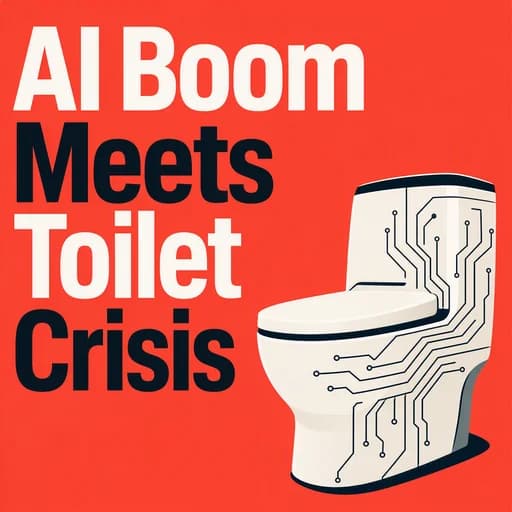
The surge in AI demand has created an unexpected bottleneck involving high-end ceramics, the same materials used in luxury toilets. As the semiconductor industry scales up to meet the needs of the AI boom, the competition for these specialized materials increases. This connection demonstrates how the most complicated supply chain ever built can be affected by narrow bottlenecks in industries that seem entirely unrelated to high-tech chip manufacturing.
From Columbia University alumni built in San Francisco
BeFreed Brings Together A Global Community Of Curious Minds


"Instead of endless scrolling, I just hit play on BeFreed. It saves me so much time."


"I never knew where to start with nonfiction—BeFreed’s book lists turned into podcasts gave me a clear path."


"Perfect balance between learning and entertainment. Finished ‘Thinking, Fast and Slow’ on my commute this week."
"Crazy how much I learned while walking the dog. BeFreed = small habits → big gains."
"Reading used to feel like a chore. Now it’s just part of my lifestyle."

"Feels effortless compared to reading. I’ve finished 6 books this month already."
"BeFreed turned my guilty doomscrolling into something that feels productive and inspiring."

"BeFreed turned my commute into learning time. 20-min podcasts are perfect for finishing books I never had time for."
"BeFreed replaced my podcast queue. Imagine Spotify for books — that’s it. 🙌"

"It is great for me to learn something from the book without reading it."
"The themed book list podcasts help me connect ideas across authors—like a guided audio journey."
"Makes me feel smarter every time before going to work"
From Columbia University alumni built in San Francisco
BeFreed Brings Together A Global Community Of Curious Minds
"Instead of endless scrolling, I just hit play on BeFreed. It saves me so much time."
"I never knew where to start with nonfiction—BeFreed’s book lists turned into podcasts gave me a clear path."
"Perfect balance between learning and entertainment. Finished ‘Thinking, Fast and Slow’ on my commute this week."
"Crazy how much I learned while walking the dog. BeFreed = small habits → big gains."
"Reading used to feel like a chore. Now it’s just part of my lifestyle."
"Feels effortless compared to reading. I’ve finished 6 books this month already."
"BeFreed turned my guilty doomscrolling into something that feels productive and inspiring."
"BeFreed turned my commute into learning time. 20-min podcasts are perfect for finishing books I never had time for."
"BeFreed replaced my podcast queue. Imagine Spotify for books — that’s it. 🙌"
"It is great for me to learn something from the book without reading it."
"The themed book list podcasts help me connect ideas across authors—like a guided audio journey."
"Makes me feel smarter every time before going to work"
"Instead of endless scrolling, I just hit play on BeFreed. It saves me so much time."
"I never knew where to start with nonfiction—BeFreed’s book lists turned into podcasts gave me a clear path."
"Perfect balance between learning and entertainment. Finished ‘Thinking, Fast and Slow’ on my commute this week."
"Crazy how much I learned while walking the dog. BeFreed = small habits → big gains."
"Reading used to feel like a chore. Now it’s just part of my lifestyle."
"Feels effortless compared to reading. I’ve finished 6 books this month already."
"BeFreed turned my guilty doomscrolling into something that feels productive and inspiring."
"BeFreed turned my commute into learning time. 20-min podcasts are perfect for finishing books I never had time for."
"BeFreed replaced my podcast queue. Imagine Spotify for books — that’s it. 🙌"
"It is great for me to learn something from the book without reading it."
"The themed book list podcasts help me connect ideas across authors—like a guided audio journey."
"Makes me feel smarter every time before going to work"
"Instead of endless scrolling, I just hit play on BeFreed. It saves me so much time."
"I never knew where to start with nonfiction—BeFreed’s book lists turned into podcasts gave me a clear path."
"Perfect balance between learning and entertainment. Finished ‘Thinking, Fast and Slow’ on my commute this week."
"Crazy how much I learned while walking the dog. BeFreed = small habits → big gains."
"Reading used to feel like a chore. Now it’s just part of my lifestyle."
"Feels effortless compared to reading. I’ve finished 6 books this month already."
"BeFreed turned my guilty doomscrolling into something that feels productive and inspiring."
"BeFreed turned my commute into learning time. 20-min podcasts are perfect for finishing books I never had time for."
"BeFreed replaced my podcast queue. Imagine Spotify for books — that’s it. 🙌"
"It is great for me to learn something from the book without reading it."
"The themed book list podcasts help me connect ideas across authors—like a guided audio journey."
"Makes me feel smarter every time before going to work"

![[dd92eebf-df3d-4041-96ff-811482b85b4e:c0000] Please welcome Marll Chairman and CEO Matt Murphy. Mornin… p1-1](/_next/image?url=https%3A%2F%2Fd1y2du6z1jfm9e.cloudfront.net%2Fassets%2Fpodcast%2Fyellow.png&w=1024&q=50)
![[dd92eebf-df3d-4041-96ff-811482b85b4e:c0001] Please welcome Marll Chairman and CEO Matt Murphy. Mornin… p1-1](/_next/image?url=https%3A%2F%2Fd1y2du6z1jfm9e.cloudfront.net%2Fassets%2Fpodcast%2Fblue.png&w=1024&q=50)
![[dd92eebf-df3d-4041-96ff-811482b85b4e:c0002] Please welcome Marll Chairman and CEO Matt Murphy. Mornin… p1-1](/_next/image?url=https%3A%2F%2Fd1y2du6z1jfm9e.cloudfront.net%2Fassets%2Fpodcast%2Fgreen.png&w=1024&q=50)