정말이지 아직 앱을 다 써 보지도 않았는데, 며칠 써 본 것만으로도 깊은 인상을 받았어요… BeFreed는 제가 써 본 어떤 학습 앱과도 차원이 달라요. 몰입감이 엄청나고 집중력도 실제로 좋아져서, 스마트폰을 하염없이 스크롤하는 분들께 딱이에요!
@ladyInfinity
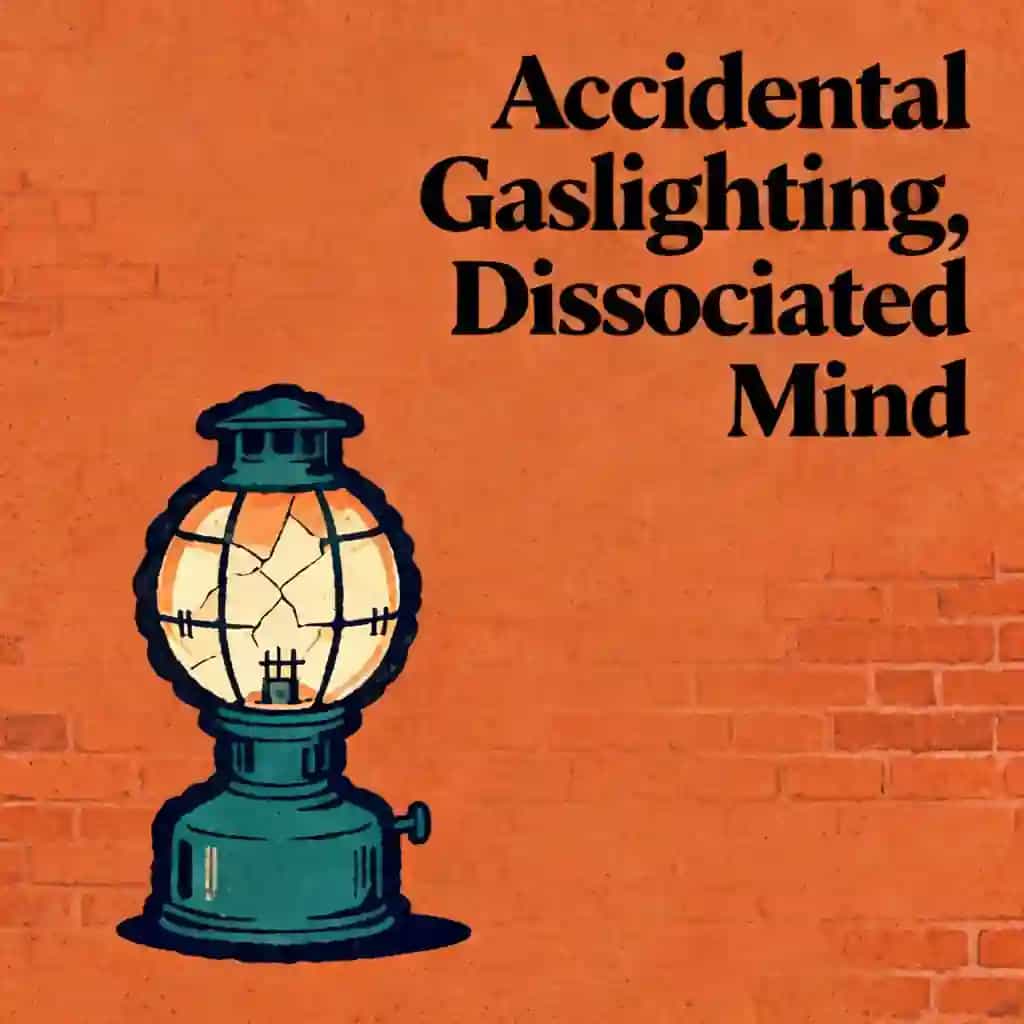
When life feels overwhelming, disconnecting seems like an escape. Learn why dissociation is a survival reflex, not a skill, and how to stay grounded.

Dissociation isn't a 'skill' we turn on; it’s actually the body’s last-line survival strategy. It’s the nervous system’s way of protecting us when it decides that disconnecting is safer than fighting or fleeing.
How to force yourself to dissociate


Dissociation is not a skill or a voluntary "switch," but rather the body’s last-line survival strategy when it determines that fighting or fleeing is no longer possible. While it provides a temporary escape from overwhelming pain, it comes with a high biological cost, including memory fragmentation, identity confusion, and a loss of emotional continuity. Because the brain cannot selectively numb only negative emotions, forcing this state results in "blowing the fuse" for the entire house, leaving the individual unable to feel joy, connection, or a sense of self.
The study found that many high-tech methods, such as audio-photic stimulation, were largely ineffective at inducing dissociation. The only two methods that successfully met the threshold were three minutes of hypnotic suggestion and one minute of staring at a rotating spiral. However, the researchers noted that the spiral-induced state was particularly unpleasant and uncontrollable, leading to "sensory deafferentation" where the brain suppresses input because it is overwhelmed. This state ultimately impaired the participants' objective memory performance and left them feeling a loss of agency.
When a child is in an unsafe environment and cannot escape, the brain may create a functional "good child" persona to handle daily tasks like school, while sequestering the trauma in a separate part of the psyche. This is often reinforced by the underdevelopment of the corpus callosum, the bridge between the left and right hemispheres of the brain. Without this bridge, the logical left brain and the emotional right brain stop communicating effectively, leaving the individual feeling like a "fraud" or as if different versions of themselves are operating in different settings.
To interrupt a dissociative loop, individuals can use sensory-based grounding tools that signal safety to the nervous system. Physical "shocks" like holding an ice cube or splashing cold water on the face can trigger the mammalian diving reflex to manually reset the brain. Cognitive tasks, such as the 5-4-3-2-1 method (naming things you see, touch, and hear) or playing a categories game (naming types of fruit or cities), force the logical prefrontal cortex back online. Additionally, strong scents like citrus or peppermint can provide an immediate pull back to reality due to the olfactory system's direct link to the brain's emotional centers.
컬럼비아 대학교 동문들이 제작 | 샌프란시스코에서 개발
평균 평점
앱 평가 7.84천 개 이상
BeFreed 커뮤니티
정말이지 아직 앱을 다 써 보지도 않았는데, 며칠 써 본 것만으로도 깊은 인상을 받았어요… BeFreed는 제가 써 본 어떤 학습 앱과도 차원이 달라요. 몰입감이 엄청나고 집중력도 실제로 좋아져서, 스마트폰을 하염없이 스크롤하는 분들께 딱이에요!
@ladyInfinity
정확히 23일 전에 BeFreed를 구입했는데, 그날부터 하루도 빠짐없이 쓰고 있어요. 제 일상 업무 흐름과 학습 습관에 완전히 자리 잡았어요.
@jayallen
솔직히 이 앱은 제 기대를 전부 뛰어넘었어요. 어떤 주제든 오디오로 만들어 달라고 할 수 있고, 결과물이 놀라워요. 제 전문 분야는 심리치료 쪽이고 여러 학문이 얽혀 있는데도 답변이 아주 정확해요.
@Raguipa
제일 고마운 건 스크롤하는 시간이 확 줄었다는 거예요. 검색하는 시간은 줄고 흡수하는 시간은 늘었어요. 오디오북 전권, 팟캐스트, 학습 플랜의 조합이 정말 훌륭해요.
@colonyofcreatorsNGO
저는 24년째 PhotoReading 속진 학습 강사로 일하고 있어요… 책과 독서, 배움이 제 전문인데, BeFreed는 정보를 소화하기 쉽게 전달하는 혁신적인 방식을 정말 잘 구현했어요.
@BeFreed user
단순한 책 요약 앱이 아니에요. '재미' 스타일을 써 봤는데, 전통적인 방식보다 훨씬 나은 요약이고 아이디어를 이해하기도 쉬워요. 이것만으로도 값어치를 해요.
@austinakon
이 앱이 정말 좋아요. 며칠 써 봤는데 듣는 걸 멈출 수가 없어요. 시작하기에 이보다 좋을 수 없어요.
@jcrules328
정말 마음에 들어요. 한 달 정도 써 봤는데 숨은 보석을 찾은 기분이에요. BeFreed로 제가 원하는 주제를 직접 만들 수 있어서 좋고, 목소리도 훌륭한 데다 내레이션 선택지가 무궁무진해요.
@DanielCZ
유용한 정보와 아이디어를 8~15분짜리 팟캐스트 스타일 오디오로 압축해서 들을 수 있다는 게 정말 좋아요. 원래 팟캐스트는 군더더기가 많아서 안 좋아했는데, 여기는 그걸 싹 걷어냈어요.
@BeFreed user
박사 과정을 마무리하는 중이라 낯선 자료를 많이 읽어야 해요… BeFreed에서는 프롬프트만 입력하면 앱이 자료를 찾아서 오디오 팟캐스트로 만들어 줘요. BeFreed의 과정이 NotebookLM보다 더 매끄럽게 느껴져요.
@Brad
아침을 준비하거나 산책하거나 출퇴근할 때 들을 것을 YouTube에서 자주 찾곤 했는데, BeFreed는 광고도 군더더기도 없이 훨씬 더 딱 맞는 걸 들려줘요!
@BeFreed user
이 플랫폼의 가장 큰 장점은 활용도예요. 다루지 못하는 주제가 말 그대로 하나도 없어요. 무엇을 던져도 다 소화해요… 제한이 전혀 없으면서 약속을 실제로 지키는 학습 도구는 정말 드물어요.
@jayallen
BeFreed는 환상적이에요. 디자인이 편해서 헤매는 시간은 줄고 배우는 시간은 늘었어요. 오디오북, 팟캐스트, 학습 플랜의 조합은 천재적이에요. 제 하루가 완전히 달라졌어요.
@BeFreed user
처음엔 이탈리아어로 팟캐스트를 만드는 방법을 이해하는 데 시간이 좀 걸렸는데, 알고 나니까 — 와! 정말 대단해요! 어떤 주제든 설명해 달라고 하면 정말 똑똑하게 잘 설명해 줘요!
@matteo77
BeFreed는 제가 매일 쓰는 오디오북 앱이 됐어요… 제일 마음에 드는 건 텍스트를 넣으면 이동 중에도 들을 수 있는 오디오로 만들어 준다는 점이에요.
@kotanzu1




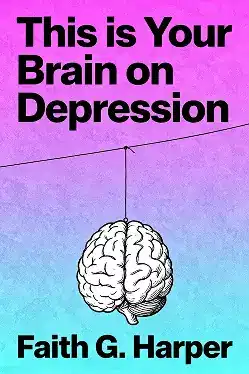
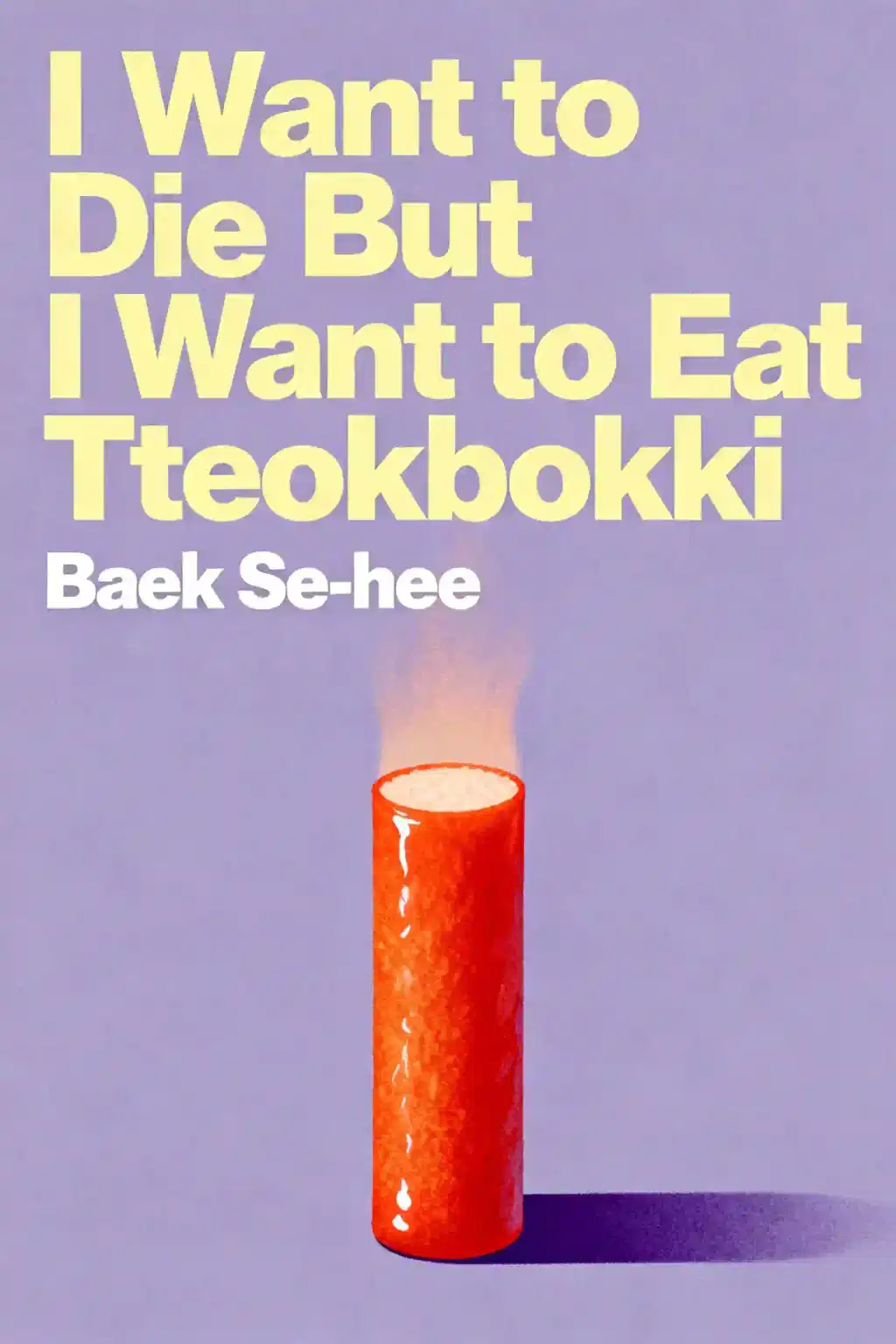
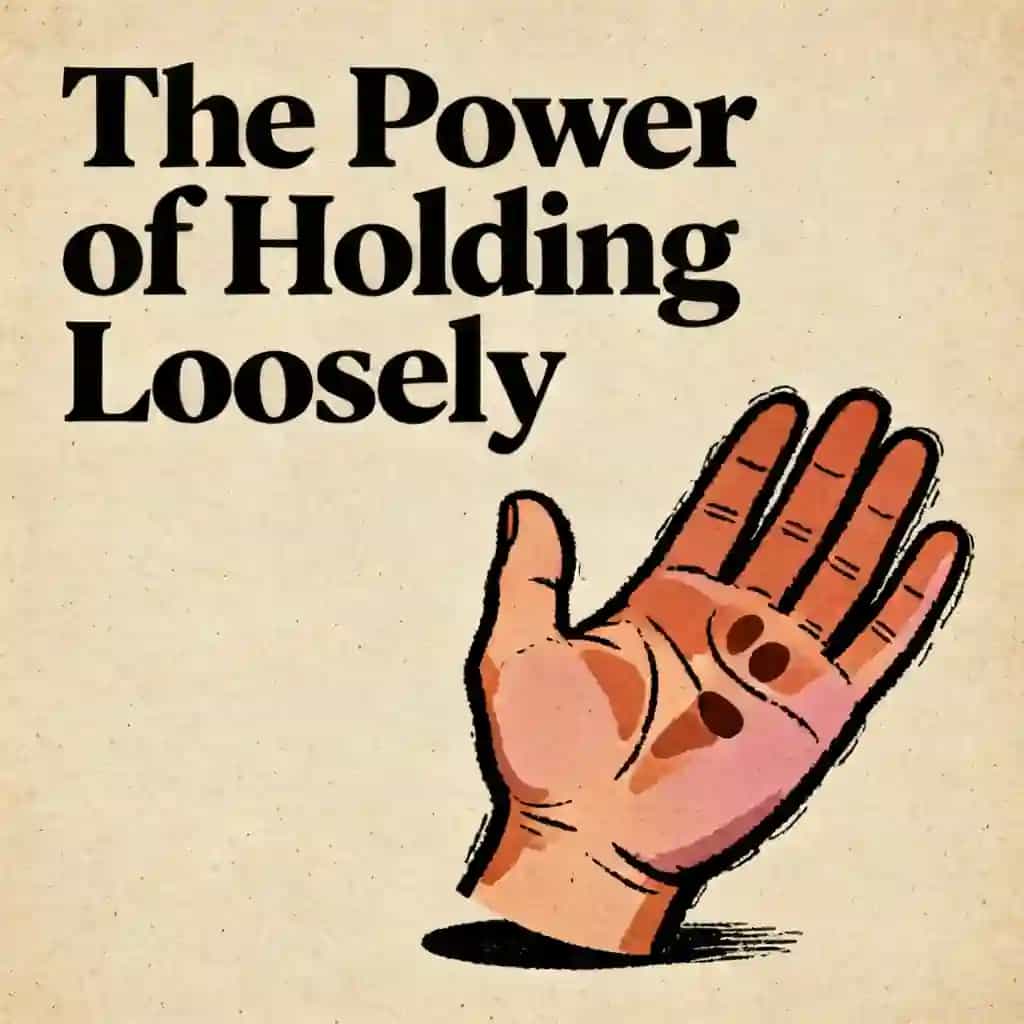
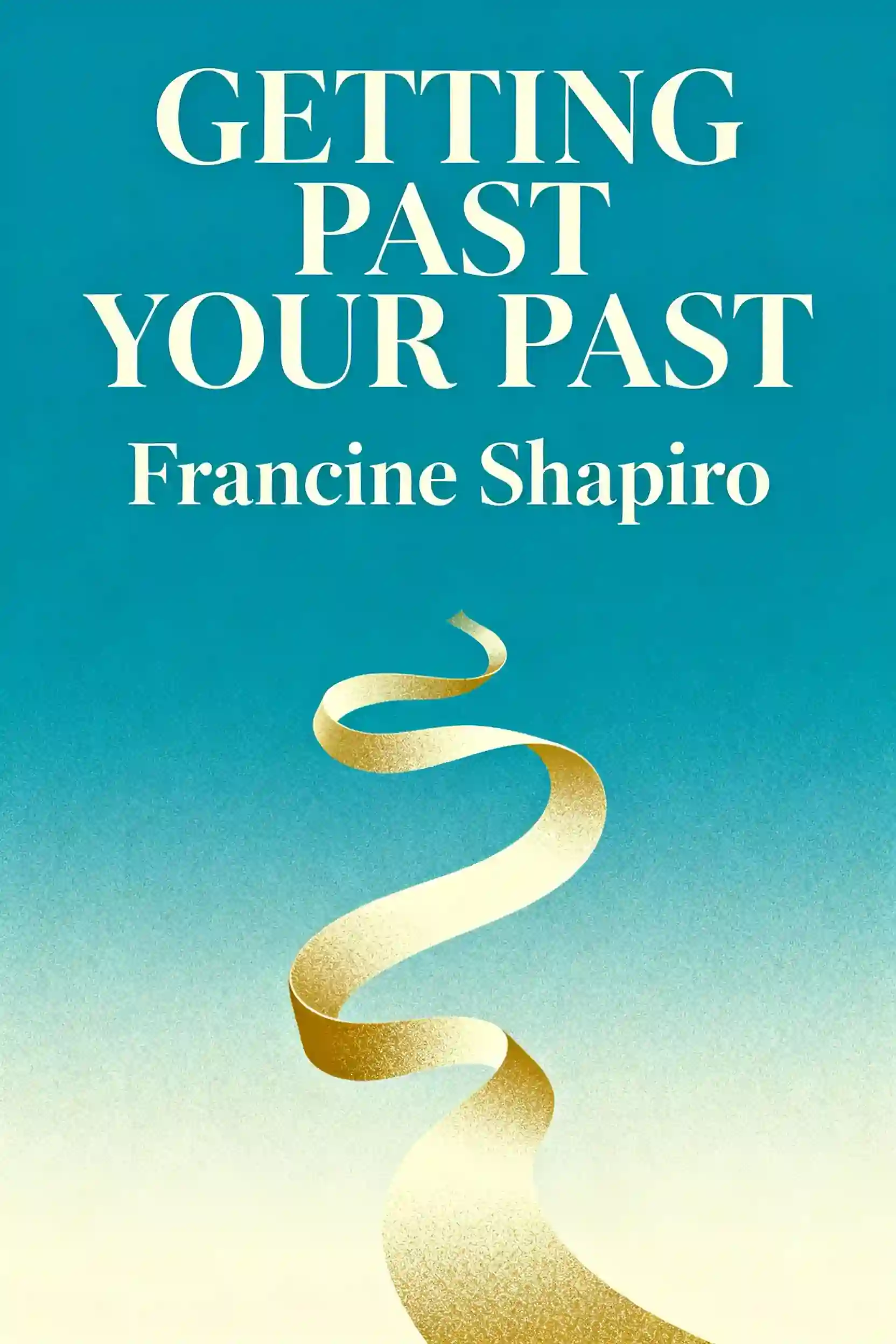
In an era of constant connectivity and emotional burnout, mastering detachment is essential for mental clarity and resilience. This plan is designed for anyone struggling to move on from past setbacks, toxic cycles, or intrusive thoughts that hinder personal growth.

This learning plan is essential for anyone struggling with anxiety, control issues, codependency, or emotional overwhelm in their personal or professional life. It's particularly valuable for those experiencing relationship difficulties, chronic stress from trying to control outcomes, or anyone seeking greater emotional resilience and inner peace. By developing detachment skills, you'll reduce suffering while paradoxically becoming more present and engaged with life.

This plan is essential for individuals feeling trapped in emotionally draining or manipulative relationships. It provides a structured, low-conflict roadmap for those needing to regain their autonomy and rebuild their lives with dignity.

In an era of constant overstimulation, mastering the ability to detach is essential for mental clarity and emotional health. This plan is ideal for individuals seeking to balance intense professional lives with inner tranquility through ancient wisdom and modern psychology.

This plan is essential for individuals trapped in toxic dynamics who struggle to understand why it is so difficult to leave. It provides a roadmap for those seeking to regain their mental clarity and safely navigate the complexities of ending an abusive relationship.

This plan is essential for individuals feeling trapped in toxic cycles or struggling to leave manipulative relationships. It provides a roadmap for those ready to understand the biological roots of their attachment and regain their personal agency.

Dissociative Identity Disorder requires specialized knowledge for effective management, whether you're a mental health professional or someone living with the condition. This learning plan provides both clinical frameworks and practical strategies to support healing, integration, and improved daily functioning for those affected by DID.
Modern life often leaves individuals trapped in a cycle of chronic stress and hypervigilance that mimics a survival state. This plan is essential for anyone feeling burnt out or stuck in reactive patterns, providing the biological insight and regulation tools needed to reclaim a sense of safety.