Dopamine Detox: A Short Guide to Eliminate Distractions and Get Your Life Back

Dopamine Detox 개요
Drowning in distractions? Thibaut Meurisse's "Dopamine Detox" offers a revolutionary reset for our overstimulated brains. This practical guide introduces two powerful detox models that have helped thousands reclaim focus in our notification-saturated world. What could you accomplish after just 24 hours of digital silence?
- Thibaut Meurisse’s dopamine detox resets your brain’s overstimulated reward system
- Eliminate digital distractions for 48 hours to reclaim focus and mental clarity
- Identify compulsive triggers like social media to break addictive behavior cycles
- Morning routines prevent overstimulation and anchor productivity in Meurisse’s framework
- Environmental redesign reduces temptation access while promoting healthier habit formation
- Withdrawal symptoms signal neural recalibration during Thibaut Meurisse’s detox process
- Replace instant gratification with mindful walks and journaling for sustainable joy
- Moderation post-detox balances pleasure-seeking with purposeful task engagement
- Meurisse links dopamine tolerance to declining motivation for essential activities
- Reset dopamine sensitivity through structured breaks from sugar and screens
- Thibaut Meurisse’s method interrupts compulsive loops via stimulus control stages
- Detox outcomes include heightened creativity and reduced anxiety from neural rebalancing
Dopamine Detox의 저자 소개
Thibaut Meurisse, bestselling author of Dopamine Detox and founder of the Mastery Series, is a globally recognized self-help expert. He is known for transforming complex psychological concepts into actionable strategies. A French writer and entrepreneur, he specializes in productivity, emotional regulation, and focus enhancement, themes central to his 20+ books that have been translated into over 30 languages. His work draws from personal experience overcoming introversion and digital distraction, culminating in practical frameworks like the 48-hour detox method featured in this book.
Meurisse’s influential Master Your Emotions (500,000+ copies sold) and Master Your Focus complement Dopamine Detox in his productivity-focused canon.
Through his blog at thibautmeurisse.com and Instagram presence (@thibaut_meurisse), he mentors high performers and provides free resources to millions worldwide. His books are utilized by coaches, therapists, and corporate leaders, with Dopamine Detox becoming a global phenomenon adopted by readers in 15+ languages to reclaim mental clarity in the attention economy.
Dopamine Detox에 대한 자주 묻는 질문
What is Dopamine Detox by Thibaut Meurisse about?
Dopamine Detox provides a practical guide to resetting your brain’s reward system by reducing overstimulation from modern distractions like social media, gaming, and instant gratification. It offers science-backed strategies to regain focus, improve productivity, and cultivate mindfulness through structured detox plans, including a 7-day blueprint for rebuilding attention spans.
Who should read Dopamine Detox by Thibaut Meurisse?
This book targets individuals struggling with digital addiction, procrastination, or lack of motivation. It’s ideal for students, professionals, or anyone seeking actionable steps to break cycles of distraction and achieve long-term goals through better self-discipline.
Is Dopamine Detox by Thibaut Meurisse worth reading?
Yes, for its concise, actionable advice on overcoming overstimulation. While critics note its simplicity, the book’s structured detox plans and mindfulness techniques provide immediate value for reclaiming focus. However, those seeking in-depth neuroscience may find it superficial.
What is the 7-day dopamine detox plan in the book?
The plan involves gradually reducing stimulating activities (e.g., social media, junk food) while reintroducing low-dopamine tasks like reading or journaling. Day-by-day steps include setting boundaries, practicing mindfulness, and prioritizing high-impact work to rewire brain chemistry for sustained focus.
How does Dopamine Detox explain the science of dopamine?
Thibaut Meurisse simplifies dopamine’s role in motivation and reward-seeking behavior, explaining how chronic overstimulation dulls sensitivity to natural rewards. The book links dopamine spikes to modern distractions, offering strategies to restore balance for improved mental clarity.
What are the main criticisms of Dopamine Detox?
Critics argue the book oversimplifies complex neurochemistry and lacks depth for severe addiction cases. Some note repetitive promotion of the author’s other works and a reliance on common self-help tropes without novel insights.
How does Dopamine Detox compare to Thibaut Meurisse’s other books?
Unlike his Mastery Series (e.g., Master Your Emotions), this book focuses narrowly on combating distraction through detox protocols. It retains Meurisse’s signature clarity but is shorter and more tactical, prioritizing immediate action over broader emotional mastery.
What quotes from Dopamine Detox summarize its key ideas?
- “Society is designed to hijack your dopamine neurotransmitters… emptying your wallet and eroding your ability to focus.”
- “Productivity hinges on three pillars: Focus, Consistency, and Impact.”
These emphasize systemic overstimulation and actionable self-control.
Can Dopamine Detox help with smartphone addiction?
Yes. The book advises setting strict tech boundaries (e.g., app limits, screen-free hours) and replacing habitual scrolling with mindful activities. Users report improved focus after implementing its 48-hour reset strategy.
How does Dopamine Detox address long-term habit change?
It advocates incremental discipline, urging readers to identify “keystone habits” (e.g., morning routines) that cascade into broader productivity. The focus is on sustainable consistency over drastic lifestyle overhauls.
Why is Dopamine Detox relevant in 2025?
With rising AI-driven content and immersive tech, the book’s warnings about attention hijacking remain critical. Its detox frameworks help users navigate an increasingly distracting digital landscape while maintaining mental resilience.
What metaphors does Thibaut Meurisse use in Dopamine Detox?
Meurisse likens dopamine spikes to “neurological debt,” arguing short-term gratification creates long-term focus deficits. He also compares detoxing to “resetting a misaligned compass,” framing it as essential for recalibrating life goals.
저자의 목소리로 책을 느껴보세요
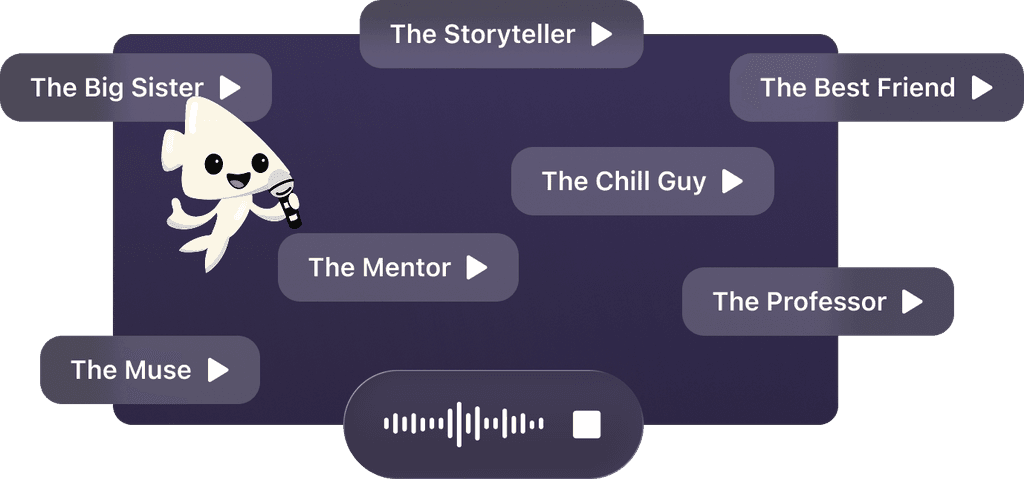
지식을 흥미롭고 예시가 풍부한 인사이트로 전환
핵심 아이디어를 빠르게 캡처하여 신속하게 학습
재미있고 매력적인 방식으로 책을 즐기세요
Dopamine Detox의 등장인물
- Thibaut MeurisseAuthor and developer of the dopamine detox method
Dopamine Detox의 핵심 주제
- attention economy
- digital overstimulation
- delayed gratification
- dopamine baseline recalibration
- sensory detox
Dopamine Detox의 명언
Dopamine doesn't reward satisfaction; it fuels desire.
Your attention is the product being sold to advertisers.
We're living in what economists call the 'attention economy'.
The problem isn't dopamine itself - it's that we've created an environment where our dopamine system is constantly overstimulated.
나만의 학습 방법 탐색하기
 빠른 요약 모드
Dopamine Detox 요약을 9분 만에 읽거나 듣기
Dopamine Detox의 핵심 아이디어를 이해하기 쉬운 포인트로 분해하여 혁신적인 팀이 어떻게 창조하고, 협력하고, 성장하는지 이해합니다.

 재미있게 모드
Dopamine Detox의 교훈을 19분 스토리로
생생한 스토리텔링을 통해 Dopamine Detox을 경험하고, 혁신 교훈을 기억에 남고 적용할 수 있는 순간으로 바꿉니다.
 개인화 모드
Dopamine Detox을 나만의 학습 스타일로 경험하기
무엇이든 묻고, 학습 스타일을 선택하고, 나에게 맞는 인사이트를 함께 만들어보세요.
샌프란시스코에서 컬럼비아 대학교 동문들이 만들었습니다
"Instead of endless scrolling, I just hit play on BeFreed. It saves me so much time."


"I never knew where to start with nonfiction—BeFreed’s book lists turned into podcasts gave me a clear path."


"Perfect balance between learning and entertainment. Finished ‘Thinking, Fast and Slow’ on my commute this week."
"Crazy how much I learned while walking the dog. BeFreed = small habits → big gains."
"Reading used to feel like a chore. Now it’s just part of my lifestyle."

"Feels effortless compared to reading. I’ve finished 6 books this month already."
"BeFreed turned my guilty doomscrolling into something that feels productive and inspiring."

"BeFreed turned my commute into learning time. 20-min podcasts are perfect for finishing books I never had time for."
"BeFreed replaced my podcast queue. Imagine Spotify for books — that’s it. 🙌"

"It is great for me to learn something from the book without reading it."
"The themed book list podcasts help me connect ideas across authors—like a guided audio journey."
"Makes me feel smarter every time before going to work"
샌프란시스코에서 컬럼비아 대학교 동문들이 만들었습니다
"Instead of endless scrolling, I just hit play on BeFreed. It saves me so much time."
"I never knew where to start with nonfiction—BeFreed’s book lists turned into podcasts gave me a clear path."
"Perfect balance between learning and entertainment. Finished ‘Thinking, Fast and Slow’ on my commute this week."
"Crazy how much I learned while walking the dog. BeFreed = small habits → big gains."
"Reading used to feel like a chore. Now it’s just part of my lifestyle."
"Feels effortless compared to reading. I’ve finished 6 books this month already."
"BeFreed turned my guilty doomscrolling into something that feels productive and inspiring."
"BeFreed turned my commute into learning time. 20-min podcasts are perfect for finishing books I never had time for."
"BeFreed replaced my podcast queue. Imagine Spotify for books — that’s it. 🙌"
"It is great for me to learn something from the book without reading it."
"The themed book list podcasts help me connect ideas across authors—like a guided audio journey."
"Makes me feel smarter every time before going to work"
"Instead of endless scrolling, I just hit play on BeFreed. It saves me so much time."
"I never knew where to start with nonfiction—BeFreed’s book lists turned into podcasts gave me a clear path."
"Perfect balance between learning and entertainment. Finished ‘Thinking, Fast and Slow’ on my commute this week."
"Crazy how much I learned while walking the dog. BeFreed = small habits → big gains."
"Reading used to feel like a chore. Now it’s just part of my lifestyle."
"Feels effortless compared to reading. I’ve finished 6 books this month already."
"BeFreed turned my guilty doomscrolling into something that feels productive and inspiring."
"BeFreed turned my commute into learning time. 20-min podcasts are perfect for finishing books I never had time for."
"BeFreed replaced my podcast queue. Imagine Spotify for books — that’s it. 🙌"
"It is great for me to learn something from the book without reading it."
"The themed book list podcasts help me connect ideas across authors—like a guided audio journey."
"Makes me feel smarter every time before going to work"
"Instead of endless scrolling, I just hit play on BeFreed. It saves me so much time."
"I never knew where to start with nonfiction—BeFreed’s book lists turned into podcasts gave me a clear path."
"Perfect balance between learning and entertainment. Finished ‘Thinking, Fast and Slow’ on my commute this week."
"Crazy how much I learned while walking the dog. BeFreed = small habits → big gains."
"Reading used to feel like a chore. Now it’s just part of my lifestyle."
"Feels effortless compared to reading. I’ve finished 6 books this month already."
"BeFreed turned my guilty doomscrolling into something that feels productive and inspiring."
"BeFreed turned my commute into learning time. 20-min podcasts are perfect for finishing books I never had time for."
"BeFreed replaced my podcast queue. Imagine Spotify for books — that’s it. 🙌"
"It is great for me to learn something from the book without reading it."
"The themed book list podcasts help me connect ideas across authors—like a guided audio journey."
"Makes me feel smarter every time before going to work"

Dopamine Detox 요약 다운로드
Dopamine Detox 요약을 무료 PDF 또는 EPUB으로 받으세요. 인쇄하거나 오프라인에서 언제든 읽을 수 있습니다.