BeFreed
    Categories>Relationships>Why Silence Triggers Outbursts and How to Stop

    Why Silence Triggers Outbursts and How to Stop

    15분
    |
    |
    2026년 3월 17일
    RelationshipsPsychologyCommunication

    Explore the biological roots of why being ignored hurts and learn practical strategies to break the cycle of reactive anger for a deeper connection.

    Why Silence Triggers Outbursts and How to Stop
    전달 방식을 선택하세요

    하나의 에피소드, 다양한 청취 방식.

    Why Silence Triggers Outbursts and How to Stop의 같은 아이디어를 나에게 맞는 목소리, 깊이, 속도로 만나보세요. 언제든 바꿀 수 있습니다.

    전체 대본 및 챕터

    챕터 1

    From Silent Treatment to Verbal Fireworks

    Lena: Have you ever reached out to your partner, maybe just asking about their day, and been met with total silence? It’s like you’re talking to a wall. You feel that sting of rejection, and suddenly, you’re saying things you know you shouldn’t—blaming, demanding, or even exploding in anger.

    Miles: It’s such a painful cycle, Lena. And you know, it’s not just in your head. Research has actually shown that the same areas of the brain that process physical pain are activated when we experience social exclusion or being ignored.

    Lena: That explains so much! It’s not just "being sensitive"; it’s a biological reaction. But then we feel that immediate regret after the outburst, right?

    Miles: Exactly. Often, that "warrior" mode we jump into is just a protective guard dog trying to shield a wounded inner child who felt unheard long ago.

    Lena: So let’s explore how we can recognize those triggers and find a way back to connection without the fireworks.

    챕터 2

    The Biological Alarm and Why It Hijacks Your Brain

    Lena: It’s so helpful to realize that those fireworks aren’t coming from a place of wanting to be "mean." It really feels like a survival instinct. Miles, you mentioned that "guard dog" earlier—is that what scientists mean when they talk about the amygdala getting triggered?

    Miles: Spot on. When you feel ignored, your brain doesn't just see a quiet partner—it sees a threat to your safety. We’re social creatures, right? In our evolutionary history, being ignored by the tribe could literally mean you wouldn't survive. So, when your partner doesn’t respond, your amygdala—that tiny almond-shaped threat detector in your brain—goes into full-blown alarm mode. It sends out a massive surge of cortisol and adrenaline.

    Lena: Which explains the racing heart and that sudden heat in your chest. But why does that lead us to say things we regret? Why can't we just stay calm?

    Miles: Because of something called "Prefrontal Cortex Hijack." That’s the logical, rational part of your brain that handles judgment and long-term consequences. When the stress hormones flood your system, the prefrontal cortex basically goes offline. You’re no longer operating from logic; you’re operating from instinct. You’re in fight-or-flight mode.

    Lena: So, the "fight" is the yelling or the blaming, and the "flight" might be when the other person shuts down?

    Miles: Exactly. And for the person with an anxious attachment style, that "fight" is often a desperate attempt to force a reaction—any reaction—just to prove the connection isn't dead. It’s what experts call "protest behavior." It’s an unconscious, primal way of screaming, "Hey! I’m still here! Do you still see me?"

    Lena: That’s so powerful. It’s not about the dishes or the text message; it’s about the fear of being abandoned. It’s like a toddler crying in a store because they can’t find their mom. They aren't trying to be "bad"; they’re just terrified.

    Miles: That’s a perfect analogy. And just like that toddler, when we’re in that state, we lose our ability to regulate our emotions. We say things we shouldn't because, in that moment, our brain believes it’s fighting for its life.

    이 에피소드로 더 깊이 배우기

    이 에피소드의 아이디어를 BeFreed의 가이드 학습 경험으로 더 깊이 탐구해 보세요.

    챕터 3

    Decoding Protest Behavior and the Search for Safety

    Lena: I love that term "protest behavior." It feels so much more compassionate than just saying someone is "acting out." What are some other ways this actually looks in a relationship besides just yelling?

    Miles: It can be surprisingly varied, Lena. For some, it’s the "bomb-dropping"—saying something intentionally provocative or shocking just to get the partner to look up from their phone. For others, it’s excessive texting or calling. You know that feeling when you’ve sent five texts and haven't gotten a reply, so you send a sixth one that’s even more intense?

    Lena: Oh, I think we’ve all been there! It’s like you’re trying to build a bridge with words, but the words keep getting sharper.

    Miles: Right! And then there’s the "push-pull." You might withdraw affection or pretend you don’t care, hoping they’ll notice and chase after you. Or you might even threaten to leave the relationship, not because you want to go, but because you want them to fight for you. It’s all a way of testing the relationship’s strength.

    Lena: It’s interesting how these behaviors, which are meant to bring our partner closer, often do the exact opposite. If I’m yelling or being passive-aggressive, my partner is probably going to want to pull away even more, right?

    Miles: That’s the tragic irony of it. Experts call this the "anxious-avoidant trap." The more one person protests to get closeness, the more the other person feels suffocated or overwhelmed and shuts down to protect themselves. This confirmed silence then triggers even more anxiety in the first person, and the cycle just spirals.

    Lena: It’s like a dance where everyone is stepping on each other’s toes. But the sources mention something really interesting—that this reactivity often has roots in our past. Like, we’re not just reacting to this moment, but to every time we felt ignored as a kid.

    Miles: Absolutely. If you grew up with caregivers who were inconsistent—sometimes they were there, sometimes they were emotionally distant—your nervous system learned to stay on high alert. You became hyper-vigilant, scanning for any sign that the love might disappear. So now, as an adult, a simple three-hour delay in a text message feels like a total rejection. It’s an old wound being reopened.

    챕터 4

    The Silence That Stings and the Anatomy of Withdrawal

    Lena: We’ve talked a lot about the person doing the "protesting," but what about the partner who’s doing the ignoring? Sometimes it feels like they’re doing it on purpose to punish us. Is that always the case?

    Miles: Usually, it’s actually the opposite. While it feels like a weapon to the person on the receiving end, for the person shutting down, it’s often a shield. They might be experiencing "flooding."

    Lena: Flooding—I’ve heard that term. Is that when you just can’t take any more emotional input?

    Miles: Precisely. Their heart rate goes up, their thoughts get fuzzy, and they literally cannot process what you’re saying anymore. To them, staying in the conversation feels like drowning. So, they go quiet, or they leave the room, or they give those one-word "whatever" answers. They aren't trying to ignore you; they’re trying to keep from exploding themselves.

    Lena: So, while I’m thinking, "They don't care about me," they’re actually thinking, "I’m about to lose it, so I need to go numb."

    Miles: Exactly! It’s a total mismatch of internal experiences. You’re seeking connection to feel safe, and they’re seeking space to feel safe. And because neither of you realizes what’s happening internally for the other, you both end up feeling abandoned or attacked.

    Lena: It’s so easy to see how this becomes a "business partner" or "roommate" dynamic. If you stop sharing your deep feelings because you’re afraid of the reaction or the silence, the intimacy just dries up.

    Miles: And that’s where the "emotional neglect" piece comes in. It’s not always about big fights. Sometimes it’s just the absence of validation. You share a win at work, and they just say "cool" without looking up. That lack of attunement—not being "seen"—can be just as painful as a loud argument. It chips away at the foundation of trust until you don't feel emotionally safe opening up anymore.

    Lena: And then, when you finally do try to talk about it, all that bottled-up resentment comes pouring out in ways you know you shouldn't have said it. It’s a pressure cooker situation.

    Miles: It really is. But understanding that withdrawal is often a survival response—and not necessarily a sign of indifference—can be the first step in lowering the temperature for both people.

    이 에피소드로 더 깊이 배우기

    이 에피소드의 아이디어를 BeFreed의 가이드 학습 경험으로 더 깊이 탐구해 보세요.

    챕터 5

    Finding the Gap Between Trigger and Reaction

    Lena: Okay, so we understand the "why" now. We know it’s our brain trying to protect us. But how do we actually stop the train once it’s left the station? How do we find that "pause" everyone talks about?

    Miles: It starts with somatic awareness—which is just a fancy way of saying "listening to your body." Before you say that thing you shouldn't, your body is giving you warning signs. Maybe your jaw tightens, or your stomach gets that "knot" feeling.

    Lena: I definitely get the tight chest. It’s like I can feel the words bubbling up and I just have to let them out.

    Miles: That’s the moment! Mindfulness experts suggest a technique called "noting." Instead of saying "I am furious," you silently say to yourself, "Anger is present" or "I am feeling a threat." It sounds small, but it actually helps shift the processing from your emotional amygdala back to your rational prefrontal cortex. You’re observing the emotion rather than being the emotion.

    Lena: "Anger is present." I like that. It puts a little distance between me and the fire. What about the physical side of it?

    Miles: Breath is your best friend here. Specifically, slow, deliberate exhales. When you exhale longer than you inhale, it sends a signal to your parasympathetic nervous system—the "rest and digest" system—that there is no actual lion in the room. It physically tells your brain to calm down.

    Lena: So, I feel the sting of being ignored, I notice my chest getting tight, I say "rejection is present," and I take three deep breaths. Does that really stop the outburst?

    Miles: It creates a "gap." And in that gap is where your power lives. It might only be three seconds, but that’s enough time to ask yourself: "What do I actually need right now?" Usually, you don't actually need to tell them they’re a "jerk." You need to know that you’re valued.

    Lena: Right! But it’s so much easier to say "You’re being a jerk" than to say "I feel really invisible right now and it’s hurting."

    Miles: It is! Vulnerability is terrifying. Being angry feels powerful, while being hurt feels weak. But anger is often a secondary emotion—a "cover-up" for the more vulnerable stuff underneath, like shame, loneliness, or fear. If we can name the primary emotion, the need for the "fireworks" often starts to fade away.

    챕터 6

    The Practical Playbook for De-Escalating the Moment

    Lena: I want to get really practical here. Let’s say I’m in the middle of it. I’ve already felt the trigger, and I’m about to snap. What are the specific scripts or moves I can use to change the direction?

    Miles: One of the most powerful moves is the "Intentional Timeout"—but there’s a catch. You can't just walk away. That feels like abandonment to an anxious partner. You have to say, "I’m feeling flooded right now, and I need twenty minutes to calm down so I can talk to you the way I want to. I’ll be back at 7:00."

    Lena: That "I’ll be back" part is huge! It gives the other person a timeline so they don't feel like you’re just disappearing forever.

    Miles: Exactly. And during those twenty minutes, you shouldn't be replaying the fight in your head! That just keeps the cortisol pumping. You have to do something else—listen to a podcast, go for a walk, or even splash cold water on your face. Research shows it takes at least twenty minutes for your nervous system to fully reset.

    Lena: And what about "I" statements? I know they’re a classic, but sometimes they feel a bit... I don't know, robotic?

    Miles: They can feel a bit formal, but the logic is sound. Instead of "You always ignore me," which immediately makes the other person defensive, try "I feel lonely when we don’t check in at the end of the day, and I’d really love five minutes of your time." You’re sharing your internal world instead of attacking theirs.

    Lena: I love that. "I feel [emotion] when [behavior] happens, and I need [request]." It takes the sting out of it. And what about assuming "positive intent"? That seems hard when you’re mad!

    Miles: It’s a game-changer, though. Instead of assuming they’re ignoring you to be mean, try asking yourself: "What else could be true?" Maybe they’re exhausted. Maybe they’re overwhelmed with work. Maybe they’re in their own "survival mode." When you view your partner as a teammate who is struggling, rather than an enemy who is attacking, your whole energy shifts.

    Lena: It’s like looking at them with "softness" instead of "sharpness." And maybe even asking for clarity? Like, "Hey, I noticed you’re a bit quiet tonight—is everything okay, or do you just need some space?"

    Miles: Yes! Asking for clarity instead of jumping to conclusions is a superpower. It gives them a chance to explain themselves before you’ve already convicted them in your mind.

    이 에피소드로 더 깊이 배우기

    이 에피소드의 아이디어를 BeFreed의 가이드 학습 경험으로 더 깊이 탐구해 보세요.

    챕터 7

    Rebuilding the Foundation Beyond the Fights

    Lena: This is all so helpful for the "heat of the moment" stuff, but how do we prevent these cycles from happening so often in the long run? It feels like we need to do some work when things are actually calm.

    Miles: You’re exactly right. You can't fix a house while it’s on fire. You have to do the maintenance when things are quiet. One of the best things you can do is share your triggers with each other. Tell your partner, "Hey, I’ve realized that when I don't hear back from you for a few hours, my brain starts telling me this old story that I’m not important. It’s not about you, it’s about this old wound."

    Lena: That’s so brave. It takes the blame off them and invites them to be your ally in healing.

    Miles: It really does. And then you can create "rituals of connection." Maybe it’s a ten-minute check-in every evening where you both share one high, one low, and one thing you need. Or a "stress-reducing conversation" where the only goal is to listen and validate, not to solve anything.

    Lena: I love the idea of a "weekly check-in." It’s like a relationship tune-up. "How are we doing? Is there anything that made you feel unloved this week?" It prevents those little resentments from building up into a huge explosion.

    Miles: And don't forget the power of "repair." We’re all going to mess up. We’re going to snap. We’re going to withdraw. The hallmark of a healthy relationship isn't the absence of conflict; it’s the presence of repair. Going back and saying, "I’m so sorry I snapped earlier. I was feeling overwhelmed, and I didn't handle it well. Can we try again?"

    Lena: That ownership is so healing. It tells the partner, "You weren't crazy for feeling hurt, and I value us enough to fix this."

    Miles: Absolutely. And for some of us, that might mean working with a therapist to untangle those deeper attachment wounds. Whether it’s Cognitive Behavioral Therapy or Emotionally Focused Therapy, having a pro help you map out these cycles can speed up the process of becoming more "securely attached."

    Lena: It’s a journey, right? Not a destination. We’re learning a new language.

    Miles: It is. Be gentle with yourself. You’re rewiring years—maybe decades—of survival patterns. Every time you choose a breath over a shout, or a question over an accusation, you’re winning.

    챕터 8

    Closing Reflections and the Path Forward

    Lena: As we bring this conversation to a close, I’m struck by how much of this boils down to compassion—both for ourselves and for our partners. We aren't "toxic" or "crazy"; we’re just humans with nervous systems that sometimes get a little over-excited.

    Miles: Well said, Lena. It’s about moving from "What is wrong with you?" to "What is happening inside of you?" When we understand that our outbursts and our partner’s silences are often just different ways of trying to find safety, the whole dynamic changes.

    Lena: For everyone listening, I hope you can take a moment today to just sit with that. Maybe think about one trigger you’ve noticed in yourself recently. Can you see the "guard dog" that was trying to protect you? Can you offer that part of yourself a little bit of grace?

    Miles: And maybe next time you feel that urge to protest—to send that text or raise your voice—just try the three-second pause. See what happens when you give your "logical brain" a chance to catch up. It’s amazing how a little bit of space can create a whole lot of peace.

    Lena: Thank you so much for joining us for this deep dive. It’s such a vulnerable topic, but it’s where the real growth happens.

    Miles: It really is. Remember, you’re not alone in this. We’re all just practicing how to love each other a little bit better every day.

    Lena: Take care of yourselves—and each other. We’ll be thinking of you as you navigate your own "fireworks" and find your way back to that quiet, steady connection you deserve.

    Miles: Peace and connection to you all. Thanks for spending this time with us.

    ★★★★★

    Why Silence Triggers Outbursts and How to Stop의 끝까지 도달했어요

    “23일째 매일 사용하고 있어요. 이제 제 일상의 한 부분이 되었습니다.”

    jayallen

    Why Silence Triggers Outbursts and How to Stop 베스트 인용

    “

    Often, that 'warrior' mode we jump into is just a protective guard dog trying to shield a wounded inner child who felt unheard long ago. It’s an unconscious, primal way of screaming, 'Hey! I’m still here! Do you still see me?'

    ”
    J

    Generated by Jen

    질문 입력

    When he ignores me and I say things I shouldn’t

    호스트 음성
    Lenaplay
    Milesplay
    지식 출처
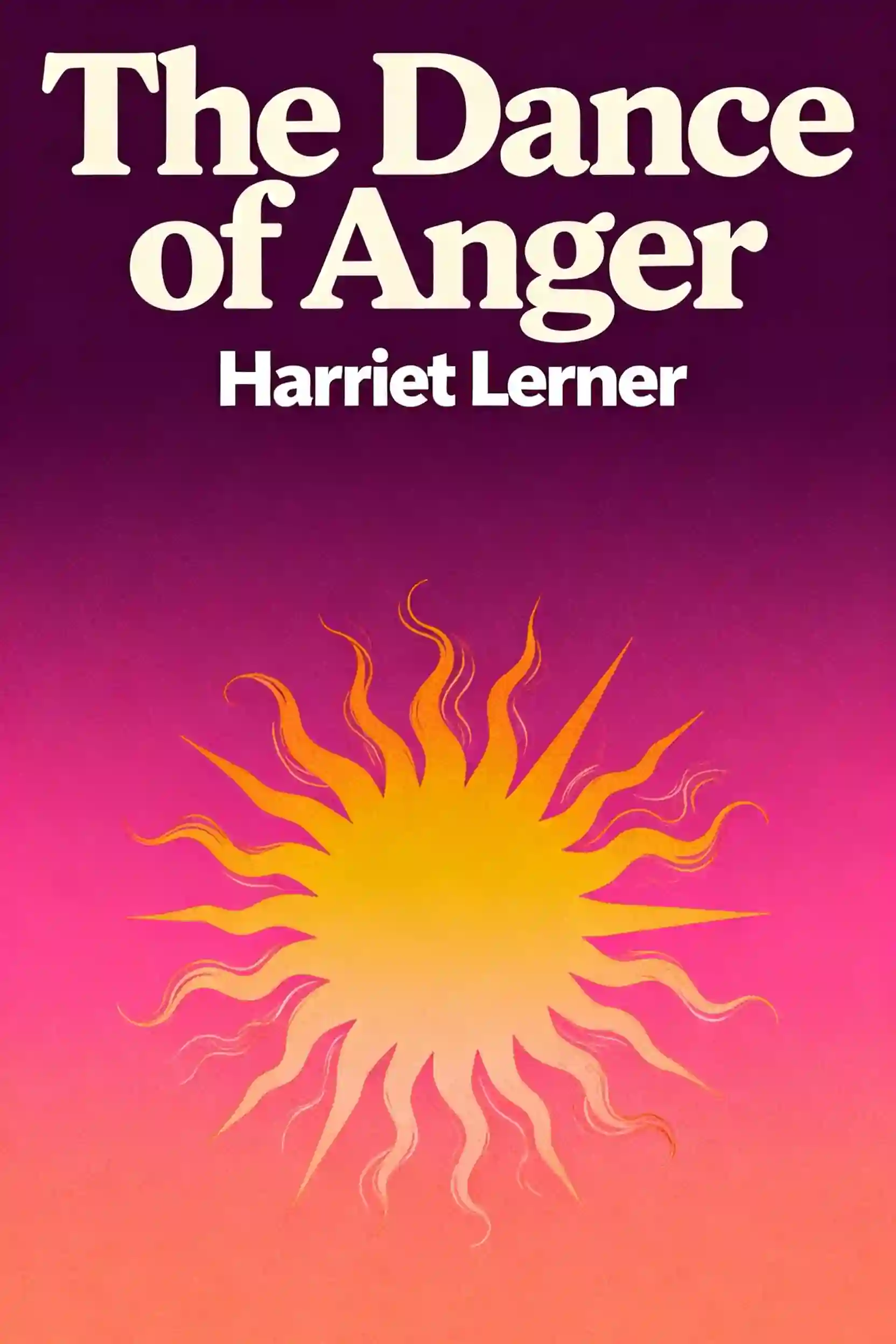
    The dance of anger
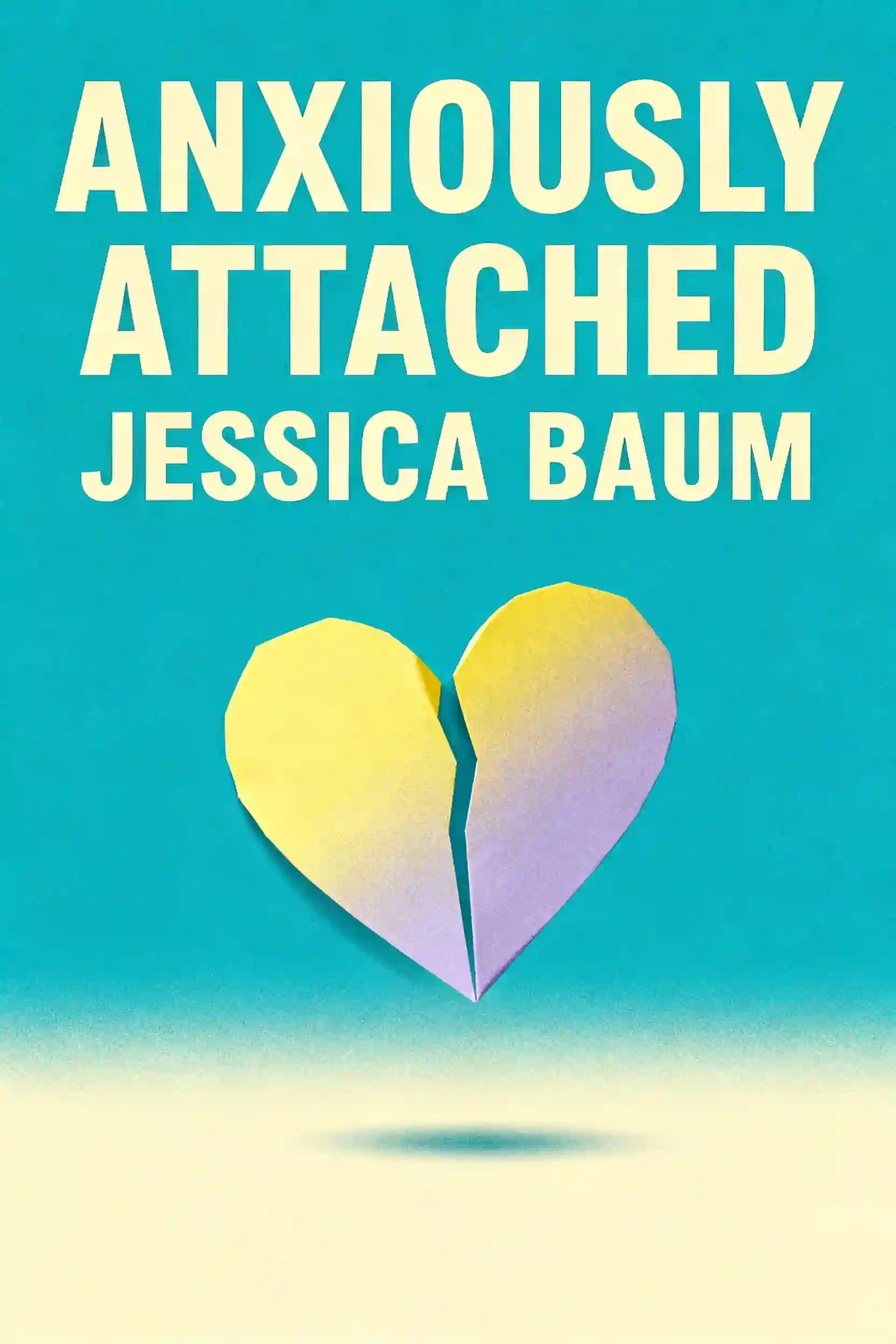
    Anxiously Attached
    Rage
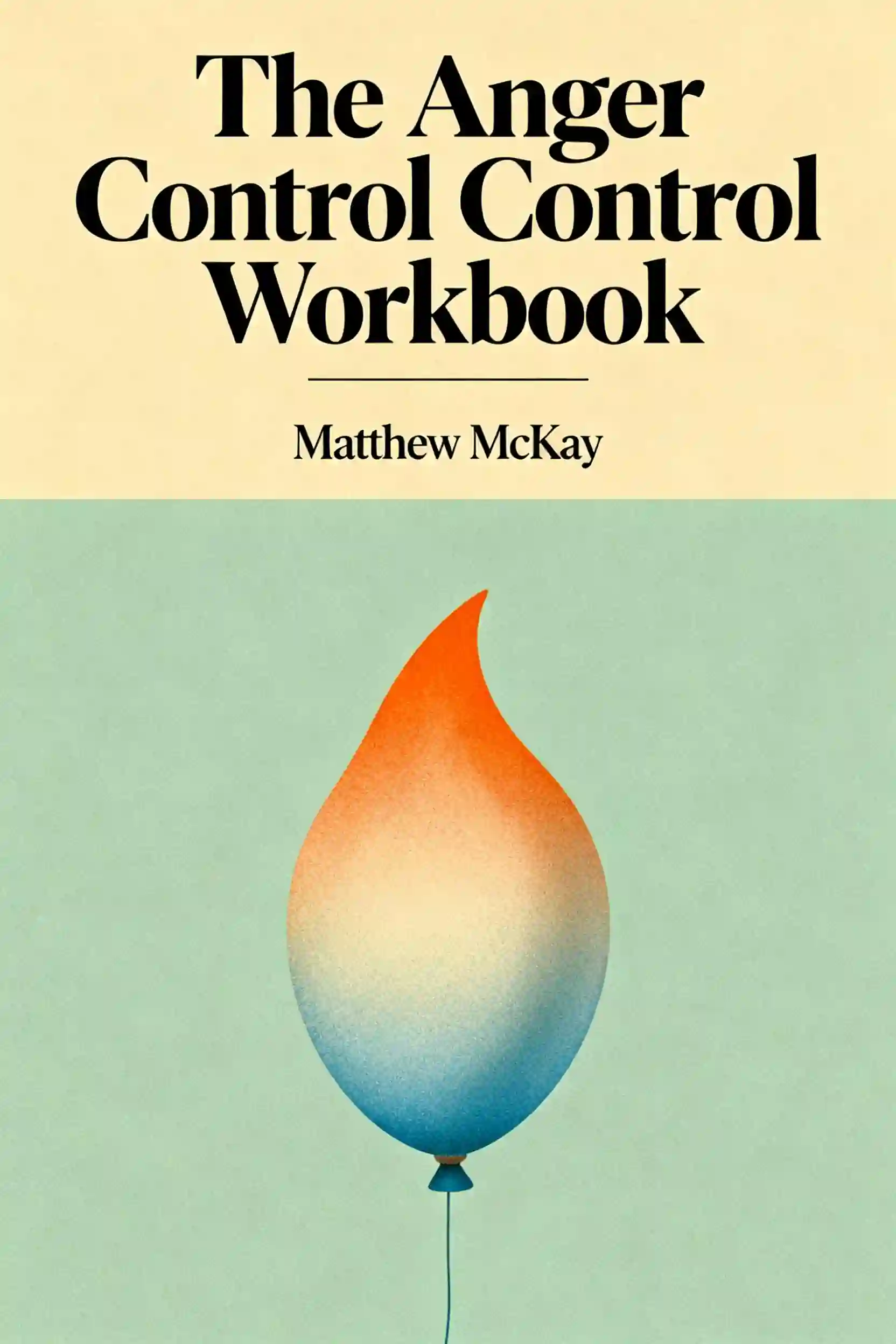
    The Anger Control Workbook
    When Anger Hurts Your Kids
    Conflict Communication

    자주 묻는 질문

    This reaction is often a biological survival instinct triggered by the amygdala, the brain's threat detector. Because humans are evolutionary social creatures, being ignored can feel like a threat to your safety, causing the brain to release cortisol and adrenaline. This leads to a "Prefrontal Cortex Hijack," where the rational part of your brain goes offline, leaving you in a fight-or-flight state. In this mode, yelling or blaming is often a "protest behavior"—a desperate, primal attempt to force a reaction and prove that the connection with your partner still exists.

    While it feels like a weapon to the person being ignored, withdrawal is often a protective "shield" for the partner doing it. They may be experiencing "flooding," a state where they are so emotionally overwhelmed that their heart rate rises and their thoughts become fuzzy. In this state, they literally cannot process further input and go numb or quiet to keep themselves from exploding. It is a mismatch of needs: one partner seeks connection to feel safe, while the other seeks physical space to feel safe.

    Protest behavior refers to the various ways people with anxious attachment styles try to re-establish a sense of security when they feel a threat of abandonment. Beyond yelling, this can include "bomb-dropping" (saying something shocking to get attention), excessive texting, withdrawing affection to see if a partner will "chase" them, or even threatening to leave the relationship. The tragic irony is that these behaviors, intended to bring a partner closer, often cause the other person to feel suffocated and pull away further.

    The first step is developing somatic awareness by noticing physical warning signs like a tight chest or clenched jaw. Once you recognize these signs, you can use the "noting" technique by silently labeling the emotion (e.g., "anger is present") to shift processing back to the rational brain. Taking slow, deliberate exhales can also signal your nervous system to calm down. This creates a "gap" of a few seconds, allowing you to choose a vulnerable "I" statement—expressing that you feel lonely or invisible—rather than an aggressive "you" statement.

    Rituals of connection are planned, calm moments used to maintain a relationship and prevent future explosions. Examples include a weekly check-in to discuss how each partner is feeling or a daily ten-minute "stress-reducing conversation" focused solely on validation. These rituals allow partners to share their triggers and "attachment wounds" when they aren't in a state of conflict. By discussing these patterns during quiet times, you can turn your partner into an ally in your healing rather than an adversary during a fight.

    컬럼비아 대학교 동문들이 제작 | 샌프란시스코에서 개발

    BeFreed는 호기심 넘치는 글로벌 커뮤니티를 하나로 연결합니다

    4.7

    평균 평점

    앱 평가 7.84천 개 이상

    BeFreed 커뮤니티

    정말이지 아직 앱을 다 써 보지도 않았는데, 며칠 써 본 것만으로도 깊은 인상을 받았어요… BeFreed는 제가 써 본 어떤 학습 앱과도 차원이 달라요. 몰입감이 엄청나고 집중력도 실제로 좋아져서, 스마트폰을 하염없이 스크롤하는 분들께 딱이에요!

    @ladyInfinity

    정확히 23일 전에 BeFreed를 구입했는데, 그날부터 하루도 빠짐없이 쓰고 있어요. 제 일상 업무 흐름과 학습 습관에 완전히 자리 잡았어요.

    @jayallen

    솔직히 이 앱은 제 기대를 전부 뛰어넘었어요. 어떤 주제든 오디오로 만들어 달라고 할 수 있고, 결과물이 놀라워요. 제 전문 분야는 심리치료 쪽이고 여러 학문이 얽혀 있는데도 답변이 아주 정확해요.

    @Raguipa

    제일 고마운 건 스크롤하는 시간이 확 줄었다는 거예요. 검색하는 시간은 줄고 흡수하는 시간은 늘었어요. 오디오북 전권, 팟캐스트, 학습 플랜의 조합이 정말 훌륭해요.

    @colonyofcreatorsNGO

    저는 24년째 PhotoReading 속진 학습 강사로 일하고 있어요… 책과 독서, 배움이 제 전문인데, BeFreed는 정보를 소화하기 쉽게 전달하는 혁신적인 방식을 정말 잘 구현했어요.

    @BeFreed user

    단순한 책 요약 앱이 아니에요. '재미' 스타일을 써 봤는데, 전통적인 방식보다 훨씬 나은 요약이고 아이디어를 이해하기도 쉬워요. 이것만으로도 값어치를 해요.

    @austinakon

    이 앱이 정말 좋아요. 며칠 써 봤는데 듣는 걸 멈출 수가 없어요. 시작하기에 이보다 좋을 수 없어요.

    @jcrules328

    정말 마음에 들어요. 한 달 정도 써 봤는데 숨은 보석을 찾은 기분이에요. BeFreed로 제가 원하는 주제를 직접 만들 수 있어서 좋고, 목소리도 훌륭한 데다 내레이션 선택지가 무궁무진해요.

    @DanielCZ

    정말이지 아직 앱을 다 써 보지도 않았는데, 며칠 써 본 것만으로도 깊은 인상을 받았어요… BeFreed는 제가 써 본 어떤 학습 앱과도 차원이 달라요. 몰입감이 엄청나고 집중력도 실제로 좋아져서, 스마트폰을 하염없이 스크롤하는 분들께 딱이에요!

    @ladyInfinity

    정확히 23일 전에 BeFreed를 구입했는데, 그날부터 하루도 빠짐없이 쓰고 있어요. 제 일상 업무 흐름과 학습 습관에 완전히 자리 잡았어요.

    @jayallen

    솔직히 이 앱은 제 기대를 전부 뛰어넘었어요. 어떤 주제든 오디오로 만들어 달라고 할 수 있고, 결과물이 놀라워요. 제 전문 분야는 심리치료 쪽이고 여러 학문이 얽혀 있는데도 답변이 아주 정확해요.

    @Raguipa

    제일 고마운 건 스크롤하는 시간이 확 줄었다는 거예요. 검색하는 시간은 줄고 흡수하는 시간은 늘었어요. 오디오북 전권, 팟캐스트, 학습 플랜의 조합이 정말 훌륭해요.

    @colonyofcreatorsNGO

    저는 24년째 PhotoReading 속진 학습 강사로 일하고 있어요… 책과 독서, 배움이 제 전문인데, BeFreed는 정보를 소화하기 쉽게 전달하는 혁신적인 방식을 정말 잘 구현했어요.

    @BeFreed user

    단순한 책 요약 앱이 아니에요. '재미' 스타일을 써 봤는데, 전통적인 방식보다 훨씬 나은 요약이고 아이디어를 이해하기도 쉬워요. 이것만으로도 값어치를 해요.

    @austinakon

    이 앱이 정말 좋아요. 며칠 써 봤는데 듣는 걸 멈출 수가 없어요. 시작하기에 이보다 좋을 수 없어요.

    @jcrules328

    정말 마음에 들어요. 한 달 정도 써 봤는데 숨은 보석을 찾은 기분이에요. BeFreed로 제가 원하는 주제를 직접 만들 수 있어서 좋고, 목소리도 훌륭한 데다 내레이션 선택지가 무궁무진해요.

    @DanielCZ

    유용한 정보와 아이디어를 8~15분짜리 팟캐스트 스타일 오디오로 압축해서 들을 수 있다는 게 정말 좋아요. 원래 팟캐스트는 군더더기가 많아서 안 좋아했는데, 여기는 그걸 싹 걷어냈어요.

    @BeFreed user

    박사 과정을 마무리하는 중이라 낯선 자료를 많이 읽어야 해요… BeFreed에서는 프롬프트만 입력하면 앱이 자료를 찾아서 오디오 팟캐스트로 만들어 줘요. BeFreed의 과정이 NotebookLM보다 더 매끄럽게 느껴져요.

    @Brad

    아침을 준비하거나 산책하거나 출퇴근할 때 들을 것을 YouTube에서 자주 찾곤 했는데, BeFreed는 광고도 군더더기도 없이 훨씬 더 딱 맞는 걸 들려줘요!

    @BeFreed user

    이 플랫폼의 가장 큰 장점은 활용도예요. 다루지 못하는 주제가 말 그대로 하나도 없어요. 무엇을 던져도 다 소화해요… 제한이 전혀 없으면서 약속을 실제로 지키는 학습 도구는 정말 드물어요.

    @jayallen

    BeFreed는 환상적이에요. 디자인이 편해서 헤매는 시간은 줄고 배우는 시간은 늘었어요. 오디오북, 팟캐스트, 학습 플랜의 조합은 천재적이에요. 제 하루가 완전히 달라졌어요.

    @BeFreed user

    처음엔 이탈리아어로 팟캐스트를 만드는 방법을 이해하는 데 시간이 좀 걸렸는데, 알고 나니까 — 와! 정말 대단해요! 어떤 주제든 설명해 달라고 하면 정말 똑똑하게 잘 설명해 줘요!

    @matteo77

    BeFreed는 제가 매일 쓰는 오디오북 앱이 됐어요… 제일 마음에 드는 건 텍스트를 넣으면 이동 중에도 들을 수 있는 오디오로 만들어 준다는 점이에요.

    @kotanzu1

    유용한 정보와 아이디어를 8~15분짜리 팟캐스트 스타일 오디오로 압축해서 들을 수 있다는 게 정말 좋아요. 원래 팟캐스트는 군더더기가 많아서 안 좋아했는데, 여기는 그걸 싹 걷어냈어요.

    @BeFreed user

    박사 과정을 마무리하는 중이라 낯선 자료를 많이 읽어야 해요… BeFreed에서는 프롬프트만 입력하면 앱이 자료를 찾아서 오디오 팟캐스트로 만들어 줘요. BeFreed의 과정이 NotebookLM보다 더 매끄럽게 느껴져요.

    @Brad

    아침을 준비하거나 산책하거나 출퇴근할 때 들을 것을 YouTube에서 자주 찾곤 했는데, BeFreed는 광고도 군더더기도 없이 훨씬 더 딱 맞는 걸 들려줘요!

    @BeFreed user

    이 플랫폼의 가장 큰 장점은 활용도예요. 다루지 못하는 주제가 말 그대로 하나도 없어요. 무엇을 던져도 다 소화해요… 제한이 전혀 없으면서 약속을 실제로 지키는 학습 도구는 정말 드물어요.

    @jayallen

    BeFreed는 환상적이에요. 디자인이 편해서 헤매는 시간은 줄고 배우는 시간은 늘었어요. 오디오북, 팟캐스트, 학습 플랜의 조합은 천재적이에요. 제 하루가 완전히 달라졌어요.

    @BeFreed user

    처음엔 이탈리아어로 팟캐스트를 만드는 방법을 이해하는 데 시간이 좀 걸렸는데, 알고 나니까 — 와! 정말 대단해요! 어떤 주제든 설명해 달라고 하면 정말 똑똑하게 잘 설명해 줘요!

    @matteo77

    BeFreed는 제가 매일 쓰는 오디오북 앱이 됐어요… 제일 마음에 드는 건 텍스트를 넣으면 이동 중에도 들을 수 있는 오디오로 만들어 준다는 점이에요.

    @kotanzu1

    웹에서 BeFreed가 어떻게 논의되고 있는지 더 보기
    129.7K19.5K
    55.2K19.2K
    154.2K10827355
    48.1K2.5K
    81.2K6.6K
    82.3K1.8K
    지금 바로 학습 여정을 시작하세요
    BeFreed 앱
    BeFreed

    무엇이든 개인화된 학습

    DiscordLinkedIn
    추천 도서 요약
    Crucial ConversationsThe Perfect MarriageInto the WildNever Split the DifferenceAttachedGood to GreatSay Nothing
    인기 카테고리
    Self HelpCommunication SkillRelationshipMindfulnessPhilosophyInspirationProductivity
    유명인 추천 도서
    Elon MuskCharlie KirkBill GatesSteve JobsAndrew HubermanJoe RoganJordan Peterson
    수상작 컬렉션
    Pulitzer PrizeNational Book AwardGoodreads Choice AwardsNobel Prize in LiteratureNew York TimesCaldecott MedalNebula Award
    추천 주제
    ManagementAmerican HistoryWarTradingStoicismAnxietySex
    연도별 베스트 도서
    2025 Best Non Fiction Books2024 Best Non Fiction Books2023 Best Non Fiction Books
    추천 저자
    Chimamanda Ngozi AdichieGeorge OrwellO. J. SimpsonBarbara O'NeillWinston ChurchillCharlie Kirk
    BeFreed vs 다른 앱
    BeFreed vs. Other Book Summary AppsBeFreed vs. ElevenReaderBeFreed vs. ReadwiseBeFreed vs. Anki
    학습 도구
    Knowledge VisualizerAI Podcast Generator
    정보
    회사 소개arrow
    가격arrow
    FAQarrow
    블로그arrow
    채용arrow
    파트너십arrow
    앰배서더 프로그램arrow
    디렉토리arrow
    BeFreed
    Try now
    © 2026 BeFreed
    이용 약관개인정보 처리방침
    BeFreed

    무엇이든 개인화된 학습

    DiscordLinkedIn
    추천 도서 요약
    Crucial ConversationsThe Perfect MarriageInto the WildNever Split the DifferenceAttachedGood to GreatSay Nothing
    인기 카테고리
    Self HelpCommunication SkillRelationshipMindfulnessPhilosophyInspirationProductivity
    유명인 추천 도서
    Elon MuskCharlie KirkBill GatesSteve JobsAndrew HubermanJoe RoganJordan Peterson
    수상작 컬렉션
    Pulitzer PrizeNational Book AwardGoodreads Choice AwardsNobel Prize in LiteratureNew York TimesCaldecott MedalNebula Award
    추천 주제
    ManagementAmerican HistoryWarTradingStoicismAnxietySex
    연도별 베스트 도서
    2025 Best Non Fiction Books2024 Best Non Fiction Books2023 Best Non Fiction Books
    학습 도구
    Knowledge VisualizerAI Podcast Generator
    추천 저자
    Chimamanda Ngozi AdichieGeorge OrwellO. J. SimpsonBarbara O'NeillWinston ChurchillCharlie Kirk
    BeFreed vs 다른 앱
    BeFreed vs. Other Book Summary AppsBeFreed vs. ElevenReaderBeFreed vs. ReadwiseBeFreed vs. Anki
    정보
    회사 소개arrow
    가격arrow
    FAQarrow
    블로그arrow
    채용arrow
    파트너십arrow
    앰배서더 프로그램arrow
    디렉토리arrow
    BeFreed
    Try now
    © 2026 BeFreed
    이용 약관개인정보 처리방침

    비슷한 콘텐츠

    When Silence Hurts: The Science of Feeling Forgotten 책 표지
    Saying 'text me when you get home' isn't politeness — it's the modern form of watching from the window - Le RaviWhy Tone and Small Signals Feel Emotionally LoadedWhen Jealousy Protects LoveWayne and Wanda: My girlfriend’s relationship with her co-worker leaves me jealous - Anchorage Daily News
    5 sources
    When Silence Hurts: The Science of Feeling Forgotten
    Digital silence and social exclusion can feel like physical pain. Understand why your brain triggers an alarm and how to regain your sense of security.
    802 min
    The Strength of Silence 책 표지
    Psychology says the classiest people don’t deal with rudeness by firing back or rising above it, they do something quieterHow to Deal with Insults | Psychology TodayHow Stoic Philosophy Makes You Immune to Insults—Without Emotional DetachmentSticks and Stones: Insults and How We React To Them - Machshava from OU - OU Torah
    5 sources
    The Strength of Silence
    When faced with a sharp insult, our instinct is to fire back. Learn how a deliberate pause shifts the power dynamic and keeps you in control.
    17 min
    Earning Back Love: The Science of Reconnection 책 표지
    The Three H’s of Relationship Support: Hear, Hug, and Help | Psychology TodayHow to Have A Stress-Reducing ConversationOwning Your Part: Self-Accountability in Relationships | Esther PerelHow to Reconnect with Your Spouse: What Attachment Science Actually Says - Figs O'Sullivan Couples Therapy
    7 sources
    Earning Back Love: The Science of Reconnection
    When silence replaces intimacy, your nervous system enters survival mode. Learn to stop the fixer reflex and use emotional responsiveness to rebuild trust.
    790 min
    Anxious Attachment and the Digital Silence 책 표지
    The Texting Anxiety Survival Guide » Thoughts On Life And Love | Mental Health TherapyWhy You Panic When Your Partner Doesn’t Text Back: Attachment Anxiety, Three-Dot Dread, and Science-Backed Coping MovesSelf-Soothing Techniques for Anxious Attachment | Sentari7 Tips to Avoid Texting Anxiety When You Have An Anxious Attachment Style - Loveful Mind
    4 sources
    Anxious Attachment and the Digital Silence
    When a text goes unanswered, your brain can trigger a survival-level panic. Learn why silence feels like a threat and how to stop the spiral.
    833 min
    Stop blowing up when people get to you 책 표지
    The Anger Control WorkbookAnger Management for DummiesWhen Anger Hurts Your KidsHow to control your anger before it controls you
    24 sources
    Stop blowing up when people get to you
    Struggling with 'emotional contagion' in heated moments? Learn how to stop the biological trap of a reaction and regain control over your responses.
    17 min
    Silent Treatment: The Hidden Relationship Killer 책 표지
    source 1source 2The Silent Treatment: Why It Hurts & How to Respond - APWhy the Silent Treatment Is Emotional Abuse
    6 sources
    Silent Treatment: The Hidden Relationship Killer
    Discover why the silent treatment is emotional abuse disguised as passive behavior, with real-world examples and practical strategies to recognize manipulation and reclaim your voice in relationships.
    20 min
    The Quiet Habit That Predicts Divorce 책 표지
    The Four Horsemen: StonewallingHelp! Someone Told Me I'm StonewallingStonewalling vs The Silent Treatment: Are They The Same?The 6 Things That Predict Divorce
    5 sources
    The Quiet Habit That Predicts Divorce
    When a partner shuts down, the silence can be more damaging than a loud argument. Learn the biology behind stonewalling and how to break the cycle.
    862 min
    Breaking the Emotional Standoff 책 표지
    Love More, Fight LessWhat Every Woman Wants in a Man/What Every Man Wants in a WomanLoving Your Spouse When You Feel Like Walking AwayBoundaries in Marriage
    25 sources
    Breaking the Emotional Standoff
    Discover why we often withhold affection when upset despite craving connection, and learn practical strategies to overcome this relationship paradox that keeps us emotionally gridlocked.
    61 min

    Recommended Learning Plans

    The Strategic Use of Silence
    학습 계획

    The Strategic Use of Silence

    This learning plan is essential for professionals and individuals navigating high-stimulus environments who feel overwhelmed by constant communication. It provides a psychological framework for reclaiming mental clarity and emotional autonomy through the disciplined practice of quiet.

    1 h 12 m•3 섹션
    Anger management
    학습 계획

    Anger management

    Uncontrolled anger can damage health and relationships, yet traditional advice often fails to address its root causes. This plan is ideal for anyone seeking to transition from reactive outbursts to mindful, constructive communication and emotional stability.

    3 h 49 m•4 섹션
    Over come anger
    학습 계획

    Over come anger

    Uncontrolled anger can damage relationships, impair decision-making, and negatively impact physical health. This learning plan provides practical strategies for anyone seeking to understand their anger triggers, develop emotional regulation skills, and create lasting change through mindfulness practices.

    4 h 24 m•4 섹션
    The Pause: Mastering Real-Time De-escalation
    학습 계획

    The Pause: Mastering Real-Time De-escalation

    This plan is essential for parents and partners who feel trapped in cycles of reactive conflict. It provides practical, body-based tools to regain control during high-stress moments and rebuild trust after arguments.

    2 h 18 m•3 섹션
    Calm in the Chaos
    학습 계획

    Calm in the Chaos

    This plan is essential for anyone struggling with reactive emotions or recurring arguments in their personal relationships. It provides a structured approach to moving from impulsive anger to mindful communication and emotional intelligence.

    1 h 30 m•3 섹션
    Break the Silence: A Roadmap to Hard Conversations
    학습 계획

    Break the Silence: A Roadmap to Hard Conversations

    Unaddressed tension erodes trust and productivity in any professional or personal environment. This plan is designed for leaders and team members who want to replace avoidance with clear, constructive communication and collaborative conflict resolution.

    2 h•4 섹션
    Stop being overlooked in social settings
    학습 계획

    Stop being overlooked in social settings

    In a world where quiet voices are often ignored, mastering social dynamics is essential for personal and professional success. This plan is designed for introverts or anyone feeling invisible who wants to build a toolkit of charisma, communication, and confidence.

    4 h 10 m•4 섹션
    Stop Pleasing and Start Speaking
    학습 계획

    Stop Pleasing and Start Speaking

    This plan is essential for high-achievers and individuals who feel drained by constant self-censorship and the need for external validation. It provides a psychological roadmap to transition from reactive compliance to proactive, boundary-led living for anyone struggling with social anxiety or passivity.

    1 h 30 m•3 섹션