BeFreed
    Categories>Psychology>Who Controls Your Mind?

    Who Controls Your Mind?

    54분
    |
    |
    2026년 2월 6일
    • Psychology
    • History & Society
    • Self-Growth

    Explore the hidden forces shaping your thoughts and behaviors, from corporate manipulation to digital algorithms. Discover how to recognize these invisible influences and reclaim your mental autonomy in an age of engineered persuasion.

    Who Controls Your Mind?
    0:00 / 0:00
    전달 방식을 선택하세요

    하나의 에피소드, 다양한 청취 방식.

    Who Controls Your Mind?의 같은 아이디어를 나에게 맞는 목소리, 깊이, 속도로 만나보세요. 언제든 바꿀 수 있습니다.

    전체 대본 및 챕터

    챕터 1

    Invisible Puppeteers of Thought

    Have you ever wondered if someone else might be pulling the strings in your mind? You're not alone. Welcome to "The Mind Behind Your Mind," where today we're diving into the fascinating and sometimes unsettling world of mind control. What if I told you that right now, in subtle ways, your thoughts and behaviors are being influenced without your awareness? From Edward Bernays' consumer manipulation techniques of the 1920s to today's sophisticated algorithms tracking your every click, the battle for your attention—and ultimately control of your decisions—has never been more intense. Whether it's social media's carefully engineered dopamine hits or search engines subtly shaping your political views, understanding these invisible influences is the first step toward reclaiming your mental autonomy. Ready to discover who's really in control?

    챕터 2

    The Architecture of Influence

    To understand how minds can be controlled, we first need to map the terrain of human psychology that makes such control possible. Your brain, for all its remarkable complexity, operates on predictable patterns that skilled influencers have learned to exploit with surgical precision.

    Consider how your mind processes information. Research reveals that you make approximately 35,000 decisions every day, yet only a fraction of these involve conscious deliberation. The vast majority happen automatically, guided by mental shortcuts psychologists call heuristics. These shortcuts evolved to help our ancestors survive—quickly distinguishing friend from foe, safe food from poison—but in our modern world, they've become vulnerabilities that others can exploit.

    The elaboration likelihood model, developed by psychologists Richard Petty and John Cacioppo, shows us exactly how this exploitation works. When you're motivated and able to think deeply about information, you take what they call the central route of persuasion. You analyze arguments, weigh evidence, consider alternatives. This is your conscious, rational mind at work. But when you're distracted, tired, or simply uninterested, you default to the peripheral route—making decisions based on superficial cues like the attractiveness of the messenger, the number of people who agree, or how confident someone sounds.

    Here's where it gets unsettling: skilled manipulators understand this dual-processing system intimately. They know exactly when to present logical arguments and when to rely on emotional triggers. A cult leader doesn't begin with outrageous demands or bizarre beliefs. Instead, they start by creating conditions that push potential recruits toward peripheral processing—through sleep deprivation, information overload, or social isolation. Once your analytical defenses are down, the real influence work begins.

    The neuroscience behind this process is equally revealing. When you're in a state of high stress or emotional arousal, your prefrontal cortex—the brain region responsible for critical thinking—literally goes offline. Blood flow shifts to more primitive areas focused on survival. In this state, you become dramatically more susceptible to suggestion and less capable of spotting logical inconsistencies or manipulative tactics.

    But influence operates on multiple levels simultaneously. While your conscious mind might be processing one message, your unconscious is absorbing dozens of others. The way information is framed, the emotional context in which it's delivered, even the physical environment where you encounter it—all of these factors shape your response in ways you rarely recognize.

    Take the phenomenon of social proof, one of the most powerful influence mechanisms ever documented. When uncertain about how to behave, you automatically look to others for guidance. This tendency is so strong that it can override your own perceptions and judgments. In Solomon Asch's famous conformity experiments, participants would deny the evidence of their own eyes rather than contradict a group consensus—even when that consensus was obviously wrong.

    Modern influencers have weaponized this tendency through sophisticated social proof manufacturing. Fake reviews, bot-generated social media engagement, and carefully orchestrated grassroots campaigns create the illusion of widespread support or opposition. Your brain, evolved to read genuine social cues, struggles to distinguish authentic consensus from manufactured agreement.

    The commitment and consistency principle adds another layer to this architecture. Once you've taken a small action or made a minor commitment, you feel psychological pressure to remain consistent with that behavior. This is why effective influence campaigns start with tiny requests—signing a petition, sharing a post, attending a meeting. Each small yes makes the next, larger request easier to accept.

    Understanding this architecture reveals a crucial truth: mind control isn't about overpowering your will through force. It's about creating conditions where your own psychological mechanisms work against your best interests. The most effective controllers never feel like controllers at all—they feel like friends, guides, or fellow travelers on a shared journey toward truth or improvement.

    이 에피소드로 더 깊이 배우기

    이 에피소드의 아이디어를 BeFreed의 가이드 학습 경험으로 더 깊이 탐구해 보세요.

    챕터 3

    The Persuasion Spectrum

    Not all influence is created equal, and understanding where persuasion ends and control begins is crucial for protecting your mental autonomy. Think of influence as existing on a spectrum—from ethical persuasion at one end to coercive control at the other, with a vast gray area in between where most real-world influence operates.

    Ethical persuasion respects your autonomy while providing information that helps you make better decisions. A doctor explaining treatment options, a teacher presenting different perspectives on a historical event, or a friend sharing their experience with a product you're considering—these all represent influence that enhances rather than diminishes your capacity for choice.

    At this end of the spectrum, the influencer's intent matters enormously. Ethical persuaders genuinely believe their recommendations serve your interests, not just their own. They provide balanced information, acknowledge limitations and alternatives, and ultimately respect your right to disagree or choose differently. The process is transparent—you know you're being persuaded and why.

    Moving along the spectrum, we encounter what researchers call "aggressive persuasion"—influence that serves the persuader's interests more than yours, but stops short of outright manipulation. Much of advertising falls into this category. Companies want to sell products, and they use sophisticated psychological techniques to make their offerings more appealing. They're not necessarily trying to harm you, but your wellbeing isn't their primary concern either.

    This middle ground becomes ethically murkier when we consider techniques like scarcity manipulation—"limited time offers" that create artificial urgency—or social proof manufacturing through fake reviews and testimonials. These tactics exploit your psychological vulnerabilities without your knowledge or consent, yet they're so commonplace that we've largely normalized them.

    The transition from persuasion to control becomes clearer when we examine the methods used and their effects on your decision-making capacity. Coercive control systematically undermines your ability to think independently, maintain relationships outside the controller's influence, or access alternative sources of information. Unlike ethical persuasion, which aims to convince you through reason and evidence, coercive control seeks to eliminate your capacity for genuine choice.

    Research on intimate partner violence has identified the key tactics of coercive control: isolation from support networks, surveillance and monitoring, micromanagement of daily activities, economic control, threats and intimidation, and the systematic undermining of your sense of reality through gaslighting. These same patterns appear in cultic groups, extremist political movements, and even some corporate environments.

    The psychological impact of moving from persuasion toward control is profound. Ethical persuasion typically enhances your sense of agency—you feel more informed and capable of making good decisions. Coercive control has the opposite effect, gradually eroding your confidence in your own judgment and increasing your dependence on the controller for guidance and validation.

    One of the most insidious aspects of this spectrum is how controllers often disguise their methods as care or concern. A cult leader doesn't present their isolation tactics as control—they frame them as protection from a dangerous, corrupt outside world. An abusive partner doesn't describe their surveillance as mistrust—they call it love and concern for your safety. This reframing makes it incredibly difficult to recognize control when you're experiencing it.

    The digital age has created new categories along this spectrum. Algorithmic influence, for instance, operates in a space between persuasion and control. Social media platforms use your behavioral data to predict and influence your future actions, often with remarkable accuracy. You're not being directly coerced, but your choices are being shaped by systems designed to maximize engagement rather than your wellbeing.

    Understanding where specific influence attempts fall on this spectrum requires examining several key factors: transparency about intent and methods, respect for your autonomy and right to refuse, the balance between the influencer's interests and yours, and the effect on your capacity for independent thought and choice. The closer an influence attempt moves toward the control end of this spectrum, the more vigilant you need to become about protecting your mental autonomy.

    챕터 4

    The Neuroscience of Susceptibility

    Your brain, despite its remarkable capabilities, contains built-in vulnerabilities that make you susceptible to influence and control. Understanding these neurological weak points is essential for recognizing when they're being exploited and developing defenses against manipulation.

    The most fundamental vulnerability lies in how your brain processes fear and stress. When you perceive a threat—whether physical, social, or psychological—your amygdala triggers a cascade of neurochemical changes designed to help you survive. Stress hormones like cortisol flood your system, heart rate increases, and blood flow shifts away from your prefrontal cortex toward more primitive brain regions focused on immediate survival responses.

    This neurological hijacking has profound implications for your decision-making capacity. The prefrontal cortex, responsible for critical thinking, planning, and impulse control, literally goes offline during high-stress states. You become more reactive, less analytical, and dramatically more susceptible to suggestion. Skilled manipulators understand this process intimately and deliberately create stressful conditions to bypass your rational defenses.

    Cult recruitment often begins with stress induction—overwhelming potential members with information, disrupting sleep patterns, or creating artificial crises that demand immediate attention. In this neurologically compromised state, people accept beliefs and make commitments they would normally reject. The stress doesn't feel artificial because the neurochemical response is genuine, even when the trigger is manufactured.

    But fear isn't the only neurological pathway to influence. Your brain's reward system, centered on the neurotransmitter dopamine, creates another avenue for control. Dopamine doesn't just signal pleasure—it drives anticipation and seeking behavior. When you expect a reward, dopamine levels spike, motivating you to take actions that might lead to that reward.

    Modern technology has weaponized this system through variable ratio reinforcement schedules—the same mechanism that makes gambling addictive. Social media notifications, for instance, arrive unpredictably, creating dopamine spikes that keep you checking your phone compulsively. Each check might bring the reward of likes, comments, or messages, but the uncertainty makes the behavior more addictive than if rewards came predictably.

    This dopamine hijacking extends far beyond social media. Multi-level marketing schemes use similar principles, creating anticipation of wealth and success while delivering rewards just often enough to maintain motivation. Political movements generate dopamine through the promise of belonging, purpose, and eventual victory over opponents. The neurochemical experience of anticipation becomes more powerful than the actual rewards received.

    Your brain's tendency toward pattern recognition creates another vulnerability. Humans excel at detecting patterns, even when none exist—a phenomenon called apophenia. This tendency helped our ancestors survive by identifying potential threats or opportunities from limited information, but it also makes you susceptible to conspiracy theories and false connections.

    Manipulative groups exploit this pattern-seeking tendency by providing frameworks that seem to explain complex, chaotic events through simple, coherent narratives. The relief your brain experiences when apparent randomness resolves into a clear pattern creates a powerful psychological reward, even when the pattern is fabricated or misleading.

    The social nature of your brain adds yet another layer of vulnerability. Mirror neurons fire both when you perform an action and when you observe others performing the same action, creating automatic empathy and behavioral mimicry. This neurological basis of social connection becomes a tool for influence when manipulators carefully model desired behaviors and emotions.

    Charismatic leaders understand how to trigger mirror neuron responses through their body language, vocal patterns, and emotional expressions. Followers unconsciously mirror these behaviors, creating a sense of connection and shared experience that feels authentic even when it's being deliberately manufactured.

    Sleep deprivation amplifies all these vulnerabilities exponentially. When you're sleep-deprived, your prefrontal cortex function degrades significantly while emotional reactivity increases. You become more impulsive, less capable of detecting deception, and more likely to make decisions you'll later regret. Many high-control groups deliberately restrict sleep as part of their influence process.

    Perhaps most concerning is how repeated exposure to influence techniques can create lasting neurological changes. Chronic stress alters brain structure, particularly in areas responsible for memory and decision-making. Prolonged isolation changes neural pathways related to social cognition. These aren't just temporary effects—they can persist long after someone escapes a controlling situation.

    Understanding these neurological realities isn't meant to make you paranoid, but rather to help you recognize when your brain might be operating in a compromised state. Awareness of your own vulnerabilities is the first step toward protecting yourself from those who would exploit them.

    이 에피소드로 더 깊이 배우기

    이 에피소드의 아이디어를 BeFreed의 가이드 학습 경험으로 더 깊이 탐구해 보세요.

    챕터 5

    Techniques of Mental Manipulation

    The toolkit of mental manipulation is vast and sophisticated, refined over decades of research and real-world application. Understanding these techniques in detail helps you recognize them when they're being used against you and others.

    One of the most fundamental techniques is environmental control—manipulating the physical and social environment to create psychological pressure. This goes far beyond simply controlling what information you can access, though that's certainly part of it. Environmental control involves creating a total atmosphere that supports the manipulator's goals while undermining your ability to think independently.

    Consider how this works in practice. Manipulative groups often control basic physical needs—when you eat, sleep, and even use the bathroom. This isn't arbitrary cruelty; it's a calculated strategy to increase stress and reduce cognitive capacity. When you're constantly worried about meeting basic needs, you have fewer mental resources available for critical thinking about the group's beliefs or practices.

    The manipulation extends to social environment as well. Controlled groups typically isolate members from outside relationships while creating intense bonding within the group. This isn't just about preventing exposure to alternative viewpoints—it's about restructuring your entire social reality so that the group becomes your only source of validation, information, and emotional support.

    Language manipulation represents another powerful technique. Manipulative groups often develop specialized vocabularies that seem to provide deeper understanding but actually limit thinking. When complex human experiences are reduced to simple labels or when normal emotions are reframed as spiritual failings or signs of weakness, your ability to process your own experience accurately becomes compromised.

    Loaded language serves multiple functions simultaneously. It creates in-group identity and belonging, makes communication with outsiders more difficult, and shapes how you interpret your own thoughts and feelings. When you learn to describe doubt as "spiritual attack" or independent thinking as "selfishness," you're being programmed to dismiss your own protective instincts.

    The technique of confession and mutual monitoring turns group members into surveillance agents for the leadership. When everyone is encouraged to share their doubts, struggles, and private thoughts with the group, several things happen simultaneously. The leadership gains detailed intelligence about each member's psychological state, individuals lose their sense of privacy and personal boundaries, and the group develops detailed knowledge about how to pressure each person most effectively.

    This mutual monitoring creates a panopticon effect—you modify your behavior because you never know when you're being watched or reported on. Over time, this external surveillance becomes internalized, and you begin monitoring and censoring yourself automatically.

    Thought-stopping techniques represent some of the most direct forms of mental manipulation. These include repetitive chanting, meditation practices designed to empty the mind, speaking in tongues, or any activity that interrupts normal cognitive processing. While some of these practices can have legitimate therapeutic or spiritual applications, in manipulative contexts they're used to prevent critical thinking about the group or its leadership.

    When combined with sleep deprivation and nutritional restriction, thought-stopping techniques can induce altered states of consciousness that feel profoundly meaningful but actually increase suggestibility and reduce analytical capacity. The euphoric or transcendent feelings produced by these states become evidence of the group's special status or the leader's power, when they're actually just predictable neurological responses to specific conditions.

    Love bombing and intermittent reinforcement work together to create powerful emotional bonds with the manipulator or group. Love bombing involves overwhelming new recruits with attention, affection, and apparent acceptance. This creates intense positive feelings and a sense of having found something special—a perfect relationship, a spiritual home, or a group of people who truly understand you.

    But love bombing is always temporary. Once you're committed to the group, the intense positive attention is replaced by intermittent reinforcement—periods of approval alternating with criticism, rejection, or punishment. This pattern is psychologically devastating because it creates trauma bonding—you become addicted to the highs while desperately working to avoid the lows.

    The manipulation of guilt and shame represents another cornerstone technique. Healthy guilt serves a social function, helping you recognize when you've violated your own values or harmed others. Manipulative groups weaponize this natural emotion by creating impossible standards, redefining normal human needs as selfish, and making you responsible for outcomes beyond your control.

    When you're made to feel guilty for having doubts, maintaining outside relationships, or failing to achieve impossible goals, your natural self-protective instincts become sources of shame rather than valuable guidance. You learn to suppress your own needs and judgment in favor of whatever will reduce the psychological pain of constant guilt and shame.

    Perhaps most insidiously, manipulative groups often present their control techniques as gifts or privileges. Surveillance becomes "caring attention," isolation becomes "protection from negative influences," and thought control becomes "spiritual discipline" or "mental training." This reframing makes it extremely difficult to recognize manipulation when you're experiencing it, because the techniques are presented as beneficial rather than controlling.

    Understanding these techniques in detail reveals an important truth: mental manipulation succeeds not through overwhelming force, but through the gradual erosion of your ability to trust your own perceptions, maintain independent relationships, and think critically about your situation. The techniques work together synergistically, each one making you more vulnerable to the others.

    챕터 6

    The Cult Recruitment Playbook

    Cult recruitment follows predictable patterns that have been refined through decades of practice and psychological research. Understanding this playbook helps you recognize when these techniques are being used, whether in obviously cultic contexts or in more mainstream situations where similar methods create unhealthy dependence and control.

    The recruitment process typically begins long before you realize you're being recruited. Skilled cult recruiters don't approach random strangers with bizarre beliefs or outrageous demands. Instead, they target people who are experiencing vulnerability—recent life transitions, personal losses, social isolation, or periods of questioning and searching for meaning.

    This targeting isn't accidental. Recruiters are trained to identify psychological vulnerability through seemingly casual conversations. They listen for mentions of recent breakups, job changes, deaths of loved ones, or expressions of dissatisfaction with current life circumstances. They pay attention to body language, emotional tone, and social cues that suggest someone might be open to new relationships or ideas.

    The initial approach feels completely natural and beneficial. A friendly stranger strikes up a conversation about shared interests. Someone at work invites you to an interesting lecture or social gathering. A neighbor mentions a group that's helped them with personal growth or spiritual development. These initial contacts are designed to feel like fortunate coincidences rather than calculated recruitment attempts.

    The early interactions focus on building rapport and identifying your specific needs and desires. Skilled recruiters are excellent listeners who make you feel heard, understood, and valued. They don't immediately try to change your beliefs or behavior. Instead, they gather intelligence about what motivates you, what you're missing in your life, and what kinds of appeals might be most effective.

    This intelligence gathering phase is crucial because it allows recruiters to customize their approach to your particular psychology. If you're lonely, they emphasize the loving community you'll find. If you're intellectually curious, they highlight the profound knowledge or understanding available. If you're struggling with purpose or meaning, they focus on the important mission or cause you could join.

    Once recruiters have identified your psychological hooks, they begin the process of creating artificial scarcity and exclusivity around what they're offering. You learn that this group, teaching, or opportunity isn't available to everyone. There might be a selection process, prerequisites you need to meet, or a limited time window for involvement. This scarcity creates urgency and makes the opportunity seem more valuable.

    The introduction to the group itself is carefully orchestrated to maximize positive first impressions. You're brought to events where the energy is high, people seem unusually happy and committed, and everything appears to run smoothly. You're introduced to articulate, attractive members who share compelling stories about how the group has transformed their lives.

    These testimonials aren't random—they're specifically chosen to resonate with your identified needs and concerns. If you're struggling with relationships, you meet people who found their soulmates in the group. If you're dealing with health issues, you encounter members who experienced miraculous healing. The stories feel authentic because they often are, but they're carefully curated to present only positive outcomes.

    During these initial exposures, you're love bombed with attention, acceptance, and validation. Group members seem genuinely interested in you as a person. They remember details about your life, ask thoughtful questions about your experiences, and express appreciation for your unique qualities and perspectives. This intense positive attention creates powerful emotional bonds and a sense of having found your tribe.

    The transition from visitor to member happens gradually through a series of escalating commitments. You're invited to attend more events, perhaps contribute small amounts of money or time, and begin adopting group practices or beliefs. Each commitment is presented as voluntary and beneficial, but together they create increasing investment in the group and isolation from outside influences.

    Information control begins subtly during this process. You're encouraged to focus on group-approved sources of information and discouraged from reading or listening to critics or former members. This isn't presented as censorship but as protection from negative influences or distractions from your spiritual or personal growth.

    The group's beliefs and practices are introduced gradually, starting with concepts that seem reasonable and beneficial. More controversial or demanding aspects are revealed only after you've developed emotional investment and social connections that make leaving psychologically difficult. This gradual revelation prevents the cognitive shock that might occur if you were exposed to the full scope of group expectations immediately.

    Throughout this process, your natural doubts and concerns are reframed as tests of your commitment, signs of spiritual attack, or evidence of conditioning from your previous life that needs to be overcome. You learn that questioning the group or its leadership represents personal weakness rather than healthy skepticism.

    The recruitment process culminates when you've restructured your life around the group to such an extent that leaving would require abandoning your primary source of identity, relationships, and meaning. At this point, recruitment transitions into retention—the ongoing process of maintaining control over members who are now psychologically and practically dependent on the group.

    Understanding this playbook reveals that cult recruitment succeeds not through deception about the group's nature, but through the systematic exploitation of normal human needs for connection, meaning, and belonging. The techniques work because they provide genuine psychological benefits—at least initially—while gradually creating dependence that becomes increasingly difficult to break.

    이 에피소드로 더 깊이 배우기

    이 에피소드의 아이디어를 BeFreed의 가이드 학습 경험으로 더 깊이 탐구해 보세요.

    챕터 7

    Digital Age Mind Control

    The digital revolution has fundamentally transformed the landscape of influence and control, creating new vulnerabilities and amplifying existing ones in ways that would have seemed like science fiction just decades ago. Today's digital manipulation operates at scales and with precision that traditional methods could never achieve.

    Your digital footprint creates an unprecedented window into your psychology. Every click, pause, scroll, and search provides data points about your interests, emotional states, vulnerabilities, and decision-making patterns. This information is collected continuously, analyzed by sophisticated algorithms, and used to predict and influence your future behavior with remarkable accuracy.

    Consider how this works in practice. Social media platforms track not just what you click on, but how long you pause before clicking, how quickly you scroll past certain content, and even how your typing patterns change when you're discussing different topics. This behavioral data reveals your emotional responses, attention patterns, and psychological triggers more accurately than traditional surveys or interviews ever could.

    The algorithms that analyze this data don't just predict what you might want to see—they actively shape what you think and feel through carefully curated content exposure. The Facebook emotional contagion experiment, conducted on nearly 700,000 users without their knowledge or consent, demonstrated that manipulating the emotional tone of news feed content could directly influence users' emotional states and posting behavior.

    This algorithmic influence operates through several sophisticated mechanisms. Filter bubbles create the illusion that your views are more widely shared than they actually are by showing you content that confirms your existing beliefs while hiding contradictory information. Echo chambers amplify this effect by connecting you primarily with people who share your perspectives, creating false consensus and making alternative viewpoints seem fringe or extreme.

    The manipulation goes deeper than just content selection. The timing of content delivery is optimized to catch you when you're most vulnerable to influence. Algorithms learn when you're likely to be tired, stressed, lonely, or bored—emotional states that increase susceptibility to persuasion. Notifications are timed to create maximum psychological impact, often interrupting other activities to capture your attention when your defenses are down.

    Micro-targeting allows manipulators to craft messages specifically for your psychological profile. Political campaigns, advertisers, and other influence operations can create thousands of different versions of the same basic message, each optimized for specific personality types, emotional states, or demographic characteristics. You might see a version designed to trigger your specific fears, hopes, or values, while someone else sees completely different messaging about the same topic.

    The speed and scale of digital manipulation create new categories of influence that didn't exist in the pre-digital world. Viral misinformation can spread faster than fact-checkers can respond, creating false beliefs that become entrenched before corrections can take effect. Coordinated inauthentic behavior—networks of fake accounts working together—can create the appearance of grassroots movements or widespread support for ideas that actually have little genuine backing.

    Deepfakes and other synthetic media are beginning to undermine the reliability of visual and audio evidence, making it increasingly difficult to distinguish authentic from manufactured content. This doesn't just create new opportunities for deception—it also undermines trust in legitimate information, creating a general skepticism that can be exploited by those who benefit from confusion and uncertainty.

    The addictive design of digital platforms creates psychological dependence that makes users more vulnerable to manipulation over time. Variable ratio reinforcement schedules, borrowed from gambling research, keep you checking your devices compulsively. The more time you spend in these controlled digital environments, the more data they collect about you and the more opportunities they have to influence your thoughts and behaviors.

    Gaming and gamification techniques turn everyday activities into addictive experiences that shape behavior through reward systems. Points, badges, streaks, and leaderboards trigger dopamine responses that motivate continued engagement even when the activities don't serve your genuine interests or wellbeing.

    The Internet of Things extends digital surveillance and influence into previously private spaces. Smart speakers, fitness trackers, home automation systems, and other connected devices collect intimate data about your daily routines, conversations, and physical activities. This information creates even more detailed psychological profiles that can be used for increasingly precise influence attempts.

    Artificial intelligence and machine learning are making digital manipulation more sophisticated and harder to detect. AI systems can analyze your communication patterns to identify optimal influence strategies, generate personalized content that feels authentic but is actually manufactured, and adapt their approaches in real-time based on your responses.

    The global reach of digital platforms means that influence operations can be conducted across national boundaries with little oversight or accountability. Foreign governments, criminal organizations, and other hostile actors can target specific populations with propaganda, disinformation, or psychological operations designed to create social division, undermine trust in institutions, or influence political outcomes.

    Perhaps most concerning is how digital manipulation often operates below the threshold of conscious awareness. Unlike traditional propaganda or advertising, which you can recognize as influence attempts, algorithmic manipulation works by gradually shifting your information environment in ways that feel natural and organic. You're not aware that your worldview is being shaped because the process happens through what appears to be your own voluntary choices about what to read, watch, and share.

    Protecting yourself in this environment requires new forms of digital literacy and conscious resistance to manipulation. Understanding how these systems work is the first step toward maintaining your autonomy in an increasingly connected world where the battle for your mind has moved into the devices you carry in your pocket.

    챕터 8

    Breaking Free from Mental Chains

    Escaping mental manipulation and control requires more than just recognizing that it's happening—it demands specific strategies for rebuilding your capacity for independent thought and reclaiming your psychological autonomy. The process is challenging because manipulation often feels like care, and breaking free can initially feel like losing something valuable rather than gaining freedom.

    The first step is developing what psychologists call metacognition—thinking about thinking. You need to become aware of your own thought processes, emotional responses, and decision-making patterns. This awareness allows you to notice when your thinking feels constrained, when your emotions seem disproportionate to circumstances, or when your choices feel limited in ways that don't make logical sense.

    Metacognitive awareness develops through practices like mindfulness meditation, journaling about your thoughts and feelings, and regularly questioning your own beliefs and assumptions. The goal isn't to become paranoid about every influence in your life, but rather to maintain conscious oversight of your own mental processes so you can detect when they're being manipulated.

    Information diversification becomes crucial for breaking out of controlled information environments. This means actively seeking out perspectives that challenge your current beliefs, reading sources that disagree with your positions, and exposing yourself to viewpoints from people with different backgrounds and experiences. The goal isn't to become confused or indecisive, but to ensure that your beliefs are based on a comprehensive understanding of available information rather than carefully curated propaganda.

    However, information diversification must be done strategically. Simply consuming more information isn't helpful if you lack the critical thinking skills to evaluate what you're reading or if you're in a psychological state that makes you vulnerable to new forms of manipulation. You need to develop media literacy skills, understand how to identify reliable sources, and learn to distinguish between evidence-based claims and emotional appeals.

    Rebuilding social connections outside of controlling relationships or groups is essential for recovery. Manipulation often succeeds by making you dependent on the manipulator for social connection, validation, and emotional support. Breaking free requires developing alternative sources of these fundamental human needs.

    This social rebuilding process can be particularly challenging because manipulation often damages your ability to trust your own judgment about people and relationships. You might find yourself either too trusting or too suspicious, unable to calibrate appropriate levels of openness and caution. Professional counseling can be invaluable during this process, particularly from therapists who understand the dynamics of psychological manipulation and control.

    Physical and emotional self-care becomes crucial during the recovery process. Manipulation often involves neglecting basic needs for sleep, nutrition, exercise, and relaxation. Your body and brain need time to heal from the chronic stress of living under psychological control. This healing process can take months or even years, and it's important to be patient with yourself during this recovery.

    Cognitive restructuring involves identifying and challenging the distorted thought patterns that manipulation creates. This might include beliefs like "I can't trust my own judgment," "I need others to tell me what's right," or "questioning authority is selfish or dangerous." These beliefs often feel true because they've been reinforced through repeated manipulation, but they're actually learned responses that can be unlearned with conscious effort.

    Setting and maintaining boundaries becomes essential for preventing future manipulation. This includes learning to say no to requests that feel uncomfortable, maintaining relationships and activities outside of any single group or influence, and trusting your instincts when something feels wrong even if you can't immediately articulate why.

    Boundary setting often feels selfish or mean when you're recovering from manipulation, because controllers typically teach that your needs and preferences are less important than group harmony or the leader's desires. Learning to prioritize your own wellbeing isn't selfishness—it's a necessary form of self-protection.

    Developing emotional regulation skills helps you respond to influence attempts from a centered, thoughtful place rather than reacting from fear, anger, or desperation. Techniques like deep breathing, progressive muscle relaxation, and grounding exercises can help you maintain emotional equilibrium when facing pressure to make quick decisions or when encountering triggering situations.

    Creating accountability systems with trusted friends, family members, or professionals can help you maintain perspective during vulnerable periods. This might involve regular check-ins about important decisions, having others review situations that feel pressured or urgent, or simply maintaining relationships with people who knew you before you became involved in controlling situations.

    The recovery process isn't linear, and setbacks are normal. You might find yourself temporarily drawn back to old patterns of thinking or even to previous controlling relationships or groups. This doesn't mean you've failed—it means you're human, and breaking free from psychological control is one of the most difficult challenges a person can face.

    Understanding that recovery is possible and that many people have successfully rebuilt their lives after escaping manipulation can provide hope during difficult periods. Your mind has remarkable capacity for healing and growth, even after experiencing significant psychological control. With time, support, and conscious effort, you can reclaim your autonomy and develop stronger defenses against future manipulation attempts.

    이 에피소드로 더 깊이 배우기

    이 에피소드의 아이디어를 BeFreed의 가이드 학습 경험으로 더 깊이 탐구해 보세요.

    챕터 9

    Protecting Your Mental Sovereignty

    Building lasting protection against manipulation requires creating robust defenses that operate automatically, even when you're tired, stressed, or emotionally vulnerable. Think of mental sovereignty like physical health—it requires ongoing maintenance and strengthening rather than one-time fixes.

    The foundation of mental sovereignty is self-knowledge. You need to understand your own psychological vulnerabilities, emotional triggers, and decision-making patterns. What makes you feel valued and accepted? What fears or insecurities could someone exploit? What kinds of appeals bypass your critical thinking? This isn't about becoming paranoid, but about knowing yourself well enough to recognize when someone is pushing your psychological buttons.

    Developing this self-awareness requires honest self-reflection and possibly feedback from trusted others who can observe your behavior patterns more objectively than you can. Keep a decision journal where you track significant choices you make and analyze what influenced those decisions. Notice when you make choices that don't align with your stated values or long-term interests, and examine what factors led to those decisions.

    Critical thinking skills form your intellectual immune system against manipulation. This includes learning to identify logical fallacies, understanding how statistics can be manipulated, recognizing emotional appeals disguised as rational arguments, and developing healthy skepticism about claims that seem too good to be true or that require immediate action without time for reflection.

    Practice applying critical thinking to information you want to believe, not just claims you're naturally suspicious of. We're all vulnerable to confirmation bias—the tendency to accept information that supports our existing beliefs while scrutinizing information that challenges them. Intellectual honesty requires subjecting your preferred conclusions to the same rigorous analysis you apply to ideas you dislike.

    Emotional intelligence and regulation create another layer of protection. Manipulators often succeed by triggering strong emotions that overwhelm rational thinking. Learning to recognize your emotional states, understand what triggers them, and maintain cognitive function even when feeling intense emotions helps you avoid making decisions from compromised mental states.

    Develop practices that help you return to emotional equilibrium when you notice you're becoming reactive. This might include taking deep breaths, excusing yourself from high-pressure situations to think privately, or using specific phrases to buy time when feeling pressured to decide quickly.

    Maintaining diverse relationships and information sources prevents any single influence from dominating your thinking. Cultivate friendships with people who have different perspectives, backgrounds, and life experiences. Read books and articles that challenge your assumptions. Engage with ideas that make you uncomfortable or that you initially want to reject.

    This diversity serves as a natural check against manipulation because it's much harder to control someone who has multiple sources of information, validation, and social connection. Manipulators often succeed by becoming your primary or only source of these fundamental needs, making you dependent on them for your sense of reality and self-worth.

    Create decision-making protocols that slow down important choices and involve consultation with trusted others. Establish rules for yourself like never making significant financial commitments on the spot, always sleeping on major life decisions, or discussing important choices with specific friends or family members before finalizing them.

    These protocols feel cumbersome when you're not being manipulated, but they become crucial safeguards when you encounter high-pressure influence attempts. Legitimate opportunities can usually wait for thoughtful consideration, while manipulation often relies on urgency and pressure to prevent careful analysis.

    Develop what researchers call "cognitive flexibility"—the ability to consider multiple perspectives and change your mind when presented with compelling evidence. Paradoxically, being willing to change your beliefs makes you less vulnerable to manipulation because you're not desperately clinging to positions that might be incorrect or incomplete.

    Practice changing your mind about small, low-stakes issues as a way of maintaining this cognitive flexibility. Notice how it feels to update your beliefs based on new information, and become comfortable with the temporary uncertainty that comes with reconsidering your positions.

    Physical and digital security practices protect the information that manipulators could use against you. Be thoughtful about what personal information you share on social media, understand the privacy settings on platforms you use, and be aware of how your digital behavior creates profiles that could be used for targeted manipulation.

    In the physical world, be cautious about sharing personal struggles, vulnerabilities, or private information with people you don't know well. Skilled manipulators are excellent at creating false intimacy that encourages premature self-disclosure, then using that information to exploit your vulnerabilities.

    Regular mental health maintenance helps you maintain the psychological resilience necessary to resist manipulation. This might include therapy, meditation, exercise, creative activities, or whatever practices help you maintain emotional balance and self-awareness. Just as physical fitness helps you resist disease, psychological fitness helps you resist manipulation.

    Finally, develop the courage to trust your instincts even when you can't immediately explain why something feels wrong. Your unconscious mind processes enormous amounts of information and often detects manipulation before your conscious mind can articulate what's happening. Learning to listen to these gut feelings, while still subjecting them to rational analysis, provides an early warning system against influence attempts.

    Remember that protecting your mental sovereignty isn't about becoming isolated or suspicious of everyone around you. It's about maintaining your capacity for genuine choice, authentic relationships, and independent thought in a world where many forces are competing for control of your attention, beliefs, and behavior.

    챕터 10

    The Future of Free Minds

    As we stand at the intersection of rapidly advancing technology and evolving understanding of human psychology, the future of mental autonomy hangs in the balance. The tools for influence and control are becoming more sophisticated, but so is our knowledge of how to protect ourselves and build resilient, independent minds.

    Artificial intelligence and machine learning are creating unprecedented capabilities for psychological manipulation. AI systems can now analyze vast amounts of behavioral data to create psychological profiles more detailed and accurate than anything previously possible. They can generate personalized content, predict individual responses to different influence attempts, and adapt their strategies in real-time based on user reactions.

    These capabilities are already being deployed in advertising, political campaigns, and social media platforms, but they represent just the beginning of what's possible. Future AI systems might be able to conduct sophisticated psychological operations at population scale, targeting millions of individuals with precisely crafted messages designed to influence their beliefs, emotions, and behaviors.

    The development of brain-computer interfaces adds another dimension to these concerns. As technology becomes more directly integrated with human cognition, the line between external influence and direct neural manipulation may begin to blur. While current brain-computer interfaces are primarily focused on medical applications, the potential for misuse in influence and control applications is significant.

    However, the same technological advances that create new vulnerabilities also offer new possibilities for protection and empowerment. AI systems could be developed to detect manipulation attempts, alert users to biased or misleading information, and help people maintain awareness of their own psychological states and decision-making processes.

    Digital literacy and critical thinking education are becoming as fundamental as traditional literacy was in previous centuries. Schools, universities, and adult education programs are beginning to teach people how to navigate digital information environments, recognize manipulation attempts, and maintain cognitive independence in an increasingly connected world.

    The development of privacy-preserving technologies offers hope for reducing the data collection that enables sophisticated manipulation. Techniques like differential privacy, homomorphic encryption, and decentralized computing could allow people to benefit from digital services without surrendering the detailed behavioral data that makes them vulnerable to psychological manipulation.

    Regulatory approaches are also evolving to address digital manipulation. Laws requiring transparency in algorithmic decision-making, restrictions on data collection and use, and protections for digital privacy could limit the ability of organizations to conduct sophisticated influence operations without user knowledge or consent.

    The growing awareness of manipulation techniques is creating a more educated and resilient population. Books, documentaries, podcasts, and educational programs are helping people understand how influence works and how to protect themselves. This knowledge is spreading through social networks and communities, creating collective resistance to manipulation attempts.

    Mental health professionals are developing new therapeutic approaches specifically designed to help people recover from psychological manipulation and build resilience against future influence attempts. These treatments incorporate understanding of modern manipulation techniques and help people develop the specific skills needed to maintain autonomy in contemporary environments.

    The future may see the emergence of new social norms and cultural values around mental autonomy and cognitive independence. Just as physical consent became a widely recognized principle governing bodily autonomy, psychological consent might become an accepted standard for mental influence attempts.

    Research into the neuroscience of influence and persuasion continues to reveal how manipulation works at the biological level, potentially leading to more effective countermeasures and protective strategies. Understanding the neural mechanisms of influence could help develop training programs, technologies, or even pharmaceutical interventions that enhance resistance to manipulation.

    The democratization of influence tools could also shift power dynamics in positive directions. As understanding of persuasion techniques becomes more widespread, individuals and communities might become more effective at advocating for their interests and resisting attempts at exploitation or control.

    However, the future isn't predetermined. The outcome of the struggle between manipulation and autonomy will depend on the choices we make individually and collectively. We need to decide what kinds of influence we consider acceptable, what protections we want to build into our technologies and institutions, and how we want to balance the benefits of connection and personalization against the risks of manipulation and control.

    The stakes of this struggle extend far beyond individual wellbeing. Democratic societies depend on citizens who can think independently, evaluate information critically, and make autonomous decisions about their lives and governance. If manipulation techniques become so sophisticated and pervasive that genuine independence becomes impossible, the foundations of free society itself could be undermined.

    But there's reason for optimism. Throughout history, humans have shown remarkable adaptability in developing defenses against new threats to their autonomy and wellbeing. The same creativity and intelligence that creates tools for manipulation can also develop tools for protection and empowerment.

    The future of free minds will be shaped by our commitment to understanding these challenges, developing effective responses, and maintaining the values of independence, critical thinking, and human dignity that make genuine freedom possible. Your awareness of these issues and your commitment to protecting your own mental sovereignty is part of building that future.

    Thank you for joining me on this exploration of the invisible forces that shape our minds. I hope this journey has given you both the knowledge and the tools you need to maintain your mental autonomy in an increasingly complex world. I'd love to hear your thoughts and experiences with these ideas—feel free to reach out and share how this conversation has influenced your own thinking about influence, control, and the precious freedom of your own mind.

    ★★★★★

    Who Controls Your Mind?의 끝까지 도달했어요

    “23일째 매일 사용하고 있어요. 이제 제 일상의 한 부분이 되었습니다.”

    jayallen

    Who Controls Your Mind? 베스트 인용

    “

    Mind control isn't about overpowering your will through force; it's about creating conditions where your own psychological mechanisms work against your best interests.

    ”
    N

    Generated by Noman

    질문 입력

    Mind control

    호스트 음성
    Jacksonplay
    지식 출처
    The Art of Seduction
    Influence Is Your Superpower
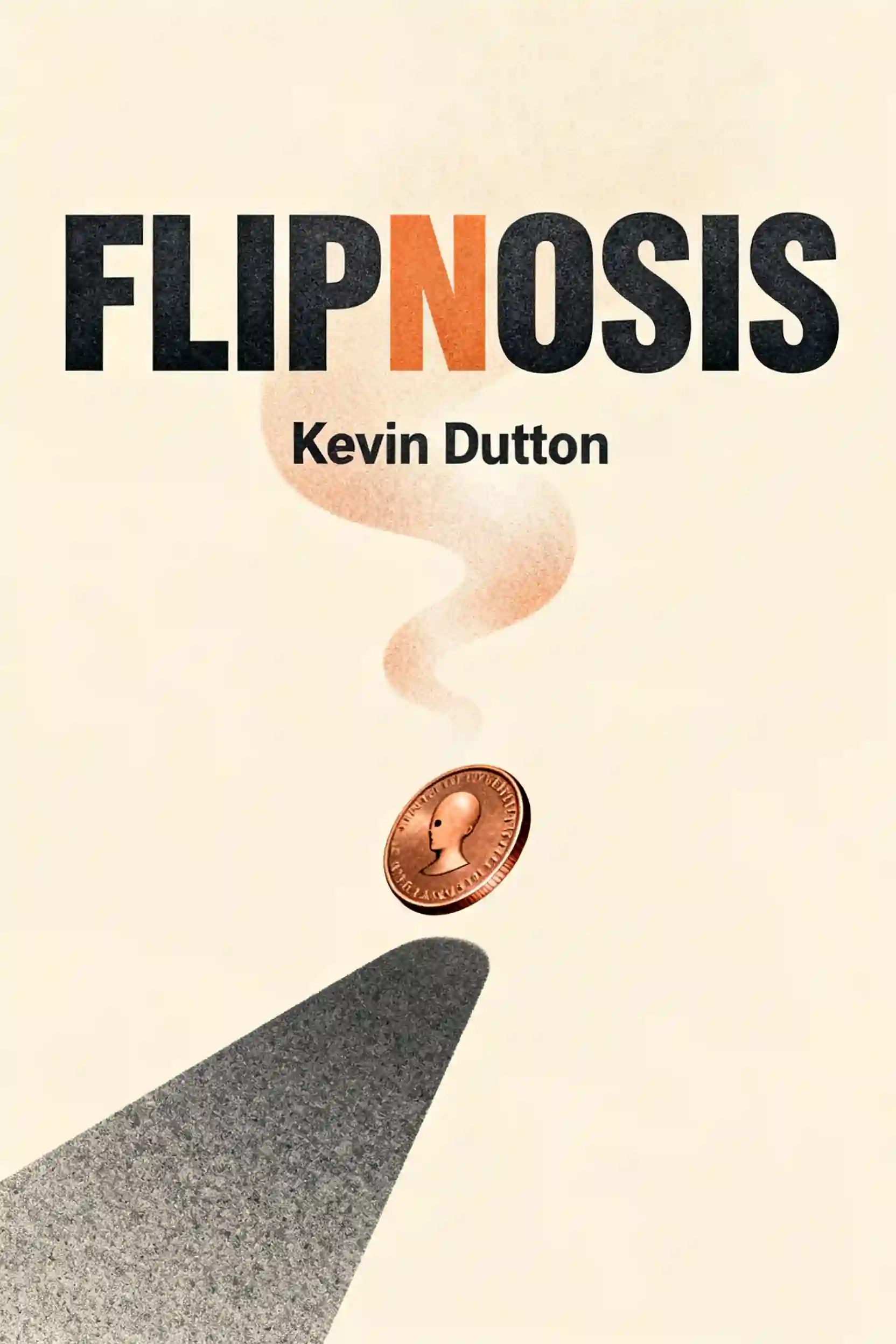
    Flipnosis
    Age of Propaganda
    The like switch
    Cultish

    컬럼비아 대학교 동문들이 제작 | 샌프란시스코에서 개발

    BeFreed는 호기심 넘치는 글로벌 커뮤니티를 하나로 연결합니다

    4.7

    평균 평점

    앱 평가 7.84천 개 이상

    BeFreed 커뮤니티

    정말이지 아직 앱을 다 써 보지도 않았는데, 며칠 써 본 것만으로도 깊은 인상을 받았어요… BeFreed는 제가 써 본 어떤 학습 앱과도 차원이 달라요. 몰입감이 엄청나고 집중력도 실제로 좋아져서, 스마트폰을 하염없이 스크롤하는 분들께 딱이에요!

    @ladyInfinity

    정확히 23일 전에 BeFreed를 구입했는데, 그날부터 하루도 빠짐없이 쓰고 있어요. 제 일상 업무 흐름과 학습 습관에 완전히 자리 잡았어요.

    @jayallen

    솔직히 이 앱은 제 기대를 전부 뛰어넘었어요. 어떤 주제든 오디오로 만들어 달라고 할 수 있고, 결과물이 놀라워요. 제 전문 분야는 심리치료 쪽이고 여러 학문이 얽혀 있는데도 답변이 아주 정확해요.

    @Raguipa

    제일 고마운 건 스크롤하는 시간이 확 줄었다는 거예요. 검색하는 시간은 줄고 흡수하는 시간은 늘었어요. 오디오북 전권, 팟캐스트, 학습 플랜의 조합이 정말 훌륭해요.

    @colonyofcreatorsNGO

    저는 24년째 PhotoReading 속진 학습 강사로 일하고 있어요… 책과 독서, 배움이 제 전문인데, BeFreed는 정보를 소화하기 쉽게 전달하는 혁신적인 방식을 정말 잘 구현했어요.

    @BeFreed user

    단순한 책 요약 앱이 아니에요. '재미' 스타일을 써 봤는데, 전통적인 방식보다 훨씬 나은 요약이고 아이디어를 이해하기도 쉬워요. 이것만으로도 값어치를 해요.

    @austinakon

    이 앱이 정말 좋아요. 며칠 써 봤는데 듣는 걸 멈출 수가 없어요. 시작하기에 이보다 좋을 수 없어요.

    @jcrules328

    정말 마음에 들어요. 한 달 정도 써 봤는데 숨은 보석을 찾은 기분이에요. BeFreed로 제가 원하는 주제를 직접 만들 수 있어서 좋고, 목소리도 훌륭한 데다 내레이션 선택지가 무궁무진해요.

    @DanielCZ

    정말이지 아직 앱을 다 써 보지도 않았는데, 며칠 써 본 것만으로도 깊은 인상을 받았어요… BeFreed는 제가 써 본 어떤 학습 앱과도 차원이 달라요. 몰입감이 엄청나고 집중력도 실제로 좋아져서, 스마트폰을 하염없이 스크롤하는 분들께 딱이에요!

    @ladyInfinity

    정확히 23일 전에 BeFreed를 구입했는데, 그날부터 하루도 빠짐없이 쓰고 있어요. 제 일상 업무 흐름과 학습 습관에 완전히 자리 잡았어요.

    @jayallen

    솔직히 이 앱은 제 기대를 전부 뛰어넘었어요. 어떤 주제든 오디오로 만들어 달라고 할 수 있고, 결과물이 놀라워요. 제 전문 분야는 심리치료 쪽이고 여러 학문이 얽혀 있는데도 답변이 아주 정확해요.

    @Raguipa

    제일 고마운 건 스크롤하는 시간이 확 줄었다는 거예요. 검색하는 시간은 줄고 흡수하는 시간은 늘었어요. 오디오북 전권, 팟캐스트, 학습 플랜의 조합이 정말 훌륭해요.

    @colonyofcreatorsNGO

    저는 24년째 PhotoReading 속진 학습 강사로 일하고 있어요… 책과 독서, 배움이 제 전문인데, BeFreed는 정보를 소화하기 쉽게 전달하는 혁신적인 방식을 정말 잘 구현했어요.

    @BeFreed user

    단순한 책 요약 앱이 아니에요. '재미' 스타일을 써 봤는데, 전통적인 방식보다 훨씬 나은 요약이고 아이디어를 이해하기도 쉬워요. 이것만으로도 값어치를 해요.

    @austinakon

    이 앱이 정말 좋아요. 며칠 써 봤는데 듣는 걸 멈출 수가 없어요. 시작하기에 이보다 좋을 수 없어요.

    @jcrules328

    정말 마음에 들어요. 한 달 정도 써 봤는데 숨은 보석을 찾은 기분이에요. BeFreed로 제가 원하는 주제를 직접 만들 수 있어서 좋고, 목소리도 훌륭한 데다 내레이션 선택지가 무궁무진해요.

    @DanielCZ

    유용한 정보와 아이디어를 8~15분짜리 팟캐스트 스타일 오디오로 압축해서 들을 수 있다는 게 정말 좋아요. 원래 팟캐스트는 군더더기가 많아서 안 좋아했는데, 여기는 그걸 싹 걷어냈어요.

    @BeFreed user

    박사 과정을 마무리하는 중이라 낯선 자료를 많이 읽어야 해요… BeFreed에서는 프롬프트만 입력하면 앱이 자료를 찾아서 오디오 팟캐스트로 만들어 줘요. BeFreed의 과정이 NotebookLM보다 더 매끄럽게 느껴져요.

    @Brad

    아침을 준비하거나 산책하거나 출퇴근할 때 들을 것을 YouTube에서 자주 찾곤 했는데, BeFreed는 광고도 군더더기도 없이 훨씬 더 딱 맞는 걸 들려줘요!

    @BeFreed user

    이 플랫폼의 가장 큰 장점은 활용도예요. 다루지 못하는 주제가 말 그대로 하나도 없어요. 무엇을 던져도 다 소화해요… 제한이 전혀 없으면서 약속을 실제로 지키는 학습 도구는 정말 드물어요.

    @jayallen

    BeFreed는 환상적이에요. 디자인이 편해서 헤매는 시간은 줄고 배우는 시간은 늘었어요. 오디오북, 팟캐스트, 학습 플랜의 조합은 천재적이에요. 제 하루가 완전히 달라졌어요.

    @BeFreed user

    처음엔 이탈리아어로 팟캐스트를 만드는 방법을 이해하는 데 시간이 좀 걸렸는데, 알고 나니까 — 와! 정말 대단해요! 어떤 주제든 설명해 달라고 하면 정말 똑똑하게 잘 설명해 줘요!

    @matteo77

    BeFreed는 제가 매일 쓰는 오디오북 앱이 됐어요… 제일 마음에 드는 건 텍스트를 넣으면 이동 중에도 들을 수 있는 오디오로 만들어 준다는 점이에요.

    @kotanzu1

    유용한 정보와 아이디어를 8~15분짜리 팟캐스트 스타일 오디오로 압축해서 들을 수 있다는 게 정말 좋아요. 원래 팟캐스트는 군더더기가 많아서 안 좋아했는데, 여기는 그걸 싹 걷어냈어요.

    @BeFreed user

    박사 과정을 마무리하는 중이라 낯선 자료를 많이 읽어야 해요… BeFreed에서는 프롬프트만 입력하면 앱이 자료를 찾아서 오디오 팟캐스트로 만들어 줘요. BeFreed의 과정이 NotebookLM보다 더 매끄럽게 느껴져요.

    @Brad

    아침을 준비하거나 산책하거나 출퇴근할 때 들을 것을 YouTube에서 자주 찾곤 했는데, BeFreed는 광고도 군더더기도 없이 훨씬 더 딱 맞는 걸 들려줘요!

    @BeFreed user

    이 플랫폼의 가장 큰 장점은 활용도예요. 다루지 못하는 주제가 말 그대로 하나도 없어요. 무엇을 던져도 다 소화해요… 제한이 전혀 없으면서 약속을 실제로 지키는 학습 도구는 정말 드물어요.

    @jayallen

    BeFreed는 환상적이에요. 디자인이 편해서 헤매는 시간은 줄고 배우는 시간은 늘었어요. 오디오북, 팟캐스트, 학습 플랜의 조합은 천재적이에요. 제 하루가 완전히 달라졌어요.

    @BeFreed user

    처음엔 이탈리아어로 팟캐스트를 만드는 방법을 이해하는 데 시간이 좀 걸렸는데, 알고 나니까 — 와! 정말 대단해요! 어떤 주제든 설명해 달라고 하면 정말 똑똑하게 잘 설명해 줘요!

    @matteo77

    BeFreed는 제가 매일 쓰는 오디오북 앱이 됐어요… 제일 마음에 드는 건 텍스트를 넣으면 이동 중에도 들을 수 있는 오디오로 만들어 준다는 점이에요.

    @kotanzu1

    웹에서 BeFreed가 어떻게 논의되고 있는지 더 보기
    129.7K19.5K
    55.2K19.2K
    154.2K10827355
    48.1K2.5K
    81.2K6.6K
    82.3K1.8K
    지금 바로 학습 여정을 시작하세요
    BeFreed 앱
    BeFreed

    무엇이든 개인화된 학습

    DiscordLinkedIn
    추천 도서 요약
    Crucial ConversationsThe Perfect MarriageInto the WildNever Split the DifferenceAttachedGood to GreatSay Nothing
    인기 카테고리
    Self HelpCommunication SkillRelationshipMindfulnessPhilosophyInspirationProductivity
    유명인 추천 도서
    Elon MuskCharlie KirkBill GatesSteve JobsAndrew HubermanJoe RoganJordan Peterson
    수상작 컬렉션
    Pulitzer PrizeNational Book AwardGoodreads Choice AwardsNobel Prize in LiteratureNew York TimesCaldecott MedalNebula Award
    추천 주제
    ManagementAmerican HistoryWarTradingStoicismAnxietySex
    연도별 베스트 도서
    2025 Best Non Fiction Books2024 Best Non Fiction Books2023 Best Non Fiction Books
    추천 저자
    Chimamanda Ngozi AdichieGeorge OrwellO. J. SimpsonBarbara O'NeillWinston ChurchillCharlie Kirk
    BeFreed vs 다른 앱
    BeFreed vs. Other Book Summary AppsBeFreed vs. ElevenReaderBeFreed vs. ReadwiseBeFreed vs. Anki
    학습 도구
    Knowledge VisualizerAI Podcast Generator
    정보
    회사 소개arrow
    가격arrow
    FAQarrow
    블로그arrow
    채용arrow
    파트너십arrow
    앰배서더 프로그램arrow
    디렉토리arrow
    BeFreed
    Try now
    © 2026 BeFreed
    이용 약관개인정보 처리방침
    BeFreed

    무엇이든 개인화된 학습

    DiscordLinkedIn
    추천 도서 요약
    Crucial ConversationsThe Perfect MarriageInto the WildNever Split the DifferenceAttachedGood to GreatSay Nothing
    인기 카테고리
    Self HelpCommunication SkillRelationshipMindfulnessPhilosophyInspirationProductivity
    유명인 추천 도서
    Elon MuskCharlie KirkBill GatesSteve JobsAndrew HubermanJoe RoganJordan Peterson
    수상작 컬렉션
    Pulitzer PrizeNational Book AwardGoodreads Choice AwardsNobel Prize in LiteratureNew York TimesCaldecott MedalNebula Award
    추천 주제
    ManagementAmerican HistoryWarTradingStoicismAnxietySex
    연도별 베스트 도서
    2025 Best Non Fiction Books2024 Best Non Fiction Books2023 Best Non Fiction Books
    학습 도구
    Knowledge VisualizerAI Podcast Generator
    추천 저자
    Chimamanda Ngozi AdichieGeorge OrwellO. J. SimpsonBarbara O'NeillWinston ChurchillCharlie Kirk
    BeFreed vs 다른 앱
    BeFreed vs. Other Book Summary AppsBeFreed vs. ElevenReaderBeFreed vs. ReadwiseBeFreed vs. Anki
    정보
    회사 소개arrow
    가격arrow
    FAQarrow
    블로그arrow
    채용arrow
    파트너십arrow
    앰배서더 프로그램arrow
    디렉토리arrow
    BeFreed
    Try now
    © 2026 BeFreed
    이용 약관개인정보 처리방침

    비슷한 콘텐츠

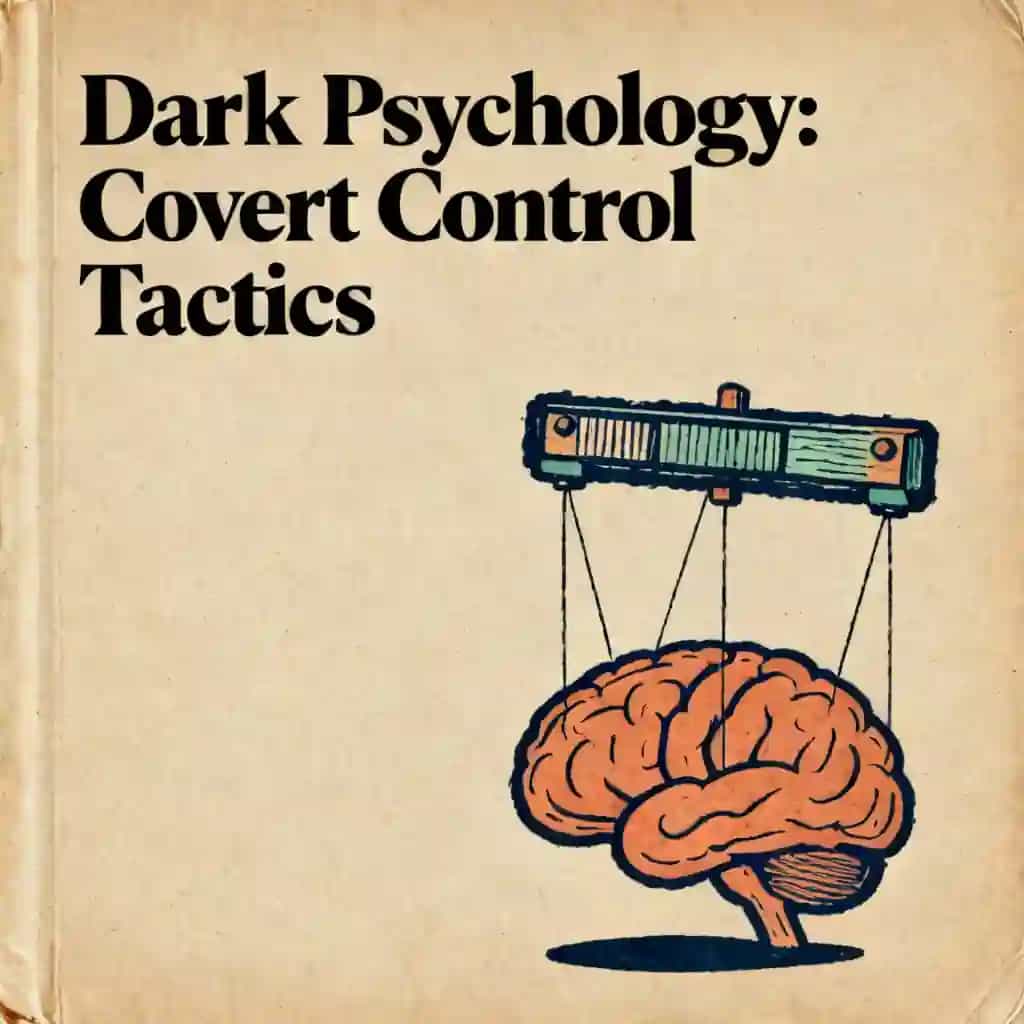
    Dark Psychology: Hidden Mind Control Tactics 책 표지
    FlipnosisThe Art of SeductionHow to Analyze PeopleInfluence is Your Superpower
    18 sources
    Dark Psychology: Hidden Mind Control Tactics
    Uncover the covert manipulation techniques used to control your thoughts and decisions without you realizing it. Learn to recognize and defend against psychological weapons designed to hijack your mind.
    22 min
    Neuro Cognitive Override: Mind Control Secrets 책 표지
    source 1source 2The Neuroscience of PersuasionSubliminal Priming-State of the Art and Future Perspectives
    6 sources
    Neuro Cognitive Override: Mind Control Secrets
    Discover how your brain gets hijacked by influence techniques you never see coming. Learn the neuroscience behind subliminal persuasion, cognitive manipulation, and how to rewire your mind for protection.
    9 min
    The Invisible Government: Who Shapes Your Mind 책 표지
    Google Drive PDF
    1 source
    The Invisible Government: Who Shapes Your Mind
    We think our choices are our own, but unseen forces often guide them. Discover how public opinion is managed and learn to spot the wires being pulled.
    20 min
    Mastering Your Thoughts: The Science of Mental Control 책 표지
    Who Switched Off My Brain?You Are Not Your BrainThe CBT Workbook for Mental HealthYour Erroneous Zones
    26 sources
    Mastering Your Thoughts: The Science of Mental Control
    Discover how to break free from automatic thinking patterns and gain real control over your mental chatter. Learn science-backed techniques to observe your thoughts rather than be swept away by them.
    42 min
    The Invisible Battlefield: Dark Psychology and Mind Control Tactics 책 표지
    Influence: The Psychology of Persuasion (New & Expanded)Pre-SuasionThe 48 Laws of Power
    27 sources
    The Invisible Battlefield: Dark Psychology and Mind Control Tactics
    BeFreed
    Discover how your brain is manipulated daily through dark psychology tactics. From Cialdini's influence principles to AI persuasion techniques, this episode unpacks research from 'Thinking, Fast and Slow,' 'Influence,' and studies by Google's Jigsaw team to help you build your psychological immune system against invisible manipulation.
    13 min
    The Hidden Puppet Strings of Your Mind 책 표지
    source 1source 2source 3source 4
    6 sources
    The Hidden Puppet Strings of Your Mind
    Discover the systematic mental glitches that control your decisions without you realizing it. From confirmation bias to loss aversion, learn how cognitive biases shape everything from relationships to investments-and practical strategies to think more clearly.
    23 min
    The Hidden Hand: Decoding the Psychology of Manipulation 책 표지
    The Art of SeductionFlipnosisInfluence is Your SuperpowerEmotional Blackmail
    27 sources
    The Hidden Hand: Decoding the Psychology of Manipulation
    Explore the thin line between healthy persuasion and psychological control. This episode uncovers the subtle tactics used to distort reality and provides tools to build your mental firewall.
    32 min
    The Hidden Architecture of Human Control 책 표지
    source 1source 2source 3A classification of manipulation technique used in social engineering attacks and underlying cognitive biases, needs, norms, and emotions
    6 sources
    The Hidden Architecture of Human Control
    Explore the sophisticated world of manipulation techniques-from emotional blackmail to propaganda-and learn practical defenses to protect your autonomy in an influence-saturated world.
    13 min

    Recommended Learning Plans

    The Mechanics of Mind Control
    학습 계획

    The Mechanics of Mind Control

    In an era of digital manipulation, understanding the intersection of psychology and cybersecurity is essential for personal and professional defense. This plan is ideal for security professionals, leaders, and anyone looking to safeguard themselves against psychological exploitation and social engineering.

    1 h 45 m•3 섹션
    The Psychology of Everyday Mind Tricks
    학습 계획

    The Psychology of Everyday Mind Tricks

    In an era of digital manipulation and complex social dynamics, understanding the hidden forces of the mind is essential for clear thinking. This plan is ideal for professionals and social navigators looking to sharpen their influence, emotional intelligence, and critical thinking skills.

    2 h 18 m•3 섹션
    Study MKUltra and manipulation techniques
    학습 계획

    Study MKUltra and manipulation techniques

    Understanding the history of mind control and the mechanics of influence is essential for maintaining psychological autonomy in an age of mass persuasion. This plan is ideal for students of psychology, history buffs, or anyone seeking to build a robust defense against manipulative social dynamics.

    4 h 54 m•4 섹션
    Mind Control and Persuasion Mechanics
    학습 계획

    Mind Control and Persuasion Mechanics

    This plan is essential for professionals in sales, leadership, or negotiations who need to master the art of influence. It provides a deep dive into psychological triggers and non-verbal communication to help you navigate complex social dynamics effectively.

    1 h 36 m•4 섹션
    The Counter-Manipulation Strategist
    학습 계획

    The Counter-Manipulation Strategist

    In an era of subtle influence, understanding the mechanics of psychological control is essential for maintaining personal autonomy. This plan is designed for professionals and individuals seeking to safeguard their mental space against predatory behavior and emotional tactics.

    1 h 45 m•3 섹션
    The Hidden Drivers of Choice
    학습 계획

    The Hidden Drivers of Choice

    In an era of information overload, understanding the subconscious mechanics of our minds is essential for effective leadership and personal growth. This plan is ideal for professionals and lifelong learners who want to reclaim their autonomy from social pressures and cognitive biases.

    2 h•4 섹션
    Cognitive thinking and manipulation
    학습 계획

    Cognitive thinking and manipulation

    In an era of information warfare and constant persuasion, mastering your own cognitive architecture is a vital survival skill. This plan is designed for professionals and leaders who need to sharpen their decision-making while protecting themselves from sophisticated psychological manipulation.

    4 h 58 m•4 섹션
    Understand & influence human decision-making
    학습 계획

    Understand & influence human decision-making

    In an era of information overload, understanding the hidden mechanics of the mind is a critical competitive advantage. This plan is ideal for leaders, marketers, and designers looking to leverage behavioral science to drive better results and ethical engagement.

    4 h 40 m•4 섹션