BeFreed
    Categories>Psychology>The Secret Science of Infidelity

    The Secret Science of Infidelity

    47분
    |
    |
    2026년 1월 4일
    • Psychology
    • Relationships
    • History & Society

    Explore research showing 25% of marriages experience infidelity, with unfaithful partners using an average of seven different deception strategies simultaneously. From digital evidence removal to introducing affairs as 'friends'.

    The Secret Science of Infidelity
    0:00 / 0:00
    전달 방식을 선택하세요

    하나의 에피소드, 다양한 청취 방식.

    The Secret Science of Infidelity의 같은 아이디어를 나에게 맞는 목소리, 깊이, 속도로 만나보세요. 언제든 바꿀 수 있습니다.

    전체 대본 및 챕터

    챕터 1

    The Hidden Science of Infidelity

    Lena: Hey there, Miles! I've been thinking about something that's been bothering me lately. You know how people are always curious about infidelity in relationships? Well, I've been wondering - is there actual research on how common cheating is, and how people manage to hide it?

    Miles: Oh, absolutely! It's one of those topics that fascinates people because it touches on trust, deception, and human nature. And you'd be surprised by the research. According to studies, about 2-4% of people in committed relationships had an affair within the last year alone, and across a lifetime, about a quarter of marriages include some form of infidelity.

    Lena: Wait, that many? That's actually higher than I would have guessed. What about all the ways people try to hide their affairs? I mean, that must take a lot of effort, right?

    Miles: It really does! There was this fascinating study from Greece that identified 11 different strategies people use to hide their affairs. The most common one is simply being discreet about communications and meetings. But get this - most people don't just use one strategy. The research found that unfaithful partners typically employ at least seven different strategies simultaneously!

    Lena: Seven different strategies? That's... actually kind of impressive in a terrible way. It sounds like people put more effort into hiding affairs than maintaining their actual relationships sometimes.

    Miles: Exactly! And what's particularly interesting is how these strategies have evolved with technology. From removing digital evidence to creating separate email accounts or even introducing their affair partner to their spouse as a "friend" to throw off suspicion. Let's explore what the research tells us about why people cheat in the first place and the emotional aftermath that follows.

    챕터 2

    The Psychology Behind the Betrayal

    Miles: So here's where it gets really interesting, Lena. The research shows that infidelity isn't just about sex or lust like most people assume. In fact, studies reveal that most motivations for cheating are actually not solely about physical desire at all.

    Lena: Really? That's surprising. So what is driving people to cheat then?

    Miles: Well, it turns out there are some fascinating psychological patterns. One major factor is attachment style—basically how we learned to connect with others in our early relationships. People with what researchers call "insecure attachment" are significantly more prone to infidelity. There's this meta-analysis that looked at over 13,000 participants and found that both high anxiety and high avoidance in attachment were strongly linked to cheating.

    Lena: Can you break that down a bit more? What does that actually look like in practice?

    Miles: Absolutely. So people with anxious attachment—they're the ones who fear abandonment constantly. They might cheat as a desperate bid for reassurance or because they're terrified their partner will cheat first. It's like a preemptive strike born out of insecurity. On the flip side, you have avoidantly attached people who fear intimacy itself. For them, an affair might be a way to maintain emotional distance or create an exit strategy from getting too close.

    Lena: That's fascinating. So it's almost like their childhood experiences are setting them up for these patterns decades later?

    Miles: Exactly right! And then there are the personality factors. The research consistently shows that certain traits make someone more likely to stray. People who score low on conscientiousness—meaning they're more disorganized, careless, less goal-oriented—they're at higher risk. Same with people high in neuroticism, those prone to anxiety and emotional instability.

    Lena: I'm sensing a pattern here. It sounds like people who are struggling emotionally or psychologically are more vulnerable to making these choices.

    Miles: You've hit the nail on the head. And here's something really striking—the research shows that people with what psychologists call "Dark Triad" personality traits are much more likely to engage in infidelity. We're talking about Machiavellianism, narcissism, and psychopathy. These are people who tend to manipulate others, lack empathy, or feel entitled to whatever they want.

    Lena: Okay, but what about regular people? I mean, most people who cheat aren't psychopaths, right?

    Miles: Absolutely not! Most infidelity happens to ordinary people facing ordinary stresses. And this is where the research gets really compelling. There's this pattern that emerges again and again—infidelity often follows what researchers call "stressful life events." We're talking about things like a new baby, job loss, caring for aging parents, major career pressures.

    Lena: So stress is like a gateway to infidelity?

    Miles: It's more nuanced than that. Stress doesn't directly cause cheating, but it creates conditions that make it more likely. When people are overwhelmed, they tend to turn inward rather than toward their partners. There's this concept called "proximity-seeking"—our natural instinct to reach for comfort when we're scared or in pain. But when your partner feels emotionally distant or unavailable, that system short-circuits.

    Lena: That makes sense. So instead of getting comfort from their partner, they might seek it elsewhere?

    Miles: Exactly. And here's what's really interesting—the research shows that stress doesn't just make people emotionally vulnerable. It actually changes how they treat the people they love. When both partners are stressed, they're running on empty. They desperately need emotional support but lack the energy to give it. Stress turns our gaze inward, making our partner's needs feel like just another demand.

    Lena: So it's like a perfect storm—you need support the most when you're least able to provide it to your partner.

    Miles: That's a perfect way to put it! And the research backs this up. Studies show that after people experience unpredictable stress, they're less likely to help others and more likely to act aggressively—not because they don't care, but because they're maxed out. Their perspective narrows, empathy shrinks, and that assumption of goodwill starts to fade.

    Lena: This is painting such a different picture than the typical narrative about infidelity. It's not just about bad people making selfish choices.

    Miles: Right! The research reveals that many affairs actually function as a maladaptive coping mechanism. People aren't necessarily trying to blow up their marriages—they're trying not to disappear under the weight of their own lives. One study found that affairs often provide emotional escape, a break from feeling like a failure, and a temporary boost to self-esteem.

    Lena: But obviously that backfires, right?

    Miles: Spectacularly. Because while the affair might provide temporary relief, it never addresses the real problem—the stress, the disconnection, the unmet needs. Instead, it compounds everything with betrayal, guilt, and the destruction of trust. The very thing that made someone feel whole again becomes the thing that breaks them.

    이 에피소드로 더 깊이 배우기

    이 에피소드의 아이디어를 BeFreed의 가이드 학습 경험으로 더 깊이 탐구해 보세요.

    챕터 3

    When Life Becomes the Enemy of Love

    Lena: You know what's really striking me about all this research, Miles? It sounds like infidelity often starts way before anyone actually crosses a line. Like there's this slow erosion happening.

    Miles: Absolutely! The research shows there's typically a long season of stress before any affair ever happens. It's not this sudden explosion of passion—it's more like a gradual emotional drought. And it often starts with something as simple as two people looking at each other across the kitchen table and realizing they haven't really seen each other in weeks.

    Lena: That's such a haunting image. So what does that erosion actually look like day to day?

    Miles: Well, the studies reveal some really specific patterns. Conversations shrink down to logistics—who's picking up the kids, what bills need paying, whether someone remembered to schedule that appointment. The research calls this "emotional disconnection," and it's one of the strongest predictors of infidelity. People stop sharing jokes, stop asking about each other's days in any meaningful way.

    Lena: And I imagine that creates this sense of loneliness even when you're living with someone?

    Miles: Exactly! There's this fascinating study that looked at how couples operate under stress, and it found two major shifts that happen. First, there's increased need for support but decreased ability to give it. Second, stress makes people self-focused rather than partner-focused. When you're overwhelmed, your partner's needs start feeling like just another item on an impossible to-do list.

    Lena: So even in loving relationships, stress can make partners feel like strangers?

    Miles: That's exactly right. And here's what's particularly insidious about this process—it's often invisible. The research shows that couples can be functioning perfectly well on the surface. They're not fighting much, they're handling their responsibilities, they look fine to the outside world. But underneath, they've stopped really seeing each other.

    Lena: It's like they're coworkers in the business of running a household rather than intimate partners.

    Miles: Perfect analogy! And this is where the vulnerability to infidelity really develops. The research shows that when emotional safety erodes in a relationship, people start looking elsewhere—not necessarily for sex, but for that feeling of being seen, valued, interesting. Someone who remembers their name, asks about their day, laughs at their jokes.

    Lena: So the affair partner isn't necessarily more attractive or better in some objective way—they're just paying attention?

    Miles: Bingo! The studies reveal that affairs often begin with what feels like proof that you still matter to someone. It might be a colleague who remembers your birthday when your spouse forgot, or an old friend who sends a "thinking of you" text that lands like a thunderclap in your emotionally starved life.

    Lena: That's actually really sad when you think about it. People are so hungry for basic recognition and care.

    Miles: It is sad. And the research shows this pattern over and over—the affair isn't really about the other person initially. It's about rediscovering yourself as someone worth paying attention to. One woman in a study put it perfectly: "I wasn't looking for someone else. I was looking for myself. He just happened to be there when I found him."

    Lena: But obviously this creates its own problems, right? Because now you're living a double life.

    Miles: Absolutely. The research reveals that maintaining an affair requires enormous effort. Remember those eleven strategies we mentioned earlier? People are essentially running two separate relationships, which means constant vigilance, elaborate cover stories, and managing the cognitive dissonance of loving someone while lying to them daily.

    Lena: And I imagine that takes a psychological toll on everyone involved.

    Miles: Huge toll. Studies show that even the person having the affair often experiences guilt, anxiety, and what researchers call "betrayal trauma"—they're traumatizing themselves by violating their own values. Meanwhile, they're often becoming more distant from their primary partner, creating even more of the disconnection that led to the affair in the first place.

    Lena: So it becomes this vicious cycle where the solution makes the original problem worse.

    Miles: Exactly! And this is where the research gets really important for understanding prevention. Because if we know that emotional disconnection and unmanaged stress are major risk factors, then we can actually do something about those things before they escalate into betrayal.

    챕터 4

    The Gender Divide in Betrayal

    Lena: Okay, so we've talked about the general patterns, but I'm curious—does the research show differences in how men and women approach infidelity? Because I feel like there are a lot of stereotypes floating around about this.

    Miles: Oh, there are definitely some fascinating gender patterns in the research, though they're more nuanced than the typical stereotypes suggest. Let's start with the basic numbers. Studies consistently show that men report higher rates of infidelity than women. In one meta-analysis of married couples, about 31% of men versus 16% of women admitted to a sexual affair.

    Lena: That's a pretty significant gap. But I'm wondering if there's some underreporting happening there?

    Miles: You're absolutely right to question that. The research suggests women are more likely to hide infidelity due to greater social stigma, so the actual gap might be smaller than reported. But even accounting for that, there do seem to be some real differences in motivation and behavior.

    Lena: What kinds of differences are we talking about?

    Miles: Well, the studies show that men are more likely to cheat for sexual reasons or out of what researchers call "opportunism." They're more driven by desire for sexual variety and novelty. Women, on the other hand, are more likely to cheat due to emotional or relational dissatisfaction—feeling neglected, lonely, or emotionally unsupported by their primary partner.

    Lena: So it's not quite "men cheat for sex, women cheat for love," but there's some truth to that pattern?

    Miles: There's some truth, but it's more complicated. Here's what's really interesting—there was this large multinational study that found both men and women often prioritize physical attraction in their affair partners while valuing their primary partners for stability and parenting. So both sexes might be engaging in what researchers call a "dual-mating strategy."

    Lena: Can you explain what that means exactly?

    Miles: Sure! The idea is that people might seek different qualities from different partners. So a woman might have an affair with someone she finds physically exciting or genetically appealing, while staying with her husband because he's a good provider and co-parent. Men might do something similar—seeking sexual excitement elsewhere while valuing their wife for emotional support and family stability.

    Lena: That's fascinating. It suggests people are compartmentalizing different needs rather than looking for one person to meet everything.

    Miles: Exactly! And this challenges some evolutionary theories that suggested women were trying to "trade up" to better long-term partners through affairs. The research actually found little evidence that women generally see their affair partners as superior long-term mates. They're not necessarily trying to replace their primary partner.

    Lena: What about the whole revenge affair thing? I feel like that comes up a lot.

    Miles: Great question! The research shows women are disproportionately represented among those who cite revenge as a motive for infidelity. If a woman discovers her partner cheated, she's much more likely to have a retaliatory affair to "get even" or reassert some sense of power. In one study, women were over three times more likely than men to mention their partner's affair as a motivator for their own cheating.

    Lena: Interesting. So women might be less likely to cheat proactively but more likely to cheat reactively?

    Miles: That seems to be one pattern, yes. Men appear more likely to stray opportunistically, while women might need more of a catalyst—whether that's emotional neglect or retaliation for a partner's betrayal.

    Lena: What about the emotional component? Are women's affairs typically more emotionally involved?

    Miles: The research does suggest that women are somewhat more prone to develop strong feelings for their affair partners or even envision a future with them. A subset of women in studies report that they "fell in love" with the other person and considered leaving their primary partner. Men more often compartmentalize the affair as "just sex" and don't intend to end their marriage.

    Lena: But that must make discovery and recovery more complicated for women's affairs, right?

    Miles: Absolutely. When there's genuine emotional entanglement, it's not as simple as "it meant nothing." The betrayed partner has to grapple with the fact that their spouse developed real feelings for someone else, which can feel like a deeper betrayal than purely physical infidelity.

    Lena: Speaking of discovery, are there gender differences in how people react when they find out their partner cheated?

    Miles: Yes! This is one of the most robust findings in the research. Men tend to be more upset by a partner's sexual infidelity, while women are more upset by emotional infidelity. About half of men rate sexual cheating as worse, while about 80% of women rate emotional cheating as worse in forced-choice scenarios.

    Lena: Why do you think that is?

    Miles: Evolutionary theorists explain it in terms of different adaptive concerns. Men might be more concerned about sexual fidelity because of paternity uncertainty—they don't want to unknowingly raise another man's child. Women might be more concerned about emotional fidelity because they're worried about losing their partner's support and resources to someone else.

    Lena: That makes sense from a historical survival perspective. But what does this mean for modern relationships?

    Miles: Well, it highlights that emotional affairs can be just as damaging as sexual ones, if not more so, particularly from the female partner's perspective. It also suggests that prevention strategies might need to be tailored differently—focusing on emotional connection and intimacy, not just sexual exclusivity.

    이 에피소드로 더 깊이 배우기

    이 에피소드의 아이디어를 BeFreed의 가이드 학습 경험으로 더 깊이 탐구해 보세요.

    챕터 5

    The Anatomy of Deception

    Lena: Miles, I keep coming back to something that really struck me from the research—the fact that people use an average of seven different strategies to hide their affairs. That level of systematic deception is almost... impressive in a disturbing way.

    Miles: It really is! The Greek study that identified those strategies found that hiding an affair becomes like a full-time job. And what's fascinating is how strategic and methodical people become about it. The most common approach is what researchers call "being discreet"—being intentional about communications and meetings to limit discovery.

    Lena: But that's just the beginning, right? What are some of the other strategies?

    Miles: Oh, it gets much more elaborate. The second most common strategy is removing digital evidence—deleting text messages, clearing browser histories, signing out of social media accounts. Then there's maintaining the same routine and behavior patterns so nothing seems suspicious to their partner.

    Lena: So they're essentially performing their normal relationship while living this secret life?

    Miles: Exactly! And the research shows they get really sophisticated about it. They'll use friends as alibis—sometimes the friends know, sometimes they don't. They'll lock all their technology and change passwords. Some even go as far as hiring private investigators to spy on their own partners to stay one step ahead.

    Lena: Wait, they hire investigators to spy on their own partners? That seems incredibly paranoid.

    Miles: It does, but think about it from their perspective—they're living in constant fear of discovery. The research shows that one strategy is to introduce the affair partner to the spouse as a "friend" or colleague. By actively defining the relationship, they're trying to control their partner's awareness and divert suspicion.

    Lena: That's particularly manipulative because it involves the innocent spouse in their own deception.

    Miles: Absolutely. And here's something really interesting—the research found that some cheating partners actually increase attention and affection toward their primary partner as a cover strategy. They shower them with love and gifts to throw off suspicion.

    Lena: So the spouse might actually feel like things are going well in the relationship while being betrayed?

    Miles: Exactly! It's this cruel irony where the person being cheated on might be thinking, "My partner has been so attentive lately," not realizing it's guilt-driven overcompensation. The research shows this creates a particularly devastating form of betrayal because the deception runs so deep.

    Lena: What about technology? I imagine that's created new opportunities for both cheating and hiding it.

    Miles: Technology has completely revolutionized infidelity. The research shows people create fake social media profiles, open new email accounts their partners don't know about, use messaging apps that automatically delete conversations. Some even maintain separate phones specifically for their affairs.

    Lena: And I suppose social media makes it easier to reconnect with old flames or meet new people?

    Miles: Absolutely. Studies show that platforms like Facebook have created what researchers call an "opportunity-rich environment" for infidelity. You're constantly exposed to potential partners, you can communicate privately, and it's easy to rationalize innocent interactions that gradually become less innocent.

    Lena: But all this deception must take an enormous psychological toll, right?

    Miles: The research definitely supports that. People living double lives report high levels of stress, anxiety, and what psychologists call "cognitive dissonance"—the mental discomfort of holding contradictory beliefs or behaviors. They love their spouse but they're lying to them daily. They want to be honest but they're terrified of the consequences.

    Lena: And I imagine that stress affects their behavior in ways that might actually make them more likely to get caught?

    Miles: You're absolutely right! The research shows that maintaining elaborate deceptions often leads to slip-ups. People forget which story they told to whom, they get sloppy with their digital evidence, or they start acting differently under the pressure. It's like trying to juggle while walking a tightrope—eventually, something's going to drop.

    Lena: What about the detection side? If people are using all these strategies to hide affairs, what are the partners doing to catch them?

    Miles: Great question! The same research team identified strategies people use to detect infidelity, and it's like a counter-intelligence operation. The most common detection strategy is observing changes in behavior—noting if a partner starts paying more attention to their appearance, changing their habits, or becoming more distant.

    Lena: So it becomes this arms race between concealment and detection?

    Miles: Exactly! People confront their partners directly and watch their reactions for signs of lying. They check up on their partner's whereabouts, search through their belongings, even use technology to spy on them. The research found that people typically use multiple detection strategies simultaneously, just like the cheating partners use multiple concealment strategies.

    Lena: It sounds exhausting for everyone involved. Like both sides are constantly vigilant and suspicious.

    Miles: It really is. And what's tragic is that all this energy spent on deception and detection could be channeled into actually fixing the underlying relationship problems that often lead to infidelity in the first place.

    챕터 6

    When the House of Cards Collapses

    Lena: So we've talked about how affairs start and how people hide them, but what happens when the inevitable discovery occurs? Because the research suggests most affairs eventually come to light, right?

    Miles: Unfortunately, yes. Despite all those elaborate concealment strategies we discussed, the research shows that secrecy rarely lasts indefinitely. And when discovery happens, it's absolutely devastating for everyone involved. Psychologist Jennifer Freyd coined the term "betrayal trauma" to describe this particular kind of pain.

    Lena: What makes betrayal trauma different from other kinds of emotional pain?

    Miles: What's particularly cruel about betrayal trauma is that the person who hurts you is also the person your brain is wired to run to for comfort. It creates this impossible psychological bind—you need support to heal from trauma, but your primary source of support is also the source of your trauma.

    Lena: That sounds like it would completely scramble someone's sense of reality.

    Miles: That's exactly what happens! The research shows that betrayal doesn't just break your heart—it breaks your brain's ability to process reality. People describe looking at their entire relationship history like a crime scene. Every memory becomes suspect. Every smile, every "I love you," every quiet Tuesday afternoon—they start wondering what was real and what was performance.

    Lena: And I imagine the physical symptoms are pretty intense too?

    Miles: Absolutely. The brain responds like it would to any trauma. People become hypervigilant—every glance, every phone notification, every shift in tone feels like it might contain another bomb. They get flashbacks to moments that now have new, painful meanings. Some people feel numb, others swing wildly between sobbing and rage.

    Lena: What about the person who cheated? The research must show they suffer too, right?

    Miles: They do, especially if they still love the person they hurt. The research shows that guilt transforms into shame, which becomes self-loathing. They're haunted by the question of how they became the villain in their own love story. Many describe feeling like they're watching their life collapse from the outside, powerless to stop it.

    Lena: So it's traumatic for both partners, just in different ways.

    Miles: Exactly. And this is where the research on recovery becomes so important. Because contrary to popular belief, many couples do survive infidelity. Statistics suggest around 60-75% of couples remain together after infidelity is revealed, though the quality of those relationships varies widely.

    Lena: What determines whether a couple can actually rebuild versus just staying together out of inertia or fear?

    Miles: The research shows that successful recovery depends heavily on the unfaithful partner's response to discovery. If they minimize the betrayal, blame their partner, or continue lying, recovery is nearly impossible. But if they take full responsibility, show genuine remorse, and commit to transparency, healing becomes possible.

    Lena: What does that transparency actually look like in practice?

    Miles: Complete openness about everything—where they've been, who they've talked to, what they've done. Many couples find that the unfaithful partner needs to surrender privacy temporarily. That might mean sharing passwords, checking in frequently, or allowing their partner to verify their whereabouts. It sounds controlling, but the research shows it's often necessary to rebuild trust.

    Lena: And what about the betrayed partner? What do they need to do for recovery?

    Miles: This is tricky because the betrayed partner is the victim, but the research shows that recovery requires them to eventually move from victim to survivor. That doesn't mean forgetting or minimizing what happened, but it means choosing to engage in the rebuilding process rather than staying stuck in the trauma response.

    Lena: How long does this recovery process typically take?

    Miles: The research suggests it's usually measured in years, not months. Most experts say it takes at least two to five years to fully rebuild trust and intimacy after infidelity. And that's assuming both partners are fully committed to the work and probably getting professional help.

    Lena: What about the couples who do make it through? Are they stronger for having survived it?

    Miles: This is one of the most surprising findings in the research. Many couples who successfully recover report that their post-affair relationship feels deeper and more authentic than what they had before. They describe it like a house that burned down and got rebuilt without the secret cracks in the foundation.

    Lena: That's fascinating. So the crisis forces them to address underlying issues they'd been avoiding?

    Miles: Exactly! The affair becomes a wake-up call that their relationship was already in trouble. Recovery requires them to figure out not just how to forgive the betrayal, but how to build the kind of relationship where both partners feel seen, valued, and emotionally connected.

    Lena: But I imagine not everyone is willing or able to do that work.

    Miles: Right. The research shows that recovery requires what therapists call "earned security"—the unfaithful partner has to earn back trust through consistent actions over time, and the betrayed partner has to be willing to gradually open their heart again despite the risk of being hurt again.

    이 에피소드로 더 깊이 배우기

    이 에피소드의 아이디어를 BeFreed의 가이드 학습 경험으로 더 깊이 탐구해 보세요.

    챕터 7

    The Evolutionary Dance of Desire and Deception

    Lena: Miles, I want to dig into something that's been nagging at me throughout this conversation. If infidelity causes so much pain and damage, why does it seem to be such a persistent part of human behavior across cultures and throughout history?

    Miles: That's such an important question, Lena! The research suggests we need to look at this from an evolutionary perspective to really understand it. Infidelity appears to be what scientists call a "human universal"—it shows up in virtually every culture that's been studied, which suggests there might be some deeper biological or evolutionary drivers at work.

    Lena: So you're saying we might be biologically wired for infidelity? That seems like a pretty depressing view of human nature.

    Miles: Not exactly wired for it, but the research suggests we evolved with competing drives that can create vulnerability to infidelity under certain circumstances. On one hand, humans clearly evolved strong pair-bonding instincts—we form deep, lasting emotional connections with romantic partners. But we also seem to have retained some capacity for what researchers call "extra-pair mating" under specific conditions.

    Lena: What kind of conditions are we talking about?

    Miles: Well, from an evolutionary perspective, there are scenarios where seeking additional partners might have provided survival or reproductive advantages for our ancestors. For men, the logic is pretty straightforward—having multiple partners could potentially increase the number of offspring. But for women, it's more complex and interesting.

    Lena: How so?

    Miles: The research points to what's called the "dual-mating hypothesis." The idea is that women might sometimes benefit from having both a committed partner who provides resources and protection, and access to other men with superior genetic qualities. It's like getting the best of both worlds—good genes for your children and reliable support for raising them.

    Lena: That sounds pretty calculated when you put it that way.

    Miles: Right, but remember this would all be happening at a subconscious level. The research shows that women who have affairs do tend to rate their affair partners as more physically attractive, while they view their primary partners as better providers and co-parents. It's not conscious strategy—it's more like competing psychological systems.

    Lena: What about that other hypothesis you mentioned—mate switching?

    Miles: Ah yes! The mate-switching hypothesis suggests that affairs might sometimes function as a way to "trade up" to a better long-term partner. The idea is that you use the affair to test out a potential replacement while keeping your current relationship as a safety net.

    Lena: But didn't you say earlier that the research found women weren't generally trying to replace their primary partners?

    Miles: Exactly! That's what makes this so fascinating. The recent large-scale study found little evidence that women see their affair partners as superior long-term mates overall. Most weren't trying to replace their husbands—they were compartmentalizing different needs and desires.

    Lena: So it's more about the dual-mating strategy than mate-switching?

    Miles: That seems to be what the current research supports, yes. And here's something really interesting—the study found that men might also be engaging in this dual strategy. Men often prioritized physical attraction in affair partners while valuing their wives for emotional support and parenting, sometimes even more than women did.

    Lena: So both sexes might be unconsciously seeking different qualities from different people?

    Miles: That's what the evidence suggests. But here's the crucial point—just because we might have evolved with these capacities doesn't mean we're destined to use them. As one researcher put it, "humans evolved to cheat, but that doesn't mean we should, and most people don't."

    Lena: Right, because evolution is descriptive, not prescriptive. It explains what we're capable of, not what we ought to do.

    Miles: Exactly! And the research shows that our evolutionary inheritance is actually more complex than just a drive to cheat. We also evolved powerful psychological mechanisms for detecting infidelity, experiencing jealousy, and forming deep pair bonds. It's like we have competing systems that can be activated under different circumstances.

    Lena: So what determines which system gets activated?

    Miles: Great question! The research suggests it depends on factors like relationship satisfaction, stress levels, opportunity, individual personality traits, and cultural norms. When people feel emotionally connected and fulfilled in their primary relationship, the pair-bonding system tends to dominate. But when there's disconnection, unmet needs, or high stress, people become more vulnerable to the extra-pair mating system.

    Lena: That brings us back to those relationship factors we talked about earlier—emotional neglect, poor communication, unmanaged stress.

    Miles: Exactly! Understanding the evolutionary backdrop helps explain why these relationship factors are so important. We're not slaves to our biology, but we ignore it at our peril. The research shows that couples who understand these competing drives can actually use that knowledge to strengthen their relationships.

    Lena: How so?

    Miles: Well, if you know that humans have a capacity for attraction to others, you can discuss that openly with your partner rather than pretending it doesn't exist. If you understand that stress and disconnection create vulnerability, you can prioritize emotional intimacy and communication. You're working with your psychology rather than against it.

    Lena: So it's about being realistic about human nature while still choosing to honor your commitments?

    Miles: That's beautifully put! The research suggests that the strongest relationships are those where partners acknowledge the reality of temptation and competing desires, but choose to channel their energy into building something better together rather than seeking it elsewhere.

    챕터 8

    The Technology Revolution in Modern Affairs

    Lena: Miles, we touched on this earlier, but I want to dive deeper into how technology has completely transformed the landscape of infidelity. Because it seems like digital communication has created both new opportunities for affairs and new ways to get caught.

    Miles: Absolutely! Technology has fundamentally changed the game in ways that previous generations couldn't have imagined. The research shows that platforms like social media, dating apps, and messaging services have created what experts call an "opportunity-rich environment" for infidelity. You're constantly exposed to potential partners, you can communicate privately, and it's incredibly easy to reconnect with people from your past.

    Lena: And I imagine the privacy of digital communication makes it feel safer to cross boundaries?

    Miles: That's exactly right. The research reveals that many affairs now begin with what seems like innocent digital interaction—a Facebook message, a LinkedIn connection, a casual comment on Instagram. People can rationalize these interactions as harmless because they're "just online," but studies show they often escalate gradually into emotional and eventually physical affairs.

    Lena: What about dating apps? Those must have made it incredibly easy to find affair partners.

    Miles: The impact has been enormous. Dating apps provide instant access to thousands of potential partners, often with minimal effort or social risk. The research shows that married people increasingly use these platforms, sometimes being upfront about their status, sometimes concealing it entirely.

    Lena: Speaking of concealing status, didn't you mention earlier that there are gender differences in how people handle disclosure?

    Miles: Yes! There was this fascinating study that looked specifically at this question. They found that women in committed relationships were more likely to reveal their relationship status to potential affair partners, while men were more likely to conceal it. The theory is that for women, being "taken" might actually appeal to men's evolved preference for short-term mating without commitment.

    Lena: And men hide their status because...?

    Miles: Because a committed man would be less able to provide the time, commitment, and resources that women typically prefer. If a woman knew he was married, she might be less interested because she'd realize she couldn't get his full investment.

    Lena: That's such a strategic way of thinking about deception. But let's talk about the flip side—how has technology made it easier to detect affairs?

    Miles: Oh, technology has created a massive trail of digital evidence that didn't exist before. Text messages, email histories, social media interactions, location data from phones, browser histories, app usage—it's all there. The research shows that digital evidence has become one of the primary ways affairs are discovered.

    Lena: So while technology makes affairs easier to start, it also makes them harder to hide?

    Miles: Exactly! And this has led to increasingly sophisticated concealment strategies. The research identified things like creating fake social media profiles, using messaging apps that automatically delete conversations, maintaining separate phones or email accounts, and being extremely careful about digital footprints.

    Lena: It sounds like people are becoming amateur spies in their own relationships.

    Miles: That's not far off! Both the cheating and the detection have become incredibly sophisticated. People use location spoofing apps to fake where they are, they clear their browser histories obsessively, they communicate through seemingly innocent platforms like gaming apps or work software.

    Lena: And what about the people trying to catch them?

    Miles: The research shows they're getting equally creative. Partners might secretly install tracking software, create fake profiles to test their spouse's fidelity, hire tech-savvy private investigators, or use recovery software to find deleted messages. It's become this technological arms race.

    Lena: That level of surveillance and counter-surveillance sounds incredibly toxic for relationships.

    Miles: It really is. The research suggests that when couples reach that level of digital warfare, the relationship is usually already severely damaged, regardless of whether infidelity is actually occurring. The trust has eroded to the point where both partners are treating each other like adversaries rather than teammates.

    Lena: What about social media specifically? How has that changed the nature of affairs?

    Miles: Social media has created new categories of infidelity that didn't exist before. There's emotional cheating through private messaging, there's the phenomenon of "micro-cheating" through likes and comments, there are online emotional affairs that never become physical but involve deep intimate connection with someone other than your partner.

    Lena: And I imagine the public nature of social media creates new forms of jealousy and suspicion?

    Miles: Absolutely! The research shows that social media has made relationships more transparent in some ways but also more anxiety-provoking. Partners can see who their spouse is interacting with, but they can also see every attractive person who likes their posts or comments on their photos. It's created new triggers for jealousy and new opportunities for misunderstanding.

    Lena: What about the role of pornography and online sexual content? How does that factor into modern infidelity?

    Miles: That's become a major source of conflict in relationships. Some couples consider pornography use a form of infidelity, while others don't. The research shows there's huge variation in what people consider crossing the line—from looking at pornography to engaging with cam performers to having cybersex with real people.

    Lena: So technology has made the boundaries of fidelity much more complicated to define?

    Miles: Exactly! Couples today have to navigate questions that previous generations never faced: Is it cheating to have an emotional affair that exists only online? What about sexting with someone you've never met in person? Is it infidelity to maintain a dating app profile "just for validation" without meeting anyone?

    Lena: It sounds like couples need to have much more explicit conversations about boundaries than they used to.

    Miles: That's exactly what the research suggests. The old assumptions about what constitutes fidelity aren't sufficient anymore. Couples need to actively discuss and agree on digital boundaries—what apps are okay to use, what kinds of interactions are acceptable, how much privacy each person gets with their devices.

    이 에피소드로 더 깊이 배우기

    이 에피소드의 아이디어를 BeFreed의 가이드 학습 경험으로 더 깊이 탐구해 보세요.

    챕터 9

    Building Affair-Proof Relationships

    Lena: Alright Miles, we've covered a lot of ground about why affairs happen and how devastating they can be. But I want to focus on the hopeful side—what does the research tell us about preventing infidelity in the first place? Because prevention has to be better than trying to recover from betrayal.

    Miles: Absolutely! And the good news is that the research provides really clear guidance on building what we might call "affair-resistant" relationships. It starts with understanding that no relationship is 100% affair-proof—we're all human—but there are evidence-based strategies that dramatically reduce the risk.

    Lena: So what's the foundation? Where do couples start?

    Miles: The research shows it actually starts before you even get married or commit—with partner selection and values alignment. Studies consistently find that infidelity is less likely when couples are well-matched in personality, expectations, and beliefs about fidelity. You need to have explicit conversations about what monogamy means to both of you.

    Lena: What kind of conversations are we talking about?

    Miles: Really specific ones! Things like: Are we both committed to complete sexual exclusivity? What counts as a betrayal for us? Is watching pornography okay? What about having close friendships with people we're attracted to? The research shows that couples who share similar attitudes about sex and fidelity have much lower rates of infidelity.

    Lena: So you're saying couples need to get granular about boundaries rather than just assuming they're on the same page?

    Miles: Exactly! And this needs to be an ongoing conversation, not just something you discuss once and never revisit. The research shows that regularly reaffirming your commitment and discussing boundaries helps strengthen what psychologists call the "psychological barrier" against cheating.

    Lena: What about the day-to-day relationship maintenance? What does the research say about that?

    Miles: This is huge. Since emotional dissatisfaction is one of the top triggers for infidelity, continuously investing in emotional intimacy is like insurance against affairs. The research shows this means making time to really talk and listen, showing appreciation and affection daily, and being responsive to each other's needs.

    Lena: Can you give some specific examples of what that looks like?

    Miles: Sure! Simple things like checking in about each other's day—not just logistics, but feelings and experiences. Expressing gratitude regularly. Offering support during stress. Having regular date nights or quality time together. The research shows that couples who report high relationship satisfaction have significantly lower rates of infidelity.

    Lena: What about the sexual component? I imagine that's important for prevention too.

    Miles: Absolutely crucial. The research consistently links sexual dissatisfaction with higher infidelity risk. But this doesn't mean you need movie-scene passion every night. It means communicating openly about your sexual needs, being willing to address problems like mismatched libidos or sexual dysfunction, and keeping physical intimacy a priority even when life gets busy.

    Lena: And what about managing stress? Because we talked earlier about how stress creates vulnerability to affairs.

    Miles: This is so important! The research shows that couples should strive to be each other's primary support system. When your partner is going through a tough time—job loss, depression, family stress—that's when you need to step up your emotional support, not withdraw from each other.

    Lena: But what if both partners are stressed simultaneously? That seems like it would be really challenging.

    Miles: It is challenging, but the research suggests that's when couples need to be most intentional about supporting each other. It might mean explicitly scheduling time to talk, seeking outside help through therapy or counseling, or temporarily adjusting expectations while you get through the crisis together.

    Lena: What about accountability and transparency? How does that factor into prevention?

    Miles: The research shows that couples with strong relationships tend to be naturally transparent with each other—not because they're policing each other, but because they want to share their lives. This might mean being open about attractions you feel to other people, discussing situations that could be risky, or agreeing on boundaries around things like business travel or social media use.

    Lena: That sounds like it requires a lot of trust and maturity to discuss attractions openly.

    Miles: It does, but the research suggests it's much healthier than pretending attractions don't exist. When couples can say things like, "I noticed I felt a spark with that new coworker and it made me uncomfortable," they can address it together rather than letting it fester in secret.

    Lena: What about practical strategies? Are there concrete things couples can do to reduce opportunity for infidelity?

    Miles: Definitely. The research shows that avoiding high-risk situations is important—things like excessive drinking without your partner present, maintaining inappropriate friendships with people you're attracted to, or putting yourself in situations where boundaries could easily be crossed. It's about being proactive rather than reactive.

    Lena: And what role does professional help play in prevention?

    Miles: Huge role! The research shows that couples who engage in therapy or relationship education to strengthen their bond significantly reduce their risk of infidelity. Think of it like preventive maintenance—you service your car to prevent breakdowns, so why not invest in your relationship's health before problems arise?

    Lena: So the key is being intentional and proactive rather than just hoping for the best?

    Miles: Exactly! The research makes it clear that strong, faithful relationships don't happen by accident. They require ongoing investment, honest communication, and a willingness to address problems before they escalate into crises. But the good news is that couples who do this work report not just lower infidelity rates, but higher overall relationship satisfaction and intimacy.

    챕터 10

    The Path Forward

    Lena: Miles, as we wrap up this deep dive into the research on infidelity, I'm struck by how complex and nuanced this topic really is. It's not just about "good people" versus "bad people," is it?

    Miles: Not at all, Lena. What the research reveals is that infidelity is fundamentally about human psychology, relationship dynamics, and the challenges of maintaining connection in an increasingly complex world. Most people who cheat aren't monsters—they're ordinary people who found themselves in circumstances that overwhelmed their coping abilities and moral frameworks.

    Lena: And that's actually hopeful in a way, because if we understand the risk factors and warning signs, we can do something about them before they lead to betrayal.

    Miles: Exactly! The research gives us a roadmap for both prevention and recovery. We know that emotional disconnection, unmanaged stress, insecure attachment patterns, and lack of communication create vulnerability. We also know that couples who prioritize emotional intimacy, maintain open communication, and address problems proactively have much lower rates of infidelity.

    Lena: What would you say is the most important takeaway for our listeners who want to protect their relationships?

    Miles: I think it's this: infidelity doesn't usually happen overnight. There's typically a long erosion of connection that precedes any betrayal. So the most powerful prevention strategy is staying emotionally connected and addressing problems while they're still small. Don't wait until you're in crisis to invest in your relationship.

    Lena: And for people who are dealing with the aftermath of infidelity?

    Miles: The research shows that recovery is absolutely possible, but it requires both partners to be willing to do difficult work. For the unfaithful partner, that means taking full responsibility, being completely transparent, and rebuilding trust through consistent actions over time. For the betrayed partner, it means eventually choosing to engage in rebuilding rather than staying stuck in trauma.

    Lena: What about the role of professional help in both prevention and recovery?

    Miles: The research consistently shows that couples therapy can be incredibly valuable, both for preventing infidelity and recovering from it. A skilled therapist can help couples improve communication, process trauma, and rebuild their relationship on a stronger foundation. There's no shame in getting help—it's actually one of the smartest investments you can make in your relationship.

    Lena: You know, one thing that's really struck me throughout this conversation is how much energy people put into hiding affairs versus how much energy they could put into fixing their relationships instead.

    Miles: That's such an insightful observation! The research shows that maintaining an affair requires enormous effort—all those concealment strategies, the constant vigilance, managing the cognitive dissonance. Imagine if people channeled that same energy into emotional intimacy, communication, and addressing the underlying issues that made them vulnerable to infidelity in the first place.

    Lena: It seems like the technology piece adds another layer of complexity that couples today have to navigate.

    Miles: Absolutely. Technology has created new opportunities for both infidelity and detection, but it's also created new challenges around defining boundaries and maintaining trust. Couples today need to have explicit conversations about digital boundaries that previous generations never had to consider.

    Lena: What about the evolutionary perspective we discussed? How should people think about those competing drives and instincts?

    Miles: I think the key is understanding that having certain capacities doesn't mean you're destined to act on them. The research shows we evolved with both pair-bonding instincts and some capacity for extra-pair attraction. Acknowledging that reality can actually help couples be more intentional about nurturing their bond and being honest about temptations when they arise.

    Lena: So it's about working with human nature rather than pretending it doesn't exist?

    Miles: Exactly! The strongest relationships are those where partners can say, "Yes, I sometimes find other people attractive, and yes, I choose you anyway." That's much healthier than pretending attraction to others never happens or that it automatically threatens the relationship.

    Lena: For our listeners who might be struggling with trust issues or suspicions in their relationships, what would you recommend?

    Miles: The research suggests that if you're having persistent concerns about your partner's fidelity, it's important to address them directly rather than turning into a detective. Sometimes suspicions reflect real problems that need attention, and sometimes they reflect your own insecurities or past trauma. Either way, honest conversation is better than surveillance and suspicion.

    Lena: And what about people who are tempted by infidelity themselves? What should they do with those feelings?

    Miles: The research shows that temptation is normal and doesn't make you a bad person. What matters is what you do with it. If you're feeling tempted, that's often a signal that something is missing in your primary relationship. Instead of acting on the temptation, use it as information to have honest conversations with your partner about what you need.

    Lena: That requires a lot of courage and vulnerability.

    Miles: It does, but the research consistently shows that couples who can be vulnerable with each other about difficult topics have stronger, more intimate relationships. It's scary to say, "I've been feeling disconnected from you," or "I noticed I'm attracted to someone else and it's making me uncomfortable," but those conversations can actually strengthen your bond if you approach them with love and commitment to working through issues together.

    Lena: As we close out this conversation, what gives you the most hope about relationships and fidelity?

    Miles: What gives me hope is that the research shows people can learn and grow. Couples can build stronger relationships by understanding these dynamics. People who've made mistakes can change and rebuild trust. And individuals can develop better self-awareness and coping skills to handle temptation and stress in healthier ways.

    Lena: So to everyone listening, whether you're trying to prevent infidelity, recover from it, or just build a stronger relationship, the research gives us real tools and hope for creating the kind of love that lasts.

    Miles: Absolutely, Lena. Understanding the science behind infidelity isn't about becoming cynical about love—it's about becoming more intentional about protecting and nurturing it. Thanks for diving into this complex topic with me today.

    Lena: Thank you, Miles, and thank you to all our listeners for joining us on this exploration. If today's conversation resonated with you, we'd love to hear your thoughts. Keep learning, keep growing, and keep investing in the relationships that matter most to you.

    ★★★★★

    The Secret Science of Infidelity의 끝까지 도달했어요

    “23일째 매일 사용하고 있어요. 이제 제 일상의 한 부분이 되었습니다.”

    jayallen

    The Secret Science of Infidelity 베스트 인용

    “

    Infidelity doesn't usually happen overnight; there's typically a long erosion of connection that precedes any betrayal. The most powerful prevention strategy is staying emotionally connected and addressing problems while they're still small.

    ”
    M

    Generated by Mark

    질문 입력

    I would like to research infidelity in marriage. Is there any research on adultery , the ways people initiate it and how not to get caught?

    호스트 음성
    Lenaplay
    Milesplay
    지식 출처
    Not "just friends"
    Wan mei hun yin
    The Total Woman
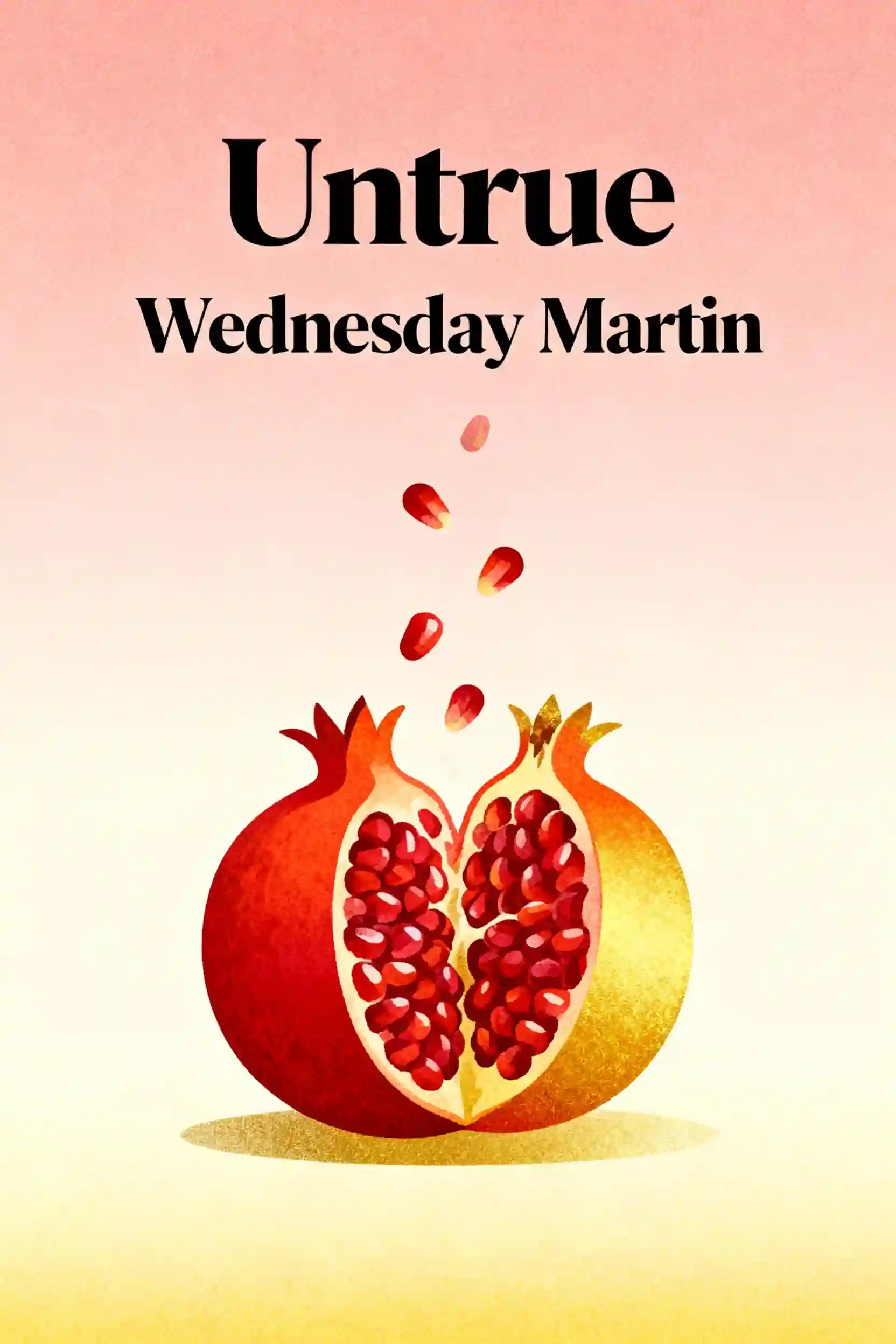
    Untrue
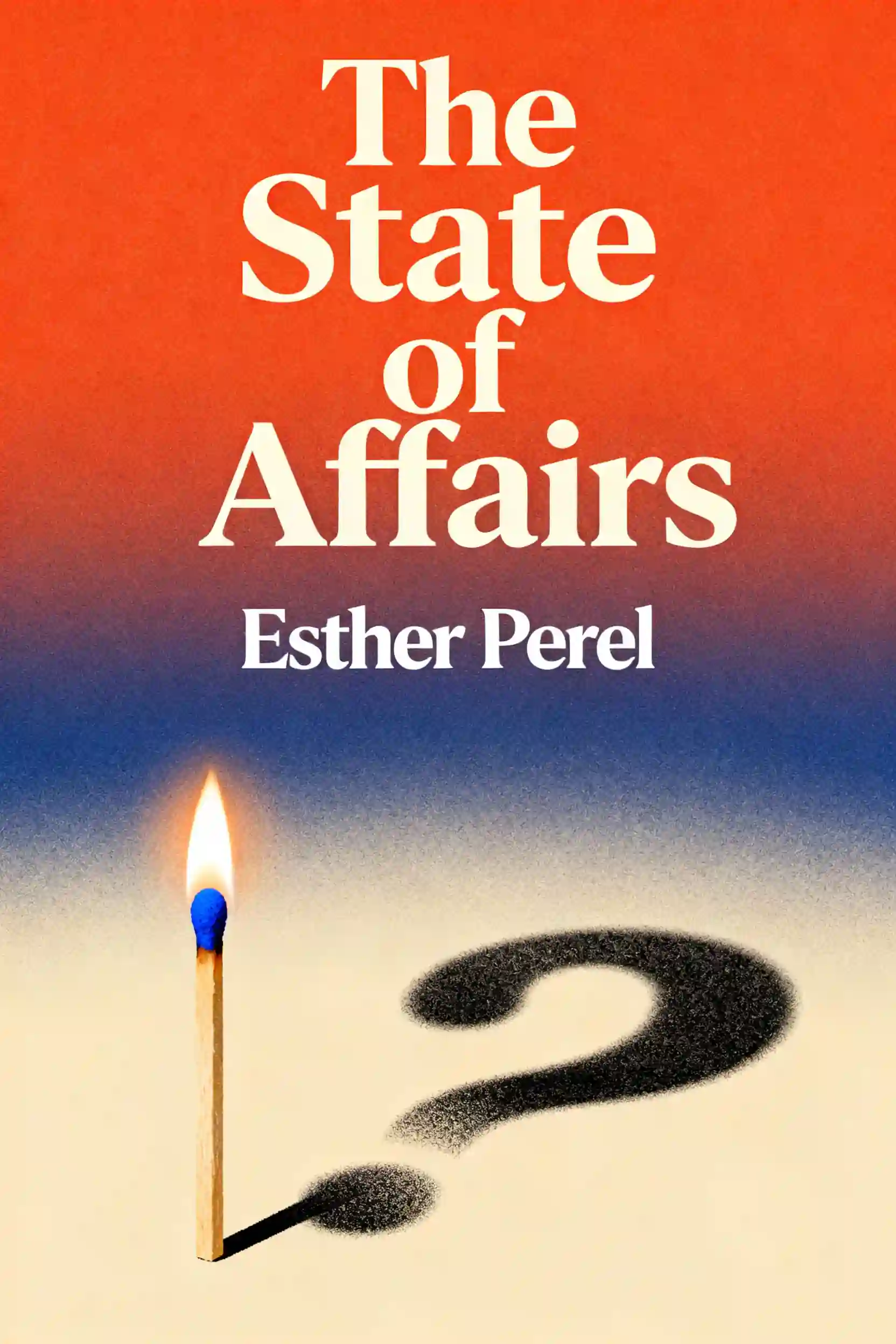
    State of Affairs
    Wild Game

    컬럼비아 대학교 동문들이 제작 | 샌프란시스코에서 개발

    BeFreed는 호기심 넘치는 글로벌 커뮤니티를 하나로 연결합니다

    4.7

    평균 평점

    앱 평가 7.84천 개 이상

    BeFreed 커뮤니티

    정말이지 아직 앱을 다 써 보지도 않았는데, 며칠 써 본 것만으로도 깊은 인상을 받았어요… BeFreed는 제가 써 본 어떤 학습 앱과도 차원이 달라요. 몰입감이 엄청나고 집중력도 실제로 좋아져서, 스마트폰을 하염없이 스크롤하는 분들께 딱이에요!

    @ladyInfinity

    정확히 23일 전에 BeFreed를 구입했는데, 그날부터 하루도 빠짐없이 쓰고 있어요. 제 일상 업무 흐름과 학습 습관에 완전히 자리 잡았어요.

    @jayallen

    솔직히 이 앱은 제 기대를 전부 뛰어넘었어요. 어떤 주제든 오디오로 만들어 달라고 할 수 있고, 결과물이 놀라워요. 제 전문 분야는 심리치료 쪽이고 여러 학문이 얽혀 있는데도 답변이 아주 정확해요.

    @Raguipa

    제일 고마운 건 스크롤하는 시간이 확 줄었다는 거예요. 검색하는 시간은 줄고 흡수하는 시간은 늘었어요. 오디오북 전권, 팟캐스트, 학습 플랜의 조합이 정말 훌륭해요.

    @colonyofcreatorsNGO

    저는 24년째 PhotoReading 속진 학습 강사로 일하고 있어요… 책과 독서, 배움이 제 전문인데, BeFreed는 정보를 소화하기 쉽게 전달하는 혁신적인 방식을 정말 잘 구현했어요.

    @BeFreed user

    단순한 책 요약 앱이 아니에요. '재미' 스타일을 써 봤는데, 전통적인 방식보다 훨씬 나은 요약이고 아이디어를 이해하기도 쉬워요. 이것만으로도 값어치를 해요.

    @austinakon

    이 앱이 정말 좋아요. 며칠 써 봤는데 듣는 걸 멈출 수가 없어요. 시작하기에 이보다 좋을 수 없어요.

    @jcrules328

    정말 마음에 들어요. 한 달 정도 써 봤는데 숨은 보석을 찾은 기분이에요. BeFreed로 제가 원하는 주제를 직접 만들 수 있어서 좋고, 목소리도 훌륭한 데다 내레이션 선택지가 무궁무진해요.

    @DanielCZ

    정말이지 아직 앱을 다 써 보지도 않았는데, 며칠 써 본 것만으로도 깊은 인상을 받았어요… BeFreed는 제가 써 본 어떤 학습 앱과도 차원이 달라요. 몰입감이 엄청나고 집중력도 실제로 좋아져서, 스마트폰을 하염없이 스크롤하는 분들께 딱이에요!

    @ladyInfinity

    정확히 23일 전에 BeFreed를 구입했는데, 그날부터 하루도 빠짐없이 쓰고 있어요. 제 일상 업무 흐름과 학습 습관에 완전히 자리 잡았어요.

    @jayallen

    솔직히 이 앱은 제 기대를 전부 뛰어넘었어요. 어떤 주제든 오디오로 만들어 달라고 할 수 있고, 결과물이 놀라워요. 제 전문 분야는 심리치료 쪽이고 여러 학문이 얽혀 있는데도 답변이 아주 정확해요.

    @Raguipa

    제일 고마운 건 스크롤하는 시간이 확 줄었다는 거예요. 검색하는 시간은 줄고 흡수하는 시간은 늘었어요. 오디오북 전권, 팟캐스트, 학습 플랜의 조합이 정말 훌륭해요.

    @colonyofcreatorsNGO

    저는 24년째 PhotoReading 속진 학습 강사로 일하고 있어요… 책과 독서, 배움이 제 전문인데, BeFreed는 정보를 소화하기 쉽게 전달하는 혁신적인 방식을 정말 잘 구현했어요.

    @BeFreed user

    단순한 책 요약 앱이 아니에요. '재미' 스타일을 써 봤는데, 전통적인 방식보다 훨씬 나은 요약이고 아이디어를 이해하기도 쉬워요. 이것만으로도 값어치를 해요.

    @austinakon

    이 앱이 정말 좋아요. 며칠 써 봤는데 듣는 걸 멈출 수가 없어요. 시작하기에 이보다 좋을 수 없어요.

    @jcrules328

    정말 마음에 들어요. 한 달 정도 써 봤는데 숨은 보석을 찾은 기분이에요. BeFreed로 제가 원하는 주제를 직접 만들 수 있어서 좋고, 목소리도 훌륭한 데다 내레이션 선택지가 무궁무진해요.

    @DanielCZ

    유용한 정보와 아이디어를 8~15분짜리 팟캐스트 스타일 오디오로 압축해서 들을 수 있다는 게 정말 좋아요. 원래 팟캐스트는 군더더기가 많아서 안 좋아했는데, 여기는 그걸 싹 걷어냈어요.

    @BeFreed user

    박사 과정을 마무리하는 중이라 낯선 자료를 많이 읽어야 해요… BeFreed에서는 프롬프트만 입력하면 앱이 자료를 찾아서 오디오 팟캐스트로 만들어 줘요. BeFreed의 과정이 NotebookLM보다 더 매끄럽게 느껴져요.

    @Brad

    아침을 준비하거나 산책하거나 출퇴근할 때 들을 것을 YouTube에서 자주 찾곤 했는데, BeFreed는 광고도 군더더기도 없이 훨씬 더 딱 맞는 걸 들려줘요!

    @BeFreed user

    이 플랫폼의 가장 큰 장점은 활용도예요. 다루지 못하는 주제가 말 그대로 하나도 없어요. 무엇을 던져도 다 소화해요… 제한이 전혀 없으면서 약속을 실제로 지키는 학습 도구는 정말 드물어요.

    @jayallen

    BeFreed는 환상적이에요. 디자인이 편해서 헤매는 시간은 줄고 배우는 시간은 늘었어요. 오디오북, 팟캐스트, 학습 플랜의 조합은 천재적이에요. 제 하루가 완전히 달라졌어요.

    @BeFreed user

    처음엔 이탈리아어로 팟캐스트를 만드는 방법을 이해하는 데 시간이 좀 걸렸는데, 알고 나니까 — 와! 정말 대단해요! 어떤 주제든 설명해 달라고 하면 정말 똑똑하게 잘 설명해 줘요!

    @matteo77

    BeFreed는 제가 매일 쓰는 오디오북 앱이 됐어요… 제일 마음에 드는 건 텍스트를 넣으면 이동 중에도 들을 수 있는 오디오로 만들어 준다는 점이에요.

    @kotanzu1

    유용한 정보와 아이디어를 8~15분짜리 팟캐스트 스타일 오디오로 압축해서 들을 수 있다는 게 정말 좋아요. 원래 팟캐스트는 군더더기가 많아서 안 좋아했는데, 여기는 그걸 싹 걷어냈어요.

    @BeFreed user

    박사 과정을 마무리하는 중이라 낯선 자료를 많이 읽어야 해요… BeFreed에서는 프롬프트만 입력하면 앱이 자료를 찾아서 오디오 팟캐스트로 만들어 줘요. BeFreed의 과정이 NotebookLM보다 더 매끄럽게 느껴져요.

    @Brad

    아침을 준비하거나 산책하거나 출퇴근할 때 들을 것을 YouTube에서 자주 찾곤 했는데, BeFreed는 광고도 군더더기도 없이 훨씬 더 딱 맞는 걸 들려줘요!

    @BeFreed user

    이 플랫폼의 가장 큰 장점은 활용도예요. 다루지 못하는 주제가 말 그대로 하나도 없어요. 무엇을 던져도 다 소화해요… 제한이 전혀 없으면서 약속을 실제로 지키는 학습 도구는 정말 드물어요.

    @jayallen

    BeFreed는 환상적이에요. 디자인이 편해서 헤매는 시간은 줄고 배우는 시간은 늘었어요. 오디오북, 팟캐스트, 학습 플랜의 조합은 천재적이에요. 제 하루가 완전히 달라졌어요.

    @BeFreed user

    처음엔 이탈리아어로 팟캐스트를 만드는 방법을 이해하는 데 시간이 좀 걸렸는데, 알고 나니까 — 와! 정말 대단해요! 어떤 주제든 설명해 달라고 하면 정말 똑똑하게 잘 설명해 줘요!

    @matteo77

    BeFreed는 제가 매일 쓰는 오디오북 앱이 됐어요… 제일 마음에 드는 건 텍스트를 넣으면 이동 중에도 들을 수 있는 오디오로 만들어 준다는 점이에요.

    @kotanzu1

    웹에서 BeFreed가 어떻게 논의되고 있는지 더 보기
    129.7K19.5K
    55.2K19.2K
    154.2K10827355
    48.1K2.5K
    81.2K6.6K
    82.3K1.8K
    지금 바로 학습 여정을 시작하세요
    BeFreed 앱
    BeFreed

    무엇이든 개인화된 학습

    DiscordLinkedIn
    추천 도서 요약
    Crucial ConversationsThe Perfect MarriageInto the WildNever Split the DifferenceAttachedGood to GreatSay Nothing
    인기 카테고리
    Self HelpCommunication SkillRelationshipMindfulnessPhilosophyInspirationProductivity
    유명인 추천 도서
    Elon MuskCharlie KirkBill GatesSteve JobsAndrew HubermanJoe RoganJordan Peterson
    수상작 컬렉션
    Pulitzer PrizeNational Book AwardGoodreads Choice AwardsNobel Prize in LiteratureNew York TimesCaldecott MedalNebula Award
    추천 주제
    ManagementAmerican HistoryWarTradingStoicismAnxietySex
    연도별 베스트 도서
    2025 Best Non Fiction Books2024 Best Non Fiction Books2023 Best Non Fiction Books
    추천 저자
    Chimamanda Ngozi AdichieGeorge OrwellO. J. SimpsonBarbara O'NeillWinston ChurchillCharlie Kirk
    BeFreed vs 다른 앱
    BeFreed vs. Other Book Summary AppsBeFreed vs. ElevenReaderBeFreed vs. ReadwiseBeFreed vs. Anki
    학습 도구
    Knowledge VisualizerAI Podcast Generator
    정보
    회사 소개arrow
    가격arrow
    FAQarrow
    블로그arrow
    채용arrow
    파트너십arrow
    앰배서더 프로그램arrow
    디렉토리arrow
    BeFreed
    Try now
    © 2026 BeFreed
    이용 약관개인정보 처리방침
    BeFreed

    무엇이든 개인화된 학습

    DiscordLinkedIn
    추천 도서 요약
    Crucial ConversationsThe Perfect MarriageInto the WildNever Split the DifferenceAttachedGood to GreatSay Nothing
    인기 카테고리
    Self HelpCommunication SkillRelationshipMindfulnessPhilosophyInspirationProductivity
    유명인 추천 도서
    Elon MuskCharlie KirkBill GatesSteve JobsAndrew HubermanJoe RoganJordan Peterson
    수상작 컬렉션
    Pulitzer PrizeNational Book AwardGoodreads Choice AwardsNobel Prize in LiteratureNew York TimesCaldecott MedalNebula Award
    추천 주제
    ManagementAmerican HistoryWarTradingStoicismAnxietySex
    연도별 베스트 도서
    2025 Best Non Fiction Books2024 Best Non Fiction Books2023 Best Non Fiction Books
    학습 도구
    Knowledge VisualizerAI Podcast Generator
    추천 저자
    Chimamanda Ngozi AdichieGeorge OrwellO. J. SimpsonBarbara O'NeillWinston ChurchillCharlie Kirk
    BeFreed vs 다른 앱
    BeFreed vs. Other Book Summary AppsBeFreed vs. ElevenReaderBeFreed vs. ReadwiseBeFreed vs. Anki
    정보
    회사 소개arrow
    가격arrow
    FAQarrow
    블로그arrow
    채용arrow
    파트너십arrow
    앰배서더 프로그램arrow
    디렉토리arrow
    BeFreed
    Try now
    © 2026 BeFreed
    이용 약관개인정보 처리방침

    이 학습 계획의 일부

    Navigate being the other man unknowingly
    학습 계획

    Navigate being the other man unknowingly

    6 h 16 m•4 에피소드

    비슷한 콘텐츠

    The Weight of Secrets in Marriage 책 표지
    The secrets that you keep: Secrets and relationship qualitySecrets, Psychological Health, and the Fear of DiscoveryWhen secrets come to mind: Preoccupation, suppression and engagementThe Importance of Transparency in a Relationship | Paired
    7 sources
    The Weight of Secrets in Marriage
    Keeping secrets to protect a partner often creates the very distance we fear. Learn how concealment drains your energy and how to rebuild trust.
    24 min
    Catching a Cheating Partner Using Digital Data 책 표지
    Spy the LieThe Verbally Abusive RelationshipWhy We LieGames People Play
    28 sources
    Catching a Cheating Partner Using Digital Data
    Stop second-guessing your gut and learn to audit a digital footprint. Discover how to spot hidden profiles and verbal patterns to uncover the truth.
    27 min
    The Strategic Science of Seduction 책 표지
    The Evolution of DesireThe Science of AttractionThe Red QueenThe Five Flirting Styles
    14 sources
    The Strategic Science of Seduction
    Discover how evolutionary psychology shapes effective flirting tactics across cultures and relationships. Learn the hidden patterns behind attraction and how to strategically signal your intentions.
    41 min
    The Science of Being a Better Partner 책 표지
    source 119 Emotional Intelligence Hacks Men Need for Better RelationshipsEmotional Intelligence for Men: How to Communicate Better as a ...Communication Skills for Stronger Relationships | Cogent Clinic
    6 sources
    The Science of Being a Better Partner
    Discover research-backed strategies to transform your relationship through emotional intelligence, effective communication, and deeper connection. Learn practical tools to build trust, navigate conflict, and create lasting intimacy.
    8 min
    When Your Cheating Spouse Goes Silent 책 표지
    How to Help Your Spouse Heal from Your AffairWorthy of Her TrustLove More, Fight LessNot Just Friends
    27 sources
    When Your Cheating Spouse Goes Silent
    Explore the psychology behind emotional shutdown after infidelity and discover practical strategies to create safety and rebuild connection when your partner has retreated into avoidance.
    19 min
    Patterns, Promises, and Infidelity 책 표지
    Will My Partner Cheat Again? What Research, Patterns, and Behaviour Tell UsHow to Rebuild Trust in a Relationship After Betrayal | CheatingDetectHow to Get Over Infidelity: The Complete Roadmap Your Brain Actually Needs - Figs O'Sullivan Couples TherapyHow Do You Know Someone Has Changed After Cheating?
    5 sources
    Patterns, Promises, and Infidelity
    When trust breaks, words aren't enough. Learn to distinguish between empty promises and the behavioral patterns that signal true change after a betrayal.
    14 min
    State of Affairs 책 표지
    State of Affairs
    Esther Perel
    A provocative exploration of infidelity, examining its impact on relationships and offering insights into love, desire, and commitment.
    23 min
    When Love Becomes Betrayal: The Science of Rebuilding Trust 책 표지
    source 2source 3How Betrayal Shapes Storytelling and Character Development
    6 sources
    When Love Becomes Betrayal: The Science of Rebuilding Trust
    Exploring the devastating reality of romantic betrayal and the long, complex journey back to trust. Discover why healing takes years, not months, and what it actually takes to rebuild love after lies.
    9 min

    Recommended Learning Plans

    The Science of Deep Connection
    학습 계획

    The Science of Deep Connection

    Major life transitions often strain even the strongest relationships, leading to resentment and emotional distance. This plan is ideal for couples or individuals facing significant shifts who want to protect their bond using evidence-based psychological strategies.

    40 m•4 섹션
    The Psychology of Trust and Deception
    학습 계획

    The Psychology of Trust and Deception

    This learning plan is essential for professionals in high-stakes environments like negotiations, law enforcement, or management where discerning truth is critical. It provides a scientific framework for building authentic connections while developing a sharp eye for the subtle mechanics of human deception.

    2 h 4 m•3 섹션
    Reclaiming Truth After the Affair
    학습 계획

    Reclaiming Truth After the Affair

    This plan is essential for individuals struggling to break free from the addictive patterns of infidelity and secret attachments. It provides a roadmap for those seeking to move beyond emotional confusion toward a grounded, authentic recovery of their personal identity.

    1 h 30 m•3 섹션
    Improve trust: Discuss husband's past history
    학습 계획

    Improve trust: Discuss husband's past history

    This plan is designed for couples struggling with the weight of past secrets or history that hinders their current connection. It provides a structured, science-based approach to navigating high-stakes conversations and transforming betrayal into a foundation for a more resilient marriage.

    4 h 47 m•4 섹션
    Synthesize research on the science of romance
    학습 계획

    Synthesize research on the science of romance

    This plan bridges the gap between biological drive and psychological behavior to decode the complexities of human intimacy. It is ideal for researchers, psychology students, or anyone seeking a data-driven understanding of how we form and maintain romantic bonds.

    5 h 33 m•4 섹션
    Seduction & infatuation
    학습 계획

    Seduction & infatuation

    This learning plan is designed for anyone seeking to understand the science of attraction and develop genuine romantic connection skills. Whether you're navigating modern dating, looking to deepen your understanding of interpersonal dynamics, or wanting to become more confident in expressing romantic interest, this curriculum combines psychological research with practical techniques for building authentic, meaningful connections.

    4 h 48 m•4 섹션
    Lying, deception, and compartmentalization
    학습 계획

    Lying, deception, and compartmentalization

    Deception is a fundamental aspect of human psychology that impacts everything from personal relationships to societal structures. This learning plan helps individuals understand the mechanisms behind lying and compartmentalization, providing practical skills for detecting manipulation while exploring the ethical complexities of when deception might be justified or harmful.

    6 h 5 m•4 섹션
    Attraction & Relationship Science Course
    학습 계획

    Attraction & Relationship Science Course

    This course bridges the gap between biological instincts and modern relationship success. It is designed for individuals seeking to move beyond dating guesswork by applying rigorous psychological science to their personal lives.

    6 h 26 m•4 섹션