In "The State of Affairs," renowned psychotherapist Esther Perel boldly reframes infidelity as a window into desire and commitment. What if betrayal could spark growth? This provocative bestseller challenges our romantic expectations, offering insights that have transformed countless relationships since 2017.
Esther Perel, a Belgian-born psychotherapist and New York Times bestselling author of The State of Affairs: Rethinking Infidelity, is globally renowned for her groundbreaking work on modern relationships, infidelity, and erotic intelligence.
As the daughter of Holocaust survivors, her perspective on trauma, resilience, and the duality of human connection—security versus freedom—deeply informs this exploration of trust and betrayal.
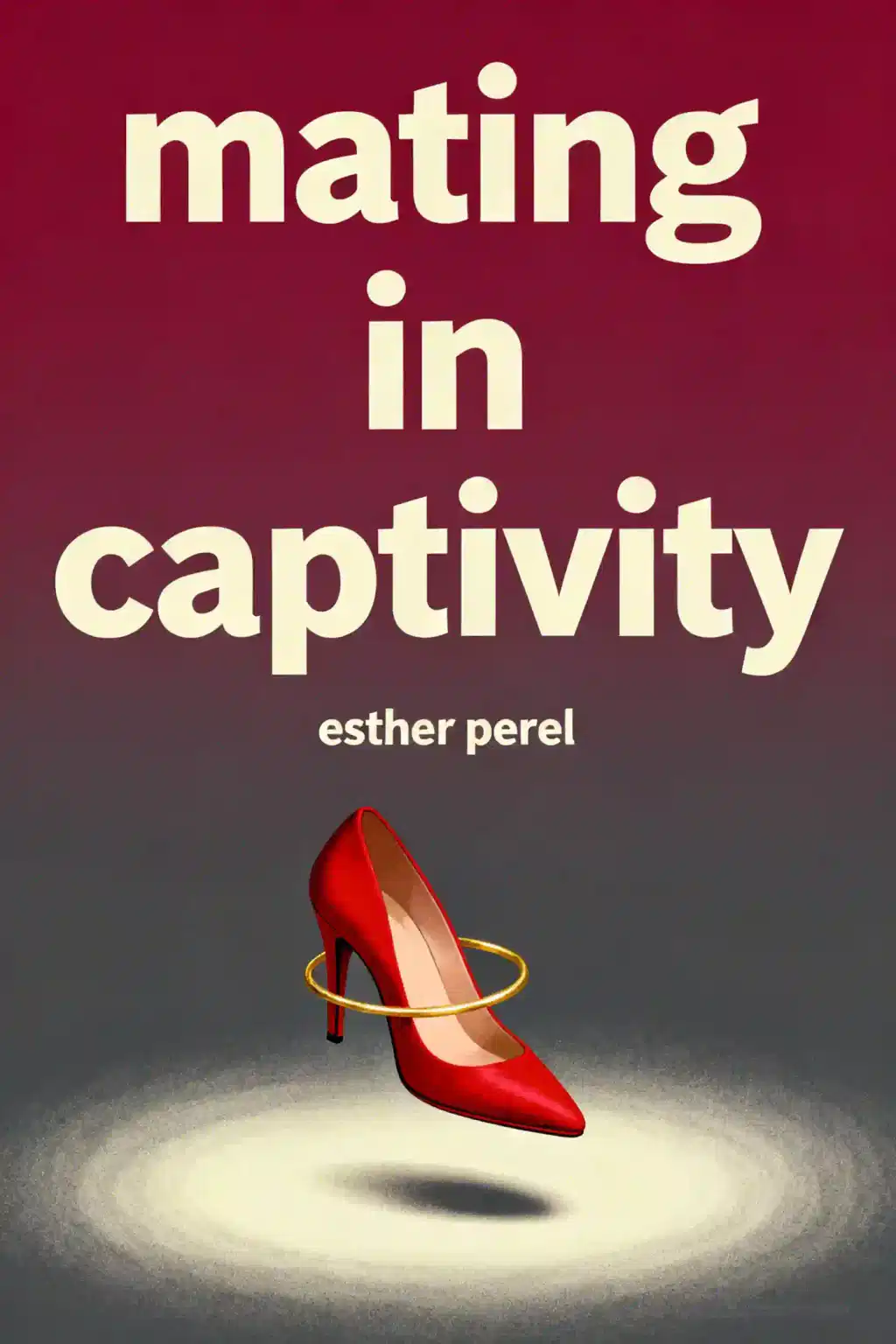
A licensed marriage and family therapist with a master’s in expressive art therapy, Perel gained widespread acclaim for her earlier work Mating in Captivity: Unlocking Erotic Intelligence, translated into over 30 languages. She hosts the critically acclaimed podcasts Where Should We Begin? and How’s Work?, which dissect intimate and professional dynamics, while her TED Talks on desire and infidelity have amassed over 40 million views.
A trusted consultant for Fortune 500 companies, Perel merges clinical expertise with cultural analysis. The State of Affairs has solidified her status as a bold voice in relationship psychology, with translations spanning 30+ languages.
The State of Affairs by Esther Perel examines infidelity through psychological, cultural, and emotional lenses, challenging conventional views of betrayal. Perel explores how affairs disrupt identity, spark personal growth, and redefine relationships, using real-case studies to show infidelity’s role in revealing unmet desires and societal taboos.
This book is essential for couples navigating betrayal, therapists seeking nuanced frameworks for infidelity, and anyone interested in modern relationship dynamics. It’s also valuable for readers exploring themes of jealousy, monogamy, and emotional resilience.
Yes. Perel’s provocative analysis reframes infidelity as a catalyst for self-discovery and relational evolution. The blend of psychological insights, global perspectives on jealousy, and actionable advice makes it a standout in relationship literature.
Perel argues affairs often stem from a quest for self-discovery or reclaiming lost aspects of identity—not necessarily unhappiness. She highlights cases where infidelity becomes a “clarity machine” to confront suppressed emotions or exit toxic relationships.
Perel contrasts Western demonization of jealousy with cultures viewing it as proof of love. She frames jealousy as a mirror for insecurities and a tool to examine relational power dynamics.
Perel presents a nuanced dilemma: disclosure risks trauma but fosters transparency, while secrecy preserves stability. She emphasizes context—like whether the affair is ongoing—and advocates for intentional, therapist-guided decisions.
The book outlines two paths: rebuilding (via accountability, redefined commitment) or conscious uncoupling (graceful separation). Perel stresses that trust isn’t restored—it’s reinvented through new relational agreements.
Critics argue Perel underplays the harm of secrecy and risks normalizing betrayal. Others note her focus on privileged, heteronormative relationships may exclude marginalized perspectives.
Unlike prescriptive guides, Perel’s work avoids moralizing, instead dissecting infidelity’s psychological roots. It complements works like Mating in Captivity by delving deeper into betrayal’s paradoxes.
These lines encapsulate Perel’s unflinching look at betrayal’s emotional complexity.
Perel expands infidelity beyond physical acts to include digital intimacy (e.g., emotional affairs via social media). She questions how technology blurs boundaries, making secrecy both easier and harder to maintain.
저자의 목소리로 책을 느껴보세요
지식을 흥미롭고 예시가 풍부한 인사이트로 전환
핵심 아이디어를 빠르게 캡처하여 신속하게 학습
재미있고 매력적인 방식으로 책을 즐기세요
Your first marriage is over. Would you like to create a second one together?
Choosing to stay when you can leave is the new shame.
The internet has made infidelity accessible, affordable, anonymous.
Romantic love has replaced religion as our source of meaning.
We've created marriages where infidelity shouldn't happen, yet it does.
State of Affairs의 핵심 아이디어를 이해하기 쉬운 포인트로 분해하여 혁신적인 팀이 어떻게 창조하고, 협력하고, 성장하는지 이해합니다.
State of Affairs을 빠른 기억 단서로 압축하여 솔직함, 팀워크, 창의적 회복력의 핵심 원칙을 강조합니다.

생생한 스토리텔링을 통해 State of Affairs을 경험하고, 혁신 교훈을 기억에 남고 적용할 수 있는 순간으로 바꿉니다.
무엇이든 물어보고, 목소리를 선택하고, 진정으로 공감되는 인사이트를 함께 만들어보세요.

샌프란시스코에서 컬럼비아 대학교 동문들이 만들었습니다
"Instead of endless scrolling, I just hit play on BeFreed. It saves me so much time."
"I never knew where to start with nonfiction—BeFreed’s book lists turned into podcasts gave me a clear path."
"Perfect balance between learning and entertainment. Finished ‘Thinking, Fast and Slow’ on my commute this week."
"Crazy how much I learned while walking the dog. BeFreed = small habits → big gains."
"Reading used to feel like a chore. Now it’s just part of my lifestyle."
"Feels effortless compared to reading. I’ve finished 6 books this month already."
"BeFreed turned my guilty doomscrolling into something that feels productive and inspiring."
"BeFreed turned my commute into learning time. 20-min podcasts are perfect for finishing books I never had time for."
"BeFreed replaced my podcast queue. Imagine Spotify for books — that’s it. 🙌"
"It is great for me to learn something from the book without reading it."
"The themed book list podcasts help me connect ideas across authors—like a guided audio journey."
"Makes me feel smarter every time before going to work"
샌프란시스코에서 컬럼비아 대학교 동문들이 만들었습니다

State of Affairs 요약을 무료 PDF 또는 EPUB으로 받으세요. 인쇄하거나 오프라인에서 언제든 읽을 수 있습니다.
Infidelity represents one of life's most devastating emotional earthquakes. The moment of discovery - when evidence of a partner's affair comes to light - instantly shatters a shared reality. Yet despite being universally condemned, affairs persist across all cultures and throughout history. This contradiction reveals something fundamental about human nature and relationships. For nearly three decades, I've explored the complex landscape of love and desire. What I've found challenges our cultural scripts about infidelity. Affairs aren't simply moral failings or relationship death sentences - they're complex human experiences that force us to confront unsettling questions about commitment, desire, and identity. Most affairs involve ordinary people with ordinary values who never imagined crossing boundaries they held sacred. Their stories typically stem from loneliness, sexual deadness, or craving attention rather than pathological behavior. When couples come to me after an affair, I tell them: "Your first marriage is over. Would you like to create a second one together?" This framing acknowledges both the devastation and the possibility that follows betrayal. While our culture once stigmatized divorce, today choosing to stay when you can leave carries its own shame - a rush to judgment that makes no allowance for human error, repair, or growth.