Lena: You mentioned the nervous system earlier, and I want to dig into that. We always hear about "fight or flight," but there’s that other one—the "fawn" response. Is that what’s actually happening when someone goes into that hyper-pleasing mode?
Blythe: Absolutely. The fawn response is the "lesser-known sibling" of fight, flight, and freeze. It’s the impulse to appease and accommodate when we perceive a threat. In a workplace or a relationship, that "threat" might not be physical, but to our brains, the threat of social rejection or professional failure feels just as dangerous. So, the body kicks into high gear—the "steroids" we keep talking about—to make us as agreeable and helpful as possible. We become "non-threatening" so the "predator," whether that’s a demanding boss or a partner, stays calm.
Lena: It’s fascinating because it’s a total betrayal of our own needs in the moment. Your body might be screaming that you’re tired, but the fawn response says, "Say yes to that extra project anyway, or they’ll stop liking you."
Blythe: And that betrayal shows up physically! We’re talking muscle tension, shallow breathing, chronic headaches, and that feeling of being "on edge" even when you’re supposedly relaxing. Your nervous system is stuck in overdrive. It’s like a car idling at 5,000 RPMs while sitting in the driveway. You’re burning fuel at an incredible rate, but you’re not actually going anywhere that feels fulfilling.
Lena: I love that analogy. And it explains why it’s so hard to "just stop." If your brain thinks your survival depends on being the "Good Girl," then saying "no" feels like a life-or-death risk. I read that for some women, setting a boundary can actually cause a physical sensation of passing out or intense panic because the brain is screaming, "Danger! You’re going to be expelled from the tribe!"
Blythe: It’s so true. And think about the cultural layer here. Girls are socialized from day one to be the peacemakers, to share, to be "kind." When a girl holds her ground, she’s often corrected or labeled as "difficult." So, we learn to "cushion" our opinions. We add qualifiers like, "I might be wrong, but..." or "Does that make sense?" We’re trying to take up as little space as possible while doing the most work.
Lena: It’s a "compliance cage." You’re rewarded for being small and helpful, but the reward is just more work and more expectations. Meanwhile, the person who "flipped the game" has realized that the rules of the cage are optional. They aren't relying on that external "Good Girl" validation to feel worthy.
Blythe: Right! They’ve disconnected their worth from their "usefulness." The people-pleaser, on the other hand, is trapped in "Human Giver Syndrome." That’s the idea that women are expected to give their time, energy, and bodies to "Human Beings"—the people who are allowed to actually have needs and desires. If you’re a "Giver," your only job is to be an endlessly renewable resource. But as we know, nobody is actually an endlessly renewable resource.
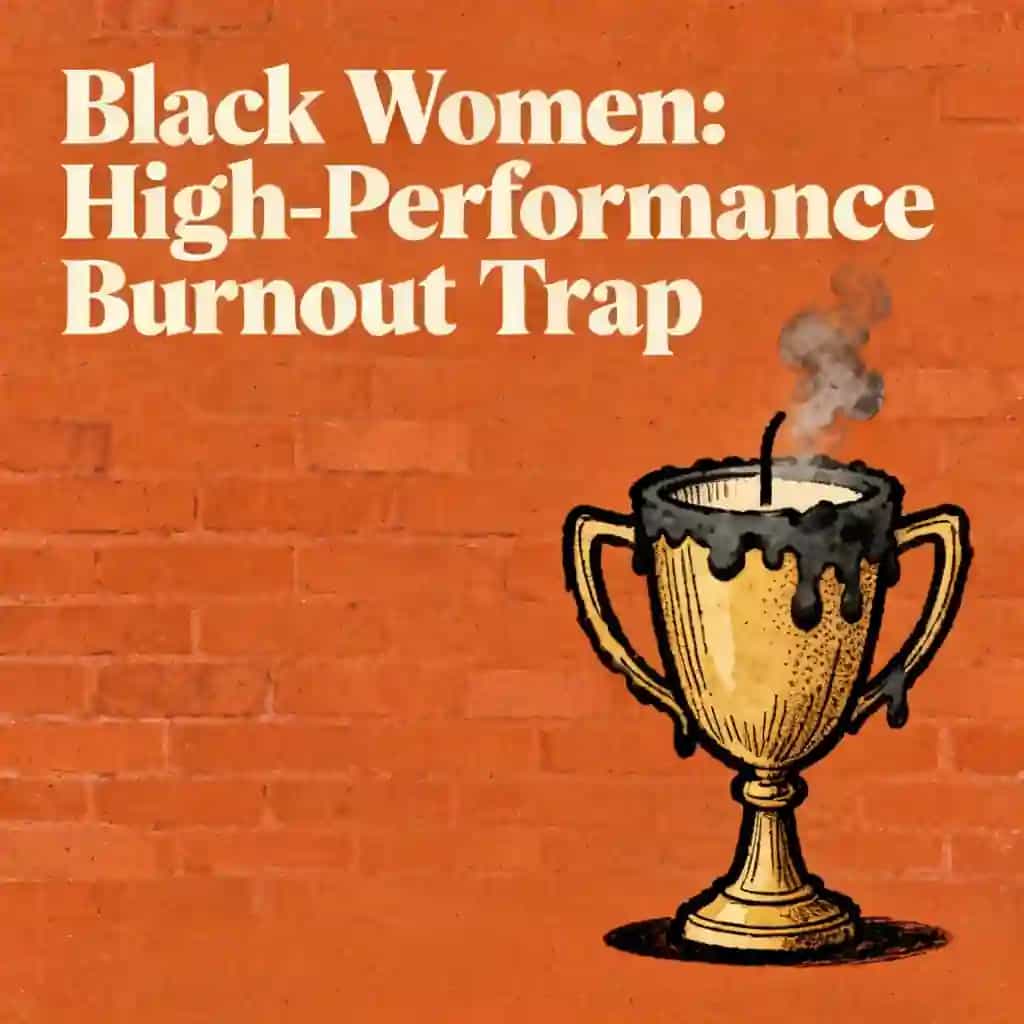
Lena: Eventually, the well runs dry. And that’s when the "steroid" energy turns into a total crash—burnout, resentment, and a feeling of being completely invisible despite having done everything "right."