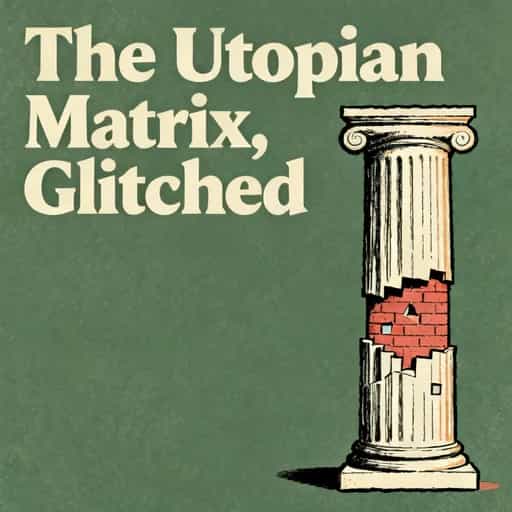
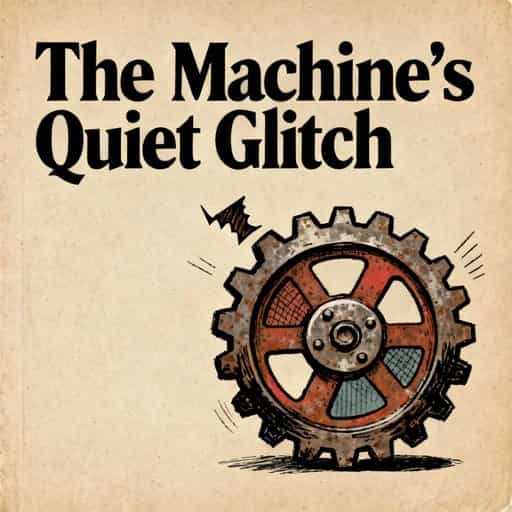
The Ghost in the Global Machine
Explore how the 'metabolic rift' between our daily lives and industrial production fuels modern crises, and learn how to bridge the gap between spectator and participant.

The Ghost in the Global Machine 베스트 인용
We’ve traded a connection to the soil for a seat at a table where the bill is hidden. The 'metabolic rift' is like a giant straw stuck into the earth, sucking out nutrients in one place and spitting them out as waste in another, thousands of miles away.
Generated by hassan mujtaba
Disconnect between production and consumption is the cause of all modern problems

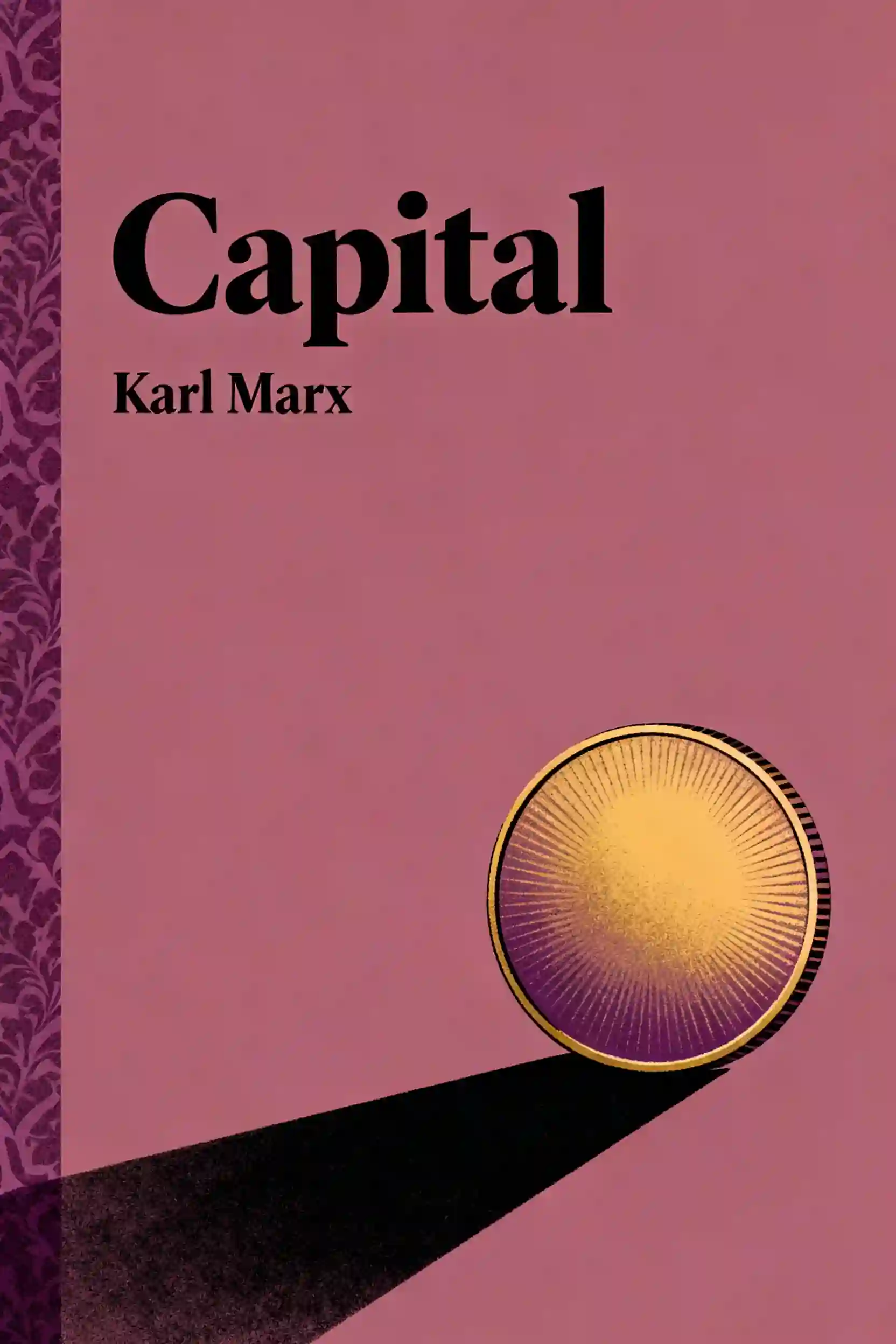
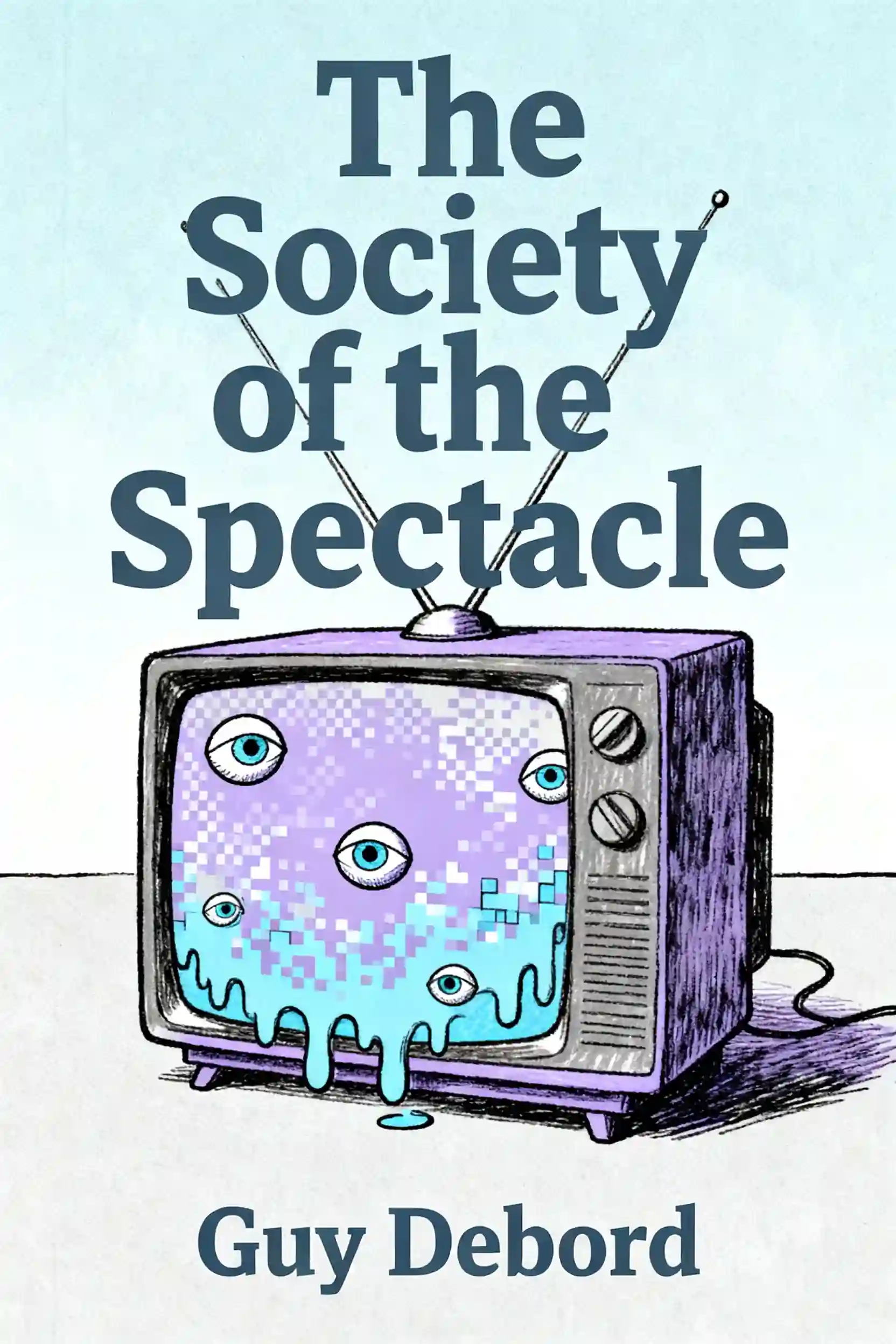
자주 묻는 질문
The metabolic rift is a concept describing a rupture in the nutrient cycle between society and nature, where resources are extracted from the earth but never returned. It originated in the nineteenth century when industrial farming began shipping crops to distant cities. Instead of the resulting waste being used to fertilize the soil it came from, it was dumped into rivers and oceans as pollution. This forced societies to find desperate, external fixes for soil depletion, such as raiding European catacombs for bones or colonizing islands for bird guano.
The tragedy of the commodity occurs when a natural resource, like salmon, is viewed strictly as a unit of market value rather than a part of a local ecosystem. In traditional social metabolisms, fishing was governed by community needs and seasonal cycles. Under a capitalist metabolism, the goal shifts to infinite profit accumulation, leading to overfishing. When wild populations collapse, the system often implements "fixes" like aquaculture (fish farms), which further sever the ecological link by keeping fish in tanks where they can no longer perform their natural role of fertilizing inland forests.
The Second Contradiction of Capitalism, proposed by James O’Connor, suggests that the system is fundamentally self-destructive because it impairs the environmental conditions it needs to function. While the first contradiction involves the conflict between capital and labor, the second involves capital versus the environment. By treating nature as an infinite "ATM" and failing to account for the costs of resource depletion and pollution, the system eventually faces "underproduction" crises where it lacks the basic physical requirements—like healthy topsoil or clean water—to continue production.
This phenomenon is known as the "Eco-Paradox" or the "Environmentalism of the Rich." Data suggests that as income rises, people often adopt "post-materialist" values and express high concern for the planet, yet their actual material and carbon footprints increase due to high-consumption lifestyles. This creates a "disconnection hypothesis" where awareness does not lead to a reduction in impact. In contrast, lower-income groups often practice an "Environmentalism of the Poor," viewing environmental protection as an immediate necessity for survival and livelihood rather than a lifestyle choice.
Bridging the rift involves "re-coupling" our lives with the natural systems that support us. This can be achieved through "re-skilling," such as learning to grow food or repair goods, which breaks the illusion of the "commodity fetish." On a systemic level, it involves supporting "Agroecological Symbiosis" to close nutrient loops and advocating for "Food Sovereignty," which allows communities to control their own agricultural systems. Ultimately, it requires a shift toward "Planned Degrowth," prioritizing the quality of human life and ecological health over the constant acceleration of material throughput.
샌프란시스코에서 컬럼비아 대학교 동문들이 만들었습니다
"Instead of endless scrolling, I just hit play on BeFreed. It saves me so much time."


"I never knew where to start with nonfiction—BeFreed’s book lists turned into podcasts gave me a clear path."


"Perfect balance between learning and entertainment. Finished ‘Thinking, Fast and Slow’ on my commute this week."
"Crazy how much I learned while walking the dog. BeFreed = small habits → big gains."
"Reading used to feel like a chore. Now it’s just part of my lifestyle."

"Feels effortless compared to reading. I’ve finished 6 books this month already."
"BeFreed turned my guilty doomscrolling into something that feels productive and inspiring."

"BeFreed turned my commute into learning time. 20-min podcasts are perfect for finishing books I never had time for."
"BeFreed replaced my podcast queue. Imagine Spotify for books — that’s it. 🙌"

"It is great for me to learn something from the book without reading it."
"The themed book list podcasts help me connect ideas across authors—like a guided audio journey."
"Makes me feel smarter every time before going to work"
 Ask ChatGPT
 Ask Claude
샌프란시스코에서 컬럼비아 대학교 동문들이 만들었습니다
"Instead of endless scrolling, I just hit play on BeFreed. It saves me so much time."
"I never knew where to start with nonfiction—BeFreed’s book lists turned into podcasts gave me a clear path."
"Perfect balance between learning and entertainment. Finished ‘Thinking, Fast and Slow’ on my commute this week."
"Crazy how much I learned while walking the dog. BeFreed = small habits → big gains."
"Reading used to feel like a chore. Now it’s just part of my lifestyle."
"Feels effortless compared to reading. I’ve finished 6 books this month already."
"BeFreed turned my guilty doomscrolling into something that feels productive and inspiring."
"BeFreed turned my commute into learning time. 20-min podcasts are perfect for finishing books I never had time for."
"BeFreed replaced my podcast queue. Imagine Spotify for books — that’s it. 🙌"
"It is great for me to learn something from the book without reading it."
"The themed book list podcasts help me connect ideas across authors—like a guided audio journey."
"Makes me feel smarter every time before going to work"
"Instead of endless scrolling, I just hit play on BeFreed. It saves me so much time."
"I never knew where to start with nonfiction—BeFreed’s book lists turned into podcasts gave me a clear path."
"Perfect balance between learning and entertainment. Finished ‘Thinking, Fast and Slow’ on my commute this week."
"Crazy how much I learned while walking the dog. BeFreed = small habits → big gains."
"Reading used to feel like a chore. Now it’s just part of my lifestyle."
"Feels effortless compared to reading. I’ve finished 6 books this month already."
"BeFreed turned my guilty doomscrolling into something that feels productive and inspiring."
"BeFreed turned my commute into learning time. 20-min podcasts are perfect for finishing books I never had time for."
"BeFreed replaced my podcast queue. Imagine Spotify for books — that’s it. 🙌"
"It is great for me to learn something from the book without reading it."
"The themed book list podcasts help me connect ideas across authors—like a guided audio journey."
"Makes me feel smarter every time before going to work"
"Instead of endless scrolling, I just hit play on BeFreed. It saves me so much time."
"I never knew where to start with nonfiction—BeFreed’s book lists turned into podcasts gave me a clear path."
"Perfect balance between learning and entertainment. Finished ‘Thinking, Fast and Slow’ on my commute this week."
"Crazy how much I learned while walking the dog. BeFreed = small habits → big gains."
"Reading used to feel like a chore. Now it’s just part of my lifestyle."
"Feels effortless compared to reading. I’ve finished 6 books this month already."
"BeFreed turned my guilty doomscrolling into something that feels productive and inspiring."
"BeFreed turned my commute into learning time. 20-min podcasts are perfect for finishing books I never had time for."
"BeFreed replaced my podcast queue. Imagine Spotify for books — that’s it. 🙌"
"It is great for me to learn something from the book without reading it."
"The themed book list podcasts help me connect ideas across authors—like a guided audio journey."
"Makes me feel smarter every time before going to work"