The Gator Brain: How System 1 and Primal Instincts Drive Decisions
Explore how the Gator Brain and System 1 drive 95% of our choices. Learn why primal instincts, not logic, act as the gatekeeper in the psychology of persuasion.

The Gator Brain: How System 1 and Primal Instincts Drive Decisions 베스트 인용
We like to think of ourselves as highly evolved, logical beings, but up to 95 percent of our choices are actually made by the 'Gator'—the primal, fast, and unconscious part of our brain looking for immediate threats or easy opportunities.

이 오디오 레슨은 BeFreed 커뮤니티 멤버가 만들었습니다
This lesson is part of the learning plan: 'The Closer's Psychological Toolkit'. Lesson topic: The Gator Brain: How Decisions Are Really Made Overview: Logic rarely drives our choices, yet we often rely on rational arguments to persuade. Learn how the brain's primal system prioritizes ease to win over allies. Key insights to cover in order: 1. Human decisions are primarily driven by System 1, a fast and unconscious 'Gator' brain that prioritizes ease and survival. 2. The rational 'Judge' brain often acts as a mere press secretary, creating logical justifications for gut-level emotional choices. 3. Ease is the single best predictor of behavior, meaning reducing friction is more effective than increasing motivation or lowering price. Listener profile: - Learning goal: develop persuasion skills to master sales skills - Background knowledge: I have experience with content marketing, user-generated content, affiliate marketing, and influencer marketing. - Guidance: Focus on advanced persuasion techniques and psychological principles. Build on existing marketing experience to develop direct sales conversion skills. Tailor examples, pacing, and depth to this listener. Avoid analogies or references that assume knowledge outside this listener's profile.



자주 묻는 질문
The Gator Brain refers to System 1, the primal and unconscious part of the human brain that handles the vast majority of our choices. Described as an ancient predator, this part of the mind acts as a gatekeeper that prioritizes immediate threats and easy opportunities. Because it operates fast and instinctively, it often makes decisions before the logical part of our brain, known as the Judge, can even process the information.
System 1 affects persuasion by serving as the initial filter for all incoming information. Traditional persuasion often fails because it targets the logical 'Judge' rather than the 'Gator' gatekeeper. Research suggests that up to 95 percent of our decisions are driven by these unconscious instincts. To master the art of the close, one must understand that if the Gator Brain feels overwhelmed or uninterested, logical arguments and data will likely be ignored.
The Israeli parole study highlights how cognitive bias and physical states influence even the most professional decision-makers. In the study, judges granted parole 65 percent of the time at the beginning of a session, but that rate dropped to nearly zero by the end of the session. This demonstrates that even those we view as highly logical are susceptible to the Gator Brain's influence, showing that decision-making is often less rational than we believe.
더 알아보기

Understand & influence human decision-making
Understand & influence human decision-making
In an era of information overload, understanding the hidden mechanics of the mind is a critical competitive advantage. This plan is ideal for leaders, marketers, and designers looking to leverage behavioral science to drive better results and ethical engagement.

Master Systems & Logic for Precise Decisions
Master Systems & Logic for Precise Decisions
In an era of information overload, the ability to think systematically and logically is a critical competitive advantage. This path is designed for leaders and analysts who need to master mental models and strategic optimization to make high-impact, objective decisions.

Understand human mind complexity
Understand human mind complexity
This learning plan bridges the gap between neuroscience and philosophy to explain the mechanisms behind our thoughts and actions. It is ideal for curious minds, psychology enthusiasts, and professionals seeking to improve their decision-making by understanding the brain's inherent biases.
Clear Thinking & Better Decision Making
Clear Thinking & Better Decision Making
In an era of information overload, the ability to filter noise and think objectively is a critical competitive advantage. This plan is designed for professionals and leaders who need to replace gut-feeling guesswork with reliable, systematic frameworks for better outcomes.
Decision making quickly and effectively in all settings for work and life when bombarded with in the spot decisions with a multitude of options and impact.
Decision making quickly and effectively in all settings for work and life when bombarded with in the spot decisions with a multitude of options and impact.
In today's fast-paced world, we're constantly bombarded with decisions that require immediate attention. This learning plan equips professionals and individuals with proven techniques to make better decisions quickly, even under pressure, reducing decision fatigue and improving outcomes in both work and personal life.
Study Econ, Neuroscience & Strategy
Study Econ, Neuroscience & Strategy
This interdisciplinary plan bridges the gap between how markets function and how the human brain actually processes choices. It is ideal for leaders, strategists, and analysts looking to sharpen their edge by integrating behavioral science with rigorous economic strategy.
Neuroscience, Leadership & Economics Study
Neuroscience, Leadership & Economics Study
This study bridges the gap between biological science and professional performance, offering a unique competitive edge in modern management. It is designed for leaders, economists, and strategists who want to leverage brain science to optimize decision-making and organizational dynamics.
Study Neuro, Behavior, Politics & Comms
Study Neuro, Behavior, Politics & Comms
This learning plan bridges the gap between biological brain function and social influence, offering a deep dive into why humans think and act the way they do in political spheres. It is essential for communication professionals, political strategists, and anyone seeking to master the science of persuasion.
샌프란시스코에서 컬럼비아 대학교 동문들이 만들었습니다
"Instead of endless scrolling, I just hit play on BeFreed. It saves me so much time."


"I never knew where to start with nonfiction—BeFreed’s book lists turned into podcasts gave me a clear path."


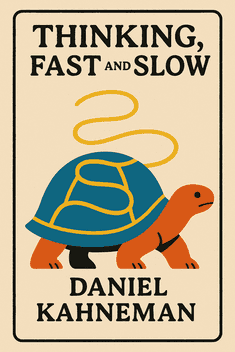
"Perfect balance between learning and entertainment. Finished ‘Thinking, Fast and Slow’ on my commute this week."
"Crazy how much I learned while walking the dog. BeFreed = small habits → big gains."
"Reading used to feel like a chore. Now it’s just part of my lifestyle."

"Feels effortless compared to reading. I’ve finished 6 books this month already."
"BeFreed turned my guilty doomscrolling into something that feels productive and inspiring."

"BeFreed turned my commute into learning time. 20-min podcasts are perfect for finishing books I never had time for."
"BeFreed replaced my podcast queue. Imagine Spotify for books — that’s it. 🙌"

"It is great for me to learn something from the book without reading it."
"The themed book list podcasts help me connect ideas across authors—like a guided audio journey."
"Makes me feel smarter every time before going to work"
샌프란시스코에서 컬럼비아 대학교 동문들이 만들었습니다
"Instead of endless scrolling, I just hit play on BeFreed. It saves me so much time."
"I never knew where to start with nonfiction—BeFreed’s book lists turned into podcasts gave me a clear path."
"Perfect balance between learning and entertainment. Finished ‘Thinking, Fast and Slow’ on my commute this week."
"Crazy how much I learned while walking the dog. BeFreed = small habits → big gains."
"Reading used to feel like a chore. Now it’s just part of my lifestyle."
"Feels effortless compared to reading. I’ve finished 6 books this month already."
"BeFreed turned my guilty doomscrolling into something that feels productive and inspiring."
"BeFreed turned my commute into learning time. 20-min podcasts are perfect for finishing books I never had time for."
"BeFreed replaced my podcast queue. Imagine Spotify for books — that’s it. 🙌"
"It is great for me to learn something from the book without reading it."
"The themed book list podcasts help me connect ideas across authors—like a guided audio journey."
"Makes me feel smarter every time before going to work"
"Instead of endless scrolling, I just hit play on BeFreed. It saves me so much time."
"I never knew where to start with nonfiction—BeFreed’s book lists turned into podcasts gave me a clear path."
"Perfect balance between learning and entertainment. Finished ‘Thinking, Fast and Slow’ on my commute this week."
"Crazy how much I learned while walking the dog. BeFreed = small habits → big gains."
"Reading used to feel like a chore. Now it’s just part of my lifestyle."
"Feels effortless compared to reading. I’ve finished 6 books this month already."
"BeFreed turned my guilty doomscrolling into something that feels productive and inspiring."
"BeFreed turned my commute into learning time. 20-min podcasts are perfect for finishing books I never had time for."
"BeFreed replaced my podcast queue. Imagine Spotify for books — that’s it. 🙌"
"It is great for me to learn something from the book without reading it."
"The themed book list podcasts help me connect ideas across authors—like a guided audio journey."
"Makes me feel smarter every time before going to work"
"Instead of endless scrolling, I just hit play on BeFreed. It saves me so much time."
"I never knew where to start with nonfiction—BeFreed’s book lists turned into podcasts gave me a clear path."
"Perfect balance between learning and entertainment. Finished ‘Thinking, Fast and Slow’ on my commute this week."
"Crazy how much I learned while walking the dog. BeFreed = small habits → big gains."
"Reading used to feel like a chore. Now it’s just part of my lifestyle."
"Feels effortless compared to reading. I’ve finished 6 books this month already."
"BeFreed turned my guilty doomscrolling into something that feels productive and inspiring."
"BeFreed turned my commute into learning time. 20-min podcasts are perfect for finishing books I never had time for."
"BeFreed replaced my podcast queue. Imagine Spotify for books — that’s it. 🙌"
"It is great for me to learn something from the book without reading it."
"The themed book list podcasts help me connect ideas across authors—like a guided audio journey."
"Makes me feel smarter every time before going to work"