BeFreed
    Categories>Psychology>The Bioecological Blueprint: Urie Bronfenbrenner’s Model Explained

    The Bioecological Blueprint: Urie Bronfenbrenner’s Model Explained

    11분
    |
    |
    2026년 6월 23일
    • Psychology
    • History & Society
    • Education

    Explore Urie Bronfenbrenner’s Bioecological Model to understand how early childhood systems and the dance between nature and nurture shape our lifelong health.

    The Bioecological Blueprint: Urie Bronfenbrenner’s Model Explained
    0:00 / 0:00
    전달 방식을 선택하세요

    하나의 에피소드, 다양한 청취 방식.

    The Bioecological Blueprint: Urie Bronfenbrenner’s Model Explained의 같은 아이디어를 나에게 맞는 목소리, 깊이, 속도로 만나보세요. 언제든 바꿀 수 있습니다.

    전체 대본 및 챕터

    챕터 1

    The Tiny World Where Big Things Start

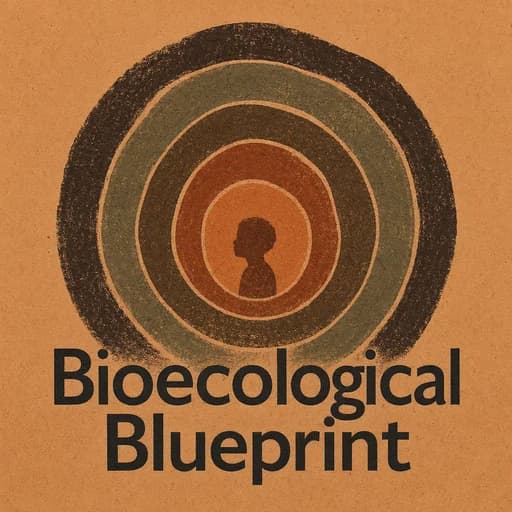
    You might not remember being two years old, but the way you feel today—how you handle a stressful deadline or trust a new friend—actually started back when you were still learning how to use a spoon. Imagine your life is like building a giant tower of colorful blocks. The very first blocks at the bottom, the ones you can’t even see once the tower gets tall, are the interactions you had throughout development. This isn't just about "nature" or "nurture" as separate things; it is about how they dance together in what Urie Bronfenbrenner called the Bioecological Model . Think of it like a garden. You have the seeds, which are your genes, but those seeds only become a beautiful flower if the soil is rich, the water is steady, and the sun shines just right. Research shows that for children under five, especially those in the most vulnerable situations, the quality of this "garden" is one of the main factors of how they will function later in life . We are talking about everything from how well they do in school to their physical health as adults . If you’ve ever wondered why some people seem to bounce back from hardship while others struggle to find their footing, the answer often lies in these early systems. It matters to you because this isn't just "child development"—it is the literal blueprint of our society, the secret engine behind our workforce, and the foundation of our safety. So, let’s dive into how these invisible layers of your world actually work together to make you who you are.
    챕터 2

    The Magic of the Back-and-Forth

    To understand how you grew up, we have to look at the "microsystem." Imagine a game of catch. When a baby coos and a parent smiles back, or when a toddler points at a dog and an adult says, "Yes, that's a big dog," that is a "proximal process" . These are the engines of human development. For these engines to really hum, the interaction has to be bidirectional—meaning it goes both ways—and it has to happen on a regular basis over a long time . It’s not just a one-time thing; it’s a progressively more complex dance. Think of it like learning to play a video game. If the game stays at Level 1 forever, you get bored and stop learning. But if the game gets just a little harder as you get better, you stay engaged and your skills skyrocket. That is what a good microsystem does for a child. It’s the home, the daycare, and the playground where these face-to-face moments happen . Bronfenbrenner pointed out that children aren't just passive sponges; they are active "producers" of their own development . Their own temperament—whether they are a "happy baby" or a "fussy baby"—actually changes how the people around them react, which then changes the child again . This constant loop is where emotional intelligence is born. When a child experiences "contingent responsiveness"—which is just a fancy way of saying their needs are met with a predictable, warm response—they develop a sense of self-worth . They start to believe, "I matter, and the world is a place where I can make things happen."

    이 에피소드로 더 깊이 배우기

    이 에피소드의 아이디어를 BeFreed의 가이드 학습 경험으로 더 깊이 탐구해 보세요.

    챕터 3

    When Different Worlds Shake Hands

    Now, imagine you have two different toy sets—maybe Legos and wooden blocks. On their own, they are great, but the real fun starts when you figure out how to build something using both. In Bronfenbrenner’s world, this is the "mesosystem" . It is the connection between the relationships between two or more settings. If a child’s parents and their preschool teacher are on the same page, talking to each other and supporting each other, the child feels a sense of harmony. It’s like having a map where all the roads actually connect. But when these worlds don't talk—or worse, when they conflict—it creates a "disruption" . Think about a child who spends their morning in a home where everyone speaks one language and follows certain rules, and then goes to a school where everything is different and nobody understands their home life. That gap between microsystems can make the "engine" of development sputter. Research in the 1990s showed that social integration only benefits adolescents whose families live in neighborhoods characterized by good parenting . It turns out that the "social contract"—the way we agree to treat each other in a community—starts with these simple handshakes between the home and the neighborhood. adolescents need certain home advantages in order to be able to take advantage of the social capital in their social networks This isn't money in a bank; it's the wealth of relationships that help a child feel safe enough to explore and learn .

    챕터 4

    The Invisible Forces Behind the Curtain

    Sometimes, things that happen in places a child never even visits can change their entire life. Bronfenbrenner called this the "exosystem" . Imagine a parent’s workplace. The toddler isn't sitting in the office, but if the parent’s boss is mean, or if the parent is worried about losing their job, that stress "leaks" into the home . It’s like a shadow that follows the parent through the front door. Sources show that things like a parent's work schedule, their access to sick leave, or even the local government’s decision to build a library or a park, are all part of this invisible layer . If a community is a "child care desert" with no good places for kids to go, the parents feel overwhelmed, and that "hecticness" interferes with the regular, complex interactions a child needs to grow . We’ve seen this in recent years with the "New Ecology of Early Childhood," where things like economic inequality and the lack of affordable care create a fog of uncertainty . When a parent is working three jobs just to pay for food, they have less "fuel" left in their tank to engage in those back-and-forth games of catch that build a child’s brain. This is why "workforce capability" in the future depends on the "exosystems" of today. If we want adults who are smart, focused, and capable, we have to make sure the parents of toddlers aren't being pushed to the breaking point by forces they can't control.

    이 에피소드로 더 깊이 배우기

    이 에피소드의 아이디어를 BeFreed의 가이드 학습 경험으로 더 깊이 탐구해 보세요.

    챕터 5

    The Big Ideas That Shape Our Lives

    The outermost layer of this whole system is the "macrosystem." This isn't a place you can point to on a map; it’s the "vibe" of the whole society—the laws, the cultural beliefs, and the big ideas we all share . Imagine it’s like the climate of a country. Some places are "individualistic," focusing on "me," while others are "collectivistic," focusing on "us." In the United States, our macrosystem values things like freedom and capitalism, but it also determines how we view "quality childcare" . If a society believes that taking care of babies is "just a family issue," it won't pass laws to support paid leave or universal preschool. But Bronfenbrenner argued that these big cultural beliefs eventually "filter down" through all the other layers to hit the child directly . For example, if our macrosystem ignores the "growing chaos" in family lives—the instability, the noise, and the lack of structure—we see a rise in "developmental dysfunction" . This shows up later as higher crime rates, more people in prison, and a loss of faith in our institutions . It’s like a giant domino effect. When the macrosystem provides a "social safety net," it’s like putting a sturdy fence around the whole garden, protecting the tiny plants inside from the harshest winds of poverty or neglect .

    챕터 6

    Watching the Clock of History

    Time is the final piece of the puzzle, and Bronfenbrenner called it the "chronosystem" . This is about how the world changes over years and decades. You know how your grandparents talk about "the old days"? They grew up in a different chronosystem. A child who was ten years old in 2026 is growing up with "omnipresent screens" and a different "mental health crisis" than a child who was ten in 1990 . This matters because historical events—like a pandemic or a big economic shift—change the way families function . For example, research on the "Great Depression" showed that the economic "hardship" affected girls’ psychosocial well-being through fathers’ rejecting behavior . But time also works on a smaller scale, which Bronfenbrenner called "microtime"—the continuity within a single interaction—and "mesotime," which is how often those interactions happen every week . If a child’s life is "unpredictable" and "unstable," their brain stays in "threat detection" mode instead of "learning" mode . When things are "unpredictable" for too long, it can even change how a child’s genes are expressed . This tells us that "some uncertainty in day-to-day life can promote healthy development, while prolonged unpredictability can be harmful. If we want a society that functions well, we have to look at the "tide" of history and make sure we are building "dams" to protect children from the "chaos" of rapid change .

    이 에피소드로 더 깊이 배우기

    이 에피소드의 아이디어를 BeFreed의 가이드 학습 경험으로 더 깊이 탐구해 보세요.

    챕터 7

    Small Steps for a Sturdier Tower

    You might be thinking, "This is all so big—what can I actually do?" Well, the beauty of the Bioecological Model is that because everything is connected, even small changes in the "microsystem" can ripple outward. If you have a young child in your life, the most powerful thing you can do is focus on "proximal processes"—those simple, regular, back-and-forth moments . Turn off the screen for fifteen minutes and just follow their lead in a game. That "joint activity" is the literal "fuel" for their development . If you are a neighbor or a friend, remember that "third-party support" is a massive deal. Bronfenbrenner said it "takes three to tango" in the "family dance" . Just being an adult who "assists, encourages, and gives status" to a parent can actually make that parent more effective, which helps the child grow up stronger . In your community, look for ways to bridge the "mesosystem." Introduce yourself to your child’s teachers or the other parents at the park. When these "worlds" connect, the child feels a "safety net" beneath them. And on a bigger scale, you can support policies that reduce "unpredictability" for families—like paid leave or better wages for childcare workers . Every time you help make a child’s world a little more "stable" and "predictable," you are helping to build a "social contract" that keeps our whole society from wobbling.

    챕터 8

    Building a World Worth Growing Up In

    As we wrap up, take a second to think about the "tower" you are building—not just for yourself, but for the people around you. We’ve seen how the tiny, everyday moments between a toddler and a caregiver are actually the "engines" that drive everything else . When those engines are well-oiled with love, attention, and "stability," we get adults who are capable, kind, and ready to contribute to the world. But when those engines are starved of "fuel" by poverty, chaos, or isolation, the whole "system" starts to break down, leading to higher costs for everyone in the form of crime and lost potential . Bronfenbrenner once said that no society can "sustain itself" unless its members learn how to "care for other human beings" . That lesson starts in early infancy and continues through young adulthood. By understanding these "nested circles" of influence, you can see that you aren't just an "individual" living in a vacuum; you are a vital part of a "living system" . Whether you are a parent, a teacher, a neighbor, or just a concerned citizen, you have the power to influence at least one of these layers. Thank you for spending this time reflecting on the invisible architecture of our lives. Maybe tomorrow, you can look for one small way to make a connection in your own "microsystem" or "mesosystem"—maybe just a kind word to a struggling parent or a focused moment with a curious child. It’s those tiny blocks at the bottom that truly hold up the sky for all of us.

    ★★★★★

    The Bioecological Blueprint: Urie Bronfenbrenner’s Model Explained의 끝까지 도달했어요

    “23일째 매일 사용하고 있어요. 이제 제 일상의 한 부분이 되었습니다.”

    jayallen

    The Bioecological Blueprint: Urie Bronfenbrenner’s Model Explained 베스트 인용

    “

    The tiny, everyday moments between a toddler and a caregiver are actually the engines that drive everything else. When those engines are well-oiled with love, attention, and stability, we get adults who are capable, kind, and ready to contribute to the world.

    ”
    J

    Generated by Jeannette

    질문 입력

    Bronfenbrenner's Bioecological Systems Theory focused on the 0-3 age range as the foundation for lifelong learning. Explore how primary interactions (microsystem) and community relationships (mesosystem) shape social contracts, emotional intelligence, and long-term societal outcomes like workforce capability and reduced crime through quality early childhood education.

    호스트 음성
    Lenaplay
    지식 출처
    The Bioecological Model of Human Development
    link
    https://www.childhelp.org/wp-content/uploads/2015/07/Bronfenbrenner-U.-and-P.-Morris-2006-The-Bioecological-Model-of-Human-Development.pdf
    Family & Bioecological Theory
    link
    https://depts.washington.edu/eedu/FEB/cbook/FEB-Topic03-BioecologicalTheory.pdf
    February 2025
    link
    https://earlychildhood.stanford.edu/sites/g/files/sbiybj27426/files/media/file/the-new-ecology-of-early-childhood.pdf
    The importance of emotional competence and self-regulation from birth: a case for the evidence-based emotional cognitive social early learning approach | International Journal of Child Care and Education Policy | Springer Nature Link
    link
    https://link.springer.com/article/10.1186/s40723-017-0038-6
    link
    http://apps2.coj.net/City_Council_Public_Notices_Repository/The%20Chicago%20Longitudinal%20Study%20cost%20benefit%20anaylsis.pdf
    The High/Scope Perry Preschool Study Through Age 40
    link
    https://highscope.org/wp-content/uploads/2024/07/perry-preschool-summary-40.pdf

    자주 묻는 질문

    The Bioecological Model is a framework developed by Urie Bronfenbrenner that explains how a child's development is shaped by the interaction between their biology and their environment. Think of it like a garden where genes are the seeds and the environment provides the soil, water, and sun. This model suggests that the quality of these early systems and interactions, particularly between ages zero and three, forms the foundational blocks for how an individual functions later in life.

    Research indicates that the experiences a child has before the age of five are the single biggest predictors of their future success. These early interactions act as a blueprint for how a person handles stress, trusts others, and performs in school. Beyond personal development, these systems serve as the foundation for physical health in adulthood and the overall stability of our society's workforce and safety. The way we function today often traces back to these invisible early systems.

    In the Bioecological Blueprint, nature and nurture are not viewed as separate entities but as factors that dance together. While genes provide the initial blueprint, the environment—or the 'soil'—determines how those genes are expressed. This interaction explains why some people are more resilient than others when facing hardship. Understanding this relationship is crucial for developmental psychology and early childhood education, as it highlights how external support systems can influence internal biological outcomes.

    컬럼비아 대학교 동문들이 제작 | 샌프란시스코에서 개발

    BeFreed는 호기심 넘치는 글로벌 커뮤니티를 하나로 연결합니다

    4.7

    평균 평점

    앱 평가 7.84천 개 이상

    BeFreed 커뮤니티

    정말이지 아직 앱을 다 써 보지도 않았는데, 며칠 써 본 것만으로도 깊은 인상을 받았어요… BeFreed는 제가 써 본 어떤 학습 앱과도 차원이 달라요. 몰입감이 엄청나고 집중력도 실제로 좋아져서, 스마트폰을 하염없이 스크롤하는 분들께 딱이에요!

    @ladyInfinity

    정확히 23일 전에 BeFreed를 구입했는데, 그날부터 하루도 빠짐없이 쓰고 있어요. 제 일상 업무 흐름과 학습 습관에 완전히 자리 잡았어요.

    @jayallen

    솔직히 이 앱은 제 기대를 전부 뛰어넘었어요. 어떤 주제든 오디오로 만들어 달라고 할 수 있고, 결과물이 놀라워요. 제 전문 분야는 심리치료 쪽이고 여러 학문이 얽혀 있는데도 답변이 아주 정확해요.

    @Raguipa

    제일 고마운 건 스크롤하는 시간이 확 줄었다는 거예요. 검색하는 시간은 줄고 흡수하는 시간은 늘었어요. 오디오북 전권, 팟캐스트, 학습 플랜의 조합이 정말 훌륭해요.

    @colonyofcreatorsNGO

    저는 24년째 PhotoReading 속진 학습 강사로 일하고 있어요… 책과 독서, 배움이 제 전문인데, BeFreed는 정보를 소화하기 쉽게 전달하는 혁신적인 방식을 정말 잘 구현했어요.

    @BeFreed user

    단순한 책 요약 앱이 아니에요. '재미' 스타일을 써 봤는데, 전통적인 방식보다 훨씬 나은 요약이고 아이디어를 이해하기도 쉬워요. 이것만으로도 값어치를 해요.

    @austinakon

    이 앱이 정말 좋아요. 며칠 써 봤는데 듣는 걸 멈출 수가 없어요. 시작하기에 이보다 좋을 수 없어요.

    @jcrules328

    정말 마음에 들어요. 한 달 정도 써 봤는데 숨은 보석을 찾은 기분이에요. BeFreed로 제가 원하는 주제를 직접 만들 수 있어서 좋고, 목소리도 훌륭한 데다 내레이션 선택지가 무궁무진해요.

    @DanielCZ

    정말이지 아직 앱을 다 써 보지도 않았는데, 며칠 써 본 것만으로도 깊은 인상을 받았어요… BeFreed는 제가 써 본 어떤 학습 앱과도 차원이 달라요. 몰입감이 엄청나고 집중력도 실제로 좋아져서, 스마트폰을 하염없이 스크롤하는 분들께 딱이에요!

    @ladyInfinity

    정확히 23일 전에 BeFreed를 구입했는데, 그날부터 하루도 빠짐없이 쓰고 있어요. 제 일상 업무 흐름과 학습 습관에 완전히 자리 잡았어요.

    @jayallen

    솔직히 이 앱은 제 기대를 전부 뛰어넘었어요. 어떤 주제든 오디오로 만들어 달라고 할 수 있고, 결과물이 놀라워요. 제 전문 분야는 심리치료 쪽이고 여러 학문이 얽혀 있는데도 답변이 아주 정확해요.

    @Raguipa

    제일 고마운 건 스크롤하는 시간이 확 줄었다는 거예요. 검색하는 시간은 줄고 흡수하는 시간은 늘었어요. 오디오북 전권, 팟캐스트, 학습 플랜의 조합이 정말 훌륭해요.

    @colonyofcreatorsNGO

    저는 24년째 PhotoReading 속진 학습 강사로 일하고 있어요… 책과 독서, 배움이 제 전문인데, BeFreed는 정보를 소화하기 쉽게 전달하는 혁신적인 방식을 정말 잘 구현했어요.

    @BeFreed user

    단순한 책 요약 앱이 아니에요. '재미' 스타일을 써 봤는데, 전통적인 방식보다 훨씬 나은 요약이고 아이디어를 이해하기도 쉬워요. 이것만으로도 값어치를 해요.

    @austinakon

    이 앱이 정말 좋아요. 며칠 써 봤는데 듣는 걸 멈출 수가 없어요. 시작하기에 이보다 좋을 수 없어요.

    @jcrules328

    정말 마음에 들어요. 한 달 정도 써 봤는데 숨은 보석을 찾은 기분이에요. BeFreed로 제가 원하는 주제를 직접 만들 수 있어서 좋고, 목소리도 훌륭한 데다 내레이션 선택지가 무궁무진해요.

    @DanielCZ

    유용한 정보와 아이디어를 8~15분짜리 팟캐스트 스타일 오디오로 압축해서 들을 수 있다는 게 정말 좋아요. 원래 팟캐스트는 군더더기가 많아서 안 좋아했는데, 여기는 그걸 싹 걷어냈어요.

    @BeFreed user

    박사 과정을 마무리하는 중이라 낯선 자료를 많이 읽어야 해요… BeFreed에서는 프롬프트만 입력하면 앱이 자료를 찾아서 오디오 팟캐스트로 만들어 줘요. BeFreed의 과정이 NotebookLM보다 더 매끄럽게 느껴져요.

    @Brad

    아침을 준비하거나 산책하거나 출퇴근할 때 들을 것을 YouTube에서 자주 찾곤 했는데, BeFreed는 광고도 군더더기도 없이 훨씬 더 딱 맞는 걸 들려줘요!

    @BeFreed user

    이 플랫폼의 가장 큰 장점은 활용도예요. 다루지 못하는 주제가 말 그대로 하나도 없어요. 무엇을 던져도 다 소화해요… 제한이 전혀 없으면서 약속을 실제로 지키는 학습 도구는 정말 드물어요.

    @jayallen

    BeFreed는 환상적이에요. 디자인이 편해서 헤매는 시간은 줄고 배우는 시간은 늘었어요. 오디오북, 팟캐스트, 학습 플랜의 조합은 천재적이에요. 제 하루가 완전히 달라졌어요.

    @BeFreed user

    처음엔 이탈리아어로 팟캐스트를 만드는 방법을 이해하는 데 시간이 좀 걸렸는데, 알고 나니까 — 와! 정말 대단해요! 어떤 주제든 설명해 달라고 하면 정말 똑똑하게 잘 설명해 줘요!

    @matteo77

    BeFreed는 제가 매일 쓰는 오디오북 앱이 됐어요… 제일 마음에 드는 건 텍스트를 넣으면 이동 중에도 들을 수 있는 오디오로 만들어 준다는 점이에요.

    @kotanzu1

    유용한 정보와 아이디어를 8~15분짜리 팟캐스트 스타일 오디오로 압축해서 들을 수 있다는 게 정말 좋아요. 원래 팟캐스트는 군더더기가 많아서 안 좋아했는데, 여기는 그걸 싹 걷어냈어요.

    @BeFreed user

    박사 과정을 마무리하는 중이라 낯선 자료를 많이 읽어야 해요… BeFreed에서는 프롬프트만 입력하면 앱이 자료를 찾아서 오디오 팟캐스트로 만들어 줘요. BeFreed의 과정이 NotebookLM보다 더 매끄럽게 느껴져요.

    @Brad

    아침을 준비하거나 산책하거나 출퇴근할 때 들을 것을 YouTube에서 자주 찾곤 했는데, BeFreed는 광고도 군더더기도 없이 훨씬 더 딱 맞는 걸 들려줘요!

    @BeFreed user

    이 플랫폼의 가장 큰 장점은 활용도예요. 다루지 못하는 주제가 말 그대로 하나도 없어요. 무엇을 던져도 다 소화해요… 제한이 전혀 없으면서 약속을 실제로 지키는 학습 도구는 정말 드물어요.

    @jayallen

    BeFreed는 환상적이에요. 디자인이 편해서 헤매는 시간은 줄고 배우는 시간은 늘었어요. 오디오북, 팟캐스트, 학습 플랜의 조합은 천재적이에요. 제 하루가 완전히 달라졌어요.

    @BeFreed user

    처음엔 이탈리아어로 팟캐스트를 만드는 방법을 이해하는 데 시간이 좀 걸렸는데, 알고 나니까 — 와! 정말 대단해요! 어떤 주제든 설명해 달라고 하면 정말 똑똑하게 잘 설명해 줘요!

    @matteo77

    BeFreed는 제가 매일 쓰는 오디오북 앱이 됐어요… 제일 마음에 드는 건 텍스트를 넣으면 이동 중에도 들을 수 있는 오디오로 만들어 준다는 점이에요.

    @kotanzu1

    웹에서 BeFreed가 어떻게 논의되고 있는지 더 보기
    129.7K19.5K
    55.2K19.2K
    154.2K10827355
    48.1K2.5K
    81.2K6.6K
    82.3K1.8K
    지금 바로 학습 여정을 시작하세요
    BeFreed 앱
    BeFreed

    무엇이든 개인화된 학습

    DiscordLinkedIn
    추천 도서 요약
    Crucial ConversationsThe Perfect MarriageInto the WildNever Split the DifferenceAttachedGood to GreatSay Nothing
    인기 카테고리
    Self HelpCommunication SkillRelationshipMindfulnessPhilosophyInspirationProductivity
    유명인 추천 도서
    Elon MuskCharlie KirkBill GatesSteve JobsAndrew HubermanJoe RoganJordan Peterson
    수상작 컬렉션
    Pulitzer PrizeNational Book AwardGoodreads Choice AwardsNobel Prize in LiteratureNew York TimesCaldecott MedalNebula Award
    추천 주제
    ManagementAmerican HistoryWarTradingStoicismAnxietySex
    연도별 베스트 도서
    2025 Best Non Fiction Books2024 Best Non Fiction Books2023 Best Non Fiction Books
    추천 저자
    Chimamanda Ngozi AdichieGeorge OrwellO. J. SimpsonBarbara O'NeillWinston ChurchillCharlie Kirk
    BeFreed vs 다른 앱
    BeFreed vs. Other Book Summary AppsBeFreed vs. ElevenReaderBeFreed vs. ReadwiseBeFreed vs. Anki
    학습 도구
    Knowledge VisualizerAI Podcast Generator
    정보
    회사 소개arrow
    가격arrow
    FAQarrow
    블로그arrow
    채용arrow
    파트너십arrow
    앰배서더 프로그램arrow
    디렉토리arrow
    BeFreed
    Try now
    © 2026 BeFreed
    이용 약관개인정보 처리방침
    BeFreed

    무엇이든 개인화된 학습

    DiscordLinkedIn
    추천 도서 요약
    Crucial ConversationsThe Perfect MarriageInto the WildNever Split the DifferenceAttachedGood to GreatSay Nothing
    인기 카테고리
    Self HelpCommunication SkillRelationshipMindfulnessPhilosophyInspirationProductivity
    유명인 추천 도서
    Elon MuskCharlie KirkBill GatesSteve JobsAndrew HubermanJoe RoganJordan Peterson
    수상작 컬렉션
    Pulitzer PrizeNational Book AwardGoodreads Choice AwardsNobel Prize in LiteratureNew York TimesCaldecott MedalNebula Award
    추천 주제
    ManagementAmerican HistoryWarTradingStoicismAnxietySex
    연도별 베스트 도서
    2025 Best Non Fiction Books2024 Best Non Fiction Books2023 Best Non Fiction Books
    학습 도구
    Knowledge VisualizerAI Podcast Generator
    추천 저자
    Chimamanda Ngozi AdichieGeorge OrwellO. J. SimpsonBarbara O'NeillWinston ChurchillCharlie Kirk
    BeFreed vs 다른 앱
    BeFreed vs. Other Book Summary AppsBeFreed vs. ElevenReaderBeFreed vs. ReadwiseBeFreed vs. Anki
    정보
    회사 소개arrow
    가격arrow
    FAQarrow
    블로그arrow
    채용arrow
    파트너십arrow
    앰배서더 프로그램arrow
    디렉토리arrow
    BeFreed
    Try now
    © 2026 BeFreed
    이용 약관개인정보 처리방침

    비슷한 콘텐츠

    The Coaching Ecology: Bronfenbrenner’s Map for Growth 책 표지
    System Interaction and Human Development: Bronfenbrenner theory’s interplay for Leadership in Organization | Integrative Psychological and Behavioral Science | Springer Nature LinkStrategic Team Performance: Navigating VUCA Ecosystems Through Ecological And Systemic Coaching - AmaGhanaonline.comThe six Neuro-Ecological Coaching model for leadership effectiveness, success and well-being - The Business & Financial TimesBronfenbrenner in Adulthood: Ecological Systems Across Lifespan
    7 sources
    The Coaching Ecology: Bronfenbrenner’s Map for Growth
    When mindset work isn't enough, the environment is often the culprit. Use Ecological Systems Theory to map the hidden forces shaping your client.
    927 min
    Blueprint 책 표지
    Blueprint
    Robert Plomin
    28 min
    Blueprint 책 표지
    Blueprint
    Nicholas A. Christakis
    Explores how evolution has shaped human societies, revealing our innate capacity for goodness, cooperation, and social connection.
    27 min
    The Blueprint of Thriving Relationships 책 표지
    Plays Well with OthersHow to Love Someone Without Losing Your MindLove's Blueprint: The Science of Building Lasting RelationshipsLove More, Fight Less
    21 sources
    The Blueprint of Thriving Relationships
    Discover what truly makes relationships work beyond just love—from emotional safety to communication patterns that foster genuine connection and growth together.
    24 min
    Personality: The Clinical Blueprint 책 표지
    SybilAn Unquiet MindGood Morning, MonsterDBT Made Simple
    12 sources
    Personality: The Clinical Blueprint
    Explore how our personality traits fundamentally shape mental health outcomes and treatment approaches, from the evolution of the Five-Factor Model to the biological foundations of who we are.
    29 min
    The Biological Blueprint of Love 책 표지
    The Neurobiology of Love and Pair Bonding from Human and ... - PMCFrontiers | Romantic love evolved by co-opting mother-infant bonding
    5 sources
    The Biological Blueprint of Love
    Ever wonder why romance feels like an addiction? Discover how ancient neurobiology and parental bonds evolved to create the modern human heart.
    1005 min
    Blueprint for Lasting Connection 책 표지
    The Science of Healthy Love: Safety, Vitality, and DignityGames People PlayLove More, Fight LessPlays Well with Others
    24 sources
    Blueprint for Lasting Connection
    Discover the architecture of healthy relationships, from building emotional foundations to navigating intimacy. Learn practical tools for creating connections that thrive beyond just falling in love.
    41 min
    The Romantic Blueprint: From Parents to Partners 책 표지
    AttachedHow to Avoid Falling in Love with a JerkBecoming AttachedAnxiously Attached
    21 sources
    The Romantic Blueprint: From Parents to Partners
    Explore how early childhood attachment styles and family dynamics subconsciously program your 'emotional GPS' and dictate your adult romantic choices.

    29 min