The Invisible Map of Human Potential
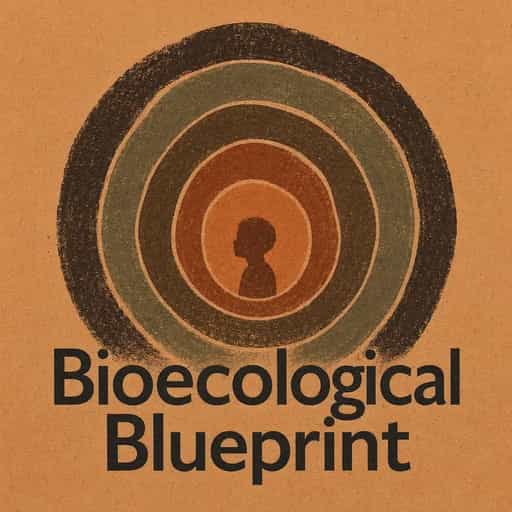
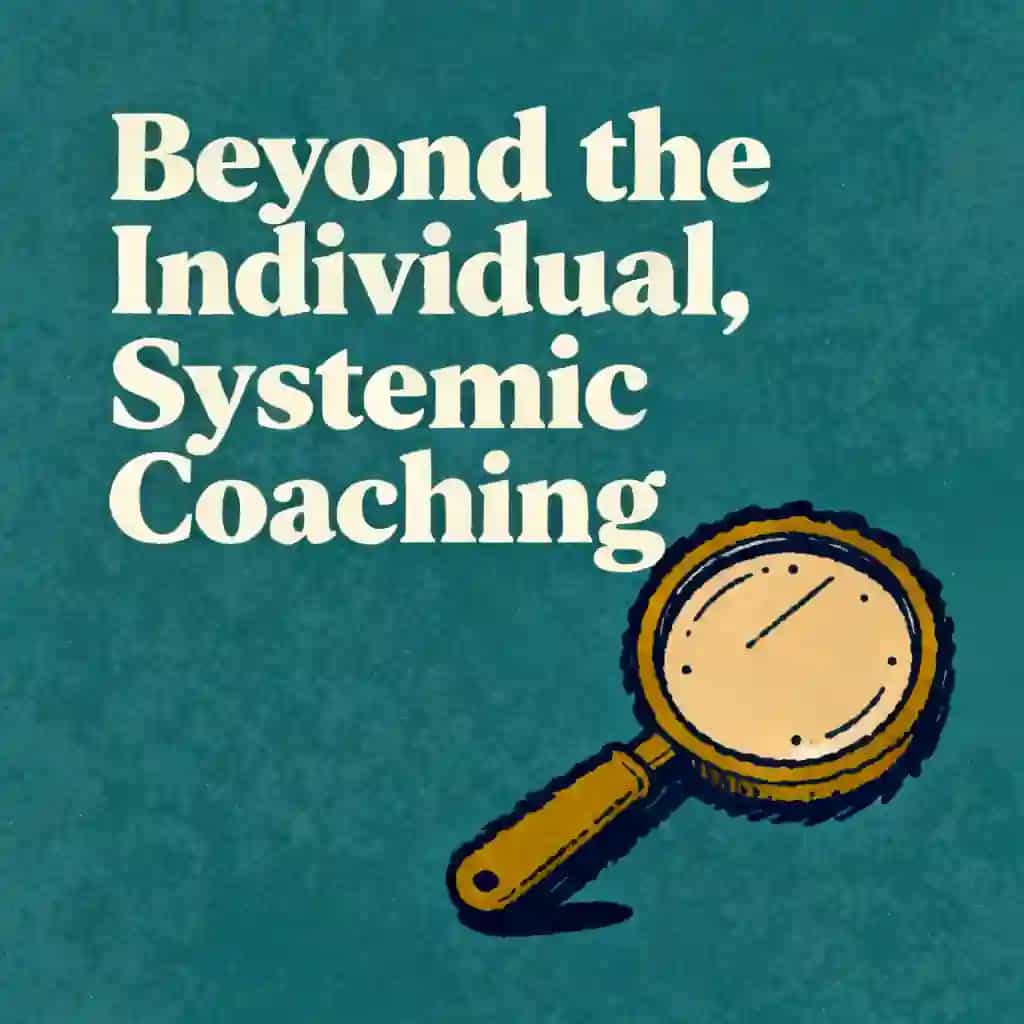
Lena: Imagine you’re coaching a high performer—someone who’s hit a wall. They’ve done the mindset work, they’ve optimized their habits, but they’re still stuck. Usually, we look inside the person for the answer, right? But what if the reason they aren’t growing has almost nothing to do with what’s in their head and everything to do with the "ecology" they live in? I was looking into Urie Bronfenbrenner’s Ecological Systems Theory, and it’s basically a master map for seeing these invisible forces . It suggests that human development isn't a solo sport—it’s a dynamic process impacted by nested systems, from your immediate relationships to the global economy .
Miles: It’s such a shift in perspective. Instead of just "fixing" the individual, you start looking at the individual-in-context. Bronfenbrenner basically argues that you can’t understand a person’s growth without looking at the layers of their environment—like those Russian nesting dolls. In a coaching framework, this is huge because it moves us from "linear" thinking—like, "do X to get Y"—to a systemic view . You start seeing that a client's "stagnation" might actually be a perfectly logical response to a "brittle" or "anxious" environment they’re swimming in .
Lena: Exactly. And for a coach, this isn't just academic. It’s a tool for "neuro-authentic" recalibration . It helps you and your client identify "systemic friction"—those hidden spots where the environment is actually pushing back against their goals .
Miles: And that’s what we’re diving into today. How do you actually take this 1970s developmental theory and turn it into a high-impact professional coaching framework? We’re going to map out the systems, from the "microsystem" of a client's daily interactions to the "chronosystem" of their life transitions . By the end of this, you’ll have a literal checklist for helping your clients navigate what some call the "VUCA" ecosystem—volatile, uncertain, complex, and ambiguous . Let's start by looking at that first, most intimate layer.















![[PDF] What is Systemic Coaching? Paul Lawrence Sydney, Australia](/_next/image?url=https%3A%2F%2Fd1y2du6z1jfm9e.cloudfront.net%2Fassets%2Fpodcast%2Fpurple.png&w=1024&q=50)