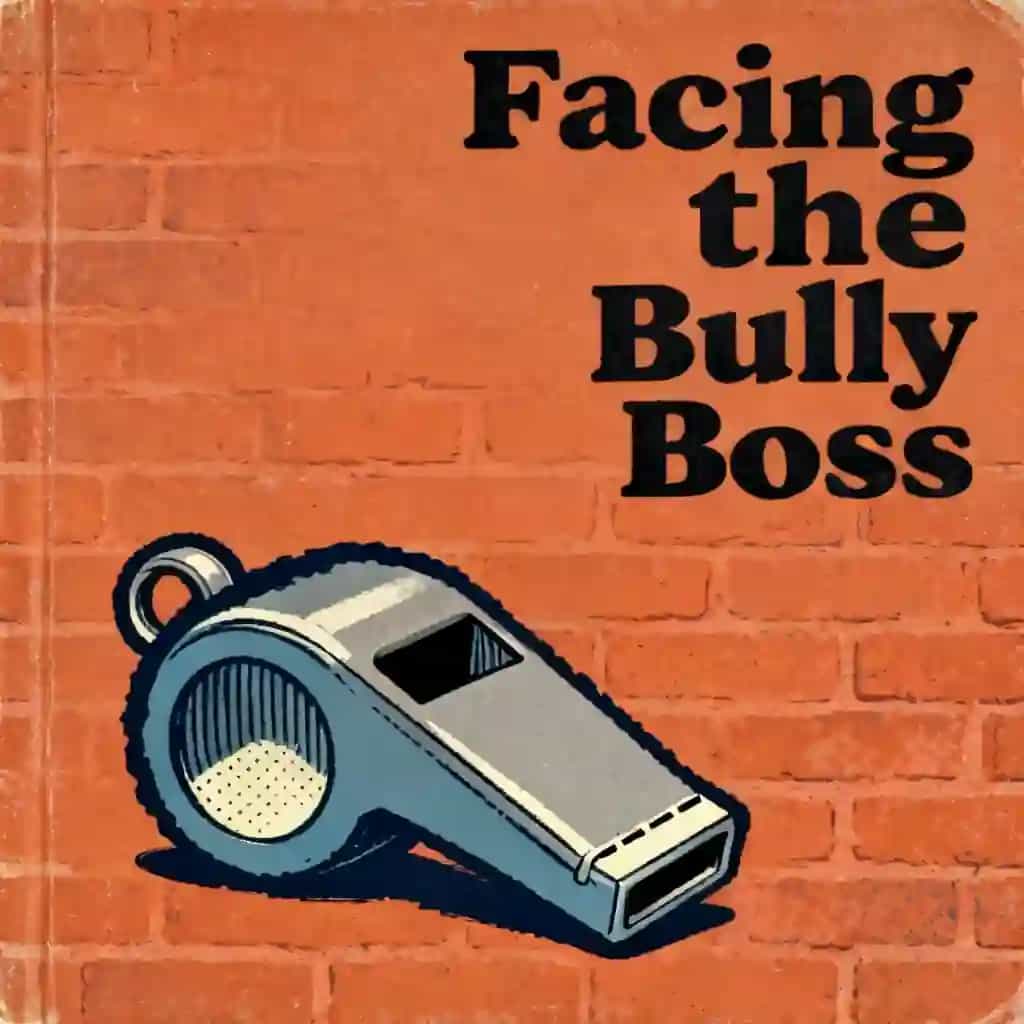
Surviving the Toxic Boss Epidemic
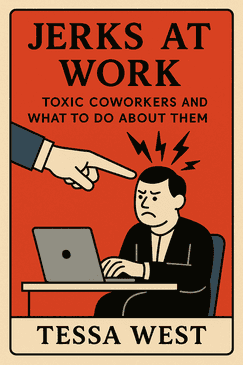
Lena: Hey Miles, I was talking to a friend last week who's absolutely miserable at work, and it's not because of the job itself—it's her boss. She described him as "toxic," and honestly, the stories she shared made my skin crawl. Apparently, a Stanford study found that workplace stress from bad management could be responsible for up to 120,000 deaths each year! That's not just uncomfortable—it's dangerous.
Miles: That statistic is shocking but not surprising, Lena. The emotional toll of working under a toxic boss is immense. You know, according to research, about 71 percent of Americans report they're either currently experiencing a toxic boss or have had one in the past. It's an epidemic that's rarely addressed properly.
Lena: Right! And what's tricky is that these toxic bosses often blend in pretty well. They might even seem charming during job interviews. How are people supposed to recognize the warning signs before it's too late?
Miles: That's exactly the problem. Many toxic bosses display intelligence, high energy, and determination—qualities we typically associate with good leaders. The difference lies in how they use those traits. Do they lift people up or tear them down? Do they take credit for others' work? Do they humiliate team members in meetings?
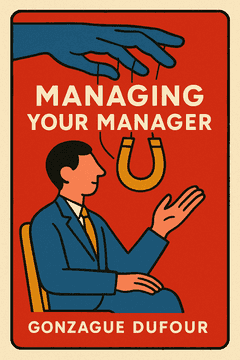
Lena: I've definitely experienced that feeling of walking on eggshells around certain managers. It's exhausting! So what can someone actually do if they realize they're stuck with a toxic boss? Quitting isn't always immediately possible, especially in today's job market.
Miles: You're right—quitting isn't always an option. The good news is there are strategies to protect yourself while you figure out your next move. Let's explore the specific signs of toxic leadership and the practical steps you can take to safeguard your wellbeing without sacrificing your career.