BeFreed
    Categories>Psychology>Paris, Texas: Landscape, Harry Dean Stanton, and Cinematic Space

    Paris, Texas: Landscape, Harry Dean Stanton, and Cinematic Space

    21분
    |
    |
    2026년 6월 5일
    • Psychology
    • Philosophy & Spirituality
    • Self-Growth

    Explore the cinematic space of Paris, Texas. Analyze Harry Dean Stanton’s Travis Henderson and how the West Texas landscape tells a story of a lost soul.

    Paris, Texas: Landscape, Harry Dean Stanton, and Cinematic Space
    0:00 / 0:00
    전달 방식을 선택하세요

    하나의 에피소드, 다양한 청취 방식.

    Paris, Texas: Landscape, Harry Dean Stanton, and Cinematic Space의 같은 아이디어를 나에게 맞는 목소리, 깊이, 속도로 만나보세요. 언제든 바꿀 수 있습니다.

    전체 대본 및 챕터

    챕터 1

    The Man Who Walked Out of the Desert

    Lena: Imagine you’re looking down from a plane at the vast, sun-bleached topography of West Texas—nothing but mesas, buttes, and a sky so blue it feels heavy. Suddenly, the camera finds a tiny, solitary figure. He’s wearing a dust-covered navy pinstripe suit, a red baseball cap, and he’s carrying a plastic water jug that’s bone dry . It’s one of the most iconic openings in cinema history, and it sets the stage for Paris, Texas, a film that’s basically a masterclass in how space and landscape can tell a story better than words ever could.

    Miles: It’s such a powerful hook because it’s a total mystery. This man, Travis, played by Harry Dean Stanton, literally walks out of the wilderness like some kind of biblical figure who’s forgotten the world . He’s completely mute. He doesn’t even seem to know who he is. And for you, as the viewer, you’re immediately sucked into this question: where has he been for four years? Why is he in a suit in the middle of nowhere?

    Lena: Right, and it turns out he’s not just physically lost. He’s emotionally hollowed out. When he finally collapses in a tiny settlement called Terlingua and a doctor finds a card with a phone number in his wallet, we meet his brother, Walt, who flies in from L.A. to rescue him . But rescue is a tricky word here. Travis keeps trying to walk away—not just from Walt, but from civilization itself. He’s drawn to the railroad tracks, to the open fields, as if he’s tracing an invisible line only he can see .

    Miles: It’s interesting you mention that "invisible line." The film is really about the distance between people—the spaces between us that are sometimes harder to cross than a desert. Wim Wenders, the director, was obsessed with the American landscape, and he uses it to mirror Travis’s internal state. You’ve got this huge, epic canvas of the West, but inside it, there’s this incredibly intimate, painful story about a man trying to find his way back to his son and the wife he lost .

    Lena: And that’s exactly why we’re diving into this today. Whether you’re a film buff or just someone who loves a story about the messy, beautiful reality of family and memory, Paris, Texas has something for you. It’s a cult classic that won the Palme d’Or at Cannes over forty years ago, but it feels incredibly modern in how it handles loneliness and the "American Dream" . So, let’s get into the heart of this "modern Western" and see what it’s actually searching for.

    챕터 2

    The Geography of a Broken Identity

    Miles: So, if you’ve ever felt like you didn't quite belong in your own life, you’ll relate to Travis. When Walt finally catches up with him, he finds a man who’s a "weather-beaten shadow" of his former self . Walt is this successful billboard company owner—he’s rooted in commerce, in the "built environment" of Los Angeles . Travis, on the other hand, is wild, unknowable. It’s like a postmodern version of Cain and Abel, where one brother is settled and the other is a wanderer .

    Lena: That contrast is so vivid. Walt is literally introduced standing in front of a giant photograph of a building—he populates the world with artificial images . Meanwhile, Travis is carrying around a physical piece of his past: a tattered photograph of a vacant, dirt lot in Paris, Texas. He bought it years ago because he believed he was conceived there . He tells Walt, "I started out there," like the land itself is his origin story .

    Miles: It’s a classic "Daddy’s joke," right? His mother wasn't from Paris, France—she was from the tiny town in Texas. But Travis takes it seriously. For him, Paris, Texas is a "nameless place" that holds the key to his identity . It’s the one thing that gives him a sense of direction when he’s totally lost. And it’s funny because we never actually see the town in the movie. It only exists in that one photograph and in Travis’s mind .

    Lena: That really highlights the power of naming. The title itself—Paris, Texas—is a dichotomy. You’ve got the elegant urbanity of Paris and the rugged frontier of Texas . It creates this weird, surreal space in your imagination. And as they drive from the desert toward L.A., you see that reflected in the cinematography. You’ll notice these shots where natural twilight meets the neon green glow of gas station lights all in one frame. It’s beautiful, but it also feels slightly alienating .

    Miles: And Travis is terrified of leaving the ground. When Walt tries to get him on a plane to L.A., Travis refuses. He asks, "We’re leaving the ground? Why?" . He needs to feel the earth beneath him to feel real. He even insists on finding the exact same rental car they started in. He’s obsessed with the "piece of Paris" he carries, even though Walt looks at the photo and says, "There’s nothing on it." Travis just laughs and says, "Empty" . He’s identifying with that emptiness.

    Lena: It’s like he’s trying to rebuild himself from scratch, but he’s doing it through these very specific, material connections to the road. He’s not in the "wilderness" anymore, as Walt puts it, but he’s still not quite in "civilization" either. He’s in this middle space—the highway, the motel, the car—which is where the next part of his journey really takes off.

    이 에피소드로 더 깊이 배우기

    이 에피소드의 아이디어를 BeFreed의 가이드 학습 경험으로 더 깊이 탐구해 보세요.

    챕터 3

    Reconnecting Through the Lens of the Past

    Miles: Once they actually get to Los Angeles, the movie shifts from this vast desert epic to something much more intimate—and honestly, pretty heartbreaking. Travis meets his seven-year-old son, Hunter, who’s been raised by Walt and his French wife, Anne . Imagine being that kid. This "stranger in a red cap" shows up, and you’re told, "Hey, this is your dad," but you have zero memory of him .

    Lena: Hunter is so wary at first. He even tells his mom, "Nobody walks, everybody drives," when Travis offers to walk him home from school . It’s such a sharp observation about L.A. culture, but it’s also a wall he’s putting up. But then, we get this incredible "home movies" sequence. The family sits in the dark and watches silent Super 8 footage of a vacation from years ago—back when Travis, Jane, and a toddler-aged Hunter were still a family .

    Miles: That scene is the turning point. It’s almost wordless, just the flickering light and Ry Cooder’s slide guitar in the background . You see Jane for the first time—played by Nastassja Kinski—and she’s glowing. Hunter looks at the screen and says, "That’s me driving," and Travis just replies, "I know. You’re gonna be good" . It’s the first time they really connect, through this "image of space" from a time before everything fell apart .

    Lena: It’s fascinating because Hunter later tells Anne, "That’s not really her, that’s just her in a movie" . He understands the distance between the memory and the reality. But for Travis, those images are a roadmap. He starts trying to "perform" fatherhood. There’s this charming, almost Chaplinesque scene where he dresses up in Walt’s clothes to look like a "rich father"—because the housekeeper tells him a rich father looks at the sky and never at the ground .

    Miles: He’s trying to find a "visual archetype" of a father to emulate . It’s a bit tragic, but also sweet. He and Hunter start walking home on opposite sides of the street, eventually meeting in the middle. It’s visual storytelling at its best . But even as they bond over talk of the Big Bang and relativity—Hunter is obsessed with outer space—the shadow of Jane is everywhere .

    Lena: Right, Anne eventually confesses to Travis that Jane has been making monthly deposits into a bank account for Hunter in Houston . That’s the spark. Travis realizes he can’t just stay in L.A. and play house. He has to find Jane, not just for himself, but for Hunter. So, without telling Walt or Anne, he and Hunter pile into a used Ford Ranchero and head back toward the Texas border .

    챕터 4

    The Sonic Soul of the Desert

    Miles: We can’t talk about this road trip without talking about the music. If you’ve ever heard a lonely, echoing slide guitar and thought of the desert, you’re probably thinking of Ry Cooder’s score for this film . He recorded it in just three days, and it’s become one of the most famous soundtracks ever. It’s based on a blind blues musician’s song called "Dark Was the Night, Cold Was the Ground," which Cooder called the most "transcendent" piece in American music .

    Lena: It’s so much more than background noise. The music is almost like a character itself. Cooder actually discovered that the wind in the desert was in the key of E-flat, so he tuned everything to that key to match the environment . It creates this sense of "yearning" that matches the vast, empty landscapes Robby Müller was filming . It’s the sound of "la douleur exquise"—exquisite pain .

    Miles: I love that detail about the E-flat wind. It makes the film feel so grounded in the physical world. And you’ll notice how the music uses silence, too. It’s not a constant wall of sound. It slithers in with these "rattlesnake reverberations" and then fades out, leaving you with the hum of the highway or the sound of a plane overhead . It underscores the "domestic dysfunction" Travis is trying to outrun .

    Lena: There’s also a weird, cryptic sound that repeats—a muffled clanging that sounds like a cowbell stuffed with a sock . At first, you don’t know what it is. It just feels uneasy. But later, you realize it’s a "fateful totem." It’s tied to the darkest part of Travis’s past—the way he tried to control Jane, literally tying a bell to her ankle so she couldn't sneak away in the night .

    Miles: That’s heavy. The music is actually "carving into the characters' scar tissue" before they even say a word about it . And as Travis and Hunter drive, they use walkie-talkies to talk about time dilation and how the universe formed . It’s this mix of the cosmic and the deeply personal. The music accommodates those "discordant elements"—the sophisticated French influence of Wenders and the renegade justice of the American West .

    Lena: It’s also interesting how the music "bows out" during the most intense emotional scenes at the end . It’s like it’s giving the characters space to finally speak their truth. But before we get to that famous monologue, we have to talk about where they find Jane. Because it’s not a house or a park. It’s a place built entirely out of glass and distance.

    이 에피소드로 더 깊이 배우기

    이 에피소드의 아이디어를 BeFreed의 가이드 학습 경험으로 더 깊이 탐구해 보세요.

    챕터 5

    The Peep Show as a Psychological Mirror

    Miles: So, they make it to Houston. Travis tracks Jane to this "peep-show club" where she works . Now, if you’re imagining something typical, this isn’t it. Wenders and his team invented a version of a peep show that’s more like a "psychotherapy booth" . There’s a one-way mirror where the customer can see the woman, but she can only see her own reflection. They talk over a telephone intercom .

    Lena: It’s such a brilliant metaphor for their entire relationship. Travis has been "observing" her from a distance for years through his memories and the home movies . Now, he’s physically there, but he’s still hidden. The booths themselves are themed—one is "Poolside," another is "Coffee Shop," and the one where he finally talks to Jane is themed like a "Hotel" . They’re these "non-places," virtual spaces that mimic the real world but offer no actual connection .

    Miles: The first time he goes in, he’s too angry and overwhelmed. He sees her through the glass—she’s framed for observation, but he’s invisible to her . It’s only the second time that he finds the courage to stay. And this is where we get what people call one of the greatest monologues in movie history. Travis turns his chair away from the mirror so he isn't even looking at her, and he starts telling a story about "two people" he once knew .

    Lena: "I knew these people..." It’s so haunting because he’s talking about himself and Jane in the third person. He describes their love, but also how it turned into this "sickness" of jealousy and alcohol . He confesses to the cowbell, to the way he tried to hold her captive, and finally to the fire that destroyed their home and sent him running into the desert for five days .

    Miles: Imagine being Jane in that moment. She’s listening to this "vague story" from an anonymous customer, and slowly, the realization hits her. She says, "Every man has your voice," which is just such a gut-punch of a line . She turns off the light in her booth so the mirror becomes a window, and for the first time in four years, they’re looking at each other—but they still can’t touch .

    Lena: This scene is twenty minutes long with almost no cuts . It’s incredibly brave filmmaking. Wenders actually spent $20,000—a huge portion of his budget—on that special one-way mirror so the actors could play it for real . Nastassja Kinski couldn't see Harry Dean Stanton at all, which created this "genuine feeling of solitude" that makes her performance so raw . She’s basically confessing to her own reflection while he watches from the shadows.

    챕터 6

    Sacrifice Over Sentimentality

    Miles: Now, this is where the movie could have gone for a "Hollywood ending." You know, they embrace, they all move to Paris, Texas, and live happily ever after. But that’s not what happens. Travis tells Jane that Hunter is waiting for her at the Meridian Hotel, Room 1520 . He gives her the coordinates to her son, but he doesn't include himself in that future .

    Lena: It’s a "heroic act of self-sacrifice," as Wenders puts it . Travis realizes that he’s the one who broke the family in the first place. He’s "the person they needed to be rescued from" . He sees that Hunter and Jane need each other, but if he stays, he’ll just "fuck it up again" . So, he watches their reunion from a distance—literally from the roof of a parking garage across the street .

    Miles: It’s such a powerful image. He’s standing under that "greenish glow" of a streetlamp, watching through a hotel window as Jane and Hunter finally hug . He’s restored the bond he broke, but he’s chosen to remain an observer. He drives away into the Houston skyline, just another anonymous car in the flow of traffic . He’s "returning to the sanctuary of the road" because he can’t handle the weight of a domestic life .

    Lena: Did you know the studio actually tried to force Wenders to change that? They wanted him to shoot a shot of the truck making a U-turn on the freeway, just to imply he might go back . Wenders said, "Not on my dead body" . He felt a U-turn would be "cowardly." The whole point is that Travis makes a "selfless decision" to leave . It’s a tragic ending, but also a "liberating" one .

    Miles: It’s like the ending of The Searchers, where John Wayne restores the girl to her family and then just walks back into the wilderness . Travis has done what he had to do. He’s "extradited to the land of no return," as that screaming man on the overpass predicted earlier in the film . He’s lost in a way that feels permanent, but he’s at least made sure his son isn't lost with him.

    Lena: It’s a "psychological road movie" that ends where it started—with movement. But this time, the movement isn't a desperate flight from pain; it’s a deliberate choice to step aside. It’s a profound take on what it means to truly love someone—knowing when your presence is the thing that’s holding them back.

    이 에피소드로 더 깊이 배우기

    이 에피소드의 아이디어를 BeFreed의 가이드 학습 경험으로 더 깊이 탐구해 보세요.

    챕터 7

    The Enduring Legacy of the "Texas Cool"

    Miles: It’s been over forty years since Paris, Texas debuted at Cannes and won the Palme d’Or, but its influence is everywhere . If you’ve ever listened to U2’s The Joshua Tree, they’ve cited this film as a huge inspiration for that "Americana" sound . There are bands named Travis and Texas, and even Kurt Cobain and Elliott Smith called it their favorite movie .

    Lena: It really created a "certain flavor of Texas cool" that didn't exist before . It took the "European way of seeing" and applied it to the American Southwest, making the mundane—like billboards and gas stations—look like high art . Filmmakers like Wes Anderson and Sam Mendes still point to it as a "seminal moment" for their own work .

    Miles: And it’s a career-defining role for Harry Dean Stanton. He’d spent years in "the darker corners of American noir," but this was his first lead part in his late fifties . He said, "I finally got the part I wanted to play" . He brings this "sad poetry" to Travis that’s just impossible to look away from . You really feel the "inexorable incarceration of incarnation" in his performance—the feeling of being trapped in your own skin and history .

    Lena: It’s also interesting to think about the "three tongues" of the production itself—a West German/French/UK co-production shot in the U.S. . It’s an "international co-production" that actually works because it’s so focused on a universal theme: the "uneasy homecoming" . It’s been called a "textbook perfect art film," and it’s consistently ranked as one of the greatest films ever made .

    Miles: I think it stays with you because it doesn't give you easy answers. It’s a "fable about archetypal longings" . It captures that feeling of being "lost in every way a person can be lost" and then slowly, painfully, finding a way to make things right—even if it doesn't look like a traditional victory .

    Lena: Whether you’re watching it for the stunning cinematography of Robby Müller, the soul-stirring music of Ry Cooder, or the raw emotional power of Sam Shepard’s dialogue, Paris, Texas is a film that demands you look at the world—and your own past—a little differently . It’s about "escaping the now to find the then," and realizing that sometimes, the only way forward is to let go .

    챕터 8

    Your Own "Paris, Texas" Playbook

    Miles: So, if you’re looking at your own life and feeling a bit "lost in the desert," what can you actually take away from this? First, notice the "spaces between." In the film, Travis and Hunter talk over walkie-talkies even when they’re in the same car . It’s a reminder that communication often needs a "mechanical intervention" or a safe distance to happen . If you’re struggling to connect with someone, maybe don't force a face-to-face confrontation—find a "themed booth" or a common project to bridge the gap.

    Lena: That’s a great point. And think about the "power of naming." Travis was obsessed with a vacant lot because of the name "Paris." It gave him a sense of origin . You might have your own "Paris, Texas"—a place or a memory that you’ve built your identity around. Ask yourself: is that place actually giving you a foundation, or is it an "empty lot" you’re trying to build a fantasy on? .

    Miles: Also, consider the "Super 8" effect. We all have "home movies" in our heads of how things used to be—moments where everything felt whole . But as Hunter says, "That’s not really her" . Don't let the "image of space" from your past stop you from seeing the reality of the present. Travis had to stop "performing" the rich father and actually do the hard work of finding Jane to move forward .

    Lena: And finally, the "U-turn" lesson. Sometimes, the most "heroic" thing you can do is to not go back . We’re often told that "fighting for it" is the only way to show love. But Paris, Texas suggests that true redemption sometimes looks like removing yourself from the "wound" so others can heal . It’s about "sacrifice over possession" .

    Miles: It’s about "narrativizing your personal history to make meaning out of chaos" . Travis couldn't change the fire or the cowbell, but he could change the ending of the story for Hunter. He chose to "discard his old maps and seek a new territory" . It’s a heavy lesson, but a liberating one.

    Lena: So, the next time you’re on a long drive, maybe put on some Ry Cooder and think about your own "emotional landscapes." What are the mesas and buttes of your life? And more importantly, where are you headed next?

    이 에피소드로 더 깊이 배우기

    이 에피소드의 아이디어를 BeFreed의 가이드 학습 경험으로 더 깊이 탐구해 보세요.

    챕터 9

    A Final Reflection on the Road

    Miles: As we bring this to a close, I keep thinking about that final shot of Travis’s truck disappearing into the night . It’s such a "melancholy recognition" of the reality of life—that we are all, in some way, "the inexorable incarceration of incarnation" . But even within that, there’s room for grace. Travis didn't find his "happily ever after," but he found his "self-realization" .

    Lena: It’s a film that speaks to those moments when you feel like a "penitent who has renounced the world" . It tells you that it’s okay to be lost, and it’s okay to be silent until you’ve "reassembled a self" . It’s about the "subjective resonance" of our environments—how a barren landscape can sometimes be the only thing that matches a bleak personal journey .

    Miles: I hope this has given you a new way to look at Paris, Texas—or maybe even a reason to watch it for the first time if you haven't. It’s a film that "touches something deep in people," in places they might not even know yet . It’s about the "desperation to find a safety zone," even when you know it might be eradicated .

    Lena: Take a moment today to reflect on your own "invisible lines." What are you tracing? Who are you trying to find? And is there a "U-turn" you’re tempted to make that you know, deep down, you shouldn't? .

    Miles: Thanks so much for joining us on this journey through the desert and the city. It’s been a privilege to walk through these "cinematic spaces" with you.

    Lena: Truly. Until you find your own "Paris," whatever that looks like—keep your eyes on the horizon.

    ★★★★★

    Paris, Texas: Landscape, Harry Dean Stanton, and Cinematic Space의 끝까지 도달했어요

    “23일째 매일 사용하고 있어요. 이제 제 일상의 한 부분이 되었습니다.”

    jayallen

    Paris, Texas: Landscape, Harry Dean Stanton, and Cinematic Space 베스트 인용

    “

    The film is really about the distance between people—the spaces between us that are sometimes harder to cross than a desert.

    ”
    N

    Generated by Nick

    질문 입력

    Tell me about the film Paris Texas

    호스트 음성
    Lenaplay
    Milesplay
    지식 출처
    Paris, Texas: Cinematic Space, Emotional Landscapes, and American Environments — Curry Chandler
    link
    https://currychandler.com/cool-medium/2021/3/28/paris-texas-cinematic-space-emotional-landscapes-and-american-environments
    Paris, Texas – Senses of Cinema
    link
    http://www.sensesofcinema.com/2014/cteq/paris-texas/
    Paris, Texas (film) - Wikipedia
    link
    https://en.wikipedia.org/wiki/Paris,_Texas_(film)
    Paris, Texas at 40: how Ry Cooder’s soul-stirring soundtrack tells a tale of heartache and redemption
    link
    https://theconversation.com/paris-texas-at-40-how-ry-cooders-soul-stirring-soundtrack-tells-a-tale-of-heartache-and-redemption-229730
    Paris, Texas movie review & film summary - Roger Ebert
    link
    https://www.rogerebert.com/reviews/great-movie-paris-texas-1984
    Paris, Texas ending explained: Why does Travis leave after reuniting Hunter and Jane? - PRIMETIMER
    link
    https://www.primetimer.com/features/paris-texas-ending-explained-why-does-travis-leave-after-reuniting-hunter-and-jane

    자주 묻는 질문

    In Paris, Texas, the vast topography of West Texas—featuring mesas, buttes, and sun-bleached horizons—serves as a masterclass in cinematic storytelling. The landscape acts as a powerful narrative tool that often communicates more than dialogue. It reflects the internal state of the protagonist, Travis Henderson, illustrating his emotional isolation and his status as a solitary figure wandering through a world he seems to have forgotten.

    The central figure of the film is Travis Henderson, portrayed by actor Harry Dean Stanton. Travis is introduced in one of cinema's most iconic openings as a mute, dust-covered man wearing a pinstripe suit and a red baseball cap. Stanton’s performance captures a man who is both physically and emotionally hollowed out, having been missing for four years before emerging from the wilderness near Terlingua.

    The film begins with a total mystery as Travis Henderson walks out of the desert wilderness carrying a dry water jug. After he collapses in a small settlement called Terlingua, a doctor discovers a phone number that leads to his brother, Walt. Walt travels from Los Angeles to rescue Travis, who initially remains mute and repeatedly attempts to walk away from civilization, drawn back toward railroad tracks and open fields.

    컬럼비아 대학교 동문들이 제작 | 샌프란시스코에서 개발

    BeFreed는 호기심 넘치는 글로벌 커뮤니티를 하나로 연결합니다

    4.7

    평균 평점

    앱 평가 7.84천 개 이상

    BeFreed 커뮤니티

    정말이지 아직 앱을 다 써 보지도 않았는데, 며칠 써 본 것만으로도 깊은 인상을 받았어요… BeFreed는 제가 써 본 어떤 학습 앱과도 차원이 달라요. 몰입감이 엄청나고 집중력도 실제로 좋아져서, 스마트폰을 하염없이 스크롤하는 분들께 딱이에요!

    @ladyInfinity

    정확히 23일 전에 BeFreed를 구입했는데, 그날부터 하루도 빠짐없이 쓰고 있어요. 제 일상 업무 흐름과 학습 습관에 완전히 자리 잡았어요.

    @jayallen

    솔직히 이 앱은 제 기대를 전부 뛰어넘었어요. 어떤 주제든 오디오로 만들어 달라고 할 수 있고, 결과물이 놀라워요. 제 전문 분야는 심리치료 쪽이고 여러 학문이 얽혀 있는데도 답변이 아주 정확해요.

    @Raguipa

    제일 고마운 건 스크롤하는 시간이 확 줄었다는 거예요. 검색하는 시간은 줄고 흡수하는 시간은 늘었어요. 오디오북 전권, 팟캐스트, 학습 플랜의 조합이 정말 훌륭해요.

    @colonyofcreatorsNGO

    저는 24년째 PhotoReading 속진 학습 강사로 일하고 있어요… 책과 독서, 배움이 제 전문인데, BeFreed는 정보를 소화하기 쉽게 전달하는 혁신적인 방식을 정말 잘 구현했어요.

    @BeFreed user

    단순한 책 요약 앱이 아니에요. '재미' 스타일을 써 봤는데, 전통적인 방식보다 훨씬 나은 요약이고 아이디어를 이해하기도 쉬워요. 이것만으로도 값어치를 해요.

    @austinakon

    이 앱이 정말 좋아요. 며칠 써 봤는데 듣는 걸 멈출 수가 없어요. 시작하기에 이보다 좋을 수 없어요.

    @jcrules328

    정말 마음에 들어요. 한 달 정도 써 봤는데 숨은 보석을 찾은 기분이에요. BeFreed로 제가 원하는 주제를 직접 만들 수 있어서 좋고, 목소리도 훌륭한 데다 내레이션 선택지가 무궁무진해요.

    @DanielCZ

    정말이지 아직 앱을 다 써 보지도 않았는데, 며칠 써 본 것만으로도 깊은 인상을 받았어요… BeFreed는 제가 써 본 어떤 학습 앱과도 차원이 달라요. 몰입감이 엄청나고 집중력도 실제로 좋아져서, 스마트폰을 하염없이 스크롤하는 분들께 딱이에요!

    @ladyInfinity

    정확히 23일 전에 BeFreed를 구입했는데, 그날부터 하루도 빠짐없이 쓰고 있어요. 제 일상 업무 흐름과 학습 습관에 완전히 자리 잡았어요.

    @jayallen

    솔직히 이 앱은 제 기대를 전부 뛰어넘었어요. 어떤 주제든 오디오로 만들어 달라고 할 수 있고, 결과물이 놀라워요. 제 전문 분야는 심리치료 쪽이고 여러 학문이 얽혀 있는데도 답변이 아주 정확해요.

    @Raguipa

    제일 고마운 건 스크롤하는 시간이 확 줄었다는 거예요. 검색하는 시간은 줄고 흡수하는 시간은 늘었어요. 오디오북 전권, 팟캐스트, 학습 플랜의 조합이 정말 훌륭해요.

    @colonyofcreatorsNGO

    저는 24년째 PhotoReading 속진 학습 강사로 일하고 있어요… 책과 독서, 배움이 제 전문인데, BeFreed는 정보를 소화하기 쉽게 전달하는 혁신적인 방식을 정말 잘 구현했어요.

    @BeFreed user

    단순한 책 요약 앱이 아니에요. '재미' 스타일을 써 봤는데, 전통적인 방식보다 훨씬 나은 요약이고 아이디어를 이해하기도 쉬워요. 이것만으로도 값어치를 해요.

    @austinakon

    이 앱이 정말 좋아요. 며칠 써 봤는데 듣는 걸 멈출 수가 없어요. 시작하기에 이보다 좋을 수 없어요.

    @jcrules328

    정말 마음에 들어요. 한 달 정도 써 봤는데 숨은 보석을 찾은 기분이에요. BeFreed로 제가 원하는 주제를 직접 만들 수 있어서 좋고, 목소리도 훌륭한 데다 내레이션 선택지가 무궁무진해요.

    @DanielCZ

    유용한 정보와 아이디어를 8~15분짜리 팟캐스트 스타일 오디오로 압축해서 들을 수 있다는 게 정말 좋아요. 원래 팟캐스트는 군더더기가 많아서 안 좋아했는데, 여기는 그걸 싹 걷어냈어요.

    @BeFreed user

    박사 과정을 마무리하는 중이라 낯선 자료를 많이 읽어야 해요… BeFreed에서는 프롬프트만 입력하면 앱이 자료를 찾아서 오디오 팟캐스트로 만들어 줘요. BeFreed의 과정이 NotebookLM보다 더 매끄럽게 느껴져요.

    @Brad

    아침을 준비하거나 산책하거나 출퇴근할 때 들을 것을 YouTube에서 자주 찾곤 했는데, BeFreed는 광고도 군더더기도 없이 훨씬 더 딱 맞는 걸 들려줘요!

    @BeFreed user

    이 플랫폼의 가장 큰 장점은 활용도예요. 다루지 못하는 주제가 말 그대로 하나도 없어요. 무엇을 던져도 다 소화해요… 제한이 전혀 없으면서 약속을 실제로 지키는 학습 도구는 정말 드물어요.

    @jayallen

    BeFreed는 환상적이에요. 디자인이 편해서 헤매는 시간은 줄고 배우는 시간은 늘었어요. 오디오북, 팟캐스트, 학습 플랜의 조합은 천재적이에요. 제 하루가 완전히 달라졌어요.

    @BeFreed user

    처음엔 이탈리아어로 팟캐스트를 만드는 방법을 이해하는 데 시간이 좀 걸렸는데, 알고 나니까 — 와! 정말 대단해요! 어떤 주제든 설명해 달라고 하면 정말 똑똑하게 잘 설명해 줘요!

    @matteo77

    BeFreed는 제가 매일 쓰는 오디오북 앱이 됐어요… 제일 마음에 드는 건 텍스트를 넣으면 이동 중에도 들을 수 있는 오디오로 만들어 준다는 점이에요.

    @kotanzu1

    유용한 정보와 아이디어를 8~15분짜리 팟캐스트 스타일 오디오로 압축해서 들을 수 있다는 게 정말 좋아요. 원래 팟캐스트는 군더더기가 많아서 안 좋아했는데, 여기는 그걸 싹 걷어냈어요.

    @BeFreed user

    박사 과정을 마무리하는 중이라 낯선 자료를 많이 읽어야 해요… BeFreed에서는 프롬프트만 입력하면 앱이 자료를 찾아서 오디오 팟캐스트로 만들어 줘요. BeFreed의 과정이 NotebookLM보다 더 매끄럽게 느껴져요.

    @Brad

    아침을 준비하거나 산책하거나 출퇴근할 때 들을 것을 YouTube에서 자주 찾곤 했는데, BeFreed는 광고도 군더더기도 없이 훨씬 더 딱 맞는 걸 들려줘요!

    @BeFreed user

    이 플랫폼의 가장 큰 장점은 활용도예요. 다루지 못하는 주제가 말 그대로 하나도 없어요. 무엇을 던져도 다 소화해요… 제한이 전혀 없으면서 약속을 실제로 지키는 학습 도구는 정말 드물어요.

    @jayallen

    BeFreed는 환상적이에요. 디자인이 편해서 헤매는 시간은 줄고 배우는 시간은 늘었어요. 오디오북, 팟캐스트, 학습 플랜의 조합은 천재적이에요. 제 하루가 완전히 달라졌어요.

    @BeFreed user

    처음엔 이탈리아어로 팟캐스트를 만드는 방법을 이해하는 데 시간이 좀 걸렸는데, 알고 나니까 — 와! 정말 대단해요! 어떤 주제든 설명해 달라고 하면 정말 똑똑하게 잘 설명해 줘요!

    @matteo77

    BeFreed는 제가 매일 쓰는 오디오북 앱이 됐어요… 제일 마음에 드는 건 텍스트를 넣으면 이동 중에도 들을 수 있는 오디오로 만들어 준다는 점이에요.

    @kotanzu1

    웹에서 BeFreed가 어떻게 논의되고 있는지 더 보기
    129.7K19.5K
    55.2K19.2K
    154.2K10827355
    48.1K2.5K
    81.2K6.6K
    82.3K1.8K
    지금 바로 학습 여정을 시작하세요
    BeFreed 앱
    BeFreed

    무엇이든 개인화된 학습

    DiscordLinkedIn
    추천 도서 요약
    Crucial ConversationsThe Perfect MarriageInto the WildNever Split the DifferenceAttachedGood to GreatSay Nothing
    인기 카테고리
    Self HelpCommunication SkillRelationshipMindfulnessPhilosophyInspirationProductivity
    유명인 추천 도서
    Elon MuskCharlie KirkBill GatesSteve JobsAndrew HubermanJoe RoganJordan Peterson
    수상작 컬렉션
    Pulitzer PrizeNational Book AwardGoodreads Choice AwardsNobel Prize in LiteratureNew York TimesCaldecott MedalNebula Award
    추천 주제
    ManagementAmerican HistoryWarTradingStoicismAnxietySex
    연도별 베스트 도서
    2025 Best Non Fiction Books2024 Best Non Fiction Books2023 Best Non Fiction Books
    추천 저자
    Chimamanda Ngozi AdichieGeorge OrwellO. J. SimpsonBarbara O'NeillWinston ChurchillCharlie Kirk
    BeFreed vs 다른 앱
    BeFreed vs. Other Book Summary AppsBeFreed vs. ElevenReaderBeFreed vs. ReadwiseBeFreed vs. Anki
    학습 도구
    Knowledge VisualizerAI Podcast Generator
    정보
    회사 소개arrow
    가격arrow
    FAQarrow
    블로그arrow
    채용arrow
    파트너십arrow
    앰배서더 프로그램arrow
    디렉토리arrow
    BeFreed
    Try now
    © 2026 BeFreed
    이용 약관개인정보 처리방침
    BeFreed

    무엇이든 개인화된 학습

    DiscordLinkedIn
    추천 도서 요약
    Crucial ConversationsThe Perfect MarriageInto the WildNever Split the DifferenceAttachedGood to GreatSay Nothing
    인기 카테고리
    Self HelpCommunication SkillRelationshipMindfulnessPhilosophyInspirationProductivity
    유명인 추천 도서
    Elon MuskCharlie KirkBill GatesSteve JobsAndrew HubermanJoe RoganJordan Peterson
    수상작 컬렉션
    Pulitzer PrizeNational Book AwardGoodreads Choice AwardsNobel Prize in LiteratureNew York TimesCaldecott MedalNebula Award
    추천 주제
    ManagementAmerican HistoryWarTradingStoicismAnxietySex
    연도별 베스트 도서
    2025 Best Non Fiction Books2024 Best Non Fiction Books2023 Best Non Fiction Books
    학습 도구
    Knowledge VisualizerAI Podcast Generator
    추천 저자
    Chimamanda Ngozi AdichieGeorge OrwellO. J. SimpsonBarbara O'NeillWinston ChurchillCharlie Kirk
    BeFreed vs 다른 앱
    BeFreed vs. Other Book Summary AppsBeFreed vs. ElevenReaderBeFreed vs. ReadwiseBeFreed vs. Anki
    정보
    회사 소개arrow
    가격arrow
    FAQarrow
    블로그arrow
    채용arrow
    파트너십arrow
    앰배서더 프로그램arrow
    디렉토리arrow
    BeFreed
    Try now
    © 2026 BeFreed
    이용 약관개인정보 처리방침

    비슷한 콘텐츠

    Hemingway’s Paris: Hunger, Art, and the Lost Trunk 책 표지
    A Moveable FeastParisian LivesPapa HemingwayA Freewheelin' Time
    23 sources
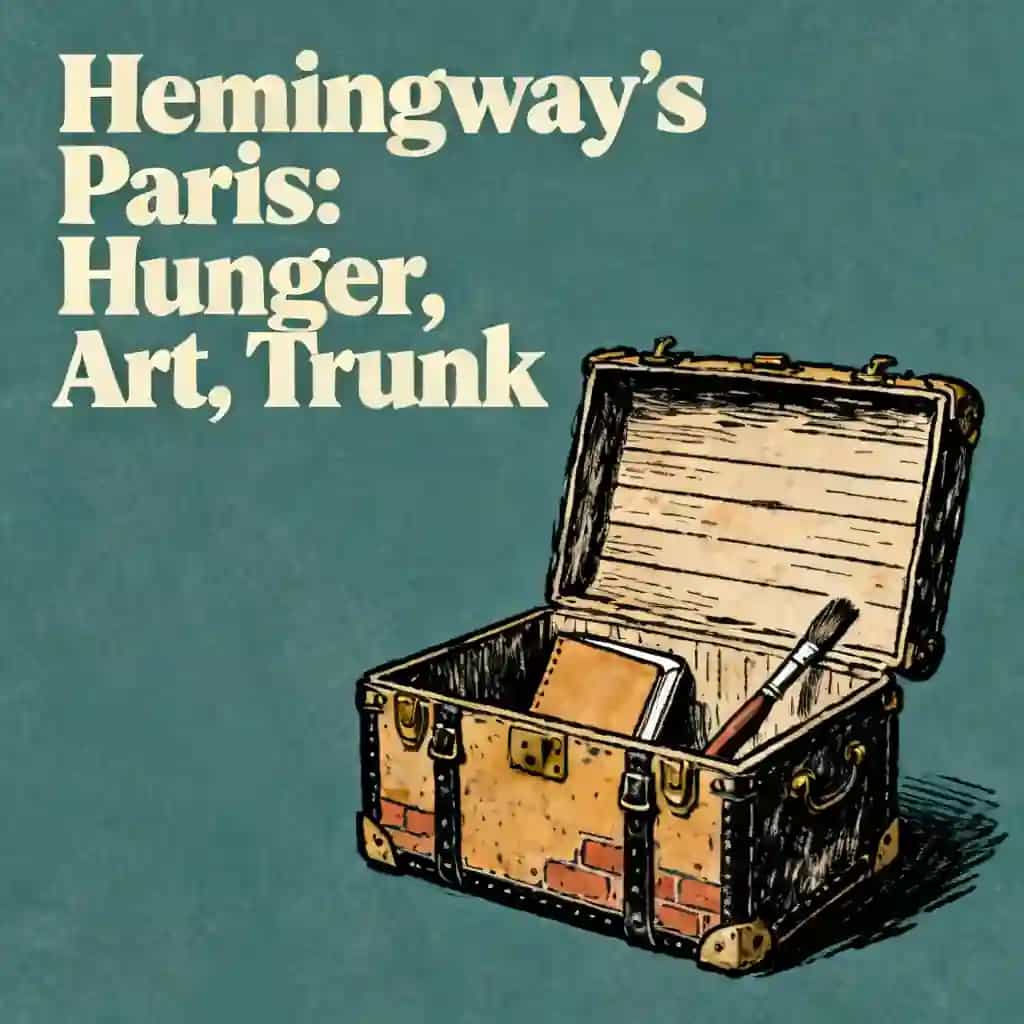
    Hemingway’s Paris: Hunger, Art, and the Lost Trunk
    Explore the discovery of Ernest Hemingway’s long-lost notebooks and his formative years as a starving artist in 1920s Paris, where poverty and passion birthed a literary revolution.
    22 min
    El cielo protector 책 표지
    El cielo protector
    Paul Bowles
    Desert journey into madness: existential escape that haunts forever.
    20 min
    Lonesome Dove 책 표지
    Lonesome Dove
    Larry McMurtry
    Epic journey of aging Texas Rangers redefines the American West.
    36 min
    Road to Nowhere 책 표지
    Road to Nowhere
    Paris Marx
    37 min
    Seven Letters from Paris 책 표지
    Seven Letters from Paris
    Samantha Verant
    A heartwarming memoir of rediscovered love, second chances, and the transformative power of following your dreams in Paris.
    25 min
    Paris 책 표지
    Paris
    Paris Hilton
    25 min
    Hemingway’s Paris: Hunger, Art, and the Lost Generation 책 표지
    A Moveable FeastParisian LivesPapa HemingwayThe Alice B. Toklas Cook Book
    22 sources
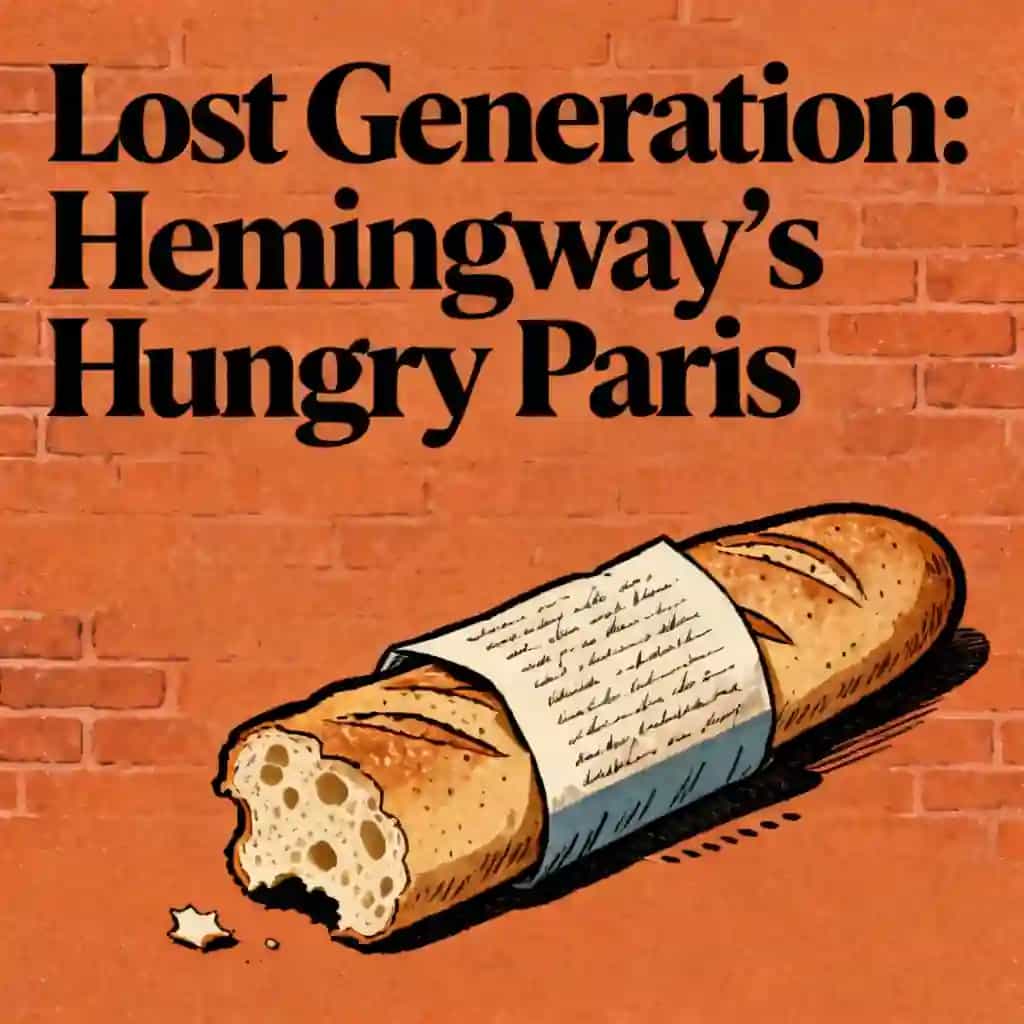
    Hemingway’s Paris: Hunger, Art, and the Lost Generation
    Explore Ernest Hemingway’s 'A Moveable Feast,' a bittersweet tribute to 1920s Paris where poverty sharpened the senses and literary legends were born.
    30 min
    Lost in the Snow: The Stolpa Family Ordeal 책 표지
    I Shouldn't Be Alive - Episode List | TVmazeI Shouldn't Be Alive"I Shouldn't Be Alive" Lost in the Snow (TV Episode 2005) - IMDb'He Promised He'd Get Us Out and He Did' : Survival: Couple tell of desperate days in frigid cave with baby and long hike through blizzard. - Los Angeles Times
    8 sources
    Lost in the Snow: The Stolpa Family Ordeal
    When a winter shortcut leads to a remote Nevada snowdrift, a young family fights to survive. Discover the limits of endurance and the will to save a child.
    21 min

    Recommended Learning Plans

    The Geography of Serenity
    학습 계획

    The Geography of Serenity

    This learning plan is designed for individuals seeking spiritual depth amidst the chaos of modern life. It offers a philosophical framework for those navigating personal loss or looking to find profound meaning in their daily routines and inevitable hardships.

    2 h 30 m•5 섹션
    The Stranger: A Narrative Journey
    학습 계획

    The Stranger: A Narrative Journey

    This learning plan offers a deep dive into Albert Camus’s masterpiece, examining the intersection of existentialism and the human condition. It is ideal for literature students and philosophy enthusiasts seeking to understand the absurdity of life and the weight of social judgment.

    2 h•4 섹션
    The Scent of Time
    학습 계획

    The Scent of Time

    In an era of hyper-productivity and digital saturation, we often lose our sense of presence and duration. This plan is essential for professionals and creatives feeling burnt out by the 'achievement trap' who seek to restore depth and contemplation to their lives.

    1 h 30 m•3 섹션
    The Existentialist Roadmap to Freedom
    학습 계획

    The Existentialist Roadmap to Freedom

    This plan is essential for individuals feeling trapped by societal expectations or existential dread, offering a path to radical self-ownership. It is designed for deep thinkers and aspiring leaders who want to build a life of authenticity and purpose beyond conventional norms.

    2 h•4 섹션
    L'or des failles : Posture et réparation
    학습 계획

    L'or des failles : Posture et réparation

    Ce parcours s'adresse à toute personne cherchant à transformer ses épreuves en leviers de croissance personnelle. Il propose une approche unique mêlant symbolisme et outils thérapeutiques pour cultiver une résilience profonde et authentique.

    1 h 30 m•3 섹션
    The Hiker's Guide to Living Landscapes
    학습 계획

    The Hiker's Guide to Living Landscapes

    This guide bridges the gap between recreation and deep ecological literacy for outdoor enthusiasts. It is ideal for hikers and naturalists who want to transform their treks into an immersive study of ancient survival, botany, and Earth's geological evolution.

    1 h 30 m•3 섹션
    Mapping the Interior Landscape
    학습 계획

    Mapping the Interior Landscape

    This plan is essential for individuals seeking deep self-awareness and psychological growth through the lens of analytical psychology. It is ideal for those interested in Jungian concepts who want to move beyond surface-level introspection toward a unified sense of self.

    2 h•4 섹션
    The Architecture of the Modern Soul
    학습 계획

    The Architecture of the Modern Soul

    This curriculum offers a deep dive into the literary evolution of the Western psyche, moving from Victorian constraints to postmodern fragmentation. It is ideal for literature students, aspiring writers, and cultural critics seeking to understand how narrative structures reflect our changing social reality.

    2 h•4 섹션