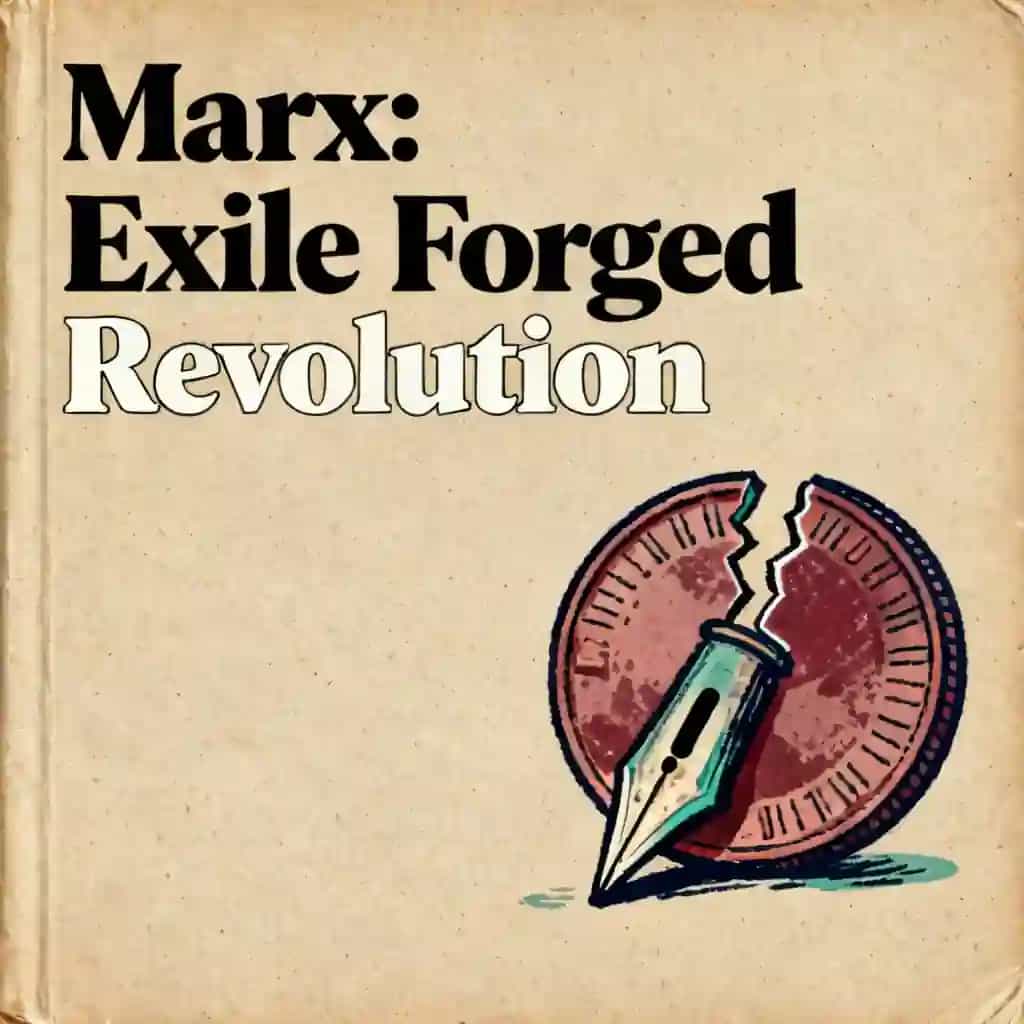
Hemingway’s Paris: Hunger, Art, and the Lost Trunk
Explore the discovery of Ernest Hemingway’s long-lost notebooks and his formative years as a starving artist in 1920s Paris, where poverty and passion birthed a literary revolution.

Hemingway’s Paris: Hunger, Art, and the Lost Trunk 베스트 인용
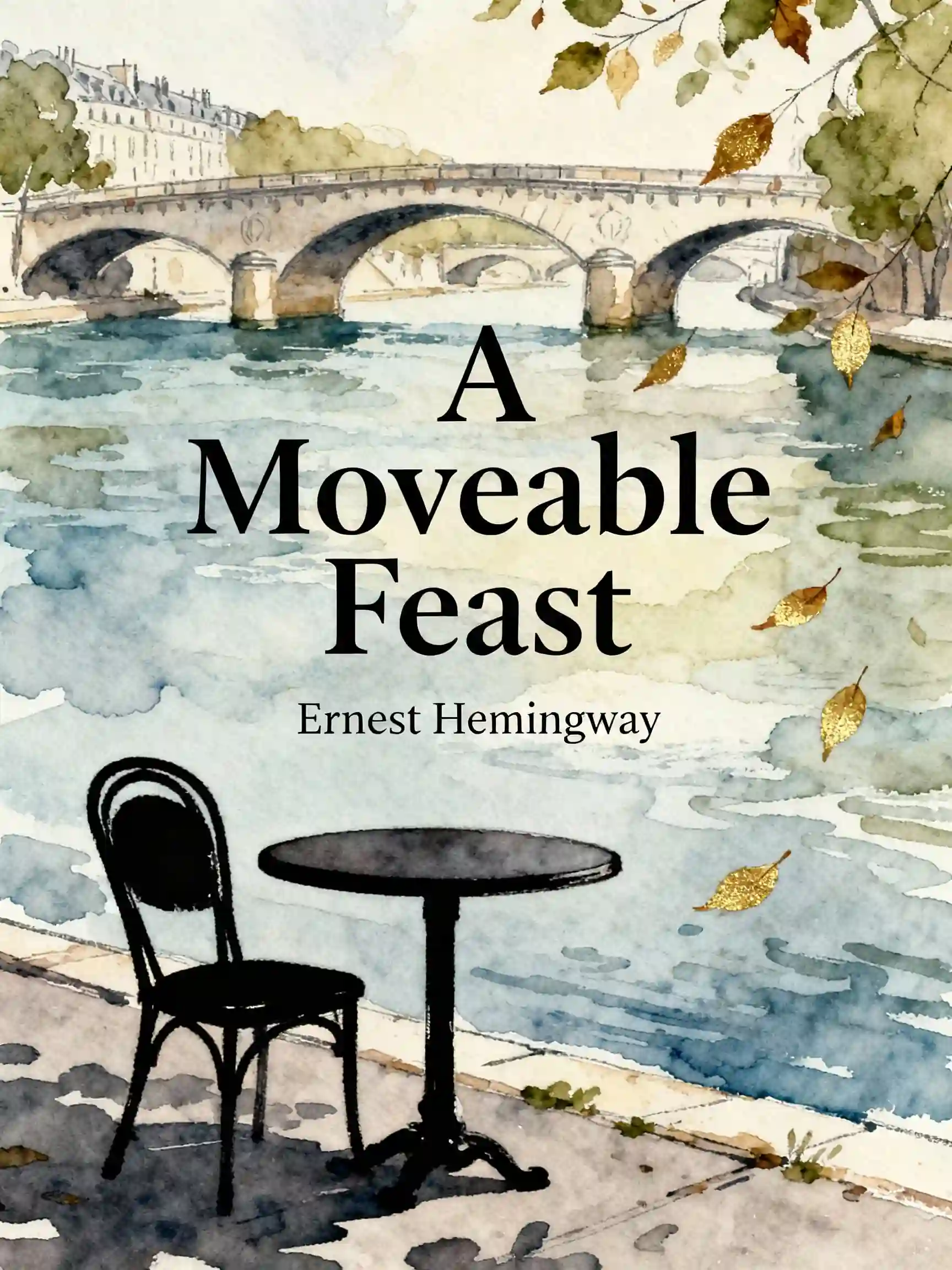
If you are lucky enough to have lived in Paris as a young man, then wherever you go for the rest of your life, it stays with you, for Paris is a moveable feast.
Generated by Alan Zong
hamingway’s moving feast of Paris

자주 묻는 질문
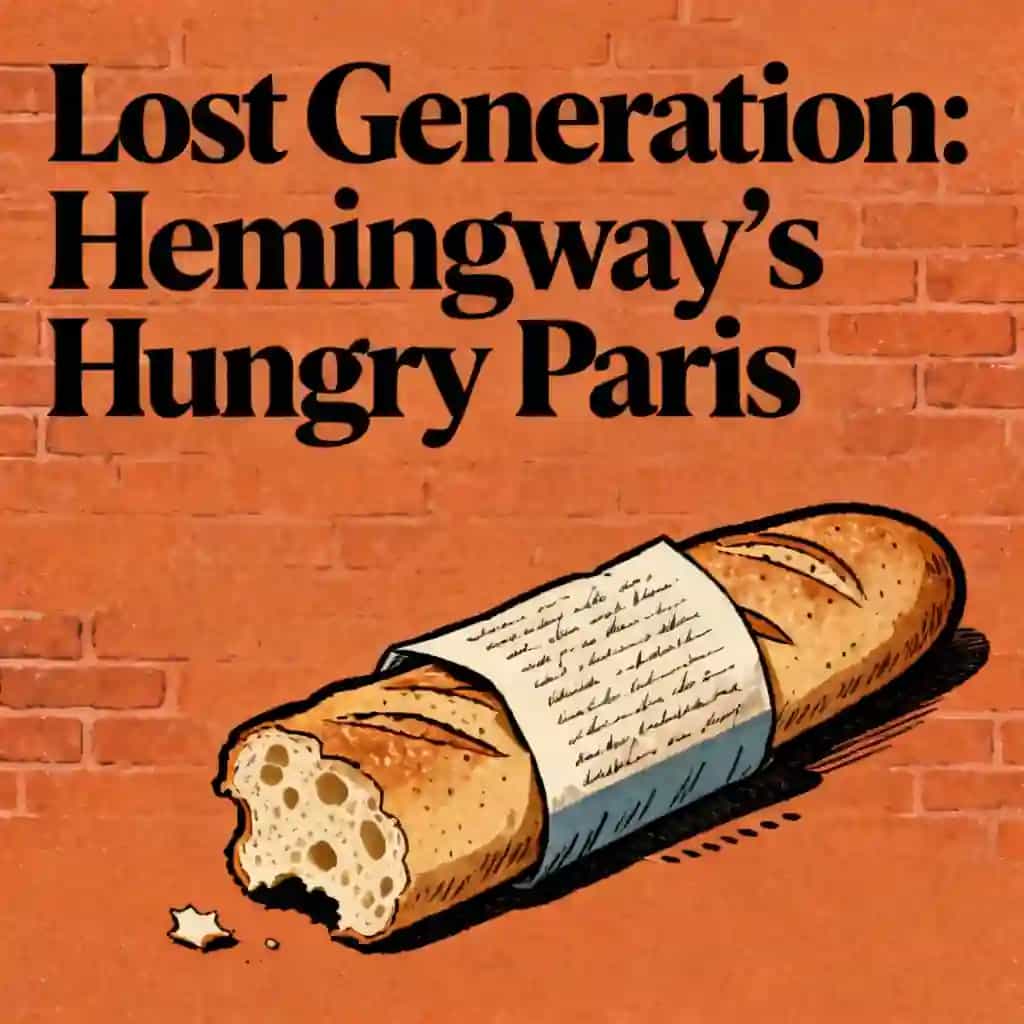
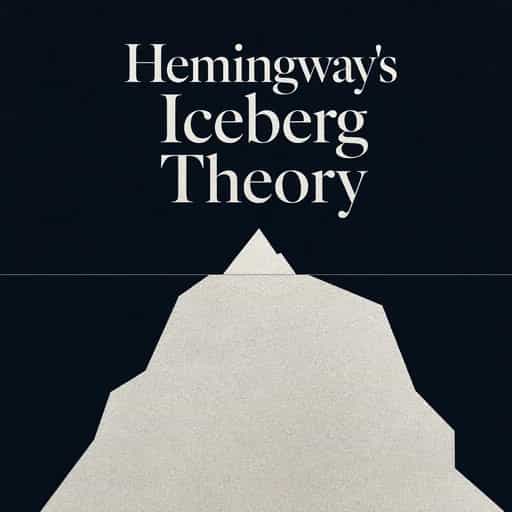
In the script, this concept refers to Hemingway’s belief that physical hunger sharpened his perceptions and improved his writing. He argued that being "belly-empty" or "hollow-hungry" acted as a clarifying lens, making the world around him—from the streets of Paris to the paintings of Cézanne in the Musée du Luxembourg—appear clearer and more essential. This physical deprivation mirrored his "iceberg" writing style, where he stripped away unnecessary "fluff" to leave only the most impactful, disciplined prose.
Stein and Pound acted as the unofficial faculty for expatriate writers in 1920s Paris. Gertrude Stein encouraged Hemingway to quit journalism, fearing it would "blur" his creative vision, and pushed him toward a minimalist, repetitive style. Ezra Pound, whom Hemingway famously boxed with, taught him the "art of the omission." This technique focused on describing the "motion and fact" of an event so accurately that the emotion would naturally rise for the reader without the author having to explain it.
The script highlights a complex dynamic of mutual admiration and deep-seated rivalry. While Fitzgerald helped launch Hemingway’s career by recommending him to his editor, Hemingway’s memoir often portrays Fitzgerald as a tragic figure whose talent was being destroyed by alcohol and his wife, Zelda. Hemingway included deeply personal and embarrassing anecdotes about Fitzgerald’s insecurities to illustrate Scott's loss of "dignity," leading many to criticize Hemingway for using "low blows" to assert his own superiority as his fame grew.
Because the book was a posthumous memoir, Hemingway did not have the final say on the edit. The original 1964 edition was compiled by his fourth wife, Mary, who some scholars believe edited the text to protect her own image and downplay Hemingway's second wife, Pauline. In 2009, his grandson Seán released a "Restored Edition" which altered the chapter order and restored deleted passages, including a lengthy apology to Hemingway's first wife, Hadley. This has created an ongoing debate among scholars about which version truly represents Hemingway’s intent.
The script explains that Hemingway wrote the memoir in the late 1950s, looking back at the 1920s with a "retrospective perspective." This allowed him to frame his past through a selective and often romanticized lens. He portrayed himself as the disciplined, hardworking exception among a "Lost Generation" of drinkers and frauds. By judging his peers harshly and framing his own struggles as a "badge of honor," he created a version of Paris that reflects his own myth-making and the "gnawing hunger of the soul" he felt later in life.
샌프란시스코에서 컬럼비아 대학교 동문들이 만들었습니다
"Instead of endless scrolling, I just hit play on BeFreed. It saves me so much time."


"I never knew where to start with nonfiction—BeFreed’s book lists turned into podcasts gave me a clear path."


"Perfect balance between learning and entertainment. Finished ‘Thinking, Fast and Slow’ on my commute this week."
"Crazy how much I learned while walking the dog. BeFreed = small habits → big gains."
"Reading used to feel like a chore. Now it’s just part of my lifestyle."

"Feels effortless compared to reading. I’ve finished 6 books this month already."
"BeFreed turned my guilty doomscrolling into something that feels productive and inspiring."

"BeFreed turned my commute into learning time. 20-min podcasts are perfect for finishing books I never had time for."
"BeFreed replaced my podcast queue. Imagine Spotify for books — that’s it. 🙌"

"It is great for me to learn something from the book without reading it."
"The themed book list podcasts help me connect ideas across authors—like a guided audio journey."
"Makes me feel smarter every time before going to work"
샌프란시스코에서 컬럼비아 대학교 동문들이 만들었습니다
"Instead of endless scrolling, I just hit play on BeFreed. It saves me so much time."
"I never knew where to start with nonfiction—BeFreed’s book lists turned into podcasts gave me a clear path."
"Perfect balance between learning and entertainment. Finished ‘Thinking, Fast and Slow’ on my commute this week."
"Crazy how much I learned while walking the dog. BeFreed = small habits → big gains."
"Reading used to feel like a chore. Now it’s just part of my lifestyle."
"Feels effortless compared to reading. I’ve finished 6 books this month already."
"BeFreed turned my guilty doomscrolling into something that feels productive and inspiring."
"BeFreed turned my commute into learning time. 20-min podcasts are perfect for finishing books I never had time for."
"BeFreed replaced my podcast queue. Imagine Spotify for books — that’s it. 🙌"
"It is great for me to learn something from the book without reading it."
"The themed book list podcasts help me connect ideas across authors—like a guided audio journey."
"Makes me feel smarter every time before going to work"
"Instead of endless scrolling, I just hit play on BeFreed. It saves me so much time."
"I never knew where to start with nonfiction—BeFreed’s book lists turned into podcasts gave me a clear path."
"Perfect balance between learning and entertainment. Finished ‘Thinking, Fast and Slow’ on my commute this week."
"Crazy how much I learned while walking the dog. BeFreed = small habits → big gains."
"Reading used to feel like a chore. Now it’s just part of my lifestyle."
"Feels effortless compared to reading. I’ve finished 6 books this month already."
"BeFreed turned my guilty doomscrolling into something that feels productive and inspiring."
"BeFreed turned my commute into learning time. 20-min podcasts are perfect for finishing books I never had time for."
"BeFreed replaced my podcast queue. Imagine Spotify for books — that’s it. 🙌"
"It is great for me to learn something from the book without reading it."
"The themed book list podcasts help me connect ideas across authors—like a guided audio journey."
"Makes me feel smarter every time before going to work"
"Instead of endless scrolling, I just hit play on BeFreed. It saves me so much time."
"I never knew where to start with nonfiction—BeFreed’s book lists turned into podcasts gave me a clear path."
"Perfect balance between learning and entertainment. Finished ‘Thinking, Fast and Slow’ on my commute this week."
"Crazy how much I learned while walking the dog. BeFreed = small habits → big gains."
"Reading used to feel like a chore. Now it’s just part of my lifestyle."
"Feels effortless compared to reading. I’ve finished 6 books this month already."
"BeFreed turned my guilty doomscrolling into something that feels productive and inspiring."
"BeFreed turned my commute into learning time. 20-min podcasts are perfect for finishing books I never had time for."
"BeFreed replaced my podcast queue. Imagine Spotify for books — that’s it. 🙌"
"It is great for me to learn something from the book without reading it."
"The themed book list podcasts help me connect ideas across authors—like a guided audio journey."
"Makes me feel smarter every time before going to work"