BeFreed
    Categories>Technology>MS-900 Audio Exam: 45 Questions Fast-Track

    MS-900 Audio Exam: 45 Questions Fast-Track

    46분
    |
    |
    2026년 2월 19일
    • Technology
    • Career & Business
    • Education

    Experience a real-time MS-900 certification practice with 45 strategically weighted questions across all domains. Get 3 seconds to think, then hear the correct answer with rapid explanations - just like the actual exam pressure.

    MS-900 Audio Exam: 45 Questions Fast-Track
    0:00 / 0:00
    전달 방식을 선택하세요

    하나의 에피소드, 다양한 청취 방식.

    MS-900 Audio Exam: 45 Questions Fast-Track의 같은 아이디어를 나에게 맞는 목소리, 깊이, 속도로 만나보세요. 언제든 바꿀 수 있습니다.

    전체 대본 및 챕터

    챕터 1

    MS-900 Audio Exam Strategy Revealed

    Miles: Hey everyone, welcome back! You know what's wild? I was just looking at these MS-900 practice questions, and I realized something - most people think they can just wing a Microsoft certification exam, but there's actually a specific strategy to tackling these things effectively.

    Blythe: Oh absolutely, Miles! And that's exactly why we're doing something different today. We're creating a rapid-fire audio exam review that mirrors the actual test experience - 45 questions across all four domains, with that crucial 3-second thinking pause before we reveal the answers.

    Miles: Right! And the weighting is key here - Domain 2 gets 50% of the questions because Microsoft really wants you to understand those 365 apps and services inside and out. It's not just memorization, it's about recognizing the BEST answer when you're under pressure.

    Blythe: Exactly! Each question follows that classic Microsoft exam style - you'll hear the stem, then options A through D, get your three seconds to think, then we'll give you the correct answer plus a tight explanation of why the others don't work. So let's dive into Domain 1 and start building that exam confidence with our first set of cloud concept questions.

    챕터 2

    Foundation Questions: Cloud Concepts That Trip Everyone Up

    Miles: Alright, let's jump right into Domain 1—cloud concepts. These make up about 10% of the exam, so we've got 5 questions here. The thing is, people think these are easy because they're "foundational," but Microsoft loves to twist these in ways that catch you off guard.

    Blythe: So true! Question 1: A company wants to move their email system to the cloud but maintain complete control over the underlying infrastructure. Which cloud deployment model should they choose? A) Public cloud B) Private cloud C) Hybrid cloud D) Community cloud.

    Miles: [3-second pause] The answer is B, Private cloud. A private cloud gives you dedicated infrastructure that you control completely, which is exactly what they need for maintaining control. Public cloud means shared infrastructure managed by the provider, hybrid combines both models, and community cloud is shared among specific organizations with common requirements.

    Blythe: Perfect! Now here's where it gets tricky. Question 2: Your organization needs to scale computing resources automatically based on demand while minimizing costs. What is the BEST cloud characteristic for this requirement? A) High availability B) Elasticity C) Fault tolerance D) Geo-redundancy.

    Miles: [3-second pause] That's B, Elasticity. Elasticity specifically means automatically scaling resources up or down based on demand, which directly addresses both scaling and cost optimization. High availability is about uptime, fault tolerance is about handling failures, and geo-redundancy is about geographic distribution—none of these directly handle automatic scaling for cost efficiency.

    Blythe: You know what's interesting? Microsoft really emphasizes the business benefits, not just the technical features. Question 3: Which of the following BEST describes the primary financial benefit of moving to a cloud consumption model? A) Eliminates all IT costs B) Converts CapEx to OpEx C) Guarantees cost savings D) Reduces staff requirements.

    Miles: [3-second pause] The answer is B, Converts CapEx to OpEx. This is huge because instead of large upfront capital expenditures for hardware, you shift to operational expenses that scale with usage. It doesn't eliminate all costs, can't guarantee savings in every scenario, and staff requirements depend on your specific situation—but that CapEx to OpEx shift is the fundamental financial transformation.

    Blythe: Exactly! And here's one that really separates the prepared candidates from the rest. Question 4: A company needs to ensure their cloud solution can handle a sudden 300% increase in user traffic during a marketing campaign. Which cloud benefit addresses this requirement? A) Reliability B) Predictability C) Scalability D) Manageability.

    Miles: [3-second pause] That's C, Scalability. Scalability is specifically about handling increased workloads—whether that's more users, more data, or more transactions. Reliability is about consistent performance, predictability is about forecasting costs and performance, and manageability is about how easy it is to deploy and operate—but only scalability directly addresses handling traffic spikes.

    Blythe: And our final Domain 1 question really tests conceptual understanding. Question 5: Which statement BEST describes the shared responsibility model in cloud computing? A) The cloud provider is responsible for everything B) The customer is responsible for everything C) Responsibilities are divided between provider and customer based on service type D) Only the customer is responsible for security.

    Miles: [3-second pause] The answer is C, Responsibilities are divided between provider and customer based on service type. This is critical—in IaaS, you handle more; in PaaS, the provider handles more infrastructure; in SaaS, they handle almost everything except your data and user access. It's never all-or-nothing responsibility, and security is always shared, not solely on either party.

    Blythe: Those foundational concepts are really the bedrock for everything else. You can see how Microsoft isn't just asking for definitions—they want you to apply these concepts to real business scenarios.

    이 에피소드로 더 깊이 배우기

    이 에피소드의 아이디어를 BeFreed의 가이드 학습 경험으로 더 깊이 탐구해 보세요.

    챕터 3

    Microsoft 365 Apps Deep Dive: Where Half Your Points Live

    Miles: Now we're hitting Domain 2, and this is where the rubber meets the road—23 questions, 50% of your exam score. Microsoft really wants you to know these apps and services like the back of your hand.

    Blythe: Let's start with the productivity suite. Question 6: A user needs to collaborate on a document with external partners who don't have Microsoft 365 licenses. What is the BEST approach? A) Email the document as an attachment B) Use SharePoint external sharing C) Create a Teams guest account D) Use OneDrive sharing with view-only permissions.

    Miles: [3-second pause] The answer is B, Use SharePoint external sharing. SharePoint allows you to share documents with external users who can edit without needing their own M365 license, and it maintains version control and collaboration features. Email attachments create version chaos, Teams guest accounts require more setup for simple document sharing, and view-only permissions don't enable collaboration.

    Blythe: Great! Now let's talk about something that confuses a lot of people. Question 7: An organization wants to create a company-wide announcement that reaches all employees and can include rich media content. Which tool is MOST appropriate? A) Outlook email B) Yammer post C) SharePoint news D) Teams announcement.

    Miles: [3-second pause] That's C, SharePoint news. SharePoint news is specifically designed for company-wide communications with rich media support and can be surfaced across the entire Microsoft 365 ecosystem. Outlook email doesn't scale well for company-wide announcements, Yammer is more for social networking and discussions, and Teams announcements are channel-specific, not organization-wide.

    Blythe: Here's where the integration really matters. Question 8: A project manager needs to track tasks, deadlines, and team progress with automatic notifications. Which combination provides the BEST solution? A) Excel with email reminders B) Planner integrated with Teams C) OneNote with Outlook tasks D) SharePoint lists with Power Automate.

    Miles: [3-second pause] The answer is B, Planner integrated with Teams. This combination gives you visual task management, automatic notifications, team collaboration, and seamless integration within the Teams workspace where most collaboration happens. Excel lacks automation, OneNote isn't designed for task management, and while SharePoint with Power Automate works, it requires more configuration than the built-in Planner integration.

    Blythe: Now let's dive into something that trips up a lot of candidates. Question 9: A company needs to ensure that sensitive financial documents are only accessible to the finance team and automatically expire after 90 days. What should they implement? A) SharePoint permissions only B) Azure Information Protection labels C) OneDrive sharing restrictions D) Teams private channels.

    Miles: [3-second pause] That's B, Azure Information Protection labels. AIP labels can enforce both access restrictions and automatic expiration policies that follow the document wherever it goes. SharePoint permissions only work within SharePoint, OneDrive sharing restrictions don't handle expiration automatically, and Teams private channels don't provide document-level protection or expiration.

    Blythe: Here's a scenario that really tests your understanding of the ecosystem. Question 10: A remote sales team needs to access customer data, collaborate on proposals, and conduct video meetings, all while working from various devices. Which solution provides the MOST comprehensive support? A) Outlook and OneDrive B) Teams with SharePoint integration C) Yammer and Planner D) Power BI and Excel.

    Miles: [3-second pause] The answer is B, Teams with SharePoint integration. Teams provides the video meetings and chat, while SharePoint integration gives you document collaboration and customer data access, all accessible from any device with full mobile support. The other combinations miss key components like video meetings or comprehensive collaboration features.

    Blythe: Let's talk about something that's becoming increasingly important. Question 11: An organization wants to create automated workflows that trigger when new files are added to SharePoint and send notifications to specific teams. What should they use? A) SharePoint alerts B) Power Automate C) Outlook rules D) Teams webhooks.

    Miles: [3-second pause] That's B, Power Automate. Power Automate is specifically designed for creating automated workflows across Microsoft 365 services, including SharePoint triggers and Teams notifications. SharePoint alerts are basic and limited, Outlook rules only work within email, and Teams webhooks require custom development.

    Blythe: Now here's one about data analysis that catches people. Question 12: A manager needs to create interactive dashboards from multiple data sources including SharePoint lists, Excel files, and external databases. Which tool is MOST appropriate? A) Excel pivot tables B) Power BI C) SharePoint views D) Teams analytics.

    Miles: [3-second pause] The answer is B, Power BI. Power BI is specifically designed for connecting to multiple data sources and creating interactive dashboards with real-time updates. Excel pivot tables work with single data sources, SharePoint views only work with SharePoint data, and Teams analytics only shows Teams usage data.

    Blythe: Here's a communication scenario that's very common. Question 13: A company wants to create a space where employees can ask questions, share knowledge, and build communities around specific topics. Which tool is BEST suited for this? A) Teams channels B) Yammer communities C) SharePoint team sites D) Outlook distribution lists.

    Miles: [3-second pause] That's B, Yammer communities. Yammer is specifically designed for enterprise social networking, knowledge sharing, and building communities around topics with features like question-and-answer formats and topic following. Teams channels are more for project-focused collaboration, SharePoint sites are for document-centric work, and distribution lists are just for broadcasting messages.

    Blythe: Let's tackle something about mobile productivity. Question 14: A field service team needs to access work documents, update project status, and communicate with the office while offline. Which approach provides the BEST offline capability? A) OneDrive sync with Teams mobile B) SharePoint mobile app only C) Outlook mobile with cached mode D) Browser-based access only.

    Miles: [3-second pause] The answer is A, OneDrive sync with Teams mobile. OneDrive sync provides offline access to documents, while Teams mobile offers cached messages and the ability to update status when connection returns. SharePoint mobile has limited offline capabilities, Outlook mobile only handles email offline, and browser-based access requires constant connectivity.

    Blythe: Now let's look at something that tests your understanding of licensing. Question 15: A small business wants to use Microsoft 365 apps, email hosting, and basic collaboration features for 50 users. Which plan provides the MOST cost-effective solution? A) Microsoft 365 Business Basic B) Microsoft 365 Business Standard C) Microsoft 365 Business Premium D) Microsoft 365 E3.

    Miles: [3-second pause] That's B, Microsoft 365 Business Standard. This plan includes the full Office apps, Exchange email, SharePoint, and Teams collaboration—everything they need. Business Basic doesn't include desktop apps, Business Premium adds security features they may not need yet, and E3 is enterprise-level with higher costs and features beyond their requirements.

    Blythe: Here's a question about content management. Question 16: An organization needs to ensure that important documents are preserved even if users try to delete them, and they need to track all changes made to these documents. What should they implement? A) OneDrive version history B) SharePoint retention policies C) Teams file protection D) Outlook archive policies.

    Miles: [3-second pause] The answer is B, SharePoint retention policies. These policies can prevent deletion, preserve content automatically, and maintain detailed audit trails of all changes. OneDrive version history doesn't prevent deletion, Teams file protection is limited, and Outlook archive policies only handle email, not documents.

    Blythe: Let's talk about something that's increasingly important—integration with external systems. Question 17: A company uses a custom CRM system and wants to display customer data within Microsoft 365 without duplicating information. Which approach is MOST appropriate? A) Export CRM data to Excel regularly B) Use Power Platform connectors C) Manually copy data to SharePoint D) Create Teams custom tabs.

    Miles: [3-second pause] That's B, Use Power Platform connectors. Power Platform provides pre-built and custom connectors that can integrate external systems like CRMs directly into Microsoft 365 apps without data duplication. Regular exports create stale data, manual copying isn't scalable, and custom tabs require significant development work.

    Blythe: Now here's something about search and discovery. Question 18: Users complain they can't find documents across the organization's various SharePoint sites and Teams channels. What would BEST improve content discoverability? A) Better folder organization B) Microsoft Search configuration C) More SharePoint sites D) Additional Teams channels.

    Miles: [3-second pause] The answer is B, Microsoft Search configuration. Microsoft Search provides unified search across all Microsoft 365 content with AI-powered results and can be configured with custom search verticals and result types. Better folder organization helps locally but doesn't solve cross-platform discovery, and more sites or channels actually make the problem worse.

    Blythe: Here's a question about compliance that's becoming more critical. Question 19: A law firm needs to ensure that all client communications are preserved for 7 years and can be retrieved quickly for legal discovery. Which solution addresses this requirement? A) Manual email archiving B) Microsoft Purview compliance features C) OneDrive storage policies D) Teams chat export.

    Miles: [3-second pause] That's B, Microsoft Purview compliance features. Purview provides automated retention policies, legal hold capabilities, and eDiscovery tools specifically designed for legal compliance requirements. Manual archiving isn't reliable or searchable, OneDrive policies don't cover communications, and Teams export is manual and doesn't ensure preservation.

    Blythe: Let's look at something about user training and adoption. Question 20: An organization is rolling out Microsoft 365 and wants to provide interactive, personalized learning experiences for users. Which tool is MOST effective for this? A) Static training documents B) Microsoft Viva Learning C) Email announcements D) Teams wiki pages.

    Miles: [3-second pause] The answer is B, Microsoft Viva Learning. Viva Learning provides personalized learning paths, interactive content, progress tracking, and integration with work context for maximum adoption effectiveness. Static documents aren't engaging, email announcements aren't interactive, and wiki pages don't provide structured learning experiences.

    Blythe: Here's something about analytics and insights. Question 21: A manager wants to understand how their team is collaborating, identify communication patterns, and optimize meeting effectiveness. Which tool provides these insights? A) Teams admin center B) Microsoft Viva Insights C) SharePoint analytics D) Outlook statistics.

    Miles: [3-second pause] That's B, Microsoft Viva Insights. Viva Insights analyzes collaboration patterns, meeting effectiveness, and provides actionable recommendations for improving team productivity with privacy-protected analytics. Teams admin center shows technical usage, SharePoint analytics only covers SharePoint activity, and Outlook statistics are limited to email metrics.

    Blythe: Now let's tackle something about external collaboration. Question 22: A company needs to collaborate with external partners on confidential projects while maintaining strict access controls and audit trails. What is the BEST approach? A) Email document attachments B) SharePoint external sharing with sensitivity labels C) Public Teams channels D) OneDrive anonymous links.

    Miles: [3-second pause] The answer is B, SharePoint external sharing with sensitivity labels. This combination provides controlled external access, document protection through sensitivity labels, and comprehensive audit trails for compliance. Email attachments lose control, public Teams channels aren't secure for confidential content, and anonymous links provide no access control or audit capabilities.

    Blythe: Here's our final Domain 2 question about integration and automation. Question 23: An organization wants to automatically create Teams channels, add members, and set up initial documents when new projects are approved in their project management system. Which solution enables this automation? A) Manual Teams creation process B) Power Platform with Teams integration C) SharePoint workflow only D) Outlook calendar integration.

    Miles: [3-second pause] That's B, Power Platform with Teams integration. Power Platform can connect to external project management systems and automate Teams provisioning, membership management, and document setup through Microsoft Graph APIs. Manual processes don't scale, SharePoint workflow alone can't create Teams, and Outlook integration doesn't handle Teams provisioning.

    Blythe: Wow, that really shows how interconnected the Microsoft 365 ecosystem is. You can see why this domain gets 50% of the questions—it's not just about knowing individual apps, it's about understanding how they work together to solve business problems.

    챕터 4

    Security and Compliance: The Stakes Get Higher

    Miles: Alright, now we're moving into Domain 3—security, compliance, privacy, and trust. This is 30% of the exam with 14 questions, and honestly, this is where a lot of people stumble because Microsoft's security approach has evolved so much.

    Blythe: Absolutely! Let's start with something fundamental. Question 24: An organization wants to implement a security model that assumes no implicit trust and verifies every access request. Which approach should they adopt? A) Perimeter-based security B) Zero Trust security model C) Role-based access control D) Multi-factor authentication only.

    Miles: [3-second pause] The answer is B, Zero Trust security model. Zero Trust explicitly assumes no implicit trust and requires verification for every access request, regardless of location or user credentials. Perimeter-based security assumes internal trust, role-based access is just one component, and MFA alone doesn't address the broader trust assumptions.

    Blythe: Now here's something that really tests your understanding of identity management. Question 25: A company needs to ensure that users can access cloud applications with their corporate credentials while maintaining centralized control over access policies. What should they implement? A) Local Active Directory only B) Azure Active Directory with single sign-on C) Individual application passwords D) Shared service accounts.

    Miles: [3-second pause] That's B, Azure Active Directory with single sign-on. Azure AD provides centralized identity management, policy control, and SSO capabilities for cloud applications while integrating with on-premises systems. Local AD alone doesn't handle cloud apps, individual passwords create management nightmares, and shared accounts eliminate accountability and security.

    Blythe: Here's where conditional access gets interesting. Question 26: An organization wants to require multi-factor authentication only when users access sensitive applications from untrusted locations. Which feature enables this granular control? A) Basic MFA settings B) Azure AD Conditional Access C) Application-level security D) Network firewalls.

    Miles: [3-second pause] The answer is B, Azure AD Conditional Access. Conditional Access policies can evaluate multiple factors like location, device, application, and risk level to make dynamic access decisions. Basic MFA is all-or-nothing, application-level security varies by app, and network firewalls can't make intelligent access decisions based on multiple contextual factors.

    Blythe: Now let's talk about data protection. Question 27: A healthcare organization needs to automatically classify and protect patient data based on content, regardless of where it's stored or shared. Which solution addresses this requirement? A) File-level encryption B) Microsoft Purview Information Protection C) Network-based DLP D) Manual data labeling.

    Miles: [3-second pause] That's B, Microsoft Purview Information Protection. Purview can automatically classify sensitive content using machine learning, apply protection labels, and enforce policies across all Microsoft 365 services and beyond. File-level encryption doesn't provide automatic classification, network DLP only works at network boundaries, and manual labeling doesn't scale or ensure consistency.

    Blythe: Here's something about threat protection that's really evolved. Question 28: An organization experiences a sophisticated phishing attack that bypasses traditional email security. Which Microsoft 365 feature provides advanced threat protection for email and collaboration tools? A) Exchange Online Protection only B) Microsoft Defender for Office 365 C) Basic spam filtering D) Outlook junk mail filters.

    Miles: [3-second pause] The answer is B, Microsoft Defender for Office 365. Defender for Office 365 provides advanced threat protection including Safe Attachments, Safe Links, and AI-powered threat detection that goes beyond basic email security. Exchange Online Protection is basic, spam filtering doesn't handle sophisticated threats, and Outlook filters are client-side only.

    Blythe: Now let's look at compliance monitoring. Question 29: A financial services company needs to monitor all communications for regulatory compliance and quickly respond to audit requests. Which tool provides comprehensive compliance monitoring? A) Manual email reviews B) Microsoft Purview Compliance Manager C) Basic audit logs D) Third-party monitoring tools.

    Miles: [3-second pause] That's B, Microsoft Purview Compliance Manager. Compliance Manager provides comprehensive monitoring, automated compliance assessments, audit-ready reports, and integrated eDiscovery capabilities across all Microsoft 365 communications. Manual reviews don't scale, basic audit logs require significant interpretation, and third-party tools may not have deep Microsoft 365 integration.

    Blythe: Here's something about device management that's crucial. Question 30: A company allows employees to use personal devices for work but needs to protect corporate data without invading personal privacy. Which approach is MOST appropriate? A) Full device management B) Application-based protection policies C) Device prohibition D) VPN-only access.

    Miles: [3-second pause] The answer is B, Application-based protection policies. Mobile Application Management (MAM) through Intune can protect corporate data within specific apps without managing the entire personal device. Full device management is too invasive, device prohibition reduces productivity, and VPN-only access doesn't protect data at rest on devices.

    Blythe: Let's tackle something about insider threat protection. Question 31: An organization wants to detect unusual user behavior that might indicate insider threats or compromised accounts. Which solution provides this capability? A) Traditional antivirus software B) Microsoft Defender for Cloud Apps C) Basic user activity logs D) Email monitoring only.

    Miles: [3-second pause] That's B, Microsoft Defender for Cloud Apps. Defender for Cloud Apps uses machine learning to establish baseline user behavior and detect anomalies that could indicate insider threats or account compromise across cloud applications. Traditional antivirus doesn't analyze user behavior, basic logs require manual analysis, and email monitoring only covers one attack vector.

    Blythe: Now here's something about data governance. Question 32: A company needs to automatically retain business-critical documents for regulatory periods while allowing users to delete routine communications. Which feature enables this selective retention? A) Manual document archiving B) Microsoft Purview retention policies C) OneDrive storage quotas D) Email auto-delete rules.

    Miles: [3-second pause] The answer is B, Microsoft Purview retention policies. These policies can automatically identify and retain business-critical content based on content type, sensitivity, or other criteria while allowing normal deletion of routine items. Manual archiving doesn't scale, storage quotas don't distinguish content types, and email rules only work for email.

    Blythe: Here's something about privileged access management. Question 33: An IT administrator needs elevated permissions to perform maintenance tasks but should not have permanent administrative access. Which approach provides the BEST security? A) Permanent admin rights B) Azure AD Privileged Identity Management C) Shared admin accounts D) Manual permission elevation.

    Miles: [3-second pause] That's B, Azure AD Privileged Identity Management. PIM provides just-in-time access elevation, approval workflows, and audit trails for administrative access without permanent elevated permissions. Permanent admin rights violate least privilege, shared accounts eliminate accountability, and manual elevation lacks proper controls and auditing.

    Blythe: Let's look at something about external sharing security. Question 34: An organization wants to share documents with external partners while ensuring that shared content cannot be downloaded, printed, or forwarded. Which feature enables this protection? A) Password-protected sharing B) Information Rights Management C) Time-limited links D) Email encryption.

    Miles: [3-second pause] The answer is B, Information Rights Management. IRM can enforce usage restrictions like preventing download, printing, or forwarding that persist with the document regardless of where it's accessed. Password protection doesn't control usage, time-limited links expire but don't restrict actions, and email encryption only protects transmission.

    Blythe: Here's our final Domain 3 question about security monitoring. Question 35: A security team needs a unified dashboard to monitor threats, investigate incidents, and coordinate response across all Microsoft 365 services. Which solution provides this capability? A) Individual service logs B) Microsoft Sentinel C) Basic security reports D) Third-party SIEM only.

    Miles: [3-second pause] That's B, Microsoft Sentinel. Sentinel provides a unified security operations platform with AI-powered threat detection, investigation tools, and automated response capabilities across the entire Microsoft ecosystem. Individual logs are fragmented, basic reports lack correlation capabilities, and third-party SIEMs may not have native Microsoft 365 integration.

    Blythe: You can really see how Microsoft has built security and compliance into the fabric of the platform. It's not an afterthought—it's integrated into every aspect of the service.

    이 에피소드로 더 깊이 배우기

    이 에피소드의 아이디어를 BeFreed의 가이드 학습 경험으로 더 깊이 탐구해 보세요.

    챕터 5

    Pricing and Support: The Business Reality Check

    Miles: Now we're hitting our final domain—Microsoft 365 pricing, licensing, and support. This is only 10% of the exam with 3 questions, but these questions often determine whether someone truly understands the business side of Microsoft 365.

    Blythe: Exactly! These questions separate the technical folks from those who really understand how organizations make Microsoft 365 decisions. Question 36: A growing company currently has 150 users and expects to reach 500 users within two years. They need advanced security features and compliance tools. Which licensing approach provides the BEST long-term value? A) Microsoft 365 Business Basic for all users B) Mixed licensing with different plans for different roles C) Microsoft 365 E3 for enterprise scalability D) Individual application subscriptions.

    Miles: [3-second pause] The answer is C, Microsoft 365 E3 for enterprise scalability. E3 provides advanced security, compliance tools, and scales beyond the 300-user Business plan limit without licensing complexity. Business Basic lacks advanced features, mixed licensing creates management complexity, and individual subscriptions are more expensive and harder to manage at enterprise scale.

    Blythe: Now here's something about the support model that trips people up. Question 37: An organization experiences a critical issue where users cannot access email during business hours. They need immediate Microsoft support response. Which support option provides the FASTEST resolution path? A) Community forums B) Premier support with severity A classification C) Standard support ticket D) Self-service troubleshooting.

    Miles: [3-second pause] That's B, Premier support with severity A classification. Premier support provides dedicated support engineers, faster response times, and escalation paths for business-critical issues. Community forums rely on volunteer help, standard support has longer response times, and self-service may not resolve complex issues quickly enough for critical business impact.

    Blythe: And here's our final question that really tests understanding of the service level commitments. Question 38: A financial services company requires 99.9% uptime guarantee for their email and collaboration services due to regulatory requirements. Which aspect of Microsoft 365 addresses this need? A) Best-effort availability B) Service Level Agreement (SLA) C) Premium support only D) Backup and disaster recovery.

    Miles: [3-second pause] The answer is B, Service Level Agreement (SLA). Microsoft 365 includes formal SLAs that guarantee specific uptime percentages with service credits for non-compliance, which meets regulatory requirements for documented availability commitments. Best-effort provides no guarantees, premium support doesn't change availability commitments, and backup/DR are separate from availability guarantees.

    Blythe: Those pricing and support questions really show that Microsoft expects IT professionals to understand the business implications, not just the technical features. It's about making informed decisions that align with organizational needs and constraints.

    챕터 6

    Advanced Scenarios: Where Theory Meets Reality

    Miles: Now let's tackle some of the more complex scenarios that really test your integrated understanding of Microsoft 365. These are the types of questions where you need to think like a solution architect, not just remember feature lists.

    Blythe: Absolutely! Here's one that combines multiple domains. Question 39: A multinational corporation needs to ensure that data residency requirements are met for EU employees while maintaining seamless collaboration with US-based teams. Which approach BEST addresses this complex requirement? A) Separate Microsoft 365 tenants per region B) Multi-Geo capabilities in Microsoft 365 C) VPN-based access controls D) Regional SharePoint sites only.

    Miles: [3-second pause] The answer is B, Multi-Geo capabilities in Microsoft 365. Multi-Geo allows a single tenant to store data in multiple geographic locations while maintaining unified collaboration and administration. Separate tenants create collaboration barriers, VPN doesn't address data residency, and regional SharePoint sites don't cover all services or ensure data location compliance.

    Blythe: Here's another complex scenario. Question 40: An organization is migrating from on-premises Exchange and SharePoint while maintaining integration with their existing Active Directory and line-of-business applications. Which migration approach minimizes disruption while ensuring long-term success? A) Big-bang migration over a weekend B) Hybrid deployment with phased migration C) Cloud-only immediate cutover D) Parallel systems indefinitely.

    Miles: [3-second pause] That's B, Hybrid deployment with phased migration. Hybrid allows gradual migration while maintaining coexistence between on-premises and cloud systems, preserving integrations during transition. Big-bang migrations are high-risk, immediate cutover doesn't allow for integration testing, and parallel systems create ongoing complexity and cost.

    Blythe: Now here's one that tests your understanding of modern workplace transformation. Question 41: A traditional manufacturing company wants to enable frontline workers to access training materials, submit safety reports, and communicate with management using mobile devices. Which combination provides the MOST comprehensive solution? A) Email and file shares B) Microsoft 365 F3 with Teams and SharePoint C) Basic Microsoft 365 with limited access D) Third-party mobile apps only.

    Miles: [3-second pause] The answer is B, Microsoft 365 F3 with Teams and SharePoint. F3 is specifically designed for frontline workers with mobile-optimized experiences, Teams for communication, SharePoint for training materials, and integrated safety reporting capabilities. Email and file shares aren't mobile-optimized, basic M365 lacks frontline-specific features, and third-party apps don't integrate with the broader Microsoft ecosystem.

    Blythe: Here's a scenario about digital transformation strategy. Question 42: An organization wants to move from reactive IT support to proactive insights that help employees be more productive and engaged. Which Microsoft 365 capability enables this transformation? A) Traditional help desk tickets B) Microsoft Viva suite for employee experience C) Basic usage reports D) Manual productivity surveys.

    Miles: [3-second pause] That's B, Microsoft Viva suite for employee experience. Viva provides proactive insights into employee engagement, productivity patterns, learning opportunities, and wellbeing through integrated analytics and AI. Help desk tickets are reactive, basic reports don't provide actionable insights, and manual surveys don't scale or provide real-time data.

    Blythe: Now let's look at a governance and compliance challenge. Question 43: A law firm needs to implement information barriers to prevent conflicts of interest while maintaining necessary collaboration within practice groups. Which feature enables this sophisticated access control? A) Basic SharePoint permissions B) Microsoft Purview Information Barriers C) Manual access reviews D) Separate Teams organizations.

    Miles: [3-second pause] The answer is B, Microsoft Purview Information Barriers. Information Barriers can automatically enforce complex policies that prevent communication between specific groups while allowing collaboration within approved boundaries. Basic permissions don't handle dynamic conflict prevention, manual reviews don't scale, and separate organizations eliminate necessary collaboration entirely.

    Blythe: Here's one about business continuity and resilience. Question 44: During a natural disaster, an organization needs to ensure that remote employees can continue working with full access to applications and data while maintaining security controls. Which approach provides the MOST resilient solution? A) VPN to on-premises systems only B) Cloud-first architecture with conditional access C) Backup internet connections only D) Mobile hotspots with basic access.

    Miles: [3-second pause] That's B, Cloud-first architecture with conditional access. Cloud services provide geographic resilience and device-independent access, while conditional access maintains security regardless of connection method or location. VPN to on-premises creates single points of failure, backup connections don't solve application availability, and mobile hotspots don't address application access or security.

    Blythe: And here's our final question that really brings everything together. Question 45: An organization wants to implement a comprehensive digital workplace that supports hybrid work, ensures data security, provides business insights, and scales with growth. Which approach BEST achieves these multiple objectives? A) Point solutions for each requirement B) Integrated Microsoft 365 and Power Platform ecosystem C) On-premises solutions with cloud backup D) Multiple cloud vendors for redundancy.

    Miles: [3-second pause] The answer is B, Integrated Microsoft 365 and Power Platform ecosystem. This provides unified identity, integrated security, seamless collaboration, business intelligence, and platform scalability that addresses all requirements cohesively. Point solutions create integration challenges, on-premises limits scalability and remote access, and multiple vendors increase complexity and security gaps.

    Blythe: These advanced scenarios really show how Microsoft 365 isn't just about individual features—it's about creating integrated solutions that transform how organizations work. The exam tests whether you can think strategically about technology decisions, not just remember product specifications.

    이 에피소드로 더 깊이 배우기

    이 에피소드의 아이디어를 BeFreed의 가이드 학습 경험으로 더 깊이 탐구해 보세요.

    챕터 7

    Exam Strategy and Common Pitfalls

    Miles: You know what's interesting about these 45 questions we just covered? They reveal some clear patterns in how Microsoft structures these exams, and there are definitely some strategic approaches that can make the difference between passing and failing.

    Blythe: So true! One thing I notice is that Microsoft loves to test your ability to choose the BEST answer when multiple options might technically work. It's not about finding the only correct answer—it's about understanding which solution most directly addresses the specific requirements mentioned in the question.

    Miles: Exactly! Like in that question about external document sharing—sure, you could email attachments or use anonymous links, but SharePoint external sharing with sensitivity labels was the BEST answer because it addressed both collaboration and security requirements simultaneously. The key word there is "BEST."

    Blythe: And another pattern I see is that Microsoft really emphasizes integrated solutions over point solutions. They want to know that you understand how the ecosystem works together. So when you see a complex scenario, think about which combination of services provides the most comprehensive solution rather than trying to solve it with a single tool.

    Miles: That's huge! And here's a pitfall I see people fall into—they overthink the questions. Microsoft 365 is designed to make common business scenarios easier, so if you find yourself thinking "well, you could build a custom solution with Power Platform and Azure Functions and SharePoint APIs," you're probably overcomplicating it. Look for the built-in solution first.

    Blythe: Oh, and timing is critical! Remember, you get that 3-second pause we've been practicing, but in the real exam, you need to manage your time across all questions. Don't spend 10 minutes on one question because you're second-guessing yourself. Trust your preparation and move forward.

    Miles: Here's something else—pay attention to the specific wording in questions. When they say "immediate" or "fastest," they're usually looking for a different answer than when they say "most cost-effective" or "easiest to manage." Those qualifier words are huge hints about what they're really testing.

    Blythe: And don't forget about the domain weighting! We spent the most time on Domain 2 because it's 50% of your score. If you're running short on study time, make sure you really understand those Microsoft 365 apps and services inside and out. You can afford to miss a few cloud concept questions, but you can't afford to struggle with the productivity suite.

    Miles: One more thing about the actual exam experience—Microsoft uses adaptive testing for some of their exams, which means the difficulty adjusts based on your performance. Don't panic if questions seem to get harder; that might actually be a good sign that you're doing well!

    Blythe: And remember, this isn't just about passing an exam. These concepts and this way of thinking about integrated solutions will make you more effective in your actual job. When someone comes to you with a business problem, you'll be able to think through the Microsoft 365 ecosystem and recommend solutions that actually work in the real world.

    챕터 8

    Your Next Steps to Certification Success

    Miles: Alright, so we've covered all 45 questions across the four domains, and you've experienced that rapid-fire format with the 3-second pauses. But what should you actually do next to turn this practice session into exam success?

    Blythe: Great question! First, I'd recommend going back through any questions where you weren't confident in your answer. Don't just memorize the correct choice—really understand why the other options don't work as well. That deeper understanding is what separates people who pass from people who truly excel.

    Miles: Absolutely! And here's something practical you can do right now—create a study schedule that mirrors the domain weighting. Spend 50% of your remaining study time on Domain 2, 30% on Domain 3, and split the rest between Domains 1 and 4. Your study time should match the exam priorities.

    Blythe: I'd also suggest getting hands-on experience with the services we discussed. Microsoft offers free trials and developer tenants where you can actually configure SharePoint sites, set up Teams channels, create Power Automate flows, and test security features. There's no substitute for actually clicking through the interfaces.

    Miles: And don't underestimate the value of the official Microsoft Learn modules. They're free, they're comprehensive, and they're created by the same teams that build the exam questions. Work through the learning paths for MS-900, and pay special attention to the hands-on labs.

    Blythe: Here's something that really helps with retention—teach someone else what you've learned. Whether it's a colleague, a study group, or even just explaining concepts out loud to yourself, teaching forces you to organize your knowledge in a way that makes it stick.

    Miles: For the final week before your exam, I'd recommend taking full practice tests under timed conditions. Not just individual questions like we did today, but sitting down for the full exam duration and working through complete practice exams. This builds your endurance and helps you practice time management.

    Blythe: And on exam day itself, remember that you can flag questions for review. If you encounter a question that makes you pause, flag it and come back to it after you've answered all the questions you're confident about. Sometimes later questions will give you context clues that help with earlier ones.

    Miles: One more practical tip—make sure you understand the exam interface before you sit down for the real thing. Microsoft provides exam demos that show you exactly how the testing software works, including how to flag questions, how to navigate between sections, and what the different question types look like.

    Blythe: And remember, this certification is just the beginning! MS-900 is a foundational certification that opens doors to more specialized paths like MS-102 for Microsoft 365 administration, or SC-900 for security and compliance. Think about where you want your career to go and use this as a stepping stone.

    Miles: Most importantly, don't let perfect be the enemy of good. You don't need to score 100% to pass—you just need to demonstrate competency across the domains. Focus on understanding the core concepts and how they apply to real business scenarios, and you'll do great.

    Blythe: So there you have it—45 questions, four domains, and a comprehensive strategy for approaching the MS-900 exam. We've covered everything from basic cloud concepts to advanced integration scenarios, all with that rapid-fire format that mirrors the real exam experience.

    Miles: Thanks for joining us for this intensive exam review session! We hope this format helped you not just learn the content, but also get comfortable with the pacing and decision-making process you'll need on exam day. Remember, the 3-second pause isn't just about timing—it's about training yourself to read carefully, eliminate obviously wrong answers, and choose the BEST option confidently.

    Blythe: If this review was helpful, we'd love to hear about your exam success! And if there are other Microsoft certifications you're pursuing, let us know—we're always looking for ways to help IT professionals advance their careers through practical, focused preparation like this.

    Miles: Good luck with your MS-900 exam, and remember—you've got this! The fact that you made it through this intensive 45-question review shows you have the dedication and focus to succeed. Now go out there and earn that certification!

    ★★★★★

    MS-900 Audio Exam: 45 Questions Fast-Track의 끝까지 도달했어요

    “23일째 매일 사용하고 있어요. 이제 제 일상의 한 부분이 되었습니다.”

    jayallen

    MS-900 Audio Exam: 45 Questions Fast-Track 베스트 인용

    “

    Microsoft isn't just asking for definitions—they want you to apply these concepts to real business scenarios and recognize the BEST answer when you're under pressure.

    ”
    T

    Generated by Trevor

    질문 입력

    Create a narrated 45-question MS-900 “audio exam review” with weighting: Domain1 10% (5 Q), Domain2 50% (23 Q), Domain3 30% (14 Q), Domain4 10% (3 Q). For each question: read the stem + A–D options, pause 3 seconds, then say the correct answer and explain in 3–5 sentences, plus a quick why the other options are wrong. Keep it fast, exam-style (BEST/NEXT).

    호스트 음성
    Milesplay
    Blytheplay
    지식 출처
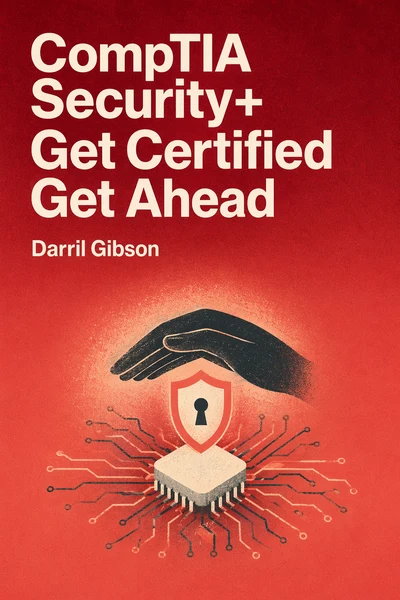
    CompTIA Security+ Get Certified Get Ahead
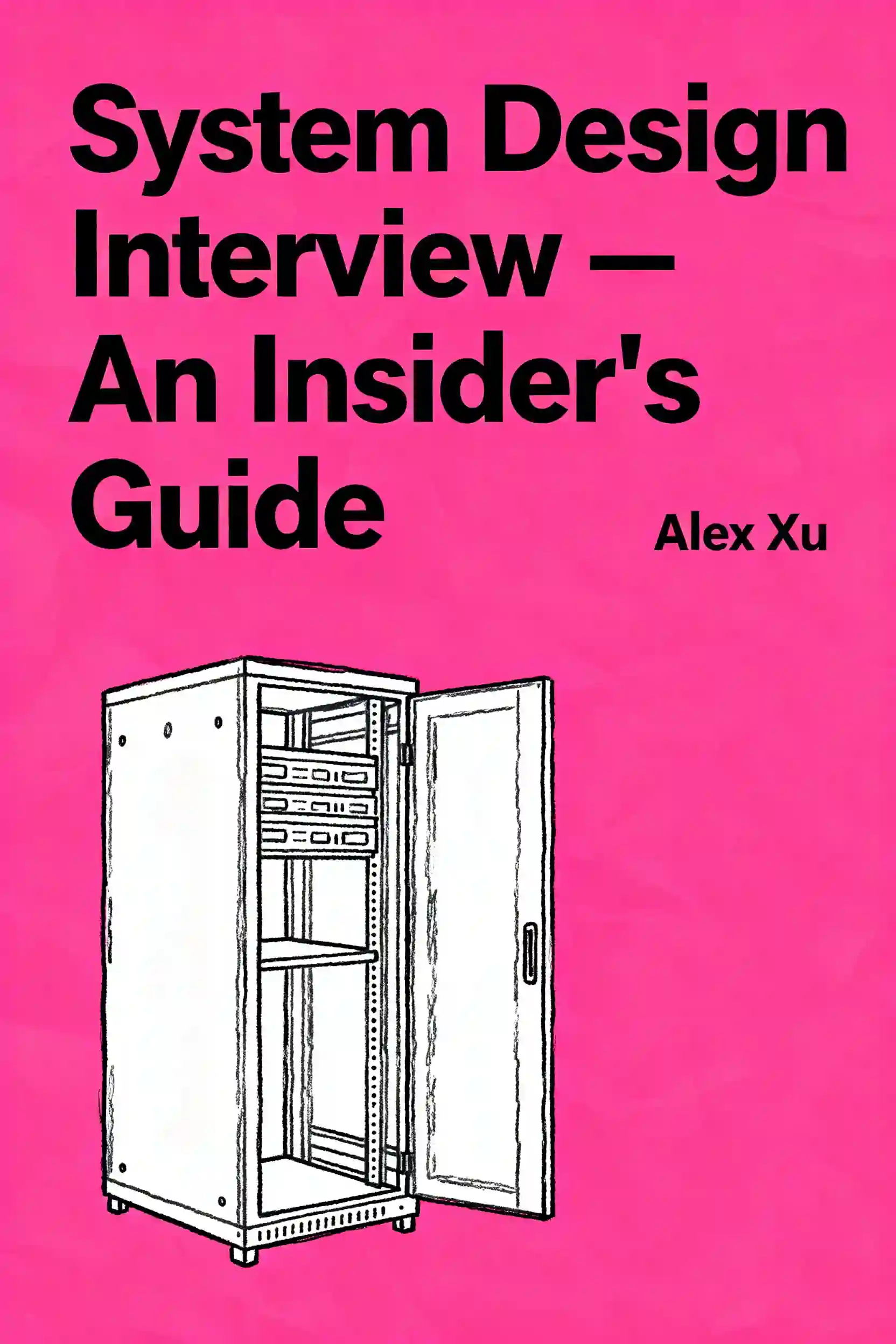
    System Design Interview
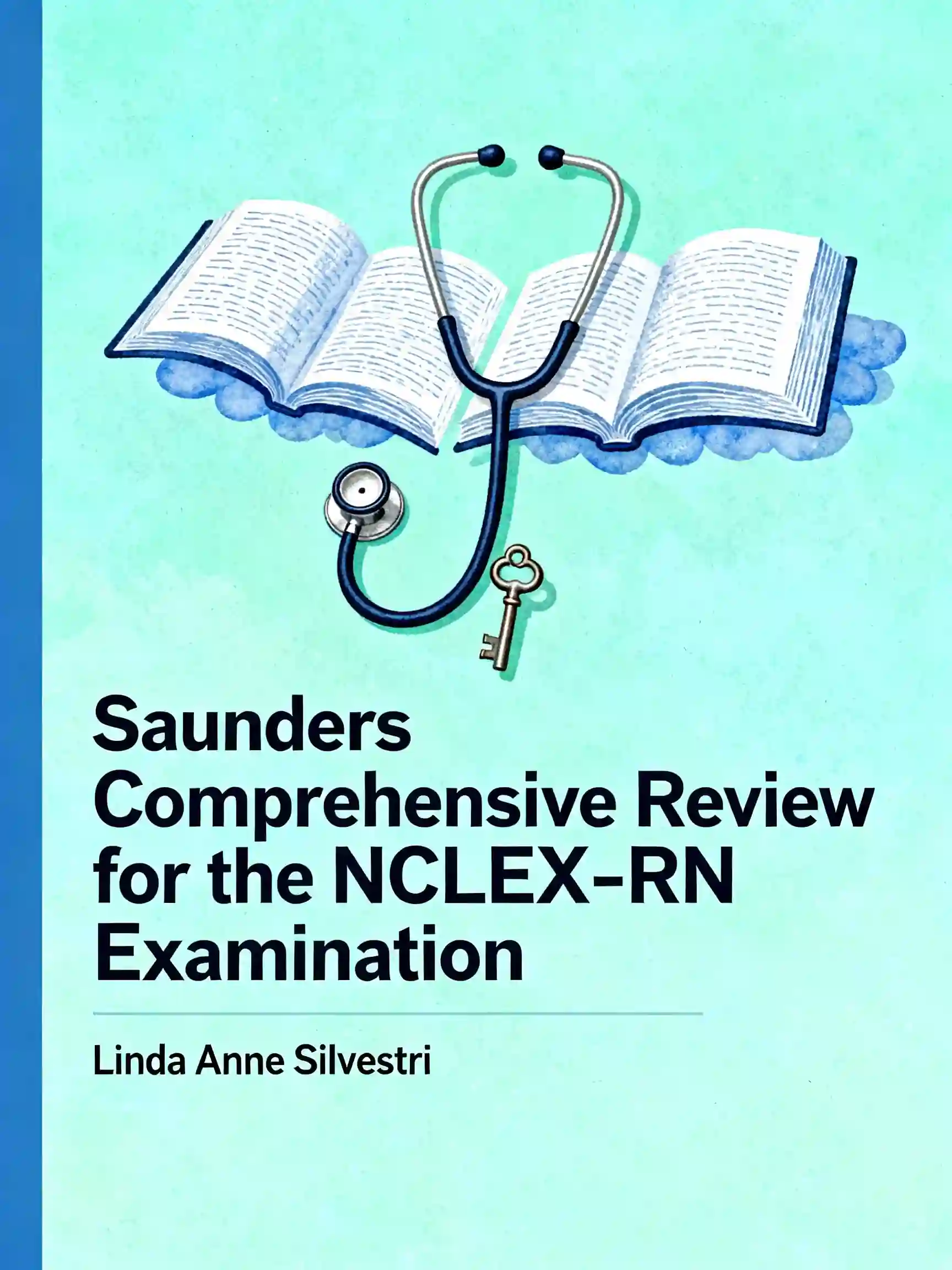
    Saunders comprehensive review for the NCLEX-RN examination
    Hit Refresh
    Cloud Computing
    How to Pass Exams

    컬럼비아 대학교 동문들이 제작 | 샌프란시스코에서 개발

    BeFreed는 호기심 넘치는 글로벌 커뮤니티를 하나로 연결합니다

    4.7

    평균 평점

    앱 평가 7.84천 개 이상

    BeFreed 커뮤니티

    정말이지 아직 앱을 다 써 보지도 않았는데, 며칠 써 본 것만으로도 깊은 인상을 받았어요… BeFreed는 제가 써 본 어떤 학습 앱과도 차원이 달라요. 몰입감이 엄청나고 집중력도 실제로 좋아져서, 스마트폰을 하염없이 스크롤하는 분들께 딱이에요!

    @ladyInfinity

    정확히 23일 전에 BeFreed를 구입했는데, 그날부터 하루도 빠짐없이 쓰고 있어요. 제 일상 업무 흐름과 학습 습관에 완전히 자리 잡았어요.

    @jayallen

    솔직히 이 앱은 제 기대를 전부 뛰어넘었어요. 어떤 주제든 오디오로 만들어 달라고 할 수 있고, 결과물이 놀라워요. 제 전문 분야는 심리치료 쪽이고 여러 학문이 얽혀 있는데도 답변이 아주 정확해요.

    @Raguipa

    제일 고마운 건 스크롤하는 시간이 확 줄었다는 거예요. 검색하는 시간은 줄고 흡수하는 시간은 늘었어요. 오디오북 전권, 팟캐스트, 학습 플랜의 조합이 정말 훌륭해요.

    @colonyofcreatorsNGO

    저는 24년째 PhotoReading 속진 학습 강사로 일하고 있어요… 책과 독서, 배움이 제 전문인데, BeFreed는 정보를 소화하기 쉽게 전달하는 혁신적인 방식을 정말 잘 구현했어요.

    @BeFreed user

    단순한 책 요약 앱이 아니에요. '재미' 스타일을 써 봤는데, 전통적인 방식보다 훨씬 나은 요약이고 아이디어를 이해하기도 쉬워요. 이것만으로도 값어치를 해요.

    @austinakon

    이 앱이 정말 좋아요. 며칠 써 봤는데 듣는 걸 멈출 수가 없어요. 시작하기에 이보다 좋을 수 없어요.

    @jcrules328

    정말 마음에 들어요. 한 달 정도 써 봤는데 숨은 보석을 찾은 기분이에요. BeFreed로 제가 원하는 주제를 직접 만들 수 있어서 좋고, 목소리도 훌륭한 데다 내레이션 선택지가 무궁무진해요.

    @DanielCZ

    정말이지 아직 앱을 다 써 보지도 않았는데, 며칠 써 본 것만으로도 깊은 인상을 받았어요… BeFreed는 제가 써 본 어떤 학습 앱과도 차원이 달라요. 몰입감이 엄청나고 집중력도 실제로 좋아져서, 스마트폰을 하염없이 스크롤하는 분들께 딱이에요!

    @ladyInfinity

    정확히 23일 전에 BeFreed를 구입했는데, 그날부터 하루도 빠짐없이 쓰고 있어요. 제 일상 업무 흐름과 학습 습관에 완전히 자리 잡았어요.

    @jayallen

    솔직히 이 앱은 제 기대를 전부 뛰어넘었어요. 어떤 주제든 오디오로 만들어 달라고 할 수 있고, 결과물이 놀라워요. 제 전문 분야는 심리치료 쪽이고 여러 학문이 얽혀 있는데도 답변이 아주 정확해요.

    @Raguipa

    제일 고마운 건 스크롤하는 시간이 확 줄었다는 거예요. 검색하는 시간은 줄고 흡수하는 시간은 늘었어요. 오디오북 전권, 팟캐스트, 학습 플랜의 조합이 정말 훌륭해요.

    @colonyofcreatorsNGO

    저는 24년째 PhotoReading 속진 학습 강사로 일하고 있어요… 책과 독서, 배움이 제 전문인데, BeFreed는 정보를 소화하기 쉽게 전달하는 혁신적인 방식을 정말 잘 구현했어요.

    @BeFreed user

    단순한 책 요약 앱이 아니에요. '재미' 스타일을 써 봤는데, 전통적인 방식보다 훨씬 나은 요약이고 아이디어를 이해하기도 쉬워요. 이것만으로도 값어치를 해요.

    @austinakon

    이 앱이 정말 좋아요. 며칠 써 봤는데 듣는 걸 멈출 수가 없어요. 시작하기에 이보다 좋을 수 없어요.

    @jcrules328

    정말 마음에 들어요. 한 달 정도 써 봤는데 숨은 보석을 찾은 기분이에요. BeFreed로 제가 원하는 주제를 직접 만들 수 있어서 좋고, 목소리도 훌륭한 데다 내레이션 선택지가 무궁무진해요.

    @DanielCZ

    유용한 정보와 아이디어를 8~15분짜리 팟캐스트 스타일 오디오로 압축해서 들을 수 있다는 게 정말 좋아요. 원래 팟캐스트는 군더더기가 많아서 안 좋아했는데, 여기는 그걸 싹 걷어냈어요.

    @BeFreed user

    박사 과정을 마무리하는 중이라 낯선 자료를 많이 읽어야 해요… BeFreed에서는 프롬프트만 입력하면 앱이 자료를 찾아서 오디오 팟캐스트로 만들어 줘요. BeFreed의 과정이 NotebookLM보다 더 매끄럽게 느껴져요.

    @Brad

    아침을 준비하거나 산책하거나 출퇴근할 때 들을 것을 YouTube에서 자주 찾곤 했는데, BeFreed는 광고도 군더더기도 없이 훨씬 더 딱 맞는 걸 들려줘요!

    @BeFreed user

    이 플랫폼의 가장 큰 장점은 활용도예요. 다루지 못하는 주제가 말 그대로 하나도 없어요. 무엇을 던져도 다 소화해요… 제한이 전혀 없으면서 약속을 실제로 지키는 학습 도구는 정말 드물어요.

    @jayallen

    BeFreed는 환상적이에요. 디자인이 편해서 헤매는 시간은 줄고 배우는 시간은 늘었어요. 오디오북, 팟캐스트, 학습 플랜의 조합은 천재적이에요. 제 하루가 완전히 달라졌어요.

    @BeFreed user

    처음엔 이탈리아어로 팟캐스트를 만드는 방법을 이해하는 데 시간이 좀 걸렸는데, 알고 나니까 — 와! 정말 대단해요! 어떤 주제든 설명해 달라고 하면 정말 똑똑하게 잘 설명해 줘요!

    @matteo77

    BeFreed는 제가 매일 쓰는 오디오북 앱이 됐어요… 제일 마음에 드는 건 텍스트를 넣으면 이동 중에도 들을 수 있는 오디오로 만들어 준다는 점이에요.

    @kotanzu1

    유용한 정보와 아이디어를 8~15분짜리 팟캐스트 스타일 오디오로 압축해서 들을 수 있다는 게 정말 좋아요. 원래 팟캐스트는 군더더기가 많아서 안 좋아했는데, 여기는 그걸 싹 걷어냈어요.

    @BeFreed user

    박사 과정을 마무리하는 중이라 낯선 자료를 많이 읽어야 해요… BeFreed에서는 프롬프트만 입력하면 앱이 자료를 찾아서 오디오 팟캐스트로 만들어 줘요. BeFreed의 과정이 NotebookLM보다 더 매끄럽게 느껴져요.

    @Brad

    아침을 준비하거나 산책하거나 출퇴근할 때 들을 것을 YouTube에서 자주 찾곤 했는데, BeFreed는 광고도 군더더기도 없이 훨씬 더 딱 맞는 걸 들려줘요!

    @BeFreed user

    이 플랫폼의 가장 큰 장점은 활용도예요. 다루지 못하는 주제가 말 그대로 하나도 없어요. 무엇을 던져도 다 소화해요… 제한이 전혀 없으면서 약속을 실제로 지키는 학습 도구는 정말 드물어요.

    @jayallen

    BeFreed는 환상적이에요. 디자인이 편해서 헤매는 시간은 줄고 배우는 시간은 늘었어요. 오디오북, 팟캐스트, 학습 플랜의 조합은 천재적이에요. 제 하루가 완전히 달라졌어요.

    @BeFreed user

    처음엔 이탈리아어로 팟캐스트를 만드는 방법을 이해하는 데 시간이 좀 걸렸는데, 알고 나니까 — 와! 정말 대단해요! 어떤 주제든 설명해 달라고 하면 정말 똑똑하게 잘 설명해 줘요!

    @matteo77

    BeFreed는 제가 매일 쓰는 오디오북 앱이 됐어요… 제일 마음에 드는 건 텍스트를 넣으면 이동 중에도 들을 수 있는 오디오로 만들어 준다는 점이에요.

    @kotanzu1

    웹에서 BeFreed가 어떻게 논의되고 있는지 더 보기
    129.7K19.5K
    55.2K19.2K
    154.2K10827355
    48.1K2.5K
    81.2K6.6K
    82.3K1.8K
    지금 바로 학습 여정을 시작하세요
    BeFreed 앱
    BeFreed

    무엇이든 개인화된 학습

    DiscordLinkedIn
    추천 도서 요약
    Crucial ConversationsThe Perfect MarriageInto the WildNever Split the DifferenceAttachedGood to GreatSay Nothing
    인기 카테고리
    Self HelpCommunication SkillRelationshipMindfulnessPhilosophyInspirationProductivity
    유명인 추천 도서
    Elon MuskCharlie KirkBill GatesSteve JobsAndrew HubermanJoe RoganJordan Peterson
    수상작 컬렉션
    Pulitzer PrizeNational Book AwardGoodreads Choice AwardsNobel Prize in LiteratureNew York TimesCaldecott MedalNebula Award
    추천 주제
    ManagementAmerican HistoryWarTradingStoicismAnxietySex
    연도별 베스트 도서
    2025 Best Non Fiction Books2024 Best Non Fiction Books2023 Best Non Fiction Books
    추천 저자
    Chimamanda Ngozi AdichieGeorge OrwellO. J. SimpsonBarbara O'NeillWinston ChurchillCharlie Kirk
    BeFreed vs 다른 앱
    BeFreed vs. Other Book Summary AppsBeFreed vs. ElevenReaderBeFreed vs. ReadwiseBeFreed vs. Anki
    학습 도구
    Knowledge VisualizerAI Podcast Generator
    정보
    회사 소개arrow
    가격arrow
    FAQarrow
    블로그arrow
    채용arrow
    파트너십arrow
    앰배서더 프로그램arrow
    디렉토리arrow
    BeFreed
    Try now
    © 2026 BeFreed
    이용 약관개인정보 처리방침
    BeFreed

    무엇이든 개인화된 학습

    DiscordLinkedIn
    추천 도서 요약
    Crucial ConversationsThe Perfect MarriageInto the WildNever Split the DifferenceAttachedGood to GreatSay Nothing
    인기 카테고리
    Self HelpCommunication SkillRelationshipMindfulnessPhilosophyInspirationProductivity
    유명인 추천 도서
    Elon MuskCharlie KirkBill GatesSteve JobsAndrew HubermanJoe RoganJordan Peterson
    수상작 컬렉션
    Pulitzer PrizeNational Book AwardGoodreads Choice AwardsNobel Prize in LiteratureNew York TimesCaldecott MedalNebula Award
    추천 주제
    ManagementAmerican HistoryWarTradingStoicismAnxietySex
    연도별 베스트 도서
    2025 Best Non Fiction Books2024 Best Non Fiction Books2023 Best Non Fiction Books
    학습 도구
    Knowledge VisualizerAI Podcast Generator
    추천 저자
    Chimamanda Ngozi AdichieGeorge OrwellO. J. SimpsonBarbara O'NeillWinston ChurchillCharlie Kirk
    BeFreed vs 다른 앱
    BeFreed vs. Other Book Summary AppsBeFreed vs. ElevenReaderBeFreed vs. ReadwiseBeFreed vs. Anki
    정보
    회사 소개arrow
    가격arrow
    FAQarrow
    블로그arrow
    채용arrow
    파트너십arrow
    앰배서더 프로그램arrow
    디렉토리arrow
    BeFreed
    Try now
    © 2026 BeFreed
    이용 약관개인정보 처리방침

    비슷한 콘텐츠

    MS-900 Mastery: Obsidian Study System Revolution 책 표지
    How to Take Smart NotesMake It StickThe Bullet Journal MethodHow to Pass Exams
    29 sources
    MS-900 Mastery: Obsidian Study System Revolution
    Transform MS-900 confusion into exam confidence with an Obsidian vault system featuring service cards, X vs Y comparisons, and mistake logs. Master Microsoft concepts in just 10 minutes daily using phone-first workflows and strategic spaced repetition.
    67 min
    Microsoft AI-900: Your Path to Certification 책 표지
    Study guide for Exam AI-900: Microsoft Azure AI FundamentalsExam AI-900: Microsoft Azure AI Fundamentals - CertificationsAI-900: Microsoft Azure AI Fundamentals — Study Guide & Exam Objectives | A Guide to Cloud & AIMicrosoft AI-900 Certification: Complete Study Guide & Practice Plan | Hashmeta
    7 sources
    Microsoft AI-900: Your Path to Certification
    Struggling to start your AI journey before the exam changes? Master the five core Azure AI workloads and secure your certification without coding.
    17 min
    The Science of Passing: Mastering the Professional Assay 책 표지
    Software EngineeringBasic Heat TransferAgile TestingStructures
    20 sources
    The Science of Passing: Mastering the Professional Assay
    Explore the evolution of testing from ancient metallurgy to modern IT certifications. This episode blends scientific methodology with practical strategies to help you conquer high-stakes exams.
    24 min
    The CSCS Exam: 10 Practice Questions 책 표지
    CSCS Practice Questions – Exercise Science | NSCA{{heading}}CSCS® Exam DescriptionCSCS Exam Study Guide (2026) Updated Questions and Answers
    4 sources
    The CSCS Exam: 10 Practice Questions
    With a 41% pass rate, the CSCS exam is a major hurdle. Test your knowledge with ten practice questions to master the science of elite performance.
    19 min
    IT Product Management Exam Prep Guide 책 표지
    source 1source 2source 3source 4
    6 sources
    IT Product Management Exam Prep Guide
    Comprehensive podcast covering essential IT product management fundamentals - from strategic thinking and agile methodologies to customer discovery and leadership skills - designed specifically for exam preparation.
    12 min
    The 2026 ASWB Exam Pivot 책 표지
    The ASWB Exam Is Changing in August 2026 - Social Work Test PrepASWB Exam 2026 Changes: New Format, 110 Questions | OpenExamPrepHow to Read ASWB Questions Like a Clinician (Not a Student) | ASWB Exam Tips — Therapy Training CollectiveFirst, Best, Next: How to Decode ASWB Question Cues | SWTP
    9 sources
    The 2026 ASWB Exam Pivot
    The social work licensing exam is shifting from memory to clinical application. Learn to decode complex vignettes and master the new three-domain map.
    21 min
    Study for exams by focusing on the Big Rocks 책 표지
    Direct source: docs.google.com
    1 source
    Study for exams by focusing on the Big Rocks
    Stop wasting time on tiny details. Learn how to identify core frameworks and use a practical playbook to turn complex theories into test-day success.
    26 min
    Master Your SHRM Certification Journey 책 표지
    The Essential HR HandbookMisplaced TalentCompTIA Security+ Get Certified Get AheadEffective HR Communication
    22 sources
    Master Your SHRM Certification Journey
    Discover the proven six-step process to SHRM certification success, including which exam to choose, how to prepare effectively, and why the right materials can boost your passing chances by over 40%.
    45 min

    Recommended Learning Plans

    Signal to Security: The SY0-701 Mission
    학습 계획

    Signal to Security: The SY0-701 Mission

    This learning plan provides a comprehensive roadmap for mastering the SY0-701 exam objectives through practical security applications. It is ideal for aspiring cybersecurity professionals and IT administrators looking to validate their skills in modern defense, threat intelligence, and incident response.

    2 h•4 섹션
    The 25-Day Exam Rescue Plan
    학습 계획

    The 25-Day Exam Rescue Plan

    This plan is designed for students facing high-stakes exams who need to maximize their remaining study time. It bridges the gap between panic and performance by combining environmental engineering with scientifically proven memory techniques.

    1 h 45 m•4 섹션
    Study for med school clinical exams
    학습 계획

    Study for med school clinical exams

    This plan is essential for medical students transitioning from textbooks to clinical practice where performance under pressure is critical. It bridges the gap between rote memorization and practical diagnostic application, making it ideal for those preparing for OSCEs and clinical rotations.

    4 h 56 m•4 섹션
    The Science of Test Mastery
    학습 계획

    The Science of Test Mastery

    This learning plan is essential for students and professionals facing high-stakes technical or academic examinations. It provides a comprehensive framework that bridges cognitive science with practical test-taking strategies to ensure peak performance under pressure.

    35 m•5 섹션
    Acid-Base Mastery: Rapid Exam Prep
    학습 계획

    Acid-Base Mastery: Rapid Exam Prep

    This intensive prep plan is designed for chemistry students facing upcoming exams who need to bridge the gap between theory and calculation. It simplifies complex equilibrium concepts into actionable steps, making it ideal for those seeking to master acid-base stoichiometry and titration analysis quickly.

    1 h 12 m•3 섹션
    FNP Board Certification Strategy
    학습 계획

    FNP Board Certification Strategy

    This plan is essential for nursing students transitioning to practice who feel overwhelmed by certification options and vast clinical content. It provides a strategic framework for choosing the right exam and applying cognitive science to ensure long-term retention and exam success.

    45 m•2 섹션
    Business Studies Exam Accelerator
    학습 계획

    Business Studies Exam Accelerator

    This accelerator is designed for students and aspiring entrepreneurs who need a rigorous grasp of commercial operations. It bridges the gap between theoretical frameworks and practical application in management, marketing, and finance.

    2 h•4 섹션
    Mastering ICSE Sound Mechanics
    학습 계획

    Mastering ICSE Sound Mechanics

    This learning plan is essential for ICSE students looking to build a strong foundation in acoustic physics. It bridges the gap between abstract wave theory and practical applications, making it ideal for those preparing for board exams or competitive science assessments.

    1 h•2 섹션