BeFreed
    Categories>Career & Business>Master Your SHRM Certification Journey

    Master Your SHRM Certification Journey

    45분
    |
    |
    2026년 1월 21일
    • Career & Business
    • Education
    • Self-Growth

    Discover the proven six-step process to SHRM certification success, including which exam to choose, how to prepare effectively, and why the right materials can boost your passing chances by over 40%.

    Master Your SHRM Certification Journey
    0:00 / 0:00
    전달 방식을 선택하세요

    하나의 에피소드, 다양한 청취 방식.

    Master Your SHRM Certification Journey의 같은 아이디어를 나에게 맞는 목소리, 깊이, 속도로 만나보세요. 언제든 바꿀 수 있습니다.

    전체 대본 및 챕터

    챕터 1

    SHRM Success: The 40% Advantage

    Lena: Hey everyone, welcome to today's episode! I'm Lena, and I'm joined by my colleague Miles. Today we're tackling something that's been in my inbox a lot lately—how to get SHRM certified. Miles, I was shocked when I saw that people who use the right prep materials are over 40% more likely to pass these exams!

    Miles: That statistic really jumped out at me too, Lena! It's actually 42% more likely for the SHRM-CP and 44% for the SHRM-SCP when candidates use both the SHRM BASK and the Certification Prep System together. That's a massive advantage.

    Lena: Exactly! And I think many listeners might feel overwhelmed about where to even start with SHRM certification. Is it worth it? Which certification level is right for them? How do they prepare?

    Miles: You know, that's why I love the structured six-step process SHRM outlines. It breaks down what seems like this massive undertaking into manageable pieces—from deciding which certification fits your career goals to the actual exam day experience and beyond.

    Lena: Right, and there are so many preparation options! Self-study, instructor-led courses, team preparation... I mean, it's not just about memorizing content; it's about truly understanding the SHRM Body of Applied Skills and Knowledge.

    Miles: Absolutely. And that's what makes this certification so valuable in the HR field. Let's break down exactly what SHRM certification entails and walk through the complete roadmap to getting SHRM-ready.

    챕터 2

    The Strategic Foundation: Why SHRM Certification Transforms HR Careers

    Miles: So let's start with the fundamental question—why should someone invest in SHRM certification? Because when you look at the data, it's pretty compelling. HR professionals with SHRM certification report earning salaries 14% to 15% higher than their non-certified peers.

    Lena: That's significant! But I imagine it goes beyond just the salary bump, right? I mean, what's driving that increased earning potential?

    Miles: Exactly. It's really about credibility and career advancement. The certification signals to C-suite leaders that you're not just doing HR tasks—you're thinking strategically about human capital. In fact, 92% of HR executives agree that SHRM certification will be important for HR professionals in the future.

    Lena: That's fascinating. So we're talking about future-proofing careers here. But help me understand the difference between the two certification levels—SHRM-CP and SHRM-SCP. When should someone choose one over the other?

    Miles: Great question. The SHRM-CP is designed for professionals in operational HR roles—think policy implementation, employee relations coordination, day-to-day administrative tasks. Most applicants, about 77%, actually take the SHRM-CP first. The SHRM-SCP is for senior-level professionals focused on strategic matters—aligning HR strategies with organizational goals, managing teams that implement HR operations.

    Lena: So it's really about matching the certification to your current role and career trajectory. But here's what I find interesting—the pass rates are quite different between the two levels, aren't they?

    Miles: You're absolutely right. The SHRM-CP has about a 67% pass rate, while the SHRM-SCP hovers around 51% to 53%. That lower pass rate for the SCP reflects the increased complexity and strategic thinking required at that level.

    Lena: Those numbers tell a story, don't they? Nearly half of the people taking these exams don't pass on their first attempt. That really emphasizes the importance of proper preparation.

    Miles: Exactly. And what's interesting is that the certification isn't just about passing an exam—it's competency-based. SHRM was the first to develop behavioral competency-based HR certification, focusing on both knowledge and the ability to apply that knowledge in real workplace situations.

    Lena: That makes sense. Traditional HR education often focuses on theory, but the workplace requires practical application. How does this competency-based approach actually work in the certification?

    Miles: The exam structure really reflects this. You get two types of questions—knowledge-based questions that test your understanding of HR principles, and situational judgment questions that present real-world scenarios where you need to choose the best course of action. It's that second type that many candidates find most challenging.

    Lena: I can imagine! It's one thing to know the theory, but quite another to apply it under pressure in complex workplace situations. This reminds me of something I read about how SHRM certification holders report significantly higher levels of career success and respect from colleagues.

    Miles: That's the recognition factor at play. When you earn your SHRM-CP or SHRM-SCP, you're joining a global community of certified professionals. Employers specifically look for these credentials when hiring, and many job postings now list SHRM certification as a preferred or required qualification.

    Lena: So it's creating a professional standard in the field. But let's talk about the time investment. How long does this certification process typically take?

    Miles: Most candidates spend about 3-4 months from decision to exam day. The exam itself is scheduled for 4 hours, though 90% of candidates finish in less than the allotted time. But the real time investment is in the preparation—and that's where the strategic choices really matter.

    Lena: Right, because preparation isn't just about time—it's about using the right approach and materials. That's where that 40% advantage we mentioned comes into play, isn't it?

    Miles: Absolutely. The candidates who succeed combine the SHRM BASK—which is the blueprint for both exams—with comprehensive preparation systems. They don't just study harder; they study smarter by using proven methodologies.

    이 에피소드로 더 깊이 배우기

    이 에피소드의 아이디어를 BeFreed의 가이드 학습 경험으로 더 깊이 탐구해 보세요.

    챕터 3

    The SHRM BASK Blueprint: Your Certification Roadmap

    Lena: Let's dive into this SHRM BASK that you mentioned. I keep seeing it referenced as the foundation of everything, but what exactly is it?

    Miles: The SHRM Body of Applied Skills and Knowledge—SHRM BASK—is essentially the competency framework that defines what every HR professional should know and be able to do. It's organized into four main domains, and here's what makes it brilliant: it serves as the blueprint for both certification exams.

    Lena: So it's like having the test outline in advance?

    Miles: Exactly! The BASK covers Competencies—which includes leadership, ethical practice, relationship management, communication, and global mindset. Then there's the People domain—HR strategy, talent acquisition, employee engagement, learning and development, total rewards. The Organization domain covers structure of HR function, organizational effectiveness, workforce management, employee relations, and technology management. Finally, the Workplace domain addresses global workforce management, risk management, corporate social responsibility, and employment law.

    Lena: That's comprehensive! It sounds like it covers every aspect of modern HR practice. But how do candidates actually use the BASK in their preparation?

    Miles: The key is understanding the proficiency indicators within each domain. These indicators tell you exactly what level of knowledge and application is expected for your certification level. For example, a SHRM-CP candidate might need to understand how to implement diversity initiatives, while a SHRM-SCP candidate needs to know how to develop and strategically align those initiatives with business objectives.

    Lena: That distinction makes a lot of sense. So the BASK isn't just a study guide—it's helping candidates understand the depth of knowledge required for their specific career level.

    Miles: Precisely. And here's where many candidates make a crucial mistake—they try to memorize the BASK content instead of learning to apply it. Remember, this is a competency-based certification. You need to demonstrate that you can use this knowledge in real workplace situations.

    Lena: That brings us back to those situational judgment questions you mentioned earlier. How challenging are these really?

    Miles: They're widely considered the most difficult part of the exam. These questions present complex workplace scenarios—often involving multiple stakeholders, ethical dilemmas, competing priorities. You might have several response options that all seem reasonable, but only one represents the best HR practice according to SHRM standards.

    Lena: So it's not just about knowing the right answer—it's about understanding the nuanced thinking behind HR decision-making.

    Miles: Exactly. And that's where the behavioral competencies really come into play. Take relationship management, for instance. It's not enough to know that you should build relationships with stakeholders. You need to understand how to navigate competing interests, influence without authority, and maintain professional boundaries while building trust.

    Lena: This is making me think about the preparation process differently. If the exam is testing this level of applied thinking, then preparation needs to go beyond traditional studying, right?

    Miles: Absolutely. The most successful candidates engage with practice scenarios, discuss cases with peers, and really think through the implications of different HR approaches. It's about developing HR judgment, not just HR knowledge.

    Lena: And this is where those preparation resources become so critical. Speaking of which, what are the main options for exam preparation?

    Miles: There are essentially three paths: self-study, instructor-led learning, and team preparation. Self-study works well for disciplined learners who can create their own structure. The SHRM Certification Prep System—formerly called the Learning System—provides personalized study plans based on pre-tests that identify your knowledge gaps.

    Lena: That personalization sounds valuable. How does it work exactly?

    Miles: You enter your target exam date and complete pre-tests across the BASK domains. The system then creates a customized study path that focuses on your specific needs—some topics might require in-depth study while others just need a quick review. As you progress, the system updates your plan in real time.

    Lena: So it's adaptive learning. That makes so much sense for working professionals who have different strengths and experience levels. What about the instructor-led option?

    Miles: That's the SHRM Certification Prep+ courses. These provide structured, guided experiences with SHRM-certified instructors. They're offered in classroom, virtual, and hybrid formats year-round. The big advantage is accountability and the ability to discuss scenarios with peers and get expert guidance on complex situations.

    Lena: I can see how that peer interaction would be valuable, especially for those situational judgment questions. You'd get different perspectives on how to approach workplace dilemmas.

    Miles: Exactly. And for organizations, there's team preparation where SHRM brings the training onsite or virtually. This creates a shared HR language across the organization and helps build consistent approaches to HR challenges.

    챕터 4

    The 40-Hour Rule: Optimizing Your Study Investment

    Lena: I came across some really interesting data about study time, Miles. Apparently, there's an optimal range of hours that candidates should invest in preparation. Can you walk us through what the research shows?

    Miles: This is fascinating stuff, Lena. For the SHRM-CP exam, peak performance occurs when candidates spend between 41 and 200 hours preparing. The pass rates are consistently high across that entire range. But here's what's surprising—pass rates actually decrease for people who spend more than 200 hours studying.

    Lena: Wait, so more studying can actually hurt your chances? That seems counterintuitive.

    Miles: It does seem backwards, but think about it—if someone is spending 250 or 300 hours studying, they might be overthinking the material or getting caught up in minutiae instead of focusing on application. They could be memorizing facts instead of developing the judgment skills the exam actually tests.

    Lena: That makes sense. What about the SHRM-SCP?

    Miles: For the SCP, the sweet spot is even tighter—41 to 80 hours. Pass rates marginally but consistently decrease for candidates who study more than 81 hours. This suggests that the SCP exam really rewards strategic thinking and experience rather than exhaustive preparation.

    Lena: So it's about quality over quantity. But what does effective preparation actually look like within those hour ranges?

    Miles: The most successful approach combines multiple learning methods. You're not just reading textbooks for 60 hours. You might spend time with the SHRM Certification Prep System, practice with retired exam questions, participate in study groups, and engage with real workplace scenarios.

    Lena: Speaking of practice questions, I understand there are thousands available. How important are these in the preparation process?

    Miles: They're crucial. The Certification Prep System includes over 2,700 practice questions, including questions that were previously used on actual SHRM exams. But it's not just about getting the right answer—each question comes with detailed explanations that help you understand the reasoning behind the correct response.

    Lena: So you're learning the thought process, not just memorizing answers. That aligns with the competency-based approach.

    Miles: Exactly. And there's something else interesting about the practice questions—they're categorized by difficulty level and mapped to specific BASK competencies. So you can see exactly where your strengths and weaknesses lie.

    Lena: That's incredibly useful for targeted studying. Now, what about those free resources that are available? I know not everyone can invest in the full prep system.

    Miles: There are actually quite a few quality free resources. SHRM provides sample practice questions and retired exam items for free. You can access sets of real exam questions to get familiar with the format. There are also free webinars, articles, and tip sheets that tackle core HR topics.

    Lena: And beyond SHRM's official resources?

    Miles: Sites like Prepsaret offer hundreds of free practice questions with explanations. Study.com provides full-length practice tests. Mometrix has practice questions with rationales. There are also user-generated flashcard sets on Quizlet—particularly the sets created by "Jewel808" which are highly recommended in the HR community.

    Lena: So cost doesn't have to be a barrier to preparation. But I imagine the key is using these resources strategically rather than randomly, right?

    Miles: Absolutely. The most effective approach starts with the SHRM BASK to design your personalized study plan, then mixes resource types—practice questions, flashcards, videos—to reinforce learning. Joining forums or study groups helps address weak spots quickly.

    Lena: This reminds me of something I read about community support. There are Reddit groups and LinkedIn communities where people share resources and support each other through the process.

    Miles: The r/humanresources subreddit is particularly active with SHRM preparation discussions. People share free study materials, discuss prep strategies, and provide encouragement. Local SHRM chapters often have study groups too. There's something powerful about preparing alongside peers who understand the challenges.

    Lena: That peer support probably helps with motivation and accountability, especially for self-study candidates. But let's talk about what happens when preparation meets reality—the actual exam experience.

    이 에피소드로 더 깊이 배우기

    이 에피소드의 아이디어를 BeFreed의 가이드 학습 경험으로 더 깊이 탐구해 보세요.

    챕터 5

    Exam Day Mastery: Navigating the Four-Hour Challenge

    Lena: Okay Miles, let's talk about exam day itself. Four hours sounds intimidating! What should candidates expect when they sit down for the SHRM exam?

    Miles: The exam consists of 134 multiple-choice questions, but here's something important—24 of those are unscored research items. So you're really being evaluated on 110 questions. You get 3 hours and 40 minutes of actual testing time, plus 20 minutes for pre- and post-exam activities.

    Lena: That's still a significant time commitment. How do most people handle the pacing?

    Miles: Interestingly, 90% of candidates finish in less than the allotted time. They work at their natural pace without needing to rush. But effective time management is still crucial, especially for those challenging situational judgment questions that require more thought.

    Lena: Speaking of those situational judgment questions, what strategies work best for tackling them?

    Miles: The key is to read all answer options before selecting, even if one seems good initially. You want to ensure you're choosing the best option, not just a reasonable one. For long questions with multiple parts, use the highlighting function to mark relevant information for each section.

    Lena: The exam interface has highlighting? That's helpful!

    Miles: Yes, there are several useful tools. You can highlight text, use strikethrough to eliminate clearly incorrect answers, and flag questions to revisit later. I'd recommend taking the tutorial on the Prometric website to practice with these interface functions before exam day.

    Lena: That's smart preparation. What about the testing environment itself?

    Miles: The exams are administered at Prometric testing centers, so there are strict security protocols. You'll want to visit the center beforehand to know where to park, how to pay for parking, and get comfortable with the environment. This reduces anxiety on exam day.

    Lena: Good point. Anything else candidates should know about the physical testing experience?

    Miles: Get plenty of rest before the exam and eat well. The mental stamina required for four hours of focused testing is significant. Some candidates find it helpful to bring a light snack for the break, though you'll need to follow the testing center's policies.

    Lena: Now, let's talk about what happens after you click submit. How quickly do you get results?

    Miles: You receive immediate pass/fail results right after completing the exam. The scoring range is 120 to 200, with 200 being the minimum passing score. Official detailed score reports are provided a few weeks later, showing your performance across different competency areas.

    Lena: That immediate feedback must be such a relief—or source of disappointment. What happens if someone doesn't pass on their first attempt?

    Miles: This is really important to address, Lena. With pass rates around 67% for SHRM-CP and 51% for SHRM-SCP, nearly half of candidates don't pass on their first try. But that's not a reflection of their abilities as HR professionals—it's an opportunity for targeted improvement.

    Lena: How so?

    Miles: The detailed score report shows exactly which competency areas need work. So instead of general studying, candidates can focus their preparation on specific knowledge gaps. Many successful professionals have taken the exam multiple times before passing.

    Lena: That's encouraging. And I imagine the second attempt often benefits from that targeted approach and reduced test anxiety.

    Miles: Exactly. Candidates who've been through the exam once understand the format, the types of questions, and their own test-taking patterns. They can adjust their preparation strategy accordingly.

    Lena: What about study groups or communities for people who are retaking the exam?

    Miles: The SHRM community is incredibly supportive. In Facebook groups and local chapters, people openly discuss their exam experiences and share strategies. There's no shame in multiple attempts—it shows dedication to professional growth.

    Lena: That community aspect seems really valuable throughout the entire certification journey, not just for exam preparation.

    챕터 6

    The Hidden Costs and ROI: Making the Financial Case

    Lena: Let's talk numbers, Miles. What's the real financial investment in SHRM certification, and how do we think about the return on investment?

    Miles: The exam fees are $475 for non-members and $375 for SHRM members, plus a $50 application fee. So you're looking at $525 total for non-members or $425 for members. Given that SHRM membership costs $219 annually, it's worth joining just for the certification discount.

    Lena: That's straightforward math. But the exam fee is just the beginning, right?

    Miles: Exactly. The SHRM Certification Prep System—which remember, gives you that 40% advantage—costs additional money. Then there are optional add-ons like the "Ace Your SHRM Certification Exam" study guide, workbooks with retired exam questions, and potentially instructor-led courses.

    Lena: So we could be talking about a total investment of what—$1,000 to $2,000 or more?

    Miles: That's a reasonable estimate, especially if you choose instructor-led preparation. But here's where the ROI calculation gets interesting. Remember that 14% to 15% salary increase for certified professionals? For someone earning $60,000, that's an additional $8,400 to $9,000 annually.

    Lena: So the certification pays for itself in just a few months! That's a compelling business case.

    Miles: And that's just the immediate salary impact. The career advancement opportunities, increased credibility, and expanded job options have long-term value that's harder to quantify but equally important.

    Lena: Speaking of long-term value, what about the recertification requirements? The credential doesn't last forever, does it?

    Miles: Right, SHRM certification expires every three years. But here's the good news—you don't necessarily have to retake the exam. You can earn 60 professional development credits during your three-year cycle, or you can retake the exam in the final year of your cycle.

    Lena: What counts as professional development credits?

    Miles: SHRM has a comprehensive system for this. Attending conferences, completing additional training, participating in webinars, even volunteering for HR-related activities can earn credits. It's designed to encourage continuous learning rather than just maintaining a static credential.

    Lena: So the certification becomes a framework for ongoing professional development. That actually adds value beyond the initial credential.

    Miles: Exactly. And many employers support ongoing professional development, so the costs of maintaining certification often become a shared investment between the professional and their organization.

    Lena: That brings up an interesting point—employer support. Do many companies pay for SHRM certification?

    Miles: More and more companies are recognizing the value and either fully funding certification or providing partial reimbursement. Some organizations even require SHRM certification for advancement to certain HR roles.

    Lena: So it's becoming a standard professional requirement in many organizations. What about the time investment for working professionals? How do people balance certification preparation with full-time jobs and personal responsibilities?

    Miles: This is where the flexible preparation options really matter. The self-study system allows you to work at your own pace—maybe 30 minutes in the morning, an hour in the evening, weekend study sessions. The key is consistency rather than marathon study sessions.

    Lena: And the instructor-led courses are typically scheduled for working professionals, right?

    Miles: Yes, most are offered in the evenings or weekends, and many are available virtually now. The 12-week format for instructor-led courses spreads the learning over a manageable timeframe.

    Lena: So the time investment is significant but manageable with proper planning. What about the opportunity cost though? Those 40 to 80 hours could be spent on other professional development activities.

    Miles: That's a fair consideration, but SHRM certification is comprehensive. You're not just learning one specific skill—you're developing expertise across all major HR functional areas and behavioral competencies. It's like getting multiple specialized training programs in one comprehensive package.

    Lena: Plus the credential has recognition value that individual training programs might not provide.

    Miles: Exactly. When a hiring manager sees SHRM-CP or SHRM-SCP after your name, they immediately understand your level of HR expertise and commitment to the profession. That recognition value is hard to achieve through other means.

    이 에피소드로 더 깊이 배우기

    이 에피소드의 아이디어를 BeFreed의 가이드 학습 경험으로 더 깊이 탐구해 보세요.

    챕터 7

    Strategic Exam Selection: CP vs SCP Decision Framework

    Lena: Miles, one of the biggest decisions candidates face is choosing between SHRM-CP and SHRM-SCP. I understand there are eligibility requirements, but even when someone qualifies for both, how should they decide?

    Miles: This is crucial because choosing the wrong exam significantly impacts your chances of success. The data shows that 1 in 5 SHRM test-takers actually selects the wrong exam based on their experience and knowledge level.

    Lena: That's a significant number! What drives those wrong choices?

    Miles: Often it's aspirational thinking—someone wants the senior-level credential even though their experience aligns better with the CP level. Or sometimes people underestimate the strategic thinking required for the SCP. Remember, the SCP pass rate is around 51% compared to 67% for the CP.

    Lena: So the eligibility criteria are there for a reason. Can you walk us through those requirements?

    Miles: For SHRM-CP, if you have a bachelor's degree in HR, you need at least one year of HR experience. With a bachelor's in another field, you need two years. For SHRM-SCP, those numbers jump to four years and six years respectively. But meeting the minimum requirements doesn't automatically mean you should choose that level.

    Lena: What other factors should influence the decision?

    Miles: Look at your actual day-to-day responsibilities. Are you primarily implementing policies and procedures, coordinating employee relations, handling administrative tasks? That's CP territory. If you're developing organizational HR strategy, managing teams that implement HR operations, analyzing performance metrics to create policies—that's SCP level.

    Lena: So it's really about the nature of your work, not just your title or years of experience.

    Miles: Exactly. I've seen HR directors whose work is primarily operational choose the CP, and HR managers with significant strategic responsibilities go for the SCP. It's about honest self-assessment of your current role and capabilities.

    Lena: What about the exam content differences? How do the same competency areas get tested differently?

    Miles: Great question. Take talent acquisition, for example. A CP question might focus on implementing a recruitment process or conducting effective interviews. An SCP question might address developing talent acquisition strategy that aligns with business objectives or analyzing recruitment metrics to optimize hiring practices.

    Lena: So it's the difference between execution and strategy, implementation and design.

    Miles: Precisely. And this shows up in the situational judgment questions too. CP scenarios often involve direct employee interactions—handling a performance issue, managing a workplace conflict. SCP scenarios might involve organizational change management, strategic workforce planning, or navigating complex stakeholder relationships.

    Lena: That makes the preparation different too, doesn't it?

    Miles: Absolutely. CP candidates need to focus on practical application of HR principles. SCP candidates need to think more about business impact, organizational systems, and strategic alignment. The depth of business acumen required is significantly higher for SCP.

    Lena: What about career progression? Should someone always start with CP and work up to SCP?

    Miles: Not necessarily. If your experience and responsibilities truly align with SCP level, there's no requirement to get CP first. However, 77% of candidates do take CP first, often because it builds confidence and provides a solid foundation in SHRM's approach to HR competencies.

    Lena: Are there advantages to having both credentials?

    Miles: Some professionals do pursue both, especially if they transition from operational to strategic roles. Having both can demonstrate comprehensive expertise across the HR spectrum. But it's not required—each credential stands on its own.

    Lena: What about the SHRM Certification Exam Previews? How do these help with the decision?

    Miles: These are fantastic tools that more people should use. The previews provide sample questions from both exam levels, allowing you to experience the actual question types and difficulty levels. You get detailed performance feedback and can see how your knowledge aligns with each certification level.

    Lena: So you can test-drive both exams before committing to one?

    Miles: Exactly. The previews help you understand not just whether you know the material, but whether you can apply it at the level required for each certification. They're particularly helpful for those situational judgment questions.

    Lena: This decision framework seems like it could save people from costly mistakes—both in terms of exam fees and the time investment in preparation.

    Miles: Absolutely. And remember, if you don't pass on your first attempt, you can retake the exam, but that's additional time and money. Making the right choice upfront is crucial for both success and efficiency.

    챕터 8

    The Community Advantage: Leveraging Networks for Success

    Lena: Miles, something I keep noticing in the SHRM preparation resources is the emphasis on community and peer support. Why is this networking aspect so important for certification success?

    Miles: The community element is huge, Lena. HR work is inherently collaborative, and the SHRM exams reflect that reality. When you're working through complex situational judgment scenarios, getting different perspectives from other HR professionals can illuminate approaches you might not have considered.

    Lena: Can you give me a specific example of how this peer interaction helps with exam preparation?

    Miles: Sure. Let's say you encounter a practice question about handling a discrimination complaint. One person might approach it from a legal compliance angle, another from an employee relations perspective, and a third might focus on organizational culture implications. Discussing these different viewpoints helps you understand the multifaceted thinking the exam requires.

    Lena: That makes sense. Where do people typically find these study communities?

    Miles: There are several active communities. The r/humanresources subreddit has regular SHRM preparation discussions where people share resources and strategies. LinkedIn has numerous SHRM-focused groups, and local SHRM chapters often organize study groups that meet regularly.

    Lena: What about the Facebook groups you mentioned earlier?

    Miles: Yes, there are very active Facebook groups dedicated to SHRM certification preparation. These communities are incredibly supportive—people celebrate each other's successes and provide encouragement when someone doesn't pass on their first attempt.

    Lena: That emotional support aspect seems really valuable. Certification preparation can be stressful and isolating if you're doing it alone.

    Miles: Exactly. And there's something powerful about connecting with people who understand exactly what you're going through. They can share practical tips like time management strategies, stress reduction techniques, and even logistical advice about the testing centers.

    Lena: Speaking of local connections, how do SHRM chapters support certification candidates?

    Miles: Many local chapters offer study groups, practice sessions, and even mock exams. Some have mentorship programs where SHRM-certified professionals guide candidates through the preparation process. It's a great way to build professional relationships while preparing for certification.

    Lena: That mentorship aspect sounds incredibly valuable. What do these mentor relationships typically look like?

    Miles: Mentors often help with study planning, provide insights into career progression post-certification, and offer real-world context for the competencies being tested. They can share their own certification journey and help candidates avoid common pitfalls.

    Lena: Are there formal mentorship programs, or is this more informal networking?

    Miles: Both exist. Some SHRM chapters have formal mentorship programs, while others facilitate more informal connections. The key is being proactive about reaching out and building these relationships.

    Lena: What about online communities for ongoing support after certification?

    Miles: The relationships often continue well beyond the exam. Many people find that their study group connections become valuable professional networks throughout their careers. SHRM certification creates a shared language and understanding that facilitates ongoing collaboration.

    Lena: That's a great point. The certification becomes a foundation for long-term professional relationships, not just exam preparation.

    Miles: And these networks become increasingly valuable as you advance in your career. When you're facing complex HR challenges, having a network of certified professionals to consult with is incredibly valuable.

    Lena: How do people typically maintain these connections after certification?

    Miles: Social media makes it easier than ever. LinkedIn groups, Facebook communities, and even informal WhatsApp or Slack groups keep people connected. Many also attend SHRM conferences and local chapter events where they can reconnect with their study group colleagues.

    Lena: This community aspect seems to extend the value of certification well beyond the initial credential. It's building professional social capital.

    Miles: That's a perfect way to put it. The SHRM certification process introduces you to a community of committed HR professionals who are all invested in continuous learning and professional excellence.

    Lena: Are there any specific strategies for someone who's more introverted or hesitant to join these communities?

    Miles: Start small and online. Join a Reddit discussion or LinkedIn group where you can observe and contribute when you feel comfortable. Many communities have lurkers who benefit from reading discussions even if they don't actively participate initially.

    Lena: And once someone passes their exam, how can they give back to these communities?

    Miles: Sharing your experience, offering encouragement to current candidates, and answering questions about the preparation process. Many successful candidates become informal mentors themselves, creating a positive cycle of support.

    이 에피소드로 더 깊이 배우기

    이 에피소드의 아이디어를 BeFreed의 가이드 학습 경험으로 더 깊이 탐구해 보세요.

    챕터 9

    Your SHRM Success Playbook: Actionable Implementation Steps

    Lena: Alright Miles, let's get practical. For our listeners who are convinced that SHRM certification is right for them, what's the step-by-step playbook for success?

    Miles: Let's break this down into a systematic approach. First, honest self-assessment. Before you even look at eligibility requirements, evaluate your current role, responsibilities, and career goals. Are you primarily implementing HR processes or designing them? This determines whether you're looking at CP or SCP.

    Lena: So step one is really understanding where you are professionally and where you want to go.

    Miles: Exactly. Step two is verifying eligibility and understanding the requirements. Don't just check the minimum qualifications—make sure your experience aligns with the exam level. Use those SHRM Certification Exam Previews to test your readiness.

    Lena: What's step three?

    Miles: Develop your preparation strategy. This is where you decide between self-study, instructor-led courses, or a hybrid approach. Consider your learning style, available time, and budget. Remember, the combination of SHRM BASK and Certification Prep System gives you that 40% advantage.

    Lena: How do people typically structure their study timeline?

    Miles: Most successful candidates plan 3-4 months from start to exam date. Week one, complete the pre-tests in the Certification Prep System to identify knowledge gaps. Weeks 2-8, follow your personalized study plan, mixing reading, practice questions, and scenario analysis. Weeks 9-12, intensive practice with retired exam questions and final review.

    Lena: That seems manageable. What about the daily or weekly time commitment?

    Miles: For that optimal 40-80 hour range, you're looking at about 7-12 hours per week over 10 weeks. This might be an hour each weekday morning plus a longer session on weekends. Consistency matters more than marathon sessions.

    Lena: Step four would be community engagement, right?

    Miles: Absolutely. Join study groups, online communities, or find a study partner early in your preparation. Don't wait until you're struggling—the community support enhances learning from the beginning.

    Lena: What about practice and assessment?

    Miles: Step five is regular practice testing. Use the 2,700+ practice questions strategically, not just randomly. Focus on your weak areas identified by the pre-tests, but also practice your strengths to maintain confidence.

    Lena: How often should people be taking practice tests?

    Miles: I recommend a practice quiz every few days during active study, and a full practice exam about two weeks before your scheduled test date. This gives you time to address any gaps you discover.

    Lena: What's step six?

    Miles: Exam logistics and final preparation. Schedule your exam at least 6-8 weeks in advance to get your preferred date and location. Visit the testing center beforehand. Take the Prometric tutorial to familiarize yourself with the interface tools.

    Lena: And the final step?

    Miles: Post-exam planning. Whether you pass or need to retake, have a plan. If you pass, understand the recertification requirements and start thinking about how certification fits into your career development. If you need to retake, use the detailed score report to create a targeted study plan.

    Lena: This is helpful. What about the financial planning aspect?

    Miles: Budget for the total investment upfront. Exam fees, prep materials, potentially lost productivity during study time. But also calculate the ROI—that 14-15% salary increase typically pays for the entire investment within months.

    Lena: Are there ways to minimize costs while still getting quality preparation?

    Miles: Absolutely. Start with free resources—SHRM's sample questions, Quizlet flashcards, YouTube tutorials. Join SHRM for the membership discount. Look for early-bird pricing on exams. Some employers offer professional development funds that can cover certification costs.

    Lena: What about timing? Is there an optimal time of year to take the exam?

    Miles: Consider your work schedule and personal commitments. Many people avoid busy seasons at work or major personal events. The exam is offered year-round, so you have flexibility. Some people prefer January starts to align with new year goals, others prefer fall timing to avoid summer distractions.

    Lena: Any final strategic advice for maximizing success?

    Miles: Don't underestimate the behavioral competencies. Many candidates focus heavily on the technical knowledge areas but struggle with questions that require demonstrating leadership, ethical practice, or global mindset. Practice applying these competencies to real workplace scenarios.

    Lena: And what about managing test anxiety?

    Miles: Preparation is the best anxiety reducer, but also practice stress management techniques. Get familiar with the testing environment, maintain good sleep and nutrition habits, and remember that most candidates finish with time to spare—you don't need to rush.

    챕터 10

    The Future-Ready HR Professional: Beyond Certification

    Lena: Miles, as we wrap up our deep dive into SHRM certification, I want to talk about what comes after. How does earning this credential position HR professionals for the future of work?

    Miles: That's such an important question, Lena. SHRM certification isn't just about validating current knowledge—it's about preparing for the evolving role of HR in organizations. The competencies tested in these exams directly address the challenges HR professionals will face in the next decade.

    Lena: Can you elaborate on that? What specific future challenges does SHRM certification prepare people for?

    Miles: Think about the global mindset competency, for example. As organizations become increasingly global and remote, HR professionals need to understand cultural nuances, international employment practices, and how to build inclusive cultures across geographic boundaries. The certification ensures you're thinking beyond traditional, location-based HR practices.

    Lena: That makes sense. What about technology and digital transformation?

    Miles: The technology management component of the BASK addresses this directly. HR professionals need to understand how to leverage HRIS systems, analytics platforms, and emerging technologies like AI in recruitment and performance management. But more importantly, they need to understand the human implications of these technological changes.

    Lena: Right, because technology is transforming how we work, but HR still needs to focus on the human element.

    Miles: Exactly. And this is where the behavioral competencies become so valuable. As work becomes more automated and digitized, the uniquely human skills—relationship management, ethical practice, consultation—become even more critical for HR professionals.

    Lena: Speaking of ethics, how does SHRM certification prepare professionals for the increasing focus on corporate social responsibility and ethical business practices?

    Miles: The workplace domain specifically addresses corporate social responsibility, and ethical practice is one of the core behavioral competencies. SHRM-certified professionals are prepared to navigate complex ethical dilemmas, ensure compliance with evolving regulations, and help organizations build sustainable, responsible business practices.

    Lena: What about the changing nature of employment itself? Gig economy, remote work, flexible arrangements—how does certification address these trends?

    Miles: The workforce management and organizational effectiveness components cover these emerging employment models. Certified professionals understand how to manage diverse workforce arrangements, create policies for remote workers, and maintain organizational culture across distributed teams.

    Lena: This sounds like SHRM certification is really about developing adaptable, strategic thinking rather than just technical knowledge.

    Miles: That's exactly right. The competency-based approach ensures that certified professionals can apply their knowledge to new situations and challenges that don't exist yet. It's about developing HR judgment and strategic thinking capability.

    Lena: How does the recertification process support this continuous adaptation?

    Miles: The professional development credit system encourages ongoing learning and skill development. As new challenges emerge in HR, certified professionals are expected to stay current through conferences, training, and professional engagement. It's a commitment to lifelong learning.

    Lena: What career opportunities does SHRM certification typically open up?

    Miles: Beyond the immediate salary benefits we discussed, certification often enables transitions into more strategic roles. Many organizations require SHRM certification for senior HR positions, and it's increasingly common to see it listed as preferred or required in job postings.

    Lena: Are there specific career paths that particularly benefit from SHRM certification?

    Miles: HR business partner roles almost universally value SHRM certification because these positions require strategic thinking and business acumen. Consulting opportunities also open up—many organizations specifically seek SHRM-certified consultants for HR projects.

    Lena: What about entrepreneurial opportunities?

    Miles: Absolutely. Many certified professionals start their own HR consulting practices, and the credential provides immediate credibility with potential clients. It signals expertise and commitment to professional standards.

    Lena: Looking ahead, how do you see SHRM certification evolving to meet future needs?

    Miles: SHRM continuously updates the BASK to reflect emerging competencies and knowledge areas. We're likely to see increased emphasis on data analytics, artificial intelligence in HR, and global workforce management as these become more central to HR practice.

    Lena: So the certification itself is designed to evolve with the profession.

    Miles: Exactly. And that's why the recertification requirements include staying current with professional development. It ensures that the credential maintains its relevance and value over time.

    Lena: For our listeners who are on the fence about pursuing certification, what would you say is the most compelling reason to move forward?

    Miles: It's about professional confidence and capability. SHRM certification gives you a comprehensive framework for approaching any HR challenge. Whether you're dealing with a complex employee relations issue, developing organizational strategy, or navigating legal compliance, you have the knowledge and competencies to address it effectively.

    Lena: And that confidence translates into career success and organizational impact.

    Miles: Absolutely. SHRM-certified professionals report higher levels of job satisfaction, career advancement, and professional recognition. But beyond personal benefits, they're better equipped to create positive workplace cultures and drive organizational success through effective people management.

    Lena: That's a powerful combination—personal career advancement and organizational impact. As we bring this conversation to a close, Miles, what final thoughts would you share with our listeners about their SHRM certification journey?

    Miles: The investment in SHRM certification—whether it's time, money, or effort—pays dividends throughout your career. But more than that, it connects you to a global community of HR professionals committed to excellence and continuous improvement. You're not just earning a credential; you're joining a movement to elevate the HR profession and create better workplaces for everyone.

    Lena: That's beautifully said. And to everyone listening, thank you for joining us on this comprehensive exploration of SHRM certification. Whether you're just starting to consider certification or you're deep in preparation, we hope this conversation has provided valuable insights and practical guidance for your journey.

    Miles: We'd love to hear about your SHRM certification experiences—your challenges, successes, and lessons learned. Your stories can help inspire and guide other HR professionals on their own certification journeys.

    Lena: Until next time, keep investing in your professional growth and remember that every step you take toward certification is a step toward becoming the HR leader your organization and your career deserve.

    ★★★★★

    Master Your SHRM Certification Journey의 끝까지 도달했어요

    “23일째 매일 사용하고 있어요. 이제 제 일상의 한 부분이 되었습니다.”

    jayallen

    Master Your SHRM Certification Journey 베스트 인용

    “

    It's actually 42% more likely for the SHRM-CP and 44% for the SHRM-SCP when candidates use both the SHRM BASK and the Certification Prep System together. That's a massive advantage.

    ”
    K

    Generated by Kiki

    질문 입력

    Become SHRM ready

    호스트 음성
    Lenaplay
    Milesplay
    지식 출처
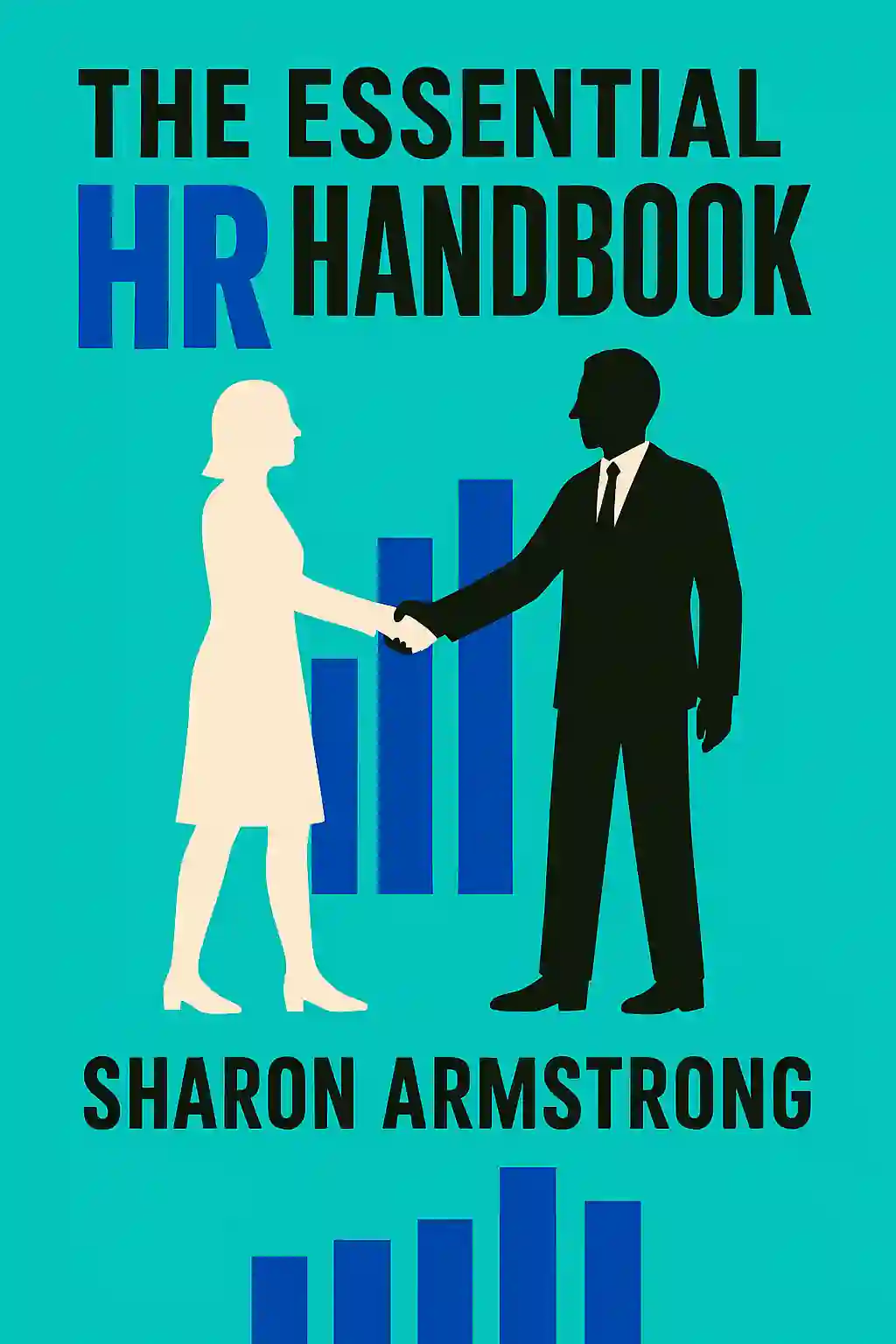
    The Essential HR Handbook
    Misplaced Talent
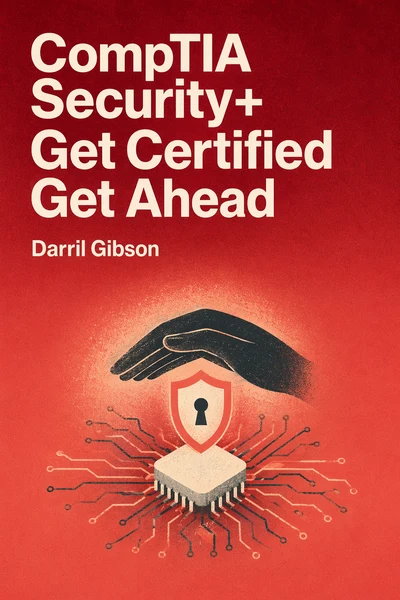
    CompTIA Security+ Get Certified Get Ahead
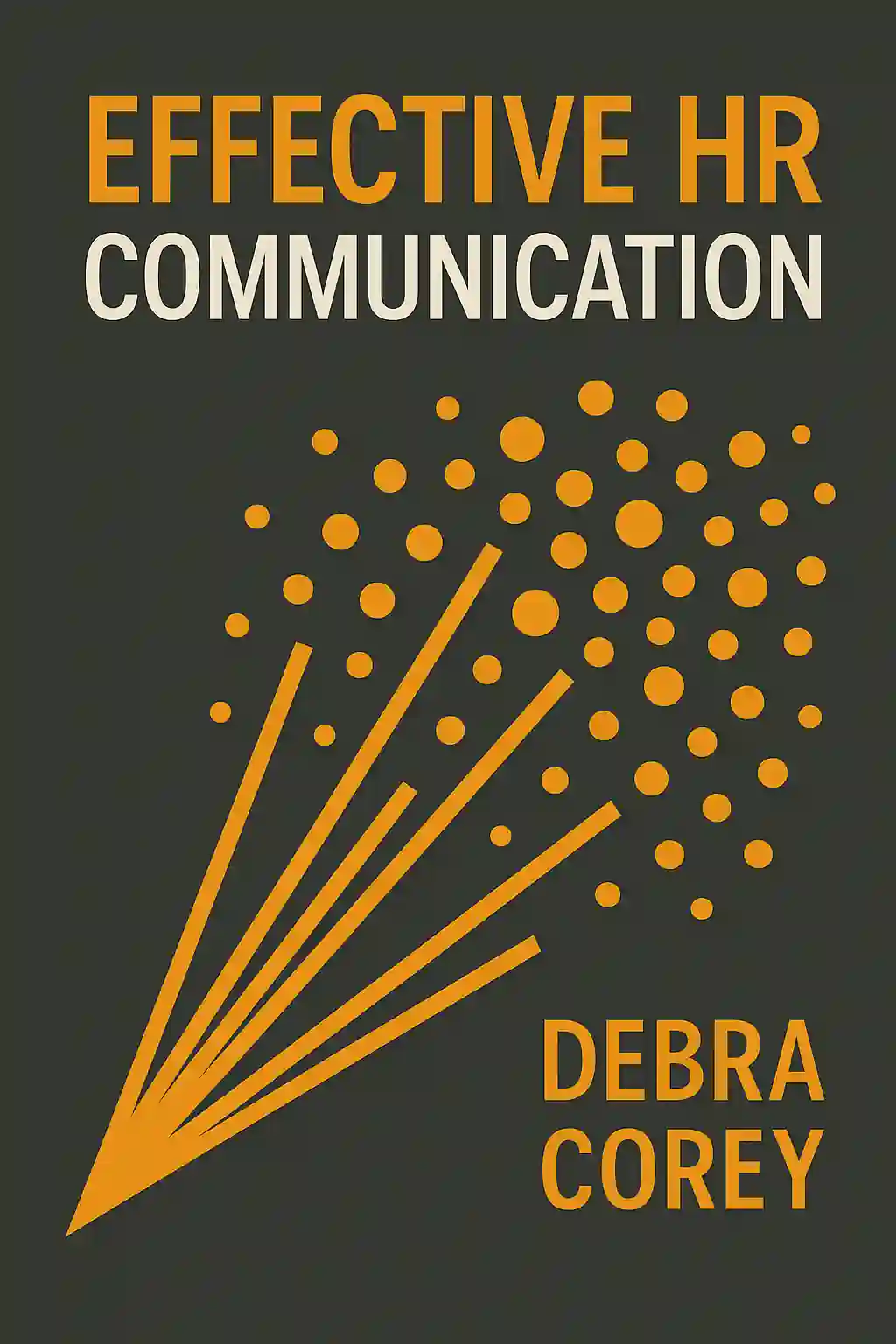
    Effective HR Communication
    Solving the Productivity Puzzle
    Bringing Out the Best in People

    컬럼비아 대학교 동문들이 제작 | 샌프란시스코에서 개발

    BeFreed는 호기심 넘치는 글로벌 커뮤니티를 하나로 연결합니다

    4.7

    평균 평점

    앱 평가 7.84천 개 이상

    BeFreed 커뮤니티

    정말이지 아직 앱을 다 써 보지도 않았는데, 며칠 써 본 것만으로도 깊은 인상을 받았어요… BeFreed는 제가 써 본 어떤 학습 앱과도 차원이 달라요. 몰입감이 엄청나고 집중력도 실제로 좋아져서, 스마트폰을 하염없이 스크롤하는 분들께 딱이에요!

    @ladyInfinity

    정확히 23일 전에 BeFreed를 구입했는데, 그날부터 하루도 빠짐없이 쓰고 있어요. 제 일상 업무 흐름과 학습 습관에 완전히 자리 잡았어요.

    @jayallen

    솔직히 이 앱은 제 기대를 전부 뛰어넘었어요. 어떤 주제든 오디오로 만들어 달라고 할 수 있고, 결과물이 놀라워요. 제 전문 분야는 심리치료 쪽이고 여러 학문이 얽혀 있는데도 답변이 아주 정확해요.

    @Raguipa

    제일 고마운 건 스크롤하는 시간이 확 줄었다는 거예요. 검색하는 시간은 줄고 흡수하는 시간은 늘었어요. 오디오북 전권, 팟캐스트, 학습 플랜의 조합이 정말 훌륭해요.

    @colonyofcreatorsNGO

    저는 24년째 PhotoReading 속진 학습 강사로 일하고 있어요… 책과 독서, 배움이 제 전문인데, BeFreed는 정보를 소화하기 쉽게 전달하는 혁신적인 방식을 정말 잘 구현했어요.

    @BeFreed user

    단순한 책 요약 앱이 아니에요. '재미' 스타일을 써 봤는데, 전통적인 방식보다 훨씬 나은 요약이고 아이디어를 이해하기도 쉬워요. 이것만으로도 값어치를 해요.

    @austinakon

    이 앱이 정말 좋아요. 며칠 써 봤는데 듣는 걸 멈출 수가 없어요. 시작하기에 이보다 좋을 수 없어요.

    @jcrules328

    정말 마음에 들어요. 한 달 정도 써 봤는데 숨은 보석을 찾은 기분이에요. BeFreed로 제가 원하는 주제를 직접 만들 수 있어서 좋고, 목소리도 훌륭한 데다 내레이션 선택지가 무궁무진해요.

    @DanielCZ

    정말이지 아직 앱을 다 써 보지도 않았는데, 며칠 써 본 것만으로도 깊은 인상을 받았어요… BeFreed는 제가 써 본 어떤 학습 앱과도 차원이 달라요. 몰입감이 엄청나고 집중력도 실제로 좋아져서, 스마트폰을 하염없이 스크롤하는 분들께 딱이에요!

    @ladyInfinity

    정확히 23일 전에 BeFreed를 구입했는데, 그날부터 하루도 빠짐없이 쓰고 있어요. 제 일상 업무 흐름과 학습 습관에 완전히 자리 잡았어요.

    @jayallen

    솔직히 이 앱은 제 기대를 전부 뛰어넘었어요. 어떤 주제든 오디오로 만들어 달라고 할 수 있고, 결과물이 놀라워요. 제 전문 분야는 심리치료 쪽이고 여러 학문이 얽혀 있는데도 답변이 아주 정확해요.

    @Raguipa

    제일 고마운 건 스크롤하는 시간이 확 줄었다는 거예요. 검색하는 시간은 줄고 흡수하는 시간은 늘었어요. 오디오북 전권, 팟캐스트, 학습 플랜의 조합이 정말 훌륭해요.

    @colonyofcreatorsNGO

    저는 24년째 PhotoReading 속진 학습 강사로 일하고 있어요… 책과 독서, 배움이 제 전문인데, BeFreed는 정보를 소화하기 쉽게 전달하는 혁신적인 방식을 정말 잘 구현했어요.

    @BeFreed user

    단순한 책 요약 앱이 아니에요. '재미' 스타일을 써 봤는데, 전통적인 방식보다 훨씬 나은 요약이고 아이디어를 이해하기도 쉬워요. 이것만으로도 값어치를 해요.

    @austinakon

    이 앱이 정말 좋아요. 며칠 써 봤는데 듣는 걸 멈출 수가 없어요. 시작하기에 이보다 좋을 수 없어요.

    @jcrules328

    정말 마음에 들어요. 한 달 정도 써 봤는데 숨은 보석을 찾은 기분이에요. BeFreed로 제가 원하는 주제를 직접 만들 수 있어서 좋고, 목소리도 훌륭한 데다 내레이션 선택지가 무궁무진해요.

    @DanielCZ

    유용한 정보와 아이디어를 8~15분짜리 팟캐스트 스타일 오디오로 압축해서 들을 수 있다는 게 정말 좋아요. 원래 팟캐스트는 군더더기가 많아서 안 좋아했는데, 여기는 그걸 싹 걷어냈어요.

    @BeFreed user

    박사 과정을 마무리하는 중이라 낯선 자료를 많이 읽어야 해요… BeFreed에서는 프롬프트만 입력하면 앱이 자료를 찾아서 오디오 팟캐스트로 만들어 줘요. BeFreed의 과정이 NotebookLM보다 더 매끄럽게 느껴져요.

    @Brad

    아침을 준비하거나 산책하거나 출퇴근할 때 들을 것을 YouTube에서 자주 찾곤 했는데, BeFreed는 광고도 군더더기도 없이 훨씬 더 딱 맞는 걸 들려줘요!

    @BeFreed user

    이 플랫폼의 가장 큰 장점은 활용도예요. 다루지 못하는 주제가 말 그대로 하나도 없어요. 무엇을 던져도 다 소화해요… 제한이 전혀 없으면서 약속을 실제로 지키는 학습 도구는 정말 드물어요.

    @jayallen

    BeFreed는 환상적이에요. 디자인이 편해서 헤매는 시간은 줄고 배우는 시간은 늘었어요. 오디오북, 팟캐스트, 학습 플랜의 조합은 천재적이에요. 제 하루가 완전히 달라졌어요.

    @BeFreed user

    처음엔 이탈리아어로 팟캐스트를 만드는 방법을 이해하는 데 시간이 좀 걸렸는데, 알고 나니까 — 와! 정말 대단해요! 어떤 주제든 설명해 달라고 하면 정말 똑똑하게 잘 설명해 줘요!

    @matteo77

    BeFreed는 제가 매일 쓰는 오디오북 앱이 됐어요… 제일 마음에 드는 건 텍스트를 넣으면 이동 중에도 들을 수 있는 오디오로 만들어 준다는 점이에요.

    @kotanzu1

    유용한 정보와 아이디어를 8~15분짜리 팟캐스트 스타일 오디오로 압축해서 들을 수 있다는 게 정말 좋아요. 원래 팟캐스트는 군더더기가 많아서 안 좋아했는데, 여기는 그걸 싹 걷어냈어요.

    @BeFreed user

    박사 과정을 마무리하는 중이라 낯선 자료를 많이 읽어야 해요… BeFreed에서는 프롬프트만 입력하면 앱이 자료를 찾아서 오디오 팟캐스트로 만들어 줘요. BeFreed의 과정이 NotebookLM보다 더 매끄럽게 느껴져요.

    @Brad

    아침을 준비하거나 산책하거나 출퇴근할 때 들을 것을 YouTube에서 자주 찾곤 했는데, BeFreed는 광고도 군더더기도 없이 훨씬 더 딱 맞는 걸 들려줘요!

    @BeFreed user

    이 플랫폼의 가장 큰 장점은 활용도예요. 다루지 못하는 주제가 말 그대로 하나도 없어요. 무엇을 던져도 다 소화해요… 제한이 전혀 없으면서 약속을 실제로 지키는 학습 도구는 정말 드물어요.

    @jayallen

    BeFreed는 환상적이에요. 디자인이 편해서 헤매는 시간은 줄고 배우는 시간은 늘었어요. 오디오북, 팟캐스트, 학습 플랜의 조합은 천재적이에요. 제 하루가 완전히 달라졌어요.

    @BeFreed user

    처음엔 이탈리아어로 팟캐스트를 만드는 방법을 이해하는 데 시간이 좀 걸렸는데, 알고 나니까 — 와! 정말 대단해요! 어떤 주제든 설명해 달라고 하면 정말 똑똑하게 잘 설명해 줘요!

    @matteo77

    BeFreed는 제가 매일 쓰는 오디오북 앱이 됐어요… 제일 마음에 드는 건 텍스트를 넣으면 이동 중에도 들을 수 있는 오디오로 만들어 준다는 점이에요.

    @kotanzu1

    웹에서 BeFreed가 어떻게 논의되고 있는지 더 보기
    129.7K19.5K
    55.2K19.2K
    154.2K10827355
    48.1K2.5K
    81.2K6.6K
    82.3K1.8K
    지금 바로 학습 여정을 시작하세요
    BeFreed 앱
    BeFreed

    무엇이든 개인화된 학습

    DiscordLinkedIn
    추천 도서 요약
    Crucial ConversationsThe Perfect MarriageInto the WildNever Split the DifferenceAttachedGood to GreatSay Nothing
    인기 카테고리
    Self HelpCommunication SkillRelationshipMindfulnessPhilosophyInspirationProductivity
    유명인 추천 도서
    Elon MuskCharlie KirkBill GatesSteve JobsAndrew HubermanJoe RoganJordan Peterson
    수상작 컬렉션
    Pulitzer PrizeNational Book AwardGoodreads Choice AwardsNobel Prize in LiteratureNew York TimesCaldecott MedalNebula Award
    추천 주제
    ManagementAmerican HistoryWarTradingStoicismAnxietySex
    연도별 베스트 도서
    2025 Best Non Fiction Books2024 Best Non Fiction Books2023 Best Non Fiction Books
    추천 저자
    Chimamanda Ngozi AdichieGeorge OrwellO. J. SimpsonBarbara O'NeillWinston ChurchillCharlie Kirk
    BeFreed vs 다른 앱
    BeFreed vs. Other Book Summary AppsBeFreed vs. ElevenReaderBeFreed vs. ReadwiseBeFreed vs. Anki
    학습 도구
    Knowledge VisualizerAI Podcast Generator
    정보
    회사 소개arrow
    가격arrow
    FAQarrow
    블로그arrow
    채용arrow
    파트너십arrow
    앰배서더 프로그램arrow
    디렉토리arrow
    BeFreed
    Try now
    © 2026 BeFreed
    이용 약관개인정보 처리방침
    BeFreed

    무엇이든 개인화된 학습

    DiscordLinkedIn
    추천 도서 요약
    Crucial ConversationsThe Perfect MarriageInto the WildNever Split the DifferenceAttachedGood to GreatSay Nothing
    인기 카테고리
    Self HelpCommunication SkillRelationshipMindfulnessPhilosophyInspirationProductivity
    유명인 추천 도서
    Elon MuskCharlie KirkBill GatesSteve JobsAndrew HubermanJoe RoganJordan Peterson
    수상작 컬렉션
    Pulitzer PrizeNational Book AwardGoodreads Choice AwardsNobel Prize in LiteratureNew York TimesCaldecott MedalNebula Award
    추천 주제
    ManagementAmerican HistoryWarTradingStoicismAnxietySex
    연도별 베스트 도서
    2025 Best Non Fiction Books2024 Best Non Fiction Books2023 Best Non Fiction Books
    학습 도구
    Knowledge VisualizerAI Podcast Generator
    추천 저자
    Chimamanda Ngozi AdichieGeorge OrwellO. J. SimpsonBarbara O'NeillWinston ChurchillCharlie Kirk
    BeFreed vs 다른 앱
    BeFreed vs. Other Book Summary AppsBeFreed vs. ElevenReaderBeFreed vs. ReadwiseBeFreed vs. Anki
    정보
    회사 소개arrow
    가격arrow
    FAQarrow
    블로그arrow
    채용arrow
    파트너십arrow
    앰배서더 프로그램arrow
    디렉토리arrow
    BeFreed
    Try now
    © 2026 BeFreed
    이용 약관개인정보 처리방침

    비슷한 콘텐츠

    Master the Art of Project Management 책 표지
    Making Things HappenStrategic Project Management Made SimpleProject Management for the Unofficial Project ManagerScrum
    24 sources
    Master the Art of Project Management
    Discover how to transform your career with in-demand project management skills, from technical foundations to strategic thinking and stakeholder management, all while preparing for lucrative certification opportunities.
    43 min
    The Fast Track to CCP Certification Success 책 표지
    Fair Pay, Fair PlayThe Essential HR HandbookWhat Your CEO Needs to Know About Sales CompensationThe Essential Drucker
    26 sources
    The Fast Track to CCP Certification Success
    Master the updated eight-module WorldatWork roadmap with a strategic one-year study plan designed to elevate your compensation expertise and career potential.
    20 min
    Mastering the HR Tech Triple Threat Roadmap 책 표지
    Talent WinsThe Manager's PathThe Essential HR HandbookMisplaced Talent
    24 sources
    Mastering the HR Tech Triple Threat Roadmap
    Learn how to lead high-functioning teams through the complex integration of SuccessFactors, ServiceNow, and UKG within a global CPG framework.
    35 min
    CDCES Exam Prep: Getting Past the First Hurdle 책 표지
    Direct source: drive.google.com
    1 source
    CDCES Exam Prep: Getting Past the First Hurdle
    Struggling to access your study materials? Learn how to navigate technical roadblocks and clinical guidelines to stay on track for your certification.
    26 min
    Mastering the PMI-PMOCP Exam 책 표지
    PMI Project Management Office Certified Professional (PMI-PMOCP)[PDF] pmi pmo certified professional (pmi-pmocp)tm examination content ...PMI Project Management Office Certified Professional Syllabus and Exam Details | ProcessExamPMI-PMOCP Certification Guide 2025 – Exam Strategy, Study Plan and Career Impact
    6 sources
    Mastering the PMI-PMOCP Exam
    Most PMOs struggle to prove their value to leadership. Learn to master the PMI-PMOCP domains and the Value-Driven Flywheel to lead strategic change.
    20 min
    The Science of Passing: Mastering the Professional Assay 책 표지
    Software EngineeringBasic Heat TransferAgile TestingStructures
    20 sources
    The Science of Passing: Mastering the Professional Assay
    Explore the evolution of testing from ancient metallurgy to modern IT certifications. This episode blends scientific methodology with practical strategies to help you conquer high-stakes exams.
    24 min
    Master the Strategic Workforce Planning Revolution 책 표지
    Solving the Productivity PuzzleThe Essential HR HandbookMisplaced TalentTalent Wins
    19 sources
    Master the Strategic Workforce Planning Revolution
    Discover a proven six-stage methodology to transform workforce planning from a basic headcount exercise into your organization's strategic advantage, complete with AI-powered tools to predict skill gaps before they emerge.
    44 min
    Mastering the Match: Your Residency Interview Playbook 책 표지
    I Hate Job Interviews60 Seconds and You’re Hired!Case Interview SecretsInterviewology
    25 sources
    Mastering the Match: Your Residency Interview Playbook
    Go beyond board scores and learn how to ace the residency interview. This guide covers storytelling techniques, virtual etiquette, and strategic follow-ups to help you secure your top-ranked program.
    21 min

    Recommended Learning Plans

    Mastering High-Stakes Discovery Calls
    학습 계획

    Mastering High-Stakes Discovery Calls

    This learning plan is essential for account executives and technical sales professionals operating in complex B2B environments. It provides a strategic framework for navigating enterprise procurement and stakeholder mapping to secure high-stakes deals.

    2 h•4 섹션
    The Science of Test Mastery
    학습 계획

    The Science of Test Mastery

    This learning plan is essential for students and professionals facing high-stakes technical or academic examinations. It provides a comprehensive framework that bridges cognitive science with practical test-taking strategies to ensure peak performance under pressure.

    35 m•5 섹션
    Master people skills and interviewing skills
    학습 계획

    Master people skills and interviewing skills

    Strong people skills and interviewing abilities are critical differentiators in today's competitive job market and professional landscape. This learning path is ideal for job seekers, professionals seeking career advancement, managers building teams, entrepreneurs pitching ideas, or anyone wanting to improve their interpersonal effectiveness and navigate crucial conversations with confidence.

    5 h 44 m•4 섹션
    FNP Board Certification Strategy
    학습 계획

    FNP Board Certification Strategy

    This plan is essential for nursing students transitioning to practice who feel overwhelmed by certification options and vast clinical content. It provides a strategic framework for choosing the right exam and applying cognitive science to ensure long-term retention and exam success.

    45 m•2 섹션
    NHA CCMA Exam Recovery Plan
    학습 계획

    NHA CCMA Exam Recovery Plan

    This recovery plan is designed for medical assistant candidates who need to bridge knowledge gaps before their certification retake. It focuses on the high-weight domains of the NHA CCMA exam, making it ideal for students seeking a targeted review of both clinical and administrative skills.

    2 h•3 섹션
    Mastery of Self and Social Control
    학습 계획

    Mastery of Self and Social Control

    This plan is essential for individuals seeking to transition from being reactive to becoming proactive architects of their own success. It is ideal for ambitious professionals and leaders who want to blend psychological self-mastery with high-level social and strategic intelligence.

    3 h 45 m•5 섹션
    Lead Six: High-Performance Management
    학습 계획

    Lead Six: High-Performance Management

    This plan is designed for managers who want to move beyond administrative tasks and become true multipliers of talent. It provides a practical framework for anyone looking to scale their leadership impact while maintaining strong, trust-based relationships with their team.

    2 h•4 섹션
    Mastering the Human Mind
    학습 계획

    Mastering the Human Mind

    This plan is essential for anyone seeking to understand the hidden drivers of their actions and the complexity of human interaction. It is ideal for lifelong learners, leaders, and individuals looking to optimize their mental habits and social intelligence.

    2 h 30 m•5 섹션