BeFreed
    Categories>Communication>Master Storytelling: Holiday Travel Content Creation

    Master Storytelling: Holiday Travel Content Creation

    28분
    |
    |
    2025년 12월 12일
    • Communication
    • Creativity
    • Productivity

    Transform your holiday travels into compelling audio content! Learn neuroscience-backed storytelling techniques, practical recording tips, and how to craft narratives that captivate audiences during long journeys.

    Master Storytelling: Holiday Travel Content Creation
    0:00 / 0:00
    전달 방식을 선택하세요

    하나의 에피소드, 다양한 청취 방식.

    Master Storytelling: Holiday Travel Content Creation의 같은 아이디어를 나에게 맞는 목소리, 깊이, 속도로 만나보세요. 언제든 바꿀 수 있습니다.

    전체 대본 및 챕터

    챕터 1

    Welcome and Introduction to Story Mastery

    Jackson: Hey everyone, welcome back to another personalized episode from BeFreed-I'm Jackson, and we've got something really special lined up today that I think is going to transform how you think about storytelling and content creation.

    Eli: And I'm Eli! Jackson, I am absolutely buzzing with excitement about this one because we're diving deep into the art and science of storytelling-something that's become absolutely essential whether you're creating podcasts, crafting presentations, or just trying to connect with people in meaningful ways. This is going to be a masterclass in understanding how stories actually work at the deepest level.

    Jackson: Exactly right, Eli. And what makes this particularly fascinating is that we're going to explore how storytelling intersects with neuroscience, evolutionary psychology, and practical content creation. For everyone listening, if you're planning to create any kind of narrative content-especially during those long holiday travels when people are really hungry for engaging audio-this conversation is going to give you the tools to create something truly captivating.

    챕터 2

    Setting the Foundation: The Neuroscience of Narrative

    Eli: You know what absolutely blows my mind, Jackson? We spend nearly half our waking hours lost in imaginary worlds. Think about that for a second-between watching screens, listening to story-songs, daydreaming, and our nightly dreams, we're constantly immersed in narrative. And this isn't some modern addiction to entertainment-this is hardwired into our evolutionary biology.

    Jackson: That's fascinating, and it raises this incredible question-if evolution is so ruthlessly efficient at eliminating wasteful traits, why did it preserve our obsession with make-believe? I mean, you'd think the practical tribe that focused only on survival would have outcompeted the story-loving tribe, right?

    Eli: Exactly! But here's where it gets really interesting. Our brains didn't evolve to enjoy stories-they evolved through stories. Before written language, before agriculture, even before we mastered fire, we were telling stories. And these weren't just entertainment-they were survival manuals encoded in memorable packages. When your ancestor heard about someone eating the wrong berries and dying, their brain filed that information as if they'd experienced it themselves, minus the fatal consequences.

    Jackson: So stories function like flight simulators for life experiences. That's brilliant! And the research backs this up, doesn't it? Brain scans show that when we read about someone running, our motor cortex activates. When we encounter emotional scenes, our empathy centers light up. Stories literally hijack our neural machinery.

    Eli: Absolutely! And this is why certain stories grab us instantly while others leave us cold. Your brain receives eleven million pieces of information per second but only consciously processes about forty. The selection criteria? Survival value. Your brain constantly asks: "Will this help or harm me?"

    Jackson: This explains why a simple sentence like "Sarah walked into the office knowing her career would end before lunch" immediately captures our attention compared to just "Sarah walked into the office." The first version creates urgency by promising change with stakes we can anticipate and care about.

    Eli: Right! And for everyone listening, this is your first crucial lesson about creating engaging content. Your opening must signal that something important is at stake-not just events unfolding, but consequences we can feel and understand. If listeners can't anticipate what might happen next, they abandon ship unconsciously within the first few moments.

    이 에피소드로 더 깊이 배우기

    이 에피소드의 아이디어를 BeFreed의 가이드 학습 경험으로 더 깊이 탐구해 보세요.

    챕터 3

    The Universal Architecture of Compelling Stories

    Jackson: So let's break down what actually makes a story work at the fundamental level. I've been reading about this, and it seems like despite thousands of years of storytelling across countless cultures, we keep coming back to the same basic structure.

    Eli: You've hit the nail on the head! After examining 82 different definitions of "story," one stands out as universal: a character pursuing a goal while facing a challenge. These three elements form an unshakeable foundation that scales beautifully from simple anecdotes to epic novels.

    Jackson: Can you give our listeners a concrete example of how this plays out?

    Eli: Absolutely! Consider Estela, a candy factory inspector. When asked about her work, she recited procedures-x-ray machines, quality checklists, protocols. Boring, right? But when asked about her children, everything changed. Her face lit up explaining how her kids identified "Mommy's gum" in stores by reading production codes. Suddenly we had our story: Estela-that's our character-ensuring quality products-there's the goal-despite repetitive work-that's our challenge. The resolution? She imagines every customer as her own child.

    Jackson: That's so much more powerful than any statistic about quality control! And this structure really does scale up, doesn't it? Romeo and Juliet follows the exact same pattern-two lovers wanting to be together despite feuding families.

    Eli: Exactly! Even "I Love Lucy" uses this formula. Lucy Ricardo wants to break into show business despite her husband's resistance and her own harebrained schemes. The structure is universal because it mirrors how our brains naturally process experience and meaning.

    Jackson: But I'm curious-even with these three elements present, stories can still fall flat. What separates the memorable ones from the forgettable?

    Eli: Great question! There are five critical checkpoints every story needs to pass. First, is your character relatable rather than institutional? Second, is there genuine conflict? Third, are the stakes high enough to matter? Fourth, do events connect through cause-and-effect rather than coincidence? And fifth-this is crucial-does emotion drive the narrative?

    Jackson: That last point about emotion is huge, isn't it? I mean, we like to think we're rational beings, but neuroscience tells a completely different story.

    Eli: Oh, absolutely! Antonio Damasio studied a brain-damaged patient who lost emotional capacity while retaining full intellect. This man couldn't make any decision-not whether to schedule Tuesday or Wednesday, not which pen to use. Emotion doesn't just influence decisions-it literally enables them. If you want someone to act, you have to make them feel something first.

    챕터 4

    The Evolutionary Purpose of Dark Narratives

    Jackson: Here's something that really puzzles me, Eli. If stories are supposed to help us survive and thrive, why are we so drawn to dark, troubling narratives? I mean, children's play isn't innocent escapism-it obsessively circles around danger. Lost babies, villains, endangered pets.

    Eli: This is one of the most fascinating aspects of storytelling psychology! Even in concentration camps and extreme poverty, children instinctively create imaginary worlds filled with trouble. Traditional fairy tales are absolutely brutal-cannibal witches, child-eating wolves, gruesome deaths. Even nursery rhymes contain shocking violence-eight murders, two chokings, one decapitation, countless severed limbs.

    Jackson: That's genuinely disturbing when you list it out like that! But there must be a reason for this pattern, right?

    Eli: Absolutely! We seek safety in real life but danger in fiction. An uneventful grocery trip makes terrible storytelling, while a child's abduction creates gripping drama. Stories worldwide follow this master formula: Character plus Predicament plus Attempted Extrication. This structure is strangely universal despite countless alternatives.

    Jackson: So fiction functions like those flight simulators you mentioned earlier-providing low-cost vicarious experiences of complex social situations.

    Eli: Exactly! We confront dangerous people, experience betrayal, navigate moral dilemmas, and characters suffer consequences instead of us. And here's the kicker-research confirms that heavy fiction readers demonstrate better social and empathic abilities than nonfiction readers, even after controlling for personality and IQ. When we experience fiction, our minds are literally "firing and wiring," refining neural pathways through implicit memory.

    Jackson: This makes me think about dreams too. Aren't our nightly dreams essentially stories where we rehearse dealing with threats?

    Eli: You're absolutely right! In the 1950s, scientist Michael Jouvet disabled sleep paralysis in cats and discovered they stalked invisible prey and exhibited defensive behaviors while dreaming-rehearsing survival skills. Human dreams are dominated by negative emotions-fear and anger urging us to flee or fight. The average person experiences roughly 1,200 REM dreams yearly, with about 860 featuring threats.

    Jackson: So over a lifetime, that's like 120,000 distinct danger rehearsals. That's incredible! The most common dreams worldwide involve being chased, attacked, falling, drowning, being trapped-all threat scenarios.

    Eli: Right! And we dream vividly for about two hours nightly-six years over a lifetime. During this time, our brains simulate thousands of threat responses, experiencing them as real. The red thread connecting pretend play, fiction, and dreams is trouble, giving us practice with life's major dilemmas.

    이 에피소드로 더 깊이 배우기

    이 에피소드의 아이디어를 BeFreed의 가이드 학습 경험으로 더 깊이 탐구해 보세요.

    챕터 5

    The Power of Authentic Storytelling in Real-World Applications

    Jackson: Let's shift gears and talk about practical applications, because I think our listeners are probably wondering how to harness this understanding for their own content creation. When it comes to authentic storytelling-whether it's for podcasts, presentations, or personal narratives-what really makes the difference?

    Eli: This is where The Moth's approach becomes absolutely revolutionary. They insist on first-person truth-no notes, no scripts, just you, your memory, and a microphone. Why? Because audiences listen differently when they know a story is real. There's a vulnerability in watching someone reconstruct their life that creates instant intimacy.

    Jackson: That vulnerability aspect is so crucial, isn't it? I've noticed that failures and embarrassments often make better stories than triumphs.

    Eli: Absolutely! Astronaut Michael Massimino connected with millions not through technical expertise but by admitting he nearly ruined a $1.5 billion space telescope repair by stripping a screw. That vulnerability creates trust. When you make yourself vulnerable, listeners stop being an audience and become witnesses to your truth.

    Jackson: So for everyone listening, if you're thinking about creating content during your holiday travels or anytime really, don't reach for your greatest achievements. Look for those moments when reality collided with expectation and something shifted inside you.

    Eli: Exactly! Your story lives in those friction points where life broke its pattern. The job you quit despite everyone's approval. The person you let in after years of walls. Even in constrained circumstances, we make defining choices that reveal character.

    Jackson: And I think this connects to something really important about stakes in storytelling. Stakes aren't universal-they're intensely personal, right?

    Eli: Right! Stakes are defined by what you feared losing or desperately wanted. Clear stakes answer the question: why do you care? But stakes alone make an anecdote, not a story. What transforms an incident into narrative is change. Who were you at the start? Who had you become by the end?

    Jackson: Can you give our listeners an example of how this transformation works in practice?

    Eli: Sure! Ellie Lee's story began as fireworks exploding when her father's store burned down. But examining it revealed the deeper story-recognizing her father's profound importance to their immigrant community. That shift from external event to internal recognition is what creates meaningful narrative.

    챕터 6

    Show Don't Tell: The Hollywood Principle That Changes Everything

    Jackson: One thing I keep hearing about effective storytelling is this principle of "show, don't tell." But I think a lot of people struggle with actually implementing this in practice. Can you break this down for our listeners?

    Eli: Oh, this is such a game-changer! Everyone claims to be "detail-oriented, passionate, and innovative." These words mean nothing because everyone uses them. It's what I call "Match.com syndrome"-where identical generic claims make everyone sound interchangeable. The antidote? Stop telling people who you are. Show them through action.

    Jackson: So instead of saying "I'm persistent," you'd tell a story that demonstrates persistence?

    Eli: Exactly! Consider a sales executive who needed to address her skeptical team about customer meetings. She didn't lecture about persistence. Instead, she shared how she managed her fear of cold calls-taking the elevator to the top floor of office buildings because starting at ground level made it too easy to flee after rejections. This simple story demonstrated humility and taught persistence without preaching.

    Jackson: That's brilliant because it gives listeners concrete, sensory details they can visualize and connect with emotionally.

    Eli: Right! And details matter, but the wrong kind can sink your story. Use brief sensory details-the tick of a clock during awkward silence, the smell of microwave popcorn, a cold bead of sweat. These stimulate imagination without overwhelming it. You want to eliminate bit players and focus on one main character. Cut exposition and dive straight into action.

    Jackson: So instead of setting up context for five minutes, you'd start with something like "I stood there, petrified, as the CEO chewed me out," and then provide background later?

    Eli: Exactly! Hook them first, provide background later. This is what separates amateur storytelling from professional-level content. And for everyone listening, this applies whether you're creating a podcast, giving a presentation, or even just telling stories at dinner parties.

    Jackson: This makes me think about the technical side of content creation too. If someone's planning to create audio content during holiday travel, what should they focus on?

    이 에피소드로 더 깊이 배우기

    이 에피소드의 아이디어를 BeFreed의 가이드 학습 경험으로 더 깊이 탐구해 보세요.

    챕터 7

    The Technical Foundation for Compelling Audio Content

    Eli: Great question! The beautiful thing about podcasting is that it's deceptively simple at its core-buy a mic, talk into it, record, publish. But mastering the nuances that separate amateur efforts from compelling content requires understanding both the technical and narrative elements.

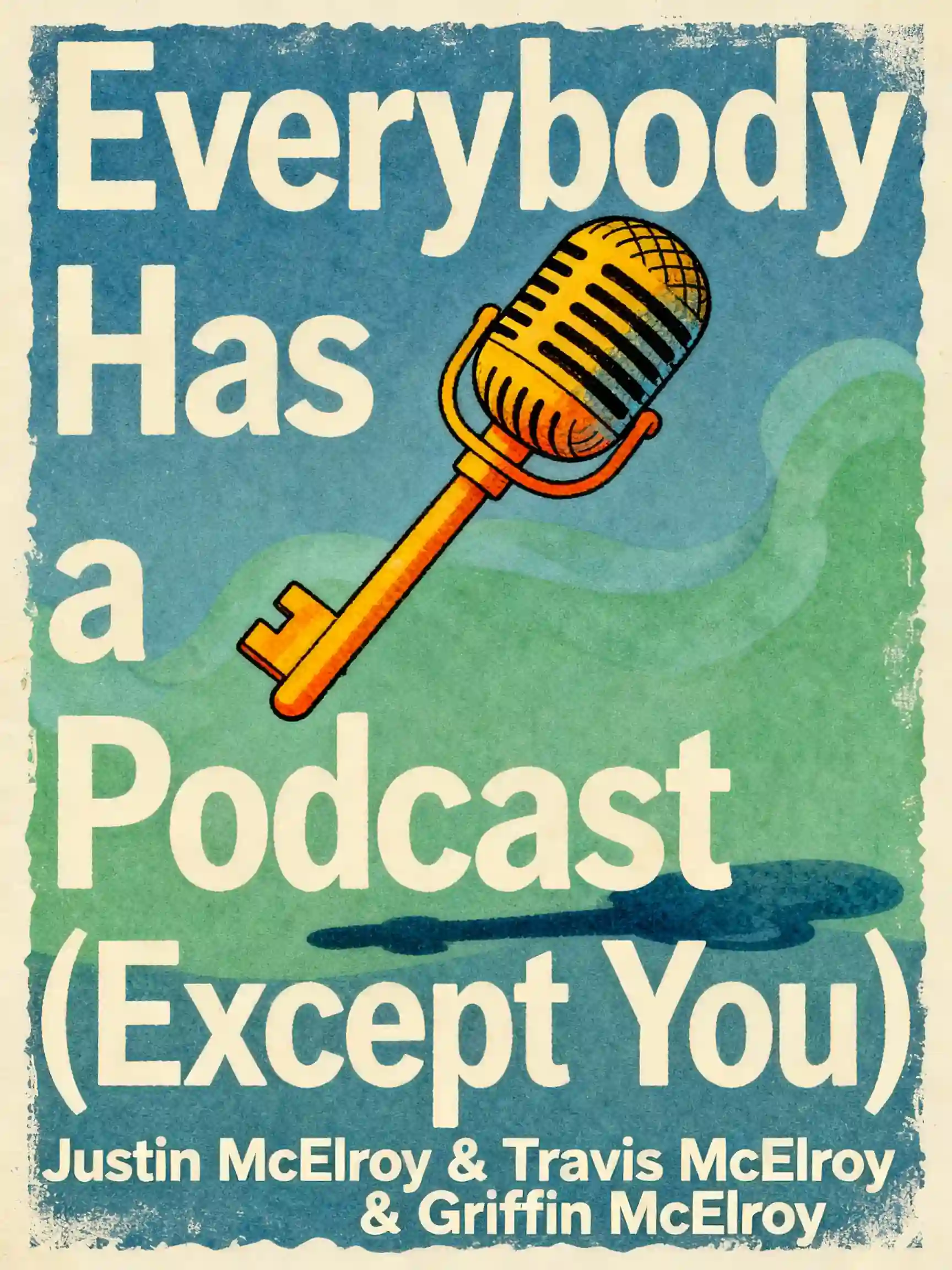
    Jackson: And I think this connects to something the McElroy brothers proved-they started with a Rock Band microphone and a $15 Walmart headset and built their podcast into a multimedia empire. It's not about expensive equipment, is it?

    Eli: Not at all! Their success came from authentic listener connection and consistent improvement, not gear. But let's give our listeners some practical guidance. For microphones, understand the basics: dynamic mics are sturdy workhorses needing no power, reliable for various environments. Condenser mics capture more detail but require phantom power. For beginners, a sub-$100 USB mic works fine-something like a Blue Yeti offers versatility with multiple patterns.

    Jackson: What about recording environment? I imagine a lot of our listeners might be thinking about recording while traveling.

    Eli: Recording environment is crucial but doesn't require a professional studio. Quick solution for travel: record in a closet full of clothes. Otherwise, find a quiet corner-avoid ambient sounds like AC, fans, and PC noise. You can control reflections with moving blankets, rugs, or even just recording in a car with the windows up.

    Jackson: And I think the mental preparation is just as important as the technical setup, right?

    Eli: Absolutely! Check your mental state before recording. If you're stressed, anxious, or tired, reschedule. During sessions, avoid business talk and notifications. Close unnecessary programs and place your phone across the room. Remember you're creating content for actual listeners-bring more energy than everyday conversation, like telling a story to a roomful of people versus one friend.

    Jackson: This energy aspect is so important. I think a lot of people underestimate how much more animated they need to be for audio-only content.

    Eli: Right! And here's something crucial for everyone listening-editing is the podcaster's superpower. This ability transforms your approach because you no longer need perfection in the moment. When disruptions occur, pause, handle them, and resume. You can fix almost anything in post-production, but you can't salvage fundamentally bad content through editing alone.

    챕터 8

    The Psychology of Character and Flawed Protagonists

    Jackson: Let's dive deeper into character development, because I think this is where a lot of content creators struggle. How do we create characters-whether in fiction or when telling our own stories-that people actually connect with?

    Eli: This is where understanding our psychological flaws becomes crucial. Consider this: we all resemble someone with a delusion in milder ways. Our perception contains distortions we can't recognize. When confronted about mistakes, we instinctively dismiss contradicting evidence. This "blind spot bias" affects everyone-each convinced of their objectivity while easily spotting others' biases.

    Jackson: So these cognitive distortions actually make us uniquely human and relatable?

    Eli: Exactly! Our flaws define our character-who we are is how we're broken. In stories, protagonists begin with specific flaws that help readers empathize. Hamlet's paralyzing indecision, Elizabeth Bennet's prejudice, Walter White's pride-these drive their stories while making them human.

    Jackson: This is really important for people telling their own stories too, isn't it? The temptation is to position yourself as the infallible hero, but that actually makes you less relatable.

    Eli: Absolutely! When designing characters-or presenting yourself authentically-consider their "theory of control." How have they learned to manipulate their world? Someone who experienced childhood abandonment might develop an excessive need for control, while another raised in chaos might embrace unpredictability. These coping mechanisms become central to decision-making and relationships.

    Jackson: And I think this connects to something really profound about how we see ourselves versus reality. We're all protagonists in narratives crafted by our own consciousness, right?

    Eli: Right! Our brains function as "hero-makers," distorting reality to maintain our sense of moral superiority and personal agency. When neural models encounter contradictory information, we respond as if facing physical danger. The amygdala activates, stress hormones surge, and rational thinking diminishes.

    Jackson: So even in our own life stories, we're unreliable narrators. That's both humbling and liberating for content creators, isn't it?

    Eli: Exactly! Most of us don't truly know ourselves. The inner voice narrating our lives isn't trustworthy-it's not lying but confabulating, telling fictional stories we believe are true. We are not single selves but multiple competing versions. Understanding this makes our storytelling more honest and compelling.

    이 에피소드로 더 깊이 배우기

    이 에피소드의 아이디어를 BeFreed의 가이드 학습 경험으로 더 깊이 탐구해 보세요.

    챕터 9

    The Emotional Engine That Drives All Engagement

    Jackson: Let's talk about emotion in storytelling, because I think this is where the rubber really meets the road for content creators. How do we tap into genuine emotion without being manipulative?

    Eli: This is crucial! When Chrysler CEO Sergio Marchionne addressed dealers after the company's 2009 near-collapse, he spoke powerfully about values and hope. When he became overcome with emotion and broke down, dealers gave him a thunderous standing ovation-many crying themselves. His vulnerability signaled humanity, not weakness.

    Jackson: So strategic emotion isn't about uncontrolled outburst-it's about judicious expression of genuine feeling?

    Eli: Exactly! Many executives hesitate to share personal stories, believing employees don't want "personal stuff." The opposite is true-people crave genuine connection. When Tim Cook faced the impossible task of following Steve Jobs and was questioned about environmental sustainability's ROI, he fired back: "When I think about doing the right thing, I don't think about an ROI." These authentic moments endear leaders to audiences because they reveal true values.

    Jackson: And this applies to any kind of content creation, doesn't it? Whether you're making a podcast, telling a story, or giving a presentation, emotion is what makes people care.

    Eli: Absolutely! We cry at weddings, mourn losses, and feel nostalgic about places we've left. Emotion connects storyteller to listener. A story without emotion reads like an instruction manual. When you share what you truly felt-the fear, joy, confusion, relief-listeners don't just understand your experience. They feel it with you.

    Jackson: I love how you put that. And research actually shows that emotional stories trigger physiological responses, right?

    Eli: Right! Studies confirm emotional stories increase heart rates and cause sweating palms. Though we're taught to hide emotions, in storytelling, bringing your full feelings is the power move. Even tragic stories contain levity because life is strange and surprising.

    Jackson: Can you give our listeners an example of how humor works effectively in storytelling?

    Eli: Sure! When Trisha Mitchell Coburn tripped on stage, she took a dramatic bow-suddenly feeling like she was telling her story to a room full of best friends. Alfonso Lacayo describes his bad haircut so vividly-his forehead "glistening" so much "you can see your own reflection"-that we laugh with him, not at him. Daniel Turpin calls humor "a psychological life raft."

    챕터 10

    Mining Your Life for Original Story Material

    Jackson: For our listeners who want to create original content, where should they look for story material? I think a lot of people feel like their lives aren't interesting enough to make good stories.

    Eli: This is such a common misconception! Never search for stories when desperate-frantic Googling yields overused tales everyone's heard. Instead, become a lifelong collector. Use your priorities as filters-whether you're known for reliability, creativity, or innovation, seek stories illustrating those qualities.

    Jackson: So it's about developing a systematic approach to story collection rather than hoping inspiration strikes?

    Eli: Exactly! Everyday life offers abundant material-fitness classes, vacations, social gatherings. Read beyond business books-biographies, memoirs, novels few in your field encounter. Try new experiences: attend plays, visit museums, take pottery or martial arts classes. Novel perspectives create original stories no one's heard.

    Jackson: And I imagine your employees and customers are rich story sources too?

    Eli: Absolutely! Interview people with positive perspectives who express themselves well. Ask about childhood dreams, life lessons, professional pride, personal heroes. Reflect on major milestones through journaling. Personal stories guarantee originality and authentic delivery-provided you're not positioning yourself as an infallible hero.

    Jackson: What about organizing all this material? I think a lot of people collect stories but then can't find them when they need them.

    Eli: Great point! Develop an organizational system-note-taking apps with tags, spreadsheets, whatever works. Don't rely on memory alone. With a good system, you'll never resort to recycling tired anecdotes. Be vigilant everywhere-great stories are discovered in New York Times Magazine features, overheard at coffee shops, glimpsed while stuck in traffic.

    Jackson: And the stories that are most meaningful to you personally will have the greatest impact, right?

    Eli: Exactly! Passion sells. Stories meaningful to you-whether from personal experience or aligned with your values-will resonate more powerfully. Don't hold back or let fear override your desire to connect. Original stories offer two advantages: you make them your own, and people haven't heard them before.

    이 에피소드로 더 깊이 배우기

    이 에피소드의 아이디어를 BeFreed의 가이드 학습 경험으로 더 깊이 탐구해 보세요.

    챕터 11

    Practical Applications for Holiday Travel and Beyond

    Jackson: Let's get really practical for our listeners. If someone's planning to create content during holiday travel-maybe they have long flights or car rides-what specific steps should they take to maximize this time?

    Eli: Great question! First, understand that preparation is key, but don't memorize. The Moth's twenty-five years of observation show that only memorizers blank onstage completely-like reciting the alphabet from the middle, memorized stories collapse when you lose your place. Instead, use bullet points as a road map.

    Jackson: So you're suggesting they outline their stories but leave room for natural delivery?

    Eli: Exactly! Once drafted, speak your story aloud-to a mirror, out a window, to your cat. This first telling reveals necessary edits and will likely run long. The Moth calls this the "free to flop" version because perfection isn't the goal-just getting words out is.

    Jackson: And for audio content specifically, what should they focus on during travel?

    Eli: Focus on gathering raw material and testing your delivery. Many great storytellers begin in past tense but shift to present during crucial moments, pulling listeners directly into the action. Resist elaborate language though-audiences "tolerate a lot of rough stuff" as long as what's shared matters. They forgive imperfection but are "totally unforgiving of insincerity."

    Jackson: This makes me think about the broader impact of storytelling. When someone creates authentic content, what kind of ripple effects can they expect?

    Eli: The ripple effects are profound! Stories weave us together, especially from voices often silenced. Telling our stories makes us powerful decision-makers-even painful stories feel better when you own the narrative. Stories transform workplaces: highly engaged teams see 41% less absenteeism and 59% less turnover.

    Jackson: And on a personal level, examining your life through your own lens connects you to shaping moments, right?

    Eli: Absolutely! Most importantly, telling your story lets you own it-abandoning others' narratives and defining your own. When you show your real self, your bravery inspires others' authenticity too, creating an avalanche of connection and understanding.

    Jackson: For listeners who might be nervous about sharing personal stories, what advice would you give them?

    Eli: Start small and build confidence. Remember that ten people spark conversations; a thousand can start movements. When high school student Aleeza Kazmi shared her journey from receiving a brown crayon for her self-portrait to embracing her Afghan and Pakistani heritage, she discovered the power of being truly seen. Your story matters, and someone needs to hear it.

    챕터 12

    The Future of Immersive Storytelling and Audio Content

    Jackson: As we look toward the future, how do you see storytelling and audio content evolving, especially for creators who want to build truly immersive experiences?

    Eli: This is so exciting! We're seeing storytelling transform into increasingly immersive virtual worlds. Traditional fiction isn't dying-it's evolving. Millions spend 20-30 hours weekly in massively multiplayer online role-playing games, finding community and purpose that modern life often lacks. As computing capacity grows exponentially, virtual worlds may increasingly outstrip real life in appeal.

    Jackson: So our evolutionary craving for story could actually become our greatest strength in creating engaging content?

    Eli: Exactly! But understanding story's power needn't diminish your enjoyment or authenticity. The key is recognizing when your inner storyteller overdramatizes reality while still surrendering to story's transformative magic. We are storytelling animals-it's our evolutionary niche, our superpower, and our deepest nature.

    Jackson: And for audio content specifically, what opportunities do you see emerging?

    Eli: Audio content has unique advantages because it creates intimacy. When someone shares a true story through audio, something primal activates in listeners. Hearts synchronize. We literally feel what the storyteller felt, transported into their experience through nothing more than words and presence. This is why podcasting has exploded-it recreates that ancient experience of gathering around fires to share stories.

    Jackson: That's beautiful. And I think this connects to something really important about the democratization of storytelling. Anyone can start a podcast or create audio content now.

    Eli: Right! With 850,000 podcasts competing for attention, success comes from understanding that authenticity and connection matter more than perfection. The medium has transformed dramatically, but the fundamental truth remains: anyone can start a podcast, but creating one people actually want to hear requires intention, structure, and genuine respect for your audience's time.

    Jackson: So for our listeners who are inspired to start creating, what's the most important first step?

    Eli: The most important step is simply starting. Record something-anything-then improve through iterative feedback. Real learning happens through doing: setting up your microphone, editing your first episode, publishing your show. Make something, analyze it, improve it, repeat. This prevents the perfectionism trap that stops aspiring creators from launching.

    이 에피소드로 더 깊이 배우기

    이 에피소드의 아이디어를 BeFreed의 가이드 학습 경험으로 더 깊이 탐구해 보세요.

    챕터 13

    Closing Reflections and Your Story's Beginning

    Jackson: As we wrap things up, I want to circle back to something fundamental. We've covered the neuroscience, the psychology, the practical techniques-but at its heart, what is storytelling really about?

    Eli: At its deepest level, storytelling is about connection across the boundaries of individual consciousness. We each inhabit uniquely foreign neural worlds, alone in our "black vault" of consciousness. In stories, we seek the connection we crave in friendship and love-storytellers who capture the music of our inner struggles.

    Jackson: And that's why stories remain our most powerful tool for authentic human understanding, isn't it? They remind us that shared vulnerability makes us human.

    Eli: Exactly! Story breaks through our masks, allowing us to enter another's flawed mind and discover we're not alone in our brokenness. In a world of superficial connections, stories create genuine intimacy. They don't just inform us-they transform us.

    Jackson: For everyone listening, I hope this conversation has shown you that your story-whatever it is-has value and power. Whether you're creating content for holiday travel, starting a podcast, or just wanting to connect more authentically with people in your life, the principles we've discussed today will serve you well.

    Eli: And remember, you don't need perfect equipment or flawless delivery. You need genuine passion for your subject and respect for your audience's time. Start with what you have, focus on serving your listeners, and trust that authentic stories will find their audience.

    Jackson: The podcast revolution isn't about technical perfection or celebrity-it's about authentic voices finding their audiences. Your voice, perspective, and obsessions matter. Someone's waiting to hear exactly what you have to say.

    Eli: So stop reading about storytelling and start doing it. Record something today. Share a story that matters to you. Take that first step into the ancient and eternal human tradition of narrative connection. Your story is waiting to be told, and the world needs to hear it.

    Jackson: And on that note, keep those creative fires burning, stay curious, and remember-every great story starts with someone brave enough to share their truth. Until next time, keep exploring, keep creating, and keep those questions coming.

    Eli: Thanks for joining us on this deep dive into the art and science of storytelling. Now go out there and make something amazing!

    ★★★★★

    Master Storytelling: Holiday Travel Content Creation의 끝까지 도달했어요

    “23일째 매일 사용하고 있어요. 이제 제 일상의 한 부분이 되었습니다.”

    jayallen

    Master Storytelling: Holiday Travel Content Creation 베스트 인용

    “

    Our brains didn't evolve to enjoy stories—they evolved through stories. They function like flight simulators for life experiences, providing low-cost vicarious rehearsals for complex survival and social situations.

    ”
    J

    Generated by Jiaying

    질문 입력

    immersive narrative stories and engaging audio content for holiday travel

    호스트 음성
    Jacksonplay
    Eliplay
    지식 출처
    How to Tell a Story
    Everybody Has a Podcast
    Wired for story
    Unleash the Power of Storytelling
    Storytelling Animal
    The Science of Storytelling

    컬럼비아 대학교 동문들이 제작 | 샌프란시스코에서 개발

    BeFreed는 호기심 넘치는 글로벌 커뮤니티를 하나로 연결합니다

    4.7

    평균 평점

    앱 평가 7.84천 개 이상

    BeFreed 커뮤니티

    정말이지 아직 앱을 다 써 보지도 않았는데, 며칠 써 본 것만으로도 깊은 인상을 받았어요… BeFreed는 제가 써 본 어떤 학습 앱과도 차원이 달라요. 몰입감이 엄청나고 집중력도 실제로 좋아져서, 스마트폰을 하염없이 스크롤하는 분들께 딱이에요!

    @ladyInfinity

    정확히 23일 전에 BeFreed를 구입했는데, 그날부터 하루도 빠짐없이 쓰고 있어요. 제 일상 업무 흐름과 학습 습관에 완전히 자리 잡았어요.

    @jayallen

    솔직히 이 앱은 제 기대를 전부 뛰어넘었어요. 어떤 주제든 오디오로 만들어 달라고 할 수 있고, 결과물이 놀라워요. 제 전문 분야는 심리치료 쪽이고 여러 학문이 얽혀 있는데도 답변이 아주 정확해요.

    @Raguipa

    제일 고마운 건 스크롤하는 시간이 확 줄었다는 거예요. 검색하는 시간은 줄고 흡수하는 시간은 늘었어요. 오디오북 전권, 팟캐스트, 학습 플랜의 조합이 정말 훌륭해요.

    @colonyofcreatorsNGO

    저는 24년째 PhotoReading 속진 학습 강사로 일하고 있어요… 책과 독서, 배움이 제 전문인데, BeFreed는 정보를 소화하기 쉽게 전달하는 혁신적인 방식을 정말 잘 구현했어요.

    @BeFreed user

    단순한 책 요약 앱이 아니에요. '재미' 스타일을 써 봤는데, 전통적인 방식보다 훨씬 나은 요약이고 아이디어를 이해하기도 쉬워요. 이것만으로도 값어치를 해요.

    @austinakon

    이 앱이 정말 좋아요. 며칠 써 봤는데 듣는 걸 멈출 수가 없어요. 시작하기에 이보다 좋을 수 없어요.

    @jcrules328

    정말 마음에 들어요. 한 달 정도 써 봤는데 숨은 보석을 찾은 기분이에요. BeFreed로 제가 원하는 주제를 직접 만들 수 있어서 좋고, 목소리도 훌륭한 데다 내레이션 선택지가 무궁무진해요.

    @DanielCZ

    정말이지 아직 앱을 다 써 보지도 않았는데, 며칠 써 본 것만으로도 깊은 인상을 받았어요… BeFreed는 제가 써 본 어떤 학습 앱과도 차원이 달라요. 몰입감이 엄청나고 집중력도 실제로 좋아져서, 스마트폰을 하염없이 스크롤하는 분들께 딱이에요!

    @ladyInfinity

    정확히 23일 전에 BeFreed를 구입했는데, 그날부터 하루도 빠짐없이 쓰고 있어요. 제 일상 업무 흐름과 학습 습관에 완전히 자리 잡았어요.

    @jayallen

    솔직히 이 앱은 제 기대를 전부 뛰어넘었어요. 어떤 주제든 오디오로 만들어 달라고 할 수 있고, 결과물이 놀라워요. 제 전문 분야는 심리치료 쪽이고 여러 학문이 얽혀 있는데도 답변이 아주 정확해요.

    @Raguipa

    제일 고마운 건 스크롤하는 시간이 확 줄었다는 거예요. 검색하는 시간은 줄고 흡수하는 시간은 늘었어요. 오디오북 전권, 팟캐스트, 학습 플랜의 조합이 정말 훌륭해요.

    @colonyofcreatorsNGO

    저는 24년째 PhotoReading 속진 학습 강사로 일하고 있어요… 책과 독서, 배움이 제 전문인데, BeFreed는 정보를 소화하기 쉽게 전달하는 혁신적인 방식을 정말 잘 구현했어요.

    @BeFreed user

    단순한 책 요약 앱이 아니에요. '재미' 스타일을 써 봤는데, 전통적인 방식보다 훨씬 나은 요약이고 아이디어를 이해하기도 쉬워요. 이것만으로도 값어치를 해요.

    @austinakon

    이 앱이 정말 좋아요. 며칠 써 봤는데 듣는 걸 멈출 수가 없어요. 시작하기에 이보다 좋을 수 없어요.

    @jcrules328

    정말 마음에 들어요. 한 달 정도 써 봤는데 숨은 보석을 찾은 기분이에요. BeFreed로 제가 원하는 주제를 직접 만들 수 있어서 좋고, 목소리도 훌륭한 데다 내레이션 선택지가 무궁무진해요.

    @DanielCZ

    유용한 정보와 아이디어를 8~15분짜리 팟캐스트 스타일 오디오로 압축해서 들을 수 있다는 게 정말 좋아요. 원래 팟캐스트는 군더더기가 많아서 안 좋아했는데, 여기는 그걸 싹 걷어냈어요.

    @BeFreed user

    박사 과정을 마무리하는 중이라 낯선 자료를 많이 읽어야 해요… BeFreed에서는 프롬프트만 입력하면 앱이 자료를 찾아서 오디오 팟캐스트로 만들어 줘요. BeFreed의 과정이 NotebookLM보다 더 매끄럽게 느껴져요.

    @Brad

    아침을 준비하거나 산책하거나 출퇴근할 때 들을 것을 YouTube에서 자주 찾곤 했는데, BeFreed는 광고도 군더더기도 없이 훨씬 더 딱 맞는 걸 들려줘요!

    @BeFreed user

    이 플랫폼의 가장 큰 장점은 활용도예요. 다루지 못하는 주제가 말 그대로 하나도 없어요. 무엇을 던져도 다 소화해요… 제한이 전혀 없으면서 약속을 실제로 지키는 학습 도구는 정말 드물어요.

    @jayallen

    BeFreed는 환상적이에요. 디자인이 편해서 헤매는 시간은 줄고 배우는 시간은 늘었어요. 오디오북, 팟캐스트, 학습 플랜의 조합은 천재적이에요. 제 하루가 완전히 달라졌어요.

    @BeFreed user

    처음엔 이탈리아어로 팟캐스트를 만드는 방법을 이해하는 데 시간이 좀 걸렸는데, 알고 나니까 — 와! 정말 대단해요! 어떤 주제든 설명해 달라고 하면 정말 똑똑하게 잘 설명해 줘요!

    @matteo77

    BeFreed는 제가 매일 쓰는 오디오북 앱이 됐어요… 제일 마음에 드는 건 텍스트를 넣으면 이동 중에도 들을 수 있는 오디오로 만들어 준다는 점이에요.

    @kotanzu1

    유용한 정보와 아이디어를 8~15분짜리 팟캐스트 스타일 오디오로 압축해서 들을 수 있다는 게 정말 좋아요. 원래 팟캐스트는 군더더기가 많아서 안 좋아했는데, 여기는 그걸 싹 걷어냈어요.

    @BeFreed user

    박사 과정을 마무리하는 중이라 낯선 자료를 많이 읽어야 해요… BeFreed에서는 프롬프트만 입력하면 앱이 자료를 찾아서 오디오 팟캐스트로 만들어 줘요. BeFreed의 과정이 NotebookLM보다 더 매끄럽게 느껴져요.

    @Brad

    아침을 준비하거나 산책하거나 출퇴근할 때 들을 것을 YouTube에서 자주 찾곤 했는데, BeFreed는 광고도 군더더기도 없이 훨씬 더 딱 맞는 걸 들려줘요!

    @BeFreed user

    이 플랫폼의 가장 큰 장점은 활용도예요. 다루지 못하는 주제가 말 그대로 하나도 없어요. 무엇을 던져도 다 소화해요… 제한이 전혀 없으면서 약속을 실제로 지키는 학습 도구는 정말 드물어요.

    @jayallen

    BeFreed는 환상적이에요. 디자인이 편해서 헤매는 시간은 줄고 배우는 시간은 늘었어요. 오디오북, 팟캐스트, 학습 플랜의 조합은 천재적이에요. 제 하루가 완전히 달라졌어요.

    @BeFreed user

    처음엔 이탈리아어로 팟캐스트를 만드는 방법을 이해하는 데 시간이 좀 걸렸는데, 알고 나니까 — 와! 정말 대단해요! 어떤 주제든 설명해 달라고 하면 정말 똑똑하게 잘 설명해 줘요!

    @matteo77

    BeFreed는 제가 매일 쓰는 오디오북 앱이 됐어요… 제일 마음에 드는 건 텍스트를 넣으면 이동 중에도 들을 수 있는 오디오로 만들어 준다는 점이에요.

    @kotanzu1

    웹에서 BeFreed가 어떻게 논의되고 있는지 더 보기
    129.7K19.5K
    55.2K19.2K
    154.2K10827355
    48.1K2.5K
    81.2K6.6K
    82.3K1.8K
    지금 바로 학습 여정을 시작하세요
    BeFreed 앱
    BeFreed

    무엇이든 개인화된 학습

    DiscordLinkedIn
    추천 도서 요약
    Crucial ConversationsThe Perfect MarriageInto the WildNever Split the DifferenceAttachedGood to GreatSay Nothing
    인기 카테고리
    Self HelpCommunication SkillRelationshipMindfulnessPhilosophyInspirationProductivity
    유명인 추천 도서
    Elon MuskCharlie KirkBill GatesSteve JobsAndrew HubermanJoe RoganJordan Peterson
    수상작 컬렉션
    Pulitzer PrizeNational Book AwardGoodreads Choice AwardsNobel Prize in LiteratureNew York TimesCaldecott MedalNebula Award
    추천 주제
    ManagementAmerican HistoryWarTradingStoicismAnxietySex
    연도별 베스트 도서
    2025 Best Non Fiction Books2024 Best Non Fiction Books2023 Best Non Fiction Books
    추천 저자
    Chimamanda Ngozi AdichieGeorge OrwellO. J. SimpsonBarbara O'NeillWinston ChurchillCharlie Kirk
    BeFreed vs 다른 앱
    BeFreed vs. Other Book Summary AppsBeFreed vs. ElevenReaderBeFreed vs. ReadwiseBeFreed vs. Anki
    학습 도구
    Knowledge VisualizerAI Podcast Generator
    정보
    회사 소개arrow
    가격arrow
    FAQarrow
    블로그arrow
    채용arrow
    파트너십arrow
    앰배서더 프로그램arrow
    디렉토리arrow
    BeFreed
    Try now
    © 2026 BeFreed
    이용 약관개인정보 처리방침
    BeFreed

    무엇이든 개인화된 학습

    DiscordLinkedIn
    추천 도서 요약
    Crucial ConversationsThe Perfect MarriageInto the WildNever Split the DifferenceAttachedGood to GreatSay Nothing
    인기 카테고리
    Self HelpCommunication SkillRelationshipMindfulnessPhilosophyInspirationProductivity
    유명인 추천 도서
    Elon MuskCharlie KirkBill GatesSteve JobsAndrew HubermanJoe RoganJordan Peterson
    수상작 컬렉션
    Pulitzer PrizeNational Book AwardGoodreads Choice AwardsNobel Prize in LiteratureNew York TimesCaldecott MedalNebula Award
    추천 주제
    ManagementAmerican HistoryWarTradingStoicismAnxietySex
    연도별 베스트 도서
    2025 Best Non Fiction Books2024 Best Non Fiction Books2023 Best Non Fiction Books
    학습 도구
    Knowledge VisualizerAI Podcast Generator
    추천 저자
    Chimamanda Ngozi AdichieGeorge OrwellO. J. SimpsonBarbara O'NeillWinston ChurchillCharlie Kirk
    BeFreed vs 다른 앱
    BeFreed vs. Other Book Summary AppsBeFreed vs. ElevenReaderBeFreed vs. ReadwiseBeFreed vs. Anki
    정보
    회사 소개arrow
    가격arrow
    FAQarrow
    블로그arrow
    채용arrow
    파트너십arrow
    앰배서더 프로그램arrow
    디렉토리arrow
    BeFreed
    Try now
    © 2026 BeFreed
    이용 약관개인정보 처리방침

    비슷한 콘텐츠

    Mastering the Art of Narrative Podcasting 책 표지
    Best Story Podcasts: Narrative Shows That Captivate Audiences10 Narrative Podcasts We Loved This Year - Vulturesource 3How To Create Narrative Podcasts: Writing Story-Driven Shows - Podcast Insights
    6 sources
    Mastering the Art of Narrative Podcasting
    Discover what makes story-driven podcasts so captivating and learn practical techniques for crafting your own compelling audio narratives that connect with audiences.
    11 min
    Master the Art of Captivating Storytelling 책 표지
    Unleash the Power of StorytellingThe Art of the TaleWired for StoryThe Story Factor
    16 sources
    Master the Art of Captivating Storytelling
    Discover why stories are 22x more memorable than facts and learn the science-backed techniques to transform boring presentations into unforgettable experiences that stick with your audience.
    44 min
    Christmas Travel Mastery: Escape Holiday Chaos 책 표지
    source 1source 2source 3source 4
    6 sources
    Christmas Travel Mastery: Escape Holiday Chaos
    Stop letting Christmas stress destroy you! This episode demands you learn the art of meaningful holiday travel and authentic celebration. We'll expose why you're trapped in expensive traditions and teach you to create transformative winter experiences through intentional wandering and conscious cele
    35 min
    Mastering the 22x Power of Strategic Storytelling 책 표지
    Wired for StoryStory Structure ArchitectThe Science of StorytellingPlot & Structure
    26 sources
    Mastering the 22x Power of Strategic Storytelling
    Stop boring your audience with dry data and start using narrative architecture to drive impact. Learn the science-backed frameworks and practical tactics to transform everyday moments into persuasive, unforgettable stories.
    29 min
    Storytelling Secrets Across All Mediums 책 표지
    source 1source 2source 3source 4
    6 sources
    Storytelling Secrets Across All Mediums
    Discover the universal principles that make great stories captivate audiences, whether you're creating podcasts, TV shows, or any content. Learn from legends and build authentic connections.
    14 min
    Master Storytelling: From Boardrooms to Dinner Tables 책 표지
    source 1source 2The Art of Storytelling: A Guide to Becoming a More Effective Storytellersource 4
    6 sources
    Master Storytelling: From Boardrooms to Dinner Tables
    Learn the proven three-part structure (character-goal-challenge) that transforms boring presentations into compelling narratives. Packed with real-world examples from CEOs to everyday conversations.
    19 min
    Storytelling Secrets for Captivating Connections 책 표지
    The Art of the TaleStoryworthyThe Art of Public SpeakingThe Story Factor
    20 sources
    Storytelling Secrets for Captivating Connections
    Discover the neuroscience behind engaging storytelling and learn practical techniques to transform your everyday stories into memorable experiences that forge deeper connections and keep listeners genuinely captivated.
    23 min
    Storytelling: Your Secret Weapon for Influence 책 표지
    The Story FactorThank You for ArguingThe Elements of Rhetoric -- How to Write and Speak Clearly and PersuasivelyWired for Story
    19 sources
    Storytelling: Your Secret Weapon for Influence
    Discover how to craft compelling stories that change brain chemistry and create lasting impact. Learn practical frameworks to transform your ideas into memorable narratives that inspire action.
    56 min

    Recommended Learning Plans

    Storytelling
    학습 계획

    Storytelling

    In an information-dense world, the ability to craft a narrative that resonates is a critical professional advantage. This plan is designed for writers, business leaders, and creatives who want to move beyond basic plots to master the architecture of emotional connection.

    5 h 3 m•4 섹션
    Study narrative theory & story history
    학습 계획

    Study narrative theory & story history

    This learning plan is essential for anyone who wants to understand the profound power of storytelling—from writers and content creators to educators, marketers, and leaders. By combining historical context, psychological insights, and practical techniques, you'll gain a comprehensive framework for both analyzing existing narratives and crafting compelling stories that truly resonate with audiences.

    5 h 19 m•4 섹션
    Deep Dialogue and Digital Storytelling
    학습 계획

    Deep Dialogue and Digital Storytelling

    This plan is essential for creators and journalists looking to bridge the gap between profound human connection and digital visibility. It is ideal for podcasters, writers, and content strategists who want to master the balance of emotional vulnerability and technical SEO optimization.

    1 h 15 m•3 섹션
    The Narrative Craft: Engineering Truth and Fiction
    학습 계획

    The Narrative Craft: Engineering Truth and Fiction

    This curriculum is designed for writers who want to move beyond inspiration and master the technical mechanics of storytelling. It is ideal for aspiring authors and journalists looking to blend psychological discipline with structural precision and sensory depth.

    2 h•4 섹션
    Master Narrative Prompting and Dialogue
    학습 계획

    Master Narrative Prompting and Dialogue

    This plan is essential for writers and creators looking to move beyond basic AI interactions and achieve professional-grade storytelling. It provides the technical and psychological tools needed to turn simple prompts into complex, emotionally resonant narratives.

    1 h 30 m•3 섹션
    Crafting Sincere Narratives: Stakes & Warmth
    학습 계획

    Crafting Sincere Narratives: Stakes & Warmth

    In an era of superficial content, the ability to write with genuine emotional depth and high stakes is a vital skill for any storyteller. This plan is ideal for writers and creative professionals looking to move beyond tropes and create narratives that truly resonate with their audience's humanity.

    5 h 21 m•4 섹션
    The Art of the Social Raconteur
    학습 계획

    The Art of the Social Raconteur

    In an age of digital distraction, the ability to hold a room through oral storytelling is a rare and valuable social superpower. This plan is designed for professionals and social butterflies who want to transform casual anecdotes into compelling, memorable narratives.

    1 h 30 m•3 섹션
    The Storyteller in Your Sleep
    학습 계획

    The Storyteller in Your Sleep

    This plan is essential for anyone curious about the intersection of neuroscience and psychology in our nightly rest. It benefits writers, psychologists, and individuals seeking to understand the hidden mechanics of their subconscious mind and emotional health.

    1 h 30 m•3 섹션