BeFreed
    Categories>Relationships>Keep a relationship spicy by not waiting for the spark

    Keep a relationship spicy by not waiting for the spark

    19분
    |
    |
    2026년 3월 19일
    RelationshipsPsychologySelf-Growth

    Waiting to feel in the mood can stall your connection. Learn how to move from spontaneous desire to intentional intimacy with a 7-day spicy challenge.

    Keep a relationship spicy by not waiting for the spark
    전달 방식을 선택하세요

    하나의 에피소드, 다양한 청취 방식.

    Keep a relationship spicy by not waiting for the spark의 같은 아이디어를 나에게 맞는 목소리, 깊이, 속도로 만나보세요. 언제든 바꿀 수 있습니다.

    전체 대본 및 챕터

    챕터 1

    Stop Waiting for the Spark

    Lena: Miles, I was reading this fascinating insight from sex therapist Vanessa Marin, and it totally flipped my perspective. We always think that in a "perfect" relationship, the chemistry should just be there, right? Like a constant pilot light.

    Miles: Exactly, that’s the dream! But the reality is often more about takeaways in our PJs than spontaneous fireworks.

    Lena: Right! And here is the kicker: she says the biggest mistake we make is waiting to "feel" desire before we act. In long-term relationships, people aren't usually walking around spontaneously aroused on a Tuesday afternoon between answering emails and doing laundry.

    Miles: That is so relatable. If you’re waiting for that magical lightning bolt to strike while you’re folding socks, you might be waiting forever. It’s about shifting from "Am I in the mood?" to "Am I willing?"

    Lena: I love that. It’s such a practical framework for moving past that "fine" stage and actually reigniting the spark. So, let’s dive into the "Chore Play" and "Extended Initiation" strategies that can turn your daily routine back into a romance.

    챕터 2

    The Self-Expansion Toolkit: Why Routine is the Passion Killer

    Miles: You know, Lena, that idea of "willingness" over "spontaneity" actually connects perfectly to a concept I’ve been obsessed with lately—self-expansion. It sounds a bit academic, but it’s honestly the secret sauce for keeping things spicy. Think about the very beginning of a relationship. Everything is a "first," right?

    Lena: Oh, for sure. You’re learning their favorite obscure movies, they’re taking you to that hole-in-the-wall Thai place—it feels like your whole world is getting bigger because they’re in it.

    Miles: Exactly! That’s self-expansion in action. According to researchers Arthur and Elaine Aron, who’ve been studying this since the eighties, we have this fundamental drive to grow—to increase our "potential efficacy," as they call it. We want more resources, more perspectives, more skills. And in a new relationship, your partner is like this giant, untapped reservoir of all those things.

    Lena: So, when we fall in love, we’re essentially "including the other in the self." I’ve seen those Venn diagram studies where the circles for "Me" and "You" just start overlapping until they’re almost one. It feels amazing at first, but is that where the "roommate syndrome" starts? When the circles overlap too much?

    Miles: You hit the nail on the head. Once you feel like you "know" everything about your partner—their stories, their political views, even their coffee order—the expansion slows down. The "Me" and "You" circles stop moving. And when growth stops, the excitement often goes right out the window with it.

    Lena: It’s like the "Soulmate Myth" we were talking about earlier—the idea that one person should be your everything. Historian Stephanie Coontz points out that this is a super modern expectation. We want a lover, a best friend, a co-parent, and a therapist all in one person. That’s a lot of pressure on one Venn diagram!

    Miles: It really is. And when we settle into those roles, we stop seeing our partner as a separate, evolving human being. We see them as an extension of our routine. But the science shows that if we can reignite that sense of growth—that self-expansion—the passion comes roaring back. In fact, studies from the Kinsey Institute suggest that couples who engage in "self-expanding" activities together report significantly higher sexual desire.

    Lena: Okay, so it’s not just about "date night" in the traditional sense. It’s about "growth dates." I love that distinction. Because let’s be honest, a standard dinner-and-a-movie can sometimes feel like just another item on the to-do list.

    Miles: Right! If you’re sitting across from each other at the same Italian spot talking about the electric bill, you’re not expanding. You’re just maintaining. To truly spice things up, you need to push the boundaries of those circles again. You need to see your partner in a new light—maybe even a slightly uncomfortable one.

    이 에피소드로 더 깊이 배우기

    이 에피소드의 아이디어를 BeFreed의 가이드 학습 경험으로 더 깊이 탐구해 보세요.

    챕터 3

    The Growth Date Blueprint: Shared Adventures That Work

    Lena: So, if we’re moving away from the "maintenance date" and toward the "growth date," what does that actually look like on a Friday night? I remember reading about a study where they actually tracked couples doing different types of activities.

    Miles: Yeah, that’s the classic Aron study from 2000. They compared couples doing "pleasant" activities—like a nice dinner—versus "exciting" activities. The exciting ones were things that were novel, challenging, or even a bit arousing in a non-sexual way.

    Lena: Like what? Skydiving? I’m not sure everyone’s ready for that!

    Miles: It doesn’t have to be that extreme! It could be a dance class where you both feel a bit clumsy, or traveling to a city where you don’t speak the language. The key is that it’s "out of the ordinary." When you’re in a novel situation, you have to rely on each other in new ways. You see your partner’s competence, or their humor under pressure, or even a sensual side you forgot existed.

    Lena: That makes so much sense. It’s that "misattribution of arousal" effect we hear about—the racing heart from a challenging hike or a fast-paced game gets attributed to the person you’re with. Your brain goes, "Wow, my heart is pounding, they must be really attractive!" instead of just "Wow, this hill is steep."

    Miles: Precisely! Adventure is basically a unique form of foreplay. And it’s not just about the adrenaline. It’s about "Inclusion of the Other in the Self"—the IOS model. When you learn a new skill together, like taking a cooking class or training for a 5K, you’re pooling your resources. Their new knowledge becomes part of your identity, and vice versa. It keeps the relationship from feeling like a finished book.

    Lena: I love the idea of "working toward a shared goal" as a way to expand. It’s not just a one-and-done event; it’s a recurring activity that builds a shared identity. It’s like you’re saying, "We’re the couple that’s learning Italian," or "We’re the duo building a garden."

    Miles: Exactly. And the research from 2026 shows that this kind of shared growth is a huge buffer against relationship boredom. But here’s the "pro tip" for our listeners: it has to be a shared effort. It’s not just you watching them do their hobby; it’s both of you being slightly "in over your heads" together. That vulnerability of trying something new is where the real bonding happens.

    Lena: It’s almost like you’re recreating those "firsts" from the beginning of the relationship. You’re intentionally putting yourselves back into that "heady period" where every day glitters with new possibilities. But we also have to talk about the flip side—supporting individual growth. Because if you’re only doing things together, you might end up in that "codependency" trap, right?

    Miles: You’re ahead of me! Supporting "non-relational" self-expansion is just as vital. When your partner pursues a passion on their own, it creates that "otherness" or mystery that Esther Perel talks about. Seeing them be great at something without you makes them a distinct person again, not just your "plus one." It gives you something new to be curious about when you come back together.

    챕터 4

    The Curiosity Cure: Moving Beyond Transactional Talk

    Lena: You mentioned curiosity, and I think that’s such a huge piece of this. In long-term relationships, it’s so easy to fall into what researchers call "transactional talk." You know the drill: "Did you pick up the milk?" "What time is soccer practice?" "We need to fix the leaky faucet."

    Miles: Oh, the dreaded "roommate logistics." It’s the ultimate passion killer. We start assuming we know everything there is to know about our partner, so we stop asking real questions. But the truth is, we’re all constantly evolving. The person you married five years ago isn't the same person sitting across from you today.

    Lena: Right! And that’s where the "36 Questions to Fall in Love" come in. I know they were originally designed for strangers to build fast intimacy, but they are incredibly powerful for long-term couples too. Questions like, "What is your most treasured memory?" or "If you could change anything about the way you were raised, what would it be?"

    Miles: Those are great because they bypass the "how was your day" autopilot. But we can even keep it simpler for daily life. I love the "10-minute emotional check-in" exercise. You sit face-to-face—phones away, obviously—and ask three specific questions: "What was the best part of your day?" "What was the hardest part?" and "What do you need from me right now?"

    Lena: "What do you need from me right now?" is such a game-changer. It invites vulnerability instead of just reporting facts. And according to the Gottman Institute, responding to these "emotional bids" is everything. If your partner sighs or asks a random question, and you "turn toward" them instead of ignoring them, you’re building a "reservoir of trust."

    Miles: Exactly. Gottman’s research found that couples who stay together turn toward each other’s bids about 86 percent of the time. The ones who split? Only 33 percent. It’s those tiny, micro-moments of connection—a shared joke, a touch on the shoulder, a meaningful follow-up question—that keep the foundation solid enough for the "spicy" stuff to happen.

    Lena: And it’s about "active listening," too. Not just waiting for your turn to speak, but reflecting back what you heard. "So, what I’m hearing is that you felt really overwhelmed when your boss dropped that deadline." That validation makes your partner feel safe enough to be vulnerable. And as we’ve seen, vulnerability is the gateway to desire.

    Miles: It really is. Without emotional safety, it’s hard to feel "adventurous" in the bedroom. But when you feel seen and understood, you’re much more likely to say "yes" to trying something new. It’s that "Imago Relationship Dialogue" technique—mirroring, validating, and then empathizing. It slows the conversation down so you can actually hear the "real question" underneath the words.

    Lena: Which is usually some version of "Do I matter to you?" or "Are you there for me?" If we can answer those questions through our daily curiosity, the "spark" doesn't feel like something we have to hunt for—it’s just a natural byproduct of the connection we’re building.

    이 에피소드로 더 깊이 배우기

    이 에피소드의 아이디어를 BeFreed의 가이드 학습 경험으로 더 깊이 탐구해 보세요.

    챕터 5

    The Science of Erotic Intelligence: Why Mystery Matters

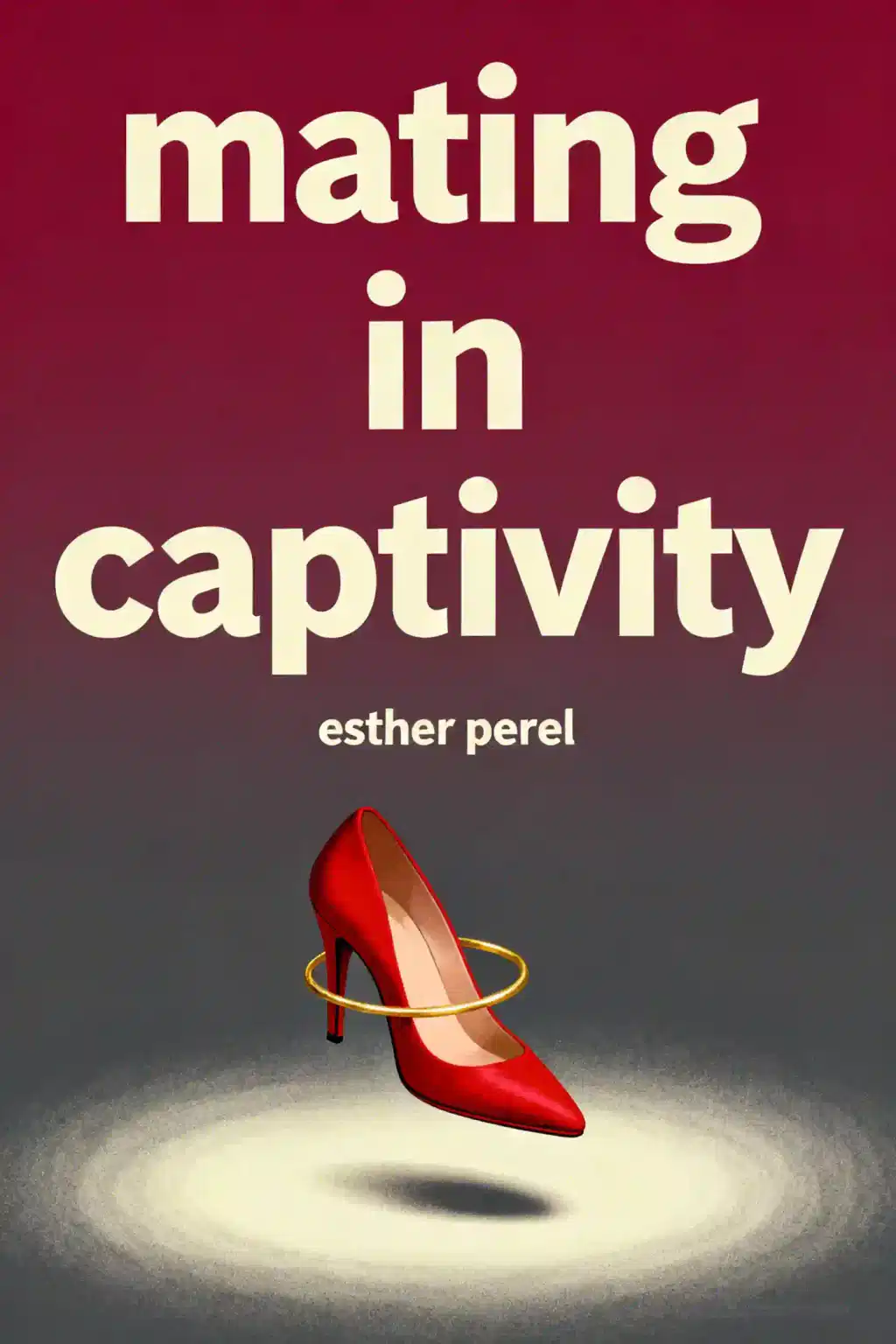
    Miles: So, we’ve talked about growing together and talking more deeply, but we have to address a bit of a paradox. Esther Perel, in her work on "Mating in Captivity," points out that too much closeness can actually dampen desire. We need a little bit of "space" or "otherness" to feel that erotic pull.

    Lena: It’s that classic tension between security and surprise, isn't it? We want our partner to be our "steady, reliable anchor," but we also want them to be this "mysterious, awe-inspiring" person who takes us out of our ordinary lives.

    Miles: Exactly. If you’re too close—if you’re essentially "merged"—there’s no "gap" for desire to cross. This is why "healthy selfishness" or maintaining your own individual identity is so important. When you have your own hobbies, your own friends, and your own space, you remain a person of interest to your partner. You’re not just an extension of them.

    Lena: I love that term, "erotic intelligence." It’s about willfully creating the conditions for mystery and playfulness, even when you’ve been together for decades. It might mean not sharing every single thought or detail of your day, or making sure you’re not just "co-existing" in the same sweatpants every night.

    Miles: Right! And it’s about "savoring" each other. Researchers Bryant and Veroff talk about the power of slowing down and lingering in a moment. Instead of a quick peck on the cheek as you’re running out the door, try a six-second kiss. That’s long enough to actually feel a connection and release some oxytocin.

    Lena: Six seconds! That sounds like a long time when you’re in a rush, but it’s such a small investment. And it connects back to "Eros" versus "Sexuality." Sex can be just about physical release, but Eros is about imagination, possibility, and growth. It’s the "foundation stone" for something higher, as Maslow would say.

    Miles: Absolutely. In "whole love," as Scott Barry Kaufman describes it, sex and love are perfectly fused. Sexuality becomes a way to express the depths of that love. And when you have that base of trust, you can explore! You can be "active" or "passive," you can experiment with power dynamics or fantasies, because you know you’re in a safe, judgment-free zone.

    Lena: And that’s where "radical honesty" comes in. Being able to say, "I’m curious about this," or "I want to try this," without fear of being shamed. That kind of disclosure is actually a form of self-expansion too! You’re revealing a new "facet" of yourself to your partner, which expands their understanding of who you are.

    Miles: It’s a virtuous cycle. The more you expand together outside the bedroom—through adventure, curiosity, and growth—the more "fuel" you have for passion inside the bedroom. You’re constantly "rewriting the script" of who you are as a couple, which keeps the routine from ever becoming a rut.

    챕터 6

    The Emotional Audit: A Step-by-Step Practical Playbook

    Lena: Okay, Miles, we’ve covered a lot of ground—from skydiving dates to six-second kisses. Let’s bring this down to earth for our listeners. If someone is feeling that "roommate syndrome" right now, what is the first concrete step they can take this week?

    Miles: I’d say start with the "Emotional Audit." It sounds formal, but it’s just a regular, non-judgmental check-in. Sit down for 20 minutes—no distractions—and look at the state of your connection. What moments this week felt the most "connected"? When did you feel the most "distant"? It’s about building emotional literacy as a team.

    Lena: I like that. It’s looking at the "cycle" instead of pointing fingers. "When we get busy, I tend to shut down, and then you feel lonely." Once you name the pattern, you can work together to break it. And from there, you can pick one "Micro-habit" to implement every day.

    Miles: Exactly. Maybe it’s the "10-minute check-in" we talked about, or maybe it’s just one specific "Appreciation" every night before bed. "I noticed you took the trash out without me asking, and it made me feel really supported." Specificity is key here. "You’re great" is nice, but "I loved how you handled that difficult call with your mom" shows you’re actually paying attention.

    Lena: And then, the "Growth Date." Once a month, do something that pushes both of you out of your comfort zone. It doesn't have to be expensive. It just has to be novel. Take a different route on your hike, try a cuisine you’ve never had, or even just play a new board game. The goal is to see each other in a new "light."

    Miles: And don't forget the "Softened Startup." If you need to bring up a concern, start with "I feel" instead of "You always." "I feel overwhelmed by the kitchen mess" is much easier to hear than "You never help with the dishes." It invites collaboration instead of defensiveness.

    Lena: And finally, the "Repair Attempt." Agree on a signal—a word or a gesture—that means "I don't want to fight anymore, let’s take a breath." It’s not about being right; it’s about valuing the relationship more than winning the argument. If things get heated, take 20 minutes to cool your nervous system down before you try again.

    Miles: That 20-minute rule is backed by science! It’s the minimum time it takes for your body to stop feeling "threatened" and move back into a state where you can actually listen. So, there’s the playbook: Audit the connection, start small with micro-habits, prioritize shared growth, and learn to repair fast.

    이 에피소드로 더 깊이 배우기

    이 에피소드의 아이디어를 BeFreed의 가이드 학습 경험으로 더 깊이 탐구해 보세요.

    챕터 7

    The 7-Day Spicy Challenge: Small Shifts for Big Impact

    Lena: I love a good challenge! Let’s give our listeners a "7-Day Spicy Challenge" to kickstart this process. This isn't about a total life overhaul—it’s about small, intentional shifts that add up over time.

    Miles: Day one: The Six-Second Kiss. Every time you say hello or goodbye today, make it linger. See if you can actually feel that "click" of connection. It’s a tiny way to prioritize physical touch without it feeling like a "demand" for anything more.

    Lena: Day two: The Deep Question. Instead of "How was your day?", ask one question from the "36 Questions" or a similar list. Something like, "What’s a dream you haven’t shared with me in a while?" or "What’s one thing you’re really proud of this month?"

    Miles: Day three: The Appreciation Note. Leave a physical note—not a text!—somewhere they’ll find it. Under the pillow, in their car, on the bathroom mirror. Tell them one specific thing you admire about their character. "I love how patient you are with the kids" or "I really admire your work ethic."

    Lena: Day four: The Tech-Free Hour. Pick one hour tonight where all devices go in a "docking station" in another room. Use that time to just "be" together—play a game, listen to music, or just talk. It’s amazing how much "space" opens up when the blue light is gone.

    Miles: Day five: The Novelty Plan. Sit down together and pick your "Growth Date" for the next month. Research a new activity or a place you’ve never been. The act of planning it together is actually the beginning of the expansion!

    Lena: Day six: The "I Feel" Practice. Intentionally use at least one "I" statement today, even for something small. "I feel so happy when we get to eat dinner together" or "I feel a bit stressed about the weekend plans." Practice leading with your inner world.

    Miles: And Day seven: The Mini-Audit. Take 10 minutes to reflect on the week. Which of these small shifts felt the best? What do you want to keep doing? It’s about turning these actions into habits that stick.

    Lena: This is so doable! It’s not about "fixing" a broken relationship; it’s about "nourishing" a living one. Like we said earlier, passion isn't a pilot light that stays on by itself—it’s a fire you have to keep feeding with curiosity, growth, and intention.

    챕터 8

    Closing Reflections: Connection as a Lifelong Practice

    Miles: You know, Lena, as we wrap this up, I’m struck by how much "spiciness" is really just about "wholeness." It’s about bringing your whole self—your dreams, your fears, your growth—to the relationship and inviting your partner to do the same.

    Lena: That’s a beautiful way to put it. We often look for the "secret trick" or the "magic gift," but the real "secret" is just consistent, intentional attention. It’s about choosing to see your partner as a "sunset"—something you don't try to control or change, but something you watch with awe as it unfolds every single day.

    Miles: Exactly. And remembering that growth doesn't have to be a solo mission. When we "pool our resources" and "expand" together, the relationship becomes this incredible vehicle for becoming the best versions of ourselves. It stops being a "source of suffering," as that one philosopher said, and becomes a source of genuine transcendence.

    Lena: So, to everyone listening, I hope you feel empowered to try one of these "identity hacks" or "growth dates" this week. Don't wait for the "spark" to spontaneously reappear. Be the one who strikes the match.

    Miles: Absolutely. Start small, stay curious, and remember that even a five-minute check-in or a six-second kiss can be the beginning of something much bigger. Your relationship is a unique, living organism—keep it growing, and the passion will follow.

    Lena: Thank you so much for joining us for this deep dive into the science of long-term passion. It’s been such an eye-opening conversation.

    Miles: I’ve learned a lot too! It’s all about that "willingness" to keep exploring. Thanks for listening, everyone. Take a moment today to really "see" your partner—and maybe even "surprise" them a little.

    Lena: We hope this gives you some practical tools to keep your relationship vibrant and connected. Reflect on what resonated most with you today, and maybe share one of these ideas with your partner tonight. Happy expanding!

    ★★★★★

    Keep a relationship spicy by not waiting for the spark의 끝까지 도달했어요

    “23일째 매일 사용하고 있어요. 이제 제 일상의 한 부분이 되었습니다.”

    jayallen

    Keep a relationship spicy by not waiting for the spark 베스트 인용

    “

    The biggest mistake we make is waiting to 'feel' desire before we act; in long-term relationships, it is about shifting from 'Am I in the mood?' to 'Am I willing?'

    ”
    R

    Generated by Rachel

    질문 입력

    Keep a relationship spicy

    호스트 음성
    Lenaplay
    Milesplay
    지식 출처
    Intimacy & Desire
    Come Together
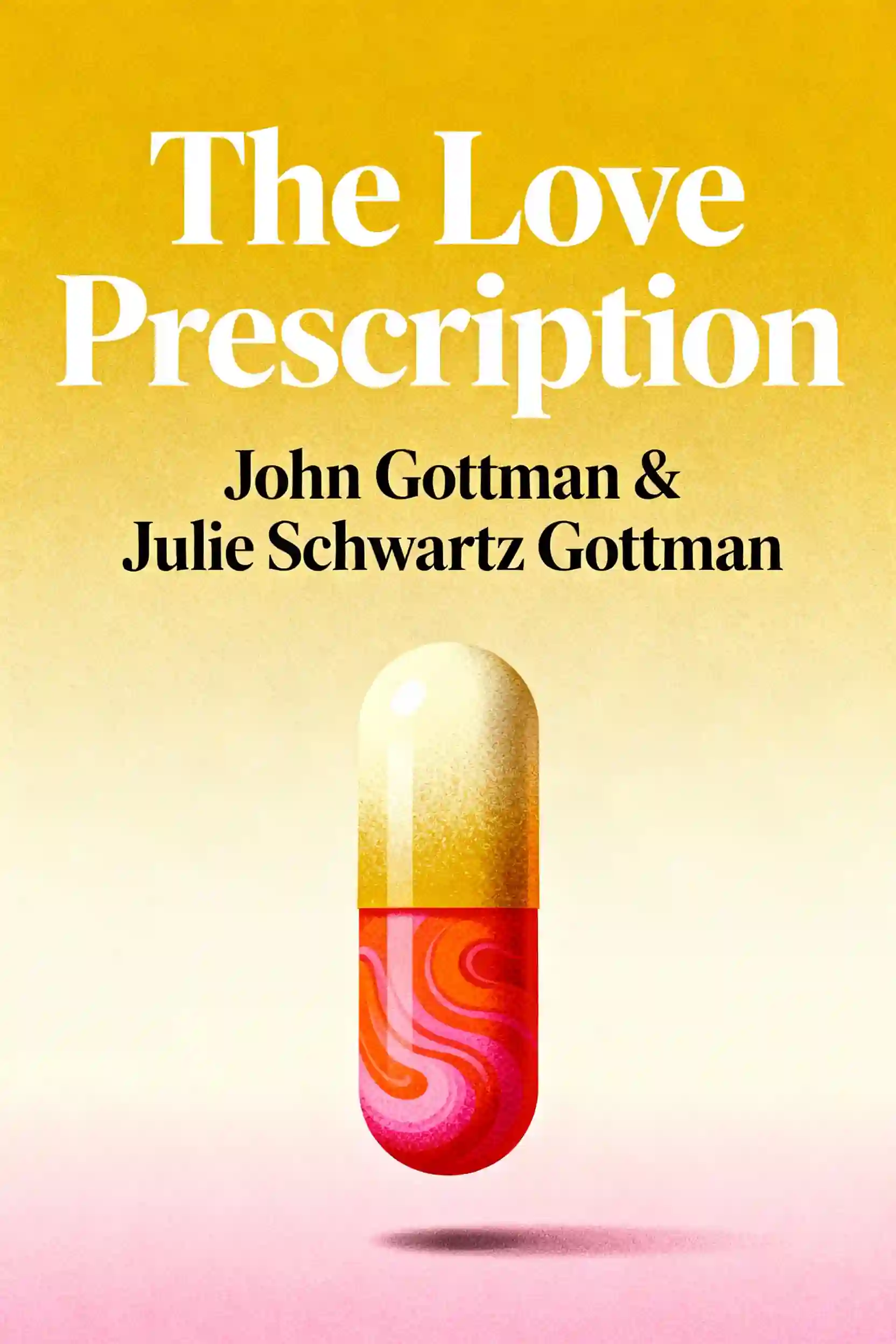
    THE LOVE PRESCRIPTION: 7 Days to More Intimacy, Connection, and Joy
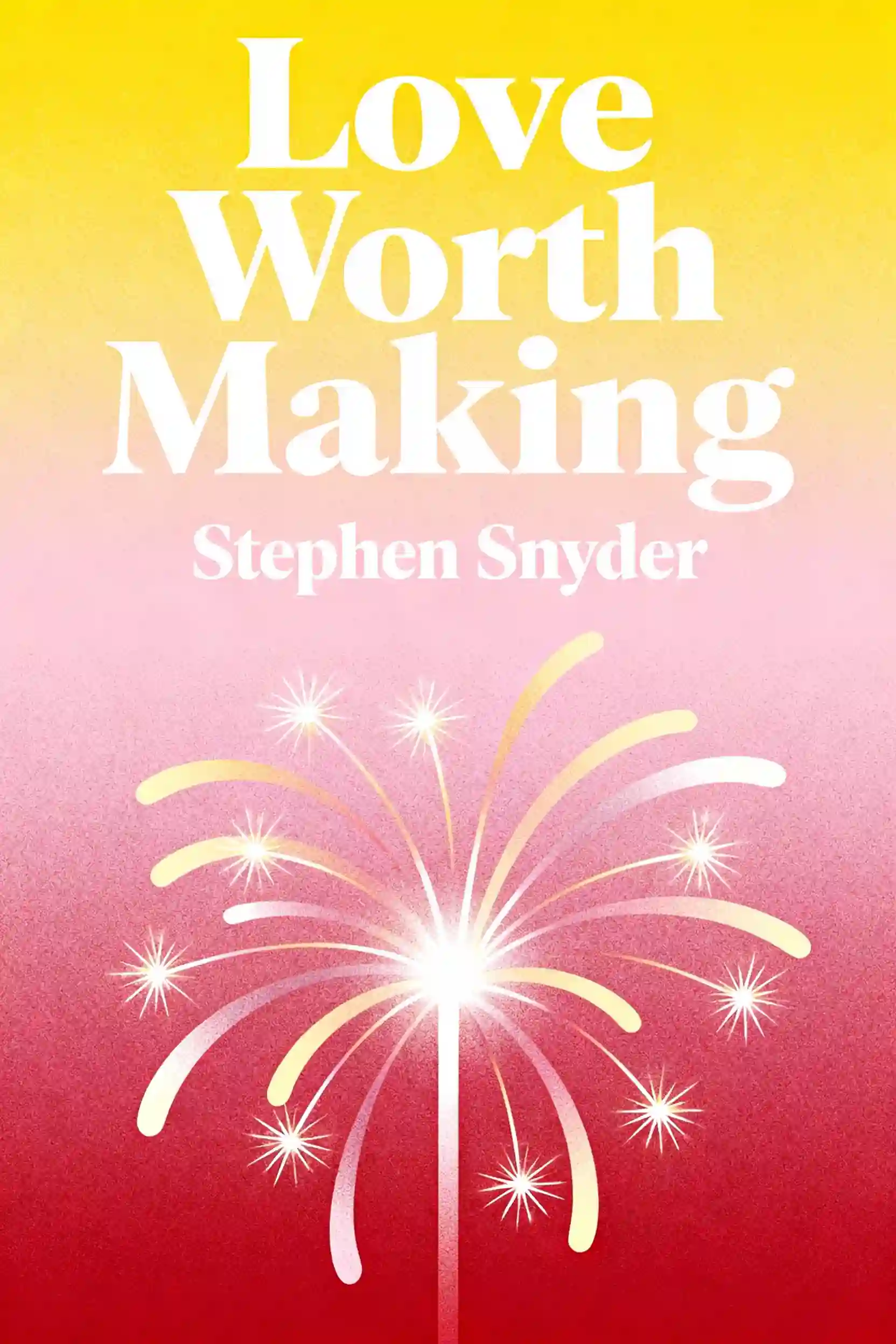
    Love Worth Making
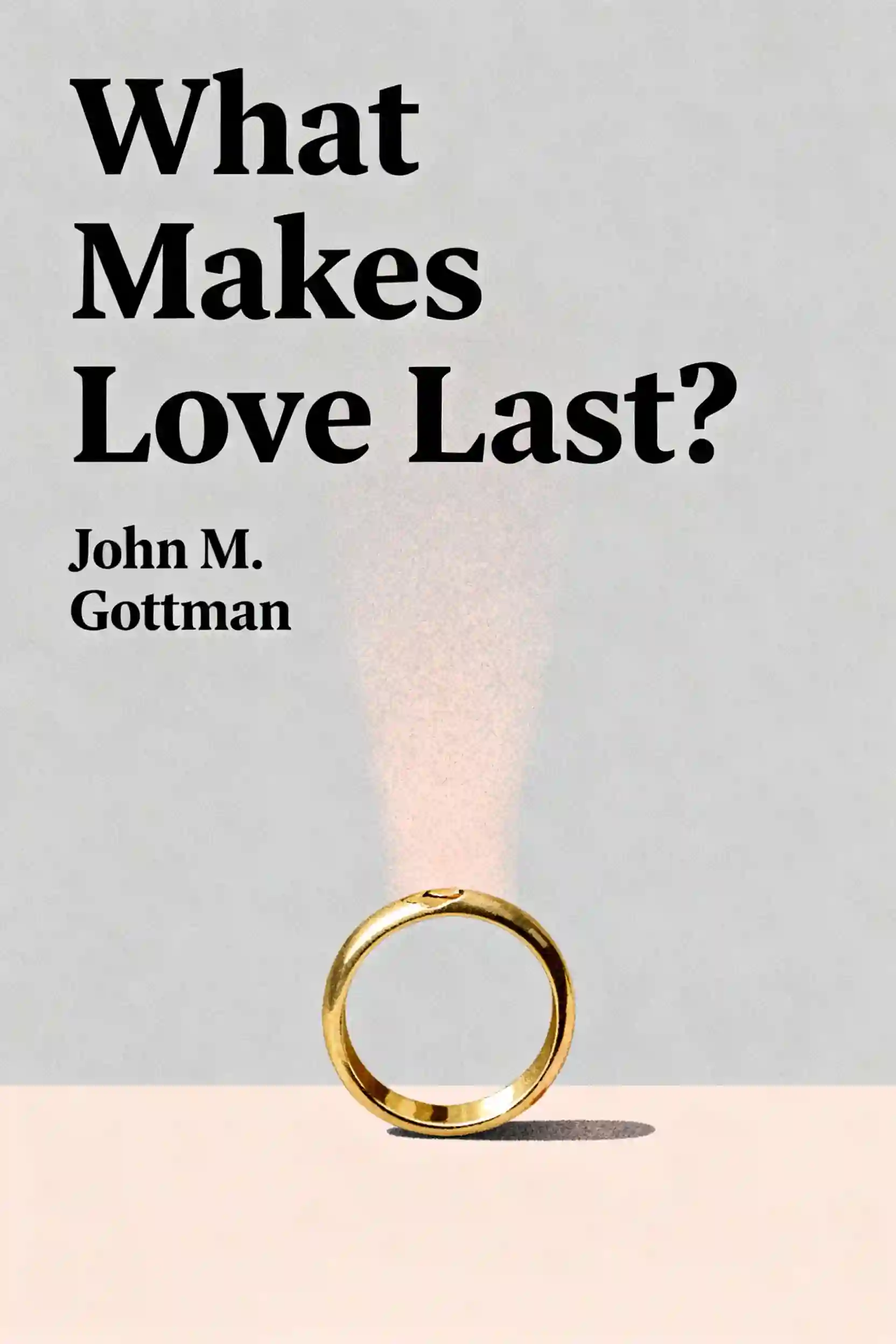
    What makes love last?
    Eight Dates

    자주 묻는 질문

    The script explains that many couples mistakenly wait to feel a spontaneous "spark" or "lightning bolt" of desire before initiating intimacy. Sex therapist Vanessa Marin suggests shifting from asking "Am I in the mood?" to "Am I willing?" In long-term commitments, desire often follows action rather than preceding it. By being willing to engage and start the process of connection, couples can reignite passion that doesn't necessarily strike on its own during a busy daily routine.

    Self-expansion is the fundamental human drive to grow, gain new perspectives, and increase personal skills. In a new relationship, passion is high because your partner is a "giant, untapped reservoir" of new experiences, effectively expanding your world. However, when you feel you know everything about your partner, this expansion slows down, leading to "roommate syndrome." To bring passion back, couples must engage in "growth dates"—novel or challenging activities that push the boundaries of their individual identities and allow them to see each other in a new, evolving light.

    A standard date night, like dinner and a movie, often functions as a "maintenance date" where couples discuss routine logistics like bills or schedules. In contrast, a growth date involves novel, exciting, or slightly challenging activities—such as a dance class, traveling to a new place, or learning a skill together. These activities trigger a "misattribution of arousal," where the excitement and racing heart caused by the challenge are attributed to the partner, increasing attraction and breaking the boredom of routine.

    According to the work of Esther Perel cited in the script, too much closeness or "merging" can actually dampen desire because there is no "gap" for interest to cross. Maintaining individual hobbies, friendships, and a sense of "healthy selfishness" creates a necessary distance. When you see your partner as a distinct, competent individual succeeding at something outside of the relationship, it fosters "erotic intelligence" and curiosity, making them a person of interest rather than just an extension of your daily routine.

    The script suggests several small, science-backed habits to strengthen a relationship's foundation. These include the "six-second kiss," which is long enough to release oxytocin and create a physical click of connection, and the "10-minute emotional check-in" using specific questions like "What do you need from me right now?" Additionally, practicing "softened startups" by using "I" statements instead of "You" statements helps prevent defensiveness and keeps communication collaborative rather than transactional.

    컬럼비아 대학교 동문들이 제작 | 샌프란시스코에서 개발

    BeFreed는 호기심 넘치는 글로벌 커뮤니티를 하나로 연결합니다

    4.7

    평균 평점

    앱 평가 7.84천 개 이상

    BeFreed 커뮤니티

    정말이지 아직 앱을 다 써 보지도 않았는데, 며칠 써 본 것만으로도 깊은 인상을 받았어요… BeFreed는 제가 써 본 어떤 학습 앱과도 차원이 달라요. 몰입감이 엄청나고 집중력도 실제로 좋아져서, 스마트폰을 하염없이 스크롤하는 분들께 딱이에요!

    @ladyInfinity

    정확히 23일 전에 BeFreed를 구입했는데, 그날부터 하루도 빠짐없이 쓰고 있어요. 제 일상 업무 흐름과 학습 습관에 완전히 자리 잡았어요.

    @jayallen

    솔직히 이 앱은 제 기대를 전부 뛰어넘었어요. 어떤 주제든 오디오로 만들어 달라고 할 수 있고, 결과물이 놀라워요. 제 전문 분야는 심리치료 쪽이고 여러 학문이 얽혀 있는데도 답변이 아주 정확해요.

    @Raguipa

    제일 고마운 건 스크롤하는 시간이 확 줄었다는 거예요. 검색하는 시간은 줄고 흡수하는 시간은 늘었어요. 오디오북 전권, 팟캐스트, 학습 플랜의 조합이 정말 훌륭해요.

    @colonyofcreatorsNGO

    저는 24년째 PhotoReading 속진 학습 강사로 일하고 있어요… 책과 독서, 배움이 제 전문인데, BeFreed는 정보를 소화하기 쉽게 전달하는 혁신적인 방식을 정말 잘 구현했어요.

    @BeFreed user

    단순한 책 요약 앱이 아니에요. '재미' 스타일을 써 봤는데, 전통적인 방식보다 훨씬 나은 요약이고 아이디어를 이해하기도 쉬워요. 이것만으로도 값어치를 해요.

    @austinakon

    이 앱이 정말 좋아요. 며칠 써 봤는데 듣는 걸 멈출 수가 없어요. 시작하기에 이보다 좋을 수 없어요.

    @jcrules328

    정말 마음에 들어요. 한 달 정도 써 봤는데 숨은 보석을 찾은 기분이에요. BeFreed로 제가 원하는 주제를 직접 만들 수 있어서 좋고, 목소리도 훌륭한 데다 내레이션 선택지가 무궁무진해요.

    @DanielCZ

    정말이지 아직 앱을 다 써 보지도 않았는데, 며칠 써 본 것만으로도 깊은 인상을 받았어요… BeFreed는 제가 써 본 어떤 학습 앱과도 차원이 달라요. 몰입감이 엄청나고 집중력도 실제로 좋아져서, 스마트폰을 하염없이 스크롤하는 분들께 딱이에요!

    @ladyInfinity

    정확히 23일 전에 BeFreed를 구입했는데, 그날부터 하루도 빠짐없이 쓰고 있어요. 제 일상 업무 흐름과 학습 습관에 완전히 자리 잡았어요.

    @jayallen

    솔직히 이 앱은 제 기대를 전부 뛰어넘었어요. 어떤 주제든 오디오로 만들어 달라고 할 수 있고, 결과물이 놀라워요. 제 전문 분야는 심리치료 쪽이고 여러 학문이 얽혀 있는데도 답변이 아주 정확해요.

    @Raguipa

    제일 고마운 건 스크롤하는 시간이 확 줄었다는 거예요. 검색하는 시간은 줄고 흡수하는 시간은 늘었어요. 오디오북 전권, 팟캐스트, 학습 플랜의 조합이 정말 훌륭해요.

    @colonyofcreatorsNGO

    저는 24년째 PhotoReading 속진 학습 강사로 일하고 있어요… 책과 독서, 배움이 제 전문인데, BeFreed는 정보를 소화하기 쉽게 전달하는 혁신적인 방식을 정말 잘 구현했어요.

    @BeFreed user

    단순한 책 요약 앱이 아니에요. '재미' 스타일을 써 봤는데, 전통적인 방식보다 훨씬 나은 요약이고 아이디어를 이해하기도 쉬워요. 이것만으로도 값어치를 해요.

    @austinakon

    이 앱이 정말 좋아요. 며칠 써 봤는데 듣는 걸 멈출 수가 없어요. 시작하기에 이보다 좋을 수 없어요.

    @jcrules328

    정말 마음에 들어요. 한 달 정도 써 봤는데 숨은 보석을 찾은 기분이에요. BeFreed로 제가 원하는 주제를 직접 만들 수 있어서 좋고, 목소리도 훌륭한 데다 내레이션 선택지가 무궁무진해요.

    @DanielCZ

    유용한 정보와 아이디어를 8~15분짜리 팟캐스트 스타일 오디오로 압축해서 들을 수 있다는 게 정말 좋아요. 원래 팟캐스트는 군더더기가 많아서 안 좋아했는데, 여기는 그걸 싹 걷어냈어요.

    @BeFreed user

    박사 과정을 마무리하는 중이라 낯선 자료를 많이 읽어야 해요… BeFreed에서는 프롬프트만 입력하면 앱이 자료를 찾아서 오디오 팟캐스트로 만들어 줘요. BeFreed의 과정이 NotebookLM보다 더 매끄럽게 느껴져요.

    @Brad

    아침을 준비하거나 산책하거나 출퇴근할 때 들을 것을 YouTube에서 자주 찾곤 했는데, BeFreed는 광고도 군더더기도 없이 훨씬 더 딱 맞는 걸 들려줘요!

    @BeFreed user

    이 플랫폼의 가장 큰 장점은 활용도예요. 다루지 못하는 주제가 말 그대로 하나도 없어요. 무엇을 던져도 다 소화해요… 제한이 전혀 없으면서 약속을 실제로 지키는 학습 도구는 정말 드물어요.

    @jayallen

    BeFreed는 환상적이에요. 디자인이 편해서 헤매는 시간은 줄고 배우는 시간은 늘었어요. 오디오북, 팟캐스트, 학습 플랜의 조합은 천재적이에요. 제 하루가 완전히 달라졌어요.

    @BeFreed user

    처음엔 이탈리아어로 팟캐스트를 만드는 방법을 이해하는 데 시간이 좀 걸렸는데, 알고 나니까 — 와! 정말 대단해요! 어떤 주제든 설명해 달라고 하면 정말 똑똑하게 잘 설명해 줘요!

    @matteo77

    BeFreed는 제가 매일 쓰는 오디오북 앱이 됐어요… 제일 마음에 드는 건 텍스트를 넣으면 이동 중에도 들을 수 있는 오디오로 만들어 준다는 점이에요.

    @kotanzu1

    유용한 정보와 아이디어를 8~15분짜리 팟캐스트 스타일 오디오로 압축해서 들을 수 있다는 게 정말 좋아요. 원래 팟캐스트는 군더더기가 많아서 안 좋아했는데, 여기는 그걸 싹 걷어냈어요.

    @BeFreed user

    박사 과정을 마무리하는 중이라 낯선 자료를 많이 읽어야 해요… BeFreed에서는 프롬프트만 입력하면 앱이 자료를 찾아서 오디오 팟캐스트로 만들어 줘요. BeFreed의 과정이 NotebookLM보다 더 매끄럽게 느껴져요.

    @Brad

    아침을 준비하거나 산책하거나 출퇴근할 때 들을 것을 YouTube에서 자주 찾곤 했는데, BeFreed는 광고도 군더더기도 없이 훨씬 더 딱 맞는 걸 들려줘요!

    @BeFreed user

    이 플랫폼의 가장 큰 장점은 활용도예요. 다루지 못하는 주제가 말 그대로 하나도 없어요. 무엇을 던져도 다 소화해요… 제한이 전혀 없으면서 약속을 실제로 지키는 학습 도구는 정말 드물어요.

    @jayallen

    BeFreed는 환상적이에요. 디자인이 편해서 헤매는 시간은 줄고 배우는 시간은 늘었어요. 오디오북, 팟캐스트, 학습 플랜의 조합은 천재적이에요. 제 하루가 완전히 달라졌어요.

    @BeFreed user

    처음엔 이탈리아어로 팟캐스트를 만드는 방법을 이해하는 데 시간이 좀 걸렸는데, 알고 나니까 — 와! 정말 대단해요! 어떤 주제든 설명해 달라고 하면 정말 똑똑하게 잘 설명해 줘요!

    @matteo77

    BeFreed는 제가 매일 쓰는 오디오북 앱이 됐어요… 제일 마음에 드는 건 텍스트를 넣으면 이동 중에도 들을 수 있는 오디오로 만들어 준다는 점이에요.

    @kotanzu1

    웹에서 BeFreed가 어떻게 논의되고 있는지 더 보기
    129.7K19.5K
    55.2K19.2K
    154.2K10827355
    48.1K2.5K
    81.2K6.6K
    82.3K1.8K
    지금 바로 학습 여정을 시작하세요
    BeFreed 앱
    BeFreed

    무엇이든 개인화된 학습

    DiscordLinkedIn
    추천 도서 요약
    Crucial ConversationsThe Perfect MarriageInto the WildNever Split the DifferenceAttachedGood to GreatSay Nothing
    인기 카테고리
    Self HelpCommunication SkillRelationshipMindfulnessPhilosophyInspirationProductivity
    유명인 추천 도서
    Elon MuskCharlie KirkBill GatesSteve JobsAndrew HubermanJoe RoganJordan Peterson
    수상작 컬렉션
    Pulitzer PrizeNational Book AwardGoodreads Choice AwardsNobel Prize in LiteratureNew York TimesCaldecott MedalNebula Award
    추천 주제
    ManagementAmerican HistoryWarTradingStoicismAnxietySex
    연도별 베스트 도서
    2025 Best Non Fiction Books2024 Best Non Fiction Books2023 Best Non Fiction Books
    추천 저자
    Chimamanda Ngozi AdichieGeorge OrwellO. J. SimpsonBarbara O'NeillWinston ChurchillCharlie Kirk
    BeFreed vs 다른 앱
    BeFreed vs. Other Book Summary AppsBeFreed vs. ElevenReaderBeFreed vs. ReadwiseBeFreed vs. Anki
    학습 도구
    Knowledge VisualizerAI Podcast Generator
    정보
    회사 소개arrow
    가격arrow
    FAQarrow
    블로그arrow
    채용arrow
    파트너십arrow
    앰배서더 프로그램arrow
    디렉토리arrow
    BeFreed
    Try now
    © 2026 BeFreed
    이용 약관개인정보 처리방침
    BeFreed

    무엇이든 개인화된 학습

    DiscordLinkedIn
    추천 도서 요약
    Crucial ConversationsThe Perfect MarriageInto the WildNever Split the DifferenceAttachedGood to GreatSay Nothing
    인기 카테고리
    Self HelpCommunication SkillRelationshipMindfulnessPhilosophyInspirationProductivity
    유명인 추천 도서
    Elon MuskCharlie KirkBill GatesSteve JobsAndrew HubermanJoe RoganJordan Peterson
    수상작 컬렉션
    Pulitzer PrizeNational Book AwardGoodreads Choice AwardsNobel Prize in LiteratureNew York TimesCaldecott MedalNebula Award
    추천 주제
    ManagementAmerican HistoryWarTradingStoicismAnxietySex
    연도별 베스트 도서
    2025 Best Non Fiction Books2024 Best Non Fiction Books2023 Best Non Fiction Books
    학습 도구
    Knowledge VisualizerAI Podcast Generator
    추천 저자
    Chimamanda Ngozi AdichieGeorge OrwellO. J. SimpsonBarbara O'NeillWinston ChurchillCharlie Kirk
    BeFreed vs 다른 앱
    BeFreed vs. Other Book Summary AppsBeFreed vs. ElevenReaderBeFreed vs. ReadwiseBeFreed vs. Anki
    정보
    회사 소개arrow
    가격arrow
    FAQarrow
    블로그arrow
    채용arrow
    파트너십arrow
    앰배서더 프로그램arrow
    디렉토리arrow
    BeFreed
    Try now
    © 2026 BeFreed
    이용 약관개인정보 처리방침

    비슷한 콘텐츠

    Keep a relationship spicy by flipping your routine 책 표지
    Intimacy & DesireCome TogetherThe Seven Principles for Making Marriage WorkLove Worth Making
    28 sources
    Keep a relationship spicy by flipping your routine
    Waiting for desire to strike often leads to exhaustion. Learn why intimacy before the date works better and how to build anticipation that lasts.
    22 min
    Spicing Up Long-Term Intimacy 책 표지
    How to Have Better Sex in 2026 | SELFWhy the Secret to Better Sex Isn't Better Sex | Psychology TodayHow to Spice Up Intimacy: 25 Real Tips That Actually WorksNovelty and Desire: Why New Experiences Keep Passion Alive
    7 sources
    Spicing Up Long-Term Intimacy
    When routine makes passion feel predictable, novelty and safety are the keys. Learn how to bridge the communication gap and reclaim your connection.
    1339 min
    Reigniting the Spark 책 표지
    How To Make Him BURN With Desire Only for YOUThe Mystery MethodThe Art of SeductionHow to Get the Women You Desire into Bed
    21 sources
    Reigniting the Spark
    Discover practical techniques for creating and maintaining sexual tension in long-term relationships, from the psychology behind desire to everyday strategies that build anticipation and connection.
    29 min
    Sexual desire isn't always a spontaneous spark 책 표지
    Intimacy & DesireLove Worth MakingCome TogetherUs
    23 sources
    Sexual desire isn't always a spontaneous spark
    Waiting to feel 'in the mood' can create unnecessary shame. Learn how responsive desire works and why rethinking your connection leads to more vitality.
    39 min
    Keeping the Spark in Long-Term Love 책 표지
    Mating in CaptivityWhat makes love last?The Proven Secret to Long-Term Passion | Psychology TodayHow to Keep the Passion Alive
    6 sources
    Keeping the Spark in Long-Term Love
    When comfort turns into boredom, attraction often fades. Discover how self-expansion and responsive desire can rewrite your biological script for passion.
    14 min
    Building sexual desire when the spark feels gone 책 표지
    PassionistaHe Comes NextHow to Make Him BURN with Desire Only for YouAtomic Attraction
    26 sources
    Building sexual desire when the spark feels gone
    Waiting for chemistry to strike isn't enough. Learn how to shift your mindset and use simple lifestyle changes to reignite intimacy and feel sexy again.
    18 min
    Reigniting the Spark After 15+ Years 책 표지
    Intimacy and DesireCome TogetherLove Worth MakingThe Seven Principles for Making Marriage Work
    23 sources
    Reigniting the Spark After 15+ Years
    Discover research-backed strategies to revive attraction in long-term marriages. Learn how emotional connection, curiosity, and intentional practices can transform relationship flatness into renewed passion.
    38 min
    The Art of Sexual Tension 책 표지
    Foreplay Ideas for Couples: Physical, Mental, and All-Day | Couples FlirtHow to Rekindle Intimacy in a Long-Term Relationship — FerlyHow to Set the Mood for Intimacy (15-Minute Guide)How openly and constructively couples share their sexual desires, needs, and preferences is important for sexual satisfaction and functioning (e.g., Theiss, 2011), and relationship satisfaction more generally (e.g., Montesi et al., 2011). However, an almost exclusive focus on verbal sexual communication outside of sexual encounters (e.g., MacNeil & Byers, 2005) ignores the potential importance of nonverbal behaviour during sexual activity. The aim of this study was to investigate how individuals’ verbal and nonverbal communication during sexual activity predict their own and partner’s relationship and sexual satisfaction, in 127 heterosexual couples. Couples completed measures of sexual satisfaction (QSI; Shaw & Rogge, 2013), relationship satisfaction (CSI; Funk & Rogge, 2007), and sexual communication (SCSS; Brogan et al., 2009), which assessed perceptions of partner’s frequency of verbal and nonverbal expression during sexual activity. Path analysis using an actor-partner interdependence framework was used to test the model, and the model provided a good fit to the data: χ
    8 sources
    The Art of Sexual Tension
    Struggling to find the spark? Learn how releasing mental brakes and using all-day foreplay can transform your desire into a shared connection.
    668 min

    Recommended Learning Plans

    Reignite Desire in Long-Term Love
    학습 계획

    Reignite Desire in Long-Term Love

    Long-term relationships often struggle to maintain passion as domestic life takes over. This plan is designed for couples seeking to bridge the gap between stability and desire by integrating novelty and erotic intelligence into their daily lives.

    1 h 12 m•3 섹션
    From Spark to Sustained Connection
    학습 계획

    From Spark to Sustained Connection

    Modern relationships often struggle to transition from the honeymoon phase into a lasting bond. This plan is designed for individuals or couples seeking to move past surface-level attraction by mastering the practical skills of emotional connection and conflict repair.

    2 h•4 섹션
    Spice up intimacy with kinky play
    학습 계획

    Spice up intimacy with kinky play

    This learning plan provides a structured and safe roadmap for couples or individuals looking to expand their intimate horizons through kinky play. It bridges the gap between curiosity and practice by prioritizing psychological safety, clear communication, and practical technique, making it ideal for those seeking deeper connection and excitement.

    5 h 11 m•4 섹션
    Keep attraction alive in my 12-year marriage
    학습 계획

    Keep attraction alive in my 12-year marriage

    Long-term relationships naturally experience fluctuations in attraction and connection over time. This learning plan offers evidence-based strategies for couples seeking to revitalize their marriage, particularly beneficial for those in committed relationships of 10+ years who want to intentionally cultivate lasting desire and intimacy.

    5 h 51 m•4 섹션
    Improve sexual connection with partner
    학습 계획

    Improve sexual connection with partner

    This learning plan is designed for couples or individuals looking to revitalize their relationship by moving beyond surface-level interactions. It is ideal for those who want to bridge the gap between emotional closeness and physical desire through evidence-based communication and sexual intelligence.

    3 h 56 m•4 섹션
    Rebuild marriage connection and intimacy
    학습 계획

    Rebuild marriage connection and intimacy

    This plan is designed for couples seeking to move beyond surface-level interactions and rediscover their spark. It provides a science-backed framework for partners who want to replace repetitive conflict with genuine emotional security and lasting intimacy.

    6 h 30 m•4 섹션
    Restore intimacy and affection in marriage
    학습 계획

    Restore intimacy and affection in marriage

    This plan is essential for couples feeling disconnected or stuck in cycles of conflict. It offers a science-based roadmap for those ready to move past surface-level interactions toward a deeply secure and passionate partnership.

    4 h 26 m•4 섹션
    Date with Intentional Confidence
    학습 계획

    Date with Intentional Confidence

    This learning plan is essential for modern daters who feel exhausted by the endless cycle of swiping and low-quality connections. It provides the psychological tools and practical frameworks needed to regain control, making it perfect for anyone looking to build a healthy relationship without sacrificing their mental well-being.

    1 h 30 m•3 섹션