The Invisible Brakes That Stall Your Desire
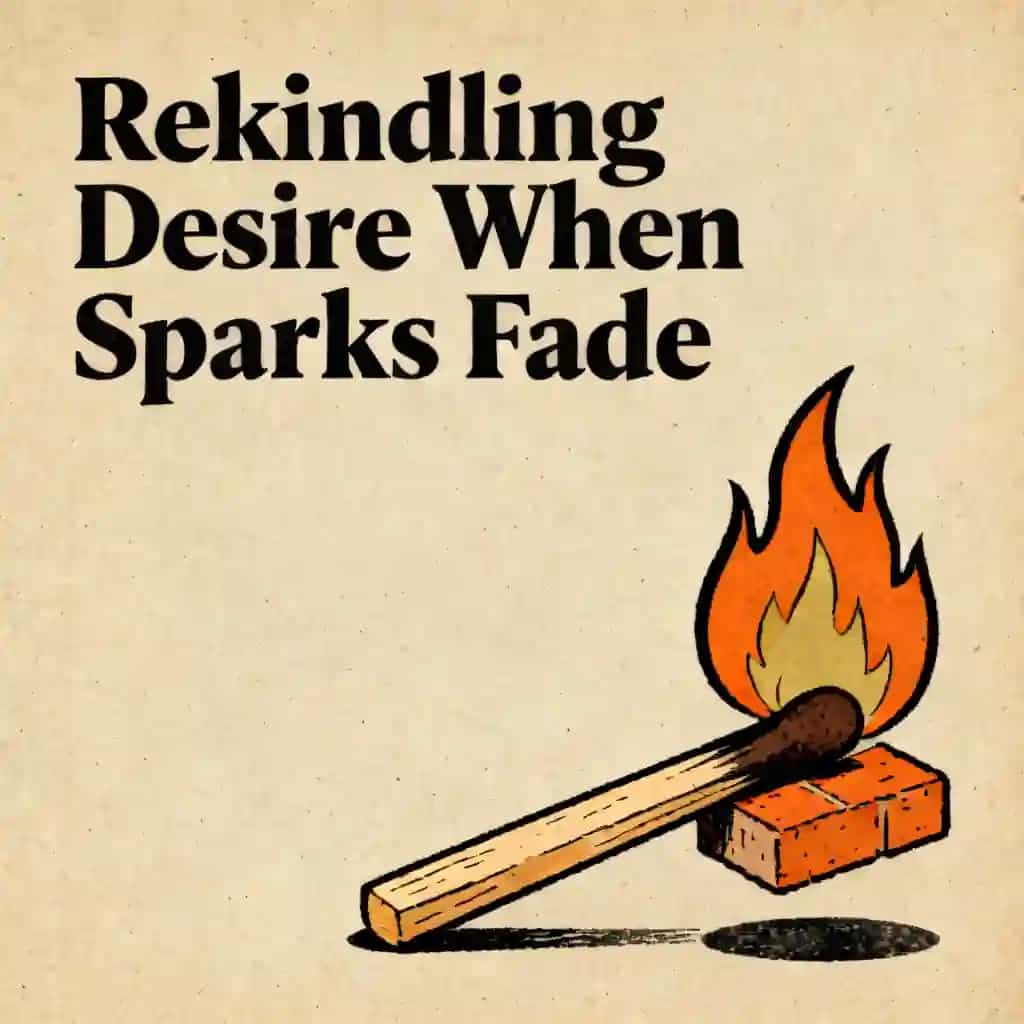
You’ve likely had those moments where you’re lying in bed, your partner reaches out to touch you, and instead of feeling a spark of excitement, you feel a surge of internal resistance. It’s not that you don't love them—it’s that you feel rushed, pressured, or simply "not there" yet. This struggle isn't a sign that your relationship is failing; it’s actually a predictable result of how our neurobiology works. Sex researcher Emily Nagoski describes a dual control model of sexual response where your brain is constantly balancing an accelerator and a brake. While we often focus on adding more "accelerants"—like new positions or lingerie—the real secret to reigniting tension often lies in simply releasing the brakes. Stress, household chores, and the mental load of daily life act as powerful inhibitors that keep your desire locked away. In fact, for many people, especially women, desire doesn't just show up unannounced. It’s responsive, meaning it emerges only after the right conditions are met. If you’ve been waiting for a lightning bolt of spontaneous passion to strike, you might be waiting for a ghost. Understanding that desire is a motivation you cultivate rather than a drive you simply "have" changes the entire game. We’re going to look at why your nervous system might be stuck in "fight or flight" mode and how you can begin shifting it back toward "rest and connect."