BeFreed
    Categories>Relationships>Is 'Once a Cheater, Always a Cheater' Actually True?

    Is 'Once a Cheater, Always a Cheater' Actually True?

    14분
    |
    |
    2026년 3월 19일
    • Relationships
    • Psychology
    • Self-Growth

    We look at the data behind repeat infidelity to see if people can really change. Learn how to spot serial patterns and when a relationship is worth saving.

    Is 'Once a Cheater, Always a Cheater' Actually True?
    0:00 / 0:00
    전달 방식을 선택하세요

    하나의 에피소드, 다양한 청취 방식.

    Is 'Once a Cheater, Always a Cheater' Actually True?의 같은 아이디어를 나에게 맞는 목소리, 깊이, 속도로 만나보세요. 언제든 바꿀 수 있습니다.

    전체 대본 및 챕터

    챕터 1

    Beyond the Once a Cheater Cliché

    Lena: You know, Miles, I was scrolling through a forum the other day and saw someone ask that age-old question: "Once a cheater, always a cheater—how true is it really?" It’s one of those phrases we use to protect our hearts, but it feels so final, doesn't it?

    Miles: It really does. And while it sounds like just a cynical proverb, there’s actually some heavy data behind it. Research shows that people who cheat in their first relationship are three times more likely to be repeat offenders later on.

    Lena: Three times? That’s a staggering jump. It makes you wonder if change is even on the table or if we're just looking at a fixed pattern.

    Miles: Exactly, but here’s the twist—the same research found that 55% of past cheaters actually did NOT cheat in their next relationship. So, it’s not a guaranteed destiny.

    Lena: That is so much more nuanced than the cliché. I’m really curious about what separates the people who learn from a mistake from the serial offenders. Let’s break down the psychology and the signs that someone is actually capable of change.
    챕터 2

    The Architecture of Betrayal

    Lena: So, if it is not a guaranteed destiny—if nearly half of those people don’t repeat the behavior—what are we actually looking at? I mean, what is happening in the brain that makes that other group so prone to doing it again?

    Miles: It is fascinating, really. When you look at the neuroscience, it is almost like the brain develops a tolerance. There was this study mentioned in the sources about how the brain downshifts its response to the "high" of a new relationship after about six months to two years. For most people, that is when you transition into deep, stable commitment. But for someone with a serial pattern, they might be addicted to the neurochemical rush—the dopamine and the phenylethylamine, or PEA.

    Lena: The "love molecule," right? I have heard that it acts like an adrenaline rush.

    Miles: Exactly. And for some, when that PEA starts to drop off, they do not see it as a natural progression of a relationship—they see it as a crisis. They feel like they have "fallen out of love," so they go hunting for that next hit of dopamine to fill the void. It becomes a cycle of seeking novelty just to feel emotionally alive again.

    Lena: That is such a powerful way to put it—an emotional void. And it is not just about the chemicals, is it? I was reading that certain personality traits, the "Dark Triad" they call them—narcissism, Machiavellianism, and psychopathy—play a huge role.

    Miles: They really do. Narcissism is a major one because it is fueled by a constant need for validation. For a narcissist, an affair isn't just about sex; it is about proving they are still desirable. It is an ego boost. And because they often lack genuine empathy, they can't truly grasp the pain they are causing. They see the relationship as a source of admiration rather than a mutual connection.

    Lena: So, for them, the rules of the relationship just... do not apply?

    Miles: Right. They feel entitled to more. It is that sense of "grandiose self-perception"—believing they deserve multiple partners because they are special. When you combine that with a low score in conscientiousness, you get someone who acts on impulse without ever considering the wreckage they leave behind.

    이 에피소드로 더 깊이 배우기

    이 에피소드의 아이디어를 BeFreed의 가이드 학습 경험으로 더 깊이 탐구해 보세요.

    챕터 3

    Why the Pattern Repeats

    Lena: I want to dig into that "impulse" part. Is it always a character flaw, or are there deeper wounds involved? Because I have heard that childhood trauma can actually wire someone for this kind of behavior.

    Miles: You have hit on something really important there. It is often less about "malice" and more about "attachment." Many repeat offenders have what is called an avoidant attachment style. This usually develops in childhood when their emotional needs weren't met by their parents. As adults, when a relationship gets too close—too intimate—it feels dangerous to them.

    Lena: So they cheat to create distance? That seems so counterintuitive.

    Miles: It is! It is a preemptive strike. By cheating, they create a secret space that is just theirs. It keeps them from being fully "known" or "dependent" on their partner. If they are never 100% in, they feel like they can't be 100% hurt if things fall apart. It is a defense mechanism disguised as a betrayal.

    Lena: Wow. And then you have the other side—the anxious attachment style. They are not trying to create distance; they are trying to drown out the loneliness.

    Miles: Precisely. For the anxiously attached, the affair is often a "misdirected attachment bid." They feel neglected or undervalued in their primary relationship, so they reach out to anyone who makes them feel seen. Interestingly, data shows that 76% of women who cheat cite loneliness as the primary catalyst. They are looking for emotional intimacy, not just a physical escape.

    Lena: It sounds like for both types, the affair is solving a problem—even if it is a destructive solution.

    Miles: That is the key. Until they understand what "problem" the cheating is trying to solve—whether it is a fear of intimacy or a desperate need for validation—the pattern stays on loop. Without professional help to address those deep-seated issues, love alone isn't enough to "cure" a serial cheater. They are essentially using people to regulate their own internal chaos.

    챕터 4

    The Red Flags of the Serial Offender

    Lena: Okay, so let's get practical for a second. If someone is listening and they are worried they are with a repeat offender, what are the actual warning signs? Not just the "working late" clichés, but the behavioral patterns.

    Miles: One of the biggest red flags is "selective transparency." This is when someone gives you a mountain of detail about minor things—like exactly what they had for lunch or a boring work meeting—but they are completely vague about the big stuff. It is a way to build a false sense of trust.

    Lena: Like they are burying the truth under a pile of irrelevant facts.

    Miles: Exactly. Another one is "boundary testing." They will start small—maybe a slightly inappropriate joke or a "friendship" that feels a little too intense—just to see how much you will tolerate. If you don't call them on it, they push a little further next time. It is a gradual erosion of the relationship rules.

    Lena: And what about their past? We touched on the stats earlier, but how they talk about their exes seems really telling.

    Miles: Huge. If they describe all their exes as "crazy" or "unstable," and they take zero responsibility for why those relationships ended, that is a massive warning sign. Serial cheaters often position themselves as the victim. They will say things like, "She didn't give me enough attention," or "We were already drifting apart," as if the affair just "happened" to them.

    Lena: It is that "pattern deflection" we were talking about. They shift the blame to circumstances or the partner rather than owning the choice.

    Miles: Right. And keep an eye out for "compartmentalization." These are people who can keep different parts of their lives completely separate with disturbing ease. They might have a "work identity" that is totally different from their "home identity." If they are comfortable lying about small things—what we call "white lies"—it is much easier for them to rationalize the big lies. If they can lie about whether they bought milk, they can lie about where they were on a Saturday night.

    이 에피소드로 더 깊이 배우기

    이 에피소드의 아이디어를 BeFreed의 가이드 학습 경험으로 더 깊이 탐구해 보세요.

    챕터 5

    The Situational vs. the Serial

    Lena: I think it is important we distinguish between a "serial cheater" and someone who made a massive, one-time mistake. Because the "once a cheater" label hits them both, but the prognosis is different, right?

    Miles: Definitely. "Situational infidelity" is usually driven by a specific set of circumstances—high stress, being intoxicated, or a period of severe relationship neglect. These people often feel a profound sense of horror and guilt once they realize what they have done. They are the ones who are more likely to seek therapy and do the hard work of rebuilding trust.

    Lena: And the data backs that up. We saw that 31% of partners would stay together if the person promised to change and showed genuine remorse. But "genuine" is the operative word there.

    Miles: It is. A serial cheater might say they are sorry, but they are often only sorry they got caught. They go through a "guilt cycle" that looks like genuine remorse, but it is actually just a temporary dip before the urge to seek excitement returns. It is much more like an addiction. In fact, serial cheaters typically wait less than six months between affairs. It is a revolving door.

    Lena: That is a terrifyingly short window.

    Miles: It is. And look at where these things start. 60% of affairs begin in the workplace. It is about proximity and "trauma bonding" over shared stress. For a situational cheater, they might realize they need to change jobs or set better boundaries. For a serial cheater, they just see the office as a target-rich environment.

    Lena: It is that "thrill-seeking" personality again. They are often high-risk takers in other areas too—dangerous sports, gambling, or reckless financial decisions. For them, the risk of getting caught is part of the appeal. It is an adrenaline rush, not an emotional transgression. If your partner is a constant thrill-seeker who gets bored the minute things get "routine," that is a pattern that usually extends into their romantic life.

    챕터 6

    The Road to Real Change

    Lena: So, let's say someone wants to change. They have cheated, they feel the weight of it, and they want to be in that 55% who don't do it again. What does that actually look like? Is "I'm sorry" enough?

    Miles: Not even close. Real change requires a "radical honesty" that most people find incredibly uncomfortable. First, they have to take 100% responsibility. No "buts." No blaming the partner's lack of interest or the stress at work. They have to own that cheating was a choice they made to solve an internal problem.

    Lena: And they have to be willing to be an open book, right? No more secret phones or encrypted apps.

    Miles: Exactly. 63% of cheaters use secondary phones or hidden apps like Signal or Telegram. To rebuild trust, that has to end. They have to grant "selective transparency" in reverse—meaning full access to their digital life until the partner feels safe again. And experts say it takes an average of two years to truly recover trust after an affair. Most people want it to be fixed in two weeks.

    Lena: Two years! That is a long time to live under a microscope.

    Miles: It is, and that is why many fail. The cheater gets impatient. They start saying things like, "Why are you still bringing this up?" or "Can't we just move on?" That is actually a form of gaslighting. If they can't handle the partner's pain and the long timeline of healing, they aren't actually committed to change.
    Lena: It sounds like they also need to do the "deep tissue" work—therapy to figure out why they felt they needed that "escape" in the first place.

    Miles: Absolutely. They have to address the underlying attachment trauma or the self-esteem issues. If they cheated because they felt "powerless" in the relationship, they need to learn how to communicate their needs instead of acting out passive-aggressively. Change is possible, but it is a marathon, not a sprint. It requires breaking down toxic habits that might have lasted a lifetime and replacing them with healthy coping mechanisms.

    이 에피소드로 더 깊이 배우기

    이 에피소드의 아이디어를 BeFreed의 가이드 학습 경험으로 더 깊이 탐구해 보세요.

    챕터 7

    A Practical Playbook for the Listener

    Lena: For our listeners who are in the middle of this—maybe they just discovered a betrayal or they are struggling with a partner's past—what are the immediate steps for self-preservation? Because you can't "fix" the other person, right?

    Miles: You absolutely cannot. The first step is to "trust your instincts." So often, the betrayed partner saw the red flags—the inconsistent communication, the emotional unavailability—but they talked themselves out of it. If something feels off, it usually is. Your intuition is a powerful tool for safety.

    Lena: And you have to set firm boundaries. Not "empty threats," but actual consequences.

    Miles: Right. If you demand transparency and they refuse, or they continue to flirt with "friends" that make you uncomfortable, you have to be willing to follow through on your exit strategy. Protecting your own mental health has to be the priority. You have to recognize that your love cannot "cure" their chronic patterns.

    Lena: I think it is also helpful to seek your own support. Therapy isn't just for the cheater; it is for the person who has been betrayed to rebuild their own sense of self-worth.

    Miles: Definitely. People who have been cheated on are twice as likely to be cheated on again, often because their self-esteem takes such a hit that they stop enforcing boundaries. They start to believe they don't "deserve" better, or they become hyper-vigilant in a way that exhausts them. Reclaiming your own autonomy is the best defense.

    Lena: And remember that you are allowed to change your mind. You might try to work it out and realize six months later that the trust just isn't coming back. That is okay. Recovery isn't a straight line.

    Miles: Exactly. Be patient with yourself. Whether you stay or go, the goal is "emotional safety." If the relationship feels like a constant "minefield of digital temptation" and you are always checking their phone, that isn't a partnership—it is a full-time job as a private investigator. And you deserve a partner, not a suspect.

    챕터 8

    Closing Reflections

    Lena: This has been a heavy one, Miles, but I feel like we have moved way beyond that simple "once a cheater" cliché. It is so much more about the "why" and the "what now."

    Miles: It really is. The data shows that while past behavior is a strong predictor, it is not an absolute one. People can change, but it requires a level of self-reflection and hard work that many are simply unwilling to do. For the rest, the pattern of seeking that "thrill of the chase" or avoiding intimacy will just keep repeating.

    Lena: It is about looking at the person in front of you—not just their past, but their present actions. Are they taking responsibility? Are they patient with your healing? Or are they still making excuses?

    Miles: That is the ultimate litmus test. Fidelity is a choice made every single day, not a one-time promise made years ago. As we wrap this up, I want to encourage everyone listening to take a moment and reflect on their own boundaries. What does "safety" actually look like for you in a relationship?

    Lena: That is a great question to sit with. Whether you are healing from a past wound or trying to navigate a current one, remember that your worth isn't defined by someone else's inability to be faithful. You deserve honesty, respect, and a love that doesn't require you to be a detective.

    Miles: Absolutely. Thanks for joining us for this deep dive into a really tough topic. We hope it gave you some clarity and maybe a bit of peace.

    Lena: Thank you for listening. Take care of yourselves out there.

    ★★★★★

    Is 'Once a Cheater, Always a Cheater' Actually True?의 끝까지 도달했어요

    “23일째 매일 사용하고 있어요. 이제 제 일상의 한 부분이 되었습니다.”

    jayallen

    Is 'Once a Cheater, Always a Cheater' Actually True? 베스트 인용

    “

    Fidelity is a choice made every single day, not a one-time promise made years ago. Until someone understands what 'problem' the cheating is trying to solve—whether it is a fear of intimacy or a desperate need for validation—the pattern stays on loop.

    ”
    V

    Generated by Vishwanath

    질문 입력

    Once a chea always a cheat, how true is that

    호스트 음성
    Lenaplay
    Milesplay
    지식 출처
    How to Help Your Spouse Heal From Your Affair
    Not "just friends"
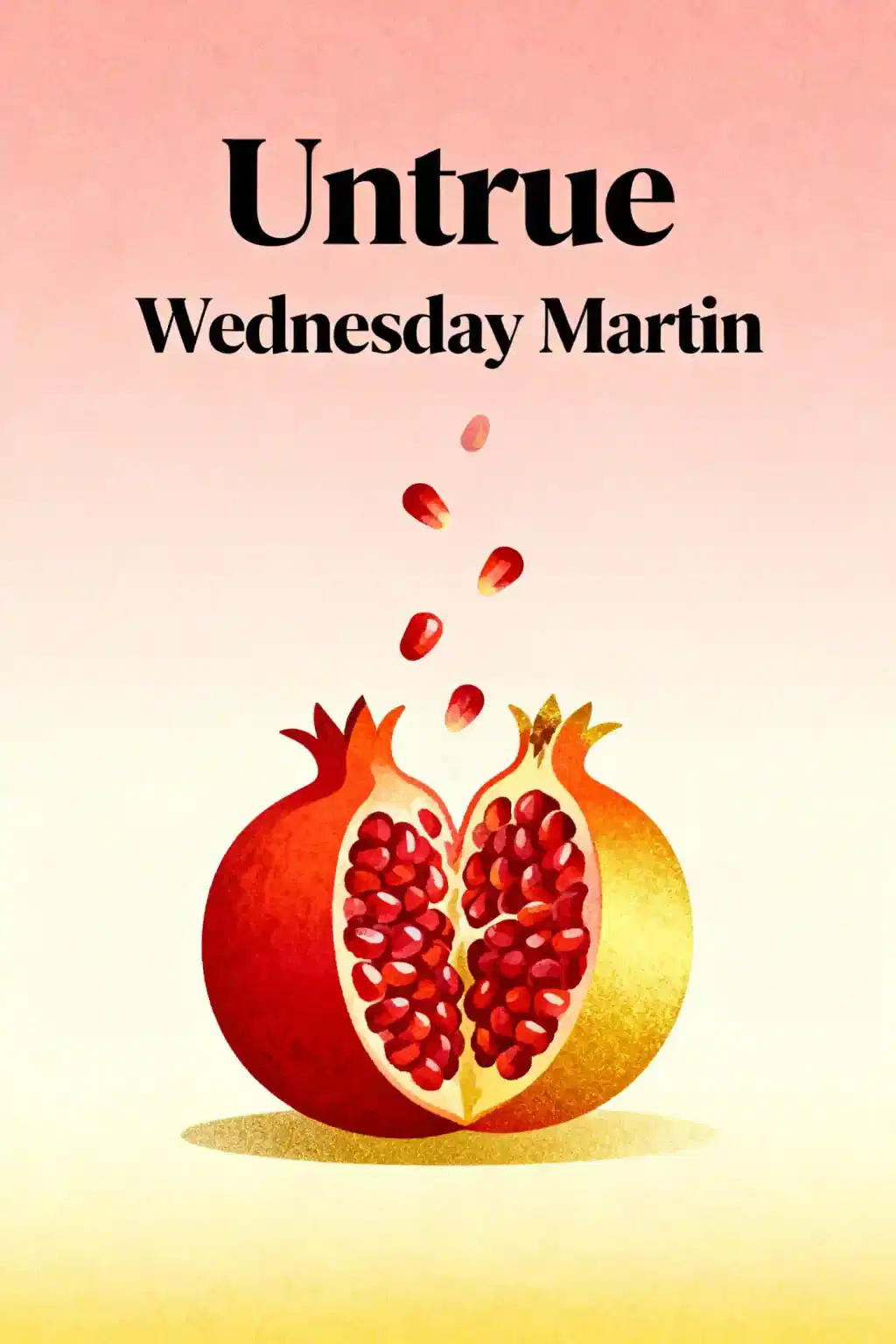
    Untrue
    The Phantom Prince
    Breaking the cycle
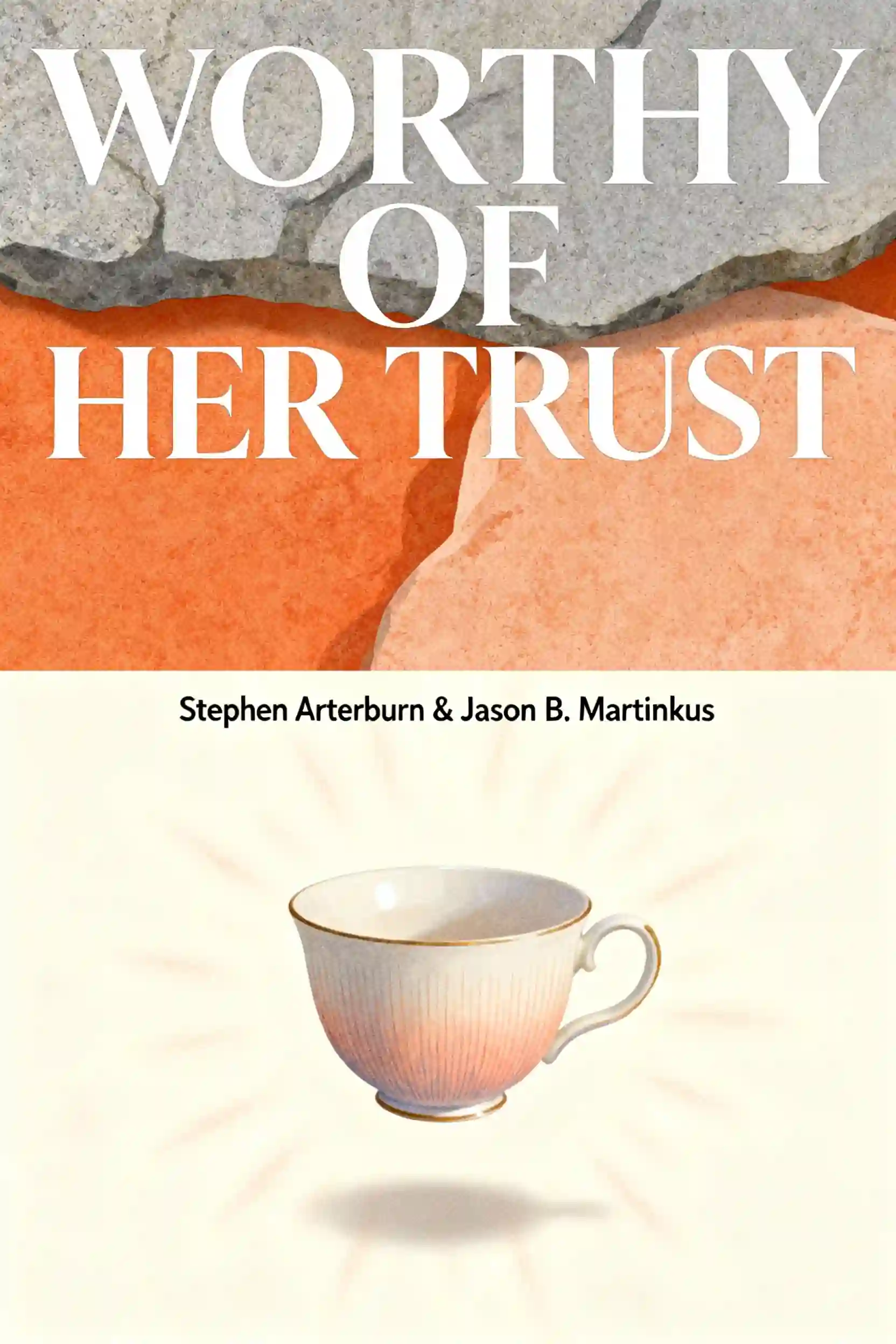
    Worthy of Her Trust

    자주 묻는 질문

    While the phrase is a common cliché, research provides a more nuanced perspective. Data shows that individuals who have cheated in a previous relationship are three times more likely to repeat the behavior than those who haven't. However, this is not a guaranteed destiny, as approximately 55% of people with a history of infidelity do not cheat in their subsequent relationships. Whether someone repeats the pattern often depends on their underlying motivations and their willingness to address the root causes of their behavior.

    Serial cheating is often driven by a combination of neurochemistry and personality traits. Some individuals become addicted to the "dopamine rush" of a new relationship and seek out affairs once the initial excitement fades. Additionally, traits from the "Dark Triad"—narcissism, Machiavellianism, and psychopathy—can lead to a sense of entitlement and a lack of empathy for the partner's pain. Attachment styles also play a role; for instance, those with avoidant attachment may cheat to create emotional distance, while those with anxious attachment may cheat to soothe feelings of loneliness or neglect.

    Beyond the typical clichés of working late, serial cheaters often exhibit specific behavioral patterns like "selective transparency," where they provide excessive detail about mundane events to mask vagueness regarding significant activities. Other warning signs include "boundary testing," where they gradually push the limits of relationship rules, and "pattern deflection," which involves blaming ex-partners or circumstances for past infidelities rather than taking personal responsibility. They may also be high-risk takers in other areas of life, such as gambling or reckless financial decisions.

    Situational infidelity is typically a one-time mistake triggered by specific external factors like high stress or intoxication, and it is usually followed by profound guilt and a genuine desire to repair the relationship. In contrast, serial cheating is a recurring cycle where the offender is often only sorry they were caught. Serial cheaters tend to wait less than six months between affairs and may go through a temporary "guilt cycle" without making any fundamental changes to their character or coping mechanisms.

    Real change requires "radical honesty" and taking 100% responsibility for the choice to cheat without offering excuses. The offender must be willing to provide full transparency, including access to digital devices, and understand that rebuilding trust is a marathon that takes an average of two years. Lasting change usually requires professional therapy to address underlying issues like childhood trauma or low self-esteem. If the person becomes impatient with their partner's healing process or resorts to gaslighting, it is a sign they are not truly committed to the work required for recovery.

    컬럼비아 대학교 동문들이 제작 | 샌프란시스코에서 개발

    BeFreed는 호기심 넘치는 글로벌 커뮤니티를 하나로 연결합니다

    4.7

    평균 평점

    앱 평가 7.84천 개 이상

    BeFreed 커뮤니티

    정말이지 아직 앱을 다 써 보지도 않았는데, 며칠 써 본 것만으로도 깊은 인상을 받았어요… BeFreed는 제가 써 본 어떤 학습 앱과도 차원이 달라요. 몰입감이 엄청나고 집중력도 실제로 좋아져서, 스마트폰을 하염없이 스크롤하는 분들께 딱이에요!

    @ladyInfinity

    정확히 23일 전에 BeFreed를 구입했는데, 그날부터 하루도 빠짐없이 쓰고 있어요. 제 일상 업무 흐름과 학습 습관에 완전히 자리 잡았어요.

    @jayallen

    솔직히 이 앱은 제 기대를 전부 뛰어넘었어요. 어떤 주제든 오디오로 만들어 달라고 할 수 있고, 결과물이 놀라워요. 제 전문 분야는 심리치료 쪽이고 여러 학문이 얽혀 있는데도 답변이 아주 정확해요.

    @Raguipa

    제일 고마운 건 스크롤하는 시간이 확 줄었다는 거예요. 검색하는 시간은 줄고 흡수하는 시간은 늘었어요. 오디오북 전권, 팟캐스트, 학습 플랜의 조합이 정말 훌륭해요.

    @colonyofcreatorsNGO

    저는 24년째 PhotoReading 속진 학습 강사로 일하고 있어요… 책과 독서, 배움이 제 전문인데, BeFreed는 정보를 소화하기 쉽게 전달하는 혁신적인 방식을 정말 잘 구현했어요.

    @BeFreed user

    단순한 책 요약 앱이 아니에요. '재미' 스타일을 써 봤는데, 전통적인 방식보다 훨씬 나은 요약이고 아이디어를 이해하기도 쉬워요. 이것만으로도 값어치를 해요.

    @austinakon

    이 앱이 정말 좋아요. 며칠 써 봤는데 듣는 걸 멈출 수가 없어요. 시작하기에 이보다 좋을 수 없어요.

    @jcrules328

    정말 마음에 들어요. 한 달 정도 써 봤는데 숨은 보석을 찾은 기분이에요. BeFreed로 제가 원하는 주제를 직접 만들 수 있어서 좋고, 목소리도 훌륭한 데다 내레이션 선택지가 무궁무진해요.

    @DanielCZ

    정말이지 아직 앱을 다 써 보지도 않았는데, 며칠 써 본 것만으로도 깊은 인상을 받았어요… BeFreed는 제가 써 본 어떤 학습 앱과도 차원이 달라요. 몰입감이 엄청나고 집중력도 실제로 좋아져서, 스마트폰을 하염없이 스크롤하는 분들께 딱이에요!

    @ladyInfinity

    정확히 23일 전에 BeFreed를 구입했는데, 그날부터 하루도 빠짐없이 쓰고 있어요. 제 일상 업무 흐름과 학습 습관에 완전히 자리 잡았어요.

    @jayallen

    솔직히 이 앱은 제 기대를 전부 뛰어넘었어요. 어떤 주제든 오디오로 만들어 달라고 할 수 있고, 결과물이 놀라워요. 제 전문 분야는 심리치료 쪽이고 여러 학문이 얽혀 있는데도 답변이 아주 정확해요.

    @Raguipa

    제일 고마운 건 스크롤하는 시간이 확 줄었다는 거예요. 검색하는 시간은 줄고 흡수하는 시간은 늘었어요. 오디오북 전권, 팟캐스트, 학습 플랜의 조합이 정말 훌륭해요.

    @colonyofcreatorsNGO

    저는 24년째 PhotoReading 속진 학습 강사로 일하고 있어요… 책과 독서, 배움이 제 전문인데, BeFreed는 정보를 소화하기 쉽게 전달하는 혁신적인 방식을 정말 잘 구현했어요.

    @BeFreed user

    단순한 책 요약 앱이 아니에요. '재미' 스타일을 써 봤는데, 전통적인 방식보다 훨씬 나은 요약이고 아이디어를 이해하기도 쉬워요. 이것만으로도 값어치를 해요.

    @austinakon

    이 앱이 정말 좋아요. 며칠 써 봤는데 듣는 걸 멈출 수가 없어요. 시작하기에 이보다 좋을 수 없어요.

    @jcrules328

    정말 마음에 들어요. 한 달 정도 써 봤는데 숨은 보석을 찾은 기분이에요. BeFreed로 제가 원하는 주제를 직접 만들 수 있어서 좋고, 목소리도 훌륭한 데다 내레이션 선택지가 무궁무진해요.

    @DanielCZ

    유용한 정보와 아이디어를 8~15분짜리 팟캐스트 스타일 오디오로 압축해서 들을 수 있다는 게 정말 좋아요. 원래 팟캐스트는 군더더기가 많아서 안 좋아했는데, 여기는 그걸 싹 걷어냈어요.

    @BeFreed user

    박사 과정을 마무리하는 중이라 낯선 자료를 많이 읽어야 해요… BeFreed에서는 프롬프트만 입력하면 앱이 자료를 찾아서 오디오 팟캐스트로 만들어 줘요. BeFreed의 과정이 NotebookLM보다 더 매끄럽게 느껴져요.

    @Brad

    아침을 준비하거나 산책하거나 출퇴근할 때 들을 것을 YouTube에서 자주 찾곤 했는데, BeFreed는 광고도 군더더기도 없이 훨씬 더 딱 맞는 걸 들려줘요!

    @BeFreed user

    이 플랫폼의 가장 큰 장점은 활용도예요. 다루지 못하는 주제가 말 그대로 하나도 없어요. 무엇을 던져도 다 소화해요… 제한이 전혀 없으면서 약속을 실제로 지키는 학습 도구는 정말 드물어요.

    @jayallen

    BeFreed는 환상적이에요. 디자인이 편해서 헤매는 시간은 줄고 배우는 시간은 늘었어요. 오디오북, 팟캐스트, 학습 플랜의 조합은 천재적이에요. 제 하루가 완전히 달라졌어요.

    @BeFreed user

    처음엔 이탈리아어로 팟캐스트를 만드는 방법을 이해하는 데 시간이 좀 걸렸는데, 알고 나니까 — 와! 정말 대단해요! 어떤 주제든 설명해 달라고 하면 정말 똑똑하게 잘 설명해 줘요!

    @matteo77

    BeFreed는 제가 매일 쓰는 오디오북 앱이 됐어요… 제일 마음에 드는 건 텍스트를 넣으면 이동 중에도 들을 수 있는 오디오로 만들어 준다는 점이에요.

    @kotanzu1

    유용한 정보와 아이디어를 8~15분짜리 팟캐스트 스타일 오디오로 압축해서 들을 수 있다는 게 정말 좋아요. 원래 팟캐스트는 군더더기가 많아서 안 좋아했는데, 여기는 그걸 싹 걷어냈어요.

    @BeFreed user

    박사 과정을 마무리하는 중이라 낯선 자료를 많이 읽어야 해요… BeFreed에서는 프롬프트만 입력하면 앱이 자료를 찾아서 오디오 팟캐스트로 만들어 줘요. BeFreed의 과정이 NotebookLM보다 더 매끄럽게 느껴져요.

    @Brad

    아침을 준비하거나 산책하거나 출퇴근할 때 들을 것을 YouTube에서 자주 찾곤 했는데, BeFreed는 광고도 군더더기도 없이 훨씬 더 딱 맞는 걸 들려줘요!

    @BeFreed user

    이 플랫폼의 가장 큰 장점은 활용도예요. 다루지 못하는 주제가 말 그대로 하나도 없어요. 무엇을 던져도 다 소화해요… 제한이 전혀 없으면서 약속을 실제로 지키는 학습 도구는 정말 드물어요.

    @jayallen

    BeFreed는 환상적이에요. 디자인이 편해서 헤매는 시간은 줄고 배우는 시간은 늘었어요. 오디오북, 팟캐스트, 학습 플랜의 조합은 천재적이에요. 제 하루가 완전히 달라졌어요.

    @BeFreed user

    처음엔 이탈리아어로 팟캐스트를 만드는 방법을 이해하는 데 시간이 좀 걸렸는데, 알고 나니까 — 와! 정말 대단해요! 어떤 주제든 설명해 달라고 하면 정말 똑똑하게 잘 설명해 줘요!

    @matteo77

    BeFreed는 제가 매일 쓰는 오디오북 앱이 됐어요… 제일 마음에 드는 건 텍스트를 넣으면 이동 중에도 들을 수 있는 오디오로 만들어 준다는 점이에요.

    @kotanzu1

    웹에서 BeFreed가 어떻게 논의되고 있는지 더 보기
    129.7K19.5K
    55.2K19.2K
    154.2K10827355
    48.1K2.5K
    81.2K6.6K
    82.3K1.8K
    지금 바로 학습 여정을 시작하세요
    BeFreed 앱
    BeFreed

    무엇이든 개인화된 학습

    DiscordLinkedIn
    추천 도서 요약
    Crucial ConversationsThe Perfect MarriageInto the WildNever Split the DifferenceAttachedGood to GreatSay Nothing
    인기 카테고리
    Self HelpCommunication SkillRelationshipMindfulnessPhilosophyInspirationProductivity
    유명인 추천 도서
    Elon MuskCharlie KirkBill GatesSteve JobsAndrew HubermanJoe RoganJordan Peterson
    수상작 컬렉션
    Pulitzer PrizeNational Book AwardGoodreads Choice AwardsNobel Prize in LiteratureNew York TimesCaldecott MedalNebula Award
    추천 주제
    ManagementAmerican HistoryWarTradingStoicismAnxietySex
    연도별 베스트 도서
    2025 Best Non Fiction Books2024 Best Non Fiction Books2023 Best Non Fiction Books
    추천 저자
    Chimamanda Ngozi AdichieGeorge OrwellO. J. SimpsonBarbara O'NeillWinston ChurchillCharlie Kirk
    BeFreed vs 다른 앱
    BeFreed vs. Other Book Summary AppsBeFreed vs. ElevenReaderBeFreed vs. ReadwiseBeFreed vs. Anki
    학습 도구
    Knowledge VisualizerAI Podcast Generator
    정보
    회사 소개arrow
    가격arrow
    FAQarrow
    블로그arrow
    채용arrow
    파트너십arrow
    앰배서더 프로그램arrow
    디렉토리arrow
    BeFreed
    Try now
    © 2026 BeFreed
    이용 약관개인정보 처리방침
    BeFreed

    무엇이든 개인화된 학습

    DiscordLinkedIn
    추천 도서 요약
    Crucial ConversationsThe Perfect MarriageInto the WildNever Split the DifferenceAttachedGood to GreatSay Nothing
    인기 카테고리
    Self HelpCommunication SkillRelationshipMindfulnessPhilosophyInspirationProductivity
    유명인 추천 도서
    Elon MuskCharlie KirkBill GatesSteve JobsAndrew HubermanJoe RoganJordan Peterson
    수상작 컬렉션
    Pulitzer PrizeNational Book AwardGoodreads Choice AwardsNobel Prize in LiteratureNew York TimesCaldecott MedalNebula Award
    추천 주제
    ManagementAmerican HistoryWarTradingStoicismAnxietySex
    연도별 베스트 도서
    2025 Best Non Fiction Books2024 Best Non Fiction Books2023 Best Non Fiction Books
    학습 도구
    Knowledge VisualizerAI Podcast Generator
    추천 저자
    Chimamanda Ngozi AdichieGeorge OrwellO. J. SimpsonBarbara O'NeillWinston ChurchillCharlie Kirk
    BeFreed vs 다른 앱
    BeFreed vs. Other Book Summary AppsBeFreed vs. ElevenReaderBeFreed vs. ReadwiseBeFreed vs. Anki
    정보
    회사 소개arrow
    가격arrow
    FAQarrow
    블로그arrow
    채용arrow
    파트너십arrow
    앰배서더 프로그램arrow
    디렉토리arrow
    BeFreed
    Try now
    © 2026 BeFreed
    이용 약관개인정보 처리방침

    비슷한 콘텐츠

    When a woman cheats: Can the marriage survive? 책 표지
    How to Help Your Spouse Heal From Your AffairMother HungerUntrueWorthy of Her Trust
    13 sources
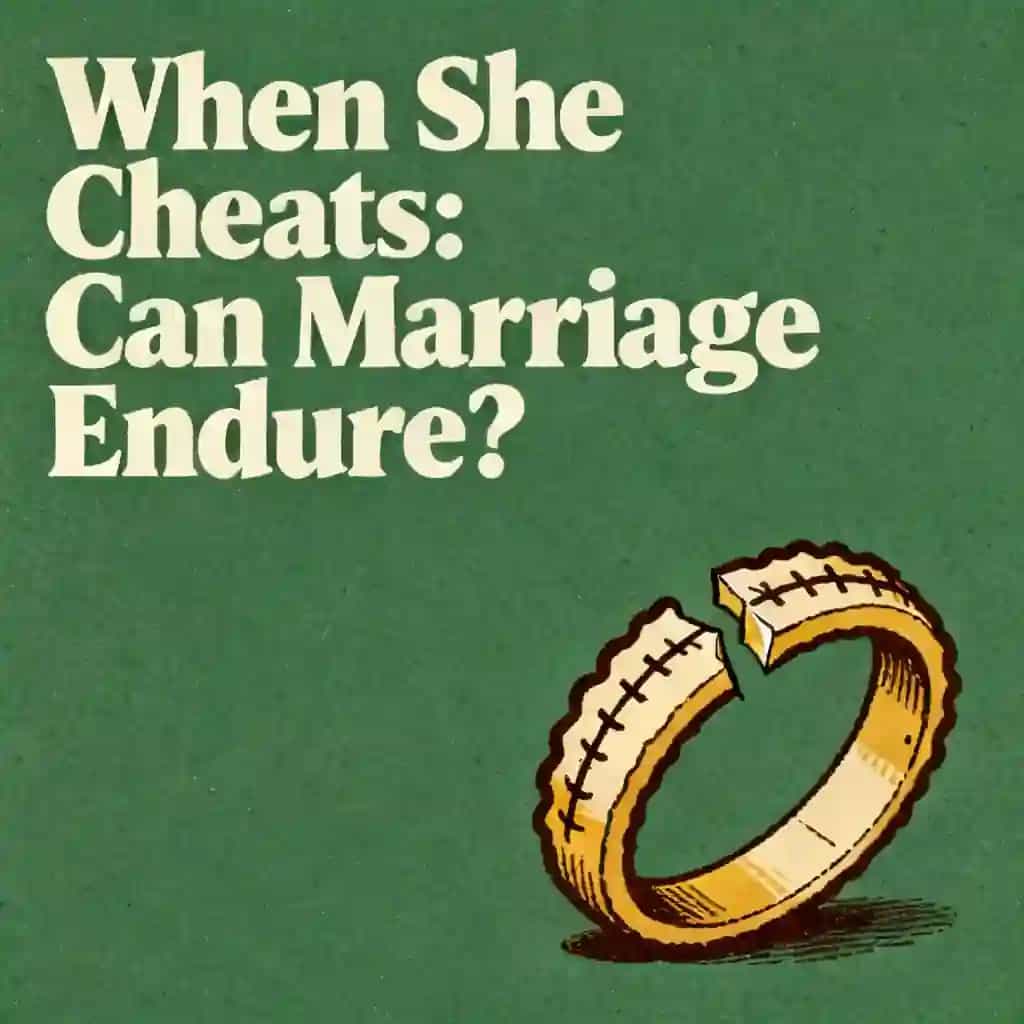
    When a woman cheats: Can the marriage survive?
    Moving past an affair requires more than just guilt. Learn why safety comes before trust and how to navigate the complex road to rebuilding intimacy.
    15 min
    Catching a Cheating Partner Using Digital Data 책 표지
    Spy the LieThe Verbally Abusive RelationshipWhy We LieGames People Play
    28 sources
    Catching a Cheating Partner Using Digital Data
    Stop second-guessing your gut and learn to audit a digital footprint. Discover how to spot hidden profiles and verbal patterns to uncover the truth.
    27 min
    Patterns, Promises, and Infidelity 책 표지
    Will My Partner Cheat Again? What Research, Patterns, and Behaviour Tell UsHow to Rebuild Trust in a Relationship After Betrayal | CheatingDetectHow to Get Over Infidelity: The Complete Roadmap Your Brain Actually Needs - Figs O'Sullivan Couples TherapyHow Do You Know Someone Has Changed After Cheating?
    5 sources
    Patterns, Promises, and Infidelity
    When trust breaks, words aren't enough. Learn to distinguish between empty promises and the behavioral patterns that signal true change after a betrayal.
    14 min
    Dealing With Self-Made Victims and False Cheating Claims 책 표지
    The Ultimate Retroactive Jealousy CureAnyone had ex with victim mentality? : r/ExNoContact - RedditGaslighting: Recognize Manipulative and Emotionally Abusive People--and Break FreeBest Strategies to Help You Deal With Someone Who Plays the Victim
    6 sources
    Dealing With Self-Made Victims and False Cheating Claims
    Learn practical strategies for responding to someone who rewrites breakup history, insisting they were cheated on after the relationship ended. Discover how to set boundaries without enabling victim mentality.
    9 min
    When Cheaters Prosper: Finding Your Path 책 표지
    The (Honest) Truth About DishonestyLyingThe Secret HistoryThe Irrational Bundle
    23 sources
    When Cheaters Prosper: Finding Your Path
    Explore how to process the frustration when others use shortcuts while you work honestly. Discover strategies to maintain your integrity and find motivation when academic dishonesty seems rewarded.
    26 min
    Leaving After Infidelity: 7 Signs It's Time to Move On 책 표지
    How to Help Your Spouse Heal From Your AffairGaslightingPOWERYou Can Thrive After Narcissistic Abuse
    22 sources
    Leaving After Infidelity: 7 Signs It's Time to Move On
    Struggling to decide if you should stay or leave after an affair? Learn how to spot the signs of a toxic recovery and find the clarity to choose yourself.
    15 min
    Rebuilding After Infidelity: How to Start Over 책 표지
    How to Help Your Spouse Heal from Your AffairWorthy of Her TrustPOWER: Surviving and Thriving After Narcissistic Abuse: A Collection of Essays on Malignant Narcissism and Recovery from Emotional AbuseYou Can Thrive After Narcissistic Abuse
    25 sources
    Rebuilding After Infidelity: How to Start Over
    Betrayal feels like the end, but it can be the start of a stronger '2.0' bond. Learn the four phases of healing to restore trust and intimacy.
    13 min
    Rebuilding After Betrayal 책 표지
    How to Help Your Spouse Heal from Your AffairWorthy of Her TrustLove More, Fight LessNot Just Friends
    24 sources
    Rebuilding After Betrayal
    A practical guide for those who've chosen to stay with a partner after infidelity. We explore the concrete steps both people must take to heal the relationship and create a stronger foundation moving forward.
    26 min

    Recommended Learning Plans

    Reclaiming Truth After the Affair
    학습 계획

    Reclaiming Truth After the Affair

    This plan is essential for individuals struggling to break free from the addictive patterns of infidelity and secret attachments. It provides a roadmap for those seeking to move beyond emotional confusion toward a grounded, authentic recovery of their personal identity.

    1 h 30 m•3 섹션
    Why people become obsessed with with someone
    학습 계획

    Why people become obsessed with with someone

    This course is essential for anyone struggling with repetitive, intense relationship cycles or those seeking to understand the biological roots of infatuation. It provides a roadmap for individuals looking to transition from anxious, obsessive attachments to secure and emotionally stable connections.

    5 h 34 m•4 섹션
    Rebuild Trust After Betrayal
    학습 계획

    Rebuild Trust After Betrayal

    Betrayal can shatter even the strongest relationships, leaving lasting emotional wounds that seem impossible to heal. This learning plan provides practical strategies for those committed to rebuilding trust and transforming their relationships after experiencing betrayal, whether in romantic partnerships, friendships, or family connections.

    2 h 50 m•4 섹션
    Keep attraction alive in my 12-year marriage
    학습 계획

    Keep attraction alive in my 12-year marriage

    Long-term relationships naturally experience fluctuations in attraction and connection over time. This learning plan offers evidence-based strategies for couples seeking to revitalize their marriage, particularly beneficial for those in committed relationships of 10+ years who want to intentionally cultivate lasting desire and intimacy.

    5 h 51 m•4 섹션
    Improve trust: Discuss husband's past history
    학습 계획

    Improve trust: Discuss husband's past history

    This plan is designed for couples struggling with the weight of past secrets or history that hinders their current connection. It provides a structured, science-based approach to navigating high-stakes conversations and transforming betrayal into a foundation for a more resilient marriage.

    4 h 47 m•4 섹션
    Beyond the Third Date
    학습 계획

    Beyond the Third Date

    Many daters find themselves stuck in a cycle of short-term flings that never progress past the initial stages. This plan is designed for individuals seeking serious commitment who want to master the transition from casual dating to a secure, exclusive partnership.

    1 h 30 m•3 섹션
    Break addiction cycles after 5 lost years
    학습 계획

    Break addiction cycles after 5 lost years

    This plan is designed for individuals seeking to reclaim their lives after long-term struggle, moving beyond willpower to science-based recovery. It provides a holistic roadmap for those ready to address the neurological, emotional, and social roots of addiction to build a lasting new identity.

    4 h 47 m•4 섹션
    Break the Cycle of Unavailable Love
    학습 계획

    Break the Cycle of Unavailable Love

    This plan is essential for anyone who feels stuck in a loop of chasing emotionally distant partners and mistaking instability for passion. It provides a roadmap for healing childhood wounds and shifting from anxious attachment toward secure, fulfilling relationships.

    1 h 36 m•4 섹션