Iran conflict is about China more than Israel
Is the Middle East conflict actually a proxy war between superpowers? Discover how Iran became a strategic base for China and what it means for the U.S.
Iran conflict is about China more than Israel 베스트 인용
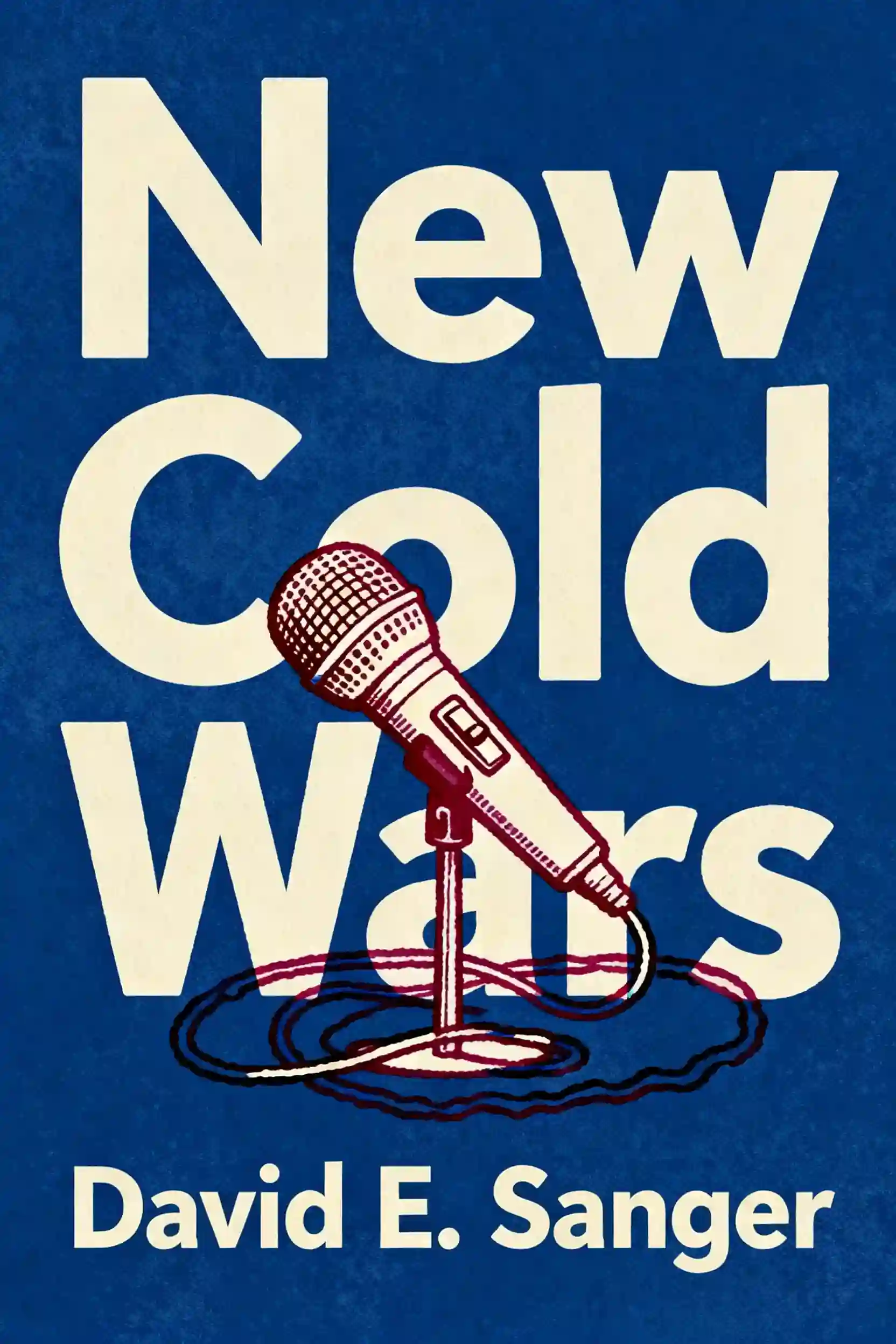
It really sets a pattern of 'asymmetry of memory,' doesn't it? We remember the points where they hurt us, and they remember the points where we hurt them.
Generated by Jacob
The truth behind why the war against iran is happening

자주 묻는 질문
The "original sin" refers to the 1953 coup, known as Operation TPAJAX, where the CIA and British MI6 orchestrated the overthrow of Iran’s democratically elected Prime Minister, Mohammad Mosaddegh. This intervention occurred after Mosaddegh nationalized Iran's oil industry, which was previously controlled by the Anglo-Iranian Oil Company. By restoring the Shah to absolute power, the U.S. secured short-term oil interests but created a long-term "asymmetry of memory" where Iranians view the U.S. as a predatory imperial power that cannot be trusted.
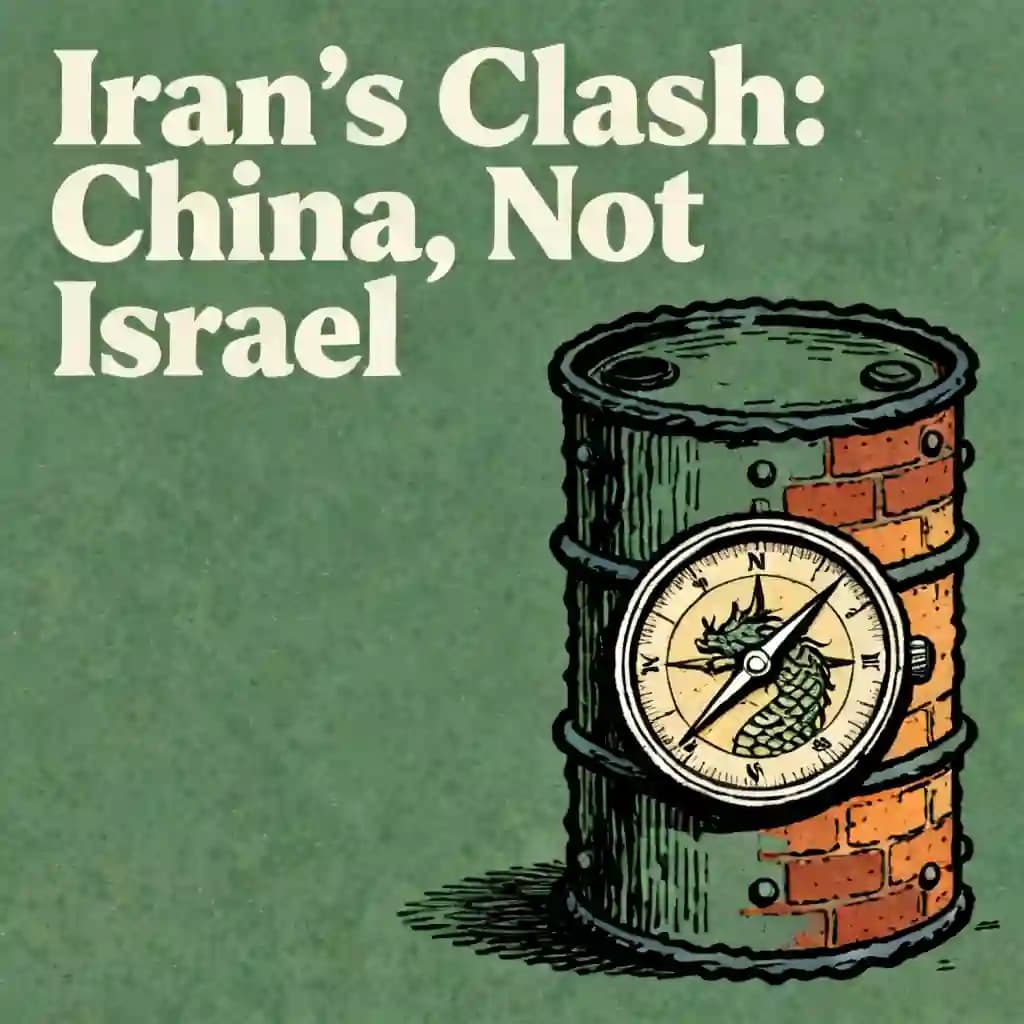
China acts as a critical strategic partner for Iran, purchasing roughly 90 percent of its crude oil exports. This relationship provides Iran with an economic hedge that operates outside of American sanctions and essentially turns Iran into a Chinese forward base. Consequently, when the U.S. strikes Iranian naval assets or ports like Jask, it is not just targeting Iran, but is also dismantling key components of China’s global naval and energy architecture.
The "Axis of Resistance" is a network of 140,000 to 185,000 partner forces and proxies trained and funded by Iran’s Quds Force, including groups like Hezbollah in Lebanon, the Houthis in Yemen, and various militias in Iraq and Syria. This "Forward Defense" strategy is designed to make the cost of a direct attack on Iran prohibitively high. In the 2026 conflict, this network creates a "mosaic of fire" where strikes on Tehran trigger retaliatory attacks across the entire region, making de-escalation difficult because the U.S. must negotiate with multiple factions rather than a single government.
Following the death of Supreme Leader Ayatollah Ali Khamenei in a 2026 strike, the appointment of his son, Mojtaba Khamenei, created a legitimacy crisis. This move is seen as a betrayal of the 1979 revolutionary ideal, which explicitly rejected the concept of a hereditary monarchy like that of the Shah. This perceived shift back toward a dynastic system has fueled internal instability, contributing to widespread protests across twenty-six provinces and complicating the regime's ability to maintain control during a military crisis.
The conflict has caused a massive shock to the global system, primarily through the closure of the Strait of Hormuz, the world’s most vital energy chokepoint. This closure sent oil prices soaring to $120 a barrel and forced the largest release of strategic oil reserves in history. Beyond energy, the war has paralyzed maritime trade, with hundreds of vessels anchored and unable to move, leading the WTO to warn of a significant decrease in global GDP growth.
샌프란시스코에서 컬럼비아 대학교 동문들이 만들었습니다
"Instead of endless scrolling, I just hit play on BeFreed. It saves me so much time."


"I never knew where to start with nonfiction—BeFreed’s book lists turned into podcasts gave me a clear path."


"Perfect balance between learning and entertainment. Finished ‘Thinking, Fast and Slow’ on my commute this week."
"Crazy how much I learned while walking the dog. BeFreed = small habits → big gains."
"Reading used to feel like a chore. Now it’s just part of my lifestyle."

"Feels effortless compared to reading. I’ve finished 6 books this month already."
"BeFreed turned my guilty doomscrolling into something that feels productive and inspiring."

"BeFreed turned my commute into learning time. 20-min podcasts are perfect for finishing books I never had time for."
"BeFreed replaced my podcast queue. Imagine Spotify for books — that’s it. 🙌"

"It is great for me to learn something from the book without reading it."
"The themed book list podcasts help me connect ideas across authors—like a guided audio journey."
"Makes me feel smarter every time before going to work"
샌프란시스코에서 컬럼비아 대학교 동문들이 만들었습니다
"Instead of endless scrolling, I just hit play on BeFreed. It saves me so much time."
"I never knew where to start with nonfiction—BeFreed’s book lists turned into podcasts gave me a clear path."
"Perfect balance between learning and entertainment. Finished ‘Thinking, Fast and Slow’ on my commute this week."
"Crazy how much I learned while walking the dog. BeFreed = small habits → big gains."
"Reading used to feel like a chore. Now it’s just part of my lifestyle."
"Feels effortless compared to reading. I’ve finished 6 books this month already."
"BeFreed turned my guilty doomscrolling into something that feels productive and inspiring."
"BeFreed turned my commute into learning time. 20-min podcasts are perfect for finishing books I never had time for."
"BeFreed replaced my podcast queue. Imagine Spotify for books — that’s it. 🙌"
"It is great for me to learn something from the book without reading it."
"The themed book list podcasts help me connect ideas across authors—like a guided audio journey."
"Makes me feel smarter every time before going to work"
"Instead of endless scrolling, I just hit play on BeFreed. It saves me so much time."
"I never knew where to start with nonfiction—BeFreed’s book lists turned into podcasts gave me a clear path."
"Perfect balance between learning and entertainment. Finished ‘Thinking, Fast and Slow’ on my commute this week."
"Crazy how much I learned while walking the dog. BeFreed = small habits → big gains."
"Reading used to feel like a chore. Now it’s just part of my lifestyle."
"Feels effortless compared to reading. I’ve finished 6 books this month already."
"BeFreed turned my guilty doomscrolling into something that feels productive and inspiring."
"BeFreed turned my commute into learning time. 20-min podcasts are perfect for finishing books I never had time for."
"BeFreed replaced my podcast queue. Imagine Spotify for books — that’s it. 🙌"
"It is great for me to learn something from the book without reading it."
"The themed book list podcasts help me connect ideas across authors—like a guided audio journey."
"Makes me feel smarter every time before going to work"
"Instead of endless scrolling, I just hit play on BeFreed. It saves me so much time."
"I never knew where to start with nonfiction—BeFreed’s book lists turned into podcasts gave me a clear path."
"Perfect balance between learning and entertainment. Finished ‘Thinking, Fast and Slow’ on my commute this week."
"Crazy how much I learned while walking the dog. BeFreed = small habits → big gains."
"Reading used to feel like a chore. Now it’s just part of my lifestyle."
"Feels effortless compared to reading. I’ve finished 6 books this month already."
"BeFreed turned my guilty doomscrolling into something that feels productive and inspiring."
"BeFreed turned my commute into learning time. 20-min podcasts are perfect for finishing books I never had time for."
"BeFreed replaced my podcast queue. Imagine Spotify for books — that’s it. 🙌"
"It is great for me to learn something from the book without reading it."
"The themed book list podcasts help me connect ideas across authors—like a guided audio journey."
"Makes me feel smarter every time before going to work"