The Dangerous Myth of the Moral Manual
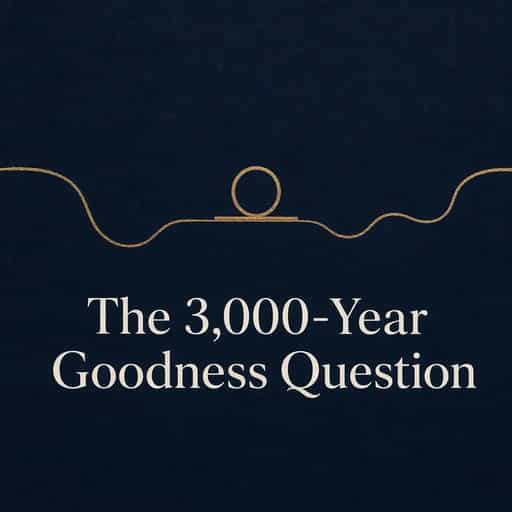
Joel: Imagine you are standing on a street corner in 2026 and you see someone drop a hundred dollar bill—do you pocket it because nobody is looking, or do you chase them down because it is the right thing to do? You might think your answer comes from a gut feeling, but you are actually tapping into a three thousand year old argument that has shaped moral thought across millennia .
Chase: That is a great setup, but I have to push back immediately on the idea that it is just one "argument." If you look at the history of moral thought, it is not a straight line toward progress—it is a messy, constant battle between different ways of even defining what a human being is .
Joel: But that is exactly why this matters to you, the person listening right now. Every time you judge a politician, or decide how to raise your kids, or even just feel guilty about a white lie, you are using "sedimented background" that has been building since before the invention of the compass .
Chase: I hear you, but I think people often mistake "history" for "authority." Just because the Greeks or the Enlightenment thinkers said something does not mean it fits your life today. We treat morality like a manual we just need to read, but the sources show it is more like a shifting landscape influenced by things as random as industrialization or new psychological theories .
Joel: Is it really that random, though? If we have been asking "how to be good" for three millennia, surely we have found some universal truths.
Chase: That is the big question, isn't it? Whether there are absolute moral truths or if morality is just a tool shaped by social needs and political desires .
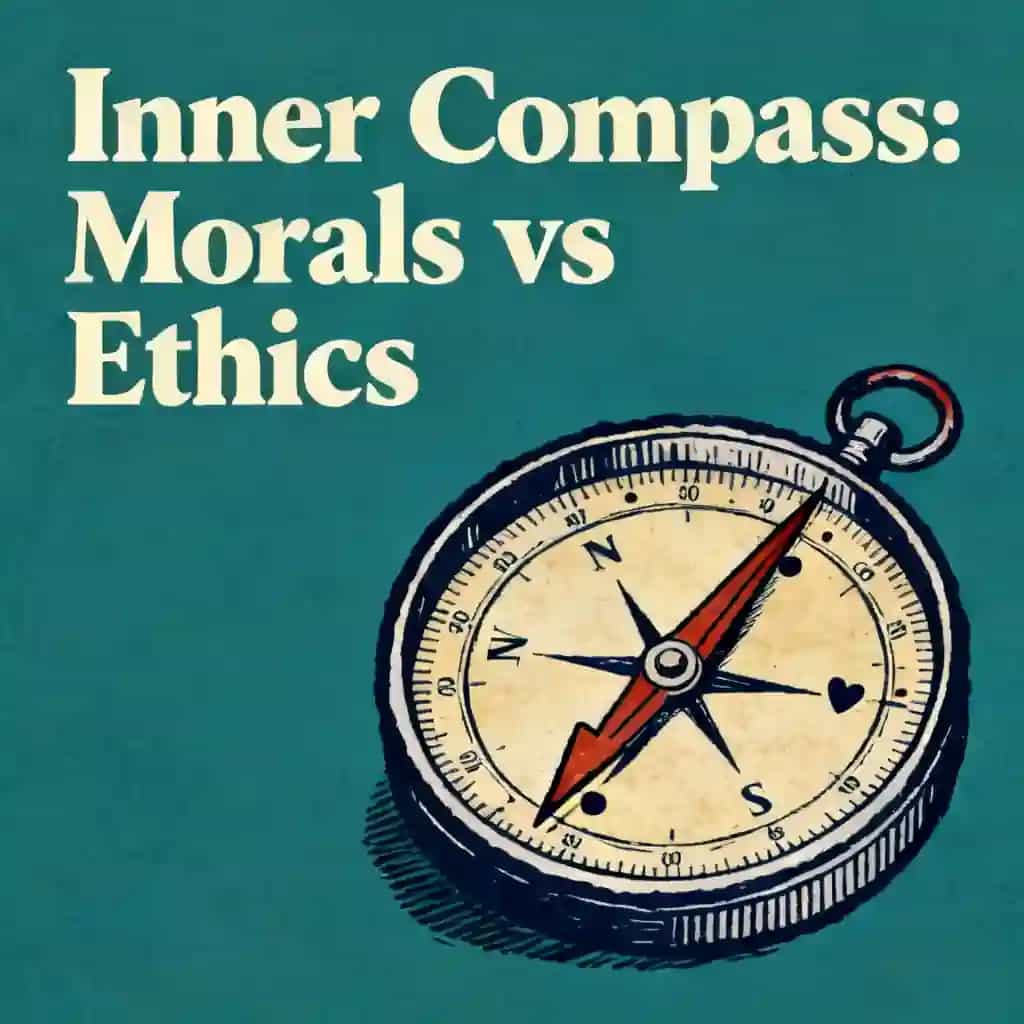
Joel: Well, I want to find out if there is a "moral compass" that actually works, or if we are all just making it up as we go.
Chase: Then we have to look at the foundations, because the ancient world thought about "being good" very differently from the way you do. Let's dive into why their version of a "good person" might actually terrify a modern listener .