BeFreed
    Categories>Psychology>When Good People Do Bad Things

    When Good People Do Bad Things

    13분
    |
    |
    2025년 9월 18일
    PsychologySelf-GrowthPhilosophy & Spirituality

    Exploring the tension between moral principles and practical results through ancient Stoic wisdom, modern economic theory, and real-world ethics. How do we navigate amorality and pragmatism without losing our moral compass?

    When Good People Do Bad Things
    전달 방식을 선택하세요

    하나의 에피소드, 다양한 청취 방식.

    When Good People Do Bad Things의 같은 아이디어를 나에게 맞는 목소리, 깊이, 속도로 만나보세요. 언제든 바꿀 수 있습니다.

    전체 대본 및 챕터

    챕터 1

    When Good People Do Bad Things

    Welcome to your personalized episode from BeFreed-I'm thrilled to explore this fascinating terrain with you today. We're diving into one of the most uncomfortable yet essential questions of our time: how do we navigate a world where moral principles often clash with practical results? You've asked about amorality and pragmatism, and given your recent journey through Charlie Munger's wisdom in Poor Charlie's Almanack, you'll appreciate how these philosophical giants grappled with similar tensions between idealistic ethics and real-world effectiveness. Today we're examining three remarkable works that illuminate different aspects of this challenge-from ancient Stoic wisdom about moral character, to modern economic theories that have quietly eroded our ethical foundations, to practical philosophy for navigating life's moral complexities.
    챕터 2

    The Moral Landscape We've Inherited

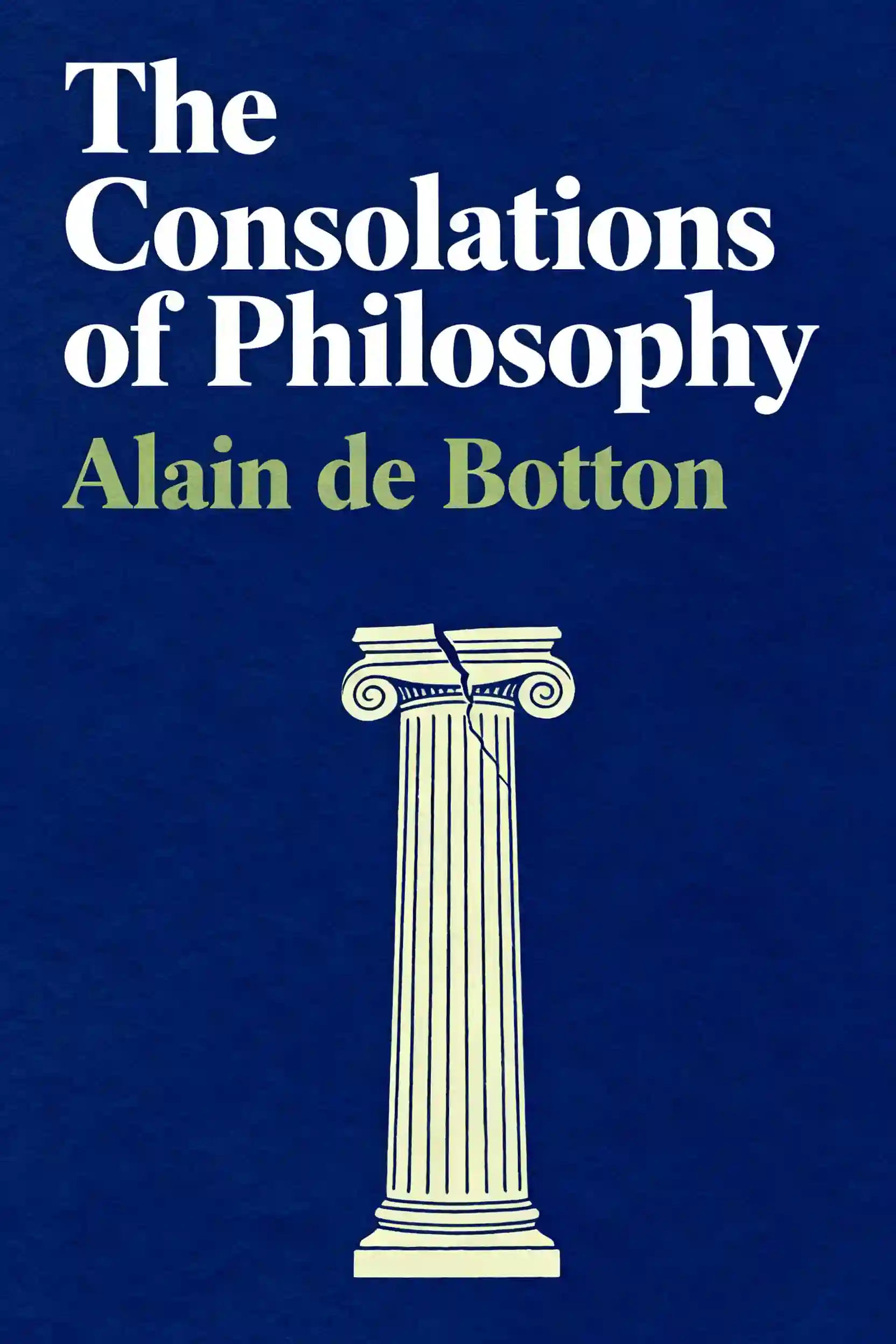
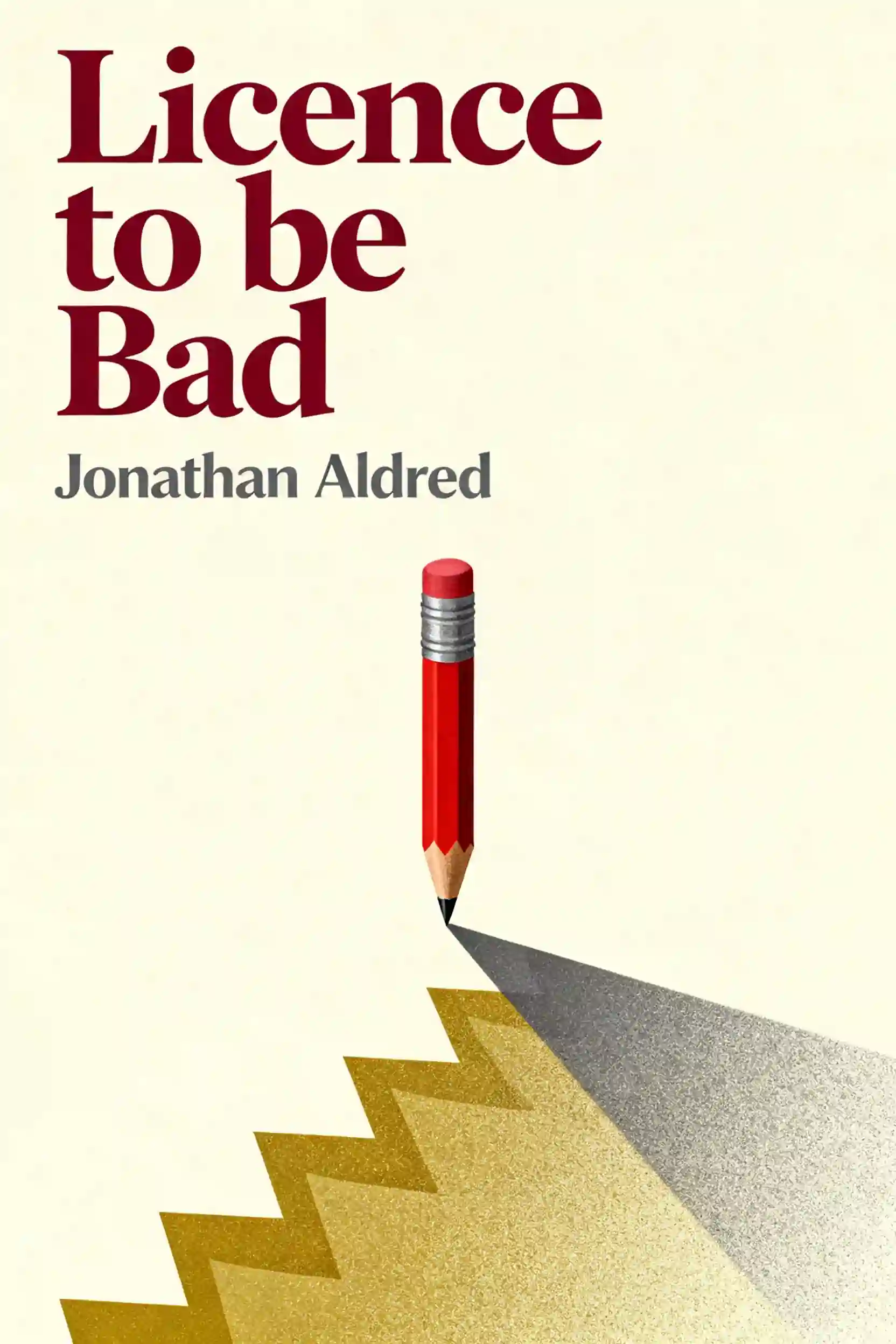
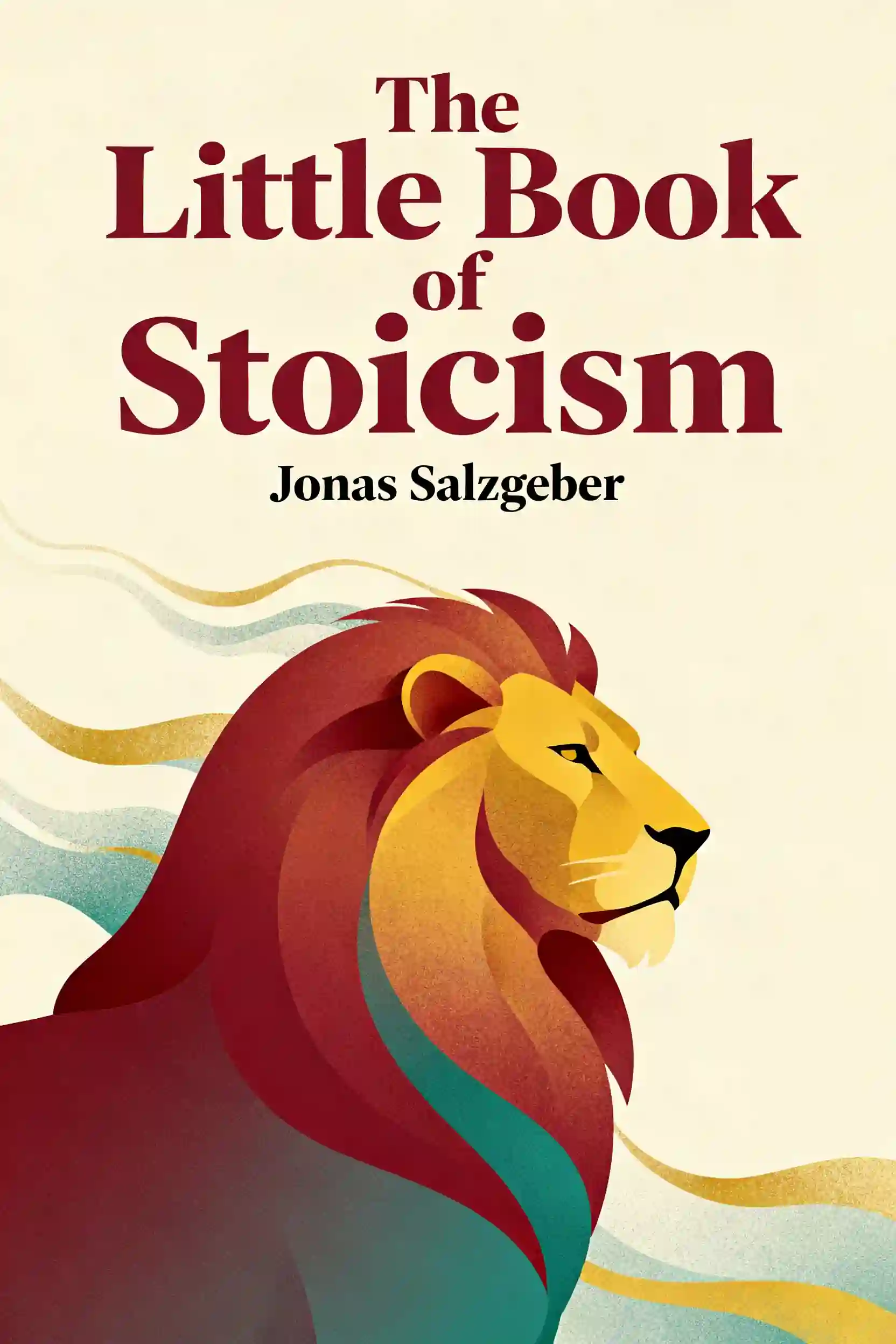
    Before we can understand how to navigate amorality and pragmatism, we need to see how we arrived at this crossroads. Jonathan Aldred's "Licence to Be Bad" reveals a stunning transformation: over the past fifty years, economic theories have fundamentally altered how we think about human nature and morality. Meanwhile, Alain de Botton's "The Consolations of Philosophy" shows us how great thinkers throughout history have wrestled with the gap between moral ideals and practical necessities. And Jonas Salzgeber's "The Little Book of Stoicism" demonstrates how ancient wisdom can guide us through these modern moral minefields.
    The tension isn't new, but its intensity is unprecedented. As Aldred documents, ideas that began in economics departments-like the assumption that everyone has their price or that selfishness should be "conserved" like a scarce resource-have seeped into our everyday thinking. We've moved from a world where free-riding was considered morally questionable to one where it's viewed as rational and smart. This shift has profound implications for how we approach the balance between doing what's right and doing what works.

    이 에피소드로 더 깊이 배우기

    이 에피소드의 아이디어를 BeFreed의 가이드 학습 경험으로 더 깊이 탐구해 보세요.

    챕터 3

    The Economics of Moral Erosion

    The most insidious aspect of our current moral landscape is how economic thinking has redefined virtue itself. Aldred traces this transformation through figures like Gary Becker, who expanded economic analysis beyond traditional boundaries, essentially arguing that all human behavior-from discrimination to family relationships-could be understood through market mechanisms. This "economic imperialism" doesn't just analyze behavior; it shapes it.

    Consider how this plays out in finance and business, areas you know well. The Coase Theorem, despite its creator's later protests about misinterpretation, has been used to justify the idea that any problem can be solved through private bargaining if transaction costs are low enough. This sounds pragmatic and efficient, but it fundamentally reframes moral questions as economic ones. Instead of asking "What's the right thing to do?" we ask "What's the most efficient outcome?"

    Game theory, born from Cold War strategy at RAND Corporation, has taught us to view trust as naive and cooperation as something that only makes sense when it's already in our self-interest. The Prisoner's Dilemma has become a cultural metaphor that suggests rational actors must choose non-cooperation, even though real-world evidence consistently shows humans cooperating far more than theory predicts. Yet the theory's seductive promise of a unified social science has made its assumptions about human nature seem like discovered facts rather than chosen frameworks.

    챕터 4

    Ancient Wisdom for Modern Moral Dilemmas

    The Stoics faced their own version of this dilemma two millennia ago. Living through the collapse of the Roman Republic and the rise of the Empire, philosophers like Seneca, Epictetus, and Marcus Aurelius had to navigate between moral ideals and political realities. Their solution wasn't to abandon morality for pragmatism, but to develop a more sophisticated understanding of both.
    Seneca's life perfectly embodies this tension. As one of Rome's wealthiest men and advisor to Emperor Nero, he was constantly criticized for the gap between his philosophical teachings about detachment from wealth and his actual lifestyle. Yet Seneca's response reveals a crucial insight: moral philosophy isn't about achieving perfection but about maintaining direction. He wrote extensively about the corrupting influence of wealth while using his position to moderate Nero's worst impulses and protect countless lives.

    The Stoic framework offers a practical approach to moral pragmatism through its famous dichotomy of control. As Epictetus taught, we must distinguish between what is "up to us" and what is "not up to us." Our judgments, actions, and character development are within our control; outcomes, other people's behavior, and external circumstances are not. This isn't moral relativism-it's moral realism. We can maintain absolute commitment to virtue while remaining flexible about methods and accepting imperfect results.

    이 에피소드로 더 깊이 배우기

    이 에피소드의 아이디어를 BeFreed의 가이드 학습 경험으로 더 깊이 탐구해 보세요.

    챕터 5

    The Dangerous Allure of Amoral Efficiency

    One of the most seductive aspects of amoral pragmatism is its apparent efficiency. Why wrestle with complex moral considerations when you can simply optimize for measurable outcomes? Aldred shows how this thinking has infected everything from healthcare policy to environmental regulation. The rise of "statistical lives" in cost-benefit analysis allows policymakers to make life-and-death decisions based purely on economic calculations, avoiding the messiness of moral judgment.

    But this apparent efficiency is often illusory. When Swiss villages were offered compensation for hosting nuclear waste facilities, the financial incentives actually reduced acceptance rates. The money transformed a civic duty into a market transaction, fundamentally changing how people perceived the situation. Similarly, daycare centers that introduced fines for late pickups saw lateness increase-the fine removed moral obligation and replaced it with a price for convenience.

    Montaigne, writing during the religious wars that tore France apart, understood this danger. He saw how abstract principles could be used to justify terrible cruelty, and how moral certainty often masked selfish interests. His solution wasn't cynicism but humility-recognizing the limits of our moral knowledge while still striving to act decently. His essays reveal someone constantly questioning his own assumptions while maintaining basic human decency.

    챕터 6

    When Pragmatism Serves Higher Purpose

    The key insight from all three works is that effective pragmatism requires moral grounding, not moral abandonment. Schopenhauer, despite his reputation as a pessimist, understood that our deepest motivations often operate below conscious awareness. His analysis of romantic love as serving evolutionary rather than individual purposes doesn't diminish love's reality-it helps us understand when to trust our feelings and when to question them.

    Marcus Aurelius, holding absolute power in Rome, demonstrated how moral principles can enhance rather than hinder practical effectiveness. His Meditations reveal someone using Stoic philosophy not to escape responsibility but to handle it better. When facing plague, war, and political intrigue, he found that moral clarity actually improved his decision-making by eliminating the noise of ego and emotion.

    The Stoic concept of "preferred indifferents" offers a sophisticated framework for practical moral reasoning. Health is preferable to sickness, wealth to poverty, reputation to disgrace-but none of these externals determines our fundamental well-being or moral worth. This allows us to pursue practical advantages without compromising our integrity or becoming dependent on outcomes beyond our control.

    이 에피소드로 더 깊이 배우기

    이 에피소드의 아이디어를 BeFreed의 가이드 학습 경험으로 더 깊이 탐구해 보세요.

    챕터 7

    The Hidden Costs of Moral Shortcuts

    Aldred's analysis reveals that apparently amoral approaches often carry hidden moral assumptions. Public choice theory, which treats all political actors as purely self-interested, has become a self-fulfilling prophecy that corrodes the public service ethos it claims merely to describe. When we assume people are selfish, we create institutions that reward selfishness, then point to the resulting behavior as proof of our assumptions.

    Nietzsche, often misunderstood as advocating amorality, actually argued for a more demanding morality. His criticism of conventional ethics wasn't that we should abandon moral considerations but that we should take responsibility for creating our own values rather than blindly following inherited rules. His "Ubermensch" wasn't someone beyond morality but someone who had moved beyond passive moral conformity to active moral creation.

    This connects to your experience with financial thinking, where models that assume rational self-interest often fail precisely because they ignore the moral dimensions that actually drive human behavior. The 2008 financial crisis wasn't caused by people being too moral-it was caused by systems that rewarded short-term thinking and discouraged moral consideration of long-term consequences.

    챕터 8

    Building Practical Moral Intelligence

    The solution isn't to choose between morality and pragmatism but to develop what we might call "practical moral intelligence"-the ability to navigate complex situations while maintaining ethical grounding. This requires several key capabilities that emerge from our three sources.

    First, we need awareness of our own moral blind spots. The Stoics emphasized daily self-examination not from neurotic self-criticism but from recognition that we're all prone to self-deception. Seneca's evening practice of reviewing the day's actions helped him spot patterns of behavior that contradicted his stated values.

    Second, we need to understand how systems shape behavior. Aldred's analysis shows that individual moral failings often reflect systemic problems. When good people consistently make bad choices, we should examine the incentive structures rather than simply blaming character flaws. This doesn't excuse individual responsibility but helps us design better systems.

    Third, we need frameworks for handling moral uncertainty. Montaigne's cultural relativism wasn't moral nihilism but recognition that our moral intuitions are often culturally conditioned. This humility about our moral knowledge can paradoxically make us more effective moral actors by reducing dogmatism and increasing genuine engagement with others' perspectives.

    이 에피소드로 더 깊이 배우기

    이 에피소드의 아이디어를 BeFreed의 가이드 학습 경험으로 더 깊이 탐구해 보세요.

    챕터 9

    The Path Forward: Integrated Wisdom

    The most profound insight from examining these works together is that the opposition between morality and pragmatism is often false. Effective action in the world requires both moral grounding and practical wisdom. The Stoics understood this, which is why they produced not just philosophers but effective administrators, military leaders, and even emperors.

    Your background in finance gives you particular insight into this integration. The most successful investors, like Charlie Munger, combine rigorous analytical thinking with strong ethical principles. They understand that reputation and trust are practical assets, that short-term thinking often destroys long-term value, and that sustainable success requires considering all stakeholders, not just immediate profits.

    The challenge is developing what Aristotle called "phronesis"-practical wisdom that can navigate between rigid rule-following and unprincipled opportunism. This requires constant practice, honest feedback, and willingness to accept that we'll sometimes get it wrong. As Marcus Aurelius reminds us, the goal isn't perfection but progress, not avoiding all mistakes but learning from the ones we make.

    Thank you for joining me on this exploration of morality and pragmatism through the lens of these remarkable thinkers. I'd love to hear how these ideas resonate with your own experience navigating ethical challenges in finance and beyond-your insights help make these conversations richer for everyone.

    ★★★★★

    When Good People Do Bad Things의 끝까지 도달했어요

    “23일째 매일 사용하고 있어요. 이제 제 일상의 한 부분이 되었습니다.”

    jayallen

    When Good People Do Bad Things 베스트 인용

    “

    The key insight is that effective pragmatism requires moral grounding, not moral abandonment. We can maintain absolute commitment to virtue while remaining flexible about methods and accepting imperfect results.

    ”
    N

    Generated by Nuno Sanfins

    질문 입력

    Amorality and pragmatism

    호스트 음성
    Milesplay
    지식 출처
    The Consolations of Philosophy
    Licence to Be Bad
    The Little Book of Stoicism

    컬럼비아 대학교 동문들이 제작 | 샌프란시스코에서 개발

    BeFreed는 호기심 넘치는 글로벌 커뮤니티를 하나로 연결합니다

    4.7

    평균 평점

    앱 평가 7.84천 개 이상

    BeFreed 커뮤니티

    정말이지 아직 앱을 다 써 보지도 않았는데, 며칠 써 본 것만으로도 깊은 인상을 받았어요… BeFreed는 제가 써 본 어떤 학습 앱과도 차원이 달라요. 몰입감이 엄청나고 집중력도 실제로 좋아져서, 스마트폰을 하염없이 스크롤하는 분들께 딱이에요!

    @ladyInfinity

    정확히 23일 전에 BeFreed를 구입했는데, 그날부터 하루도 빠짐없이 쓰고 있어요. 제 일상 업무 흐름과 학습 습관에 완전히 자리 잡았어요.

    @jayallen

    솔직히 이 앱은 제 기대를 전부 뛰어넘었어요. 어떤 주제든 오디오로 만들어 달라고 할 수 있고, 결과물이 놀라워요. 제 전문 분야는 심리치료 쪽이고 여러 학문이 얽혀 있는데도 답변이 아주 정확해요.

    @Raguipa

    제일 고마운 건 스크롤하는 시간이 확 줄었다는 거예요. 검색하는 시간은 줄고 흡수하는 시간은 늘었어요. 오디오북 전권, 팟캐스트, 학습 플랜의 조합이 정말 훌륭해요.

    @colonyofcreatorsNGO

    저는 24년째 PhotoReading 속진 학습 강사로 일하고 있어요… 책과 독서, 배움이 제 전문인데, BeFreed는 정보를 소화하기 쉽게 전달하는 혁신적인 방식을 정말 잘 구현했어요.

    @BeFreed user

    단순한 책 요약 앱이 아니에요. '재미' 스타일을 써 봤는데, 전통적인 방식보다 훨씬 나은 요약이고 아이디어를 이해하기도 쉬워요. 이것만으로도 값어치를 해요.

    @austinakon

    이 앱이 정말 좋아요. 며칠 써 봤는데 듣는 걸 멈출 수가 없어요. 시작하기에 이보다 좋을 수 없어요.

    @jcrules328

    정말 마음에 들어요. 한 달 정도 써 봤는데 숨은 보석을 찾은 기분이에요. BeFreed로 제가 원하는 주제를 직접 만들 수 있어서 좋고, 목소리도 훌륭한 데다 내레이션 선택지가 무궁무진해요.

    @DanielCZ

    정말이지 아직 앱을 다 써 보지도 않았는데, 며칠 써 본 것만으로도 깊은 인상을 받았어요… BeFreed는 제가 써 본 어떤 학습 앱과도 차원이 달라요. 몰입감이 엄청나고 집중력도 실제로 좋아져서, 스마트폰을 하염없이 스크롤하는 분들께 딱이에요!

    @ladyInfinity

    정확히 23일 전에 BeFreed를 구입했는데, 그날부터 하루도 빠짐없이 쓰고 있어요. 제 일상 업무 흐름과 학습 습관에 완전히 자리 잡았어요.

    @jayallen

    솔직히 이 앱은 제 기대를 전부 뛰어넘었어요. 어떤 주제든 오디오로 만들어 달라고 할 수 있고, 결과물이 놀라워요. 제 전문 분야는 심리치료 쪽이고 여러 학문이 얽혀 있는데도 답변이 아주 정확해요.

    @Raguipa

    제일 고마운 건 스크롤하는 시간이 확 줄었다는 거예요. 검색하는 시간은 줄고 흡수하는 시간은 늘었어요. 오디오북 전권, 팟캐스트, 학습 플랜의 조합이 정말 훌륭해요.

    @colonyofcreatorsNGO

    저는 24년째 PhotoReading 속진 학습 강사로 일하고 있어요… 책과 독서, 배움이 제 전문인데, BeFreed는 정보를 소화하기 쉽게 전달하는 혁신적인 방식을 정말 잘 구현했어요.

    @BeFreed user

    단순한 책 요약 앱이 아니에요. '재미' 스타일을 써 봤는데, 전통적인 방식보다 훨씬 나은 요약이고 아이디어를 이해하기도 쉬워요. 이것만으로도 값어치를 해요.

    @austinakon

    이 앱이 정말 좋아요. 며칠 써 봤는데 듣는 걸 멈출 수가 없어요. 시작하기에 이보다 좋을 수 없어요.

    @jcrules328

    정말 마음에 들어요. 한 달 정도 써 봤는데 숨은 보석을 찾은 기분이에요. BeFreed로 제가 원하는 주제를 직접 만들 수 있어서 좋고, 목소리도 훌륭한 데다 내레이션 선택지가 무궁무진해요.

    @DanielCZ

    유용한 정보와 아이디어를 8~15분짜리 팟캐스트 스타일 오디오로 압축해서 들을 수 있다는 게 정말 좋아요. 원래 팟캐스트는 군더더기가 많아서 안 좋아했는데, 여기는 그걸 싹 걷어냈어요.

    @BeFreed user

    박사 과정을 마무리하는 중이라 낯선 자료를 많이 읽어야 해요… BeFreed에서는 프롬프트만 입력하면 앱이 자료를 찾아서 오디오 팟캐스트로 만들어 줘요. BeFreed의 과정이 NotebookLM보다 더 매끄럽게 느껴져요.

    @Brad

    아침을 준비하거나 산책하거나 출퇴근할 때 들을 것을 YouTube에서 자주 찾곤 했는데, BeFreed는 광고도 군더더기도 없이 훨씬 더 딱 맞는 걸 들려줘요!

    @BeFreed user

    이 플랫폼의 가장 큰 장점은 활용도예요. 다루지 못하는 주제가 말 그대로 하나도 없어요. 무엇을 던져도 다 소화해요… 제한이 전혀 없으면서 약속을 실제로 지키는 학습 도구는 정말 드물어요.

    @jayallen

    BeFreed는 환상적이에요. 디자인이 편해서 헤매는 시간은 줄고 배우는 시간은 늘었어요. 오디오북, 팟캐스트, 학습 플랜의 조합은 천재적이에요. 제 하루가 완전히 달라졌어요.

    @BeFreed user

    처음엔 이탈리아어로 팟캐스트를 만드는 방법을 이해하는 데 시간이 좀 걸렸는데, 알고 나니까 — 와! 정말 대단해요! 어떤 주제든 설명해 달라고 하면 정말 똑똑하게 잘 설명해 줘요!

    @matteo77

    BeFreed는 제가 매일 쓰는 오디오북 앱이 됐어요… 제일 마음에 드는 건 텍스트를 넣으면 이동 중에도 들을 수 있는 오디오로 만들어 준다는 점이에요.

    @kotanzu1

    유용한 정보와 아이디어를 8~15분짜리 팟캐스트 스타일 오디오로 압축해서 들을 수 있다는 게 정말 좋아요. 원래 팟캐스트는 군더더기가 많아서 안 좋아했는데, 여기는 그걸 싹 걷어냈어요.

    @BeFreed user

    박사 과정을 마무리하는 중이라 낯선 자료를 많이 읽어야 해요… BeFreed에서는 프롬프트만 입력하면 앱이 자료를 찾아서 오디오 팟캐스트로 만들어 줘요. BeFreed의 과정이 NotebookLM보다 더 매끄럽게 느껴져요.

    @Brad

    아침을 준비하거나 산책하거나 출퇴근할 때 들을 것을 YouTube에서 자주 찾곤 했는데, BeFreed는 광고도 군더더기도 없이 훨씬 더 딱 맞는 걸 들려줘요!

    @BeFreed user

    이 플랫폼의 가장 큰 장점은 활용도예요. 다루지 못하는 주제가 말 그대로 하나도 없어요. 무엇을 던져도 다 소화해요… 제한이 전혀 없으면서 약속을 실제로 지키는 학습 도구는 정말 드물어요.

    @jayallen

    BeFreed는 환상적이에요. 디자인이 편해서 헤매는 시간은 줄고 배우는 시간은 늘었어요. 오디오북, 팟캐스트, 학습 플랜의 조합은 천재적이에요. 제 하루가 완전히 달라졌어요.

    @BeFreed user

    처음엔 이탈리아어로 팟캐스트를 만드는 방법을 이해하는 데 시간이 좀 걸렸는데, 알고 나니까 — 와! 정말 대단해요! 어떤 주제든 설명해 달라고 하면 정말 똑똑하게 잘 설명해 줘요!

    @matteo77

    BeFreed는 제가 매일 쓰는 오디오북 앱이 됐어요… 제일 마음에 드는 건 텍스트를 넣으면 이동 중에도 들을 수 있는 오디오로 만들어 준다는 점이에요.

    @kotanzu1

    웹에서 BeFreed가 어떻게 논의되고 있는지 더 보기
    129.7K19.5K
    55.2K19.2K
    154.2K10827355
    48.1K2.5K
    81.2K6.6K
    82.3K1.8K
    지금 바로 학습 여정을 시작하세요
    BeFreed 앱
    BeFreed

    무엇이든 개인화된 학습

    DiscordLinkedIn
    추천 도서 요약
    Crucial ConversationsThe Perfect MarriageInto the WildNever Split the DifferenceAttachedGood to GreatSay Nothing
    인기 카테고리
    Self HelpCommunication SkillRelationshipMindfulnessPhilosophyInspirationProductivity
    유명인 추천 도서
    Elon MuskCharlie KirkBill GatesSteve JobsAndrew HubermanJoe RoganJordan Peterson
    수상작 컬렉션
    Pulitzer PrizeNational Book AwardGoodreads Choice AwardsNobel Prize in LiteratureNew York TimesCaldecott MedalNebula Award
    추천 주제
    ManagementAmerican HistoryWarTradingStoicismAnxietySex
    연도별 베스트 도서
    2025 Best Non Fiction Books2024 Best Non Fiction Books2023 Best Non Fiction Books
    추천 저자
    Chimamanda Ngozi AdichieGeorge OrwellO. J. SimpsonBarbara O'NeillWinston ChurchillCharlie Kirk
    BeFreed vs 다른 앱
    BeFreed vs. Other Book Summary AppsBeFreed vs. ElevenReaderBeFreed vs. ReadwiseBeFreed vs. Anki
    학습 도구
    Knowledge VisualizerAI Podcast Generator
    정보
    회사 소개arrow
    가격arrow
    FAQarrow
    블로그arrow
    채용arrow
    파트너십arrow
    앰배서더 프로그램arrow
    디렉토리arrow
    BeFreed
    Try now
    © 2026 BeFreed
    이용 약관개인정보 처리방침
    BeFreed

    무엇이든 개인화된 학습

    DiscordLinkedIn
    추천 도서 요약
    Crucial ConversationsThe Perfect MarriageInto the WildNever Split the DifferenceAttachedGood to GreatSay Nothing
    인기 카테고리
    Self HelpCommunication SkillRelationshipMindfulnessPhilosophyInspirationProductivity
    유명인 추천 도서
    Elon MuskCharlie KirkBill GatesSteve JobsAndrew HubermanJoe RoganJordan Peterson
    수상작 컬렉션
    Pulitzer PrizeNational Book AwardGoodreads Choice AwardsNobel Prize in LiteratureNew York TimesCaldecott MedalNebula Award
    추천 주제
    ManagementAmerican HistoryWarTradingStoicismAnxietySex
    연도별 베스트 도서
    2025 Best Non Fiction Books2024 Best Non Fiction Books2023 Best Non Fiction Books
    학습 도구
    Knowledge VisualizerAI Podcast Generator
    추천 저자
    Chimamanda Ngozi AdichieGeorge OrwellO. J. SimpsonBarbara O'NeillWinston ChurchillCharlie Kirk
    BeFreed vs 다른 앱
    BeFreed vs. Other Book Summary AppsBeFreed vs. ElevenReaderBeFreed vs. ReadwiseBeFreed vs. Anki
    정보
    회사 소개arrow
    가격arrow
    FAQarrow
    블로그arrow
    채용arrow
    파트너십arrow
    앰배서더 프로그램arrow
    디렉토리arrow
    BeFreed
    Try now
    © 2026 BeFreed
    이용 약관개인정보 처리방침

    비슷한 콘텐츠

    The 3,000-Year Question of How to Be Good 책 표지
    source 1The Quest for a Moral Compass Audiobook by Kenan MalikAncient Ethical Theory (Stanford Encyclopedia of Philosophy)
    8 sources
    The 3,000-Year Question of How to Be Good
    Is morality a universal truth or a social tool? Explore how ancient history and modern psychology shape the way you decide right from wrong today.
    1353 min
    The 3,000-Year Question: How to Be Good 책 표지
    The Quest for a Moral Compass Audiobook by Kenan MalikHistory of ethics - WikipediaEthics, History of | Encyclopedia.com
    5 sources
    The 3,000-Year Question: How to Be Good
    If morality is a moving target, how do we define what’s right today? Explore the evolution of ethics from ancient warrior codes to modern virtue.
    1487 min
    When Good People Go Silent at Work 책 표지
    Ethics for the Real WorldNine Lies About WorkWinning WellJust Work
    25 sources
    When Good People Go Silent at Work
    Explore why ethical employees regularly compromise their values in toxic workplace cultures, and discover how fear-driven environments turn moral people into silent bystanders.
    12 min
    Licence to Be Bad 책 표지
    Licence to Be Bad
    Jonathan Aldred
    39 min
    The 3,000-Year Question of How to Be Good 책 표지
    Moral SystemsHistory of ethics - WikiwandAristotle’s Ethics (Stanford Encyclopedia of Philosophy)Ancient Ethical Theory (Stanford Encyclopedia of Philosophy)
    5 sources
    The 3,000-Year Question of How to Be Good
    Is morality a survival instinct or a higher calling? Explore how human ethics evolved from basic biology into the complex principles we live by today.
    1148 min
    Morals vs. Ethics: The Internal Compass 책 표지
    What Is The Difference Between Morality and Ethics? - Verywell MindEthics vs. Morals: What’s the Difference? | Dictionary.comEthicsThe Oddness of Ethics Without God: Why Morality Is Not “At Home” in a Non-Theistic World
    5 sources
    Morals vs. Ethics: The Internal Compass
    When your gut feeling clashes with the rulebook, how do you choose? Explore the tension between personal convictions and external codes to find your path.
    18 min
    Human Nature: Good or Just Well-Marketed? 책 표지
    [1dd96caa-7de2-4534-9d5c-48623d25e592:c0000] The Laws of Human Nature.pdf p1-1[1dd96caa-7de2-4534-9d5c-48623d25e592:c0001] The Laws of Human Nature.pdf p1-1[1dd96caa-7de2-4534-9d5c-48623d25e592:c0002] The Laws of Human Nature.pdf p1-1[1dd96caa-7de2-4534-9d5c-48623d25e592:c0003] The Laws of Human Nature.pdf p1-1
    23 sources
    Human Nature: Good or Just Well-Marketed?
    Are we noble beings or just primitive animals in disguise? Explore the tension between our social cooperation and the darker biological egoism.
    1431 min
    Ethics, Morals, and the Internal Compass 책 표지
    What Is The Difference Between Morality and Ethics? - Verywell MindEthics vs Morals - Difference and Comparison | DiffenYou say morals, I say ethics – what’s the difference?What’s the Difference Between Morality and Ethics? | Britannica
    5 sources
    Ethics, Morals, and the Internal Compass
    Ethics and morals often pull us in different directions. Learn to navigate the tension between your personal values and the world's rules.
    19 min

    Recommended Learning Plans

    Justice and the Soul
    학습 계획

    Justice and the Soul

    This plan is essential for anyone seeking to understand the philosophical foundations of ethics and political theory. It is ideal for students, thinkers, and leaders who want to move beyond superficial definitions of morality to find a deeper, more resilient sense of purpose.

    1 h 45 m•4 섹션
    The Ethics of the Axe
    학습 계획

    The Ethics of the Axe

    This learning plan is essential for students of literature, philosophy, and psychology seeking to understand the dark intersection of ego and ethics. It provides a deep dive into the human psyche for anyone interested in the moral limits of intellectual ambition.

    1 h•3 섹션
    Gods, Mortals, and Moral Dilemmas
    학습 계획

    Gods, Mortals, and Moral Dilemmas

    This plan offers a deep dive into the foundational narratives of Western civilization, bridging the gap between ancient myth and human psychology. It is ideal for students of literature, history, or ethics who wish to understand how classical tales shape our modern concepts of duty and identity.

    2 h•4 섹션
    The Biology of Moral Choice
    학습 계획

    The Biology of Moral Choice

    This learning plan bridges the gap between neuroscience and ethics to reveal how our brains dictate our sense of right and wrong. It is essential for legal professionals, psychologists, and anyone interested in the biological roots of human behavior and accountability.

    3 h•6 섹션
    The Prince and the Philosopher
    학습 계획

    The Prince and the Philosopher

    This plan is designed for leaders who must navigate the complex tension between pragmatic strategy and ethical grounding. It is ideal for executives and decision-makers facing high-stakes environments where character and power collide.

    1 h 30 m•3 섹션
    The Lucifer Effect: Situational Power
    학습 계획

    The Lucifer Effect: Situational Power

    This learning plan explores the thin line between good and evil, examining how environmental factors override individual character. It is essential for leaders, educators, and social scientists seeking to prevent systemic abuse and foster ethical resilience in high-pressure environments.

    1 h 30 m•3 섹션
    Stoicism for the Modern Humanist
    학습 계획

    Stoicism for the Modern Humanist

    In an era of constant distraction and uncertainty, this plan offers a practical toolkit for emotional regulation and ethical clarity. It is ideal for individuals seeking to balance personal peace with modern social responsibilities through a logic-based approach to life.

    2 h 30 m•5 섹션
    Intro to Philosophy: Concepts & Theories
    학습 계획

    Intro to Philosophy: Concepts & Theories

    This course provides a comprehensive bridge between historical wisdom and modern ethical application, essential for developing sharp analytical skills. It is ideal for curious minds and professionals looking to refine their critical thinking and navigate complex moral landscapes.

    5 h 12 m•4 섹션