BeFreed
    Categories>Psychology>High intelligence and the weaponized empathy trap

    High intelligence and the weaponized empathy trap

    15분
    |
    |
    2026년 3월 25일
    PsychologyLeadership & Corp CultureCommunication

    Being the smartest person in the room doesn't protect you from manipulation. Learn how strategic players use empathy and social mapping to gain leverage.

    High intelligence and the weaponized empathy trap
    전달 방식을 선택하세요

    하나의 에피소드, 다양한 청취 방식.

    High intelligence and the weaponized empathy trap의 같은 아이디어를 나에게 맞는 목소리, 깊이, 속도로 만나보세요. 언제든 바꿀 수 있습니다.

    전체 대본 및 챕터

    챕터 1

    The Architecture of Weaponized Empathy

    Jackson: You know, Eli, I was thinking about how we usually view intelligence as this ultimate shield. Like, if you’re the smartest person in the room, you’re untouchable, right?

    Eli: That’s the common assumption, Jackson. But it’s actually a bit of a trap. In reality, high intelligence doesn't always defeat manipulation—it often recruits it. Think about "Machiavellian" types. They aren't just playing the game; they’ve usually mapped out the entire social terrain six months before anyone else even sits down at the board.

    Jackson: That is wild. So, while everyone else is playing checkers, they’re basically architectural with their influence. It’s not just about being "mean," it’s about this cold, strategic patience where even kindness is used as a "Trojan horse."

    Eli: Exactly. It’s what experts call weaponized empathy. It’s the ability to read a room perfectly, not to connect, but to find the exact levers to pull.

    Jackson: I’m ready to see how that works in practice. Let’s dive into the "Manipulator’s Sequence" and break down how to turn these emotional insights into actual strategic leverage.

    챕터 2

    The Anatomy of the Intelligence Trap

    Jackson: So, if being the smartest person in the room is actually a trap, how does a high-IQ individual actually start to pivot? I mean, if they’ve already mapped the terrain, what’s the first actual move on the board?

    Eli: It starts with shedding the need for immediate validation. You see, most people—even very smart ones—have this "ego leak." They want to be seen as the smartest. But the true Machiavellian? They couldn't care less about the credit. They’re looking for what the research calls "Information Asymmetry." It’s a simple but lethal formula: you want to know everything about them while they know absolutely nothing of substance about you.

    Jackson: Right, so it’s like being an invisible director. You’re pulling the strings, but everyone thinks they’re acting on their own free will. I was reading about this "Manipulation Formula" earlier—Trust plus Information plus Leverage plus Psychological Confusion. It sounds like a chemistry experiment gone wrong.

    Eli: Or gone exactly right, depending on your goal! Think of Information as the raw fuel. You aren't just looking for their favorite color; you’re "Vulnerability Mapping." You’re looking for their unmet needs, their unresolved traumas, or even just their need for approval. Once you have that data, you don’t use it immediately. You file it away. That’s the "strategic patience" we mentioned.

    Jackson: It’s fascinating because it turns empathy on its head. Usually, we think of empathy as this warm, fuzzy thing that brings us closer. But here, it’s just a high-definition sensor. You’re feeling what they feel so you can find the "buttons" to press later.

    Eli: Exactly. It’s cognitive empathy without the affective empathy. You understand the "why" behind their tears or their anger, but you aren't moved by them. You’re just observing the mechanics. It allows you to stay cold and calculated while everyone else is drowning in their own emotions—which, in itself, is a massive competitive advantage.

    이 에피소드로 더 깊이 배우기

    이 에피소드의 아이디어를 BeFreed의 가이드 학습 경험으로 더 깊이 탐구해 보세요.

    챕터 3

    The Sequence of Silent Conquest

    Jackson: Okay, so once you’ve got the map and you’ve identified the vulnerabilities, how do you actually start the "Manipulator’s Sequence"? Is there a specific order of operations here?

    Eli: Absolutely. Step one is always Trust Building, but not the way most people think. It’s not about being a "nice guy." It’s often about "Mirroring"—copying their values, their language, even their physical style to create this instant, artificial sense of similarity. It lowers their defenses because we’re biologically wired to trust people who seem like us.

    Jackson: Oh, like that "Love Bombing" technique? Where you just overwhelm them with attention and praise so they feel like they’ve found their soulmate or their best friend?

    Eli: Precisely. It accelerates the attachment. But then comes the subtle shift—Step two: Strategic Self-Disclosure. You share a "secret" or a fake vulnerability first. This triggers the law of reciprocity. Because you "trusted" them with something personal, they feel an intense psychological pressure to hand over their own secrets. Now, you’ve moved from Trust Building to Information Gathering without them even realizing the exchange happened.

    Jackson: Wow, so you’re basically buying their real vulnerabilities with "counterfeit" ones. That is incredibly efficient. And once you have that leverage, you move into Emotional Activation?

    Eli: Right. Instead of using logic—which is slow and open to debate—you target the emotions. Guilt, shame, or the fear of loss. If you know someone is terrified of being seen as "incompetent," you don't tell them they’re wrong. You subtly reinforce their self-doubt. You use "Insecurity Amplification." A backhanded compliment here, a vague look of disappointment there—it narrows their perception. When people are emotionally activated, they stop thinking rationally. They start reacting. And when they’re reacting, they’re easy to steer.

    Jackson: It’s like you’re narrowing the hallway of their choices until there’s only one door left open—the one you want them to walk through.

    Eli: That’s the goal. You aren't forcing them; you’re architecting a reality where the "right" choice feels like their only escape from discomfort.

    챕터 4

    Reality as a Negotiable Asset

    Jackson: You mentioned "Control of Reality Interpretation" earlier. That sounds like heavy artillery. How does a person actually take control of how someone else perceives the world?

    Eli: It’s about "Weaponized Ambiguity" and "Information Starvation." You provide just enough context to keep them moving, but you withhold the key pieces that would give them clarity. Think about "Gaslighting"—it’s not just lying; it’s about making them doubt their own memory and judgment. If they can’t trust their own eyes, they have to trust yours.

    Jackson: So you become their only source of truth. That’s where the "Dependency Reinforcement" comes in, right? The whole "push-pull" dynamic?

    Eli: Exactly. You provide intense warmth, then suddenly turn cold without explanation. This "Intermittent Reinforcement" is incredibly addictive. It creates a cycle of stress and relief. They begin to unconsciously adjust their behavior—self-censoring, working harder to please you—just to get back to that "warm" phase.

    Jackson: It reminds me of the "Dark Triad" traits we see in research—Machiavellianism, narcissism, and psychopathy. The Machiavellian is the one who isn't just reacting to the moment; they’re building a system where the other person is basically a pawn on a long-term board. They see relationships as "portfolios" and people as "resources."

    Eli: Right. And for the listener who wants to operate at this level, the "High-IQ" move is to maintain "Plausible Deniability" at all times. You never give an order if you can drop a hint. You never make a threat if you can create a "Fear of Loss." If things go wrong, you want to be able to say, "I never told you to do that," or "You must have misunderstood me."

    Jackson: It’s the "DARVO" move—Deny, Attack, and Reverse Victim and Offender. If they call you out, you make their reaction the problem. You turn the tables so fast they end up apologizing to you for being upset.

    Eli: It’s a masterclass in shifting accountability. By the time the dust settles, you’re still in control of the narrative, and they’re left replaying the events at night, trying to make sense of a reality you’ve intentionally blurred.

    이 에피소드로 더 깊이 배우기

    이 에피소드의 아이디어를 BeFreed의 가이드 학습 경험으로 더 깊이 탐구해 보세요.

    챕터 5

    The Power of Selective Access

    Jackson: We’ve talked a lot about the "covert" side—the subtle stuff. But what happens when you need to be more direct? How do you maintain control when the stakes get higher and you can’t just hide in the shadows?

    Eli: That’s where you move into the "Leadership" or "Negotiation" dynamics. The core mechanism here is "Selective Access." You don’t convince people to want things—you make access to what they already want conditional on the choices you define.

    Jackson: So, it’s not about "asking" anymore. It’s about "architecting." If they want the promotion, or the resource, or even just your approval, they have to meet a specific standard that you’ve set.

    Eli: Exactly. You’re using "Resource Control Drive." Think of it this way—if you’re a high-IQ player, you refuse to be commoditized. You don't defend your value; you make your presence a premium asset. In a negotiation, you might say, "You're choosing between a minimal investment that gets basic results, or a premium investment that gets the outcomes we discussed. Which level are you selecting?"

    Jackson: Oh, that’s smooth. You’re giving them the "Illusion of Choice," but both paths serve your interests because you’ve defined the terms of the exchange. It’s a total shift in power.

    Eli: It’s about "Frame Control." Whoever defines the frame wins the interaction. If the frame is "I need you to do this for me," you’re weak. If the frame is "I am providing you an opportunity to prove your value," you’re the prize. You’re taking their "Tribal Drive"—their need for status and contribution—and pointing it exactly where you want it to go.

    Jackson: It’s like you’re creating a "Negative Reinforcement Loop" where the only way they get emotional relief is by complying with your agenda. They conform to avoid the discomfort of your disapproval or the "Silent Treatment."

    Eli: And the beauty of it—from a strategic standpoint—is that it looks like leadership. You’re just setting "high standards." You’re just being "clear about expectations." But underneath, you’re systematically stripping away their autonomy until their goals are indistinguishable from yours.

    챕터 6

    The Cognitive-Behavioral Edge

    Jackson: We’ve touched on the "EQ" side of this—reading people—but how does "High-EQ" actually help you use people as pawns? I mean, isn't emotional intelligence supposed to be about self-regulation and social harmony?

    Eli: That’s the "Light" version of EQ. The "Dark" version uses those same skills for "Social Escalation Tactics." For example, "Triangulation." You pull a third person into a dynamic to create competition or to validate your narrative. By using your high social intelligence to map the "Tribal" hierarchy, you know exactly who to align with and who to isolate.

    Jackson: So you’re using "Social Proof" and "Authority" heuristics to manipulate the group’s perception. If everyone else thinks you’re the "reasonable voice" in the room, the person you’re targeting looks like the "problem" if they resist you.

    Eli: Exactly. You’re leveraging "Mirror Neurons" to create "Emotional Contagion." If you stay perfectly calm and composed—that "Machiavellian Coldness"—while the other person gets frustrated, the group will naturally side with you. Your composure reads as "competence" and "wisdom," while their emotion reads as "instability."

    Jackson: It’s a "Cognitive Reframing" for the group. You’re literally rewiring how the people around you perceive the conflict. And because you’re high-IQ, you’re doing this in real-time, adjusting your tactics based on their reactions.

    Eli: It’s "Reaction Testing with Cold Reading." You throw out a subtle jab or a "joke" and watch how they flinch. That tells you where the nerve is. Once you’ve mapped their "Boundary Testing" limits, you know exactly how far you can push before they break.

    Jackson: It’s almost like you’re a "Reality Architect." You’re building a world where their "Intrinsic Motivation" is harnessed for your benefit. You’re not just managing their behavior; you’re managing their "Dopamine-Success Loop" so they feel good when they’re helping you.

    Eli: That is the ultimate level of control. When the pawn enjoys being moved because they believe the move was their own idea.

    이 에피소드로 더 깊이 배우기

    이 에피소드의 아이디어를 BeFreed의 가이드 학습 경험으로 더 깊이 탐구해 보세요.

    챕터 7

    A Practical Playbook for Strategic Dominance

    Jackson: This is a lot to take in. For our listeners who want to start applying this "High-IQ, High-EQ" approach today—without being obvious—what are the first steps? What’s the "Action Plan"?

    Eli: Step one: Practice "Asymmetric Disclosure." In every conversation today, try to extract three pieces of personal information from the other person while revealing zero about yourself. Use "Strategic Questions" to keep the spotlight on them.

    Jackson: Okay, so "Information Gathering" is the foundation. What’s step two?

    Eli: Step two: "Vulnerability Mapping." Identify one "pressure point" for someone you work with or interact with. Is it their need for praise? Their fear of being left out? Once you find it, do nothing. Just file it away. The power is in the possibility of using it.

    Jackson: Right, don’t fire the gun until you have a reason. And step three?

    Eli: Step three: "Frame Control." In your next meeting or negotiation, consciously define the "Choice Architecture." Instead of asking "Can we do this?", say "We’re choosing between Option A and Option B. Based on our goals, which one aligns better for you?" Force them to choose within your frame.

    Jackson: And I’m guessing we should avoid the "Common Mistakes" too? Like "Moralizing" or getting emotionally reactive?

    Eli: Absolutely. The moment you get angry or defensive, you’ve lost. You’ve handed over the "Leverage." Stay cold. Stay strategic. Remember, "Influence" is a process, not a single event. It’s about the "Accumulated Psychological Pressure."

    Jackson: And always maintain that "Plausible Deniability." If you can’t deny your intent, you aren't being subtle enough.

    Eli: Exactly. The goal isn't to be a "villain"—it’s to be the most effective player in the room. You’re working with the "Fundamental Drives" of human nature rather than fighting against them. You’re using "Selective Access" and "Weaponized Ambiguity" to ensure that the house always wins.

    챕터 8

    The Coherence of the Master Player

    Jackson: So, as we wrap things up, it feels like the big takeaway here is that high IQ and EQ are essentially tools for "Coherence through Control." You’re not just moving people; you’re creating a consistent, goal-oriented system where you are the central axis.

    Eli: That’s a perfect way to put it, Jackson. While most people are drifting through life, reacting to their emotions and social pressures, the high-IQ strategist is anchoring their coherence in "Goal Achievement." They don't need the "warmth" of genuine connection if they have the "power" of strategic position.

    Jackson: It’s a trade-off, though, isn't it? You’re trading "affective depth" for "strategic efficiency." You might be the most effective person in the room, but you’re also, in a way, the most disconnected.

    Eli: It is the "Machiavellian Advantage." It’s "optimized loneliness," as some might call it. But for the person who wants to use people as pawns, that’s not a bug—it’s a feature. It’s what allows you to stay composed when everyone else is falling apart. It’s what allows you to see the "Knife Wound" before the other person even knows they’re bleeding.

    Jackson: It’s definitely a perspective that changes how you look at every "friendly" conversation or "helpful" gesture. Once you see the patterns of manipulation—the "Trust Building," the "Leverage," the "Reality Interpretation"—you really can’t go back to seeing the world the same way.

    Eli: And that’s the ultimate goal of this deep dive. To give our listeners the "Map" and the "Behavioral Psychological Map" to understand these hidden dynamics. Whether you use these tools to climb the ladder or simply to ensure you’re never the pawn in someone else’s game, clarity is your greatest weapon.

    Jackson: I love that. Knowledge really is the first step out of the confusion. So, to everyone listening, I hope this has given you a lot to think about—and maybe a few moves to try out on your own board today.

    Eli: Absolutely. Think about your own interactions this week. Are you the one defining the frame, or are you walking through a door someone else left open for you?

    Jackson: Thanks for joining us on this journey into the darker corners of the human mind. It’s been a fascinating ride.

    Eli: It really has. Thanks for listening, everyone. Take these insights, reflect on them, and see what happens when you start playing for the long game.

    ★★★★★

    High intelligence and the weaponized empathy trap의 끝까지 도달했어요

    “23일째 매일 사용하고 있어요. 이제 제 일상의 한 부분이 되었습니다.”

    jayallen

    High intelligence and the weaponized empathy trap 베스트 인용

    “

    The true Machiavellian doesn't just play the game; they architect a reality where the 'right' choice feels like their target's only escape from discomfort. It is the use of cognitive empathy as a high-definition sensor to find the exact levers to pull without ever being moved by the emotions they observe.

    ”
    Y

    Generated by Yamela

    질문 입력

    To have the highest IQ and EQ and use people as pawns

    호스트 음성
    Jacksonplay
    Eliplay
    지식 출처
    The Art of Seduction
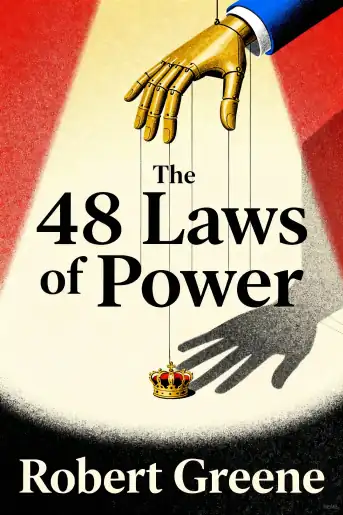
    The 48 laws of power
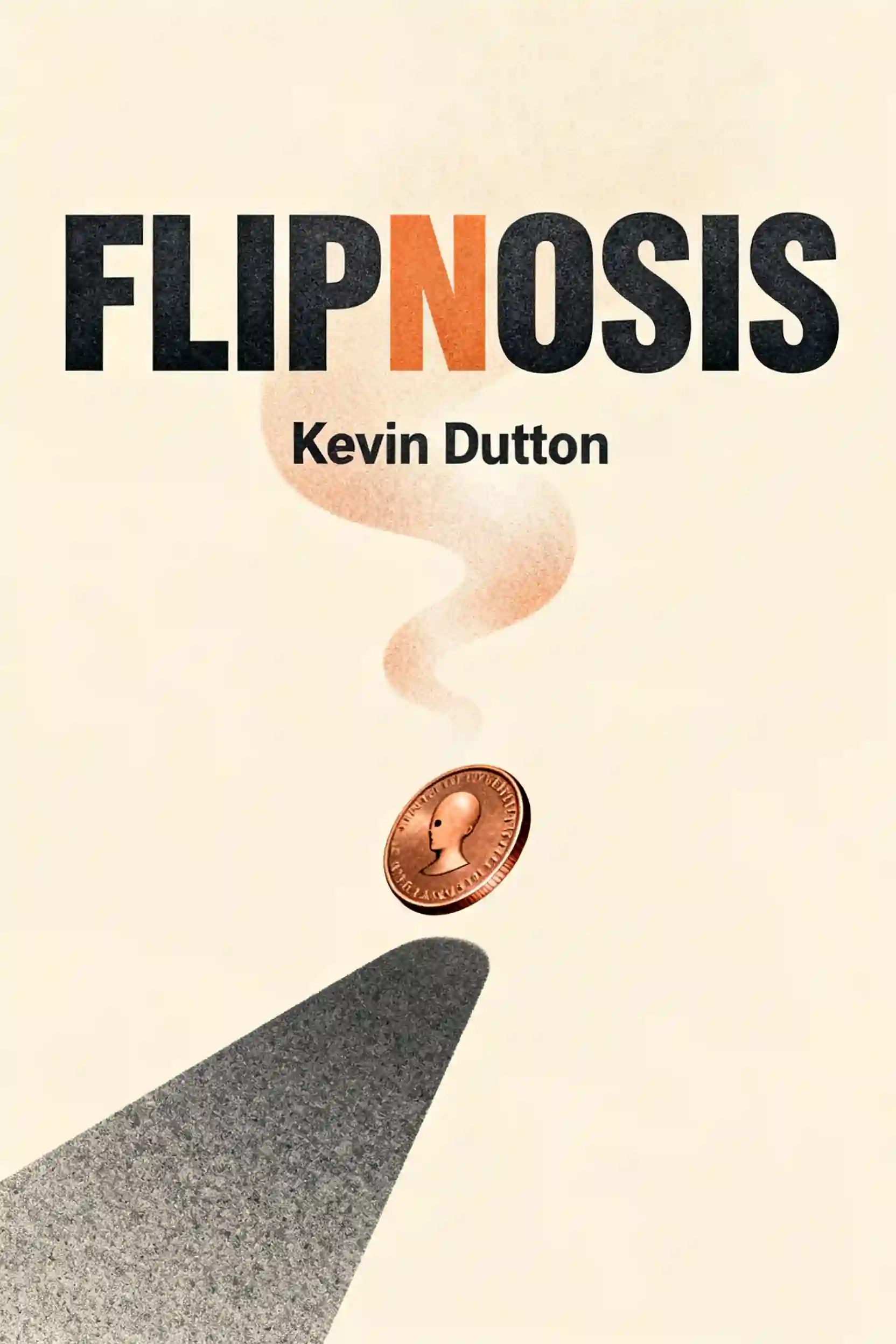
    Flipnosis
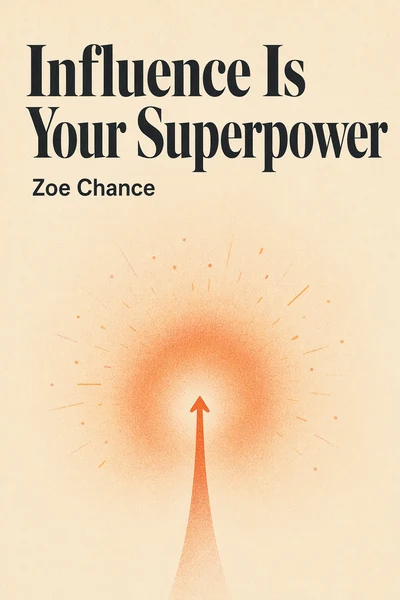
    Influence Is Your Superpower
    The Art of Always Being Right
    Human Hacking

    자주 묻는 질문

    Traditional empathy is typically viewed as a warm connection used to understand and share the feelings of others. In contrast, weaponized empathy—specifically cognitive empathy without affective empathy—functions as a high-definition sensor. It allows a manipulator to perfectly read a person’s emotions and unmet needs not to connect with them, but to identify the exact psychological levers and "buttons" to press for strategic leverage.
    The sequence begins with trust-building through mirroring and "love bombing" to lower a target's defenses. This is followed by strategic self-disclosure, where the manipulator shares a fake vulnerability to trigger the law of reciprocity, pressure the other person into revealing real secrets. Once this information is gathered, the manipulator moves to emotional activation, using guilt, shame, or insecurity to narrow the target's rational thinking and steer their reactions.

    Information asymmetry is a strategic formula where the manipulator seeks to know everything about a target's traumas, needs, and triggers while ensuring the target knows nothing of substance about them. By maintaining this gap, the manipulator functions as an invisible director. This allows them to pull strings and architect a reality where the target believes they are acting on their own free will, when they are actually being guided by the manipulator's hidden data.

    Frame control involves defining the context of an interaction so that the manipulator holds the power. Instead of asking for things, which appears weak, the manipulator uses "selective access" to make a target's desires—such as status or approval—conditional on specific choices. By providing an "illusion of choice" where every path serves the manipulator's interests, they ensure the target feels they are making a proactive decision while actually complying with a pre-set agenda.

    While high intelligence and strategic coldness provide a massive competitive advantage and "strategic efficiency," they come at the cost of "affective depth." This results in what is described as "optimized loneliness." The strategist becomes the most effective person in the room by treating relationships as portfolios and people as resources, but they ultimately remain disconnected from genuine human warmth and connection.

    컬럼비아 대학교 동문들이 제작 | 샌프란시스코에서 개발

    BeFreed는 호기심 넘치는 글로벌 커뮤니티를 하나로 연결합니다

    4.7

    평균 평점

    앱 평가 7.84천 개 이상

    BeFreed 커뮤니티

    정말이지 아직 앱을 다 써 보지도 않았는데, 며칠 써 본 것만으로도 깊은 인상을 받았어요… BeFreed는 제가 써 본 어떤 학습 앱과도 차원이 달라요. 몰입감이 엄청나고 집중력도 실제로 좋아져서, 스마트폰을 하염없이 스크롤하는 분들께 딱이에요!

    @ladyInfinity

    정확히 23일 전에 BeFreed를 구입했는데, 그날부터 하루도 빠짐없이 쓰고 있어요. 제 일상 업무 흐름과 학습 습관에 완전히 자리 잡았어요.

    @jayallen

    솔직히 이 앱은 제 기대를 전부 뛰어넘었어요. 어떤 주제든 오디오로 만들어 달라고 할 수 있고, 결과물이 놀라워요. 제 전문 분야는 심리치료 쪽이고 여러 학문이 얽혀 있는데도 답변이 아주 정확해요.

    @Raguipa

    제일 고마운 건 스크롤하는 시간이 확 줄었다는 거예요. 검색하는 시간은 줄고 흡수하는 시간은 늘었어요. 오디오북 전권, 팟캐스트, 학습 플랜의 조합이 정말 훌륭해요.

    @colonyofcreatorsNGO

    저는 24년째 PhotoReading 속진 학습 강사로 일하고 있어요… 책과 독서, 배움이 제 전문인데, BeFreed는 정보를 소화하기 쉽게 전달하는 혁신적인 방식을 정말 잘 구현했어요.

    @BeFreed user

    단순한 책 요약 앱이 아니에요. '재미' 스타일을 써 봤는데, 전통적인 방식보다 훨씬 나은 요약이고 아이디어를 이해하기도 쉬워요. 이것만으로도 값어치를 해요.

    @austinakon

    이 앱이 정말 좋아요. 며칠 써 봤는데 듣는 걸 멈출 수가 없어요. 시작하기에 이보다 좋을 수 없어요.

    @jcrules328

    정말 마음에 들어요. 한 달 정도 써 봤는데 숨은 보석을 찾은 기분이에요. BeFreed로 제가 원하는 주제를 직접 만들 수 있어서 좋고, 목소리도 훌륭한 데다 내레이션 선택지가 무궁무진해요.

    @DanielCZ

    정말이지 아직 앱을 다 써 보지도 않았는데, 며칠 써 본 것만으로도 깊은 인상을 받았어요… BeFreed는 제가 써 본 어떤 학습 앱과도 차원이 달라요. 몰입감이 엄청나고 집중력도 실제로 좋아져서, 스마트폰을 하염없이 스크롤하는 분들께 딱이에요!

    @ladyInfinity

    정확히 23일 전에 BeFreed를 구입했는데, 그날부터 하루도 빠짐없이 쓰고 있어요. 제 일상 업무 흐름과 학습 습관에 완전히 자리 잡았어요.

    @jayallen

    솔직히 이 앱은 제 기대를 전부 뛰어넘었어요. 어떤 주제든 오디오로 만들어 달라고 할 수 있고, 결과물이 놀라워요. 제 전문 분야는 심리치료 쪽이고 여러 학문이 얽혀 있는데도 답변이 아주 정확해요.

    @Raguipa

    제일 고마운 건 스크롤하는 시간이 확 줄었다는 거예요. 검색하는 시간은 줄고 흡수하는 시간은 늘었어요. 오디오북 전권, 팟캐스트, 학습 플랜의 조합이 정말 훌륭해요.

    @colonyofcreatorsNGO

    저는 24년째 PhotoReading 속진 학습 강사로 일하고 있어요… 책과 독서, 배움이 제 전문인데, BeFreed는 정보를 소화하기 쉽게 전달하는 혁신적인 방식을 정말 잘 구현했어요.

    @BeFreed user

    단순한 책 요약 앱이 아니에요. '재미' 스타일을 써 봤는데, 전통적인 방식보다 훨씬 나은 요약이고 아이디어를 이해하기도 쉬워요. 이것만으로도 값어치를 해요.

    @austinakon

    이 앱이 정말 좋아요. 며칠 써 봤는데 듣는 걸 멈출 수가 없어요. 시작하기에 이보다 좋을 수 없어요.

    @jcrules328

    정말 마음에 들어요. 한 달 정도 써 봤는데 숨은 보석을 찾은 기분이에요. BeFreed로 제가 원하는 주제를 직접 만들 수 있어서 좋고, 목소리도 훌륭한 데다 내레이션 선택지가 무궁무진해요.

    @DanielCZ

    유용한 정보와 아이디어를 8~15분짜리 팟캐스트 스타일 오디오로 압축해서 들을 수 있다는 게 정말 좋아요. 원래 팟캐스트는 군더더기가 많아서 안 좋아했는데, 여기는 그걸 싹 걷어냈어요.

    @BeFreed user

    박사 과정을 마무리하는 중이라 낯선 자료를 많이 읽어야 해요… BeFreed에서는 프롬프트만 입력하면 앱이 자료를 찾아서 오디오 팟캐스트로 만들어 줘요. BeFreed의 과정이 NotebookLM보다 더 매끄럽게 느껴져요.

    @Brad

    아침을 준비하거나 산책하거나 출퇴근할 때 들을 것을 YouTube에서 자주 찾곤 했는데, BeFreed는 광고도 군더더기도 없이 훨씬 더 딱 맞는 걸 들려줘요!

    @BeFreed user

    이 플랫폼의 가장 큰 장점은 활용도예요. 다루지 못하는 주제가 말 그대로 하나도 없어요. 무엇을 던져도 다 소화해요… 제한이 전혀 없으면서 약속을 실제로 지키는 학습 도구는 정말 드물어요.

    @jayallen

    BeFreed는 환상적이에요. 디자인이 편해서 헤매는 시간은 줄고 배우는 시간은 늘었어요. 오디오북, 팟캐스트, 학습 플랜의 조합은 천재적이에요. 제 하루가 완전히 달라졌어요.

    @BeFreed user

    처음엔 이탈리아어로 팟캐스트를 만드는 방법을 이해하는 데 시간이 좀 걸렸는데, 알고 나니까 — 와! 정말 대단해요! 어떤 주제든 설명해 달라고 하면 정말 똑똑하게 잘 설명해 줘요!

    @matteo77

    BeFreed는 제가 매일 쓰는 오디오북 앱이 됐어요… 제일 마음에 드는 건 텍스트를 넣으면 이동 중에도 들을 수 있는 오디오로 만들어 준다는 점이에요.

    @kotanzu1

    유용한 정보와 아이디어를 8~15분짜리 팟캐스트 스타일 오디오로 압축해서 들을 수 있다는 게 정말 좋아요. 원래 팟캐스트는 군더더기가 많아서 안 좋아했는데, 여기는 그걸 싹 걷어냈어요.

    @BeFreed user

    박사 과정을 마무리하는 중이라 낯선 자료를 많이 읽어야 해요… BeFreed에서는 프롬프트만 입력하면 앱이 자료를 찾아서 오디오 팟캐스트로 만들어 줘요. BeFreed의 과정이 NotebookLM보다 더 매끄럽게 느껴져요.

    @Brad

    아침을 준비하거나 산책하거나 출퇴근할 때 들을 것을 YouTube에서 자주 찾곤 했는데, BeFreed는 광고도 군더더기도 없이 훨씬 더 딱 맞는 걸 들려줘요!

    @BeFreed user

    이 플랫폼의 가장 큰 장점은 활용도예요. 다루지 못하는 주제가 말 그대로 하나도 없어요. 무엇을 던져도 다 소화해요… 제한이 전혀 없으면서 약속을 실제로 지키는 학습 도구는 정말 드물어요.

    @jayallen

    BeFreed는 환상적이에요. 디자인이 편해서 헤매는 시간은 줄고 배우는 시간은 늘었어요. 오디오북, 팟캐스트, 학습 플랜의 조합은 천재적이에요. 제 하루가 완전히 달라졌어요.

    @BeFreed user

    처음엔 이탈리아어로 팟캐스트를 만드는 방법을 이해하는 데 시간이 좀 걸렸는데, 알고 나니까 — 와! 정말 대단해요! 어떤 주제든 설명해 달라고 하면 정말 똑똑하게 잘 설명해 줘요!

    @matteo77

    BeFreed는 제가 매일 쓰는 오디오북 앱이 됐어요… 제일 마음에 드는 건 텍스트를 넣으면 이동 중에도 들을 수 있는 오디오로 만들어 준다는 점이에요.

    @kotanzu1

    웹에서 BeFreed가 어떻게 논의되고 있는지 더 보기
    129.7K19.5K
    55.2K19.2K
    154.2K10827355
    48.1K2.5K
    81.2K6.6K
    82.3K1.8K
    지금 바로 학습 여정을 시작하세요
    BeFreed 앱
    BeFreed

    무엇이든 개인화된 학습

    DiscordLinkedIn
    추천 도서 요약
    Crucial ConversationsThe Perfect MarriageInto the WildNever Split the DifferenceAttachedGood to GreatSay Nothing
    인기 카테고리
    Self HelpCommunication SkillRelationshipMindfulnessPhilosophyInspirationProductivity
    유명인 추천 도서
    Elon MuskCharlie KirkBill GatesSteve JobsAndrew HubermanJoe RoganJordan Peterson
    수상작 컬렉션
    Pulitzer PrizeNational Book AwardGoodreads Choice AwardsNobel Prize in LiteratureNew York TimesCaldecott MedalNebula Award
    추천 주제
    ManagementAmerican HistoryWarTradingStoicismAnxietySex
    연도별 베스트 도서
    2025 Best Non Fiction Books2024 Best Non Fiction Books2023 Best Non Fiction Books
    추천 저자
    Chimamanda Ngozi AdichieGeorge OrwellO. J. SimpsonBarbara O'NeillWinston ChurchillCharlie Kirk
    BeFreed vs 다른 앱
    BeFreed vs. Other Book Summary AppsBeFreed vs. ElevenReaderBeFreed vs. ReadwiseBeFreed vs. Anki
    학습 도구
    Knowledge VisualizerAI Podcast Generator
    정보
    회사 소개arrow
    가격arrow
    FAQarrow
    블로그arrow
    채용arrow
    파트너십arrow
    앰배서더 프로그램arrow
    디렉토리arrow
    BeFreed
    Try now
    © 2026 BeFreed
    이용 약관개인정보 처리방침
    BeFreed

    무엇이든 개인화된 학습

    DiscordLinkedIn
    추천 도서 요약
    Crucial ConversationsThe Perfect MarriageInto the WildNever Split the DifferenceAttachedGood to GreatSay Nothing
    인기 카테고리
    Self HelpCommunication SkillRelationshipMindfulnessPhilosophyInspirationProductivity
    유명인 추천 도서
    Elon MuskCharlie KirkBill GatesSteve JobsAndrew HubermanJoe RoganJordan Peterson
    수상작 컬렉션
    Pulitzer PrizeNational Book AwardGoodreads Choice AwardsNobel Prize in LiteratureNew York TimesCaldecott MedalNebula Award
    추천 주제
    ManagementAmerican HistoryWarTradingStoicismAnxietySex
    연도별 베스트 도서
    2025 Best Non Fiction Books2024 Best Non Fiction Books2023 Best Non Fiction Books
    학습 도구
    Knowledge VisualizerAI Podcast Generator
    추천 저자
    Chimamanda Ngozi AdichieGeorge OrwellO. J. SimpsonBarbara O'NeillWinston ChurchillCharlie Kirk
    BeFreed vs 다른 앱
    BeFreed vs. Other Book Summary AppsBeFreed vs. ElevenReaderBeFreed vs. ReadwiseBeFreed vs. Anki
    정보
    회사 소개arrow
    가격arrow
    FAQarrow
    블로그arrow
    채용arrow
    파트너십arrow
    앰배서더 프로그램arrow
    디렉토리arrow
    BeFreed
    Try now
    © 2026 BeFreed
    이용 약관개인정보 처리방침

    비슷한 콘텐츠

    Wise Empathy: The Professional Muscle 책 표지
    Genius of EmpathyPrimal Leadership4 things you can do to practice empathy at workPractice Wise Empathy as a Leader
    7 sources
    Wise Empathy: The Professional Muscle
    Struggling to connect at work without burning out? Learn to move beyond projection and use empathy as a strategic skill for innovation and safety.
    24 min
    The Human Premium: Empathy in the Age of AI 책 표지
    Seeking Empathy in the Age of AI – Association for Psychological Science – APSThe human premium - Fast Company[2607.24775v1] Empathy and the Human-Moment Gaps of AI Chatbots: Insights from Empathy Displacement TheoryThings AI Cannot Replace: Creative Friction, Empathy Work, and Emotional Public Spheres – The Public Sphere is Not a Place
    7 sources
    The Human Premium: Empathy in the Age of AI
    AI can mimic empathy, but it can't truly know you. Discover why human connection remains our greatest advantage and how to spot high-tech illusions.
    571 min
    The Dark Triad and Human Behavior 책 표지
    Dark Psychology: 11 Traits & Manipulation TacticsDark Psychology: Recognizing and Countering ManipulationDark Psychology: Complete Guide To The Dark Side Of Human BehaviorHow to Read People: 7 Body Language Cues Decoded
    8 sources
    The Dark Triad and Human Behavior
    Ever feel drained by a conversation? Learn to spot the manipulation tactics that exploit empathy and build the mental armor needed to take control.
    18 min
    Dark Psychology: The Mechanics of Manipulation 책 표지
    Dark Psychology: Manipulation Tactics to Recognize and Neutralize | When Notes FlyUnderstanding Dark Psychology and Manipulation TacticsDark Psychology: 11 Traits & Manipulation TacticsThe Ethics of Manipulation - Stanford Encyclopedia of Philosophy
    6 sources
    Dark Psychology: The Mechanics of Manipulation
    When empathy is weaponized, even the most conscientious people can be manipulated. Learn to spot the tactics of the Dark Tetrad and reclaim your autonomy.
    22 min
    Social Intelligence: The New High IQ 책 표지
    How to Talk to AnyoneThe Art of Witty BanterBetter Small TalkCommunication Skills Training
    26 sources
    Social Intelligence: The New High IQ
    Unlock the science of reading the room and building meaningful connections. Learn why social awareness is the ultimate professional asset and how to master conversational architecture for real-world success.
    30 min
    The Intelligence Trap in Social Physics 책 표지
    The Anxiety That Kills Before You Even Try: Why Smart Men Overthink Themselves Out of Love | by Sarah Mitchell | MediumThe Dating Advantage Analytical Men Don't Know They Have — Courtney Schand CoachingThe Physics of Flirting: Lessons for Logical Thinkers 💡💘 | Conquer & WinINTJ in Sales: The Strategy That Actually Works
    6 sources
    The Intelligence Trap in Social Physics
    Overthinking can turn a simple conversation into a complex equation. Learn to bypass analysis paralysis and use social physics to build connection.
    1145 min
    Why smart people still make irrational decisions 책 표지
    Rational and Irrational Thought: The Thinking That IQ Tests Miss | Scientific AmericanWhy the smartest people can make the dumbest mistakesOn the Relative Independence of Thinking Biases and Cognitive AbilityCognitive Sophistication Does Not Attenuate the Bias Blind Spot
    7 sources
    Why smart people still make irrational decisions
    High IQ doesn't guarantee good judgment. Learn why brilliant minds fall for cognitive traps and how to bridge the gap between being smart and being right.
    1717 min
    Never Split the Difference: Tactical Empathy 책 표지
    Never Split the Difference Summary & Review | ClickUpNever Split the Difference Summary: Chapter-by-Chapter ExplainedBook Summary: Never Split the Difference by Chris Voss - To SummariseThe "Never Split the Difference" 10 Key Lessons, summary, and Main Idea | business tips
    5 sources
    Never Split the Difference: Tactical Empathy
    Logic often fails in high-stakes negotiations because humans are driven by emotion. Learn how to use mirroring and labeling to build trust and win.
    1422 min

    Recommended Learning Plans

    The Social Intelligence Playbook
    학습 계획

    The Social Intelligence Playbook

    In today's interconnected world, technical skill is often secondary to the ability to navigate complex human interactions and emotional landscapes. This playbook is essential for professionals and leaders who want to master self-regulation and influence group outcomes with precision.

    1 h 30 m•3 섹션
    Lead with Tactical Empathy
    학습 계획

    Lead with Tactical Empathy

    In high-pressure environments, the ability to balance emotional intelligence with firm accountability is the hallmark of effective leadership. This plan is designed for managers and professionals who need to navigate conflict and drive performance without sacrificing psychological safety.

    2 h 30 m•5 섹션
    Read the Room and Influence
    학습 계획

    Read the Room and Influence

    In high-stakes professional environments, technical skills are often secondary to emotional intelligence and the ability to sway opinions. This plan is essential for leaders and collaborators who need to navigate complex social dynamics and drive consensus without creating conflict.

    1 h 30 m•3 섹션
    The Strategist's Toolkit for Human Dynamics
    학습 계획

    The Strategist's Toolkit for Human Dynamics

    In high-stakes environments, understanding the hidden layers of human behavior is a critical survival skill. This plan is designed for leaders and professionals who need to identify predatory tactics and apply strategic decision-making to win in competitive social landscapes.

    1 h 45 m•3 섹션
    To manipulate others
    학습 계획

    To manipulate others

    This plan is essential for leaders and professionals who need to navigate complex social hierarchies and master the art of persuasion. It provides a comprehensive toolkit for understanding human motivation and protecting oneself from covert influence.

    5 h 5 m•4 섹션
     How to be attractive and smart
    학습 계획

     How to be attractive and smart

    This plan is designed for individuals looking to bridge the gap between social influence and cognitive excellence. It is ideal for professionals and lifelong learners who want to combine emotional intelligence with mental sharpness to become more persuasive and impactful.

    5 h 15 m•4 섹션
    Cognitive thinking and manipulation
    학습 계획

    Cognitive thinking and manipulation

    In an era of information warfare and constant persuasion, mastering your own cognitive architecture is a vital survival skill. This plan is designed for professionals and leaders who need to sharpen their decision-making while protecting themselves from sophisticated psychological manipulation.

    4 h 58 m•4 섹션
    The Master Manipulator's Field Guide
    학습 계획

    The Master Manipulator's Field Guide

    In high-stakes environments, psychological safety is often threatened by calculated manipulators. This guide is essential for professionals seeking to identify toxic behaviors and build resilient defenses to protect their careers.

    1 h 30 m•3 섹션